
 HI
HI  EN
EN  BN
BN  ES
ES  TR
TR  FR
FR  ID
ID  RU
RU  AR
AR  UR
UR  VI
VI  TL
TL Comparing Bulk Supply Options: FSX Chemical vs. Other Manufacturers
Bulk textile chemical sourcing should be evaluated through more than price per metric ton. Buyers should compare commercial grade suitability, sample-to-bulk continuity, batch consistency, MOQ, lead time, technical support, documentation and Total Cost in Use.
Why FSX Chemical Is a Preferred Factory for Textile Printing Chemicals
FSX Chemical supplies CMC, CMS, sodium alginate and digital printing paste for different textile printing processes. This guide explains how buyers can evaluate its product coverage, grade-matching support, batch control and technical documentation before approving a bulk order.
In-Depth Product Comparison: Sodium Alginate vs. CMC in Textile Printing
Sodium alginate and CMC can both control printing-paste viscosity, but they are not interchangeable in every dye system. This guide compares their chemistry, rheology, wash-off, print performance and total cost in use, then provides a practical test protocol for supplier and grade qualification.
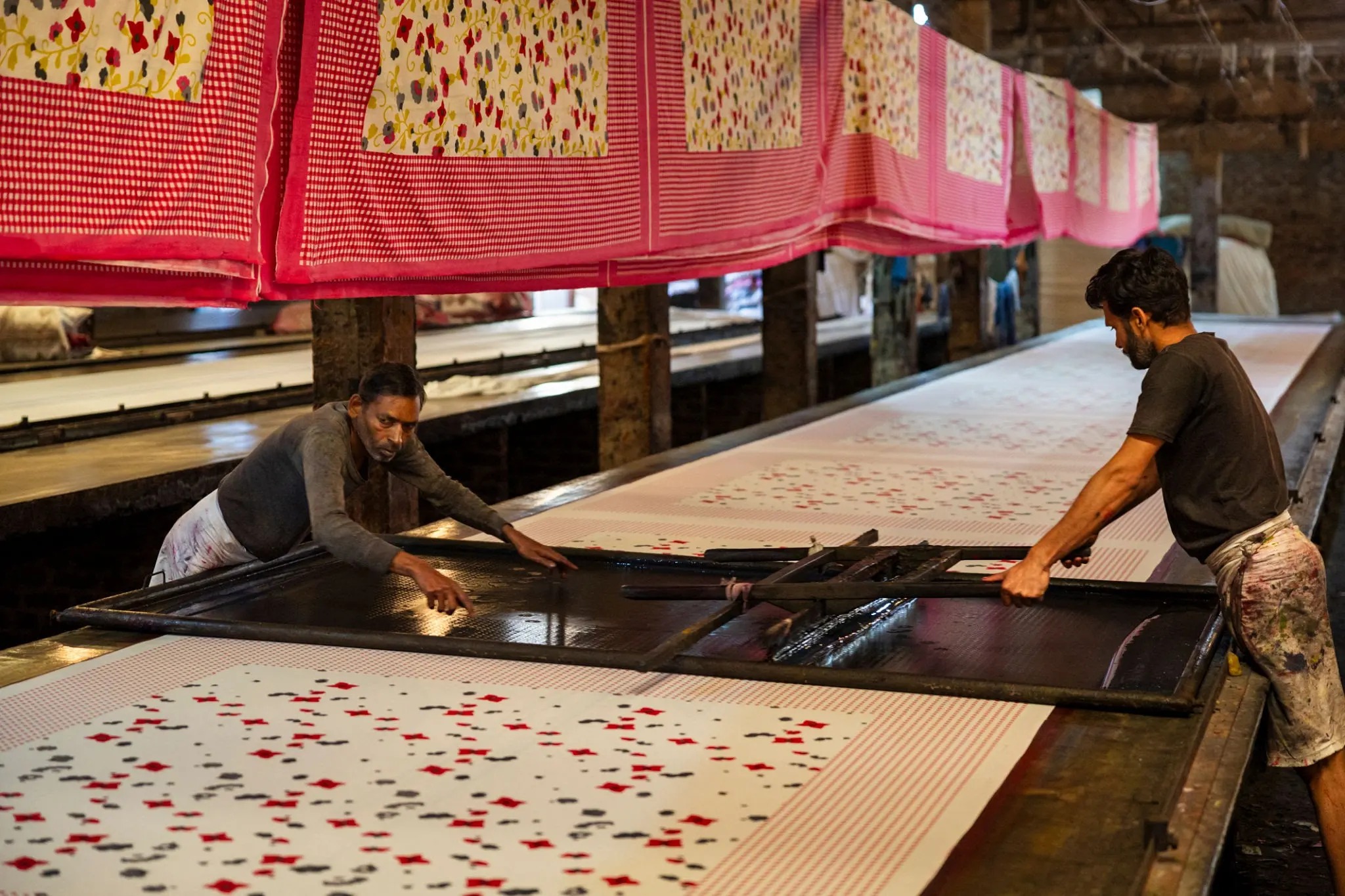
Sodium Alginate for Textile Printing: How to Choose the Right Thickener
Sodium alginate for textile printing is widely used as a thickener in reactive printing paste. This article explains its main functions, suitable applications, key purchasing parameters, and how buyers can request TDS, samples, and grade matching support before bulk orders.
Five Reasons to Source Textile Printing Chemicals Directly from Manufacturers
Direct manufacturer sourcing can improve technical communication, grade matching, batch documentation and total cost control, but it is not automatically the best route for every order. This guide explains five practical benefits, the situations where a distributor may be more suitable, and how buyers can qualify a textile printing chemical factory before purchasing.
How to Improve Color Yield and Fastness in Reactive Dye Printing
Low color yield or poor fastness in reactive dye printing rarely has a single cause. This guide explains how fabric preparation, dye selection, thickener rheology, alkali, moisture, steaming and wash-off interact, and provides a practical troubleshooting and quality-control workflow.
Reactive Digital Printing Pretreatment: Padding vs. Stenter Application—Which Route Should You Test?
Padding and stenter are often discussed as alternative reactive digital pretreatment methods, but technically they perform different functions. Padding controls liquor application and wet pick-up, while the stenter controls open-width drying, tension and fabric condition. This guide explains which route to test according to fabric, equipment and production requirements.
Wet-on-Wet vs. Dry Pretreatment for Reactive Digital Textile Printing
Wet-on-wet reactive digital printing can reduce or eliminate a pretreatment drying stage, but it introduces tighter control of fabric moisture, ink diffusion and machine transport. This guide compares controlled wet-state printing with conventional dry pretreatment through print quality, fixation, washing, production stability and Total Cost in Use.
