Textile Printing Thickener Grade Matching: Lab-to-Production Process
Grade matching in textile chemistry requires more than comparing product names or viscosity values. This...
Direct answer: Textile printing thickener grade matching is a controlled comparison between the current approved product and a candidate grade. Define the fabric, dye or ink system and printing route first; then align concentration, water, mixing, hydration, temperature and viscosity method. Compare rheology, filtration, complete-paste stability, printing, fixation or curing, wash-off and finished fabric before verifying the first commercial batch.
Grade matching is a common requirement when a textile factory changes suppliers, qualifies a backup source, develops a new formulation or attempts to replace an existing printing chemical. However, two products with similar names or specification ranges may not behave the same way in preparation, storage, printing, fixation or washing.
For technical buyers, the objective is not to find a product that appears identical on paper. The objective is to identify a candidate grade that can meet the factory’s critical process and final-quality requirements under controlled and repeatable test conditions.
This process is particularly important for textile printing thickeners and printing paste materials such as CMC, CMS, sodium alginate, compound thickeners and digital printing paste. The same principles can also be applied to other textile auxiliaries when the test criteria are adjusted to the intended application.
What Grade Matching Means in Textile Chemistry
Grade matching is a structured comparison between an approved reference product and one or more candidate grades. The comparison should cover the complete application rather than one isolated laboratory value.
For a textile printing thickener, this may include powder dispersion, hydration, viscosity, rheology, filtration, paste stability, screen passage, print definition, fixation, wash-off and final fabric handle. Commercial documentation and batch consistency must also be considered before the candidate is approved.
Grade matching is not the same as product identification
Product names such as CMC, CMS or sodium alginate identify a chemical family, but they do not define a complete commercial grade. Products in the same family can have different viscosity ranges, substitution levels, particle sizes, moisture limits, hydration behavior and application specifications.
A supplier should therefore avoid describing a candidate as a direct equivalent before application testing. A more reliable description is that the product is a proposed matching grade for controlled evaluation.
What a successful match should achieve
Meet the defined critical technical requirements
Remain compatible with the actual formulation and process water
Produce an acceptable result on the intended fabric
Remain practical for mixing, storage and production handling
Provide suitable technical and batch documentation
Demonstrate acceptable consistency from sample to commercial supply
When Is Grade Matching Required?
Grade matching may be initiated for technical, supply-chain or commercial reasons. Defining the reason at the beginning helps determine which acceptance criteria should receive the highest priority.
Replacing a discontinued or unavailable textile chemical
Qualifying a second supplier for supply continuity
Reducing dependence on a single imported grade
Changing the fabric, dye, pigment, ink or printing process
Moving from laboratory development to production-scale printing
Addressing slow hydration, viscosity drift or filtration problems
Improving screen passage, outline definition or wash-off
Comparing cost-in-use rather than price per kilogram
Developing a custom printing paste or compound thickener
A single matching project should normally focus on one defined application. Reactive printing on cotton, pigment printing on cotton and digital pretreatment for cotton may use the same fabric but represent different chemical and process requirements.
Step 1: Define the Matching Objective
The first step is to define what the word “matched” means for the project. The objective may be equivalent production performance, an approved backup grade, improved filtration, easier preparation or a lower total cost in use.
Avoid starting with a general request for a product that is “the same or better in every way.” A useful project has measurable requirements and a clear approval decision.
Record the complete application
Fabric or fibre composition, including blend ratio
Dye, pigment or ink system
Printing method: flat screen, rotary screen, coating or digital route
Machine type and normal operating conditions
Fixation, drying and post-treatment process
Current dosage and paste-preparation procedure
Required print definition, penetration and fabric handle
Main production problem to be solved
Separate critical requirements from preferences
Critical requirements are conditions that can stop production or make the finished fabric unacceptable. Examples may include severe screen blockage, unstable paste, incompatible dye behavior or unacceptable wash-off.
Noncritical preferences may include a minor difference in powder color, packaging format or preparation time. Separating these two groups makes the evaluation more consistent.
Step 2: Build a Reference Benchmark
The current approved product should be treated as the control. Before introducing a candidate, record how the reference product is prepared, tested and used in normal production.
Testing a candidate without a reference makes it difficult to determine whether a result was caused by the new chemical or by normal variation in fabric, water, dye, equipment or laboratory preparation.
Information to collect from the current product
Current product name and permanent grade code
Technical Data Sheet and Safety Data Sheet
Representative physical sample with batch information
Current viscosity specification and complete test method
Powder appearance, particle size and hydration behavior
Current dosage and full preparation procedure
Normal paste holding time before printing
Known production strengths and limitations
Confirm that the reference sample is representative
An opened, humid, contaminated or outdated sample may no longer represent the product used in normal production. Where possible, record the batch number, opening date and storage history.
The approved production product should remain the main benchmark. A damaged retained sample can send the matching project in the wrong direction.
Step 3: Select the Correct Chemical Route
Before choosing an exact grade, determine which product family should be evaluated. Selecting the correct chemistry route is more important than finding a similar viscosity within an unsuitable product family.
Sodium alginate route
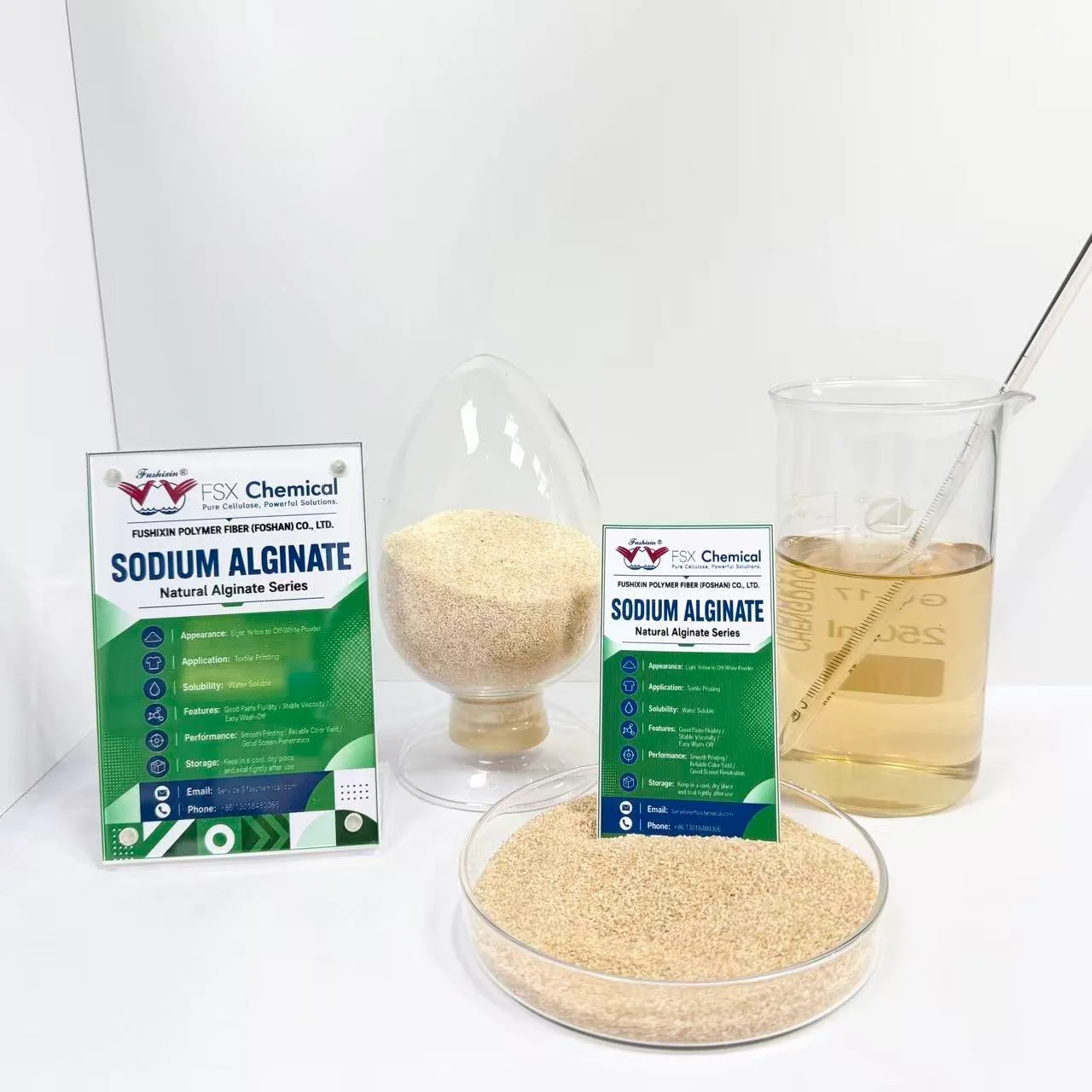
Sodium alginate is commonly evaluated for reactive dye printing systems where paste rheology, print definition and wash-off behavior need to be considered together.
Final suitability still depends on fabric, dye selection, auxiliaries, preparation, fixation and washing conditions. A sodium alginate grade should therefore be confirmed in the customer’s actual formulation.
CMC route
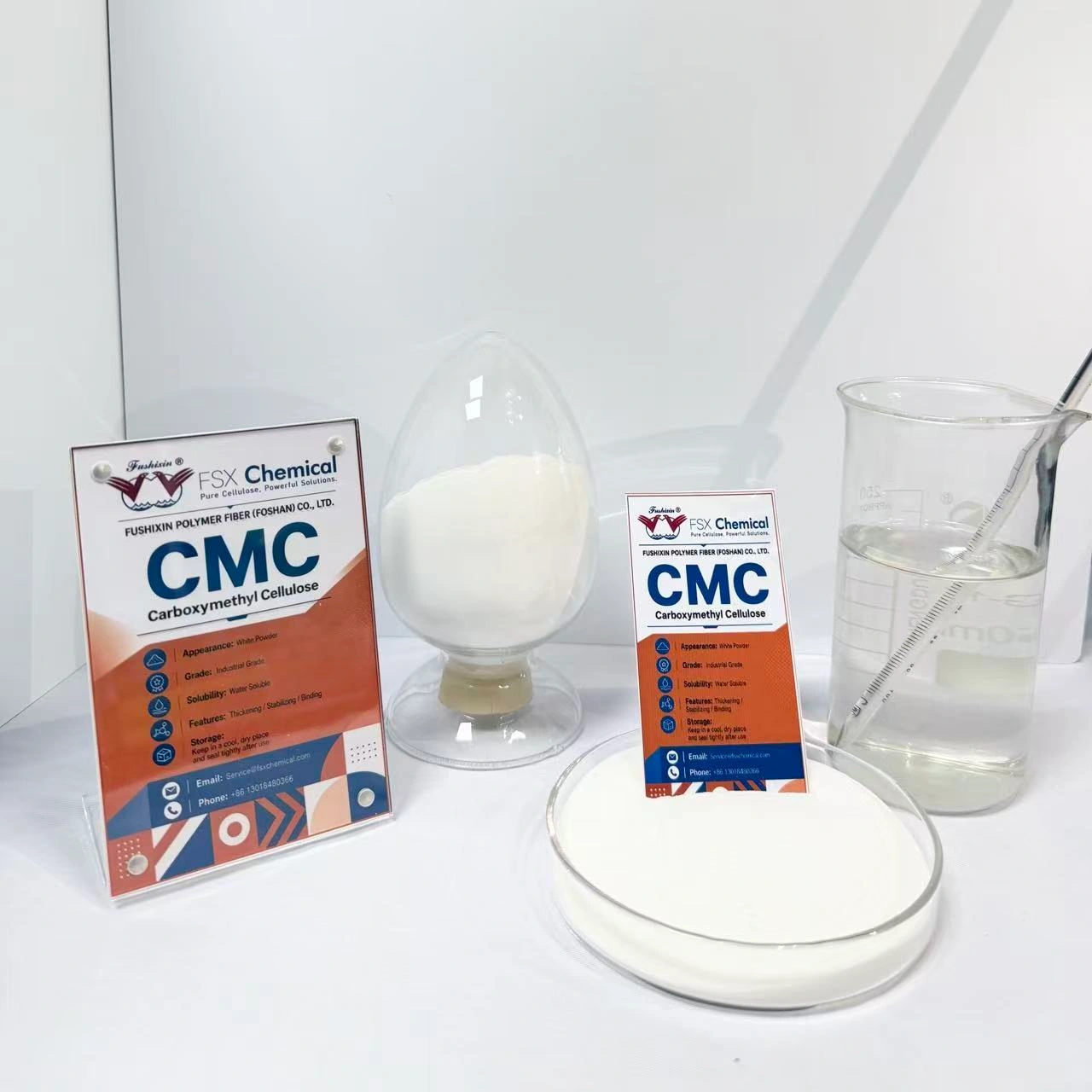
Carboxymethyl Cellulose (CMC) is available in different viscosity and substitution ranges and may be evaluated for selected textile printing, sizing and formulation applications.
Buyers should confirm viscosity method, degree of substitution where relevant, solution behavior, compatibility and the intended dye or pigment system.
CMS route
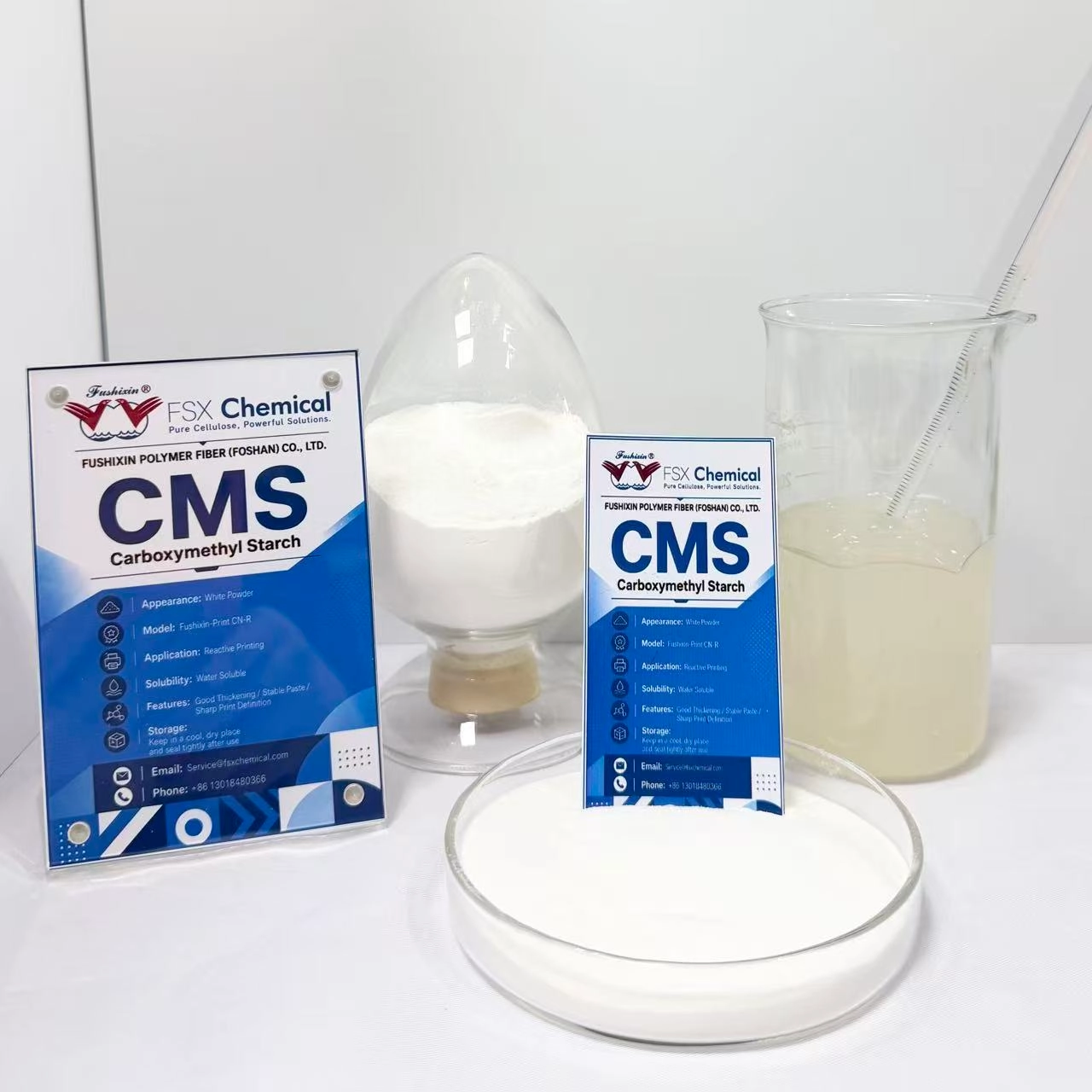
Carboxymethyl Starch (CMS) may be evaluated in selected printing and textile formulations where paste body, application performance and cost-in-use are part of the matching objective.
It should not be treated as a universal one-to-one replacement for another thickener family. Dosage and final performance need to be established by controlled testing.
Compound and digital printing paste routes
Compound thickeners may combine different material routes to achieve a specific balance of hydration, rheology, filtration and cost. The exact composition and recommended use should be reviewed through the supplier’s technical information and application trial.
For inkjet pretreatment and digital textile printing, evaluate a dedicated digital printing paste according to the ink system, fabric, filtration requirement, coating or padding method and final printing result.
Step 4: Standardize the Test Method
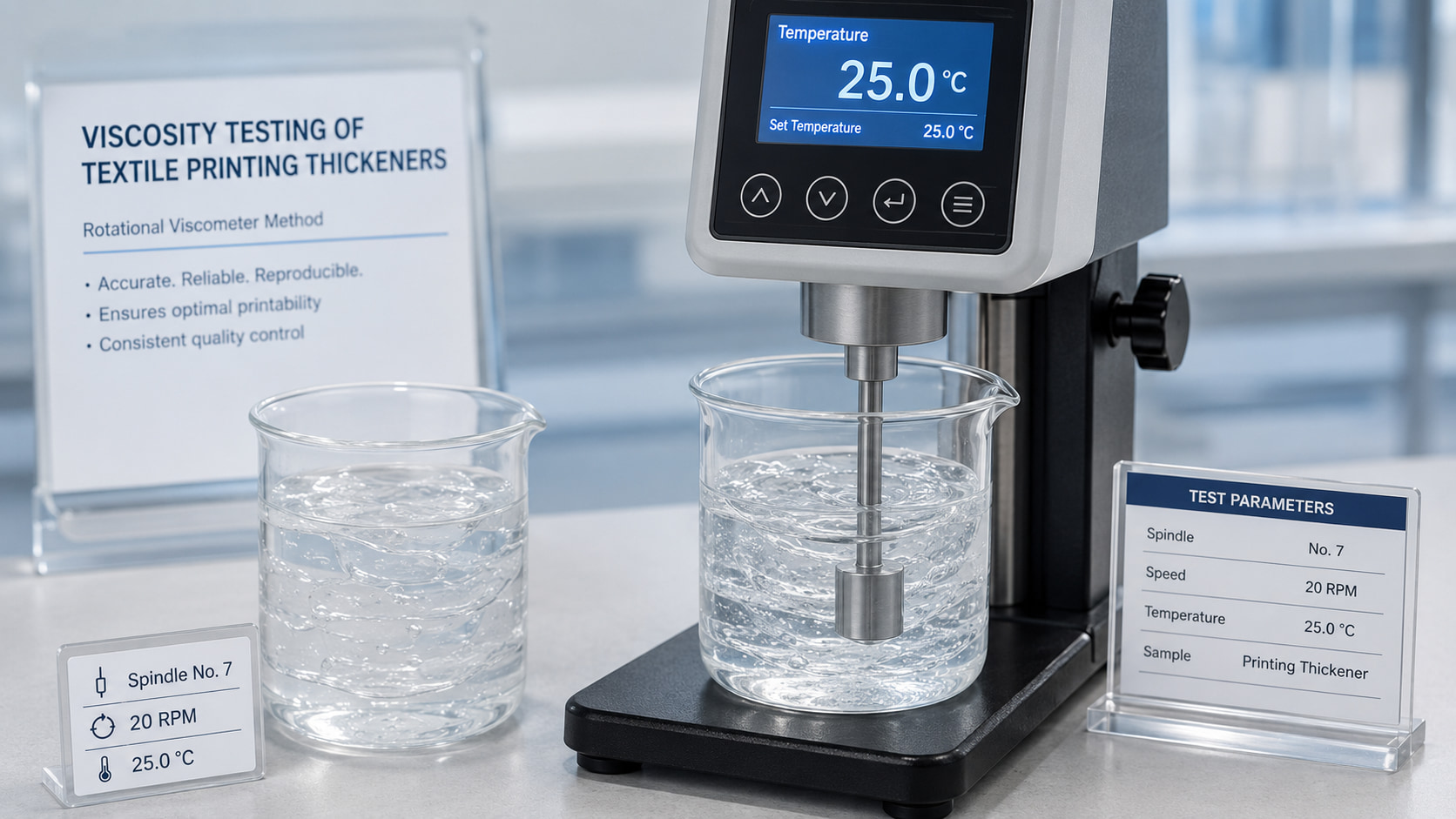
Viscosity values are meaningful only when the measurement conditions are known. Results obtained at different concentrations, temperatures, hydration times or instrument settings should not be treated as directly equivalent.
Record the complete viscosity method
Sample concentration and preparation basis
Water source and water temperature
Mixing equipment, mixing speed and mixing time
Hydration and resting time before measurement
Measurement temperature
Instrument model or measurement principle
Spindle, rotor or geometry used
Rotational speed or shear condition
Reported unit and reading time
When the supplier and buyer use different viscosity methods, record both methods and retest the reference and candidate with one common internal procedure. Do not convert values by assumption unless an appropriate validated correlation is available.
Control preparation variables
Use the same batch of water, identical containers and the same mixing sequence for all samples. Keep sample temperature and resting time as consistent as practical.
Any deviation should be recorded. Small changes in preparation can create an apparent product difference that is not caused by the grade itself.
Step 5: Screen Candidate Samples
Initial laboratory screening helps remove clearly unsuitable candidates before conducting more expensive printing or production trials.
Basic screening checks
Powder or liquid appearance
Dispersion behavior and lump formation
Hydration time and mixing requirement
Solution or paste uniformity
Viscosity under the agreed test method
pH under the defined preparation condition
Filtration or screen-residue behavior
Foam, separation, settling or skin formation
Viscosity after the normal holding period
Each candidate should have a unique sample code and preparation record. Avoid using informal descriptions such as “sample one” or “white powder” when several grades are being evaluated.
Do not approve a grade from water testing alone
A thickener solution prepared only with water can be useful for basic screening, but it does not represent the complete printing paste. Electrolytes, alkali, binders, dyes, pigments and other auxiliaries may change viscosity and stability.
Step 6: Test the Complete Formulation
After initial screening, prepare the candidate in the actual or representative production formulation. Keep the formulation unchanged unless dosage adjustment is part of the planned test design.
Control the formulation variables
Thickener dosage
Dye, pigment or ink concentration
Alkali, salt, binder and main auxiliaries
Order of addition
Mixing and hydration procedure
Process-water source
Paste holding time
Final pH and viscosity measurement
During the first comparison, change only one major variable at a time. Changing the thickener, dosage, dye concentration, alkali, fixation and washing process together makes it difficult to identify the cause of the final result.
Evaluate paste stability over time
Measure the paste immediately after preparation and again after the normal factory holding period. Record viscosity drift, separation, settling, foaming or changes after the complete auxiliary package is added.
Step 7: Run a Controlled Application Trial
Once the candidate passes preparation and stability screening, conduct a controlled application trial. The reference and candidate should be tested with the same fabric, colorant concentration, machine settings, fixation process and post-treatment sequence.
Printing behavior to observe
Screen passage, release or filtration
Paste transfer and machine handling
Outline definition and bleeding
Penetration and surface coverage
Screen blockage or deposit formation
Foam and paste stability during the run
Consistency from the beginning to the end of the trial
A laboratory drawdown, hand-screen test or small coating trial may be used for the first comparison. However, it should not automatically replace a production-relevant machine trial when the commercial process involves different shear, pressure, speed or drying conditions.
Use the approved product as a control
Include the current approved grade in the same trial wherever possible. This helps separate candidate performance from normal variation in fabric, dye, water and equipment.
Step 8: Evaluate the Final Textile Result
The grade-matching decision should be based on the final textile result, not only on paste viscosity or machine behavior. Apply the same fixation, drying, washing and finishing conditions to the reference and candidate.
Final performance criteria may include
Shade response and visual consistency
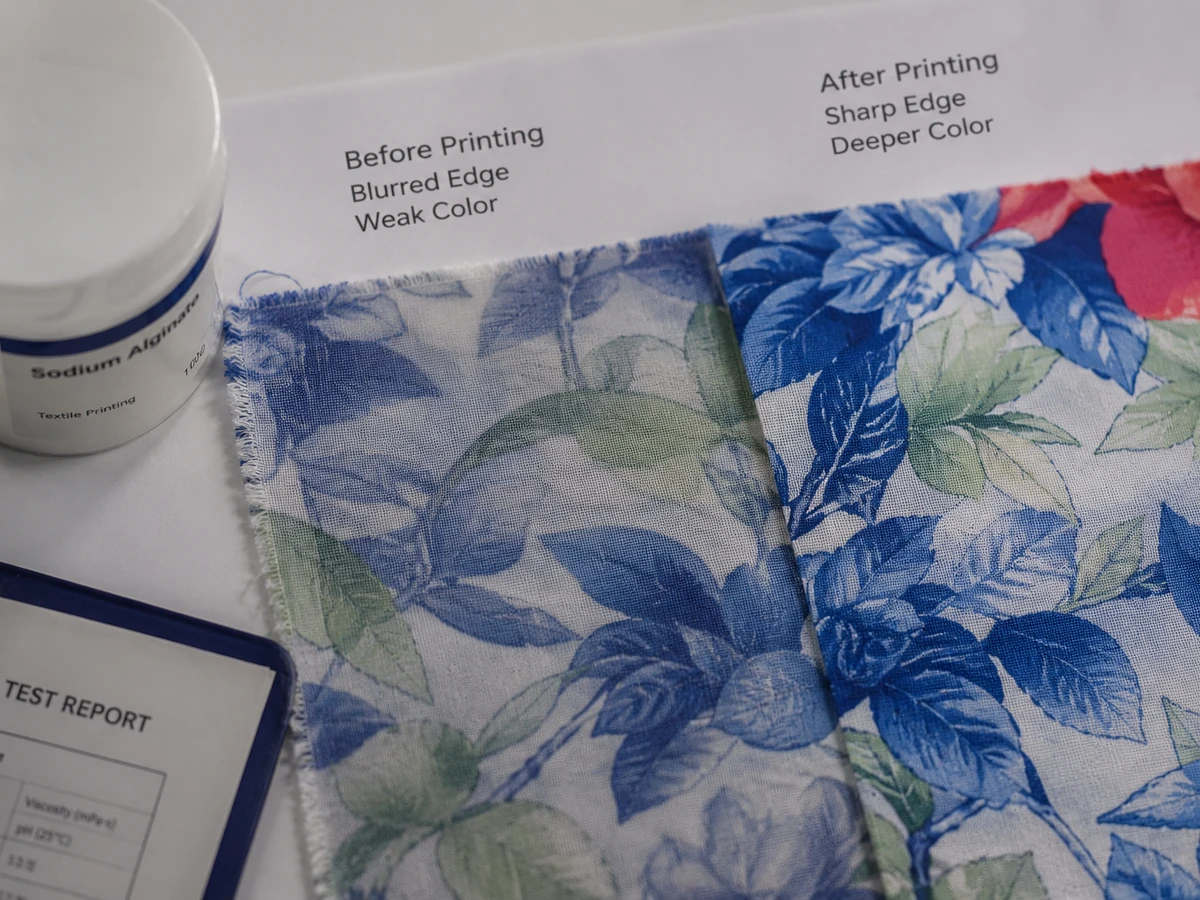
Print sharpness and edge definition
Penetration and surface coverage
Levelness across the printed area
Wash-off behavior and residual paste
Fabric handle after post-treatment
Relevant rubbing or fastness results
Post-treatment efficiency and production practicality
Fastness and shade results depend on the complete textile process and should not be attributed to the thickener alone. Any numerical claim should identify the test method, control product and trial conditions.
Test representative production conditions
Where the factory produces different shades or fabric qualities, select more than one representative condition. A grade approved with one light shade may still require confirmation in a heavier or chemically different formulation.
Step 9: Compare Cost-in-Use and Production Practicality
Price per kilogram does not show the full operating cost of a textile chemical. A candidate may have a lower purchase price but require a higher dosage, longer mixing, additional filtration or more washing.
Cost-in-use factors to review
Dosage needed to reach the required paste performance
Mixing time, hydration time and energy requirement
Filtration and screen-cleaning requirements
Paste loss during preparation or production
Machine interruption or blockage risk
Washing and rinsing requirements
Reprocessing or rejected-fabric risk
Packaging, storage and inventory handling
Technical documentation and supplier support
The lowest-priced grade is not automatically the lowest-cost production option. The final decision should balance application performance, process reliability, documentation and commercial conditions.
Step 10: Verify the Commercial Batch
Laboratory approval is an important milestone, but it does not complete the qualification. The approved sample must be connected to a permanent commercial grade, specification and batch-release procedure.
Lock the approved product identity
The approved sample, TDS, quotation, purchase order, package label and COA should use the same product and grade code. Avoid approving one specific sample and then purchasing only by a general chemical-family name.
Confirm the first-batch control plan
Parameters that will appear on the batch COA
Incoming tests to be completed by the buyer
Required retention samples
Packaging and label requirements
Acceptance limits for the first commercial delivery
Procedure for reporting an out-of-specification result
Conduct incoming inspection
Check packaging, batch number, product appearance and documents before releasing multiple packages to production. Complete the agreed viscosity or application test before using the entire shipment.
Monitor the first production runs
Record preparation, dosage, paste viscosity, machine behavior, final textile result and wash-off performance. These records create a practical baseline for future batch monitoring.
Manage future product changes
If the agreed specification, raw-material route or manufacturing process changes significantly, part of the qualification may need to be repeated. Change-notification expectations should be discussed during commercial approval.
Grade Matching Decision Gates
Stage
Main Question
Decision
Application definition
Is the intended fabric, chemistry and process clearly defined?
Proceed only after the application is documented.
TDS and sample review
Is the reference product and test method understood?
Select the most appropriate candidate route.
Laboratory screening
Does the candidate meet basic preparation and specification needs?
Remove unsuitable grades before application trials.
Complete formulation
Is the candidate compatible with the full paste system?
Proceed to controlled printing or application testing.
Final textile evaluation
Does the candidate meet critical fabric-quality requirements?
Approve, reject or revise the test direction.
Commercial verification
Does the first commercial batch match the approved grade?
Release for production and begin routine monitoring.
Documents Required for Grade Approval
During initial technical review
Current TDS for the candidate grade
Current SDS for handling and internal review
Sample label and permanent grade code
Recommended preparation and hydration method
Complete viscosity measurement procedure
Relevant specification parameters and units
After sample approval
Agreed commercial specification
Approved product and grade code
Packaging and label specification
Required batch-control parameters
Change-notification expectations where agreed
For commercial shipment
Batch-specific Certificate of Analysis
Commercial invoice and packing list
Required origin or shipping documents
Product and batch identification
A COA confirms only the parameters reported on that document. It does not replace the buyer’s application trial or guarantee identical performance under every formulation and production condition.
Certifications should be requested only where relevant. Buyers should verify the certificate holder, product scope, issuer and validity period before relying on a document for approval.
Common Grade Matching Mistakes
Matching only by product name
CMC, CMS and sodium alginate are product families rather than complete specifications. A product-family name cannot confirm viscosity method, hydration behavior or application suitability.
Comparing viscosity from different methods
Viscosity values measured at different concentrations, temperatures, spindle settings or rotational speeds should not be treated as directly comparable.
Providing an unrepresentative reference sample
A humid, contaminated or outdated sample may lead to the wrong matching direction. Provide the current TDS and a representative batch wherever possible.
Changing several process variables at once
Changing dosage, alkali, dye, fixation and washing together prevents the technical team from isolating the effect of the candidate grade.
Testing only the candidate
Without the current approved product as a control, normal variation in fabric, water or equipment may be incorrectly attributed to the new chemical.
Ignoring process-water quality
A candidate prepared with laboratory water may behave differently under factory conditions. Use actual process water or include a separate water-sensitivity comparison where practical.
Approving a custom sample without a production plan
Confirm that the approved sample can be reproduced as a permanent commercial grade with a defined specification and batch-release method.
Comparing price before dosage and performance
A lower price per kilogram does not guarantee a lower cost per batch. Include dosage, preparation, cleaning, washing and reprocessing in the comparison.
Textile Printing Thickener Grade Matching FAQ
Is the same viscosity enough to confirm a matching grade?
No. First confirm that concentration, water, hydration, temperature, instrument, spindle, RPM and reading time are identical. Then compare rheology, filtration, paste stability and the final printed textile. Two products with the same single-point viscosity can perform differently.
Can a supplier guarantee a universal 1:1 replacement?
A supplier can recommend a candidate starting grade, but a universal weight-for-weight replacement should not be promised before testing. Chemical family, purity, substitution or composition, particle profile and process interaction may differ.
What information is required before sample selection?
Provide the current product or TDS, viscosity test method, dosage, paste recipe, fabric, dye or ink system, printing equipment, fixation and washing route, current problem and estimated commercial quantity.
Is a laboratory pass enough for bulk approval?
No. Use the laboratory result to select a production-trial candidate. Verify mixing scale, holding time, machine behavior and finished fabric, then connect the approved sample to a permanent grade code, specification and first commercial batch.
How should buyers compare the cost of two grades?
Compare optimized dosage, preparation time, filtration loss, machine interruptions, paste waste, reprinting, washing or curing and final accepted fabric—not price per kilogram alone. Start a controlled comparison through Samples & Matching or submit commercial requirements through Request a Quote.
How FSX Chemical Supports Grade Matching
FSX Chemical supplies CMC, CMS, sodium alginate, digital printing paste and matched thickener routes for textile printing applications. The starting product direction can be reviewed according to the customer’s fabric, colorant system, process and current production issue.
Information buyers can provide
Current product name, TDS or representative sample
Based on the available information, the technical team can review the suitable product route and prepare a candidate sample for laboratory evaluation. TDS and SDS can be provided for the selected grade, while batch-specific COA information should be confirmed against the actual commercial batch.
Final approval should remain based on the customer’s own laboratory or production trial. Results can vary with the formulation, water quality, fabric, equipment, fixation and washing conditions.
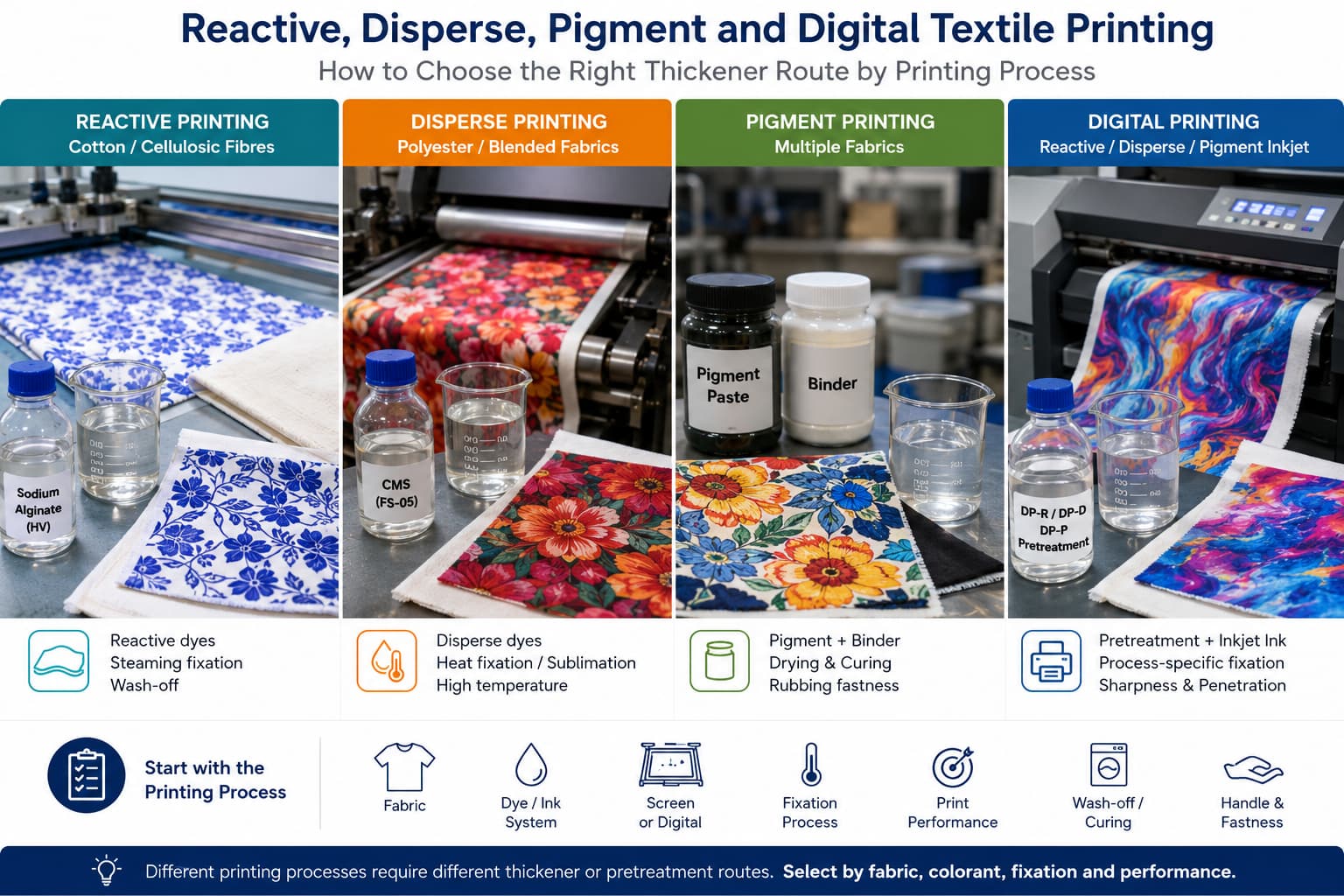
Learn how to choose thickener and pretreatment routes for reactive, disperse, pigment and digital textile printing based on fabric, dye or ink, fixation, wash-off and print-quality requirements.
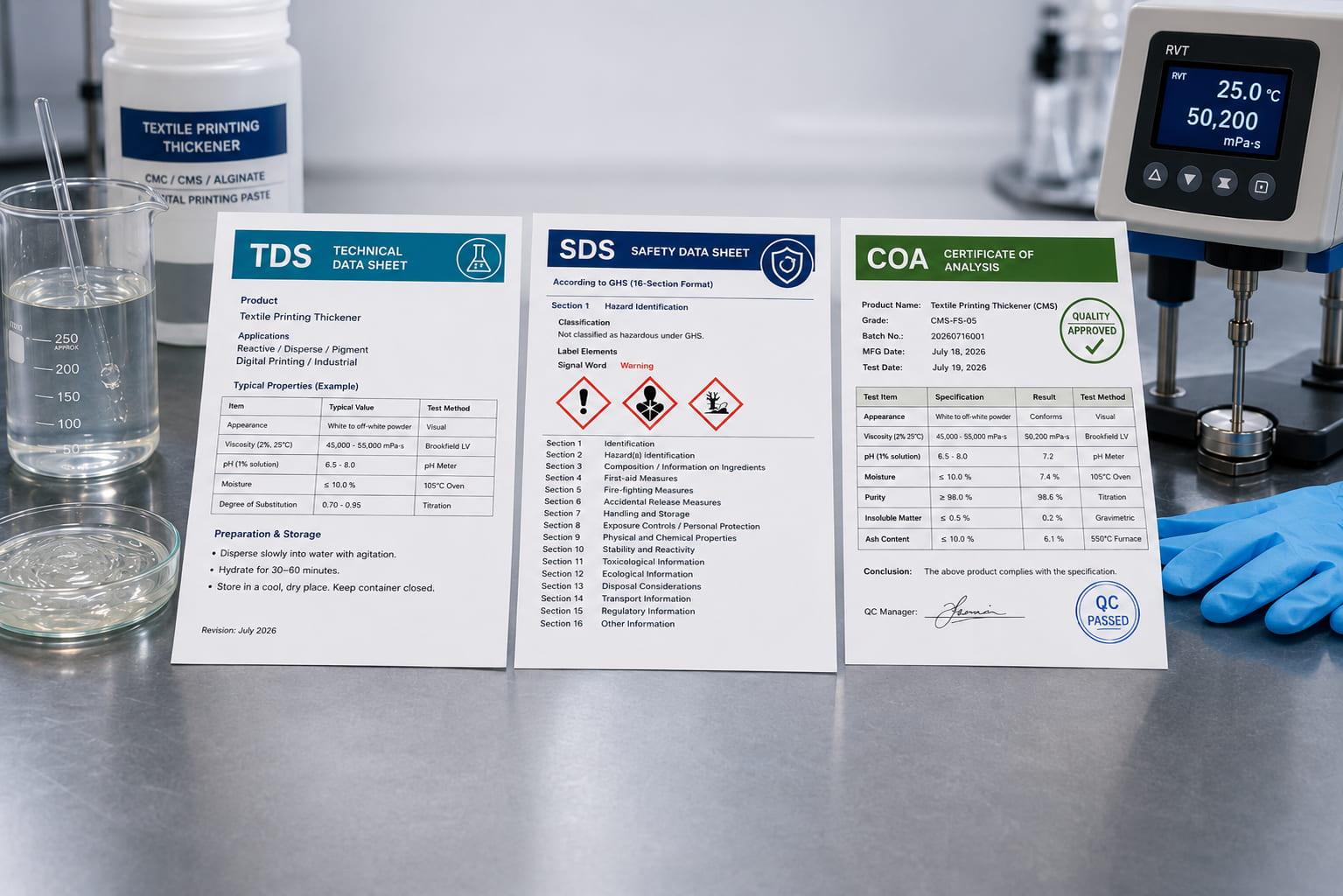
Learn the difference between TDS, SDS and COA documents, what textile printing buyers should verify, and how to check specifications, safety data, test methods, batch results and document issuers.
Compare CMC, CMS, sodium alginate and digital printing paste for textile printing. Learn how each route fits reactive, disperse, pigment and digital processes, and what buyers should review before sample testing, grade matching and bulk purchase.
Carboxymethyl cellulose (CMC) is widely used in the printing, sizing, and dyeing processes of textiles. This guide will explain how to evaluate CMC grades, which parameters are most important, and how FSX Chemical can support purchasing decisions.
Both sodium alginate and CMC are used as thickeners in textile printing, but they suit different dye systems and process conditions. This guide explains the key differences and when to use each.
CMS for textile printing paste can help adjust viscosity, improve paste handling, and support stable formulation performance. This guide explains how buyers can evaluate CMS grades by viscosity, DS, solubility, pH, moisture, and sample testing before bulk purchase.
Cellulose-based raw materials are used in textile printing, printing paste preparation, thickening, and formulation support. This guide explains how buyers can evaluate CMC, CMS, sodium alginate, textile printing thickeners, and printing paste products by specification, documentation, sample testing, and supplier support.
Wholesale sodium alginate purchasing requires more than comparing unit price. This guide explains how textile printing buyers can confirm viscosity, mesh size, purity grade, packaging, COA, sample testing, and batch consistency before placing bulk orders.
Choosing a sodium alginate manufacturer in China requires more than comparing price or product name. This guide explains how textile printing buyers can evaluate viscosity grades, mesh size, TDS, COA, sample testing, batch consistency, packaging, and export support before placing bulk orders.
Specialty sodium alginate is used in textile printing paste where viscosity, dissolution behavior, paste smoothness, and batch consistency are important. This guide explains how textile printing buyers can evaluate sodium alginate grades by application, specification, TDS, COA, sample testing, and bulk order consistency.
Choosing a textile grade sodium alginate manufacturer requires more than comparing price or general claims. This guide explains how textile printing buyers can review viscosity grade, mesh size, dissolution behavior, TDS, COA, sample testing, batch consistency, packaging, and export documents before bulk purchase.
Share the product name, application, quantity, destination and any TDS,
sample photo or document you already have. FSX Chemical will review the
information and recommend the next step for quotation, sample matching
or product selection.
Product InformationProduct name, grade, model, label photo or supplier reference.
Available DocumentsTDS, SDS, COA, sample photo, product list or test data.
Order DetailsEstimated quantity, packaging, destination country, port or trade term.
Application or IssueTextile printing process, formulation need, current issue or target performance.

 EN
EN  BN
BN  ES
ES  TR
TR  FR
FR  ID
ID  RU
RU  AR
AR  UR
UR  VI
VI  TL
TL  HI
HI  UK
UK  KK
KK  KA
KA  UZ
UZ