
















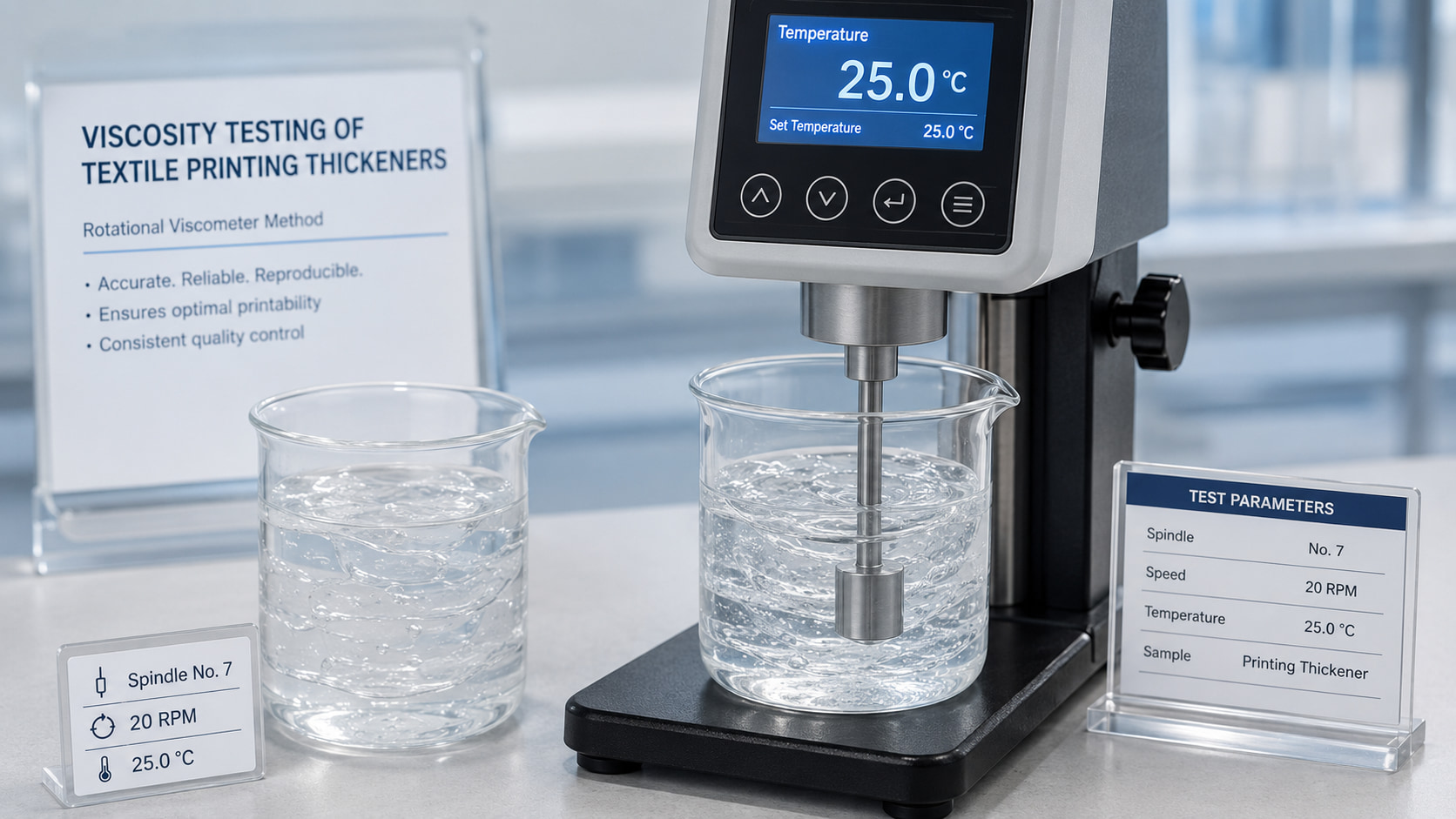
How to Compare Textile Printing Thickener Viscosity Test Methods
Learn why textile printing thickener viscosity values cannot be compared without matching concentration, temperature, instrument, spindle, speed, preparation method and test time.

Textile Printing Thickeners by Dye and Printing Process
Learn how to choose thickener and pretreatment routes for reactive, disperse, pigment and digital textile printing based on fabric, dye or ink, fixation, wash-off and print-quality requirements.
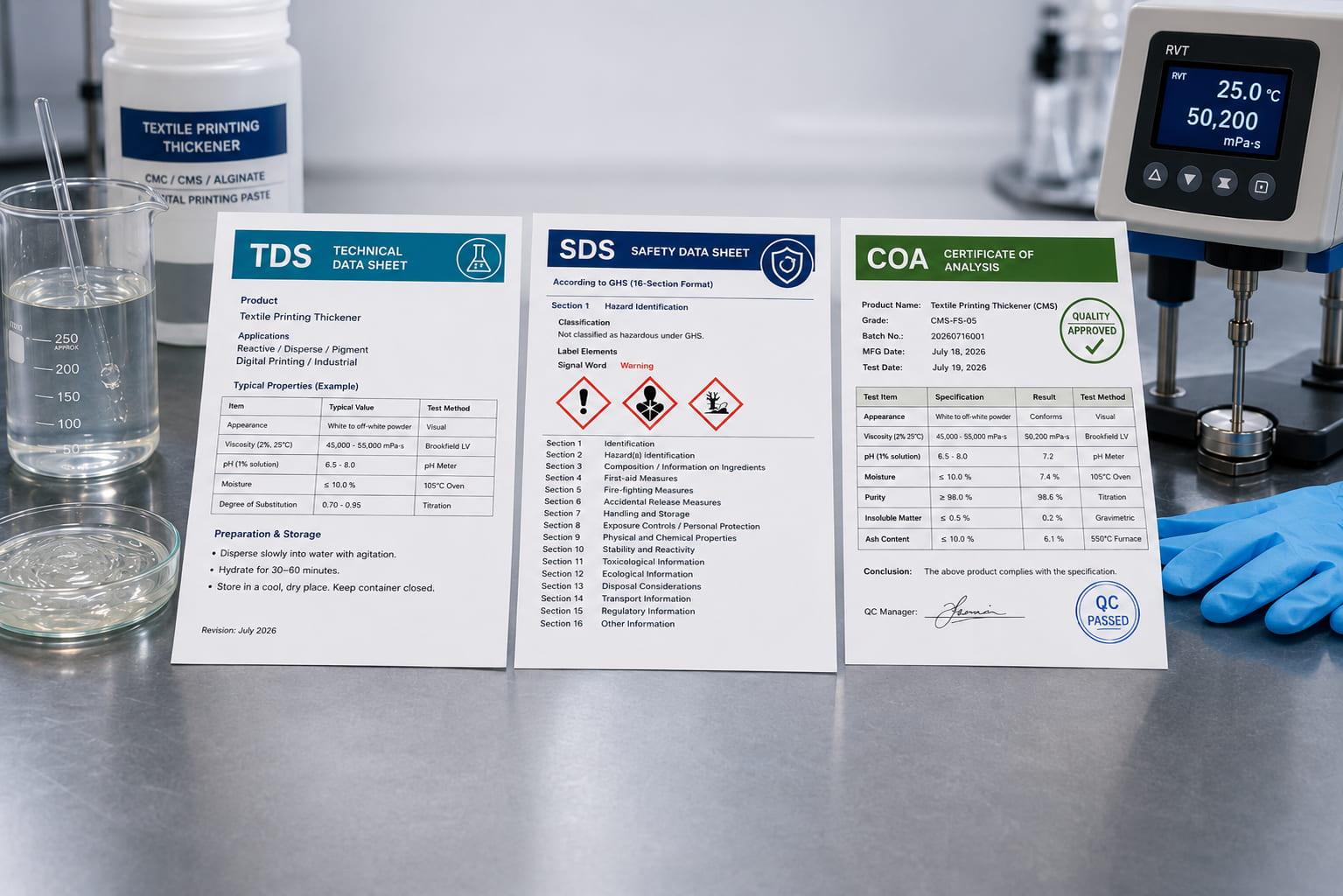
How to Read TDS, SDS and COA for Textile Printing Thickeners
Learn the difference between TDS, SDS and COA documents, what textile printing buyers should verify, and how to check specifications, safety data, test methods, batch results and document issuers.
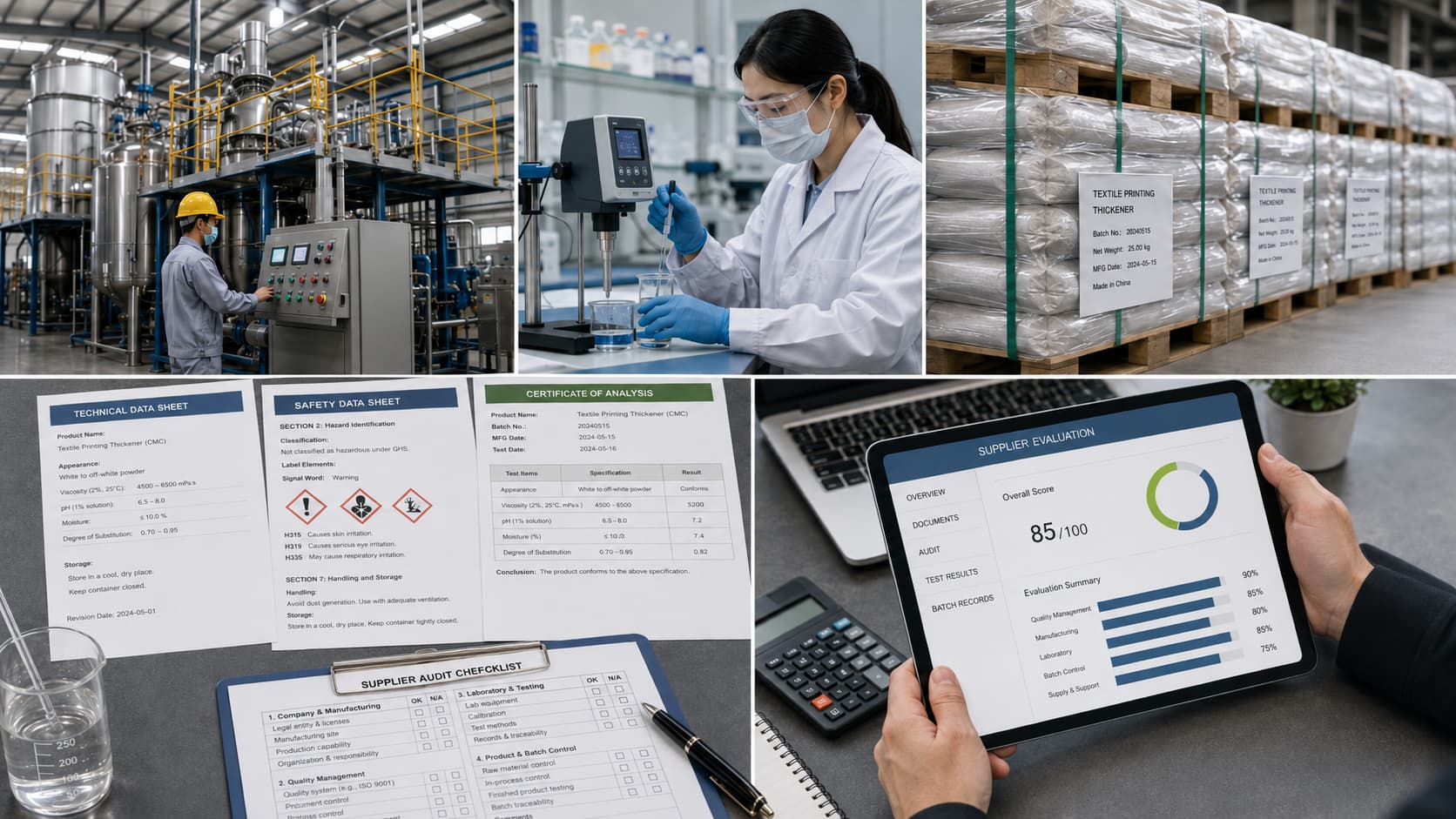
How to Evaluate a Textile Printing Thickener Manufacturer Before Bulk Purchase
Learn how to evaluate a textile printing thickener manufacturer by checking company identity, production capability, test methods, batch traceability, technical documents, sample support and export supply.
CMC vs CMS vs Sodium Alginate vs Digital Printing Paste: A Practical Selection Guide
Compare CMC, CMS, sodium alginate and digital printing paste for textile printing. Learn how each route fits reactive, disperse, pigment and digital processes, and what buyers should review before sample testing, grade matching and bulk purchase.
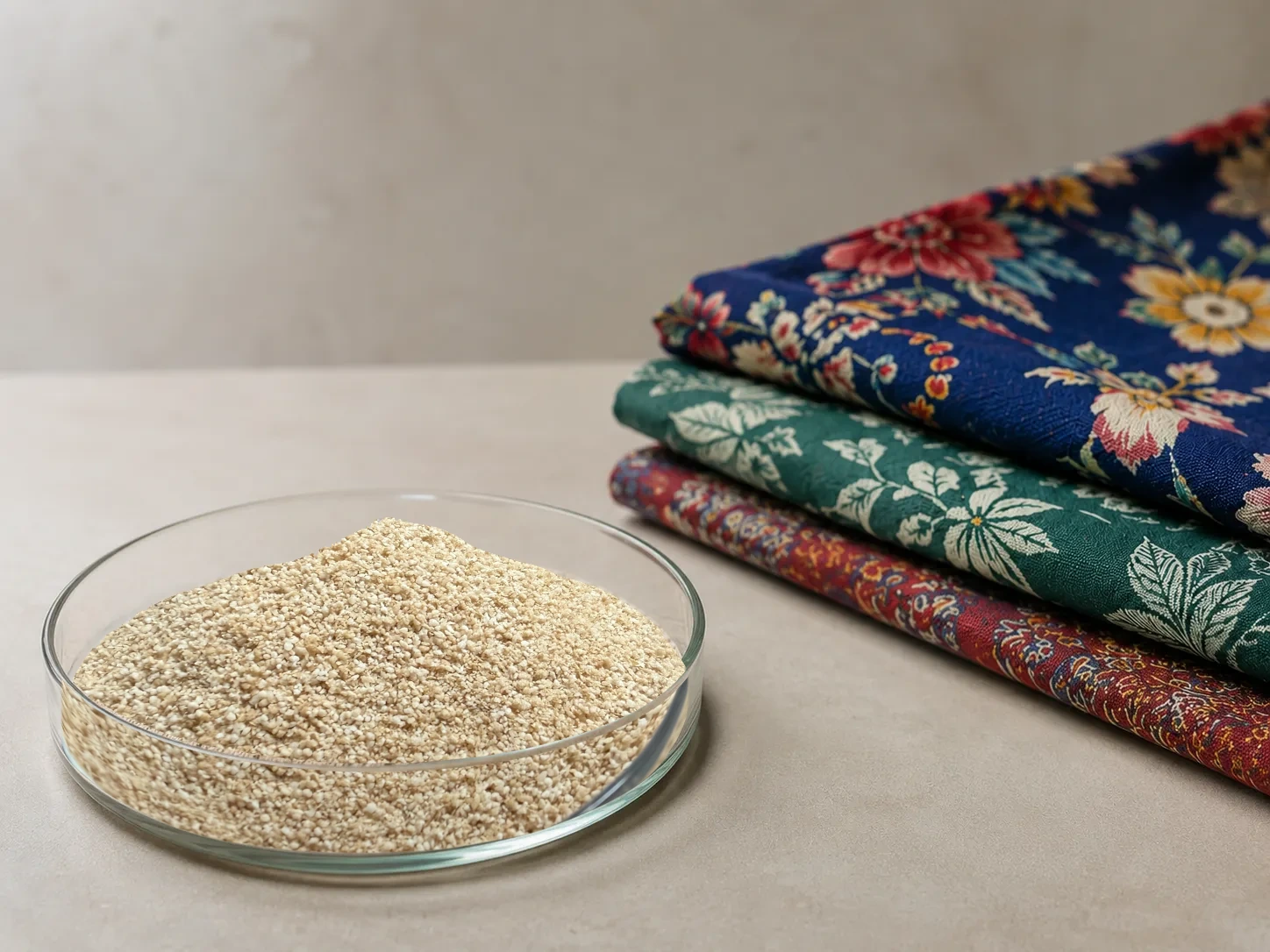
Sodium Alginate for Reactive Textile Printing: Grade, Viscosity and Application Guide
Sodium alginate is widely used in textile printing as a stable and washable thickener for reactive printing paste. Learn how to evaluate viscosity grade, purity, and application suitability before purchasing, and how FSX Chemical supports global buyers with technical data and samples.
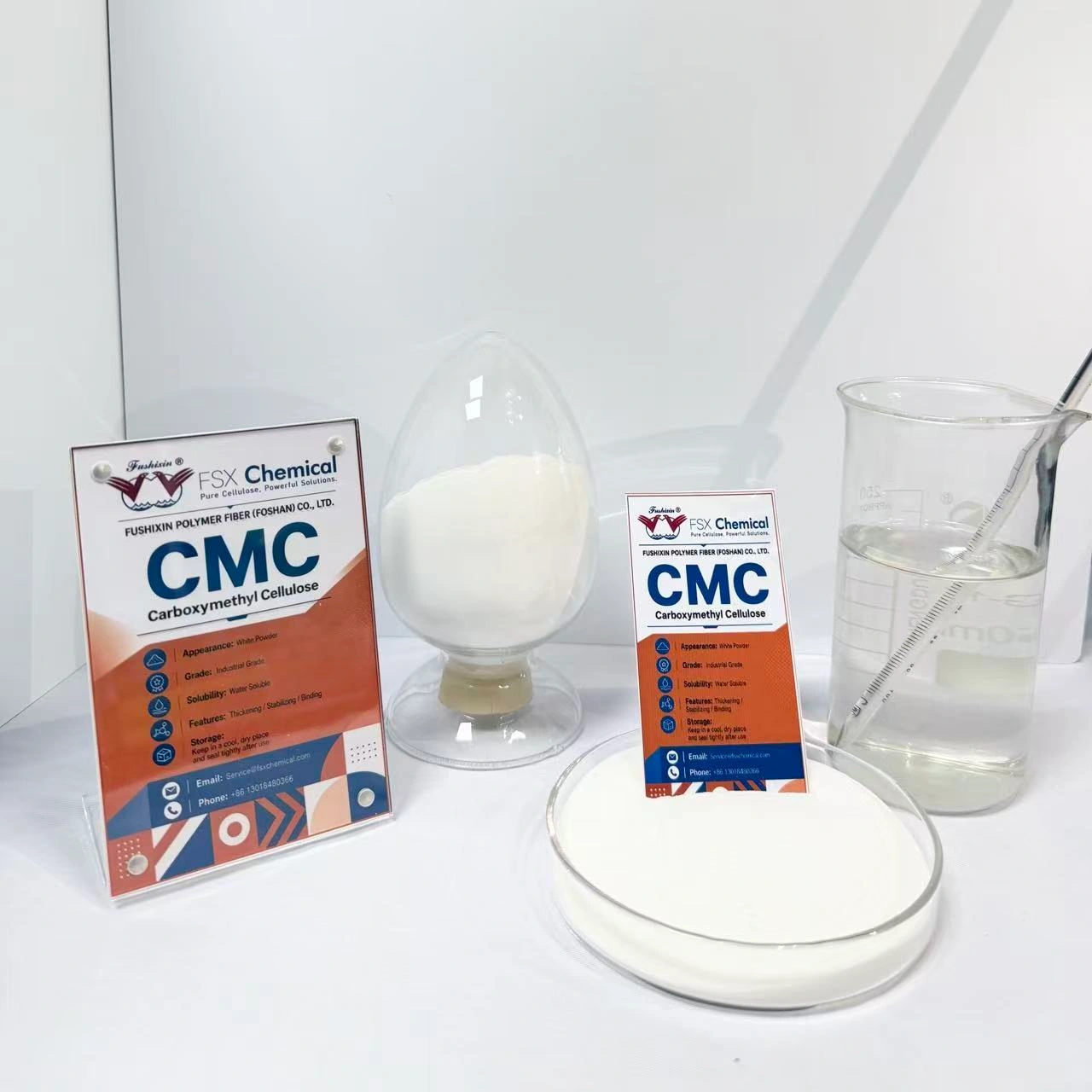
CMC for Textile Printing: Grade Selection and Procurement Guide
Carboxymethyl cellulose (CMC) is widely used in the printing, sizing, and dyeing processes of textiles. This guide will explain how to evaluate CMC grades, which parameters are most important, and how FSX Chemical can support purchasing decisions.
CMC for Water-Based Printing Inks: Grade Selection and Compatibility Testing
Carboxymethyl cellulose is used as a thickener and stabilizer in water-based inks, gravure printing, and inkjet pre-treatment. This guide covers the key grade parameters and sourcing considerations for procurement teams.
CMC for Textile Sizing and Printing: DS, Viscosity and Grade Selection
Carboxymethyl cellulose serves different functions in textile sizing, printing paste, and dyeing auxiliaries. This guide explains how each application works and what grade parameters to specify when sourcing.
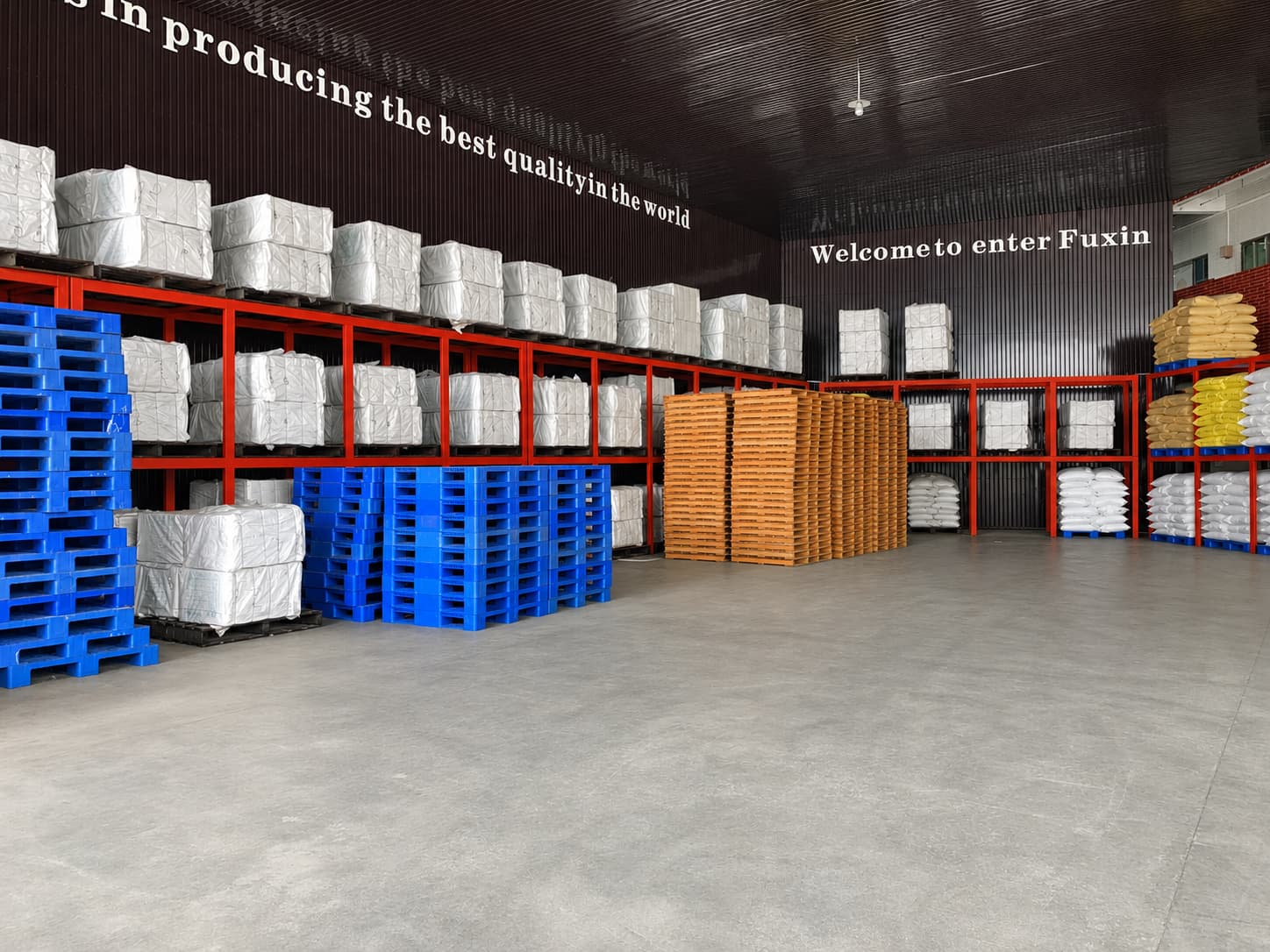
How to Evaluate a CMC Supplier for Textile and Printing Applications
Choosing the right CMC supplier involves more than comparing price. This guide covers the evaluation criteria, documentation checklist, and trial process that procurement teams should follow before committing to a bulk order.
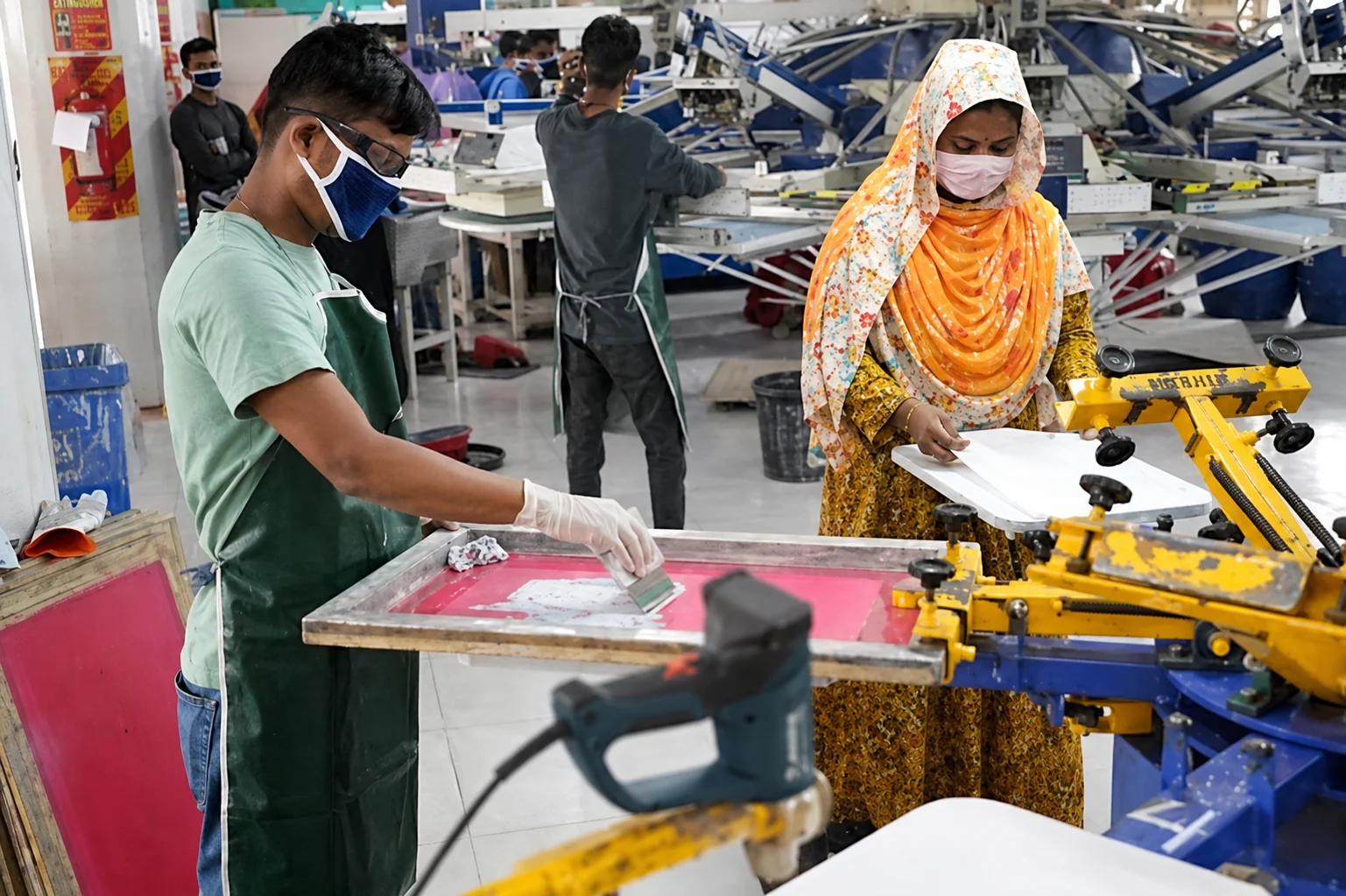
Cellulose-Based Textile Printing Paste: CMC Grade and Supplier Evaluation
CMC-based printing paste is used across pigment, reactive, and digital textile printing. This guide explains what parameters matter, how to compare suppliers, and what to request before placing a bulk order.

Sodium Alginate vs CMC for Textile Printing: Performance and Cost Comparison
Both sodium alginate and CMC are used as thickeners in textile printing, but they suit different dye systems and process conditions. This guide explains the key differences and when to use each.
