














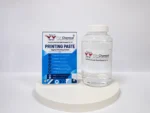
Digital Printing Pretreatment · Thickener · Inkjet Process
What Is Digital Textile Printing Pretreatment & Thickener?
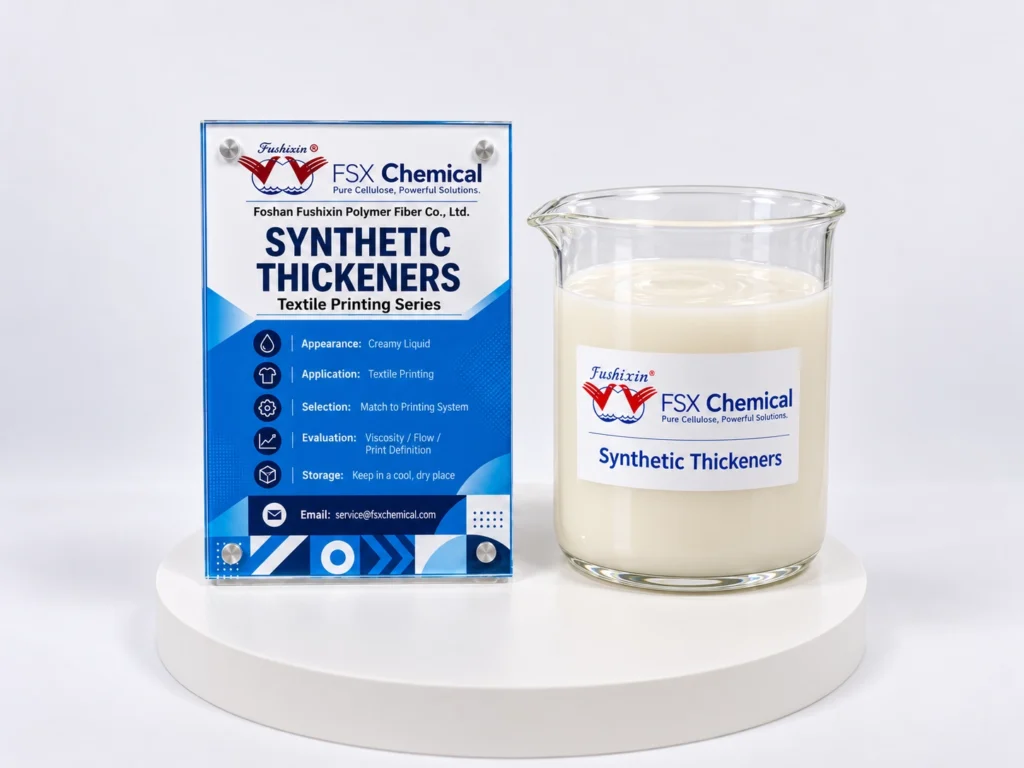
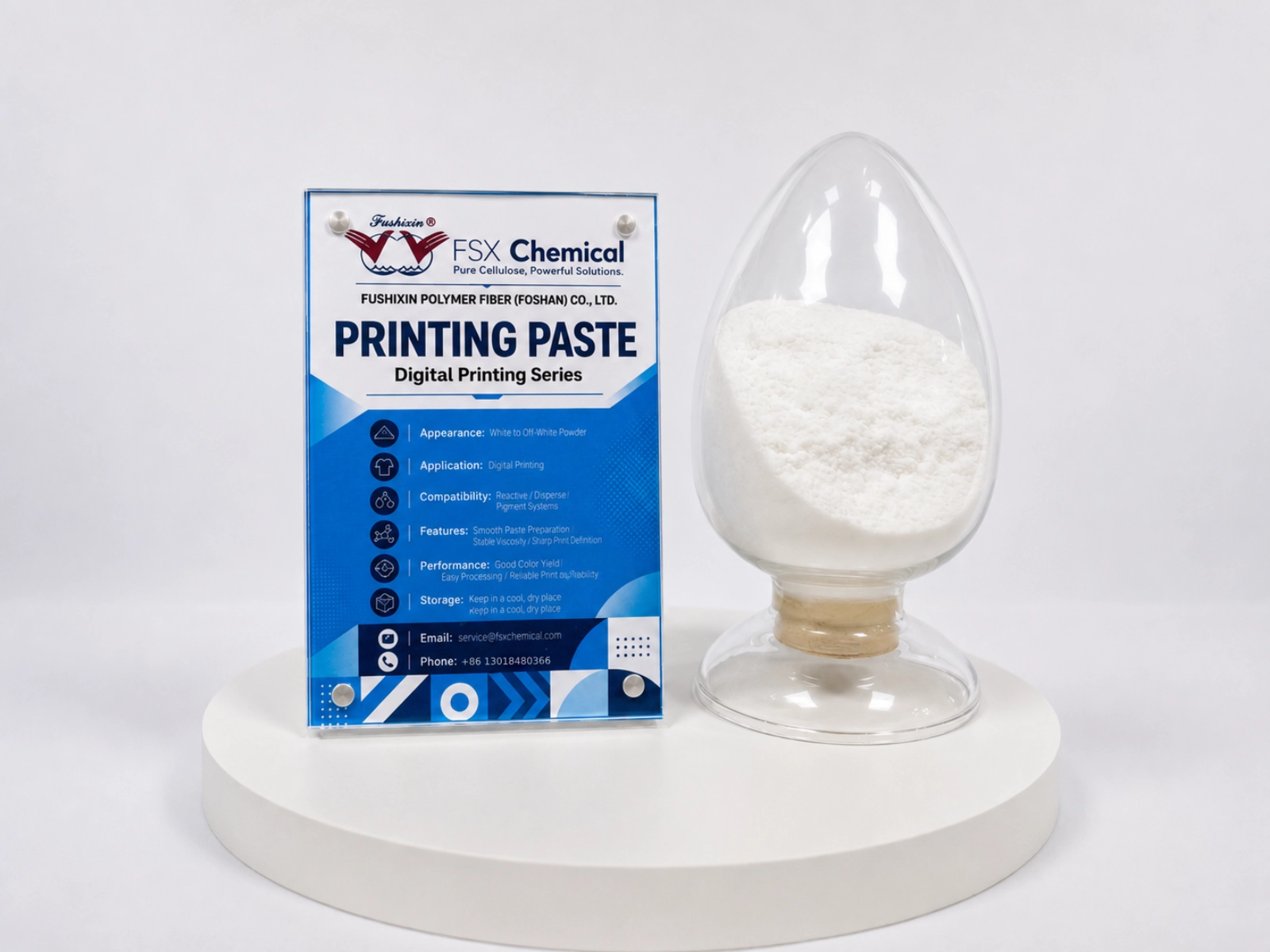
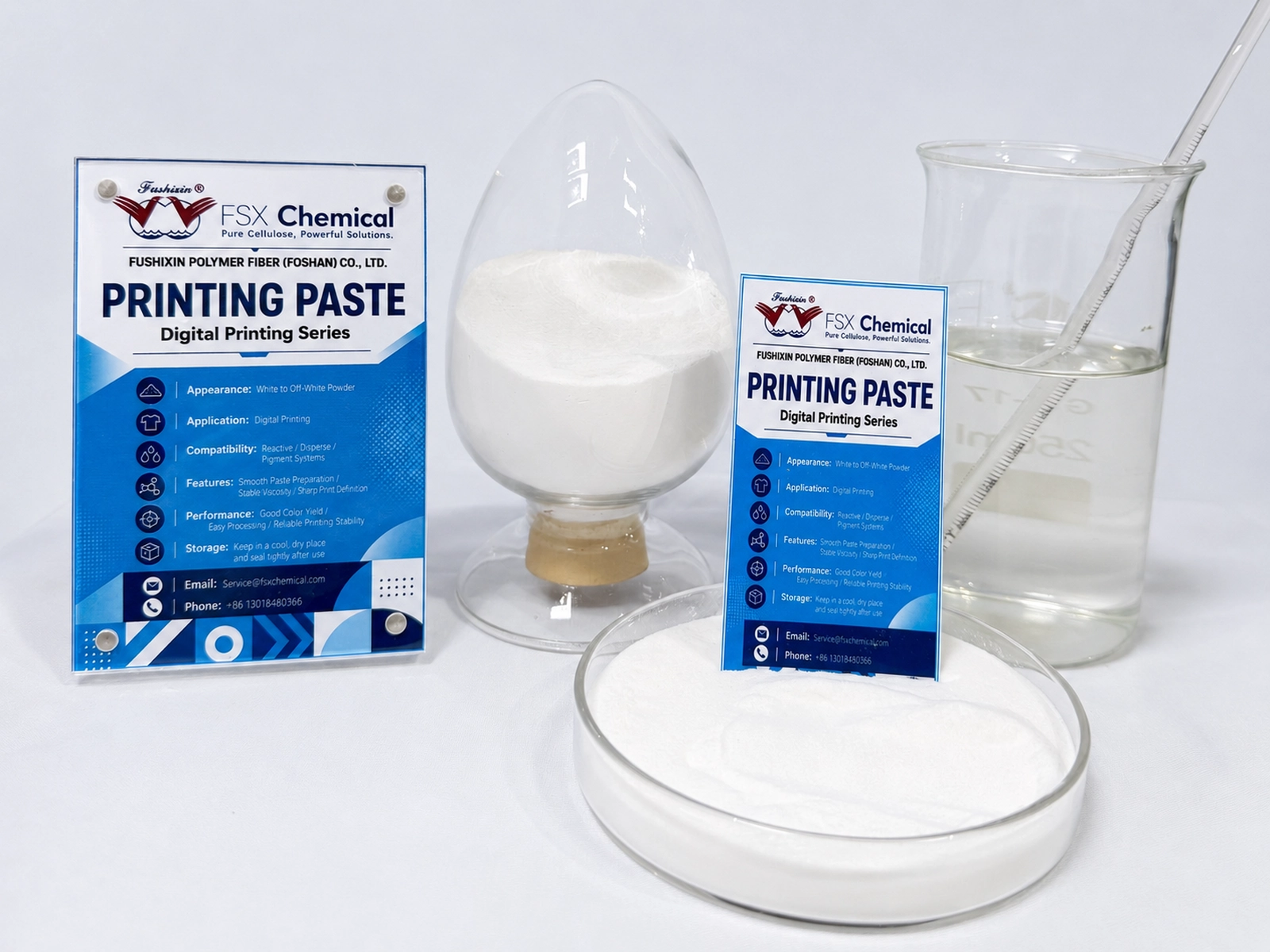
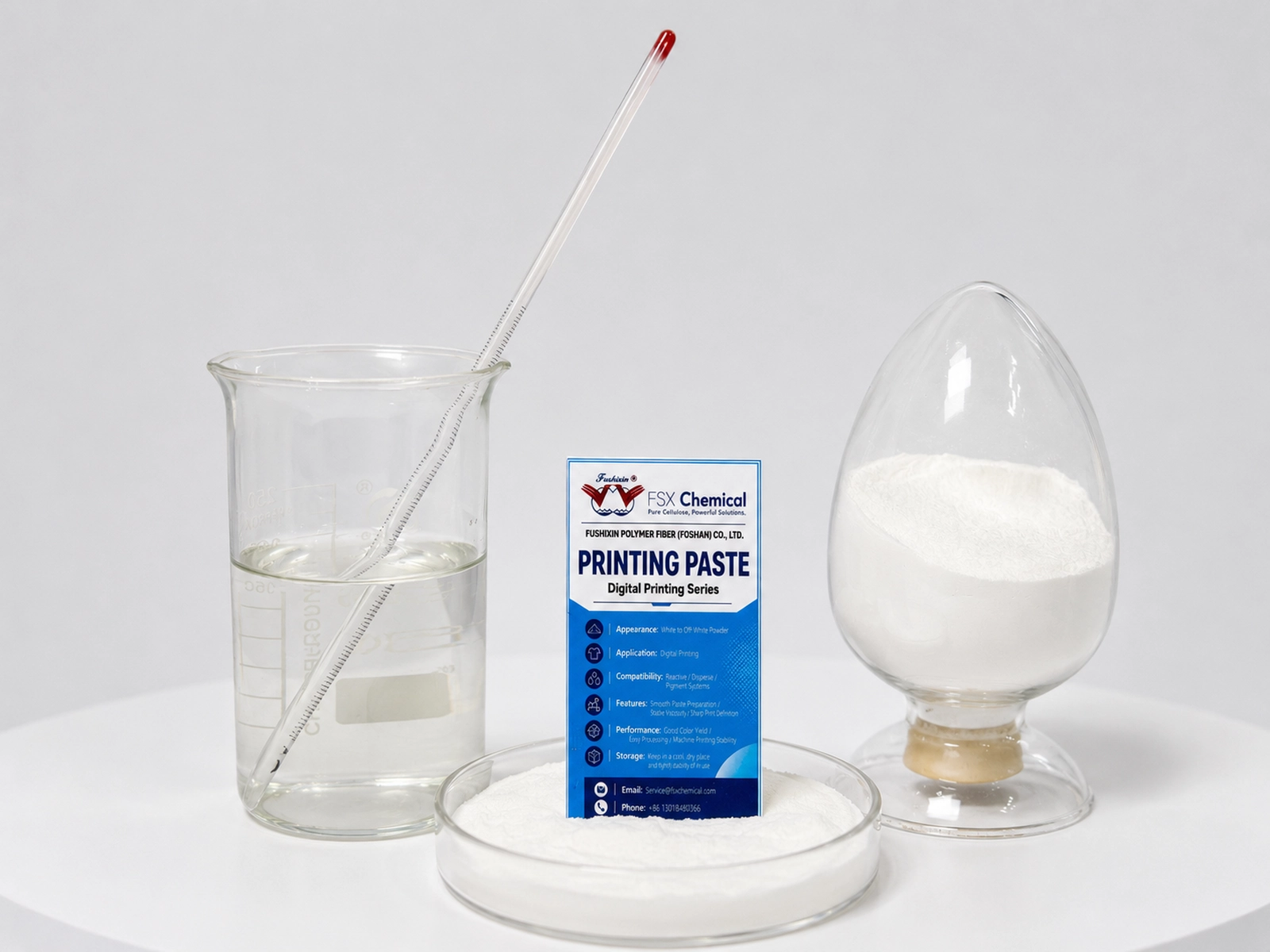
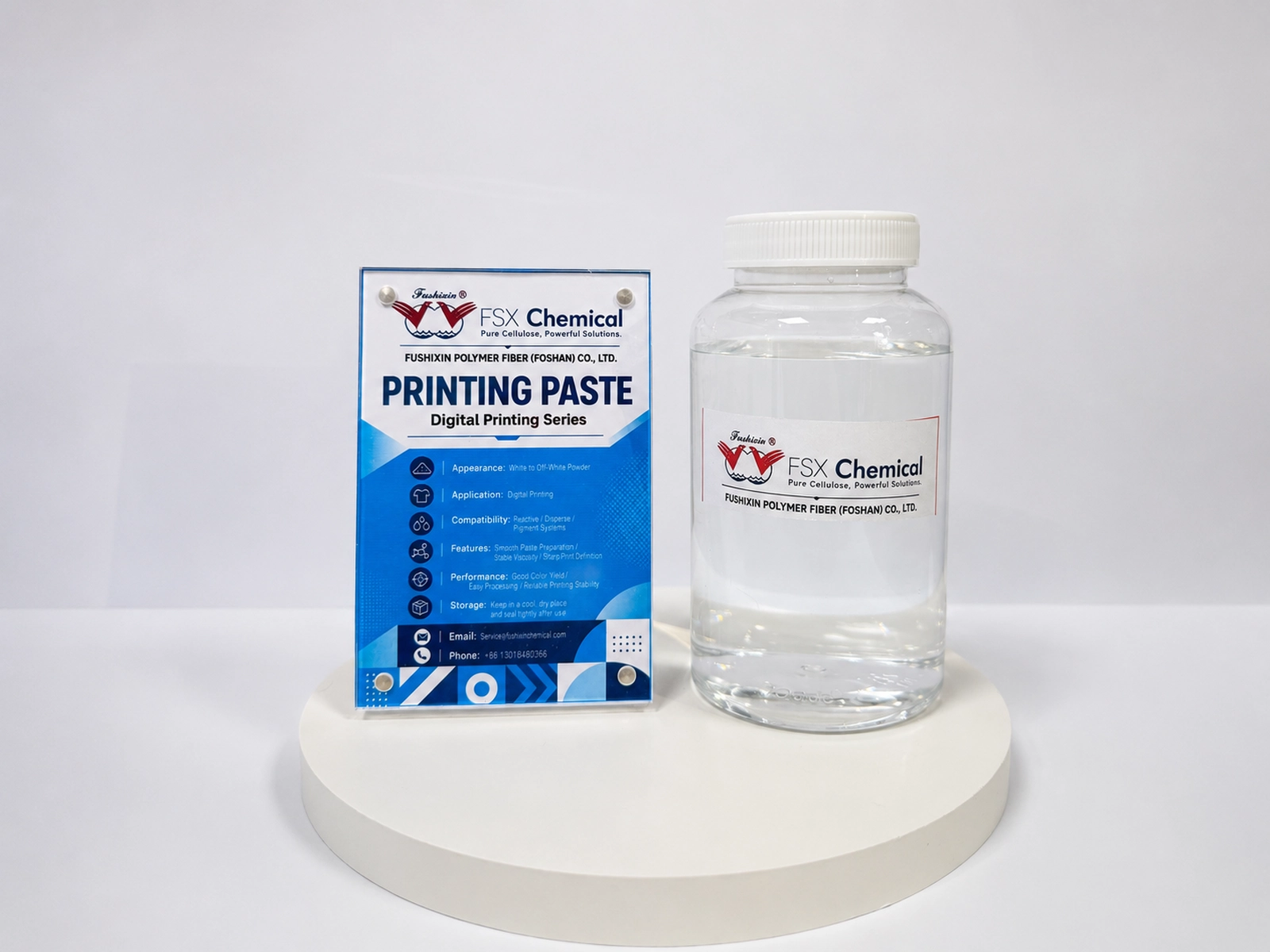
Digital textile printing pretreatment and digital printing thickener are textile auxiliaries used to prepare the fabric surface and control liquid, rheology and ink behavior during inkjet printing. In the market, these products may also be described as digital printing paste. The required system depends on the ink chemistry, fabric, pretreatment process and target printing result.
Digital Printing Pretreatment Before Inkjet Printing
In many digital textile printing processes, a pretreatment formulation is applied to the fabric before inkjet printing. Depending on the ink system and fabric, the pretreatment can help control wetting, moisture distribution, ink migration and surface behavior so that the printed image develops with better definition under the selected process conditions.
Why Rheology, Filtration and Print Definition Matter
A digital printing thickener should be evaluated for smoothness, rheology, stability, dissolution or dispersion behavior and filtration suitability. During textile inkjet trials, buyers should also review pretreatment uniformity, bleeding or spreading, print edge definition, color performance and compatibility with the actual fabric and ink system.
Digital Inkjet Pretreatment vs. Traditional Printing Paste
Digital textile printing does not always use thickener in the same way as conventional screen printing paste. In many inkjet workflows, the thickening or pretreatment system is applied to the fabric before printing rather than being combined with the ink as a traditional color paste. The exact preparation route should therefore be selected according to the printing process, ink chemistry and application method.
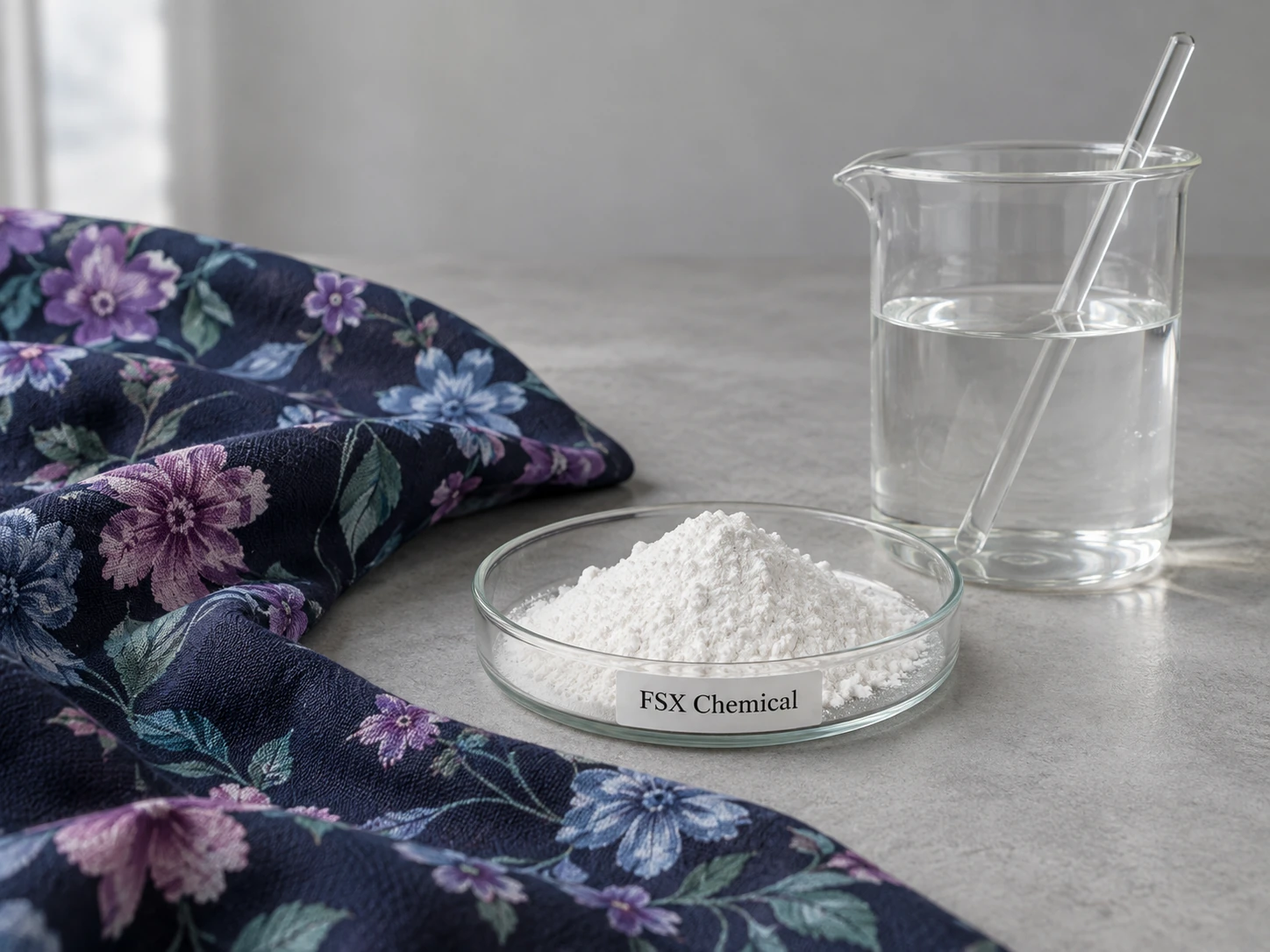 Digital Textile Printing · Pretreatment Lab Trial
Inkjet Application Routes · Ink & Fabric Matching
Digital Textile Printing Pretreatment for Reactive, Disperse & Pigment Inkjet
Select the digital printing thickener or pretreatment route according to the ink chemistry, fabric type and printing process. Reactive inkjet, disperse inkjet and pigment digital printing require different pretreatment, dosage and application conditions, so the final product route should be confirmed through laboratory and printing trials.
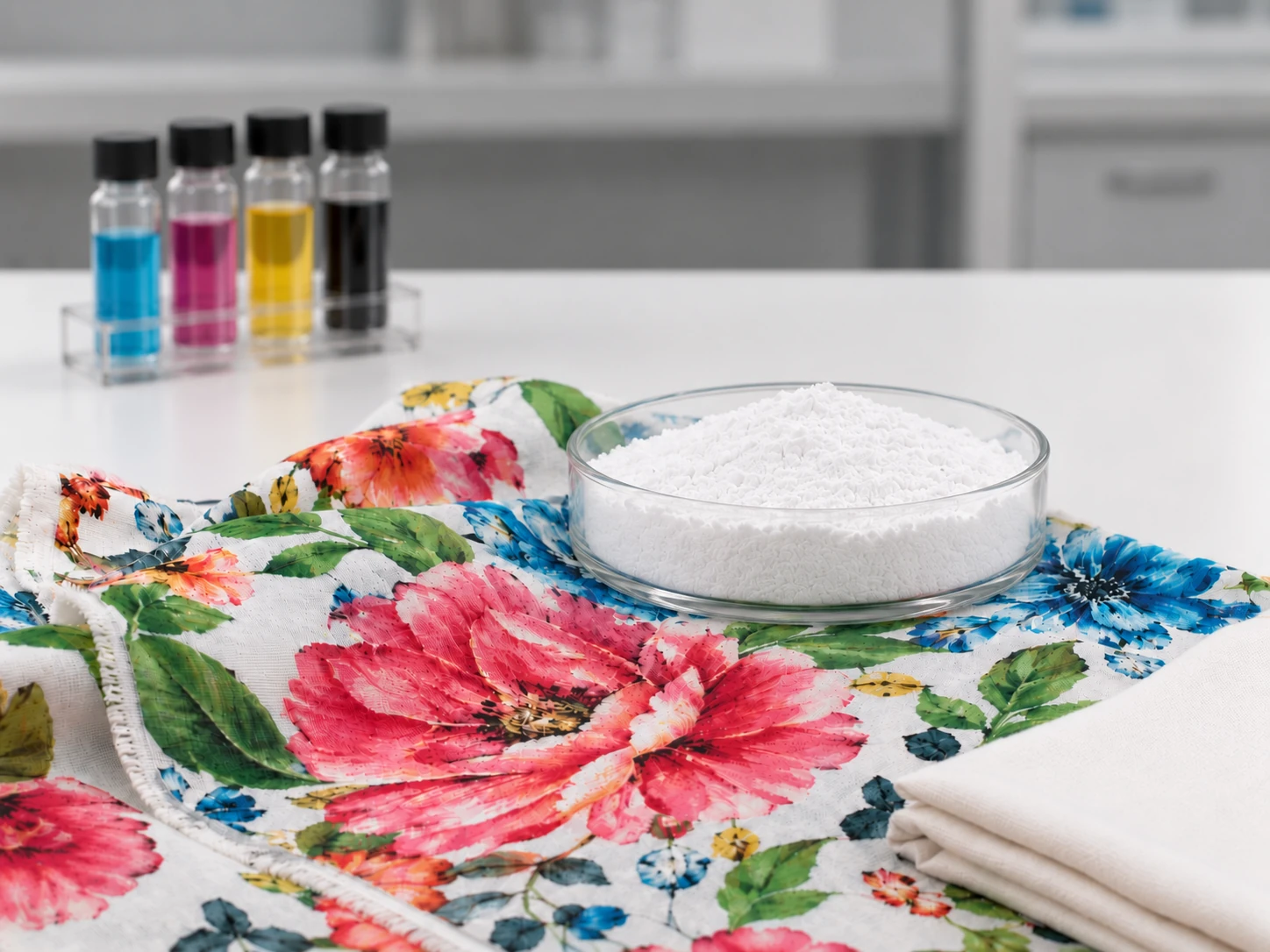 Reactive Inkjet · Cellulosic Fabrics
Reactive Inkjet Pretreatment for Cotton & Viscose
DP-R is the FSX starting route for reactive digital textile printing pretreatment on cotton, viscose, lyocell, modal and other suitable cellulosic fabrics. Trials should evaluate pretreatment uniformity, rheology, ink migration, bleeding control, print definition and final color performance.
- Ink System
- Reactive inkjet ink
- Fabric Route
- Cotton · Viscose · Lyocell · Modal
- Trial Focus
- Bleeding control · Print definition · Color result
 Disperse Inkjet · Polyester
Disperse Inkjet Pretreatment for Polyester
DP-D is the FSX starting route for disperse inkjet printing on polyester and suitable polyester-blend fabrics. Pretreatment trials should consider dispersion, filtration, fabric pickup, drying and fixation conditions together with print sharpness and process compatibility.
- Ink System
- Disperse inkjet ink
- Fabric Route
- Polyester · Suitable polyester blends
- Trial Focus
- Dispersion · Filtration · Process compatibility
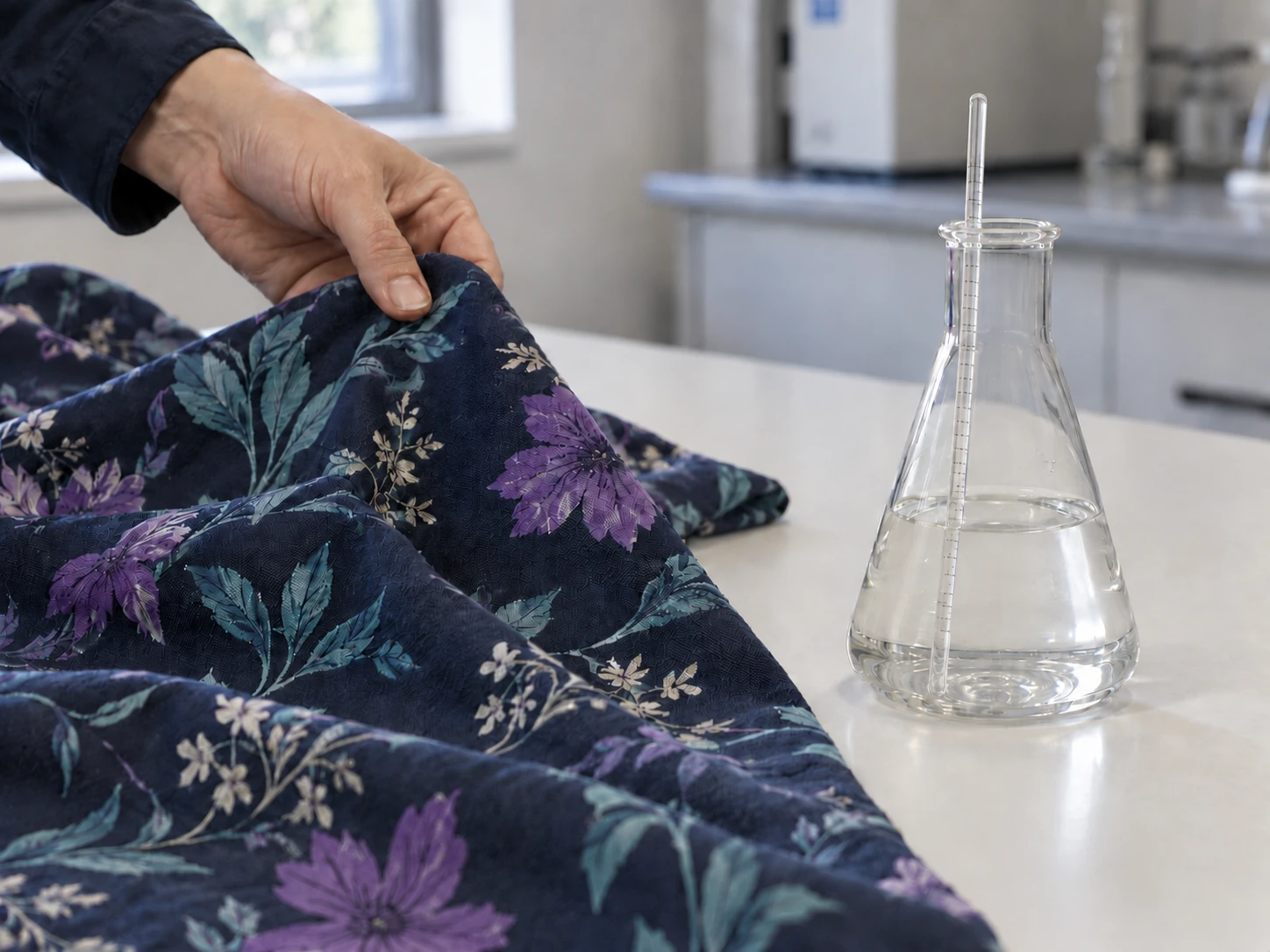 Pigment Inkjet · Binder System
Pigment Digital Printing Thickener & Pretreatment
DP-P is the FSX starting route for pigment digital textile printing systems where pretreatment performance must be evaluated together with pigment ink, binder compatibility, curing conditions, print definition, fastness and finished fabric hand feel.
- Ink System
- Pigment inkjet ink
- Process Route
- Pigment ink · Binder-compatible system
- Trial Focus
- Fastness · Hand feel · Binder compatibility
Printing Trial Review · Pretreatment · Print Performance
Common Digital Textile Printing Problems & What to Evaluate
When a digital textile printing trial shows bleeding, poor print definition, filtration problems or inconsistent final performance, evaluate the pretreatment, thickener, fabric, ink system and process conditions together rather than changing one parameter alone.
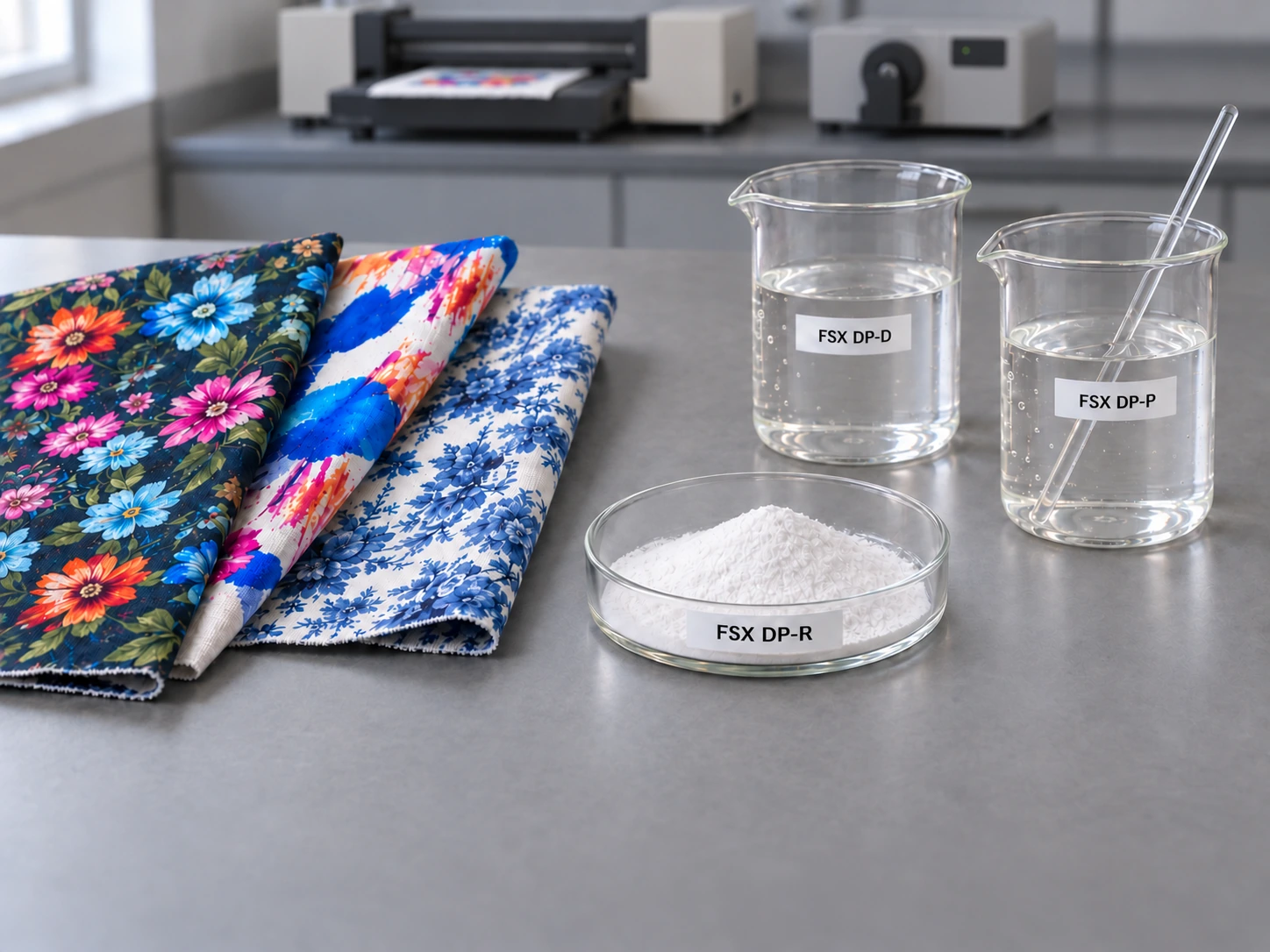
Bleeding · Ink Spreading
Check Pretreatment Uniformity and Liquid Control
If printed edges spread or show excessive bleeding, review pretreatment pickup and uniformity, thickener dosage, rheology, fabric wetting and drying conditions. The correct adjustment depends on the ink system, fabric and printing process.
Print Definition · Edge Sharpness
Review Surface Preparation and Printing Conditions
Poor print definition can be influenced by uneven pretreatment, fabric surface behavior, ink loading, rheology and drying or fixation conditions. Compare trial samples under the same printing settings before changing the formulation.
Filtration · Residue · Stability
Evaluate Preparation, Dispersion and Process Stability
When filtration residue, poor dispersion or instability is observed, check preparation conditions, dissolution or dispersion behavior, filtration procedure, water quality, working time and contamination control before evaluating the final application result.
Color · Fastness · Hand Feel
Confirm the Full Fixation and Finishing Route
Final color performance, fastness and fabric hand feel depend on more than the pretreatment thickener. Review fixation, curing or washing conditions according to the ink route, and for pigment printing also evaluate binder compatibility and curing performance.
Change one controlled variable at a time and compare samples under matched fabric, ink, dosage and process conditions.
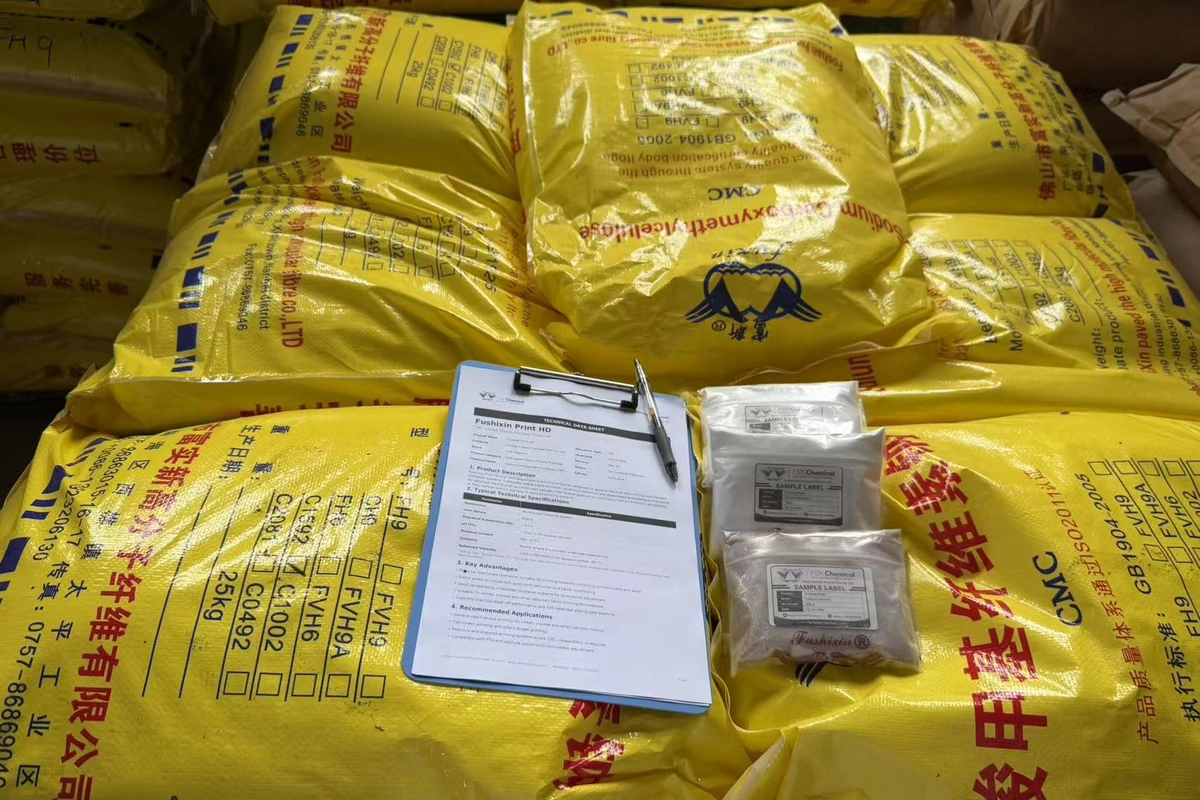
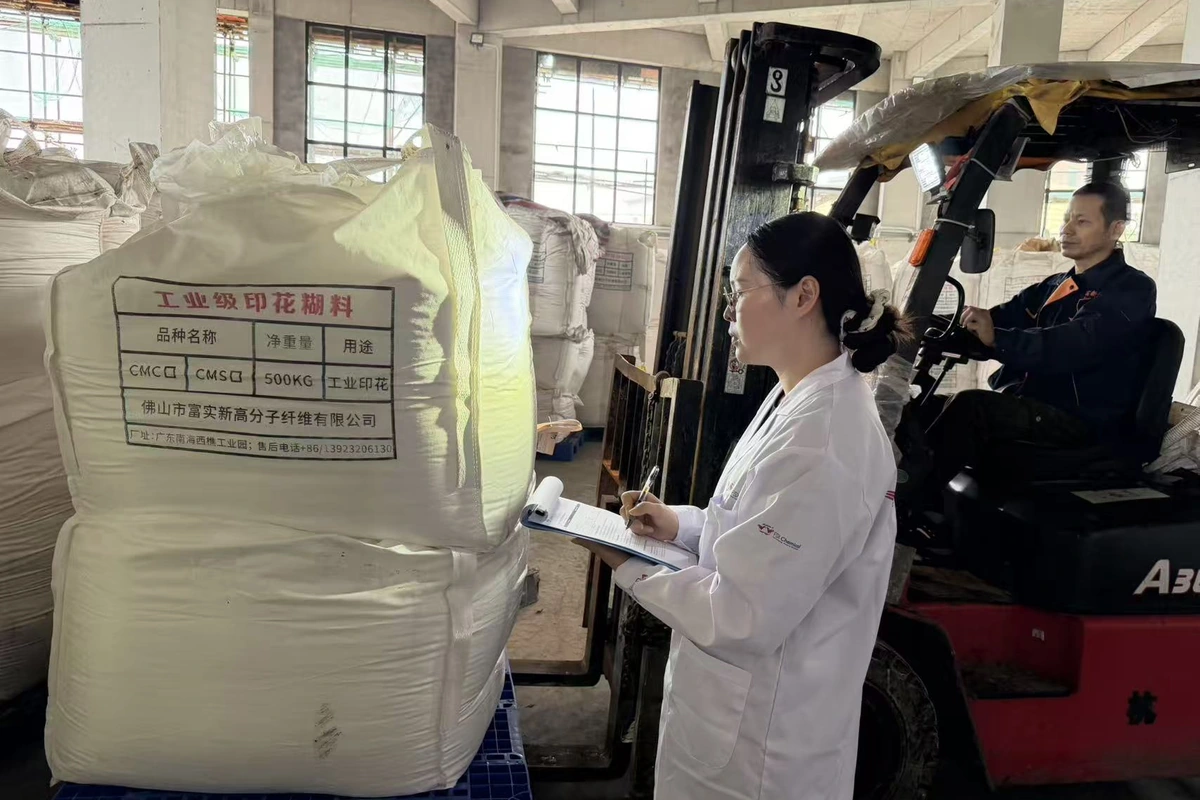
Factory / Lab / QC Proof
Factory, Lab and QC Proof
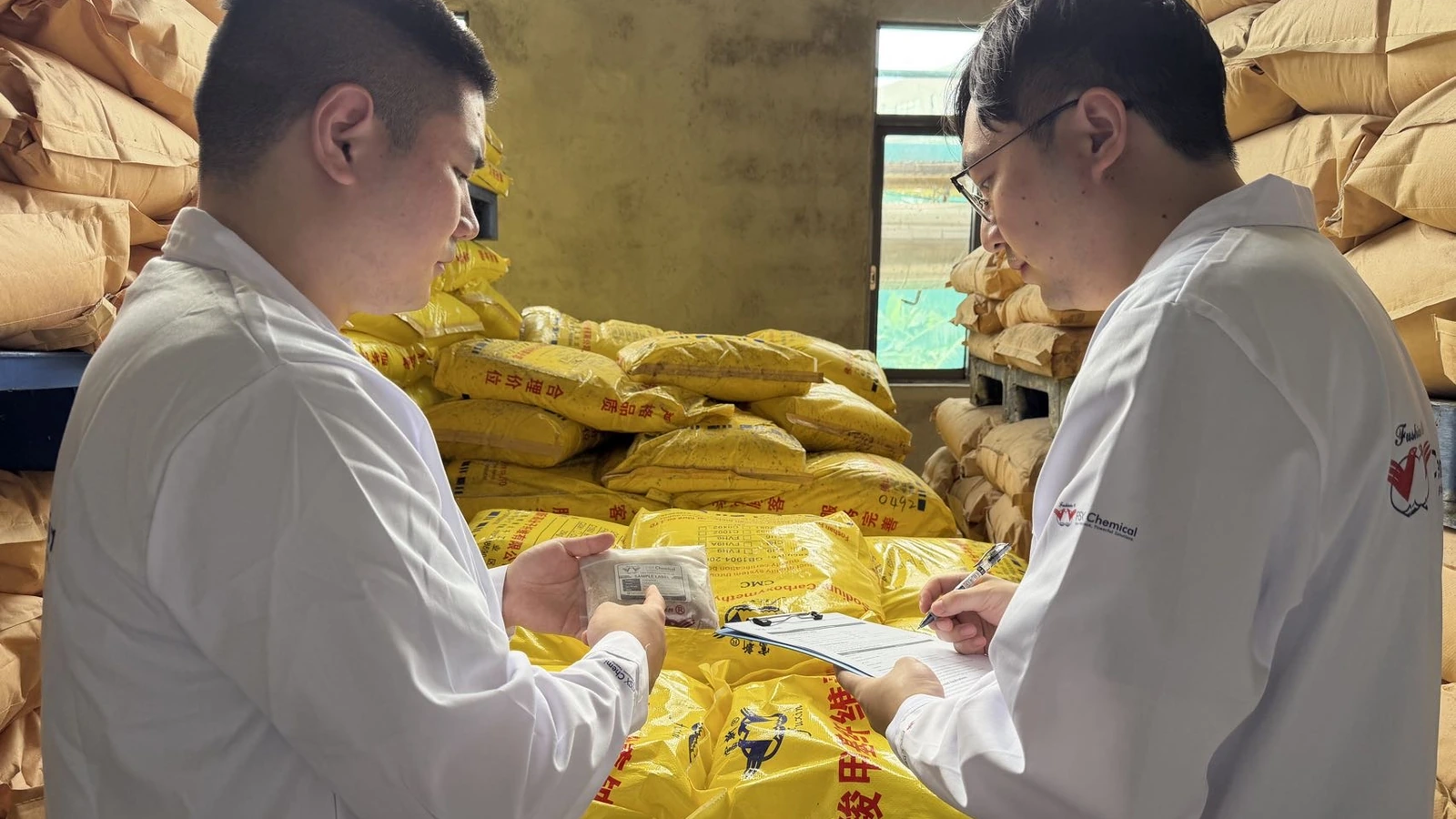
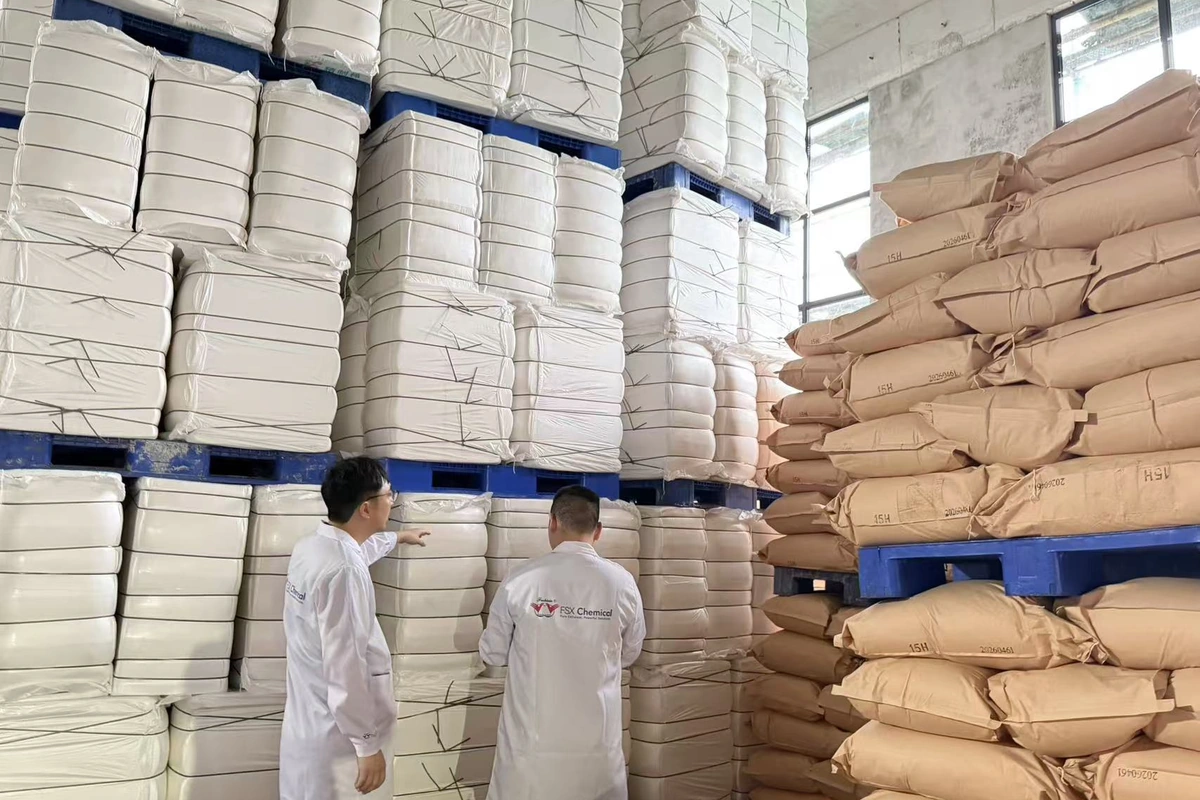
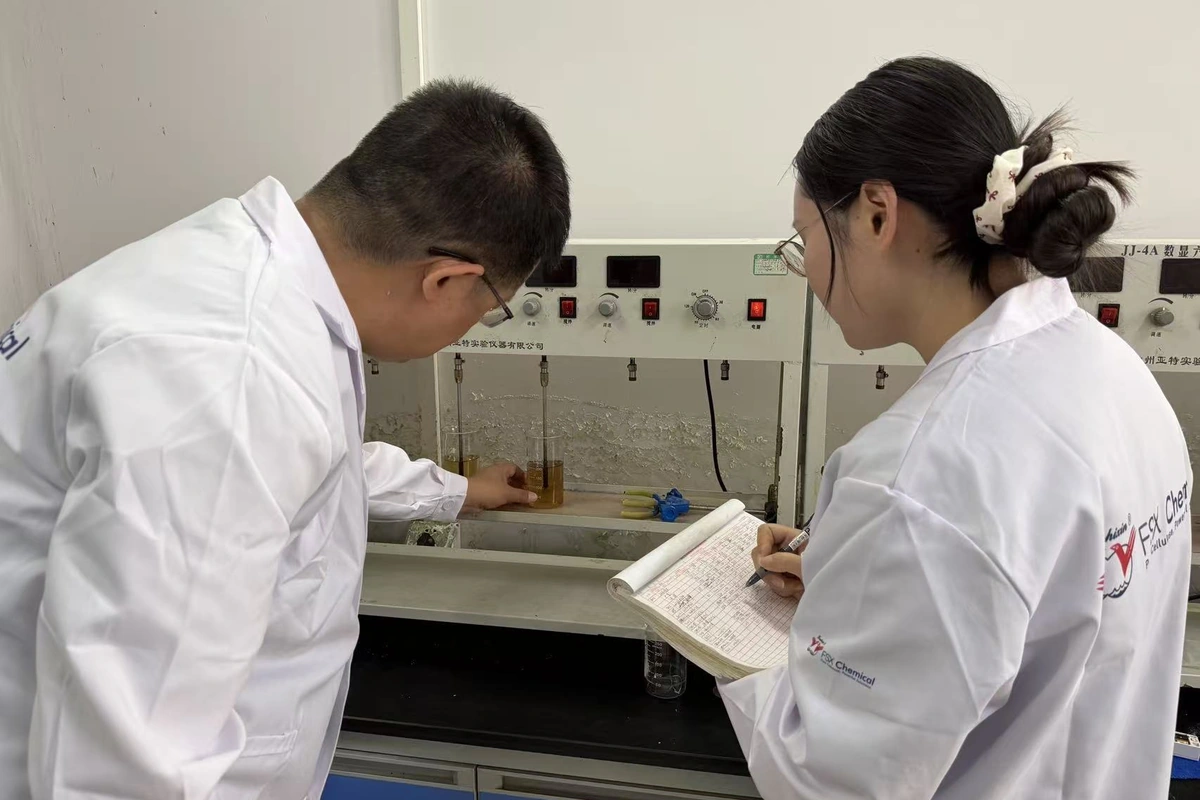
Use real production, testing, document and packing images to verify digital printing paste supply capability before sample evaluation.
Buyer Questions · Trial Evaluation · Technical Documents
Digital Textile Printing Pretreatment & Thickener FAQ
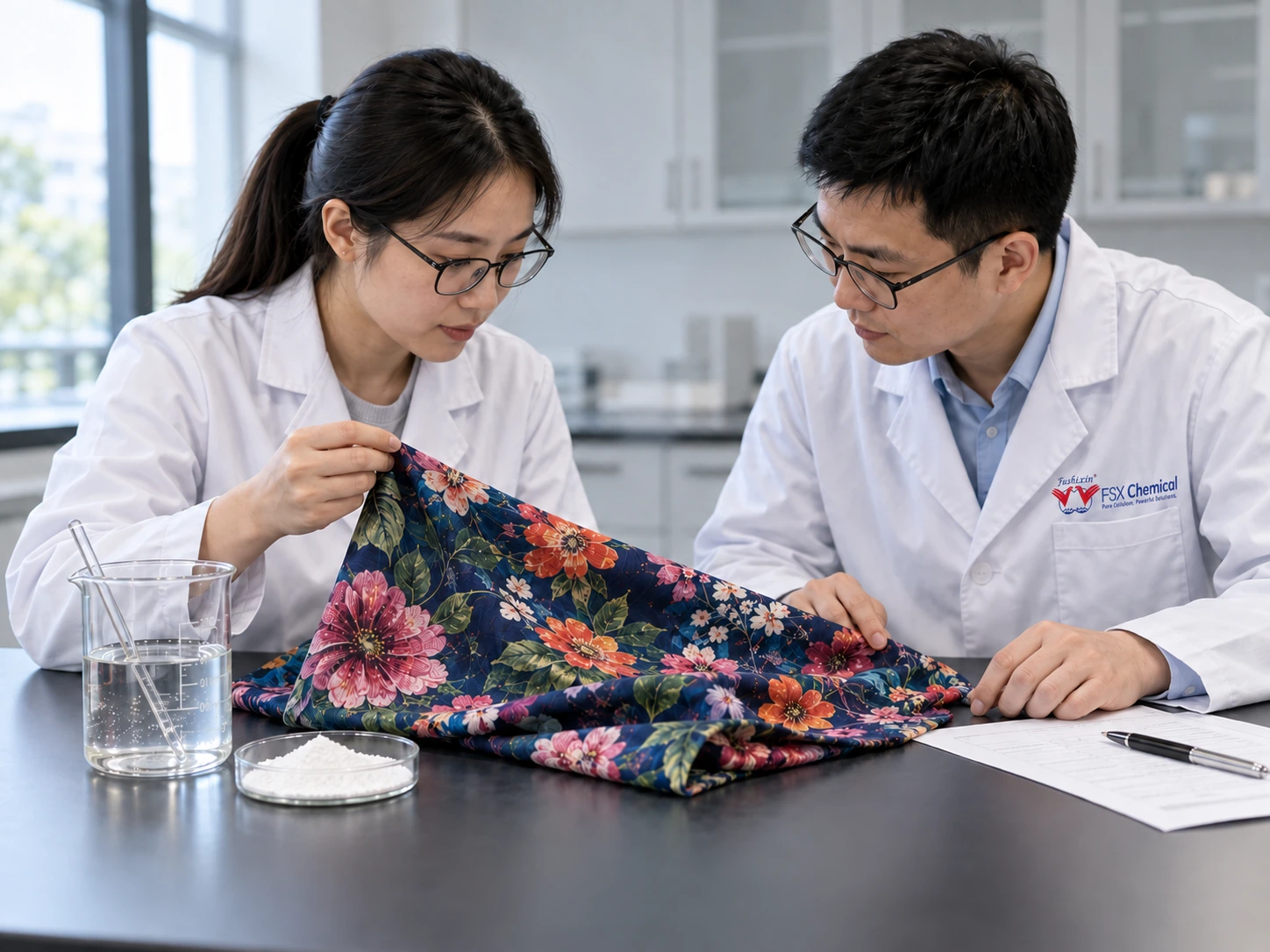
Practical answers for textile printing buyers preparing a digital printing pretreatment or thickener trial, including sample evaluation, reference dosage, production validation, technical documents and preparation for bulk purchasing.
01 Can I request a digital printing thickener sample before bulk purchasing?
Yes. A sample can be arranged for laboratory and printing evaluation before bulk purchasing. Providing the ink system, fabric, current product information and trial target helps identify a more relevant DP-R, DP-D or DP-P starting route.
02 What information should I provide for a digital printing trial?
Provide the reactive, disperse or pigment ink system, fabric, current pretreatment or thickener specification, dosage, pH, application method, drying or fixation conditions and the printing result you want to evaluate or improve.
03 Can I evaluate more than one digital printing product route in the same trial?
Yes. When more than one product direction is technically relevant, samples can be compared side by side. Use the same fabric, ink, preparation method and printing conditions so that differences in pretreatment behavior and final print performance can be evaluated more reliably.
04 How should I use the reference dosage during sample testing?
Reference dosage should be treated as a starting range rather than a fixed universal formulation. The final dosage may need adjustment according to the product route, fabric pickup, application method, ink system, target print definition and actual production conditions.
05 What should I check if laboratory and production results are different?
Compare fabric condition, pretreatment pickup, preparation sequence, water quality, dosage, pH, drying, printing settings and fixation or curing conditions. Production validation should use controlled conditions before changing several formulation variables at the same time.
06 Which technical and batch documents are available?
TDS and SDS are available to support technical evaluation and safety review. A batch COA is prepared according to the confirmed production batch after the product specification and order are finalized.
07 What should be confirmed before moving from a successful trial to bulk purchasing?
Confirm the approved product route, agreed technical specification, production trial result, reference process conditions, quality requirements and required technical documents before moving to the commercial order stage.
Reference data is a starting point. Final product suitability should be confirmed under the buyer's actual ink, fabric and production conditions.