
















FSX Chemical Product Center
Textile Printing Thickeners & Digital Pretreatment
FSX Chemical manufactures printing thickeners and pretreatment products for textile mills. Find the right grade by printing process, fabric, dye or ink system, and target paste viscosity. Compare technical data and request a sample for your printing trial.
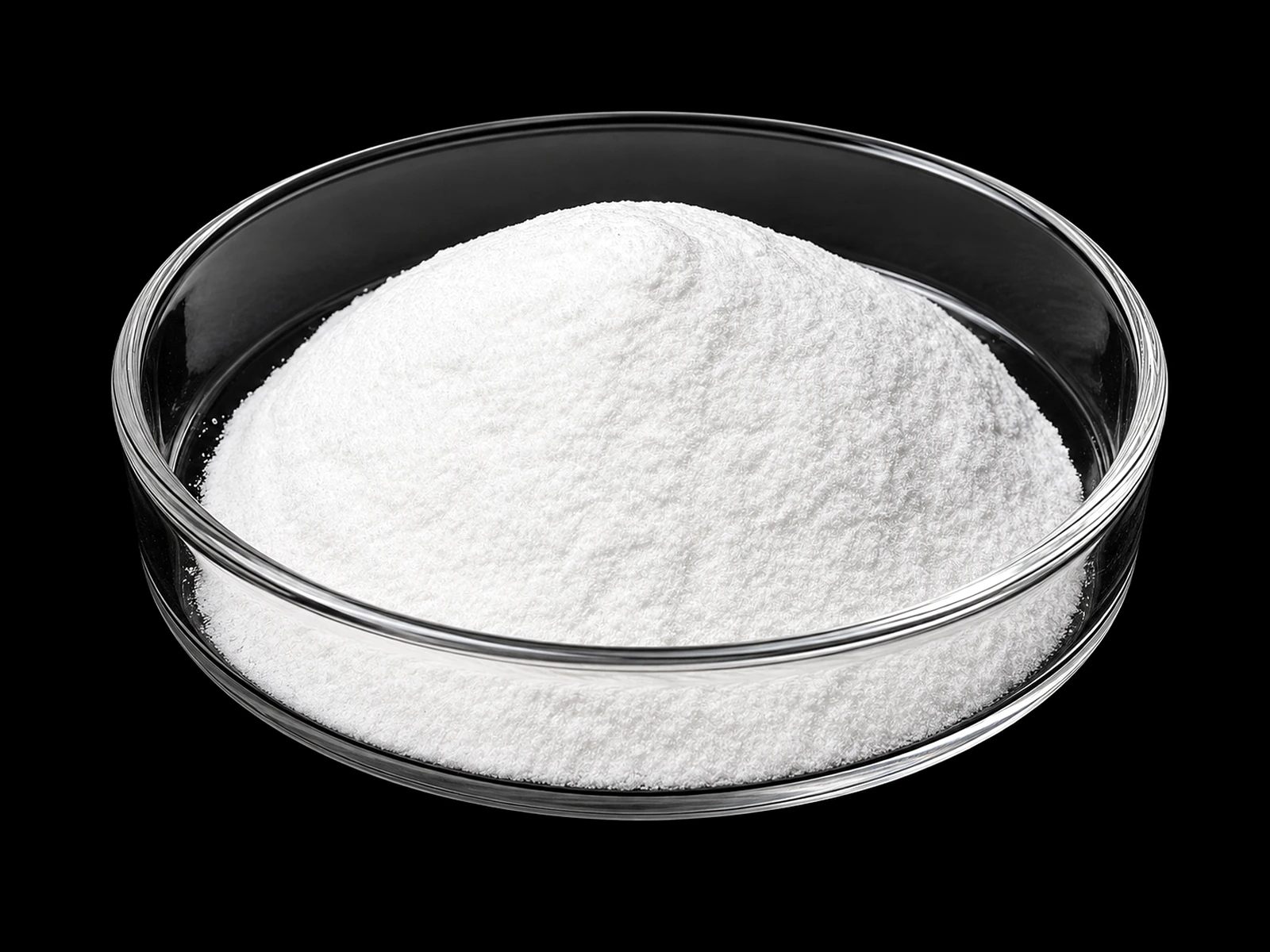
Sodium Carboxymethyl Cellulose
Sodium CMC Powder for Textile Printing
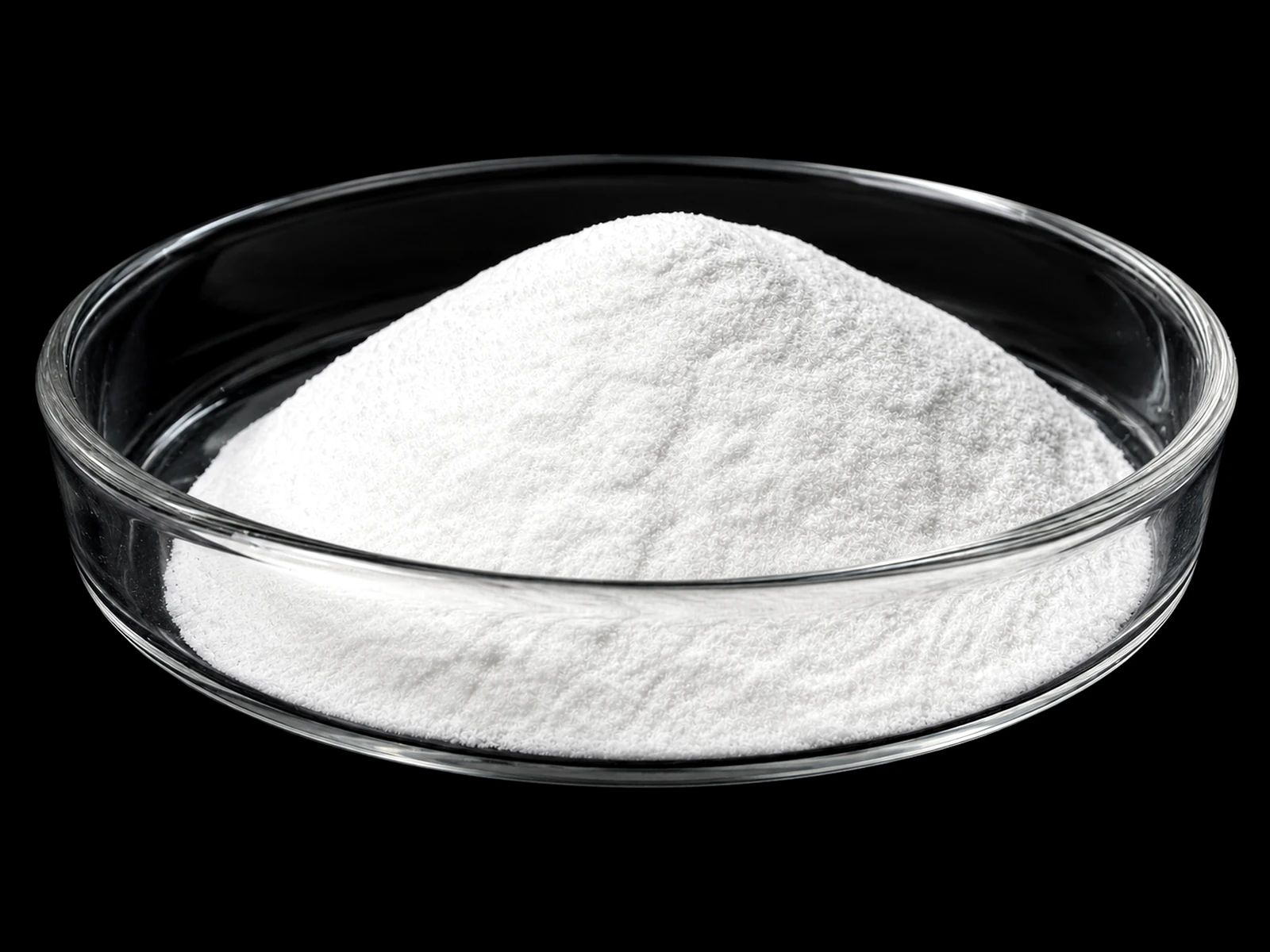
Textile-grade CMC powder for printing paste viscosity control. Compare CMC-HD, CMC-MD and CMC-LD by degree of substitution (DS), viscosity test conditions and dissolution.
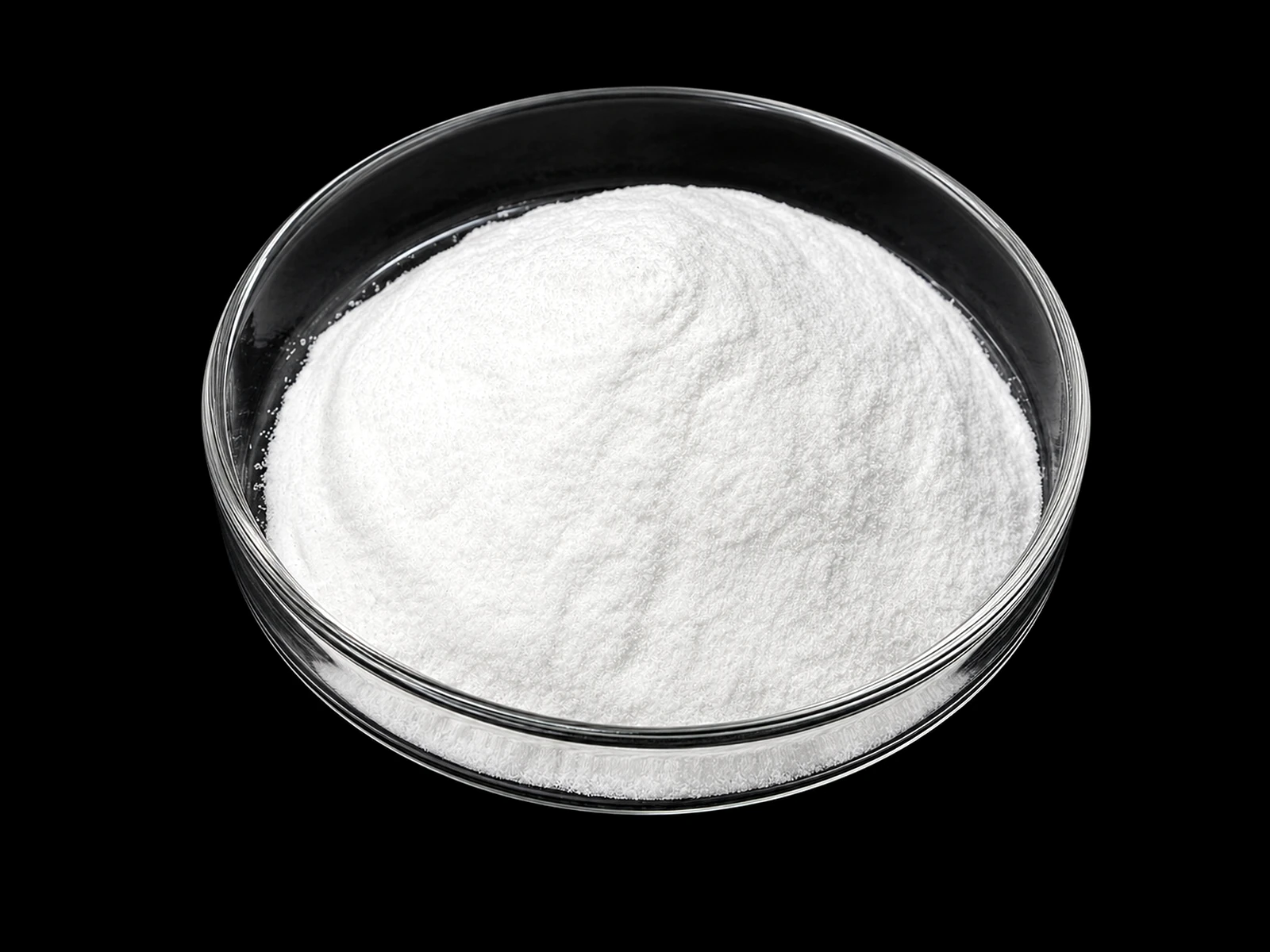
Modified Starch Thickener
Carboxymethyl Starch (CMS) Printing Thickener
Compare CN-R for reactive printing and sodium alginate alternative trials, FS-05 for disperse printing, and H5 flake starch for vat, discharge and selected burn-out printing.
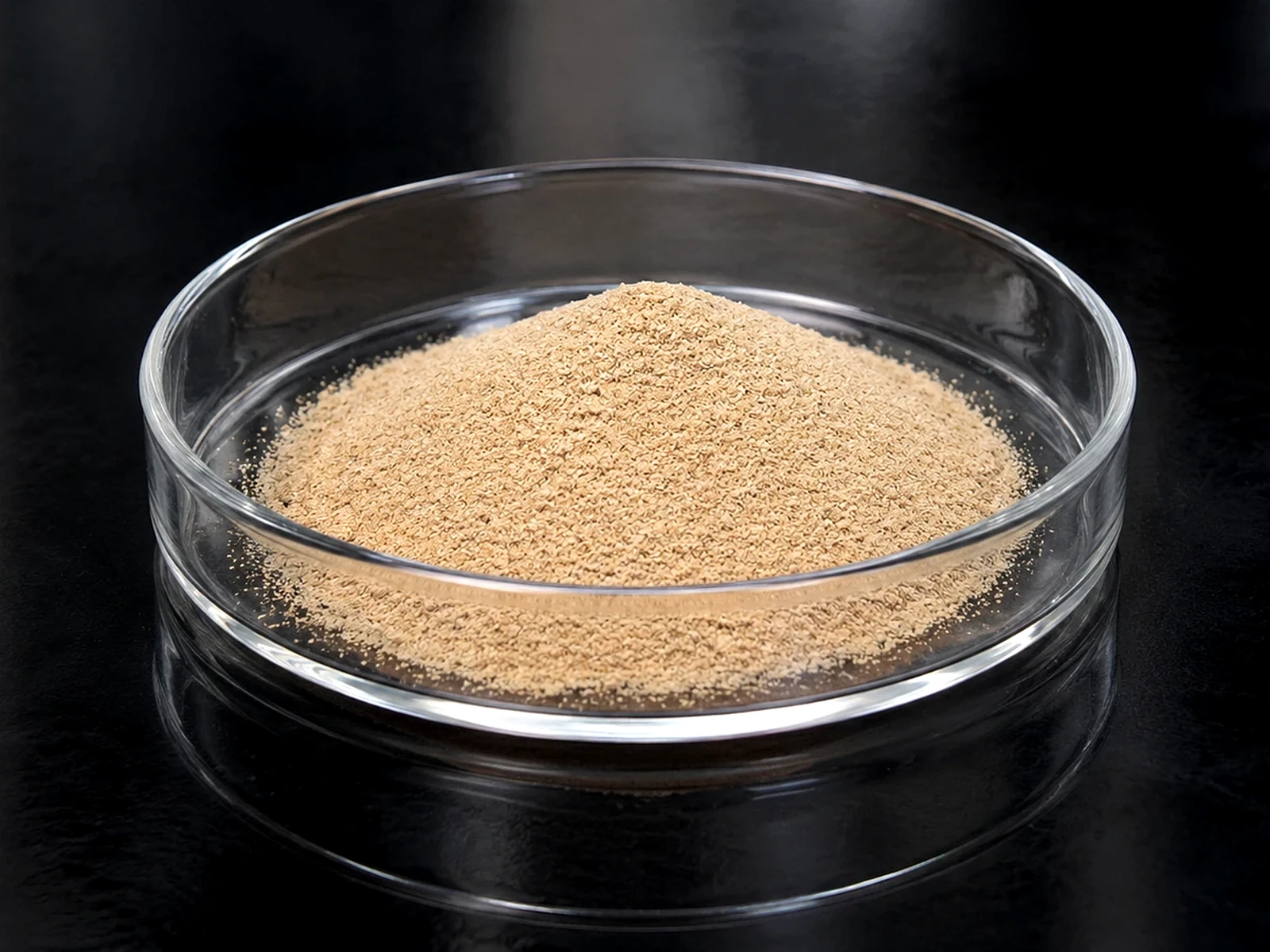
Reactive Dye Printing Thickener
Textile-Grade Sodium Alginate
Sodium alginate powder for reactive dye printing on cotton and viscose. Compare HV, MV and LV grades by paste viscosity, print definition and wash-off.
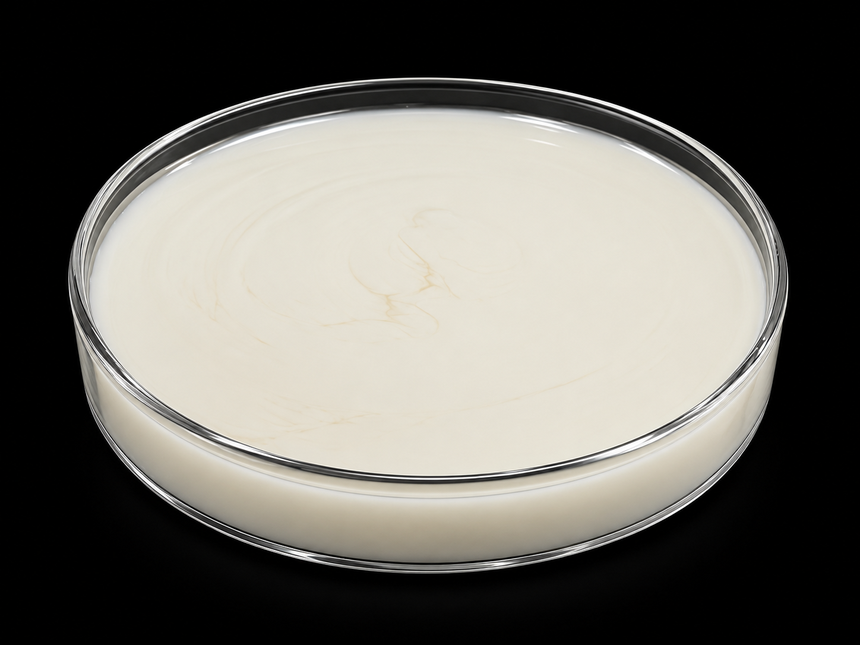
Liquid Acrylic Thickeners
Synthetic Thickeners for Textile Screen Printing
Liquid acrylic grades for print paste viscosity and flow control. Choose FSX 710R for reactive dyes, 710D for disperse dyes or 730P for pigment and binder printing pastes.
Textile Inkjet Pretreatment
Digital Textile Printing Pretreatment & Thickener
Choose DP-R for reactive inkjet printing on cotton and viscose, DP-D for disperse inkjet printing on polyester, or DP-P for pigment ink and binder systems.
Product Selection FAQ
How to Choose the Right Textile Printing Chemicals
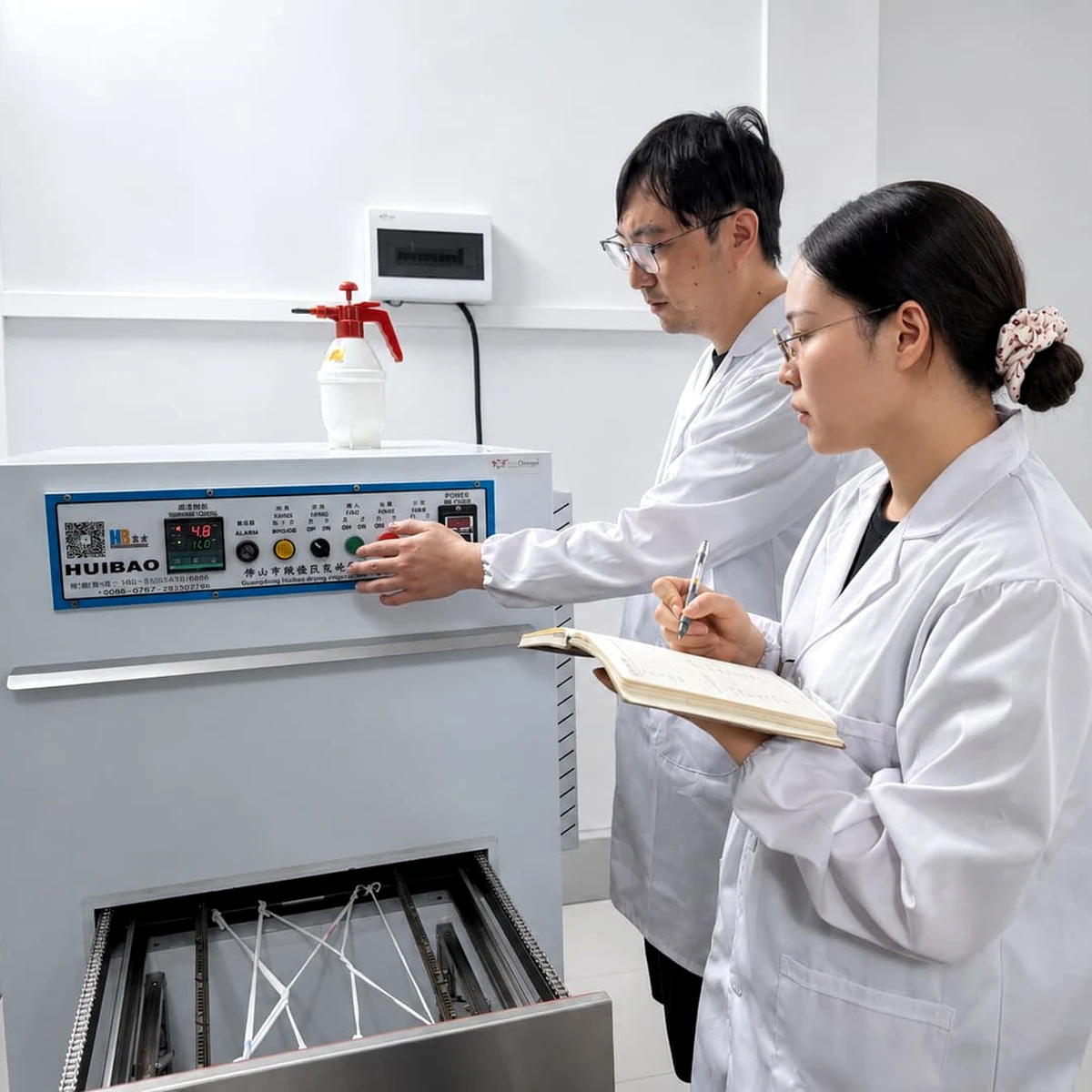
Compare product routes, test methods, samples and technical documents before requesting a matched product or grade.
Which textile printing chemical should I choose for my process?
Start with the printing process, fabric, dye system, machine and current paste formulation. Sodium alginate is a common benchmark for reactive cotton printing. CMS and selected CMC grades may be evaluated for reactive, disperse, vat, discharge or compound systems according to the grade and formulation. Digital inkjet processes require a separate auxiliary selection route.
What is the difference between CMC, CMS and sodium alginate?
CMC is cellulose-based and is selected around viscosity, degree of substitution and formulation compatibility. CMS is starch-based and is commonly evaluated for paste stability, screen passage and total cost in use. Sodium alginate is seaweed-derived and widely used for reactive printing because of its dye compatibility, colour yield and wash-off performance.
Can CMS replace sodium alginate in reactive printing?
CMS may partially or fully replace sodium alginate in some formulations, but it is not a universal one-to-one replacement. Suitability depends on the fabric, reactive dye system, paste recipe, salt and alkali loading, printing equipment, colour yield and wash-off requirements. A matched grade should be tested under the same production conditions before commercial use.
How should viscosity be compared between suppliers?
Compare viscosity only when concentration, temperature, viscometer, spindle, RPM, hydration time and sample preparation are the same. Values obtained under different test conditions are not directly comparable. Request the complete test method or evaluate supplier samples with your own standard procedure.
What information is required for product or grade matching?
Provide the printing process, fabric, dye system, current product or TDS, concentration, viscosity test method, printing machine and the main issue you want to solve. Information about paste stability, colour yield, screen passage, wash-off and estimated demand helps narrow the appropriate product route.
Can FSX Chemical match a product based on my current TDS or sample?
Yes. If you already use a thickener from another supplier, you can send the current TDS, viscosity test method, application process and key performance issues. A physical sample is also helpful when available. FSX Chemical will compare the information and recommend a suitable product route or sample for internal testing.
Can I request a sample and technical documents before ordering?
Product samples may be prepared after the application and test conditions are confirmed. International courier cost is normally paid by the buyer unless otherwise agreed. TDS and SDS can be supplied for the selected product, while a batch-specific COA is provided according to the confirmed product and production batch.
