














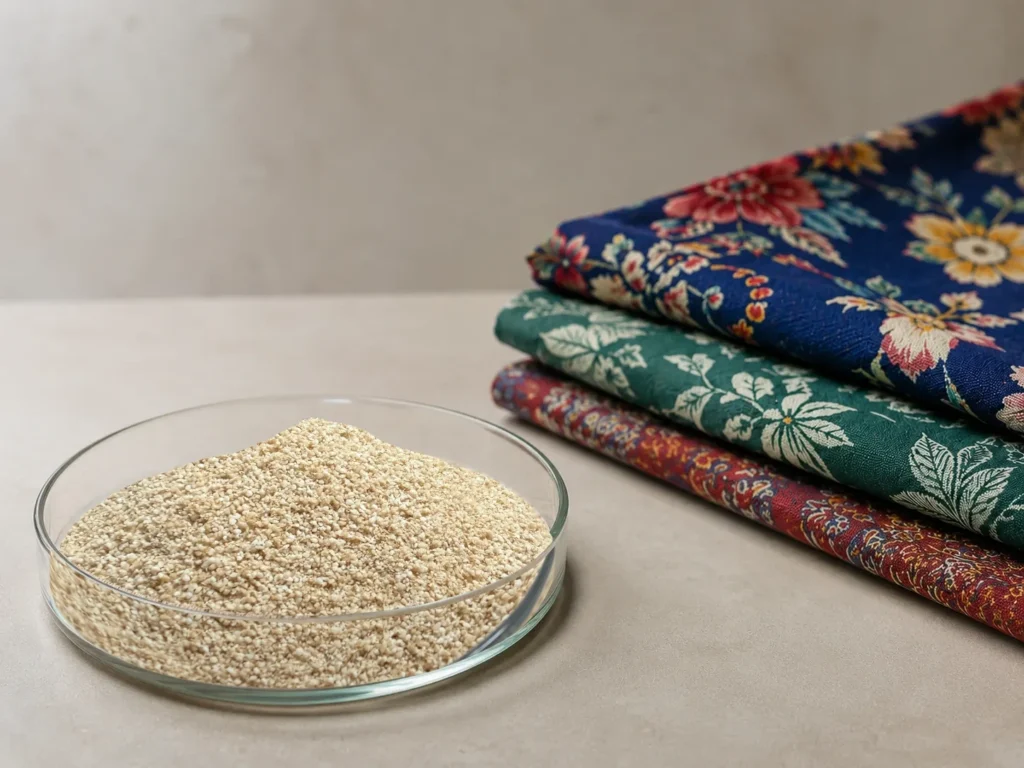
Sodium alginate is usually the starting thickener for reactive printing on cotton and viscose because it builds controllable paste rheology while limiting unwanted reaction with reactive dyes. The correct grade cannot be chosen from HV, MV or LV labels—or from one viscosity value—alone: compare the same concentration and test method, then assess flow, screen release, penetration, color yield, wash-off and paste stability on the target fabric.
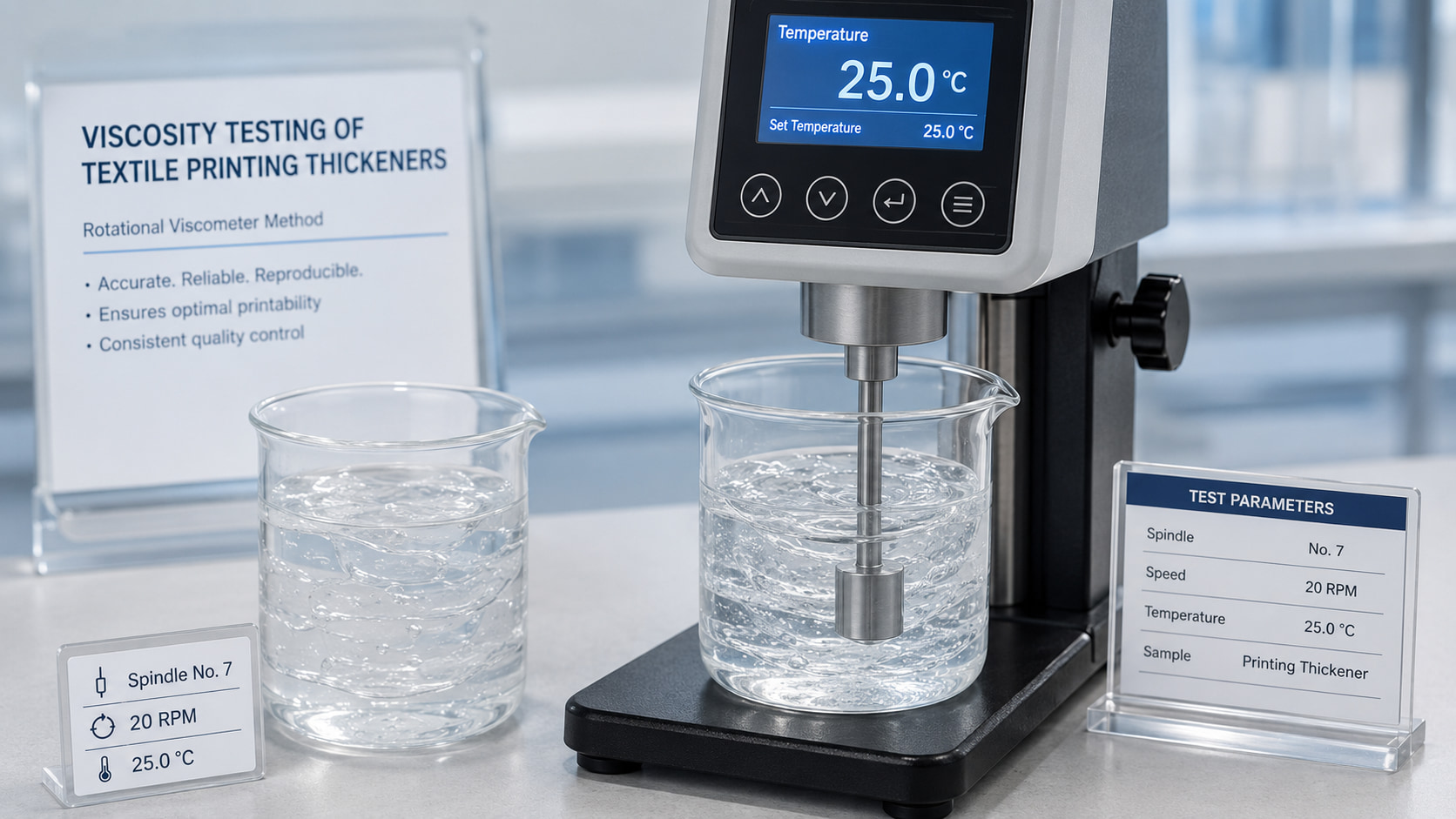
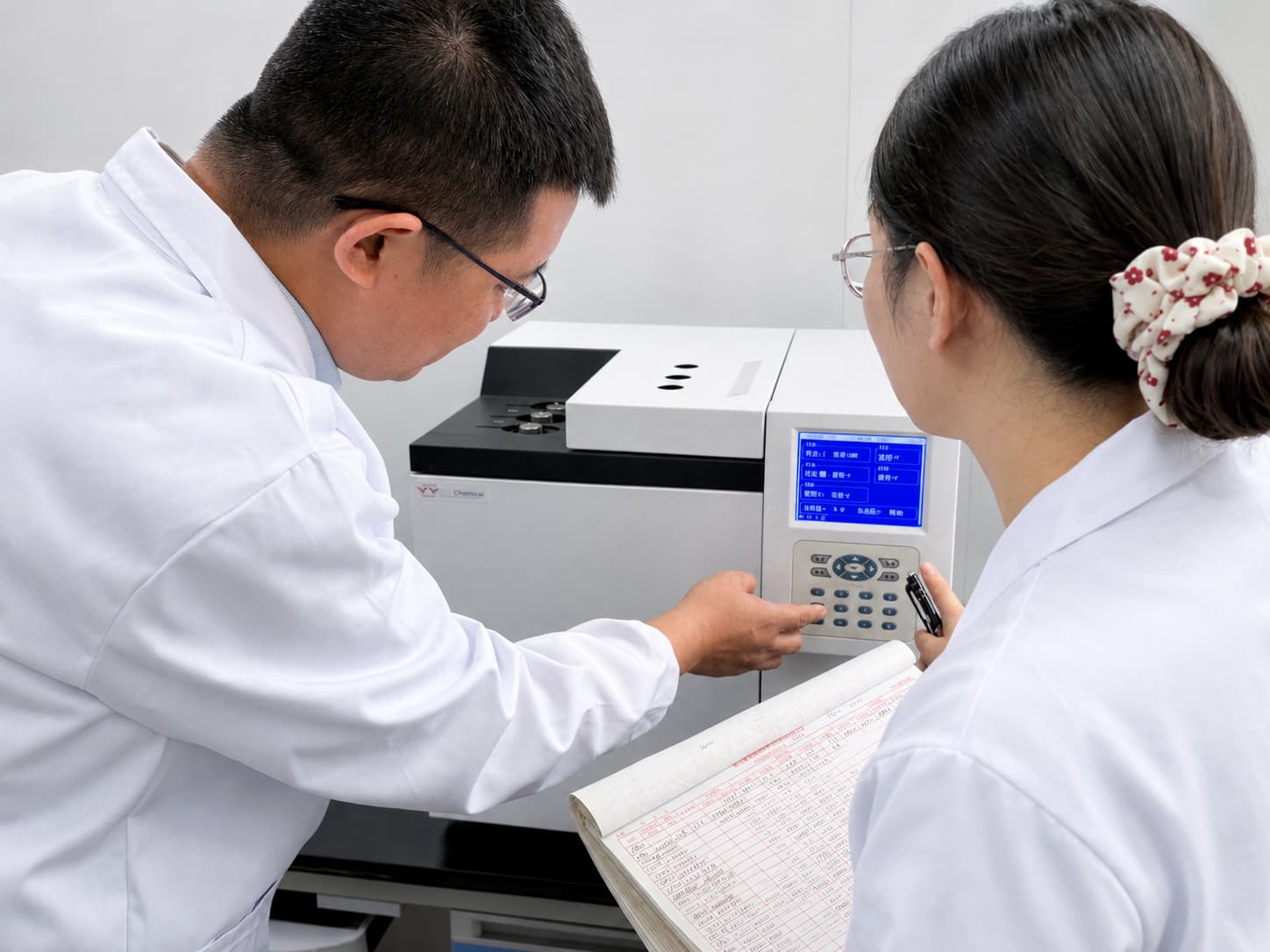
HV, MV and LV are supplier-relative descriptions. Confirm solution concentration, temperature, instrument, spindle, speed, hydration time, pH, purity and insoluble matter on the TDS and COA, then qualify the selected grade through a laboratory print and sample-to-bulk trial.
What Does Sodium Alginate Do in Textile Printing?
Role in Reactive Printing Paste
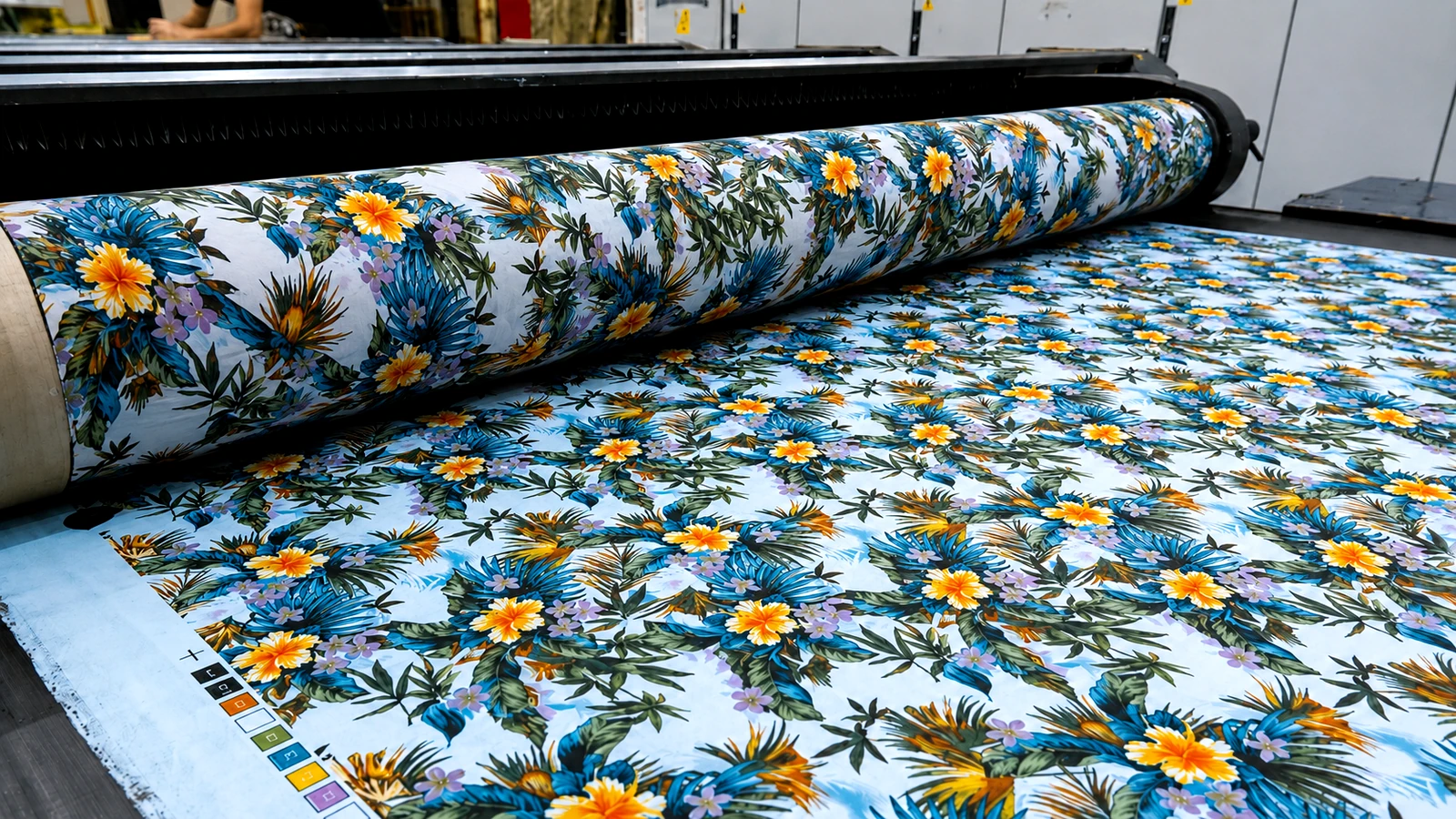
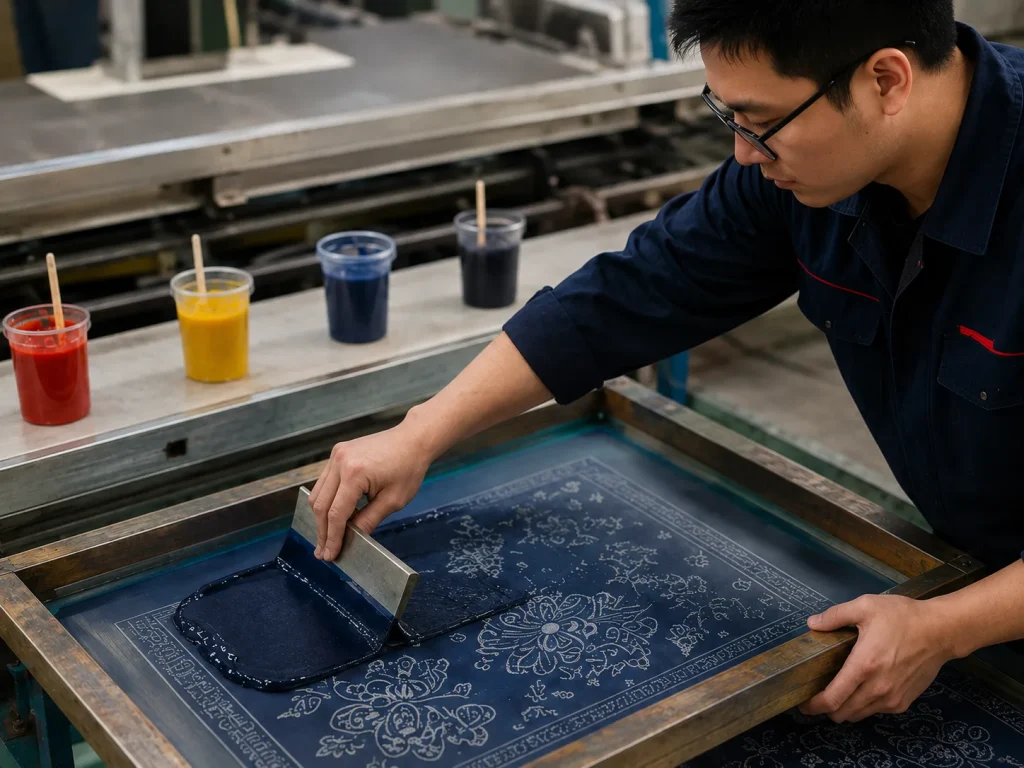
In reactive textile printing, sodium alginate helps build the required viscosity and flow behavior of the printing paste. A suitable grade can help the paste pass through the screen smoothly, hold the printed pattern on the fabric surface, and reduce unwanted bleeding during printing.
Unlike some starch-based thickeners, sodium alginate is commonly selected for reactive printing because it has good wash-off performance and does not easily interfere with reactive dye fixation under proper process conditions.
However, sodium alginate alone should not be described as a direct solution for improving color fastness. Final fastness depends on the full printing process, including dye selection, alkali system, steaming, washing, and fabric type.
Common Application Areas
Sodium alginate is commonly used in:
- Reactive printing paste for cotton and viscose fabrics
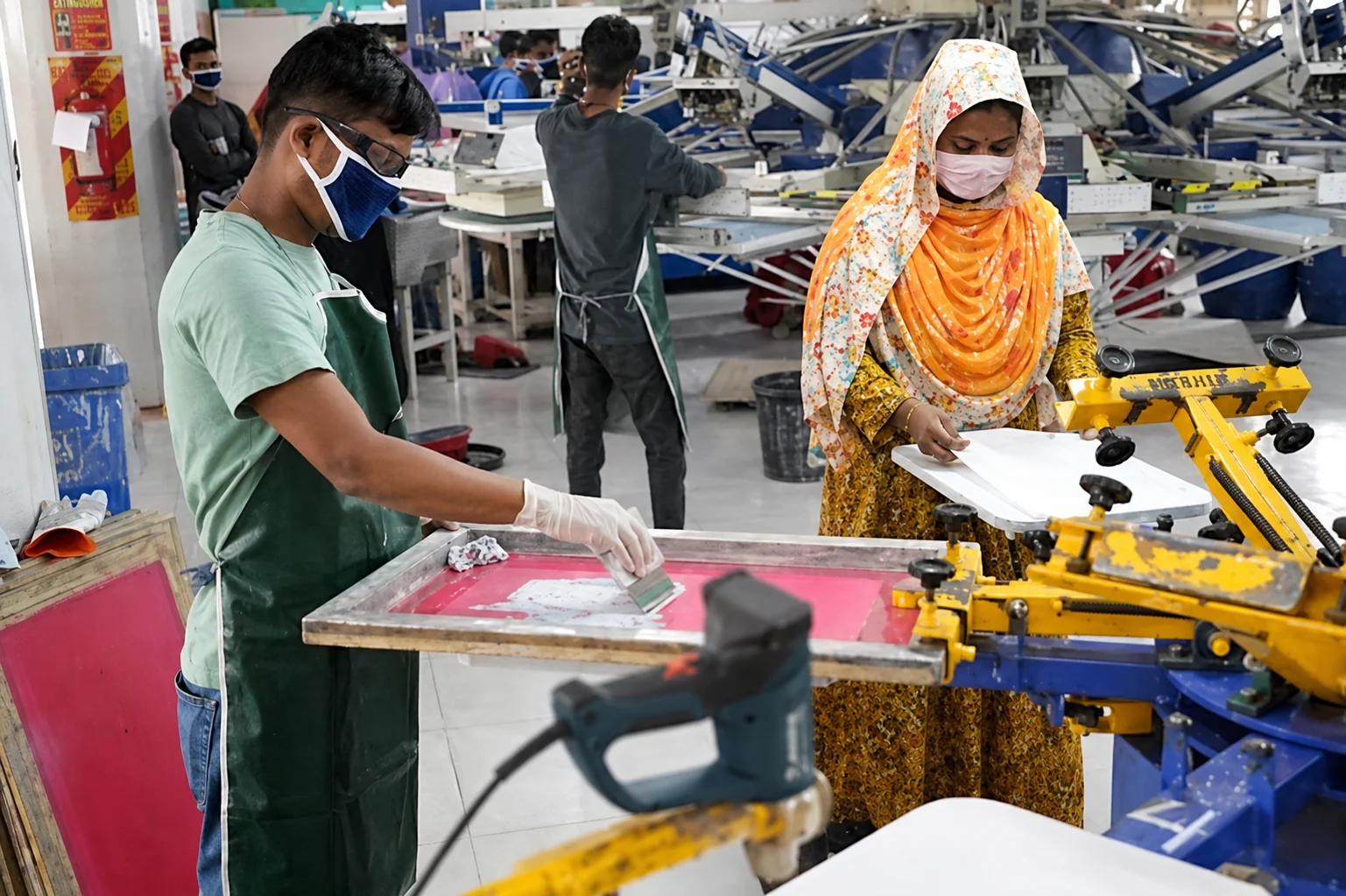
- Flat screen and rotary screen textile printing
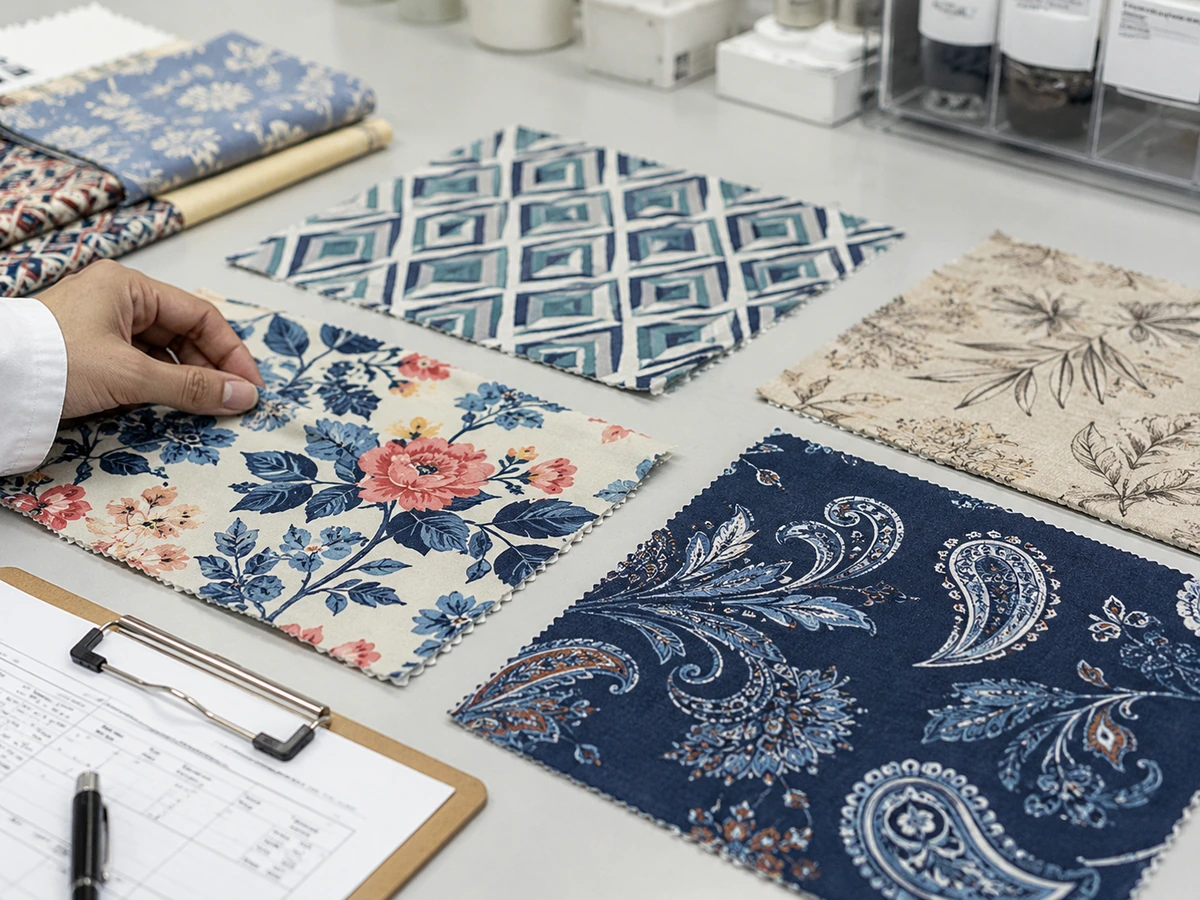
- Printed home textiles and garment fabrics
- Textile printing systems that require clean wash-off and stable paste viscosity
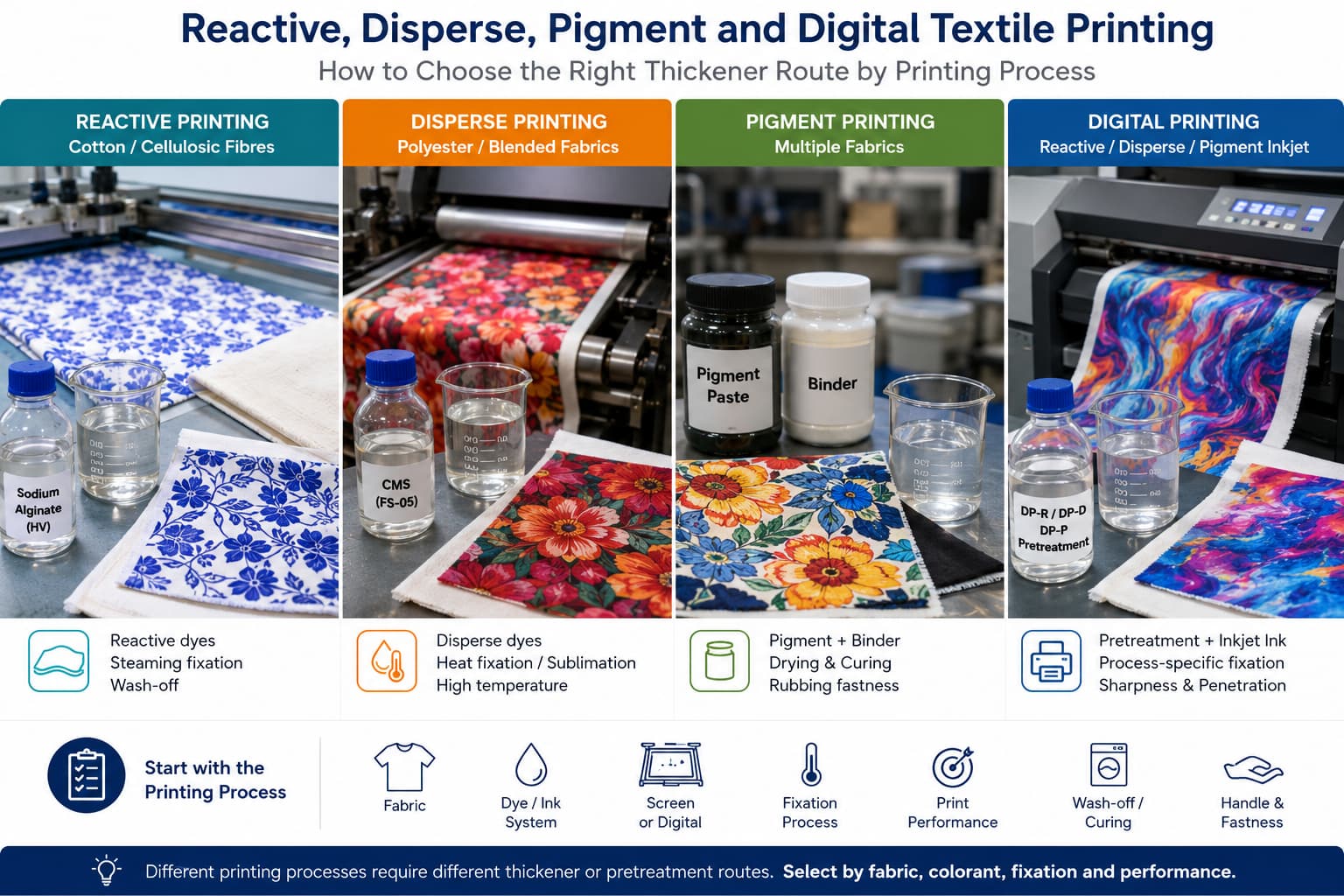
For digital printing, pigment printing, or disperse printing, other thickener systems may be more suitable. Buyers should confirm the application before selecting a grade.
What Production Problems Can It Help Solve?
Paste Stability
A suitable sodium alginate grade helps maintain stable viscosity during paste preparation and printing. This is important for factories that need consistent printing performance across different batches.
If the viscosity is too low, the paste may spread too easily and reduce pattern sharpness. If the viscosity is too high, it may affect screen passing, paste handling, or production efficiency.
Print Definition and Line Sharpness
In reactive printing, paste rheology affects how well the printed pattern stays in position after application. A well-matched sodium alginate grade can support clearer outlines and more stable print results.
For fine patterns or high-detail designs, buyers should pay attention to viscosity grade, solubility, filtration performance, and compatibility with the selected dye system.
Wash-Off and Fabric Handle
After printing and fixation, the thickener needs to be removed effectively during washing. Sodium alginate is often selected because it can support good wash-off performance when the process is properly controlled.
Poor-quality or unsuitable grades may leave residues, affect fabric handle, or create production instability. This is why sample testing is recommended before bulk purchase.
Key Specifications Buyers Should Check
Viscosity Grade
Viscosity is one of the most important parameters when selecting sodium alginate for textile printing. Different printing methods and fabric types may require different viscosity levels.
Buyers should confirm the viscosity testing concentration, temperature, and test method when comparing suppliers. A viscosity number without test conditions may not be useful for technical comparison.
Purity and Insoluble Matter
For textile printing paste, purity control and low insoluble matter are important for smooth paste preparation and stable screen performance.
Instead of using absolute claims such as “100% purity,” it is more professional to evaluate the product based on technical specifications, batch consistency, and actual application testing.
Moisture and pH
Moisture affects storage stability and purchasing cost calculation. pH can influence compatibility with the printing paste system and should be checked together with other auxiliaries.
For export buyers, it is recommended to request a TDS and COA before confirming bulk orders.
Compatibility with Dyes and Auxiliaries
Sodium alginate should be tested together with the actual dye, alkali, urea, anti-reduction agent, and other auxiliaries used in production.
A grade that performs well in one factory may not automatically be suitable for another factory, especially when the fabric, machine type, paste formula, or printing process is different.
How to Select a Suitable Sodium Alginate Grade
Match the Grade to Printing Method
Flat screen printing, rotary screen printing, and high-detail reactive printing may require different paste behavior. Buyers should share the printing method, target viscosity, fabric type, and current production issue with the supplier.
This helps avoid selecting a grade based only on price or general product description.
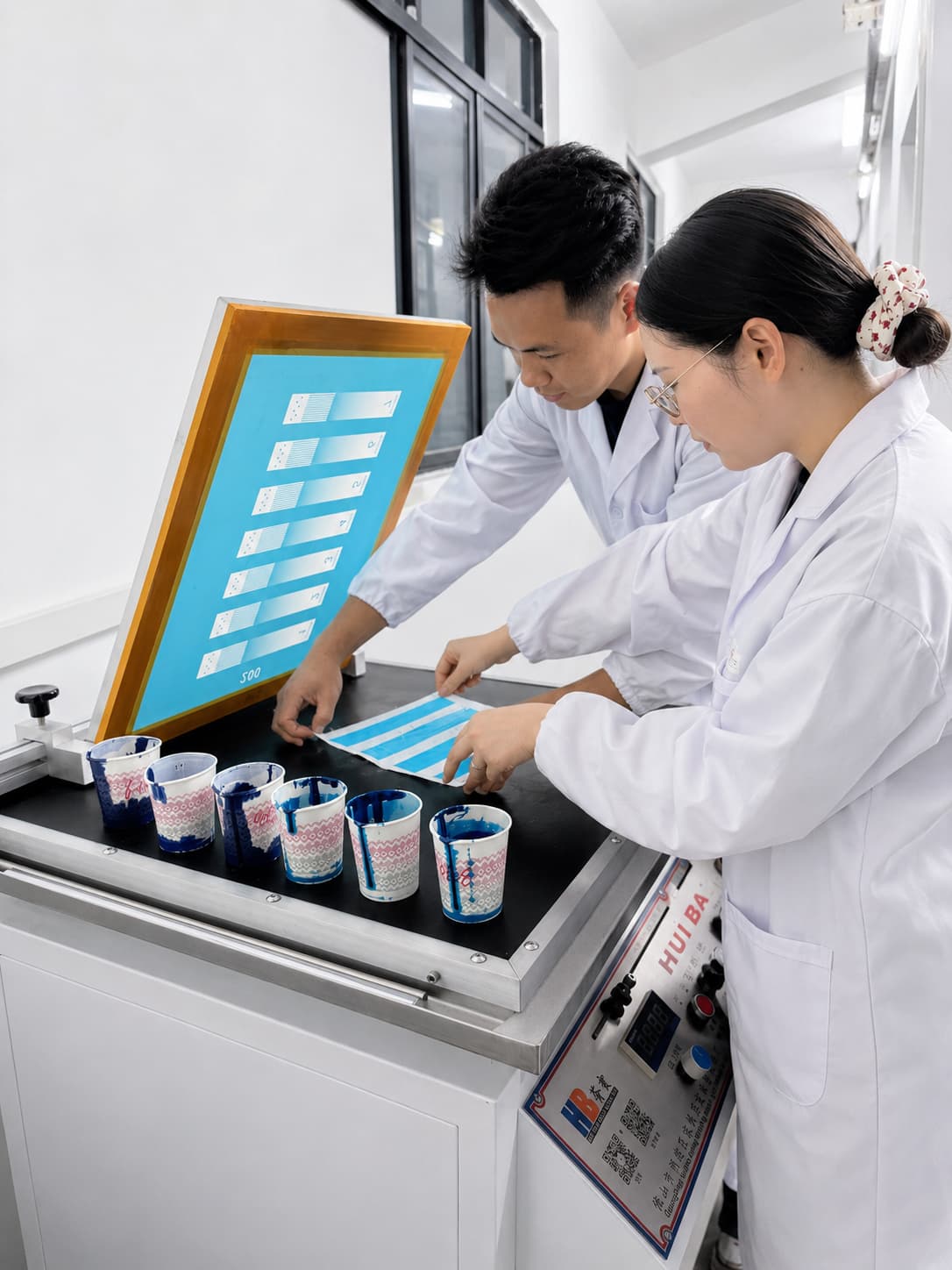
Test Before Bulk Purchase
Before placing a bulk order, it is recommended to test a sample in the real production formula. Buyers can compare:
- Paste preparation speed
- Final viscosity
- Screen passing performance
- Print outline clarity
- Wash-off performance
- Fabric handle after washing
- Batch-to-batch stability
Testing under real factory conditions is more reliable than relying only on general claims
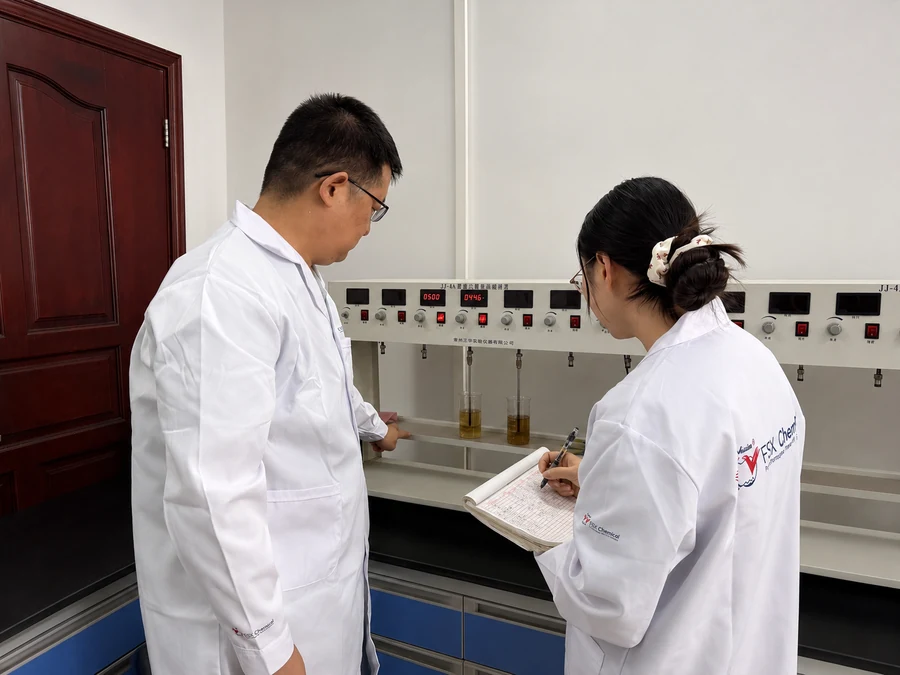
How FSX Chemical Supports Textile Printing Buyers
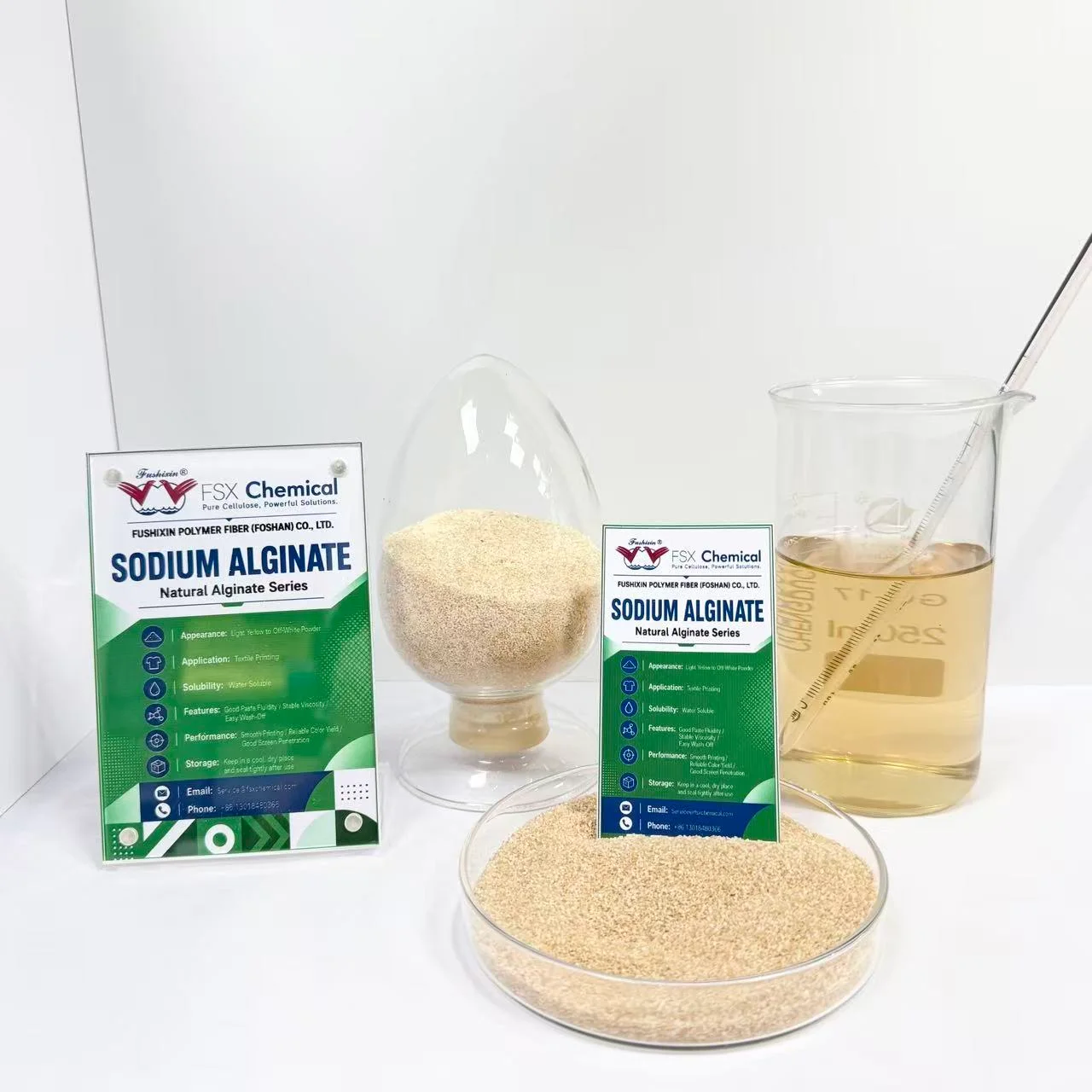
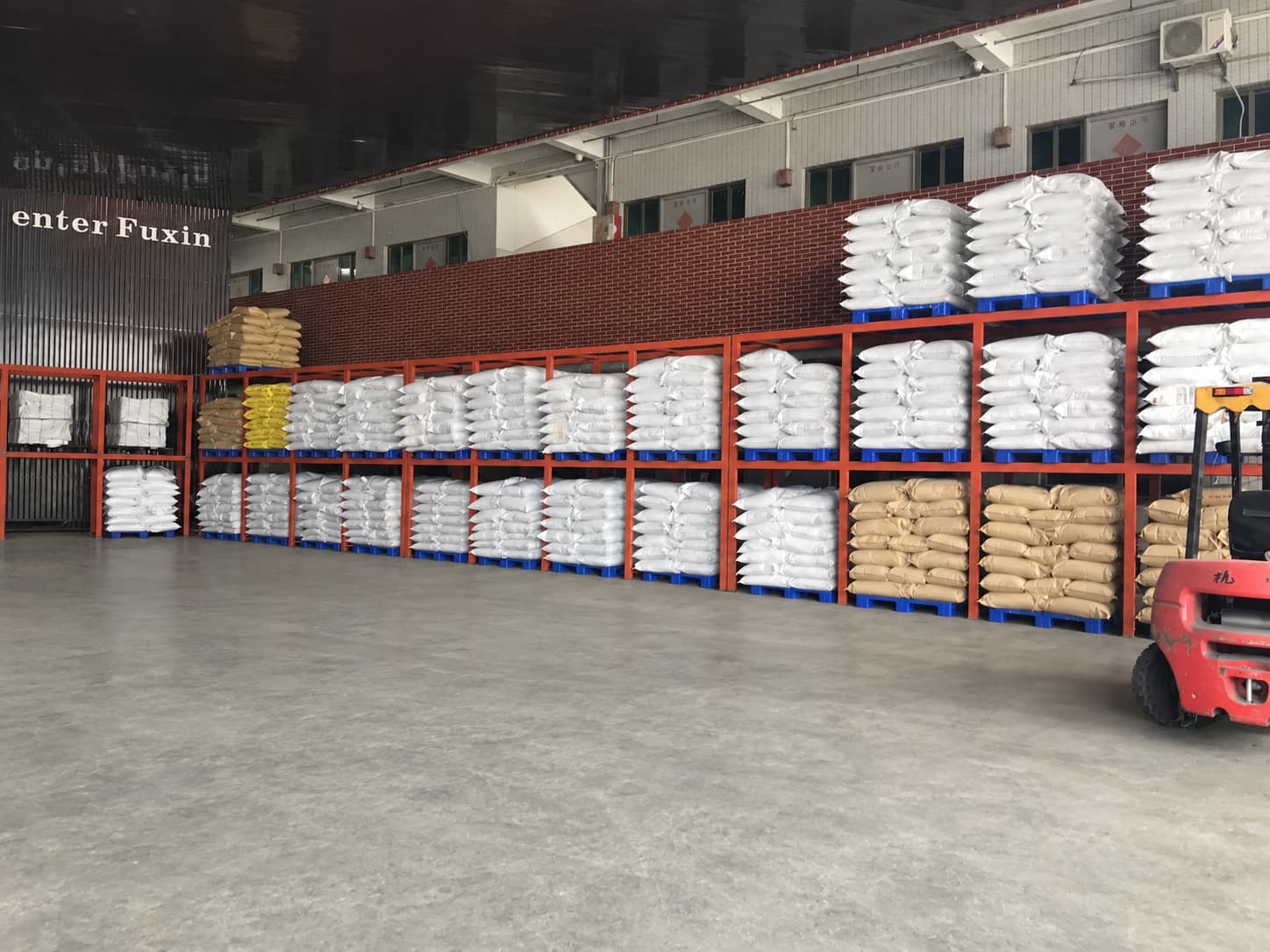
FSX Chemical supplies sodium alginate and other textile printing thickeners for B2B buyers, including textile printing mills, dyeing and printing factories, and chemical distributors.
For buyers who are not sure which grade to choose, FSX Chemical can provide product information, TDS, sample support, and grade matching suggestions based on the printing process and target application.
To recommend a suitable grade, it is helpful to provide the following information:
- Printing method: flat screen, rotary screen, or other process
- Fabric type: cotton, viscose, blended fabric, or others
- Dye system: reactive dye or another system
- Target paste viscosity
- Current thickener or formula, if available
- Main production issue, such as bleeding, unstable viscosity, poor wash-off, or high cost
Request TDS, Sample, or Grade Matching Support
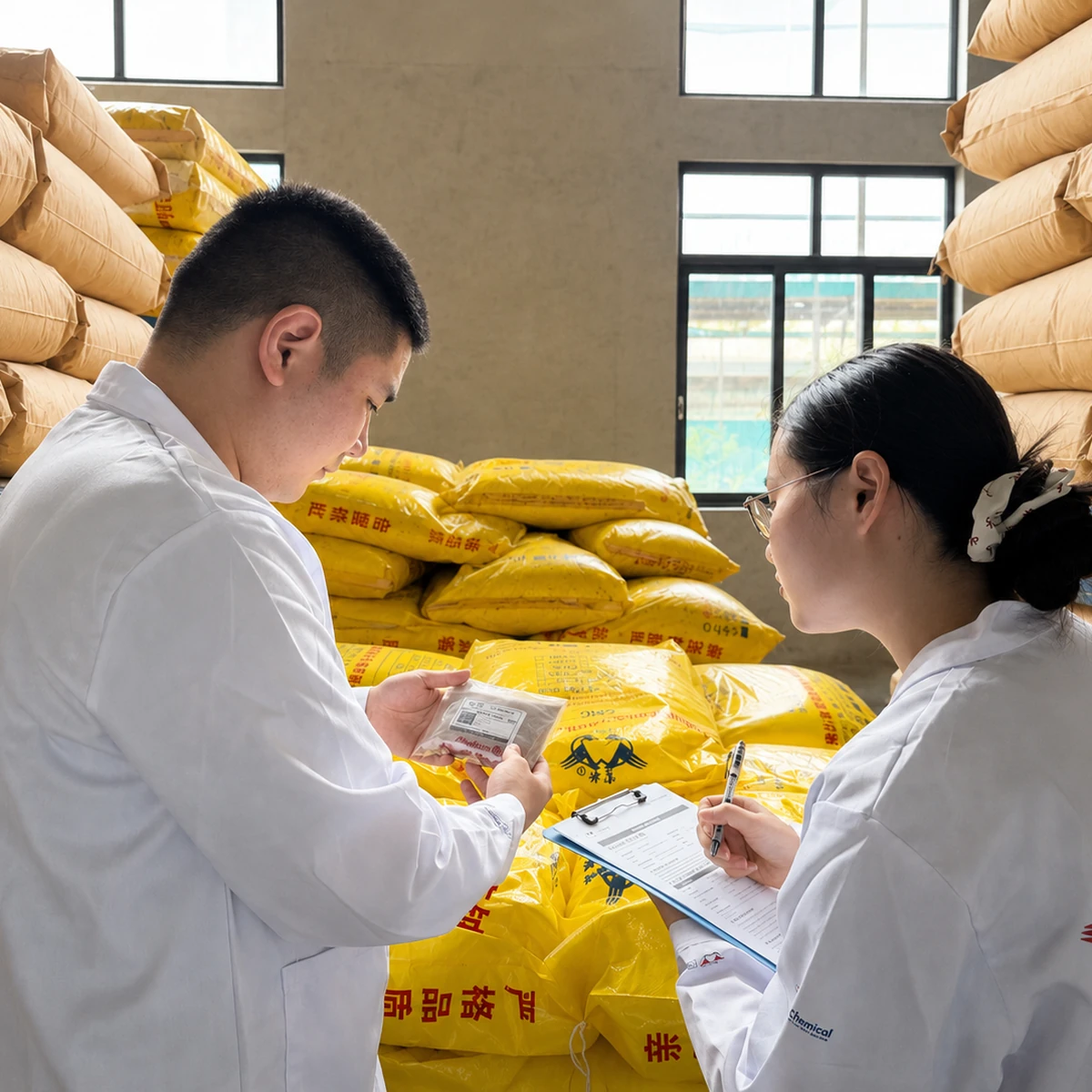
Our technical team can help you compare viscosity grades and select a suitable product for your printing process before bulk purchase📧 Email: Service@fsxchemical.com