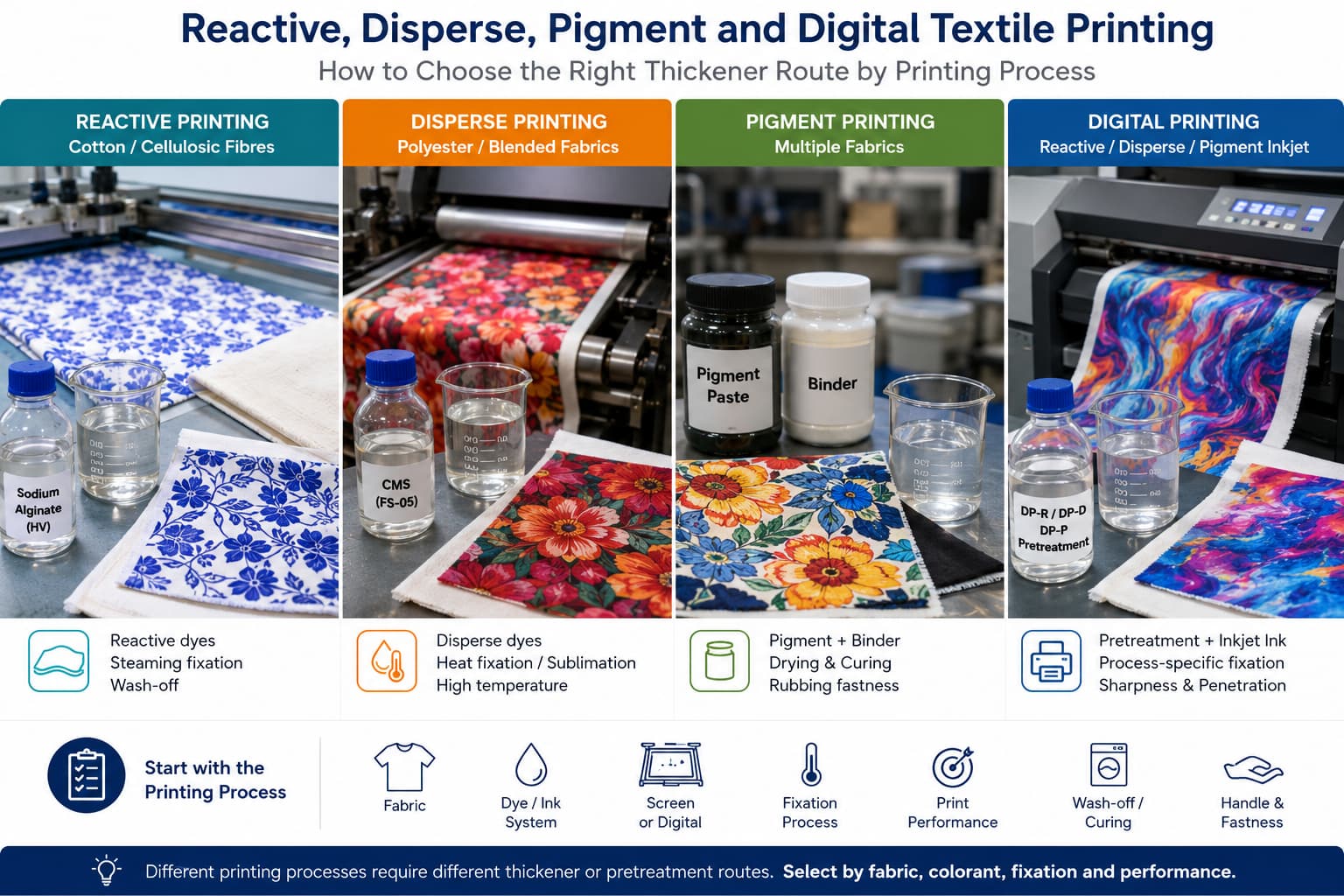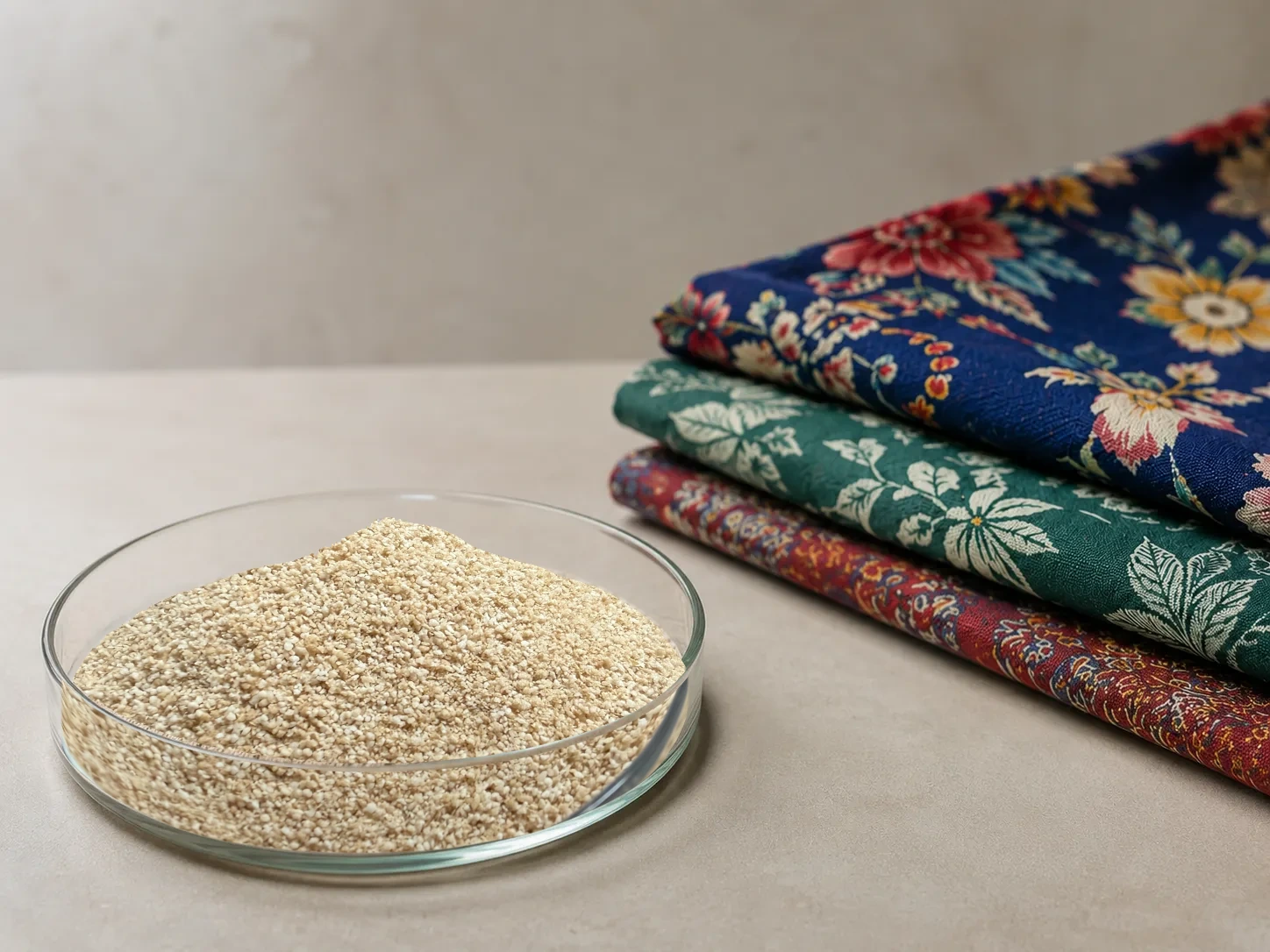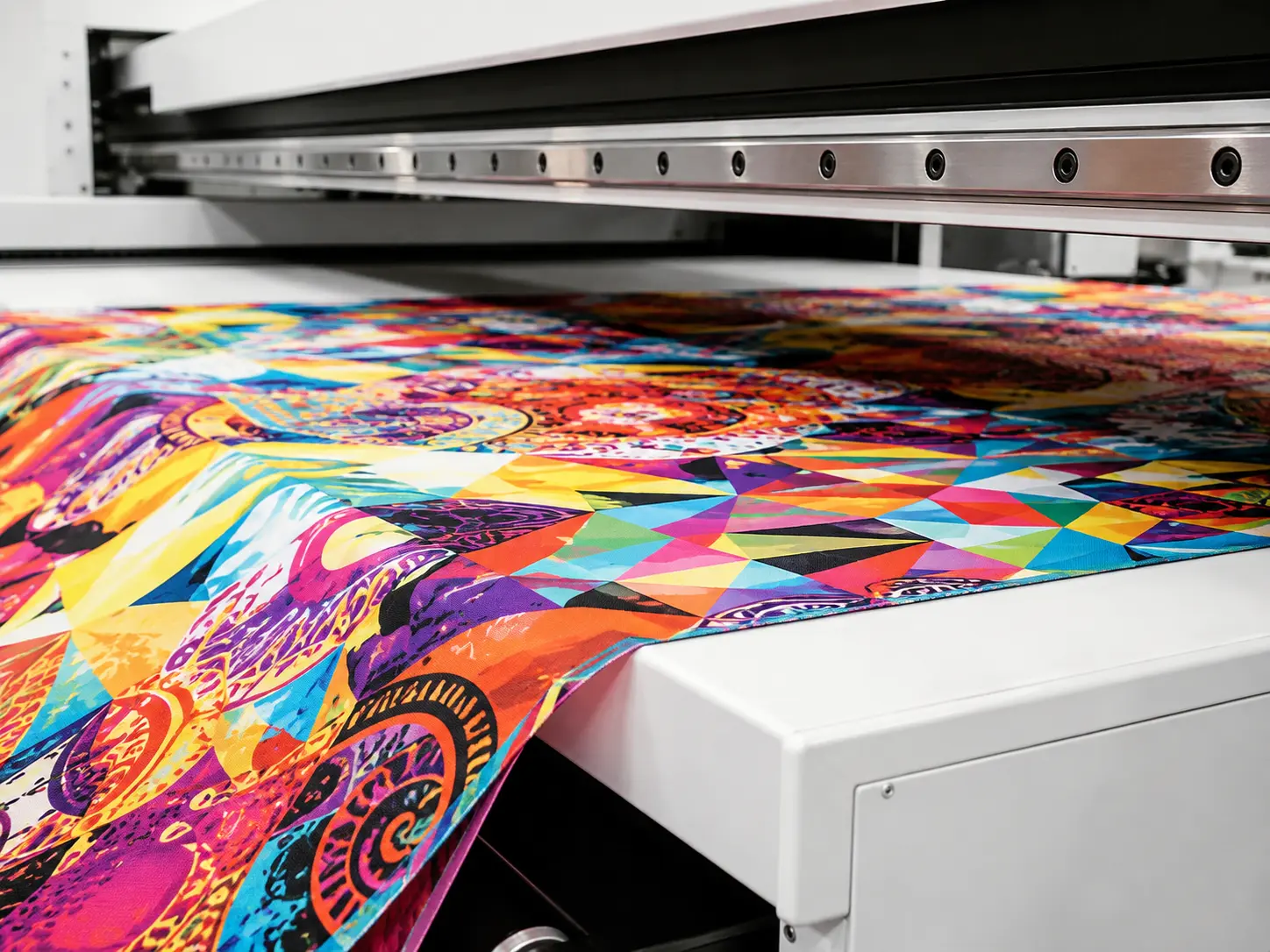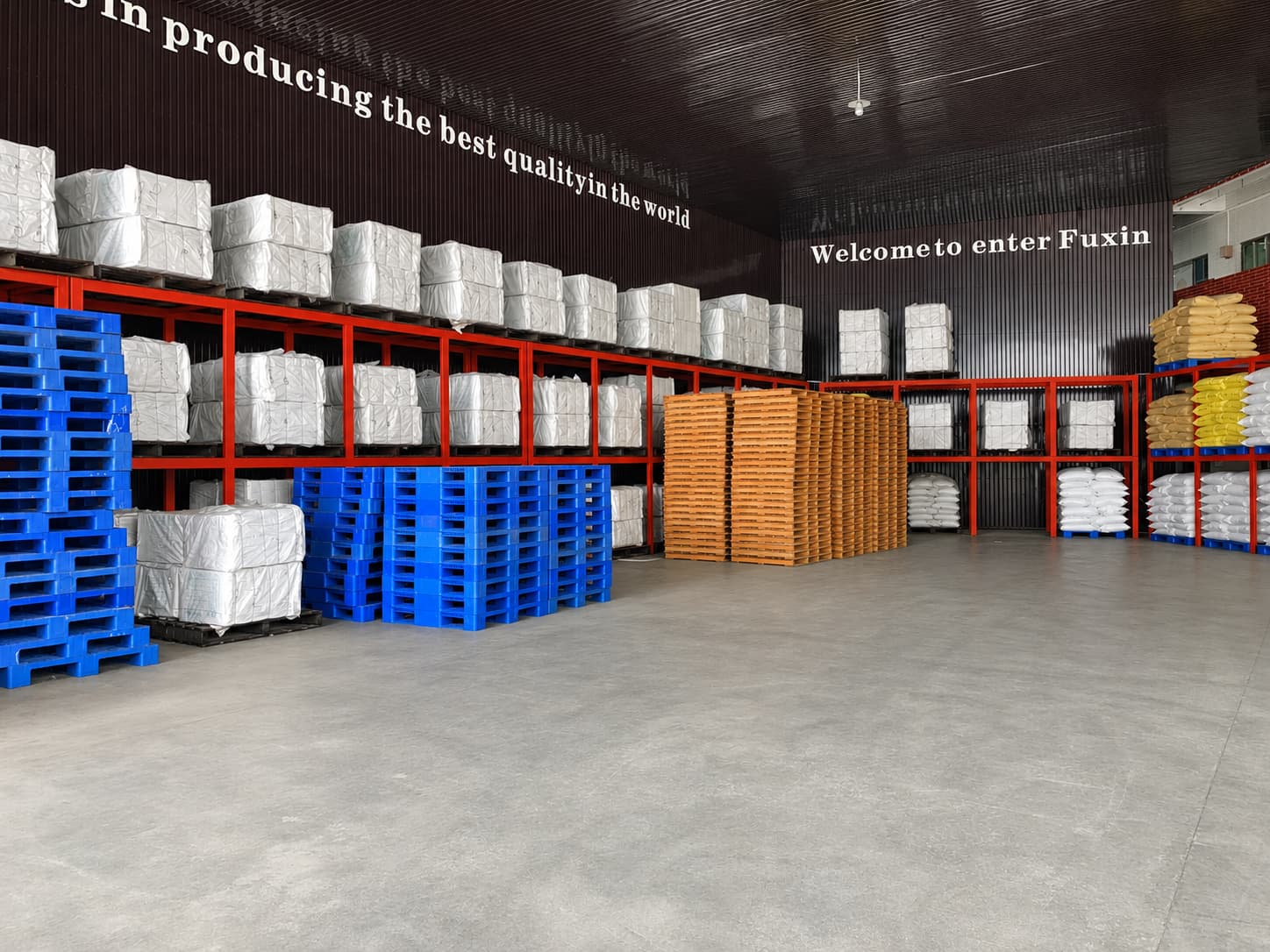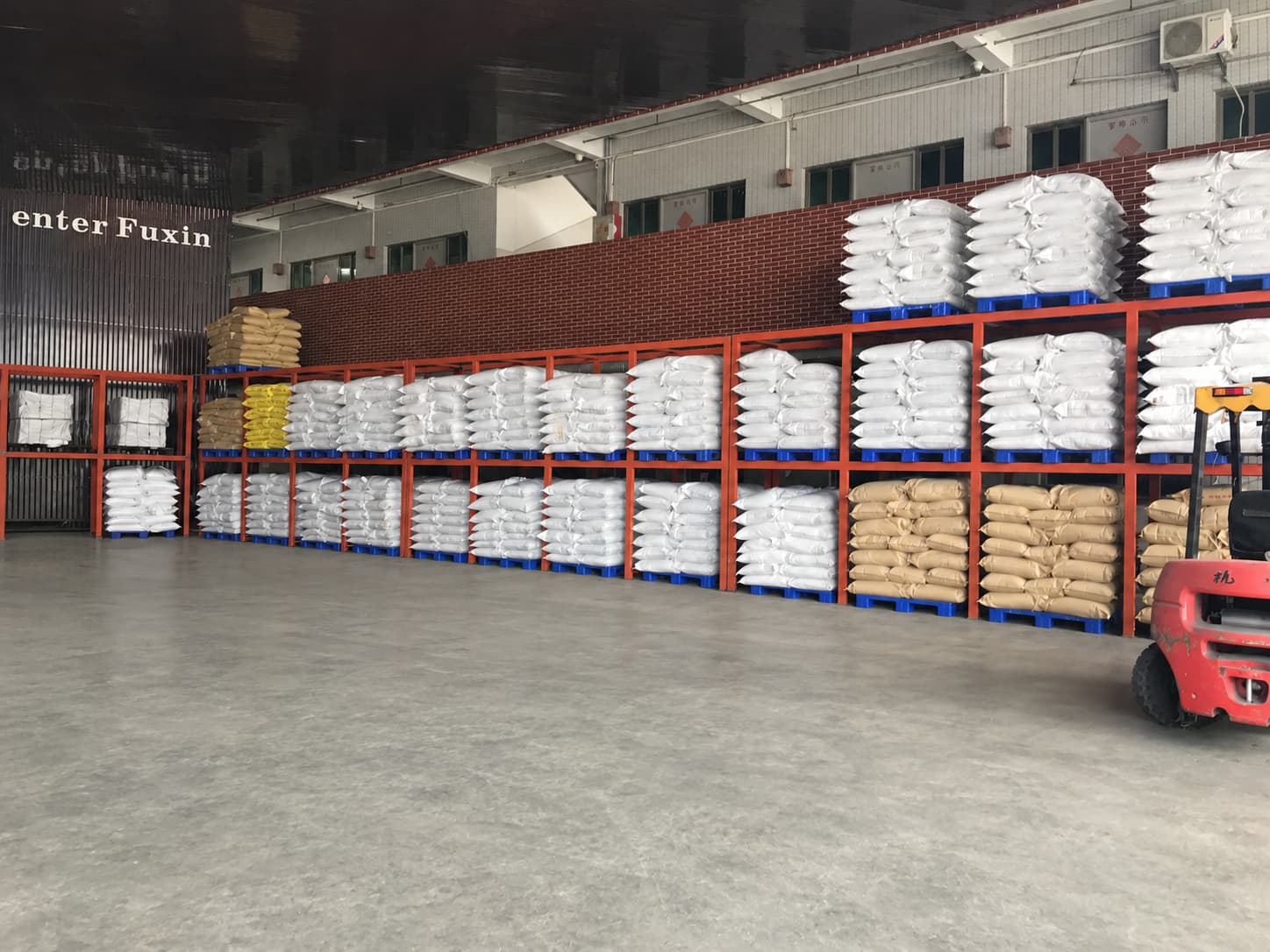
















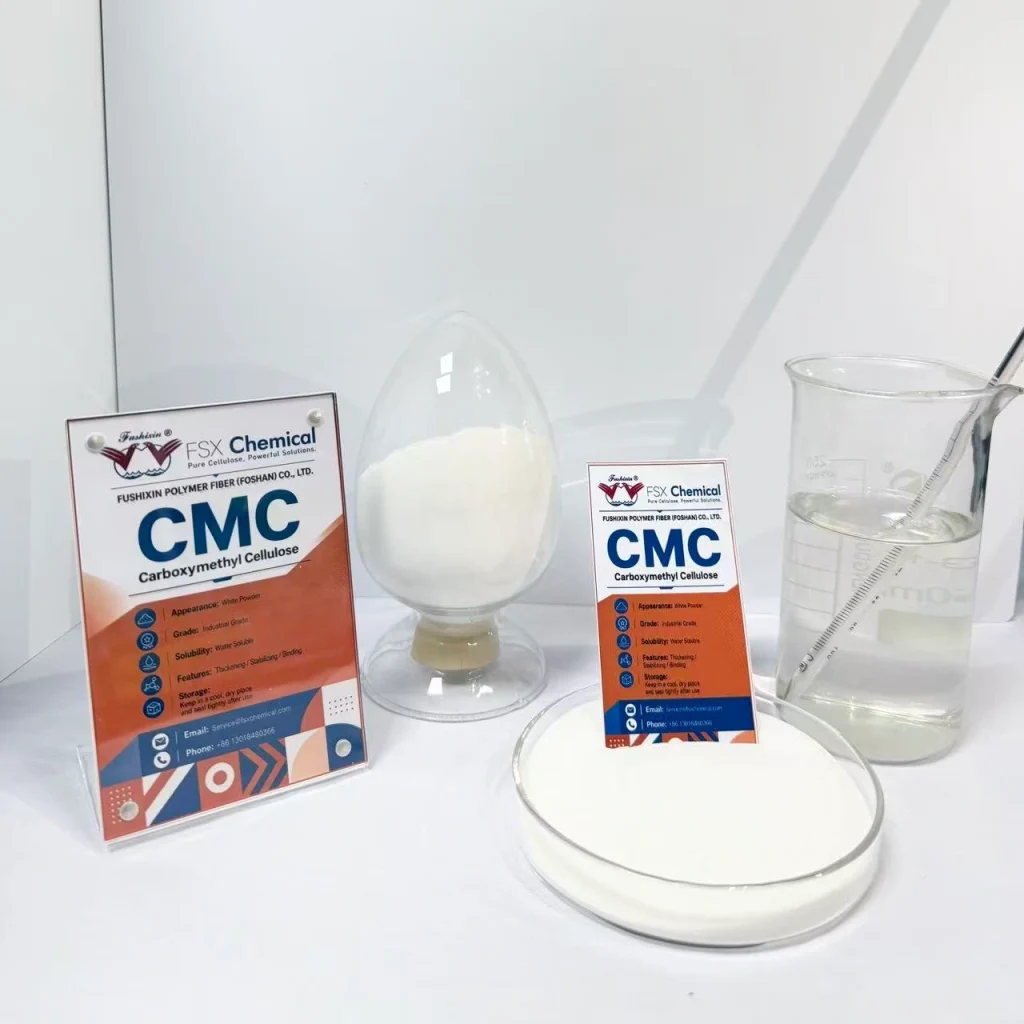
CMC for textile printing should be selected by application first, then by degree of substitution (DS), purity, viscosity test method, salt tolerance and paste rheology. For reactive printing, dye compatibility must be verified; for pigment printing and warp sizing, film behavior, electrolyte response and wash-off or desizing requirements may be more important than nominal viscosity.
What Is CMC and Why Is It Used in Textile Applications
Function as a Thickener in Printing Paste
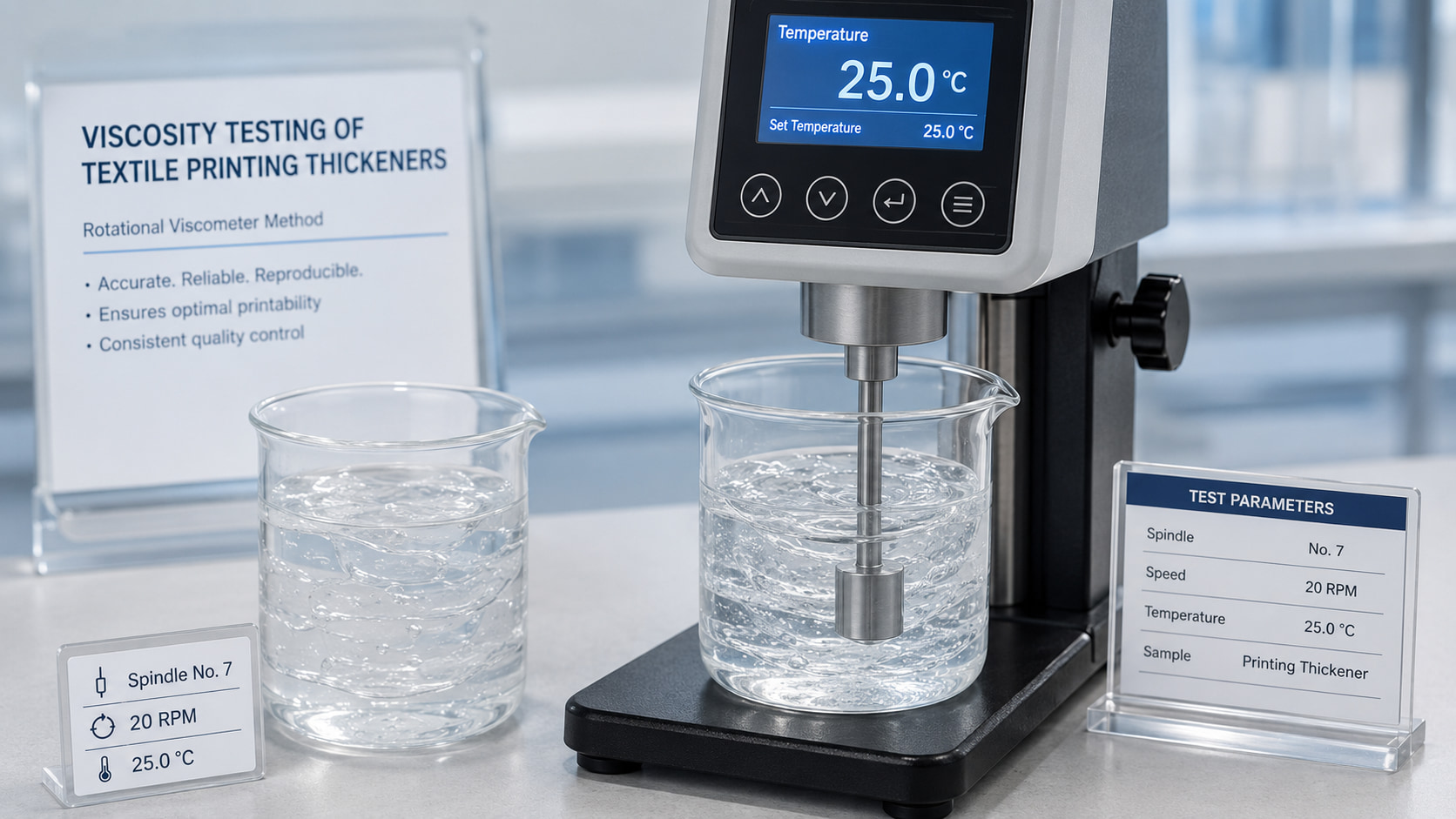
Do not compare two CMC grades by viscosity alone. Require the solution concentration, temperature, instrument, spindle, speed, hydration time and water quality, then test the same formulation from laboratory sample to bulk batch.
CMC is particularly valued in pigment printing formulations, where it helps maintain paste stability and prevents separation during storage or on-press.
Role in Textile Sizing and Finishing
In warp sizing, CMC is applied to yarn before weaving to reduce breakage during the weaving process. It provides a protective film that improves yarn tensile strength and abrasion resistance, and is generally easier to desize than starch-based alternatives.
In finishing, low-viscosity CMC grades are sometimes used as a fabric handle modifier or as a component in finishing bath formulations.
Key Performance Parameters for Textile-Grade CMC
Procurement teams evaluating CMC should focus on three core parameters. These are typically specified in the technical datasheet (TDS) and can vary significantly between suppliers and grades.
Degree of Substitution (DS)
DS refers to the average number of carboxymethyl groups attached per glucose unit in the cellulose chain. For textile applications, DS typically ranges from 0.6 to 0.9. Higher DS values generally improve water solubility and consistency at lower concentrations.

Different processes may require different DS ranges. Confirm with your supplier which DS is recommended for your specific application — paste thickening, sizing, or finishing.
Viscosity Grade and Stability
CMC is available in low, medium, and high viscosity grades, typically measured as a 1% or 2% aqueous solution at 25°C. The appropriate viscosity depends on your printing method, fabric weight, and paste formulation.
Lot-to-lot viscosity consistency is equally important in production environments. Ask your supplier for acceptable viscosity variation tolerances between batches.
Purity and Solubility
Industrial-grade CMC for textile use should dissolve cleanly without forming gel particles or undissolved residue. Residual sodium chloride (NaCl) and sodium glycolate are common byproducts of CMC synthesis — their levels affect both purity and performance in concentrated paste formulations.
Request the specification sheet to confirm the purity grade and any relevant impurity limits before ordering.
Common Textile Applications and Process Fit
Flat Screen and Rotary Screen Printing
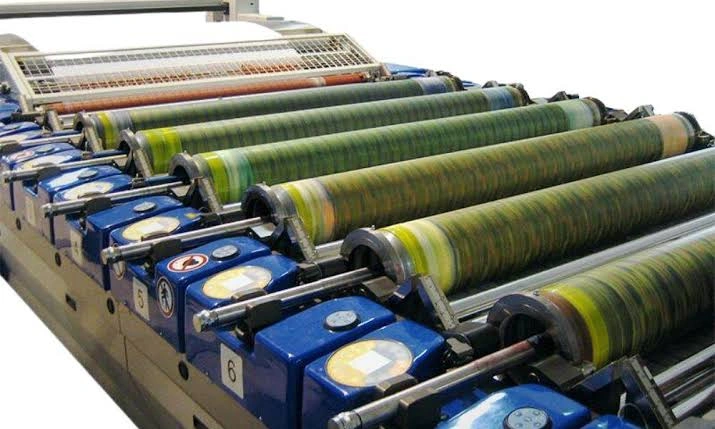
CMC is used as a secondary thickener or paste stabilizer in flat and rotary screen printing, often in combination with sodium alginate or synthetic thickeners. It contributes to paste body and helps maintain consistency across long print runs.
In pigment printing specifically, CMC can improve the binding efficiency of the paste system and reduce color migration during drying.
Pigment Printing Paste Formulations
Pigment printing does not require washing-off after fixation, which makes paste composition more critical. CMC in these formulations typically serves as a thickening and stabilizing component alongside binders and fixatives.
The CMC grade used here should have good compatibility with the binder system and should not introduce fluorescence that could affect fabric appearance under UV inspection.
Warp Sizing for Cotton and Blended Fabrics

For warp sizing applications, medium to high viscosity CMC grades are commonly used, often blended with starch or PVA depending on fiber type and loom speed. CMC improves the film-forming property of the size and contributes to easier desizing after weaving.
If you are using CMC in sizing, confirm the recommended concentration range and drying conditions with your supplier to avoid over-sizing or uneven film formation.
CMC vs. Other Thickeners: When to Choose CMC
CMC vs. Sodium Alginate
Sodium alginate is the standard thickener for reactive dye printing and offers excellent color yield with reactive dye systems. CMC, by contrast, is more commonly used in pigment printing or as a supporting thickener where cost or availability is a consideration.
If your primary dye system is reactive dyes on cotton, sodium alginate is generally the preferred thickener. If you are working with pigment systems or need a versatile stabilizer across multiple paste types, CMC may offer more flexibility.
CMC vs. Synthetic Thickeners
Synthetic thickeners (such as acrylic-based types) offer high thickening efficiency at low concentrations, but may have different wash-out behavior and compatibility requirements. CMC is bio-based, biodegradable under standard conditions, and generally has a more straightforward regulatory profile for industrial use.
The choice between CMC and synthetic alternatives typically depends on paste formulation requirements, fabric type, and internal process chemistry rather than cost alone.
Grade Selection and What to Confirm Before Ordering
Matching DS and Viscosity to Your Process
There is no universal CMC grade for all textile applications. Before placing an order — particularly a first order with a new supplier — it is worth running a small-scale trial to confirm paste performance, solubility behavior, and compatibility with your existing chemistry.
FSX Chemical’s technical team can recommend a starting grade based on your application type, fabric substrate, and printing method. Share your process details and we can suggest the most appropriate DS and viscosity range.
Documentation to Request from Your Supplier
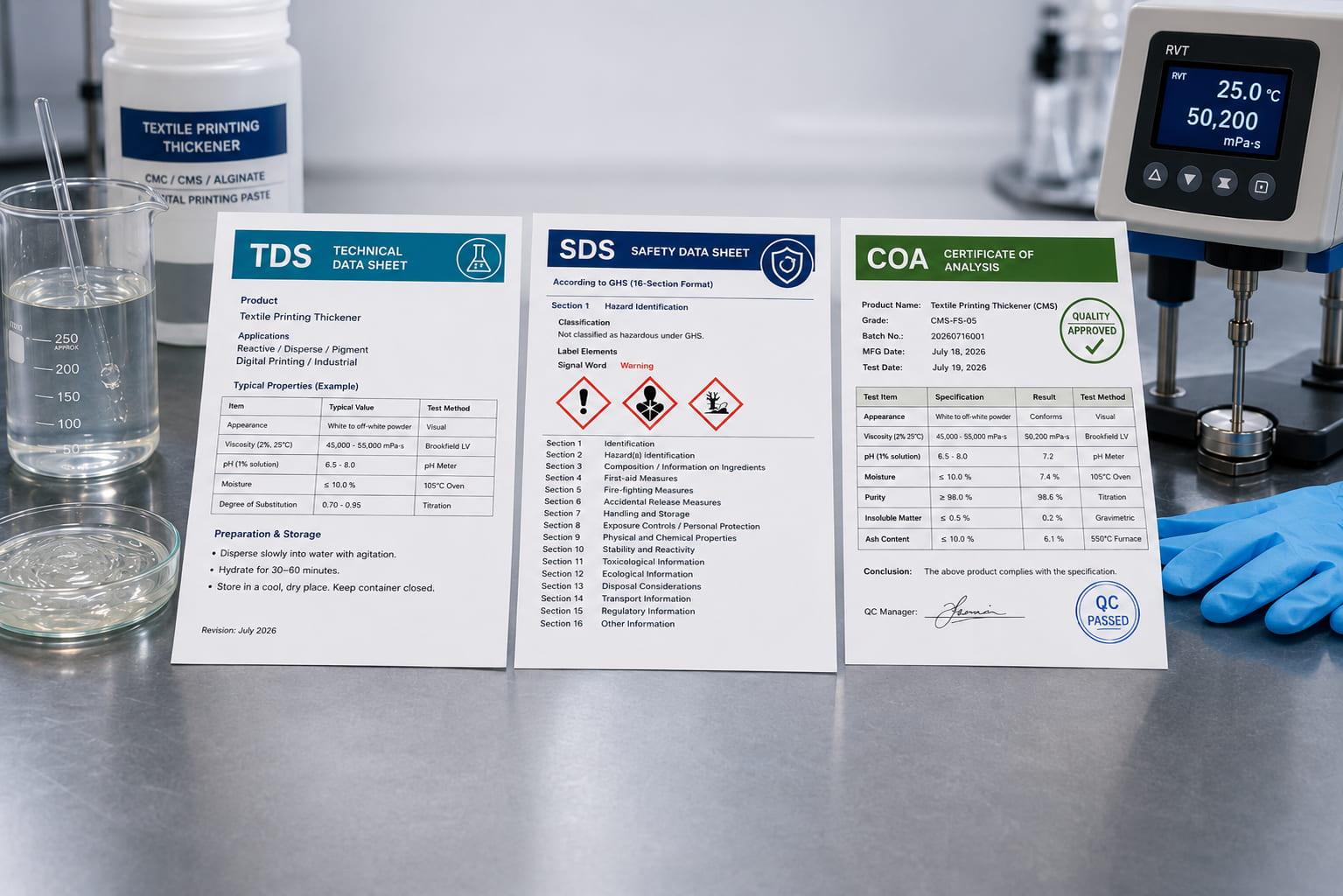
Before committing to a bulk order, request the following from any CMC supplier:
- Technical Datasheet (TDS) — covering DS, viscosity, purity, and solubility specifications
- Safety Data Sheet (SDS) — for handling, storage, and transport compliance
- Certificate of Analysis (CoA) — for the specific batch you are ordering
- Sample quantity — to run internal paste trials before scaling up
If a supplier cannot provide these documents readily, that is worth noting in your evaluation.
How FSX Chemical Supports Your Sourcing Process
FSX Chemical supplies CMC grades for textile printing, sizing, and finishing applications. We provide technical datasheets, safety data sheets, and sample quantities for evaluation before bulk orders.
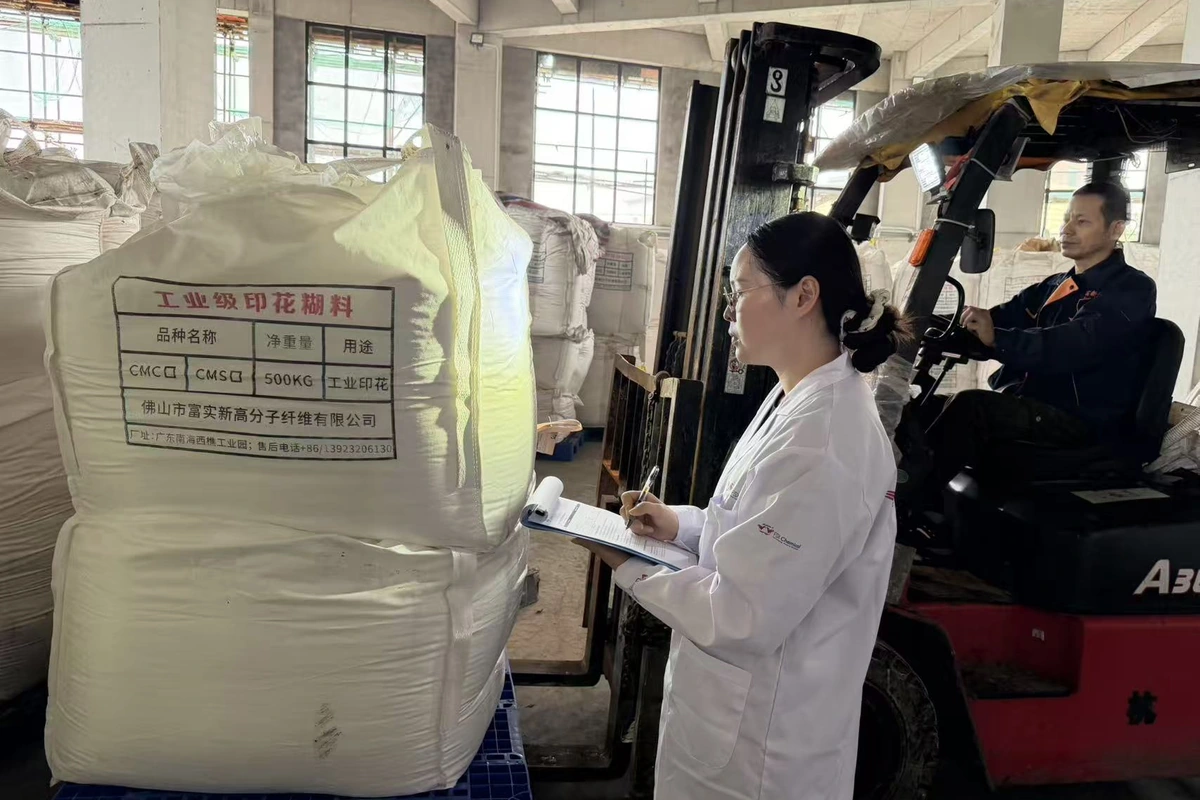
Our team can assist with grade matching if you share your application details — fabric type, printing method, dye class, and any existing paste formulation parameters.
Next steps:
- Request a TDS — for the CMC grade relevant to your application
- Request a Sample — for internal paste trials before committing to volume
- Ask for Grade Matching — share your process details and we’ll recommend a starting point
- Contact Our Technical Team — for formulation questions or switching from another thickener 📧 Email: Service@fsxchemical.com