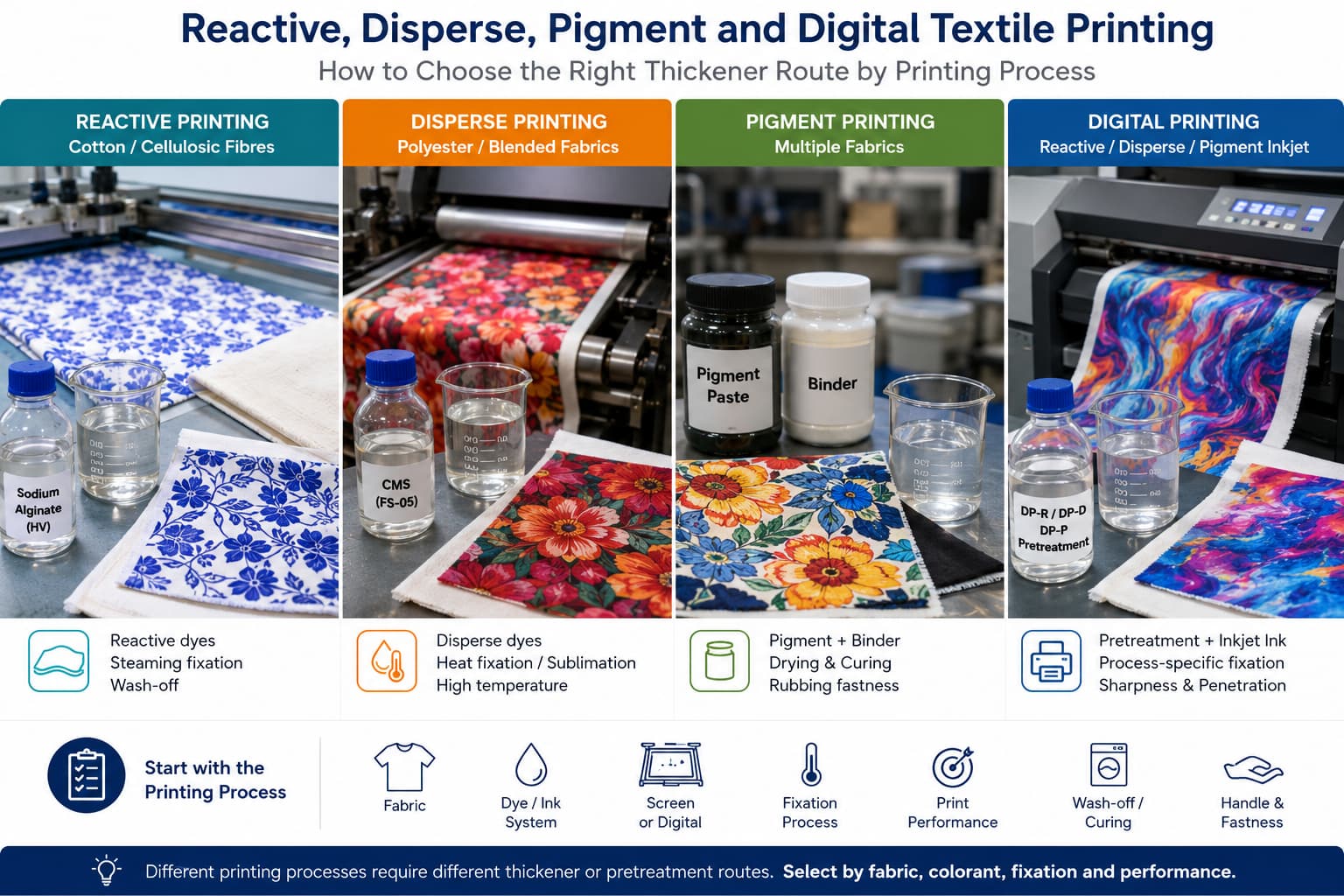















CMC and CMS grade selection should compare edge definition and afterwashing as separate outcomes. In wet dye printing, test the complete paste, fixation and removal sequence; in binder-based pigment printing, assess cured-film handle and fastness rather than expecting routine thickener wash-off. Equal viscosity at one instrument speed does not establish equal screen flow or print sharpness.
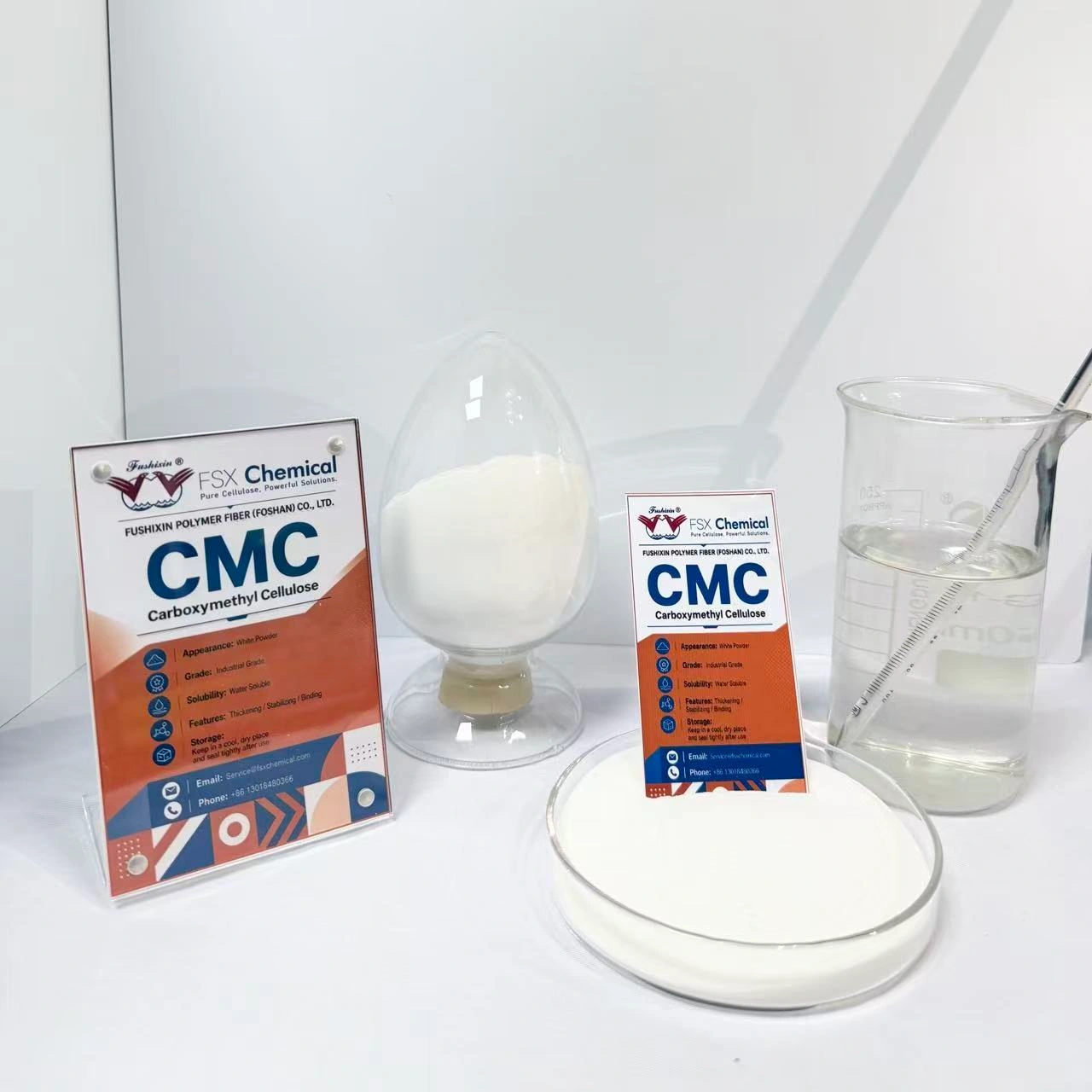
CMC denotes carboxymethyl cellulose; CMS in chemical literature denotes carboxymethyl starch. A commercial series name alone does not establish the composition or application of every supplied grade. Confirm the current product TDS/SDS and intended dye system before using either as a single thickener or a blend component.
A printing paste can produce a sharp pattern on the printing machine and still be difficult to remove during washing. Conversely, a paste that washes away readily may spread excessively during printing if its flow behavior does not match the fabric and machine.
Successful optimization therefore requires separate evaluation of print sharpness, thickener wash-off, dye fixation and final fabric handle. The thickener should be selected as part of the complete printing system rather than from viscosity or price alone.
Why Sharpness and Wash-Off Must Be Evaluated Separately
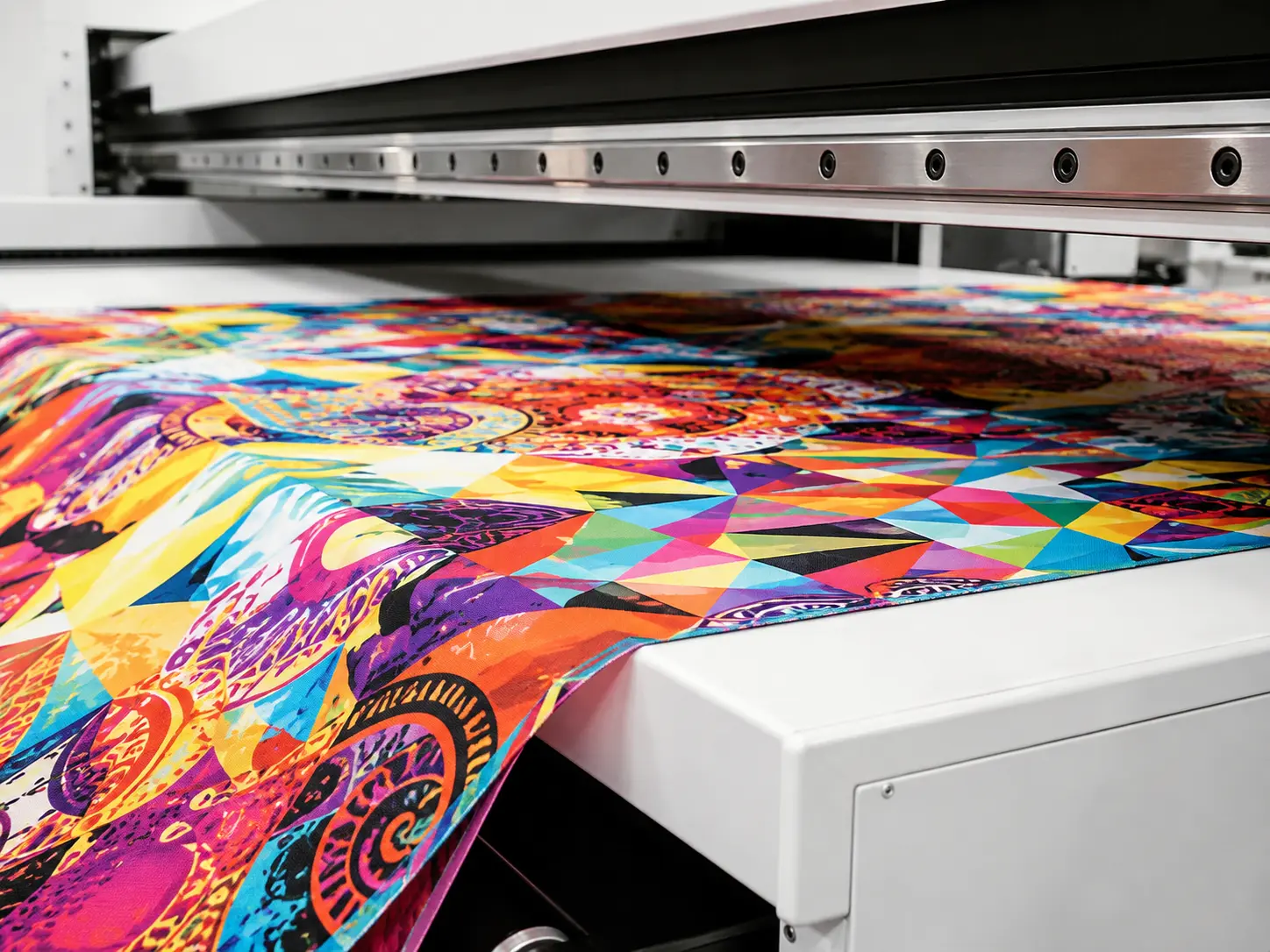
Print sharpness describes how accurately the printed fabric reproduces fine lines, edges, dots and small pattern details. It is influenced mainly by printing-paste rheology, fabric absorbency, screen or roller conditions, applied paste quantity and the time between printing and drying.
For a dye-printing route that includes afterwashing, wash-off describes removal of residual thickener, auxiliaries and unfixed dye after fixation. It depends on the grade, paste solids, dye interactions and validated washing sequence. This criterion should not be transferred unchanged to a pigment-binder route, where the cured polymer film is intended to remain.
Important: Wash-off performance is not the same as wash fastness. Wash-off concerns the removal of residual paste and unfixed dye after printing. Wash fastness describes the resistance of the correctly fixed color to later laundering.
| Performance Area | What It Describes | Important Variables | Recommended Evaluation |
|---|---|---|---|
| Print sharpness | Definition of edges, lines and small pattern details | Rheology, water retention, fabric absorbency, screen and squeegee settings | Fine-line test design, microscopy or image comparison |
| Wash-off | Removal of residual thickener and unfixed dye | Solubility, paste solids, fixation and washing program | Residual film, handle and staining under the defined wash program; clear rinse water alone is not proof of removal |
| Wash fastness | Resistance of fixed color during later washing | Reactive dye fixation and afterwashing, or pigment binder system and cure, according to the route | Applicable standardized colorfastness test |
How CMC and CMS Work in Printing Pastes
Carboxymethyl Cellulose (CMC)
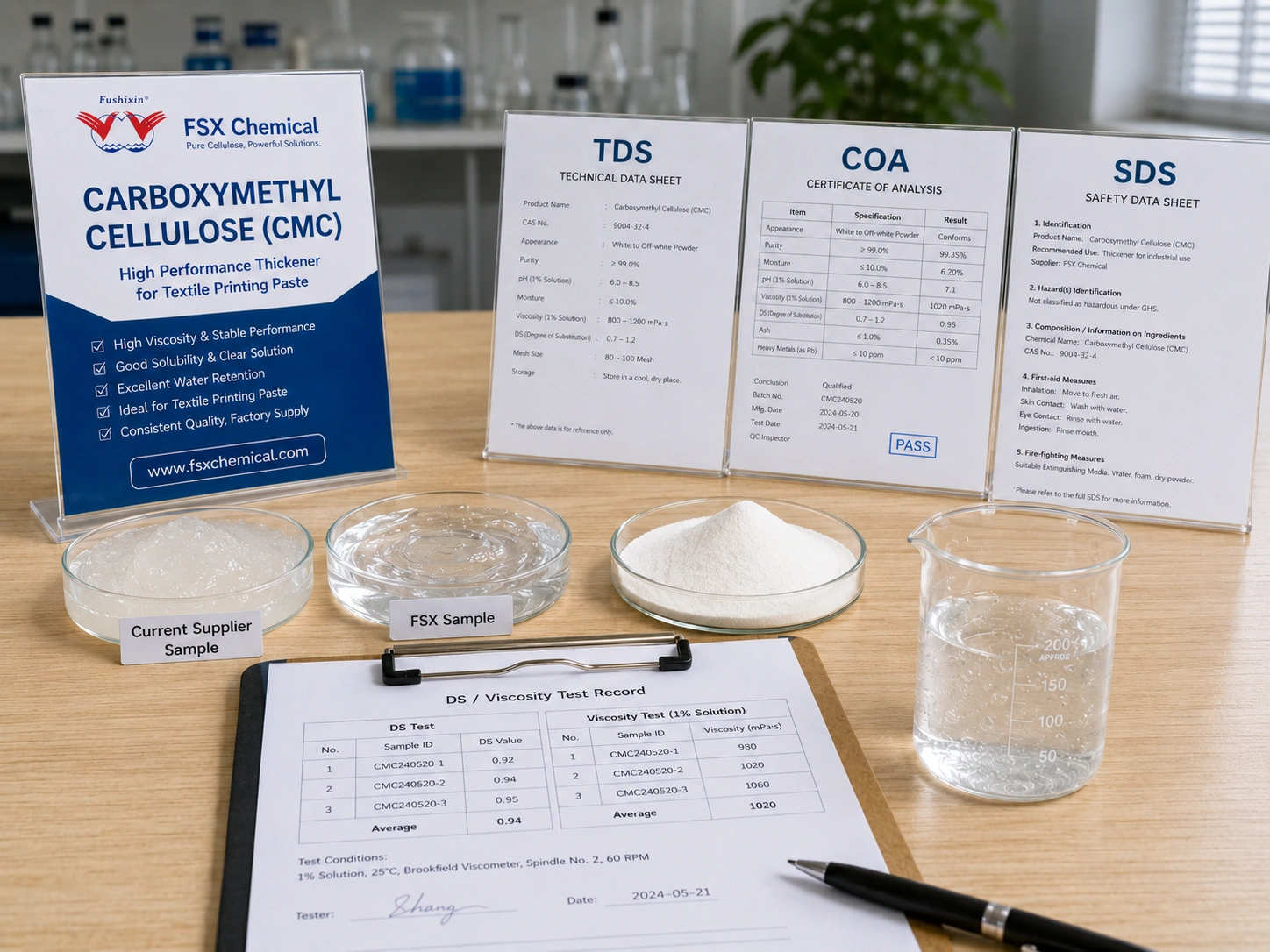
CMC is a cellulose-derived, water-soluble anionic polymer. Printing grades are selected according to viscosity, degree of substitution, substitution uniformity, solubility, purity and compatibility with the dye and auxiliary system.
In a suitable formulation, CMC can provide viscosity, water retention and controlled paste flow. It may be used alone or as part of a blended thickener system, depending on the printing process and the specific CMC grade.
In reactive dye printing, CMC grade selection requires particular care. Residual hydroxyl groups and the distribution of carboxymethyl substitution can influence interaction with reactive dyes. An unsuitable grade may contribute to lower color yield, difficult wash-off or a firmer fabric handle.
Carboxymethyl Starch (CMS)
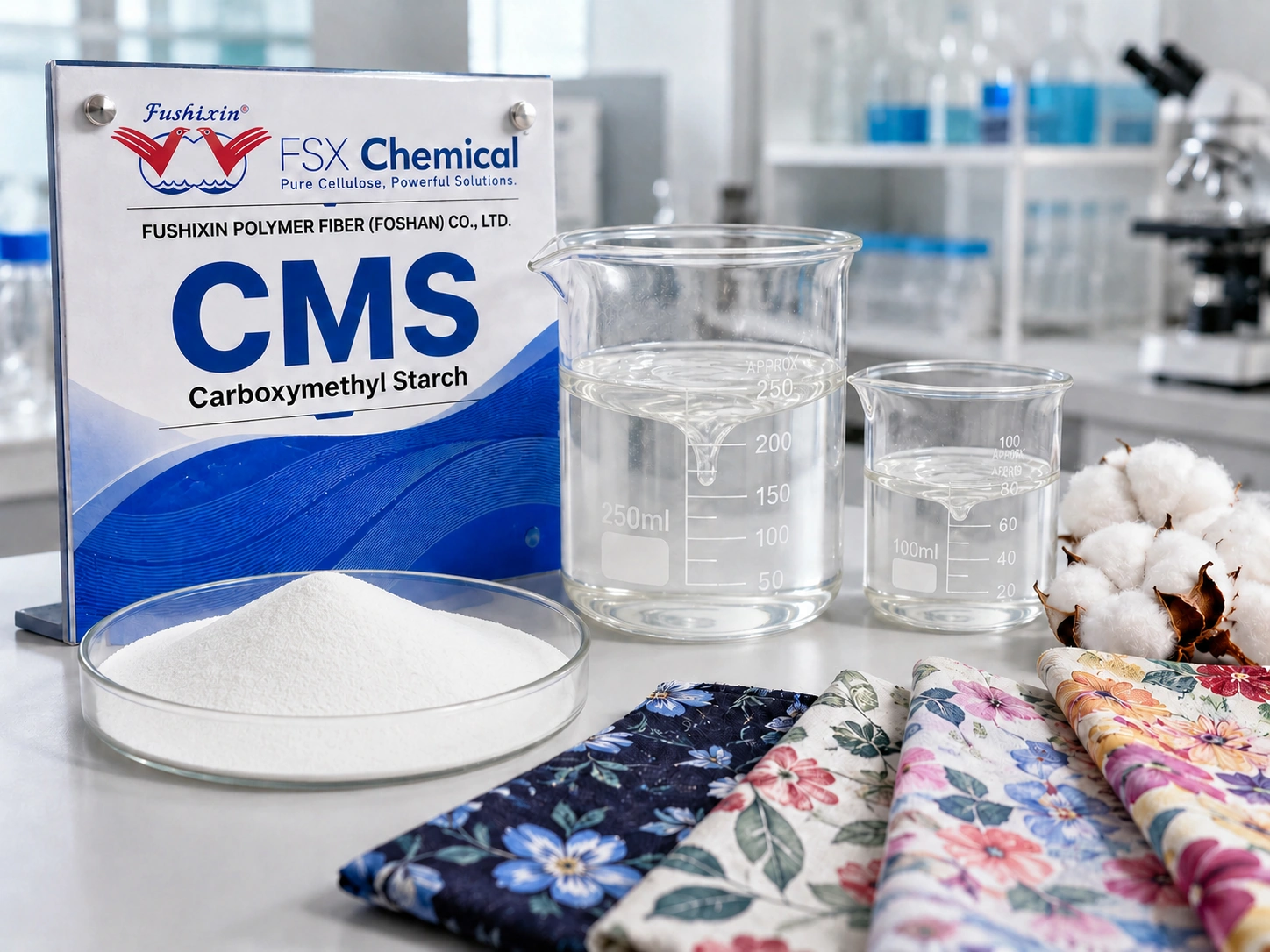
CMS is produced by introducing carboxymethyl groups into starch. The modification improves water dispersibility and changes the viscosity and flow behavior of the original starch.
Evaluate a CMS candidate only in the application stated for that grade. Dye class, fabric, fixation route and blend components determine the trial: a satisfactory result in one disperse or reactive recipe does not establish suitability for vat, discharge or pigment formulations.
CMS performance depends on its raw-material source, degree of substitution, molecular structure, active content and production method. Two products sold under the same general CMS name may therefore behave differently in the same printing recipe.
Why CMC and CMS cannot be substituted by name alone
CMC and CMS may have similar laboratory viscosity values while producing different results under screen or roller shear. They can also differ in water retention, electrolyte tolerance, film formation, paste recovery and wash-off behavior.
Replacing one thickener on a one-to-one dry-weight basis is not a reliable evaluation method. For a grade trial, document application viscosity at the chosen method and record dry solids, shear behavior and print add-on. A matching reading is a starting condition, not proof of equivalent rheology. Compare under identical printing, fixation and washing conditions appropriate to the chosen route.
How Printing-Paste Rheology Controls Sharpness
A printing paste does not experience only one flow condition. It is exposed to high shear while passing through a screen or under a squeegee, followed by much lower shear after it reaches the fabric.
A suitable paste should flow sufficiently during application and then recover enough structure to restrict unwanted spreading. This behavior cannot always be predicted from a single viscosity value measured at one rotational speed.
Shear-thinning behavior
Many textile printing pastes show shear-thinning behavior: their apparent viscosity decreases as shear increases. This supports movement through the screen while maintaining higher resistance to flow after deposition.
If the paste remains too resistant under printing shear, screen passage and coverage may become inconsistent. If it loses too much structure and recovers too slowly, the printed area may continue spreading before drying.
Viscosity recovery after printing
Recovery after shear is important for edge definition. A paste that rapidly returns to an appropriate structure can help limit lateral flow on the fabric.
Excessive elasticity or an overly structured paste can also create practical problems, including stringing, uneven release, screen marks or incomplete coverage. The objective is controlled flow and recovery, not simply the highest possible viscosity.
Water retention and fabric penetration
CMC and CMS can influence how quickly water separates from the paste and enters the fabric. Insufficient water retention may cause excessive penetration or uneven paste concentration on absorbent fabrics.
Excessive surface retention may leave too much paste on the fabric face, slow drying or create a heavier residual film. The correct balance depends on fiber type, fabric construction, pretreatment and required print effect.
Machine and fabric variables
A thickener cannot correct every sharpness problem. Before changing CMC or CMS grade, the printing team should also review:
- Screen mesh or rotary-screen engraving
- Squeegee pressure, angle and speed
- Paste delivery and circulation conditions
- Fabric absorbency, moisture and surface preparation
- Applied paste quantity
- Printing speed and time before drying
- Dryer airflow and temperature distribution
How CMC and CMS Affect Wash-Off
CMC and CMS contain hydrophilic groups that support water dispersibility, but this does not guarantee identical wash-off in every formulation. Removal efficiency depends on the selected grade and its interactions with dyes, salts, alkalis, binders and other auxiliaries.
Degree and uniformity of substitution
For carboxymethyl cellulose or starch, DS describes the average number of carboxymethyl substituents per anhydroglucose unit. It is a grade descriptor, not a standalone sharpness or wash-off score. Ask for the stated method and consider substitution distribution, molecular structure and complete-paste performance. Do not apply this CMC/CMS descriptor to sodium alginate grade selection.
A higher DS may be useful in some reactive printing systems, but DS alone does not define performance. Substitution uniformity, molecular-weight distribution, active content and the complete manufacturing route should also be considered.
Paste solids and thickener dosage
Using more thickener than required increases the amount of polymer that must be removed after fixation. High solids may also contribute to a firmer handle if the washing process does not remove the residual paste completely.
Optimization should focus on the lowest practical dosage that provides the required application rheology. The same printed viscosity may sometimes be achieved with different thickener grades at different solid contents, so dosage and viscosity should be evaluated together.
Dye and auxiliary compatibility
Reactive dyes can differ in molecular structure and reactivity. Research on mixed thickeners has shown that paste and printing performance may be dye-dependent, which means one CMC or CMS formulation should not be assumed to perform identically with every color.
Alkali, electrolyte, urea substitutes and other auxiliaries can also change viscosity or polymer behavior. Compatibility should be measured after the complete color paste is prepared, not only in a thickener-and-water stock solution.
Fixation and washing conditions
Under-fixation can leave excessive unfixed dye, while unsuitable steaming or drying can influence paste-film removal. The washing sequence must then remove residual thickener and hydrolyzed dye without unnecessarily stripping correctly fixed color.
Water temperature, bath ratio, mechanical action, washing time, detergent selection and number of washing stages should be kept consistent during thickener comparisons.
CMC vs. CMS: Which Route Should Be Tested?
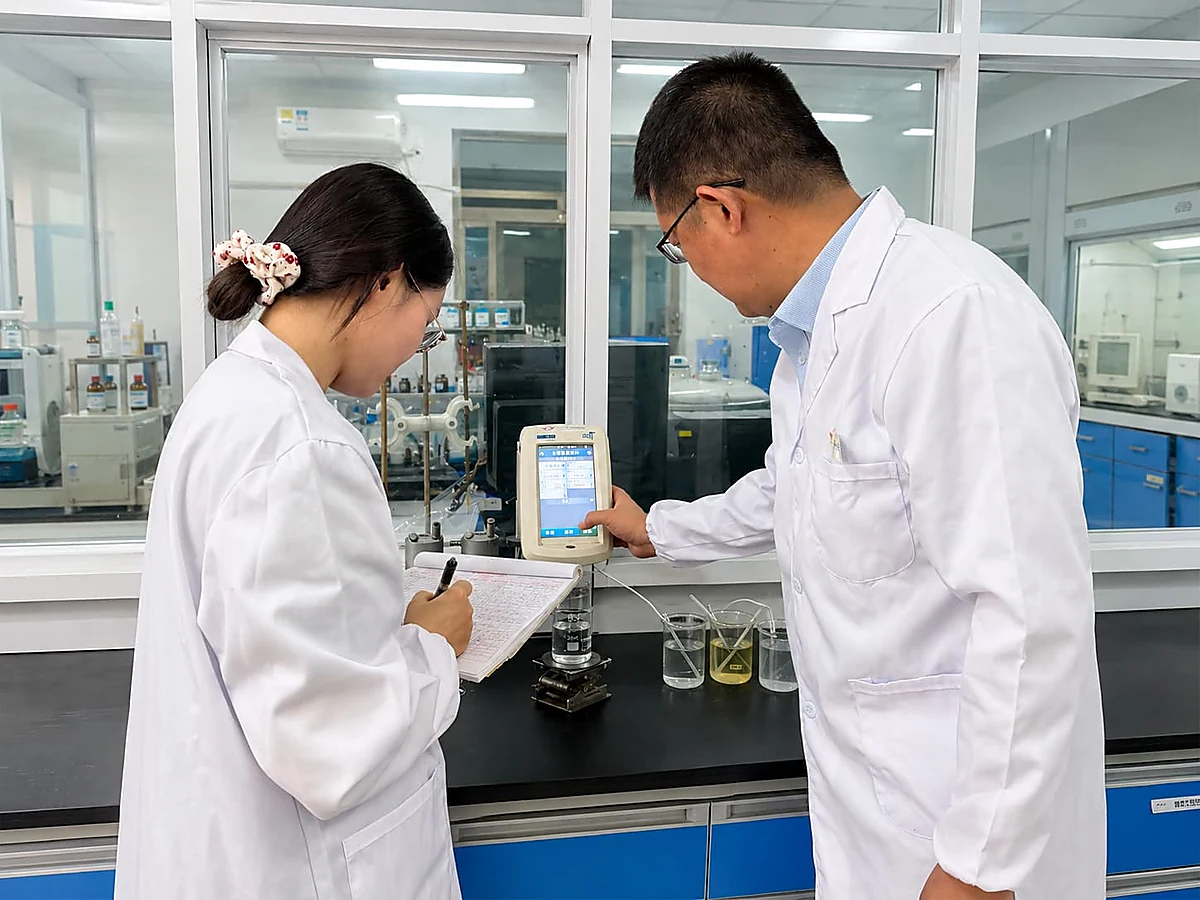
There is no universal answer based only on product chemistry. Selection should begin with the fiber, dye class, printing machine and required rheology.
| Selection Factor | CMC Evaluation Focus | CMS Evaluation Focus |
|---|---|---|
| Chemical basis | Cellulose-derived polymer | Carboxymethyl starch in chemical terminology; confirm the supplied grade identity |
| Key grade variables | DS, viscosity, substitution uniformity, purity and solubility | DS where applicable to the confirmed chemistry; viscosity efficiency, solubility and active content on a documented basis |
| Typical evaluation route | Only the dye and process routes supported by the supplied CMC grade TDS and application trial | Only the dye and process routes supported by the supplied CMS grade TDS and application trial |
| Sharpness checks | Flow under shear, recovery, water retention and penetration | Paste body, screen passage, recovery and penetration |
| Wash-off checks | Dye interaction, residual film, handle and water solubility | Dosage, residual film, handle and removal after fixation |
| Purchasing priority | Confirm grade-specific DS and viscosity test conditions | Confirm active content, viscosity efficiency and application route |
Sodium alginate remains an important reference thickener for reactive dye printing because of its established dye compatibility and wash-off behavior. When CMC or CMS is being evaluated as a full or partial alternative, the trial should include alginate as a process benchmark where relevant.
Step-by-Step Optimization Procedure
Step 1: Define the printing system
Record the fiber, fabric construction, dye class, printing method, fixation route and washing process. A thickener should not be recommended before these conditions are known.
Step 2: Establish a controlled reference
Use the current approved paste or production grade as the reference. Record its concentration, preparation procedure, viscosity, printing behavior, sharpness and wash-off result.
Step 3: Prepare CMC and CMS correctly
Add the powder gradually under controlled agitation to reduce lump formation. Follow the supplier’s recommended order of addition and allow sufficient hydration before making the final viscosity adjustment.
Use the same water source, temperature, mixer and preparation time for all comparative samples.
Step 4: Match application viscosity
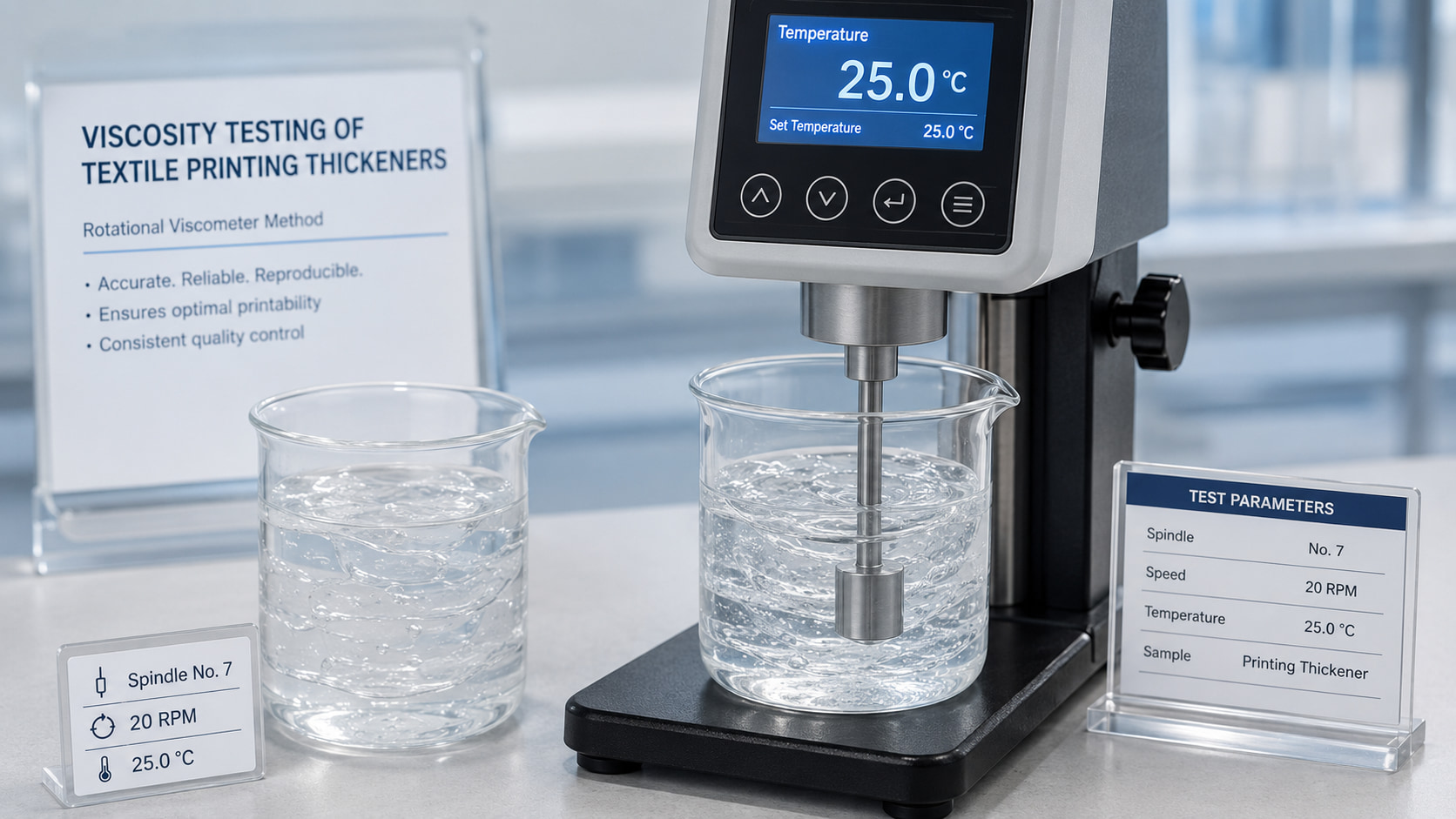
Adjust each candidate to the viscosity required by the printing process rather than using identical dry dosage. Record the instrument, spindle, speed, temperature and conditioning time.
Measurements at several defined rotational speeds can help screen differences in apparent flow behavior. They do not by themselves quantify recovery after screen shear. If recovery is a suspected cause, use a defined rheometer shear/recovery sequence where available, or compare a repeatable screen-print test with fixed machine settings and drying delay.
Step 5: Add dyes and auxiliaries
Measure the complete color paste after all ingredients have been added. Compare viscosity immediately after preparation and again after the established holding period.
Step 6: Print a diagnostic test design
The test design should include fine lines, reverse lines, small dots, solid areas, diagonals and adjacent contrasting colors. These elements reveal different types of spreading, penetration and screen-release problems.
Step 7: Keep fixation conditions identical
Dry and fix all samples under the same controlled conditions. Changing steaming time, fixation temperature or fabric moisture can make a thickener comparison unreliable.
Step 8: Apply the same wash-off program
For the selected dye-printing route, use the same validated washing sequence and record temperature, time, bath ratio, detergent and mechanical action. For a pigment-binder trial, use the specified cure and evaluate the retained film and fastness; do not introduce a dye-paste removal sequence simply to compare thickener wash-off.
Step 9: Evaluate the complete result
Compare sharpness, penetration, color yield, levelness, residual film, fabric handle and wash-water behavior. Wash fastness and rubbing fastness should be tested separately using the applicable customer or industry method.
Process gate before accepting a CMC or CMS trial
| Gate | Check | What not to conclude |
|---|---|---|
| Identify the route | Colorant, fiber, application, fixation or cure, and afterwashing requirement | Do not apply dye wash-off criteria to a permanent pigment-binder film. |
| Control the comparison | Concentration basis, complete-paste method, solids and print add-on | One matching viscosity reading does not establish the same screen behavior. |
| Measure edge behavior | Same diagnostic design, print settings and delay to drying; compare line spreading before and after processing | Sharper appearance alone does not prove better dye fixation. |
| Check the final fabric | Appropriate wash-off or cure, handle, staining and separate fastness tests | Clear rinse water or a soft hand alone is not a validated removal percentage. |
Technical references: CottonWorks: dye printing and pigment-binder process sequences; research on paste rheology and reactive screen-print quality. The research does not validate an FSX grade or a universal substitution ratio.
Recommended Laboratory Evaluation Matrix
| Test Item | What to Record | Why It Matters |
|---|---|---|
| Stock-paste viscosity | Concentration, temperature, spindle, speed and hydration time | Confirms thickening efficiency under defined conditions |
| Color-paste viscosity | Result after adding dye and all auxiliaries | Shows compatibility with the complete formulation |
| Viscosity stability | Initial and aged results under controlled storage | Identifies drift before production use |
| Screen passage | Release, blockage, stringing and paste delivery | Connects laboratory rheology with machine behavior |
| Edge definition | Fine-line width, spreading and pattern distortion | Provides a direct sharpness comparison |
| Penetration | Face-to-back color distribution | Helps distinguish spreading from excessive absorption |
| Wash-off | Residual film, staining, hand and washing stages required | Evaluates polymer removal and afterwashing demand |
| Color performance | Color strength, shade, levelness and fixation result | Checks whether thickener selection affects usable color |
Troubleshooting Common Sharpness and Wash-Off Problems
| Observed Problem | Possible Contributors | Recommended Checks |
|---|---|---|
| Printed edges spread after application | Slow viscosity recovery, low paste body, high fabric absorbency or delayed drying | Review shear recovery, fabric moisture, paste pickup and dryer entry time |
| Poor screen passage | Excessive viscosity under shear, incomplete hydration, lumps or contamination | Confirm preparation procedure, filtration and multi-speed viscosity behavior |
| Stringing or uneven release | Excessive elasticity, unsuitable molecular structure or high solids | Compare rheology and reduce dosage only through controlled testing |
| Excessive penetration | Low water retention, low application viscosity or absorbent fabric | Review water retention, fabric pretreatment and applied paste quantity |
| Hard handle after washing | Residual thickener, excessive solids, insufficient washing or dye-thickener interaction | Inspect wash-off, review DS and repeat the controlled washing program |
| Low color yield | Dye-thickener interaction, poor migration, incorrect fixation or excessive penetration | Compare with a benchmark paste and check each dye separately |
| Viscosity changes after adding colorants | Electrolyte, pH or ingredient incompatibility | Measure the stock paste and final color paste under the same conditions |
| Good wash-off but poor wash fastness | Incomplete dye fixation rather than thickener removal | Review fixation chemistry and perform a separate fastness test |
What Technical Buyers Should Check Before Ordering
A quotation that lists only “CMC” or “CMS” does not provide enough information for technical comparison. Buyers should request a product TDS and confirm how every reported value was measured.
Recommended CMC purchasing parameters
- Degree of substitution and its stated test method
- Viscosity with concentration, temperature, spindle and speed
- Active content or purity basis
- Moisture content
- pH of the specified solution
- Solubility and solution appearance
- Salt, alkali and dye compatibility
- Recommended printing system
Recommended CMS purchasing parameters
- Reference viscosity and complete measurement conditions
- Recommended stock-paste concentration
- Degree of substitution where available
- Active content and moisture
- Hydration and dissolution procedure
- Paste stability after dye and auxiliary addition
- Recommended dye class and fabric
- Single-thickener or blended-thickener application route
Documents and samples to request
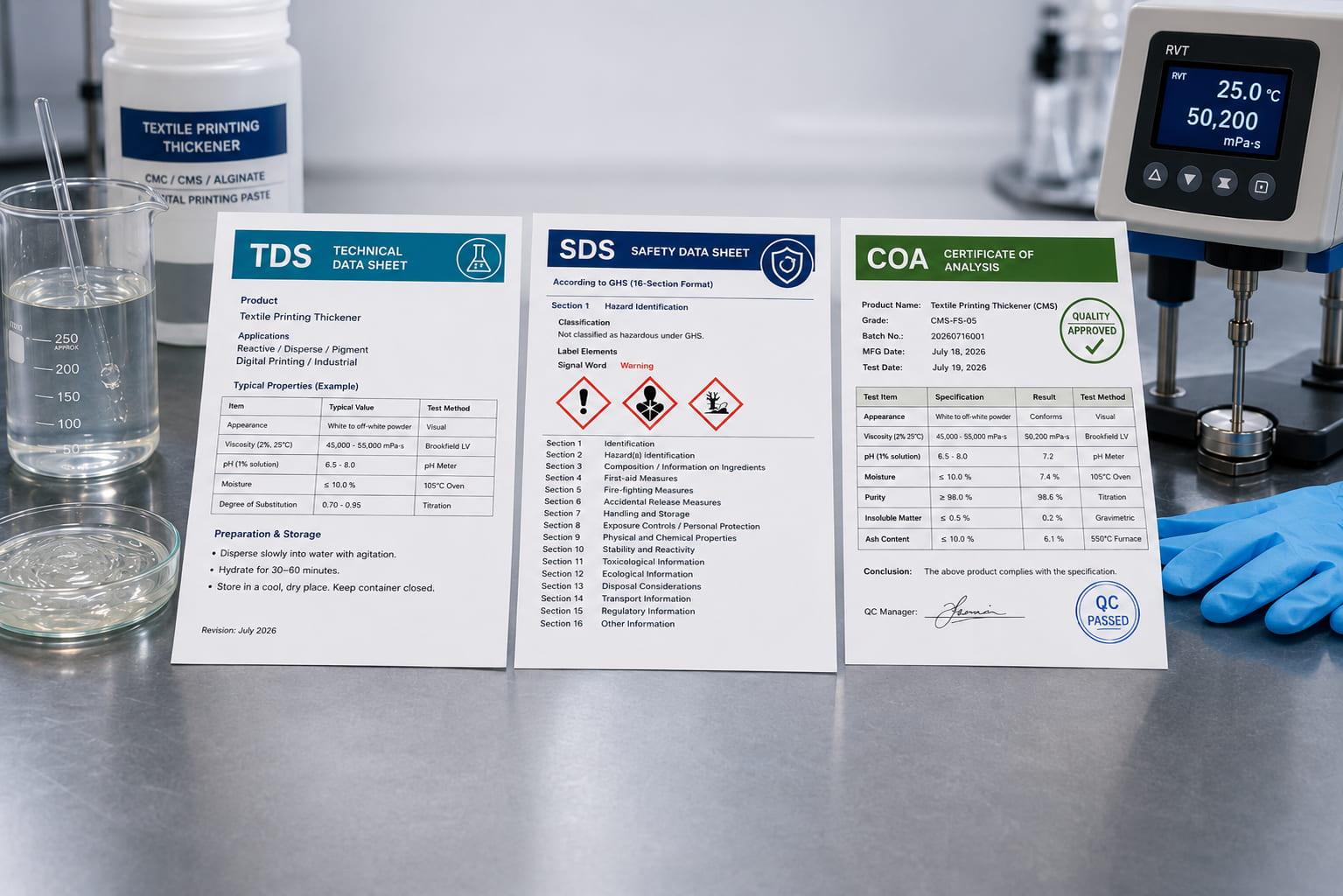
- Technical Data Sheet (TDS)
- Safety Data Sheet (SDS)
- Representative product sample
- Batch Certificate of Analysis when applicable
- Preparation and storage instructions
- Grade-matching recommendation based on the actual process
Laboratory approval should be completed before a bulk order is finalized. Where possible, buyers should also confirm that the approved sample and the commercial batch are evaluated using the same quality-control method.
CMC and CMS Grade-Matching Support from FSX Chemical
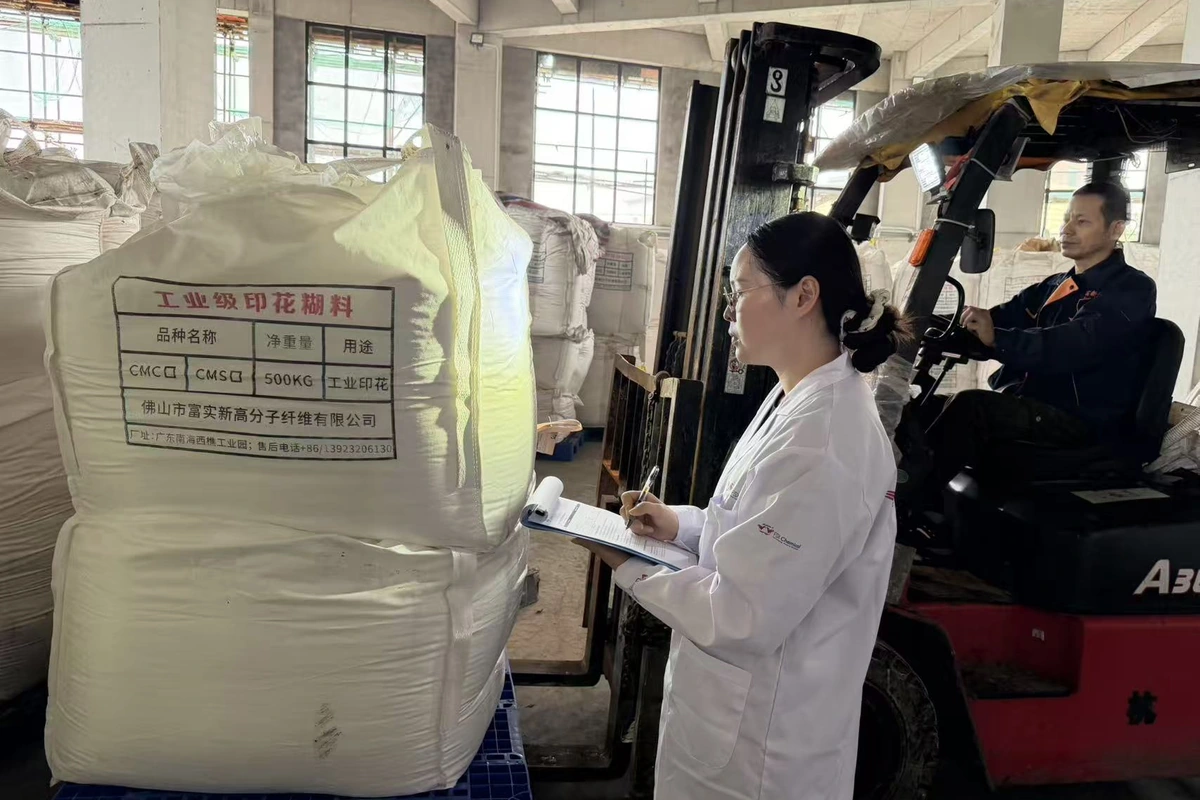
FSX Chemical supplies CMC and CMS grades for textile printing paste and compound thickener evaluation. The appropriate route depends on the dye system, fabric, printing machine, viscosity requirement and current production problem.
To request a grade-matching review, provide:
- Fiber type and fabric construction
- Dye class and printing process
- Current printing-paste formulation
- Current CMC, CMS or benchmark thickener TDS
- Target viscosity with the complete measurement method
- Required print definition and penetration
- Current wash-off or fabric-handle problem
- Sample quantity and estimated purchasing requirement
FSX Chemical can review the supplied information, recommend a trial direction and provide a TDS or sample for controlled evaluation. Final suitability should be confirmed on the customer’s actual equipment and formulation before bulk purchasing📧 Email: Service@fsxchemical.com
Need to Match a CMC or CMS Printing Grade?
Send FSX Chemical your current TDS, paste recipe, dye system, fabric type, viscosity test conditions and printed sample requirements. Our team can help identify a suitable CMC or CMS route for laboratory testing.
Ask for Grade Matching | View CMC Grades | View CMS Grades | Request TDS or Sample
Frequently Asked Questions
Is CMC or CMS better for textile print sharpness?
Neither is universally better. Sharpness depends on grade-specific rheology, water retention, paste recovery, fabric absorbency and machine settings. Both products should be tested at comparable application viscosity under the same printing conditions.
Can CMS replace CMC at the same dosage?
Not necessarily. CMC and CMS may have different thickening efficiency, active content and shear behavior. Replacement trials should match application viscosity and printing performance rather than dry dosage alone.
Does a higher-viscosity paste always produce sharper prints?
No. Excessive viscosity can reduce screen passage, paste release and coverage. Sharpness depends on how the paste flows under printing shear and how it recovers after reaching the fabric.
Does easy wash-off mean better wash fastness?
No. Easy dye-paste wash-off describes removal of residual thickener and unfixed material. In reactive printing, laundering performance depends on correctly fixed dye and adequate removal of unfixed material. In pigment printing it depends on the binder system and cure. Use the relevant standardized test separately from the afterwashing assessment.
Why does a CMC or CMS paste become thinner after adding dye?
Electrolytes, pH changes and formulation interactions may alter polymer conformation and apparent viscosity. The supplier should evaluate the complete color paste rather than relying only on the stock-paste result.
Should CMC and CMS be compared with sodium alginate?
For reactive dye printing, sodium alginate can be used as a useful performance benchmark. The comparison should include viscosity, rheology, sharpness, color yield, wash-off, fabric handle and total cost in use.