















Direct answer: CMC can be evaluated as a rheology modifier or stabilizer in selected water-based flexographic and gravure formulations and in some substrate or textile pretreatments. It should not be assumed suitable for every resin, pigment or electrolyte system, and it should not be added to a printhead ink unless the ink formulator has validated purity, molecular weight, viscosity, filtration and nozzle reliability.
How CMC Functions in Printing Ink Formulations
Role as a Thickener and Rheology Modifier
In ink formulations, CMC increases solution viscosity and helps control how the ink flows and transfers during printing. It provides pseudoplastic (shear-thinning) behavior — the ink becomes less viscous under the shear of printing rollers or screen contact, and recovers viscosity once shear is removed. This behavior helps the ink transfer cleanly and hold position on the substrate surface.
CMC also contributes to pigment dispersion stability, reducing the tendency for pigments to settle or separate during ink storage.
Compatibility with Water-Based Ink Systems
CMC may be compatible with selected water-based acrylic, styrene-acrylic or water-soluble resin systems, but compatibility is formulation-specific. Resin charge, surfactants, pigments, salts, pH, biocide and shear history can change viscosity, stability and film performance, so the complete ink or coating must be tested.
It is not typically used in solvent-based or UV-curable ink systems, where different rheology modifiers are required. If your production involves multiple ink types, confirm CMC compatibility with each system before standardizing on a single grade.

CMC Application Route and Qualification Risk
| Application route | CMC starting position | Critical qualification checks |
|---|---|---|
| Water-based flexographic ink | Possible formulation-specific rheology modifier | Binder and pigment compatibility, anilox transfer, foam, drying and final film |
| Water-based gravure ink | Only low-residue grades that maintain the required low viscosity | Filtration, cell release, transfer stability, drying and print definition |
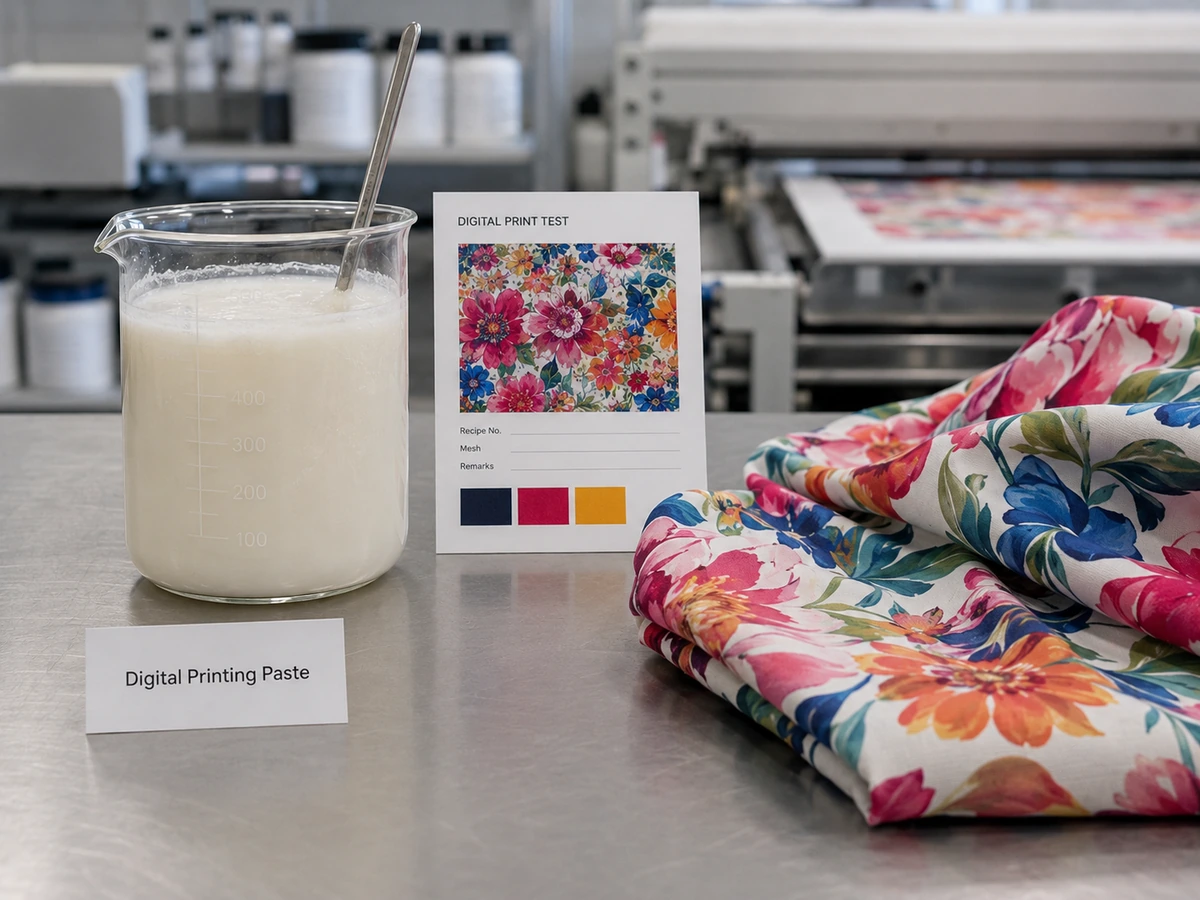
| Textile or paper inkjet pretreatment | Possible component in the substrate coating or padding bath | Application pickup, drying, ink holdout, color, hand feel and storage stability |
| Direct printhead ink | Do not add without ink-formulator validation | Purity, molecular weight, viscosity, microfiltration, jetting and long-run nozzle reliability |
| Solvent-based or UV-curable ink | Generally not the preferred starting route | Use a rheology modifier designed for the actual solvent or radiation-curing chemistry |
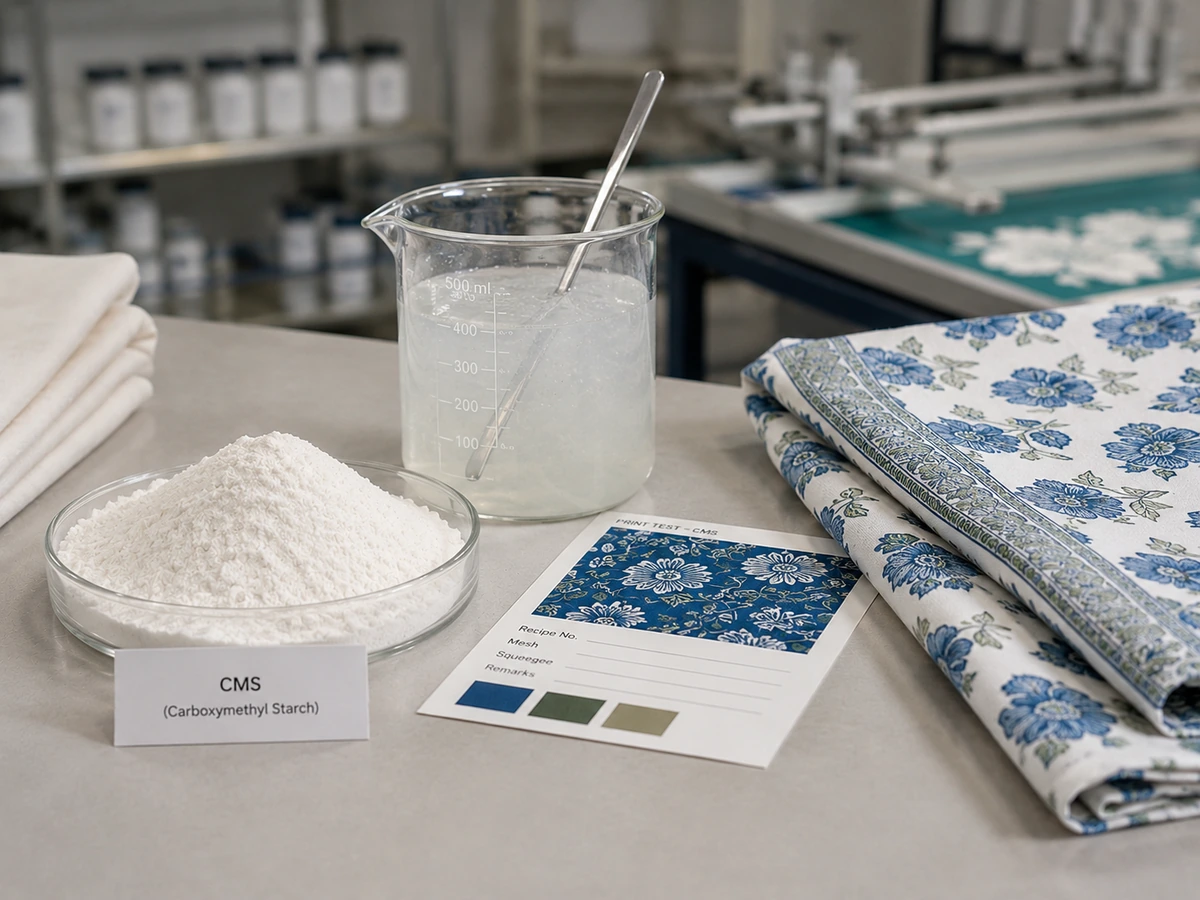
| Textile screen or rotary printing paste | Separate application with different grade requirements | Dye or pigment compatibility, rheology, screen passage, fixation and wash-off |
CMC Applications by Print Process
Water-Based Flexographic Ink and Related Systems
In selected water-based flexographic formulations, CMC may be evaluated to adjust low-shear body and support transfer stability on paper, board or suitable films. Suitability depends on the binder, pigment dispersion, anilox volume, drying conditions and target press viscosity.
Do not select a grade or dosage from a generic viscosity label. Begin with the ink formulator’s target viscosity and solids balance, then screen low-residue candidate grades at controlled additions while monitoring flow, foam, filtration, transfer, drying and film properties.
Gravure Printing: Viscosity Stability Requirements
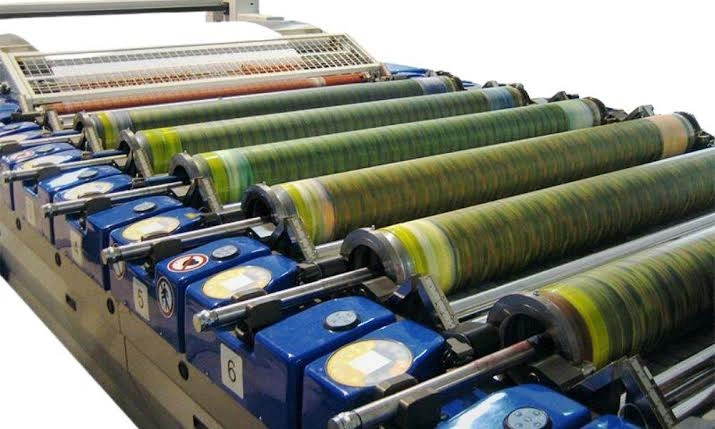
Gravure printing uses low-viscosity inks that are transferred from engraved cells on a printing cylinder. In this process, ink viscosity needs to remain stable throughout a print run, particularly in warm or humid production environments where solvent evaporation or moisture absorption can alter ink behavior.
CMC can contribute to viscosity stability in water-based gravure ink formulations. However, the grade must be selected carefully — high-viscosity CMC at even small concentrations can make gravure ink too thick for cell release. Low to medium viscosity grades at precisely controlled concentrations are more appropriate for this application.
Inkjet Pre-Treatment: Low-Viscosity CMC Grades
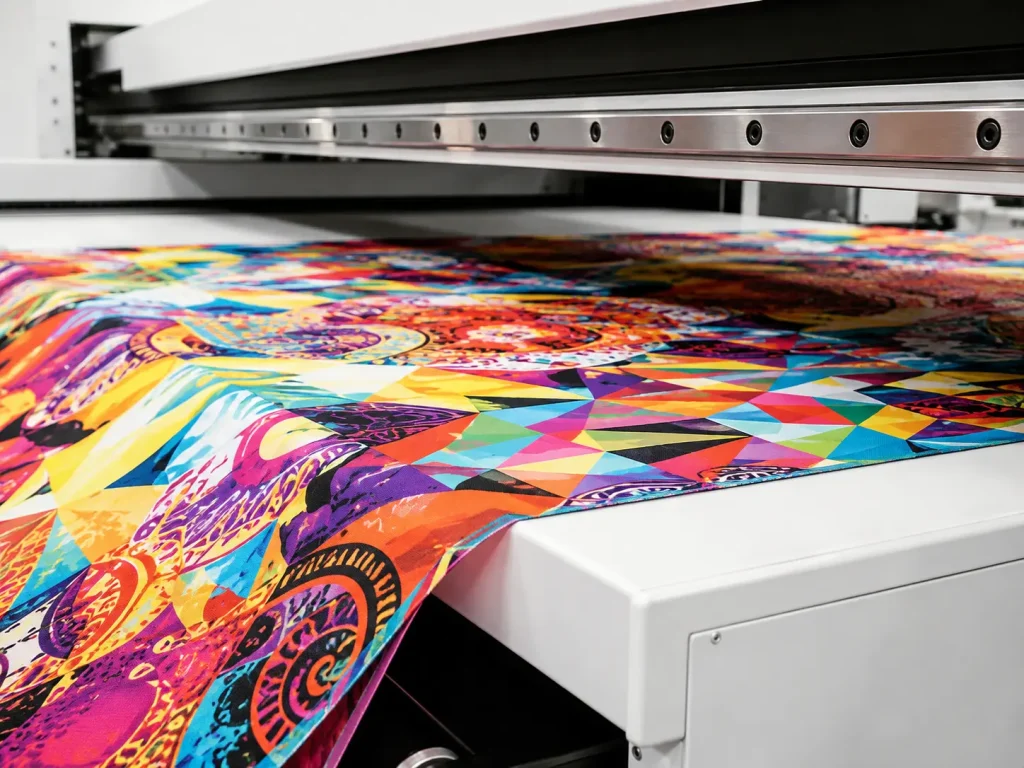
In digital inkjet printing on textiles or paper, CMC is used in the pre-treatment coating applied to the substrate before printing, rather than in the ink itself. Pre-treatment helps improve ink adhesion, reduce feathering, and enhance color definition on the substrate surface.
The CMC grades used in pre-treatment applications require low viscosity and high solubility, as the pre-treatment solution is typically applied by padding, spraying, or roll coating at relatively high speed. Confirm with your supplier whether the CMC grade you are considering is suitable for pre-treatment use, and at what concentration it has been tested.
Key Grade Parameters to Specify
Degree of Substitution (DS)
DS indicates the average number of carboxymethyl groups per cellulose glucose unit. For printing ink applications, DS typically falls in the range of 0.7 to 0.9 — this range provides good water solubility and stable viscosity behavior across typical ink preparation and storage conditions.
Grades with DS below 0.7 may show incomplete solubility in cold water, which can cause undissolved particles that interfere with ink filtration systems. Higher DS grades offer better solubility at lower concentrations, which may be useful in formulations where clarity or low solids content is important.
Viscosity Range
Viscosity should be matched to the ink type and print process. As a general orientation:
- Low viscosity CMC is preferred for gravure ink and inkjet pre-treatment, where high solution viscosity would cause application problems
- Low- or medium-viscosity CMC may suit selected water-based flexographic formulations when the complete ink remains stable and printable
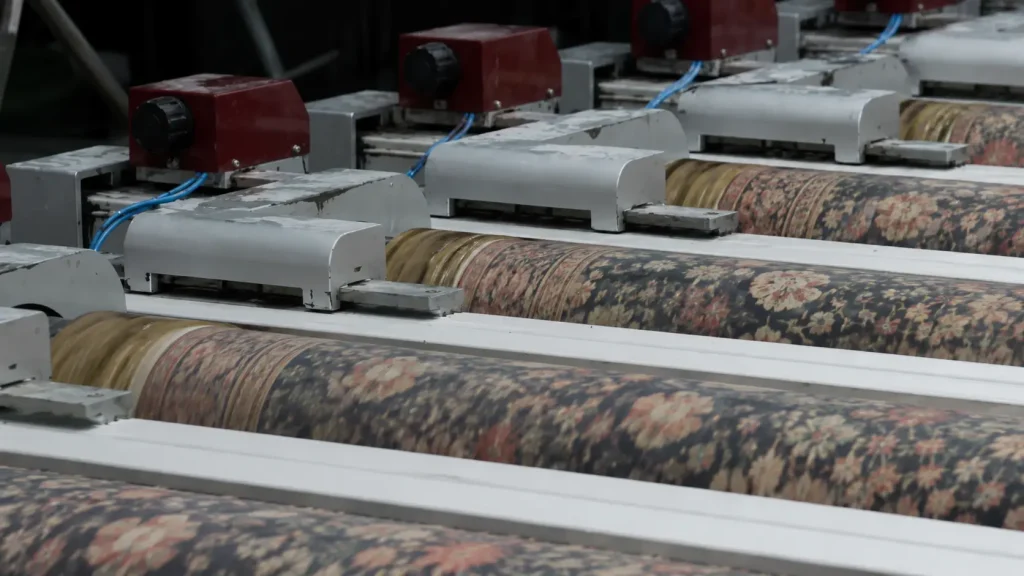
- High viscosity CMC is more relevant to textile printing paste formulations than to commercial printing inks
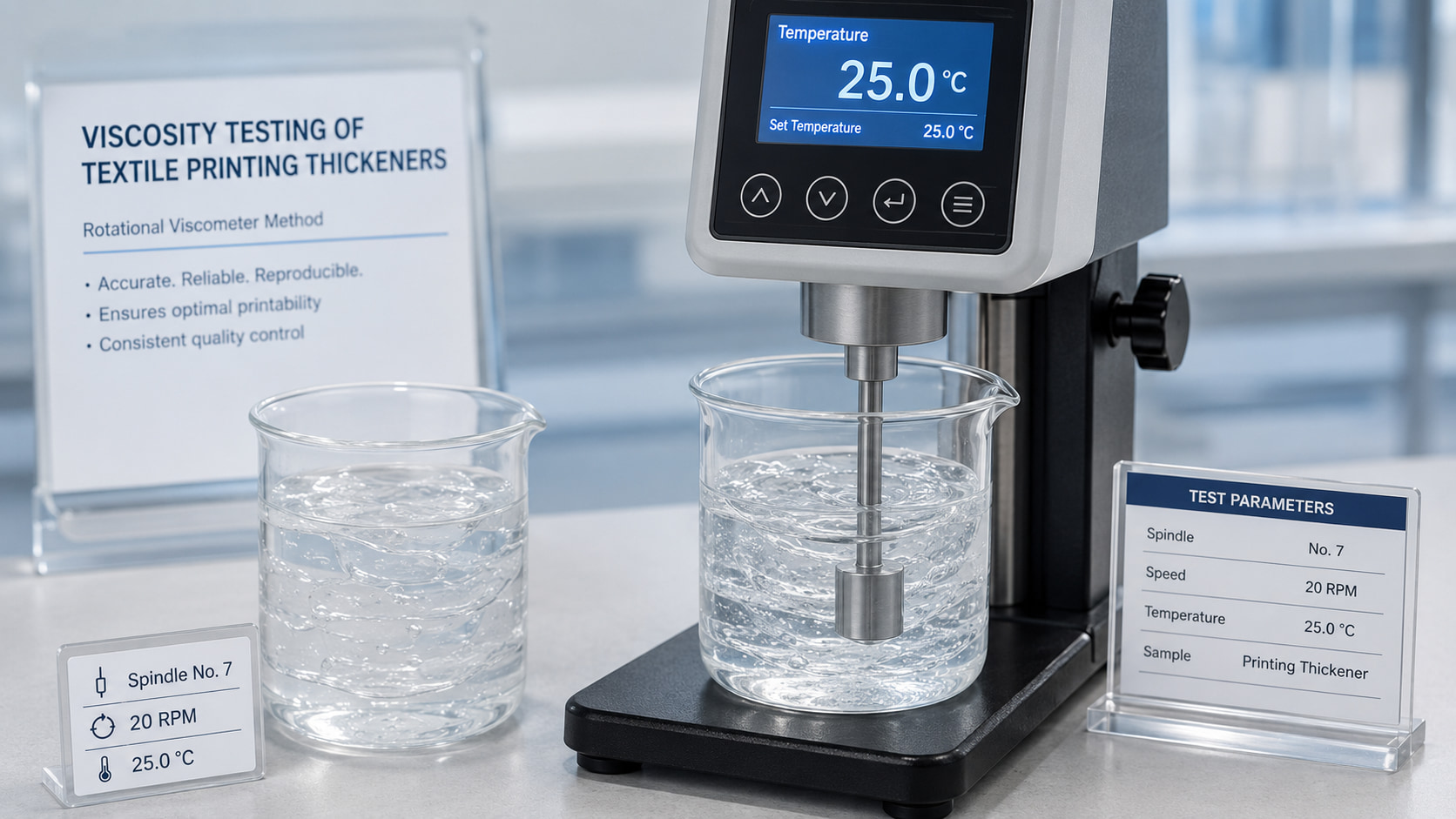
Viscosity is typically specified as the measured value of a 1% or 2% CMC solution at 25°C. Confirm the measurement method with your supplier so comparisons between grades are made on the same basis.

Purity and Solubility
CMC should dissolve completely in water without forming undissolved gel particles. Dissolution behavior should be tested at your standard preparation temperature and mixing method, as some grades require warm water or extended mixing time to dissolve fully.
CMC in Textile Printing vs. Commercial Printing
Different Rheology Requirements
If your operation involves both textile and commercial printing applications, it is worth specifying separate CMC grades for each rather than using a single grade across all formulations.
Choosing the Right Grade for Each Process
These are starting orientations rather than fixed specifications — the optimal grade for your application depends on your full formulation, substrate, and printing equipment. A sample trial is the most reliable way to validate grade suitability before bulk ordering.
What to Confirm Before Placing a Bulk Order
- TDS (Technical Datasheet) — DS range, viscosity specification (measurement method and concentration), purity, and solubility notes
- SDS (Safety Data Sheet) — storage conditions, shelf life, and handling requirements
- CoA (Certificate of Analysis) — batch-specific test results for the order you are placing
- Sample quantity — for ink or paste trials before scaling to production volume
Run a small-scale formulation trial with the sample before full adoption — test viscosity at preparation, after 24 hours of storage, and under the temperature and humidity conditions of your production environment. This is especially important if your facility operates in warm or humid climates where ink stability under storage conditions matters.
CMC for Printing Ink FAQ
Can CMC be added directly to textile inkjet ink?
Do not add it without ink-formulator and printer validation. Direct printhead inks require tightly controlled viscosity, particle or molecular profile, microfiltration, surface tension and jetting reliability. In textile inkjet workflows, CMC is more commonly evaluated in a fabric pretreatment or coating than in the ink supplied to the printhead.
Is CMC compatible with every water-based binder?
No. Compatibility depends on binder charge, pigment dispersion, surfactants, salts, pH, biocide and order of addition. Check for viscosity drift, flocculation, foam, separation, filtration residue and film changes in the complete formula.
Which CMC viscosity grade is suitable for printing ink?
There is no universal grade. Begin with the target press viscosity and formulation solids, then compare candidates under one defined CMC test method. Evaluate rheology and print performance at controlled additions rather than selecting from “low,” “medium” or “high” labels alone.
What should an ink formulator send for sample matching?
Provide the ink or coating route, substrate, binder and pigment system, current rheology modifier and dosage, target viscosity with test method, pH, salts, mixing order, filtration, press conditions and the problem to be solved.
How FSX Chemical Supports Your Sourcing Process
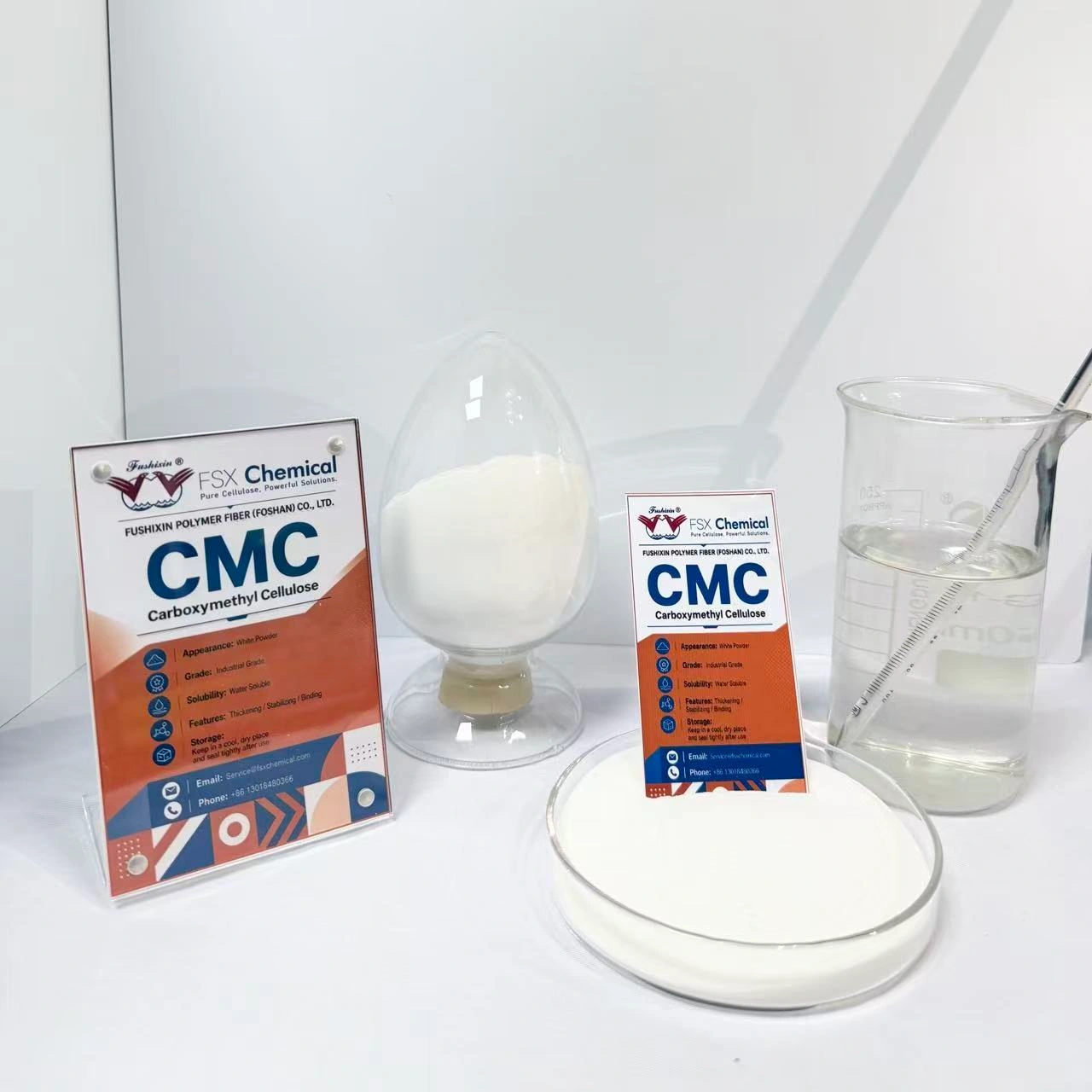
FSX Chemical supplies industrial-grade CMC for printing ink and textile printing paste applications, including low, medium, and high viscosity grades across a range of DS specifications. Technical datasheets, safety data sheets, and sample quantities are available on request.
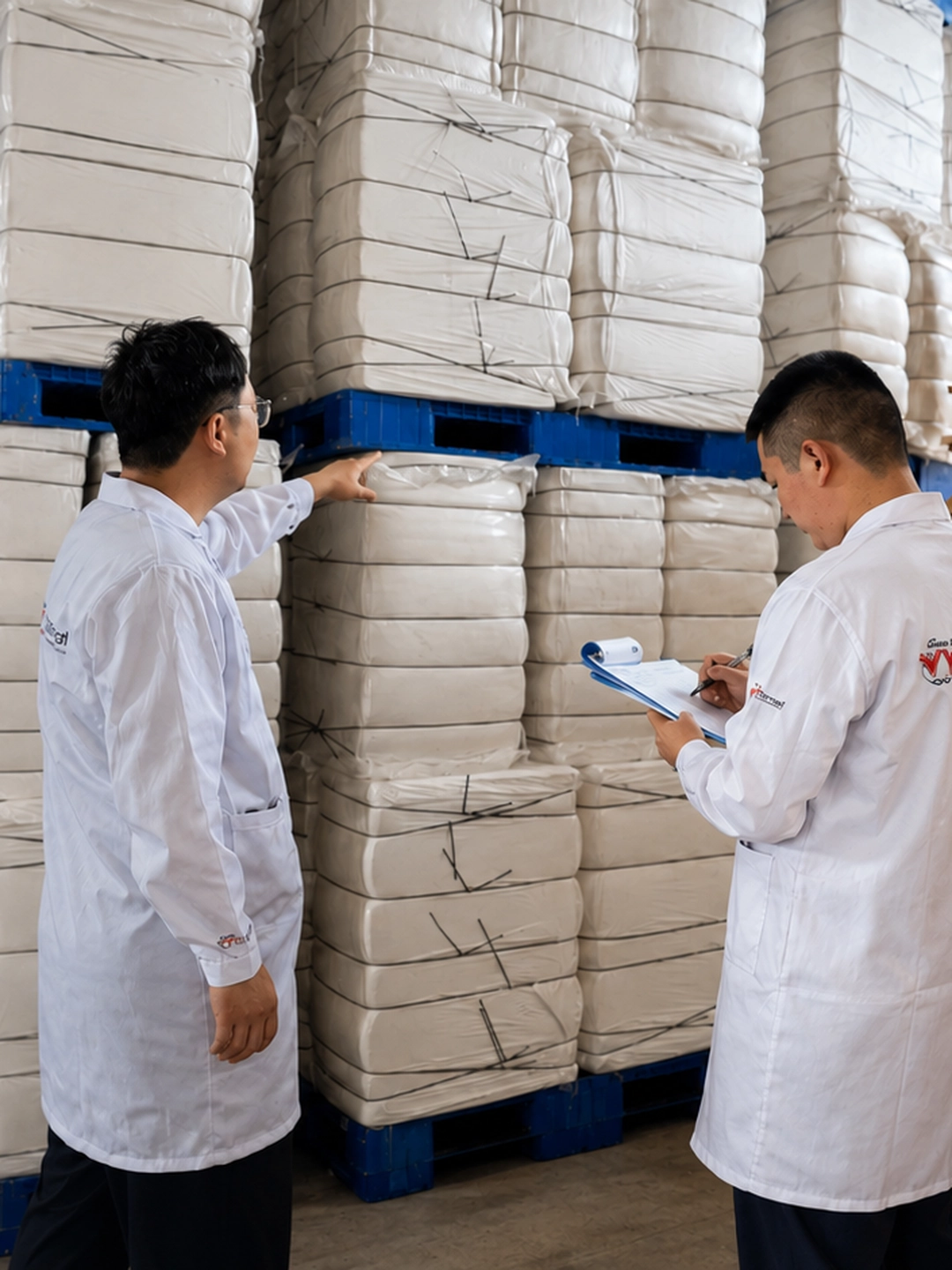
If you are formulating a new ink system or transitioning from another thickener, our technical team can assist with grade selection based on your print process, substrate, and formulation requirements.
Next steps:
- Request a TDS — for the CMC grade suited to your print process
- Request a Sample — to run formulation trials before bulk ordering
- Ask for Grade Matching — share your ink type, print process, and substrate for a specific recommendation
- Contact Our TechnicContact usal Team — for formulation support or questions on switching from another rheology modifierContact Our Technical Team — for questions on switching from starch sizing or other thickeners📧 Email: Service@fsxchemical.com