AR
AR  EN
EN  BN
BN  UR
UR  TR
TR  ID
ID  RU
RU 
Storing Sodium Alginate Powder
Temperature and Humidity Requirements
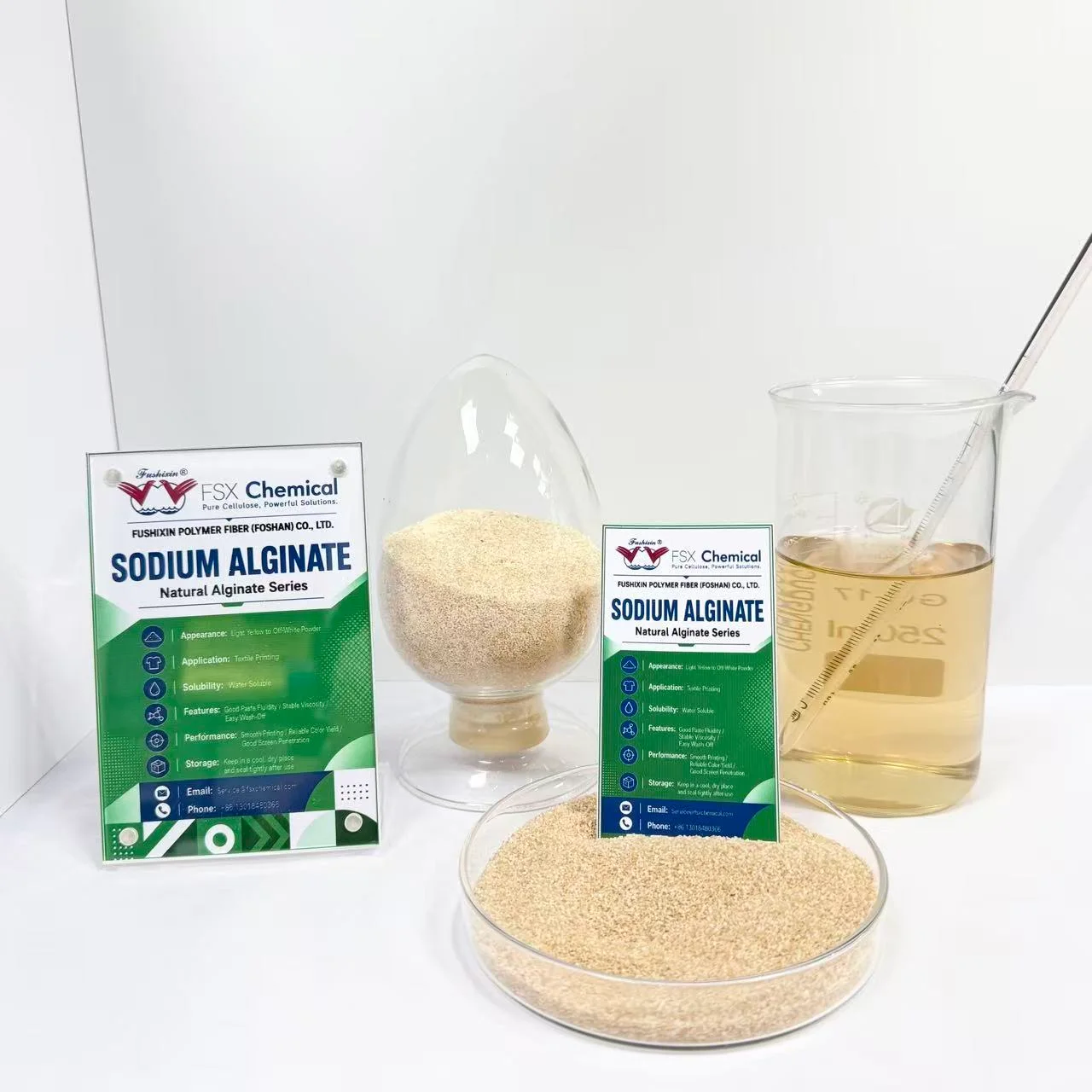
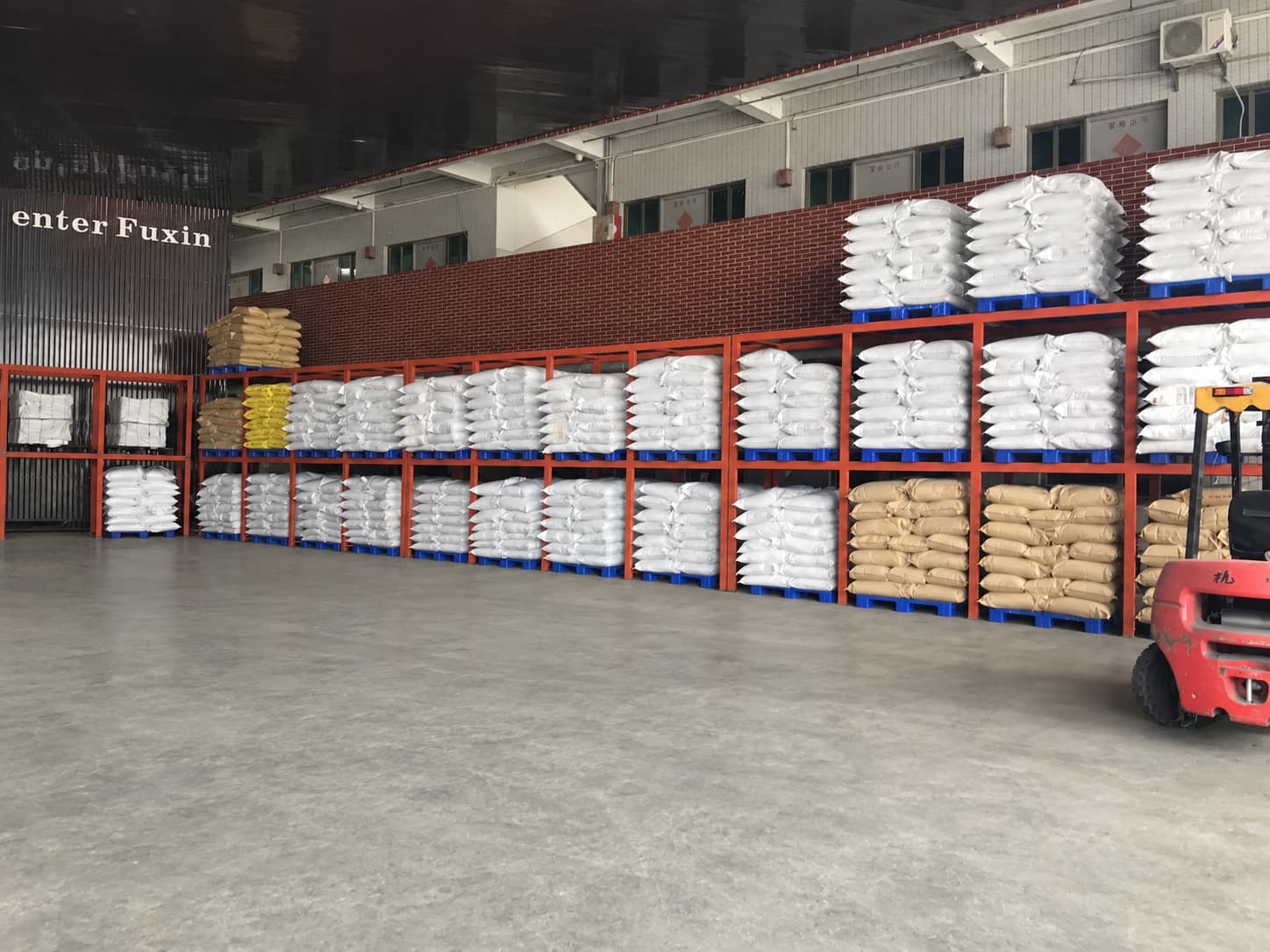
Humidity control is the most critical storage factor for sodium alginate powder. Sodium alginate is hygroscopic — it absorbs water vapor from the surrounding air. In high-humidity environments, powder that is not properly sealed will absorb moisture progressively, which increases the effective moisture content of the product, reduces the active sodium alginate content per unit weight, and can cause powder particles to clump together and partially hydrate.
Partially hydrated powder is more difficult to disperse evenly during paste preparation and increases the risk of lump formation. In tropical or coastal production environments where ambient humidity is consistently high, moisture control in the storage area is particularly important.

Packaging Integrity and Container Requirements
Partially used bags or drums should be sealed with a clip or tape immediately after the required quantity is removed. Do not leave open containers of sodium alginate powder in the production area overnight, particularly in humid environments. Transfer any remaining powder to an airtight container if the original packaging cannot be adequately resealed.
Do not store sodium alginate powder in metal containers that can corrode — rust particles or metal ions introduced from corroding containers can affect paste ionic content and performance. Use clean polyethylene or food-grade plastic containers for any transferred quantities.
Segregation from Incompatible Materials
Powder Shelf Life Expectations
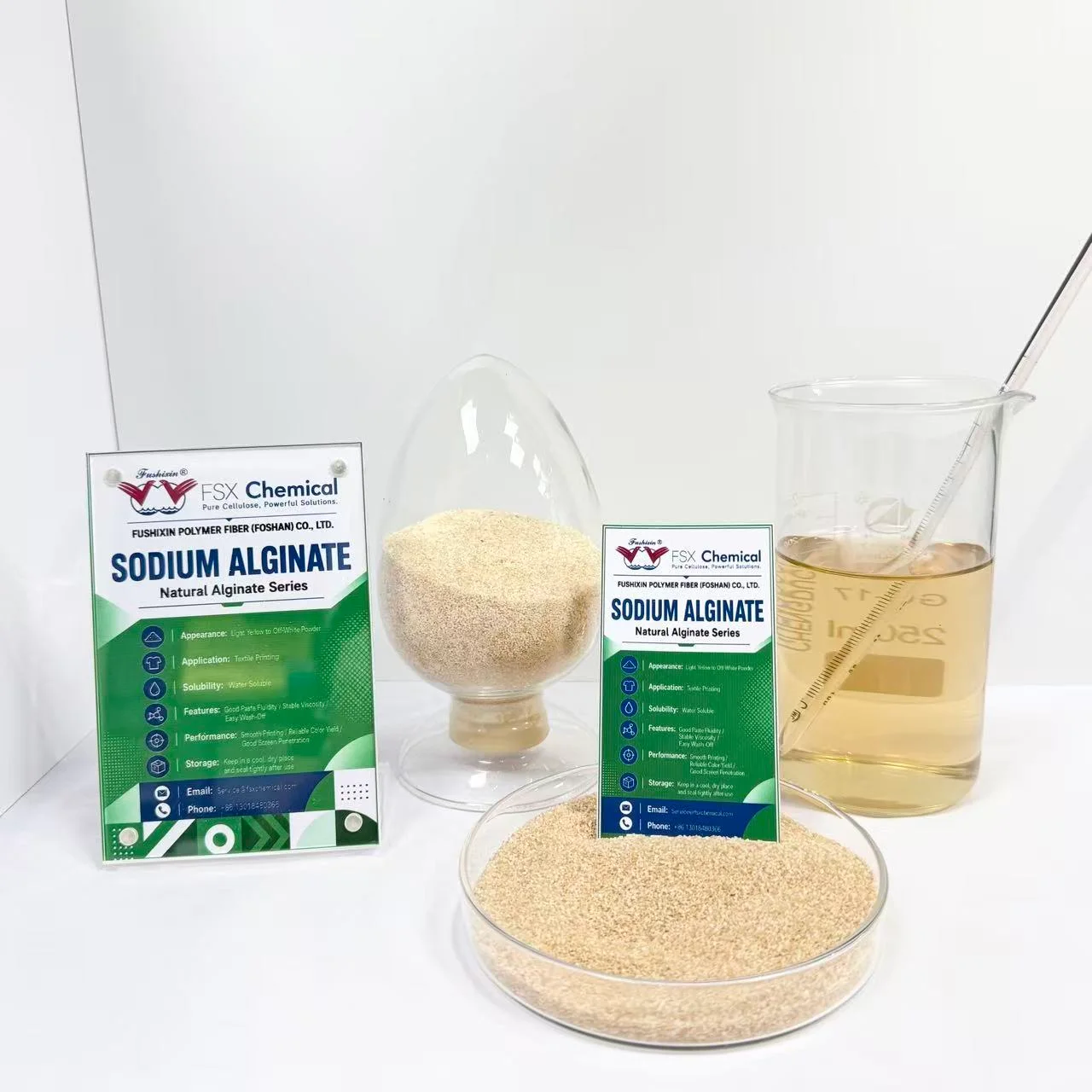
Under correct storage conditions — sealed packaging, below 25°C, low humidity — sodium alginate powder typically has a shelf life of 12 to 24 months from the date of manufacture. This range reflects typical supplier specifications; the actual shelf life stated on your product’s TDS or packaging label takes precedence.
Shelf life is a guideline for maintaining specification-grade performance, not a hard expiry after which the product becomes unusable. Powder stored beyond the stated shelf life may still perform acceptably if storage conditions have been good and no degradation indicators are present — but it should be tested before use in production, particularly for viscosity-sensitive applications.
Powder stored in poor conditions — high humidity, elevated temperature, or compromised packaging — can degrade within the stated shelf life period. Do not assume that a batch is within specification simply because it has not reached the stated expiry date.
Receiving and Inspecting Incoming Shipments
Visual Inspection on Arrival
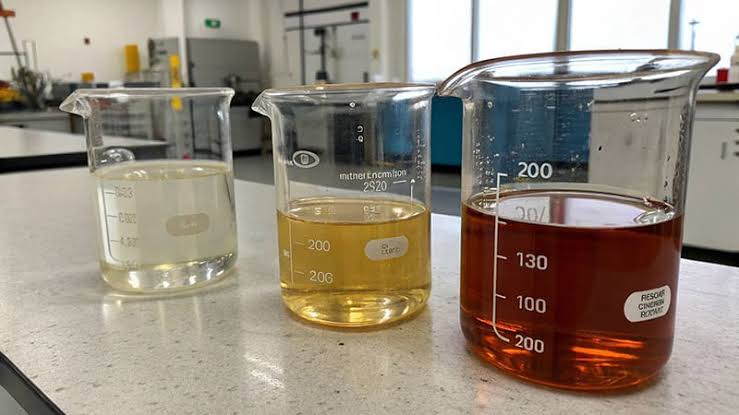
When a sodium alginate shipment arrives, inspect the packaging before accepting the goods. Check for:
- Packaging damage — torn outer bags, compromised drum seals, or punctured inner liners that may have exposed the powder to moisture during transit
- Moisture ingress signs — clumping or caking of powder visible through the bag or upon opening, which indicates the moisture barrier has been breached
- Odor — sodium alginate powder should have little or no odor; an off-odor may indicate microbial activity during transit or storage
- Labeling — confirm that the batch number, manufacture date, and product grade on the packaging match the CoA provided by the supplier
Document any packaging damage at the time of receipt and notify the supplier before using the affected material. Using damaged or potentially compromised material without notification makes it difficult to make a quality claim if subsequent performance problems arise.
Incoming Quality Control Testing
If viscosity is significantly lower than the CoA value — for example, more than 15% below the stated specification — investigate before using the batch in production. The most common causes are moisture absorption during transit (which reduces effective active content per unit weight) or degradation during extended or improper storage.
For more comprehensive incoming QC, insoluble matter testing (dissolve, filter through a tared filter, dry and weigh the residue) provides a direct measure of one of the most practically significant purity parameters for screen printing applications.
Storing Prepared Sodium Alginate Paste
Why Prepared Paste Degrades Faster Than Powder
Prepared paste should be treated as a perishable material with a limited usable life after preparation, not as a stable intermediate that can be held for extended periods without quality loss.
Storage Temperature for Prepared Paste
Refrigerated storage (4 to 10°C) can extend paste usable life, but introduces a practical consideration: paste removed from refrigeration must be allowed to return to room temperature before use, and viscosity should be checked before printing, since viscosity at cold temperature differs from working temperature viscosity.
Do not freeze prepared sodium alginate paste. Freezing causes irreversible structural changes in the alginate gel network, resulting in permanent viscosity reduction and an inhomogeneous paste texture after thawing.
Container and Handling Requirements for Paste
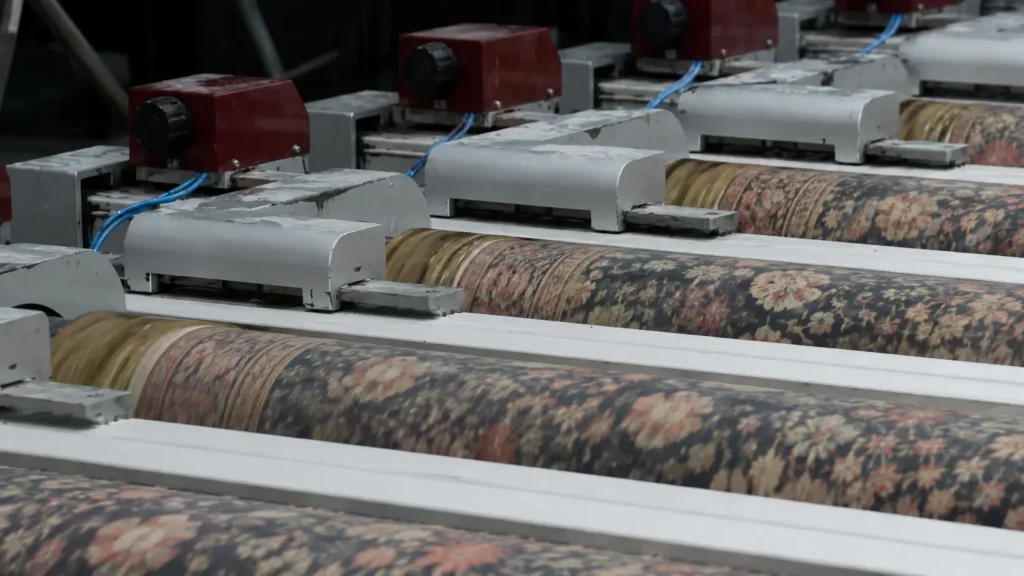
Label each paste batch with the preparation date and time, the sodium alginate grade and concentration, and any other components added (alkali, urea, dye). This labeling makes it straightforward to identify how long a batch has been in storage and to trace performance problems back to specific preparation variables.
Do not add fresh paste to a partially used container of older paste — this introduces new material into a potentially degraded batch and makes it impossible to track the actual preparation date of the mixed material.
Paste Shelf Life by Production Environment
Paste shelf life varies significantly with ambient temperature and whether alkali has been added to the paste:
- Paste without alkali, stored below 20°C: typically usable for 48 to 72 hours
- Paste without alkali, stored at 25–30°C: typically usable for 24 to 48 hours
- Paste without alkali, stored above 30°C (tropical environments): use within the same production shift where possible; microbial degradation can begin within 12 to 24 hours
- Paste with alkali added: reduce expected shelf life further — alkali accelerates chemical degradation of the alginate chain, particularly at elevated temperature. Alkali-containing paste is best prepared and used within the same shift
Recognizing Paste and Powder Degradation
Signs of Powder Degradation
Sodium alginate powder that has degraded or been compromised during storage may show the following indicators:
- Clumping or caking — indicates moisture absorption; clumped powder is more difficult to disperse and may not dissolve completely
- Color change — powder that has yellowed or darkened may indicate oxidative degradation or microbial contamination
- Off-odor — a musty or fermented smell indicates microbial activity
- Lower than expected paste viscosity — degraded polymer chains produce lower viscosity at the same concentration; this is the most reliable functional indicator of degradation
Powder showing any of these indicators should be tested before use and quarantined from production until the result is known. If viscosity testing confirms degradation, the batch should not be used for viscosity-sensitive production and should be reported to the supplier if within the stated shelf life period.
Signs of Paste Degradation
Prepared paste that has degraded shows one or more of the following:
- Viscosity reduction — the most reliable indicator; compare against the initial preparation viscosity for that batch
- Off-odor — a sour or fermented smell indicates active microbial degradation
- Color change — paste that has darkened or taken on a yellowish tinge
- Surface skin or film — indicates surface drying from an uncovered container
- Phase separation or settling — in formulations containing other components, separation may indicate paste breakdown
Degraded paste should not be used in production. The print defects produced — pattern bleeding, reduced color yield, fastness problems — will be difficult to diagnose and may result in rework or fabric rejection before the paste quality issue is identified.
Practical Storage Checklist for Textile Printing Operations
The following checklist summarizes the key storage practices for sodium alginate in a textile printing environment:
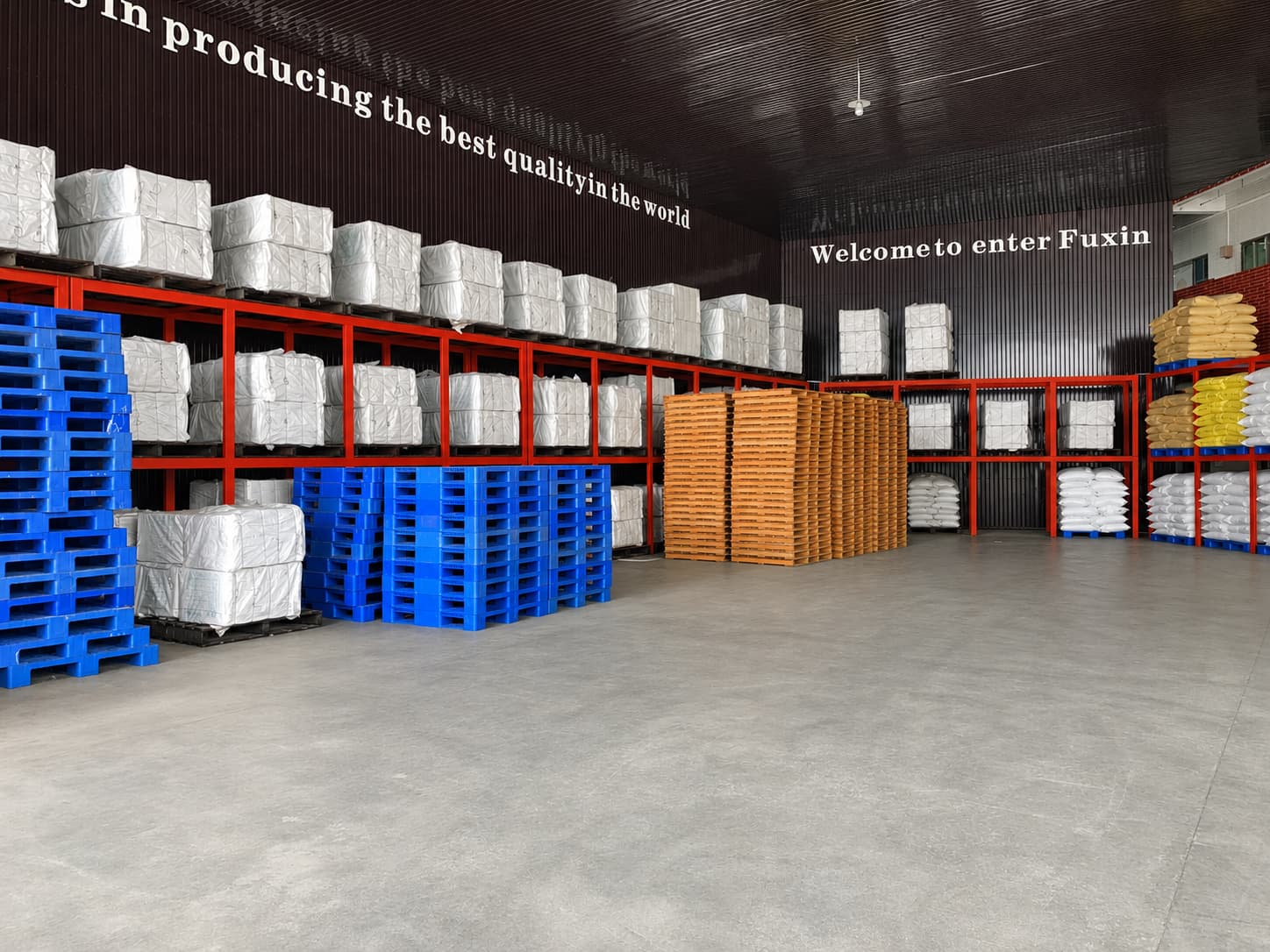
- Store powder in sealed original packaging in a cool (below 25°C), dry area away from heat sources and direct sunlight
- Reseal partially used bags or drums immediately after removing the required quantity
- Keep powder away from acids, oxidizing agents, and calcium-containing materials
- Inspect incoming shipments for packaging damage and off-specification appearance before accepting
- Run a basic viscosity check on each incoming batch before introducing it to production
- Store prepared paste in covered, labeled containers at the lowest practical temperature
- Do not add fresh paste to containers holding older paste batches
- Establish and follow a defined paste shelf life limit for your production environment
- Measure paste viscosity at preparation and monitor during long production runs
- Discard paste showing off-odor, color change, or viscosity outside acceptance limits

How FSX Chemical Supports Your Storage and Quality Process
If you are experiencing performance problems that may be related to storage or batch degradation, our technical team can assist with diagnosis based on your storage conditions, batch CoA data, and paste preparation records.
Next steps:
Request a CoA — confirm batch-specific viscosity and purity data for incoming shipments
📧 Email: Service@fsxchemical.com