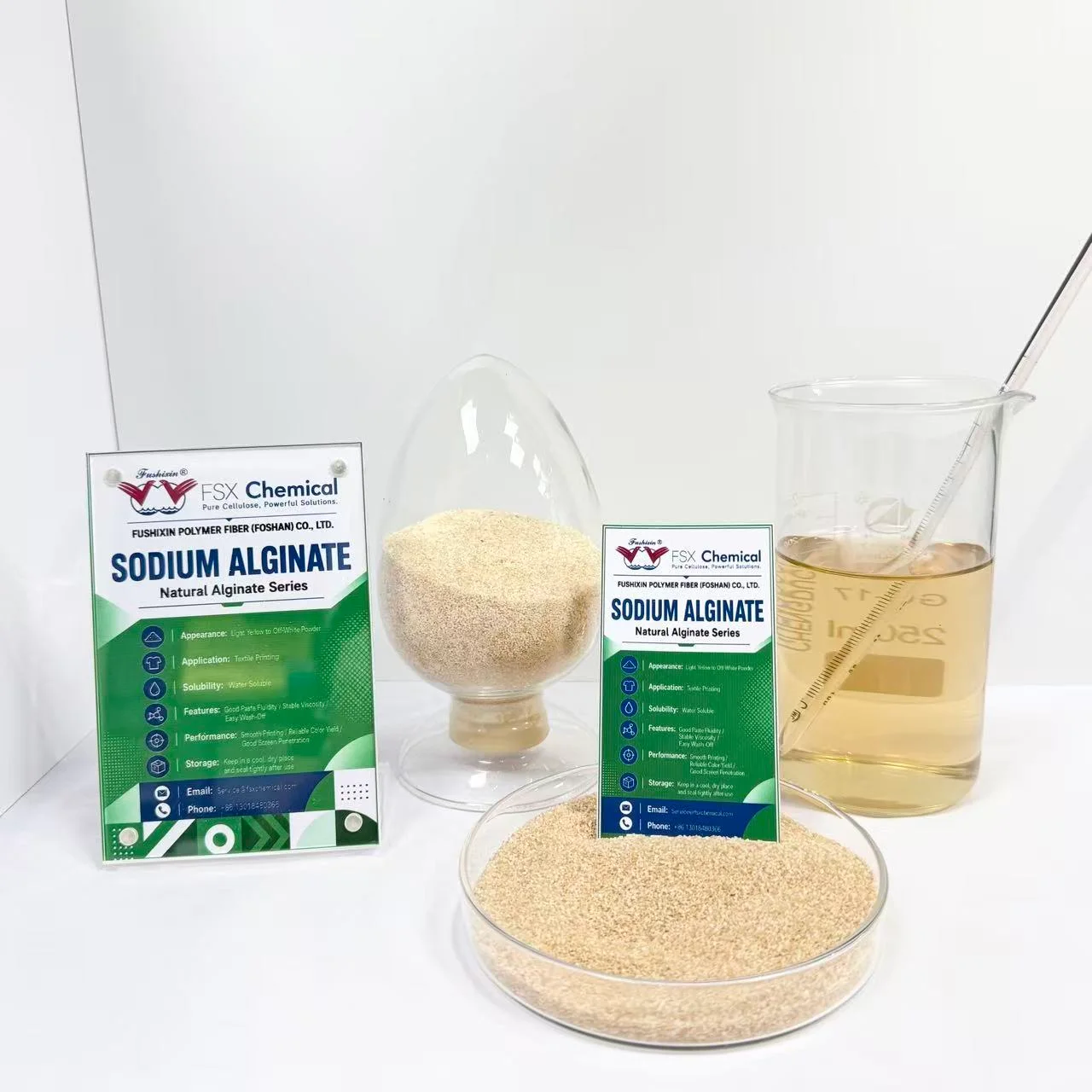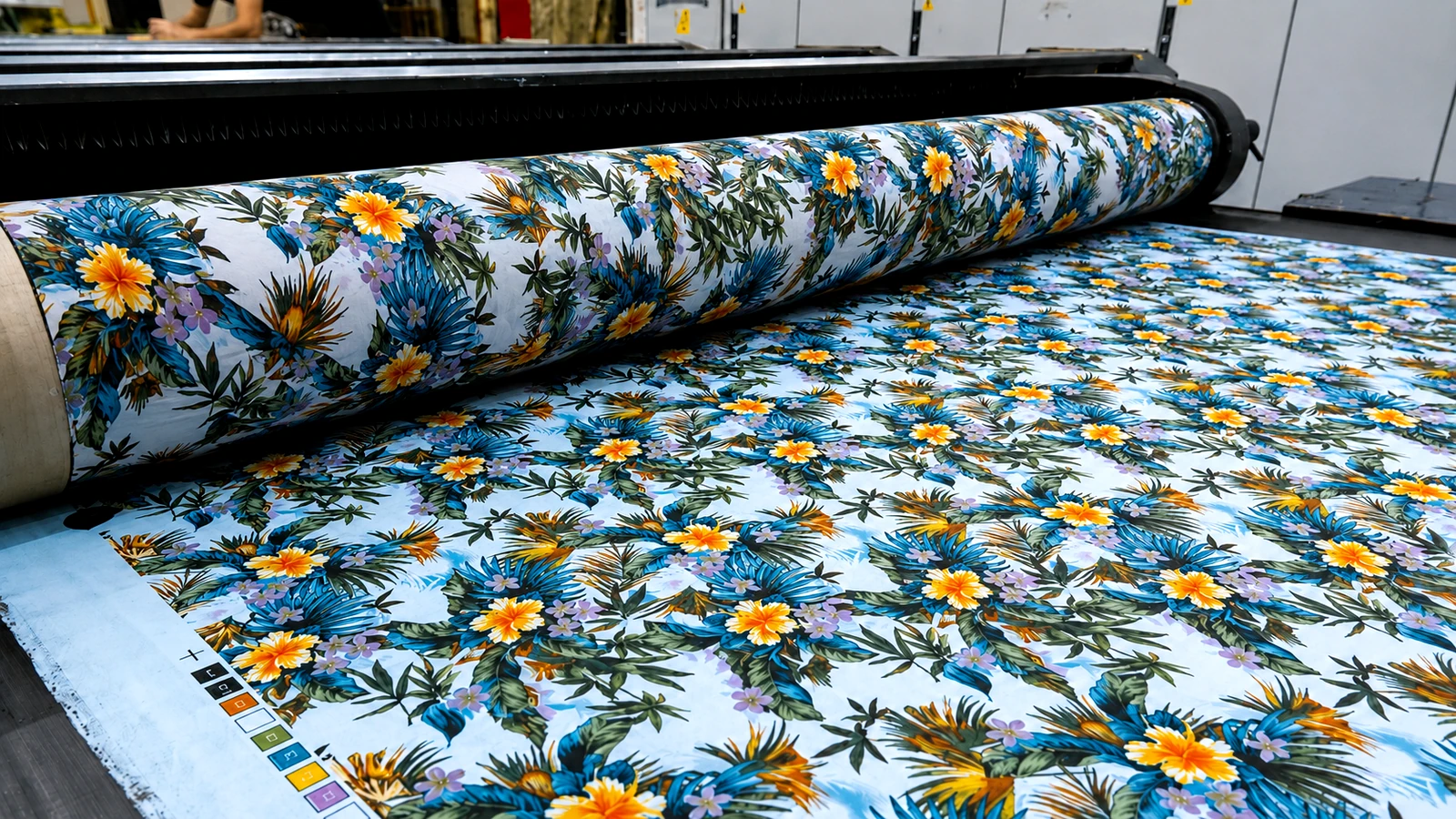
This guide explains how textile printing buyers can evaluate specialty sodium alginate for textile printing applications by reviewing specifications, testing samples, and confirming bulk order requirements.
Why Specialty Sodium Alginate Matters in Textile Printing
Printing Paste Requires Stable Viscosity
In textile printing paste, viscosity affects preparation, application handling, screen passing, and pattern control. If viscosity is too low or too high for the process, the factory may need to adjust the formulation or testing method.
A suitable sodium alginate grade should be selected according to the printing process, target paste viscosity, fabric type, dye system, and production conditions.
Dissolution and Paste Smoothness Affect Production Handling
Besides viscosity, dissolution behavior is also important. A sodium alginate grade that hydrates unevenly may lead to lumps, poor paste smoothness, or filtration difficulty.
Buyers should check how the product dissolves under their own water quality, stirring method, preparation time, and formulation conditions.
Different Applications May Need Different Grades
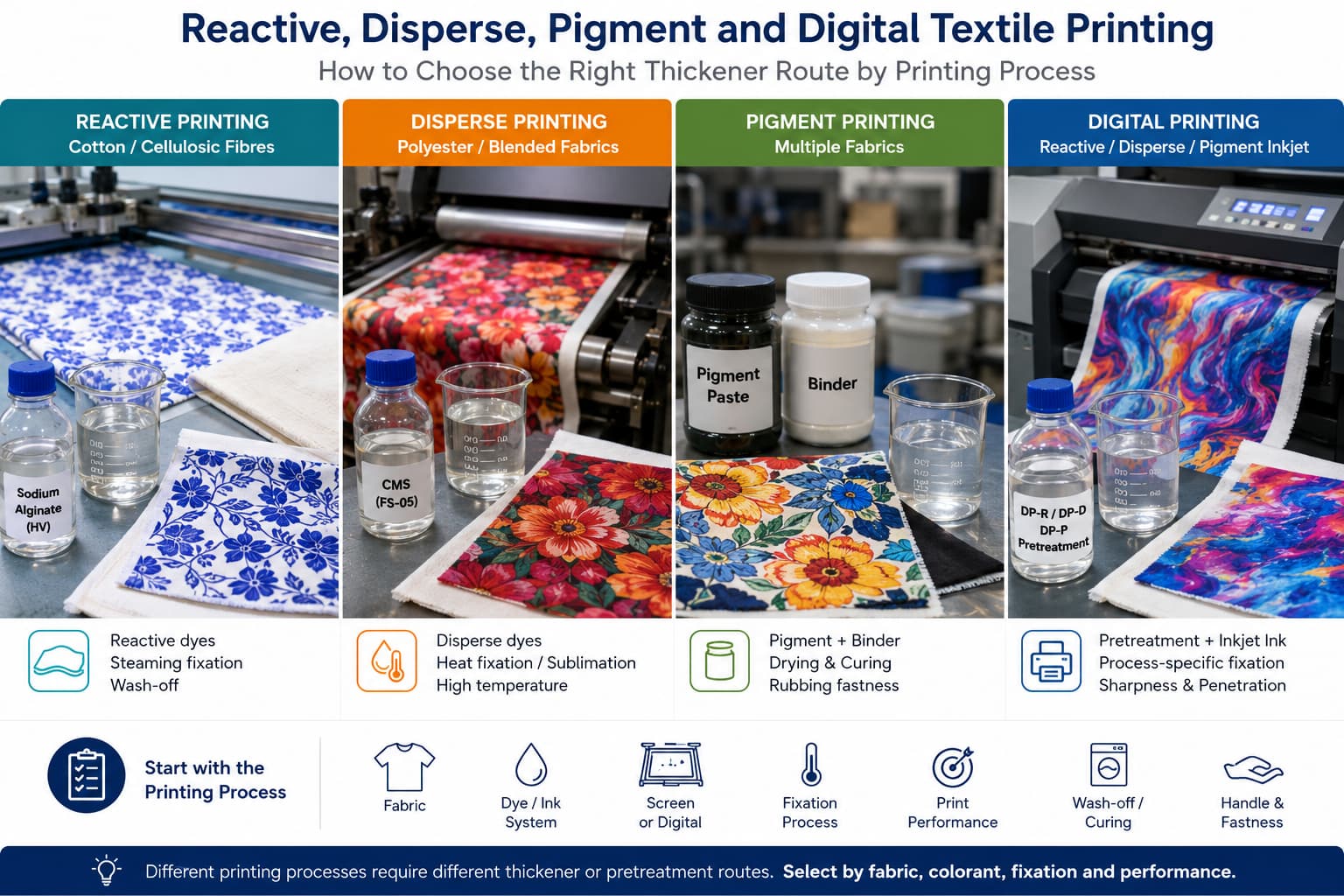
There is no single sodium alginate grade that fits every printing process. Some buyers may need a grade for reactive printing paste, while others may focus on paste stability, easier dissolution, or smoother handling during production.
For this reason, product selection should be based on application requirements rather than general claims such as “high performance” or “best quality.”
Main Application Areas of Specialty Sodium Alginate
Pasta reactiva para impresión textil
The recommended grade should be tested in the buyer’s own formulation before bulk purchase.
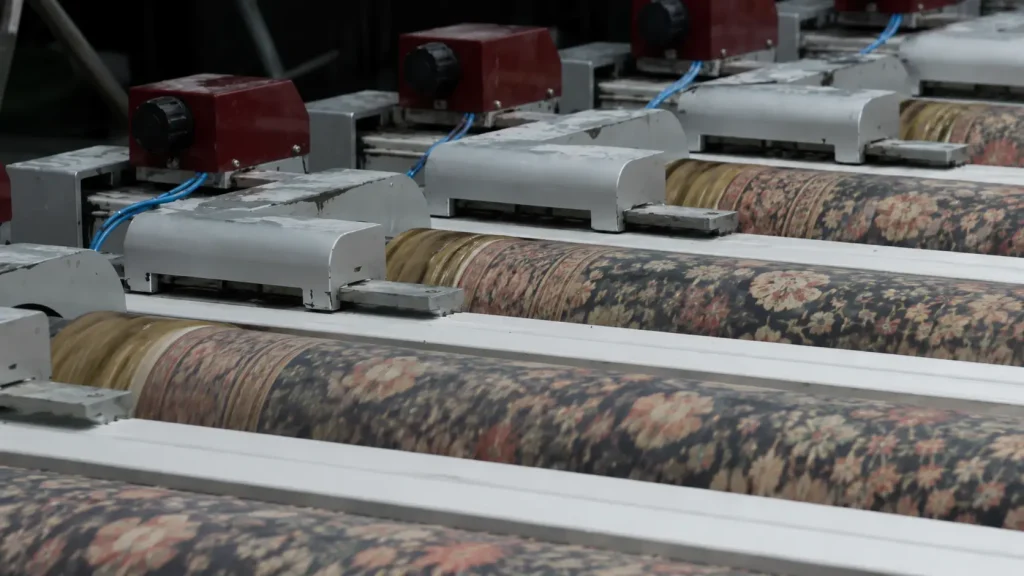
Screen Printing and Rotary Printing Paste Preparation
For screen printing and rotary printing applications, paste smoothness, filtration behavior, and viscosity stability are important. If the paste is not smooth enough or contains undissolved particles, it may affect production handling.
Buyers should evaluate the sodium alginate grade under real preparation and application conditions.
Sample Development and Bulk Production Matching
During sample development, a sodium alginate grade may appear suitable in small-scale testing. However, bulk production conditions can be different from laboratory preparation.
Before confirming volume orders, buyers should check whether the approved sample and bulk shipment will follow the same specification range, packaging standard, and COA data requirements.
Especificaciones clave que los compradores deben revisar
Viscosity Grade and Test Method
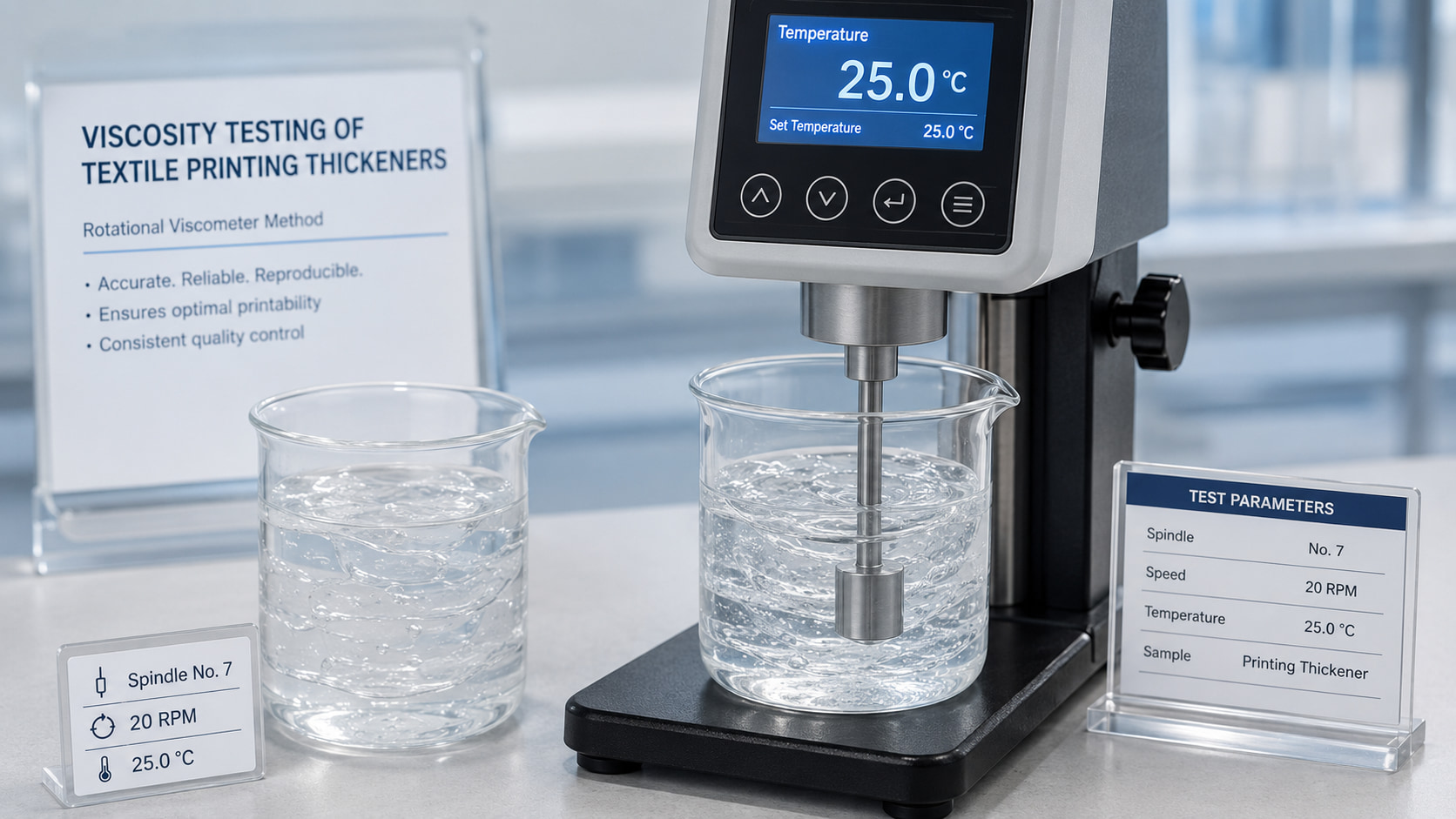
Viscosity is one of the most important parameters for sodium alginate. However, viscosity data should not be reviewed alone. Buyers should check the test concentration, temperature, instrument method, and unit.
Without these details, viscosity values from different suppliers may not be directly comparable.
Tamaño de malla y comportamiento de disolución
Mesh size can affect dispersion and hydration during paste preparation. A finer powder may dissolve faster under some conditions, but the actual result also depends on stirring speed, water quality, addition method, and preparation time.
Buyers should test dissolution behavior in their own process instead of relying only on the mesh size shown in the TDS.
Humedad, pH y aspecto
Moisture, pH, and appearance are basic but important quality indicators. They can affect storage, handling, and quality control during repeat purchasing.
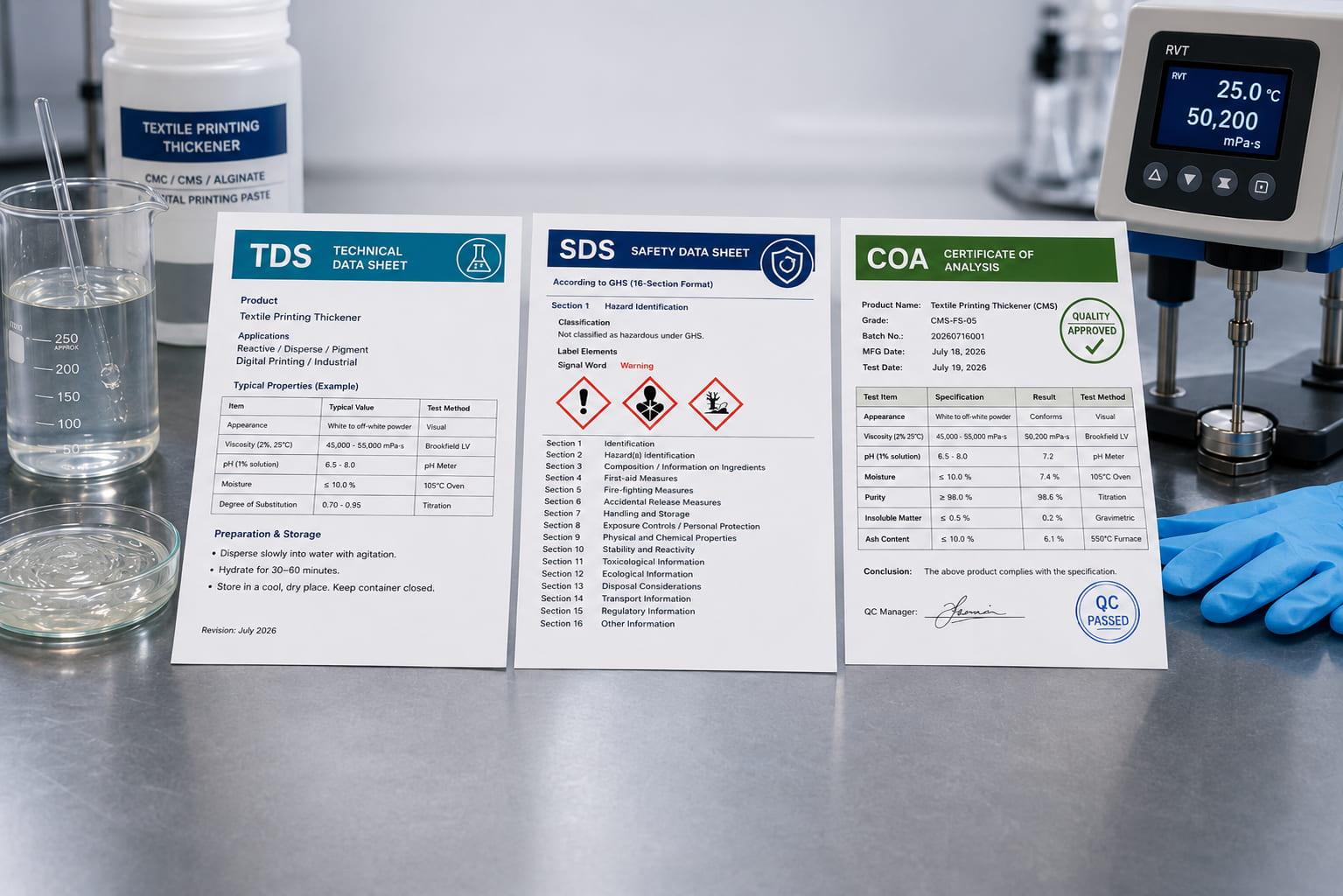
These parameters should be reviewed in the TDS and confirmed through COA data for each batch.
Batch Consistency and COA Data
For repeat orders, batch consistency matters. If viscosity, moisture, or dissolution behavior changes significantly between batches, the buyer may need to adjust the formulation again.
The COA helps buyers confirm actual batch data and compare whether the shipment remains within the agreed specification range.
How to Test Sodium Alginate Before Bulk Purchase
Test in the Actual Paste Formulation
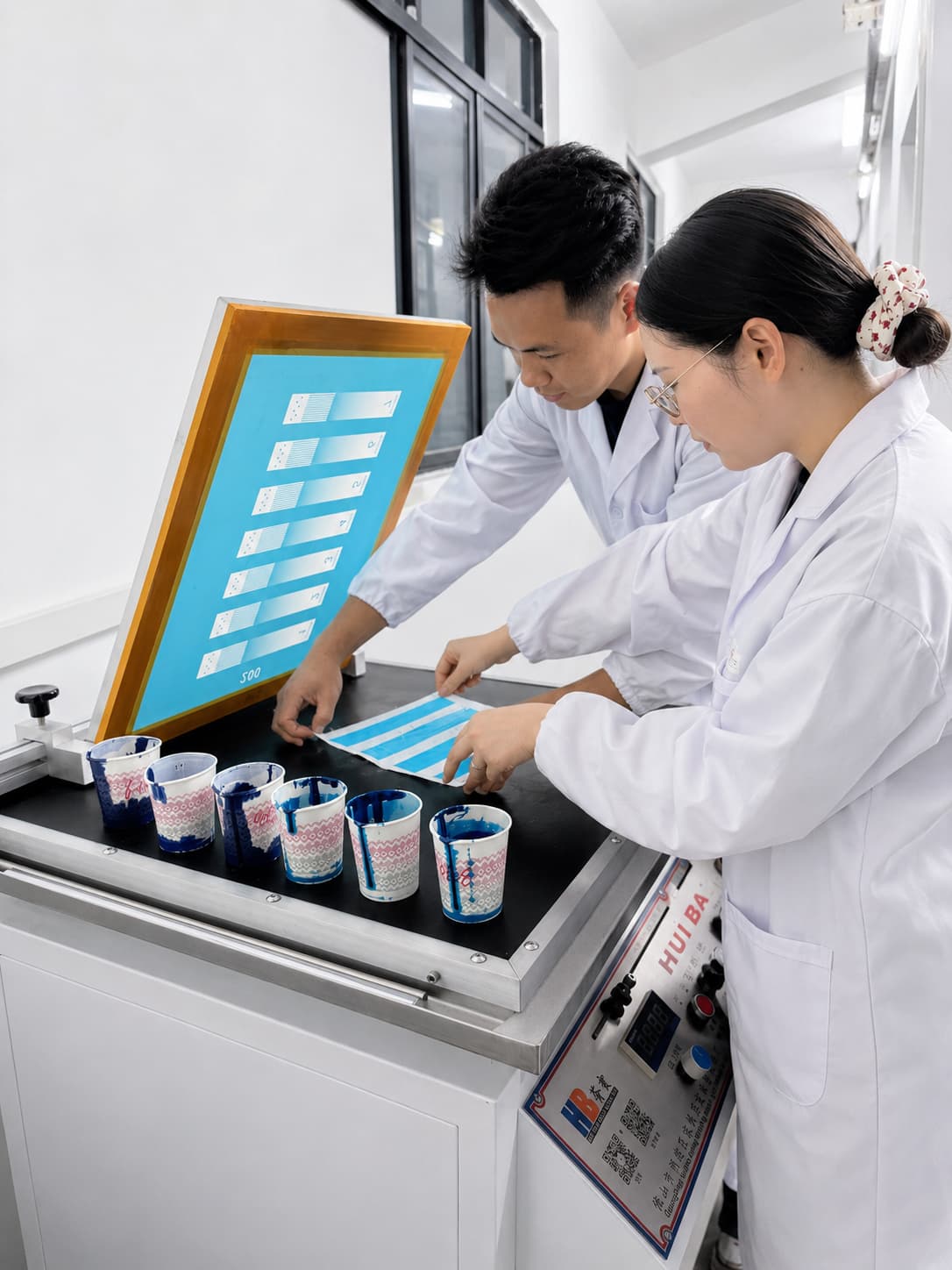
Sample testing should be done in the buyer’s own paste formulation whenever possible. Dyes, auxiliaries, water quality, pH, stirring method, and storage time can all affect final paste behavior.
Testing only in clean water may not be enough to confirm suitability for real production.
Observe Filtration and Paste Stability
During testing, buyers should observe dissolution speed, paste smoothness, lumps, filtration behavior, viscosity stability, and application handling.
For textile printing paste, these practical observations are often as important as basic specification data.
Compare Sample Approval with Bulk Shipment
Before placing a bulk order, buyers should confirm whether the approved sample and the bulk shipment will follow the same viscosity range, mesh size, packaging format, batch traceability, and COA requirements.
Esto ayuda a reducir el riesgo de que haya una discrepancia entre la muestra y el lote.
Common Mistakes When Choosing Specialty Sodium Alginate
Selecting Only by High Viscosity
A higher viscosity grade is not always better. The suitable viscosity depends on the printing process, formulation concentration, fabric type, and application requirement.
Buyers should choose a grade that matches the actual paste system rather than simply selecting the highest viscosity option.
Comparing Data Without Test Method
Viscosity values measured under different concentrations, temperatures, or instruments may not be directly comparable.
Before comparing supplier data, buyers should ask how the viscosity was tested and whether the test method matches their internal evaluation method.
Ignoring Sample-to-Bulk Consistency
This is especially important for distributors and factories that require stable repeat orders.
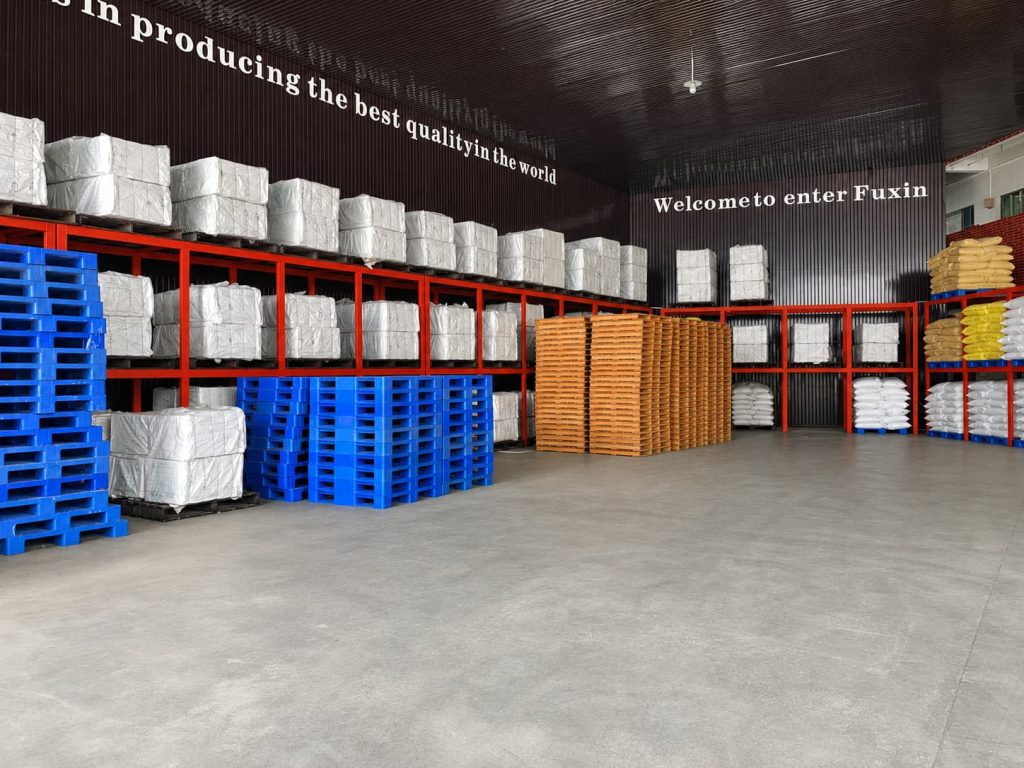
How FSX Chemical Supports Sodium Alginate Grade Matching
We do not suggest confirming sodium alginate only by broad claims, product name, or price. The recommended grade should be reviewed through technical documents and tested in the buyer’s own formulation before bulk purchase.
Próximos pasos
- Solicitar un TDS — review viscosity range, mesh size, pH, moisture, appearance, storage conditions, and testing method.
- Solicitar un certificado de análisis (COA) — Verificar que los datos del lote se ajusten al rango de especificaciones acordado antes del envío.
- Solicita la equiparación de calificaciones — share your printing process, fabric type, target viscosity, current formulation, and existing product grade if available.
- Solicitar una muestra — test the recommended sodium alginate grade in your own paste preparation and printing conditions before confirming bulk orders.
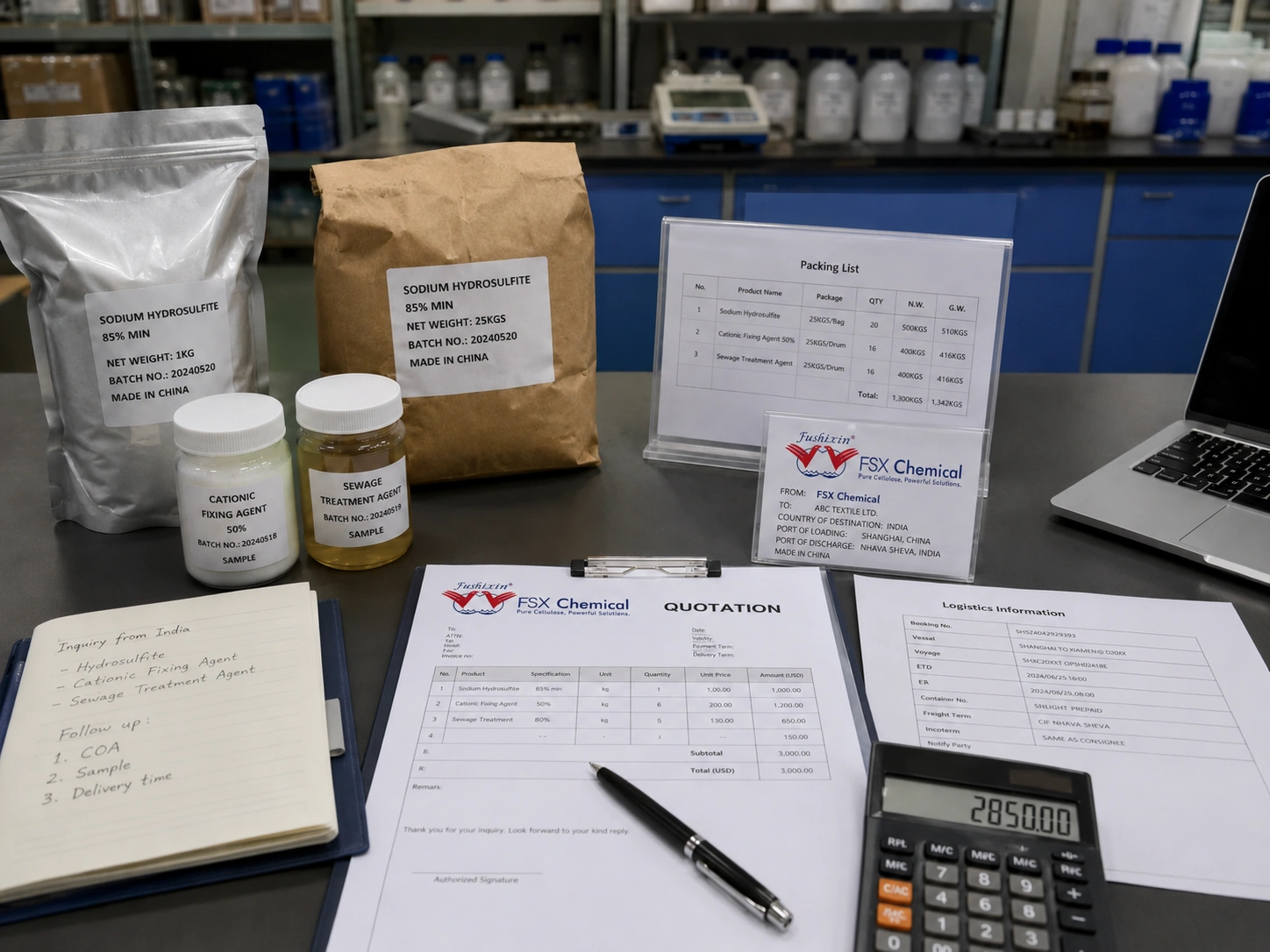
- Confirmar los documentos de embalaje y exportación — Verifica el tamaño de las bolsas, las etiquetas, la trazabilidad de los lotes, la ficha de datos de seguridad (FDS), la factura, la lista de embalaje y otros documentos requeridos antes del envío.
- Póngase en contacto con nuestro equipo técnico — discuss which specialty sodium alginate grade is suitable for your textile printing application📧 Correo electrónico: Service@fsxchemical.com