














This guide explains how overseas buyers can evaluate a sodium alginate manufacturer in China for textile printing applications.
Why Choosing the Right Sodium Alginate Manufacturer Matters
Similar Products Can Perform Differently
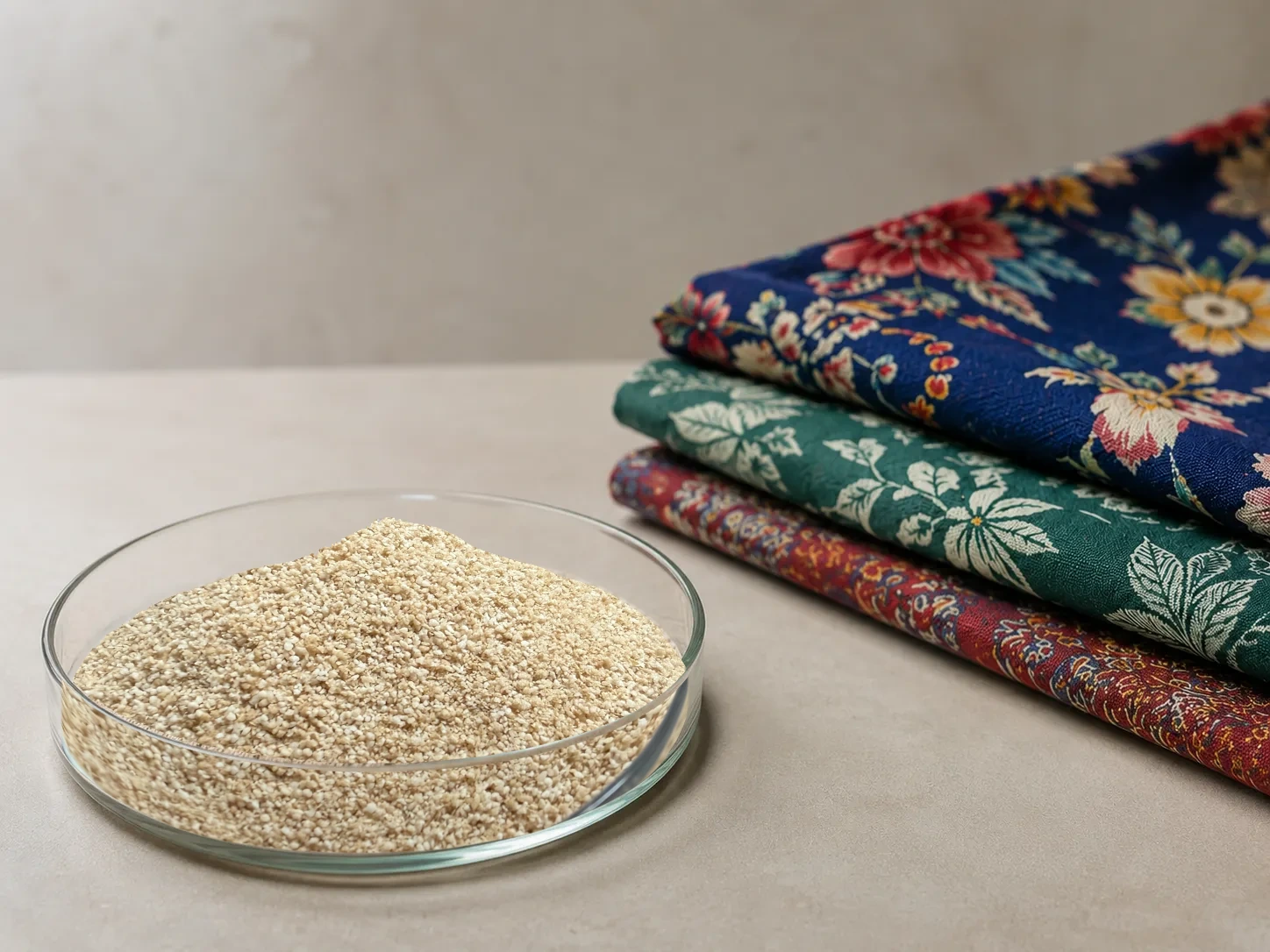
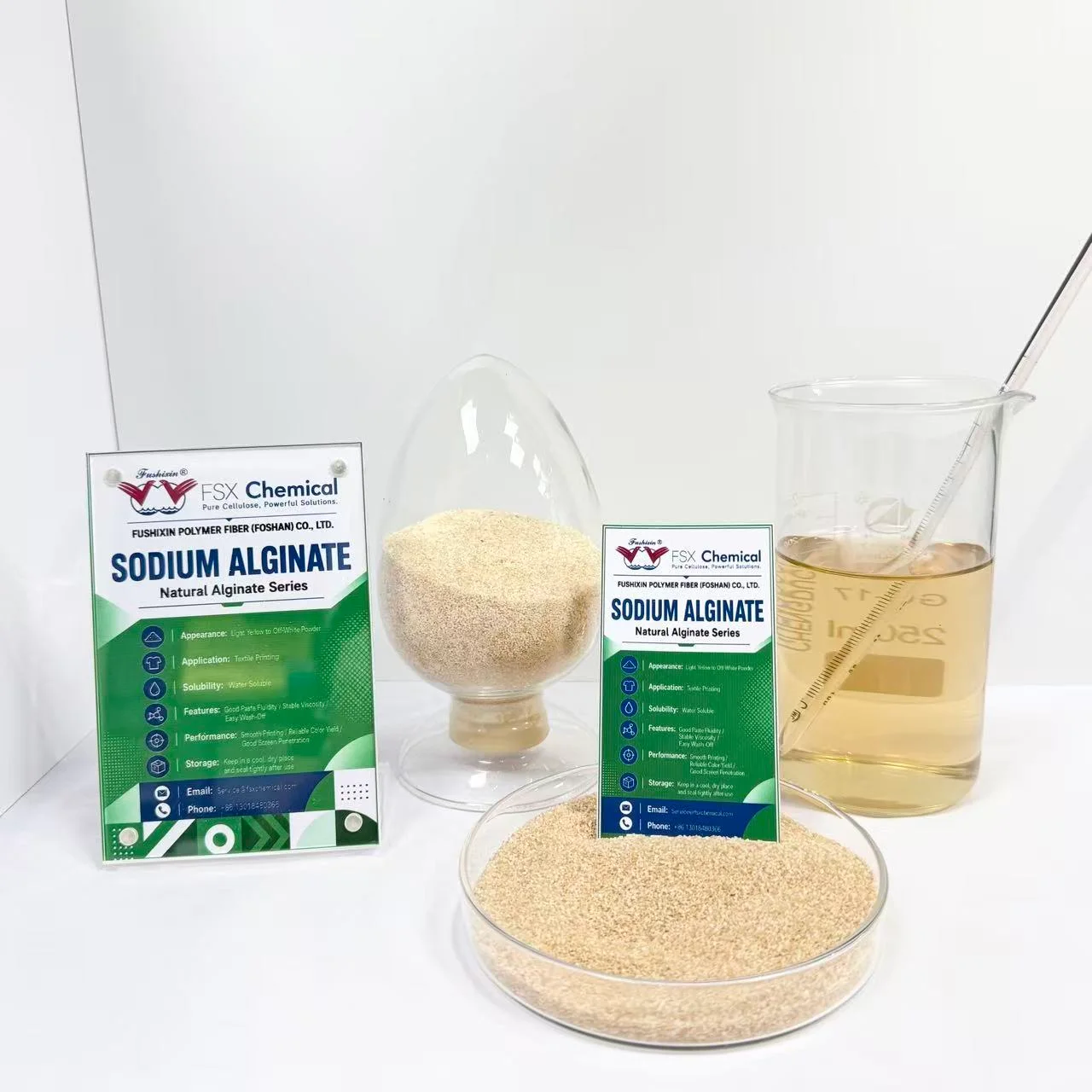
Two sodium alginate products may look similar as powder, but they may perform differently in printing paste preparation. Differences in viscosity grade, particle size, dissolution behavior, and batch consistency can affect paste smoothness and production handling.
For this reason, buyers should not select a supplier only by price or product name. The actual specification and sample testing result are more important.
Textile Printing Requires Stable Viscosity
In textile printing paste, viscosity affects paste preparation, screen passing, pattern edge control, and production stability. If viscosity changes significantly between batches, the factory may need to adjust the formulation again.
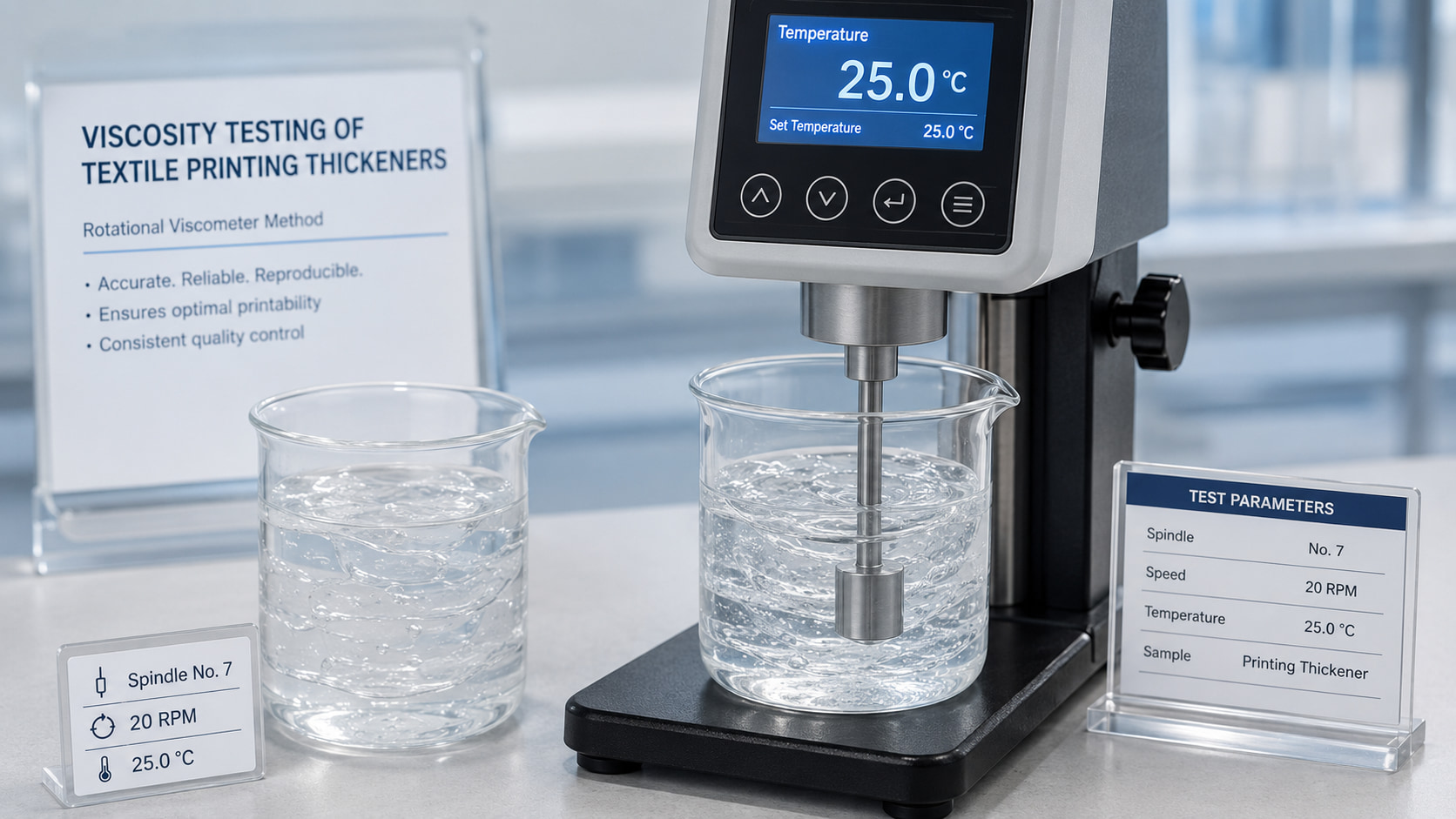
A reliable manufacturer should provide clear viscosity data and explain the testing method, concentration, temperature, and unit used in the TDS.
Sample Approval Should Match Bulk Supply
Sample testing is a useful first step, but buyers should also confirm whether the bulk shipment will follow the same specification range as the approved sample.
Before placing a bulk order, buyers should ask for COA support, batch information, packaging details, and agreed quality parameters.
Key Specifications Buyers Should Confirm
Viscosity Grade and Test Method
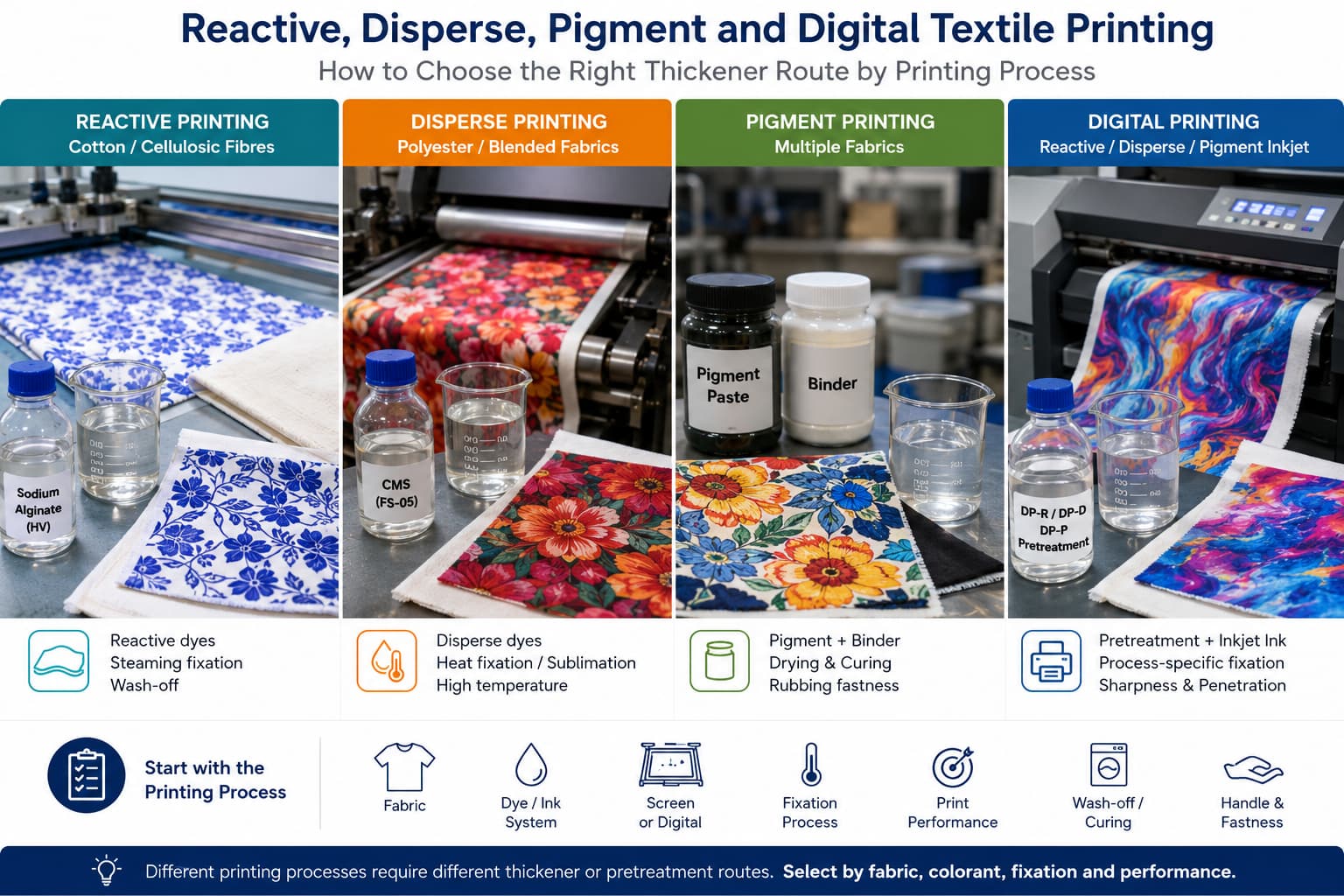
Viscosity is one of the most important parameters when sourcing sodium alginate for textile printing. A higher viscosity grade is not always better. The suitable grade depends on the printing process, paste concentration, fabric type, and target application performance.
Buyers should confirm the viscosity range, testing concentration, temperature, instrument method, and unit. Without these details, viscosity data from different suppliers may not be directly comparable.
Tamaño de malla y comportamiento de disolución
Mesh size can affect how sodium alginate disperses and hydrates during paste preparation. Some buyers may prefer finer powder for faster hydration, while others may need a grade that is easier to handle under their own mixing conditions.
Buyers should test dissolution behavior in their own water quality, stirring method, and paste preparation process.
Purity Grade and Application Suitability
Purity grade should be selected according to the actual application. For textile printing, buyers should focus on whether the product is suitable for printing paste preparation and whether its technical data matches the production requirement.
Instead of relying on unclear claims such as “best quality” or “100% purity,” buyers should review TDS, COA, appearance, viscosity, moisture, pH, and other relevant parameters.
Humedad, pH y aspecto
Moisture content, pH range, and appearance are basic but important quality indicators. They affect storage, handling, and quality control during repeat purchasing.
For long-term supply, buyers should check these parameters in the TDS and confirm batch values through the COA.
Documents to Request from a Chinese Manufacturer
TDS para la revisión de especificaciones
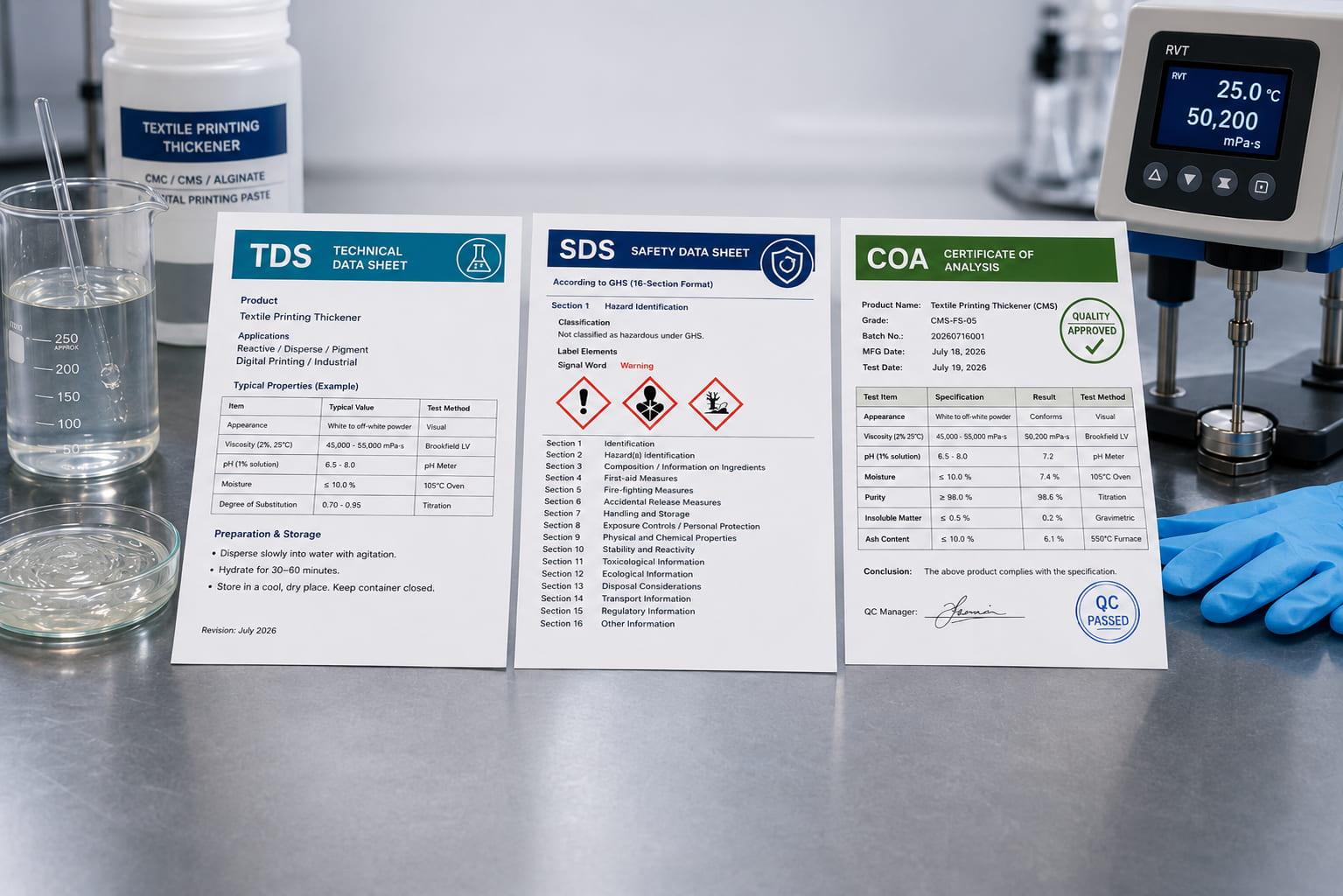
The Technical Data Sheet should include key parameters such as appearance, viscosity, mesh size, moisture, pH, storage conditions, and testing method.
For textile printing applications, the viscosity test method should be clearly stated. This helps buyers compare grades more accurately.
COA para la confirmación de lotes
The Certificate of Analysis confirms the actual data of a specific production batch. It is important for bulk orders, repeat purchasing, and distributor supply.
Los compradores pueden comparar los registros de los certificados de análisis (COA) de distintos envíos para verificar si los parámetros clave se mantienen dentro del rango acordado.
Fichas de datos de seguridad (FDS) y documentos de exportación, cuando sea necesario
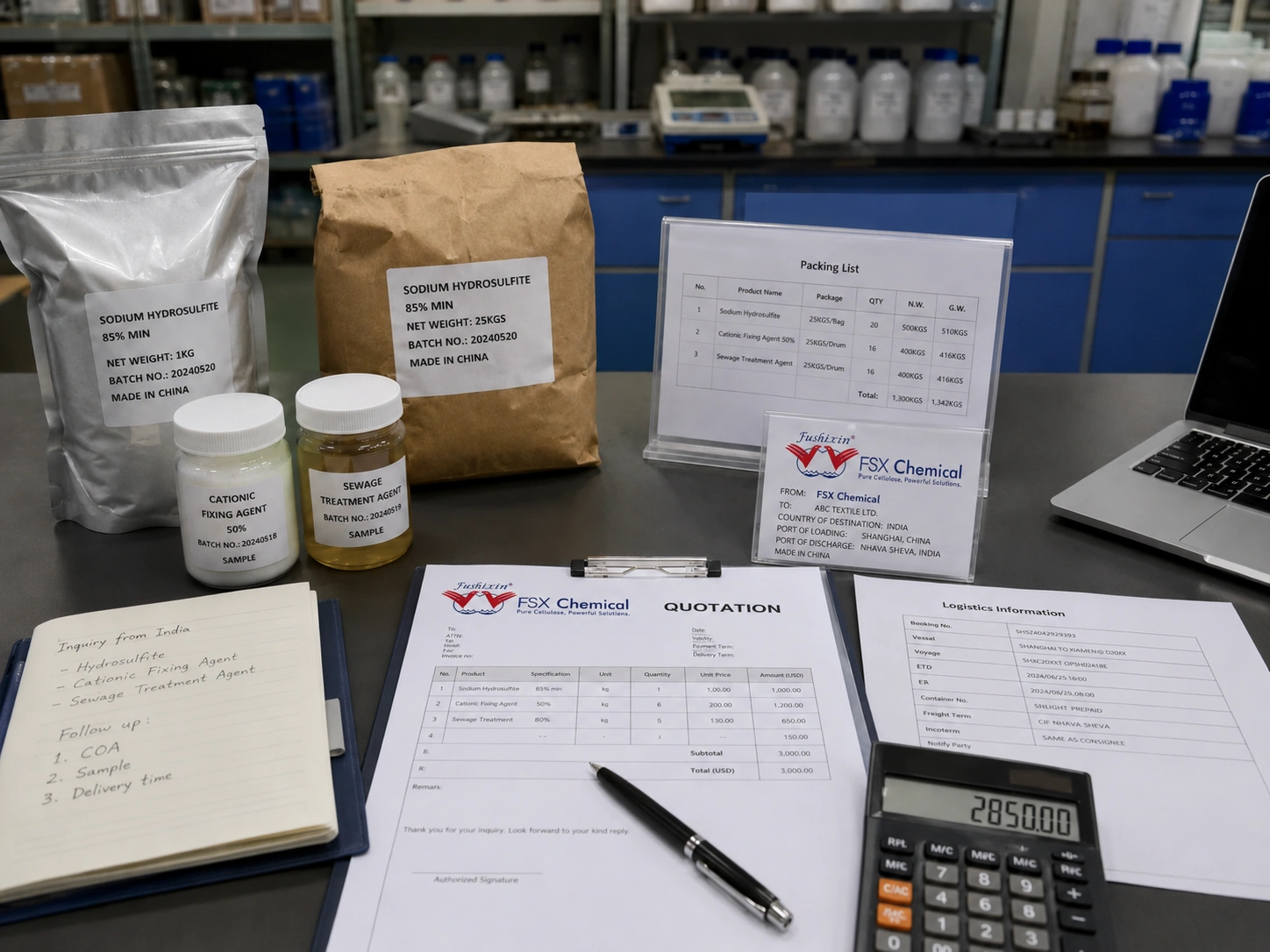
En el caso de las compras internacionales, es posible que los compradores también necesiten la ficha de datos de seguridad (FDS), la factura, la lista de embalaje, las etiquetas y otros documentos relacionados con la exportación. La lista de documentos requeridos puede variar según el país de destino, el tipo de producto y el proceso interno de compras.
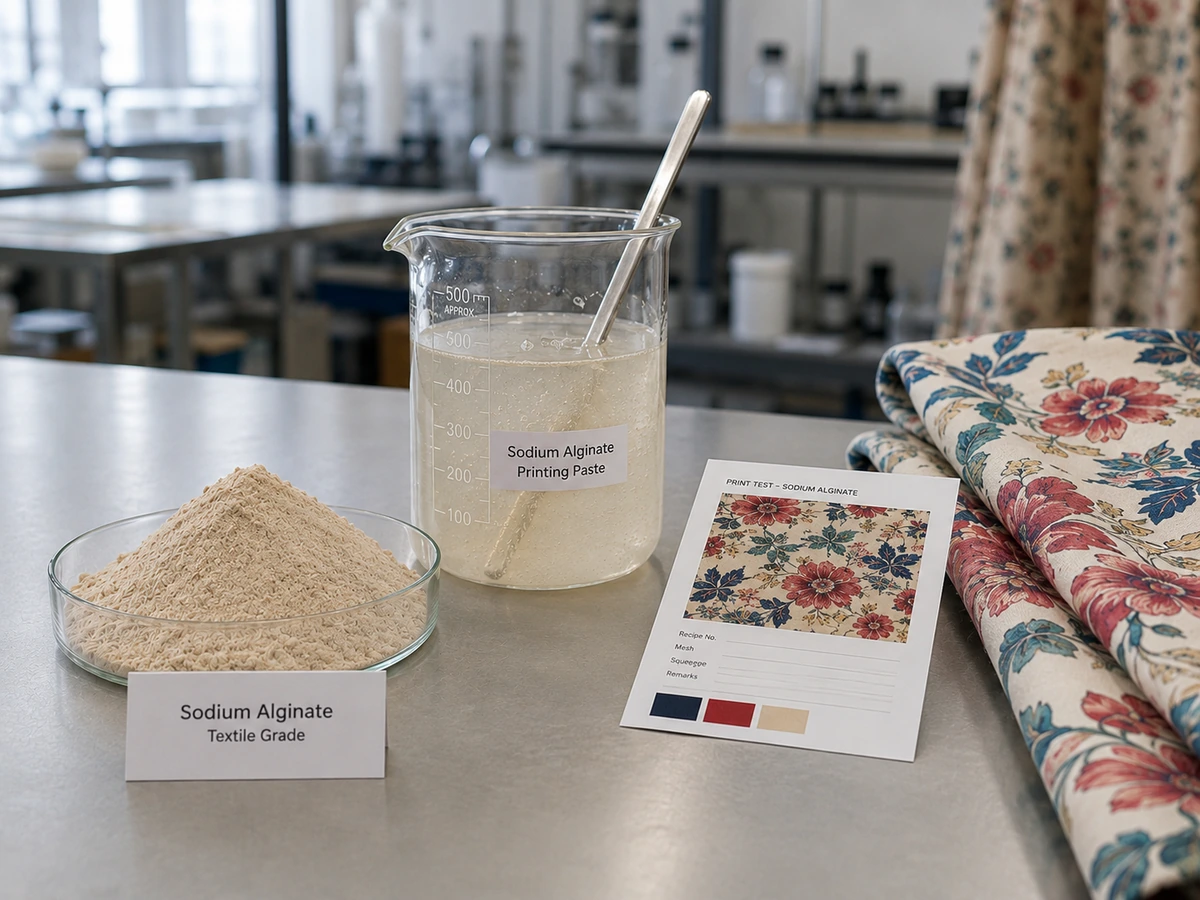
How to Test Sodium Alginate Before Bulk Purchase
Test in Your Own Printing Paste Formulation
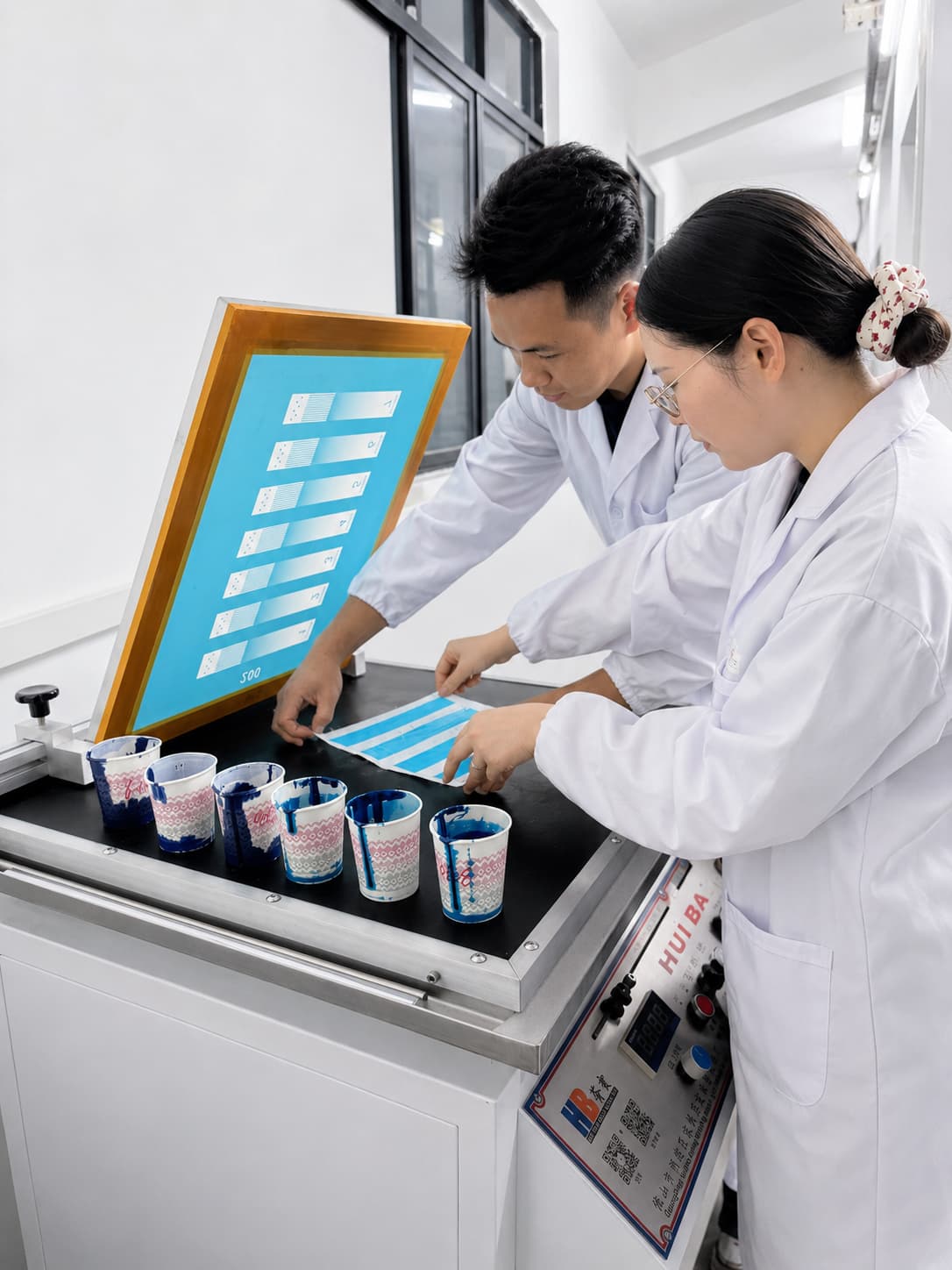
Sample testing should be done in the buyer’s own formulation whenever possible. Dyes, auxiliaries, water quality, pH, stirring method, and storage time can all affect final paste behavior.
Testing only in clean water may not be enough to confirm whether the sodium alginate grade is suitable for real production.
Check Paste Smoothness and Filtration Behavior
During sample testing, buyers should observe dissolution speed, paste smoothness, lumps, filtration behavior, viscosity stability, and application handling.
If the paste is difficult to filter or contains obvious particles, the grade may not be suitable for that preparation process.
Compare Approved Sample with Bulk Shipment
Before confirming a bulk order, buyers should ask whether the approved sample and bulk shipment will follow the same viscosity range, mesh size, packaging standard, and COA data requirements.
This step helps reduce the risk of sample-to-bulk mismatch.
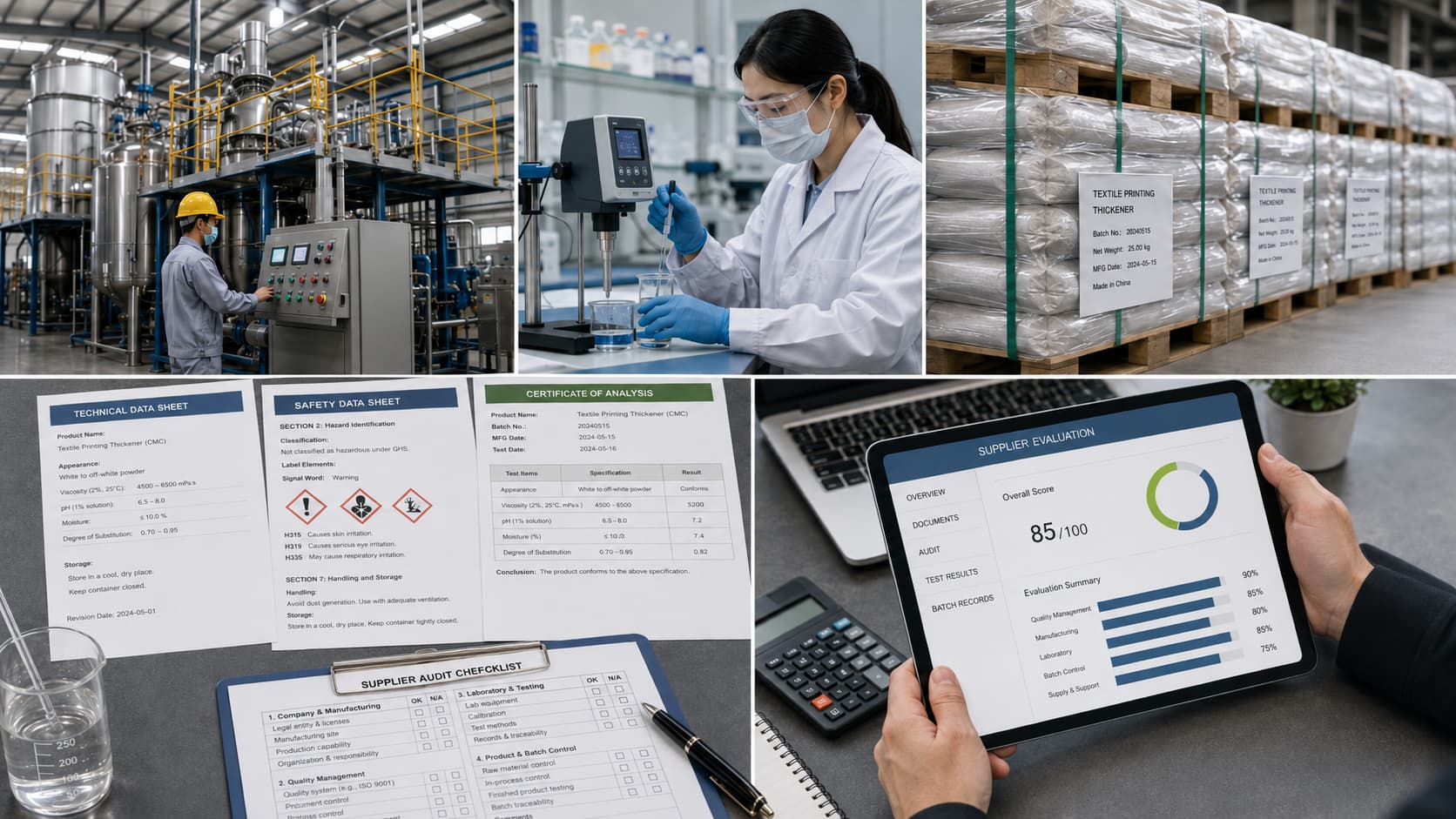
Sodium Alginate Manufacturer Evaluation Scorecard
| Evaluation area | Evidence to request | Warning sign | Suggested weight |
|---|---|---|---|
| Textile-printing application fit | Defined grade, application TDS and comparable production references or trial plan | One grade claimed suitable for every printing process | 20% |
| Specification and test method | Viscosity concentration, temperature, instrument, spindle, speed, hydration and reading time | Viscosity number supplied without a reproducible method | 20% |
| Consistencia entre lotes | Recent multi-batch COAs and agreed limits for moisture, pH and insoluble matter | Only one selected COA or changing grade identity | 20% |
| Sample-to-bulk control | Permanent grade code, retained sample and first-shipment verification plan | Sample cannot be linked to the commercial batch | 15% |
| Manufacturing traceability | Raw-material control, production-lot identity and corrective-action process | No clear batch or complaint traceability | 10% |
| Documents and compliance | Current TDS, SDS, COA format and buyer-required declarations | Documents use inconsistent company, product or grade names | 10% |
| Commercial and export execution | Quotation basis, packing, lead time, Incoterm and document responsibility | Price cannot be tied to specification, quantity and trade terms | 5% |
The weighting is a practical starting point, not an industry standard. Buyers should adjust it according to printing risk, order size, regulatory requirements and whether the supplier is a primary or backup source.
What Makes a Manufacturer More Reliable?
Clear Specification Communication
A reliable sodium alginate manufacturer should be able to discuss product specifications clearly. This includes viscosity range, mesh size, moisture, pH, appearance, storage conditions, and testing method.
If the buyer has an existing grade, the manufacturer should be able to compare the target specification and recommend a suitable starting grade for testing.
Batch Traceability and Packaging Control
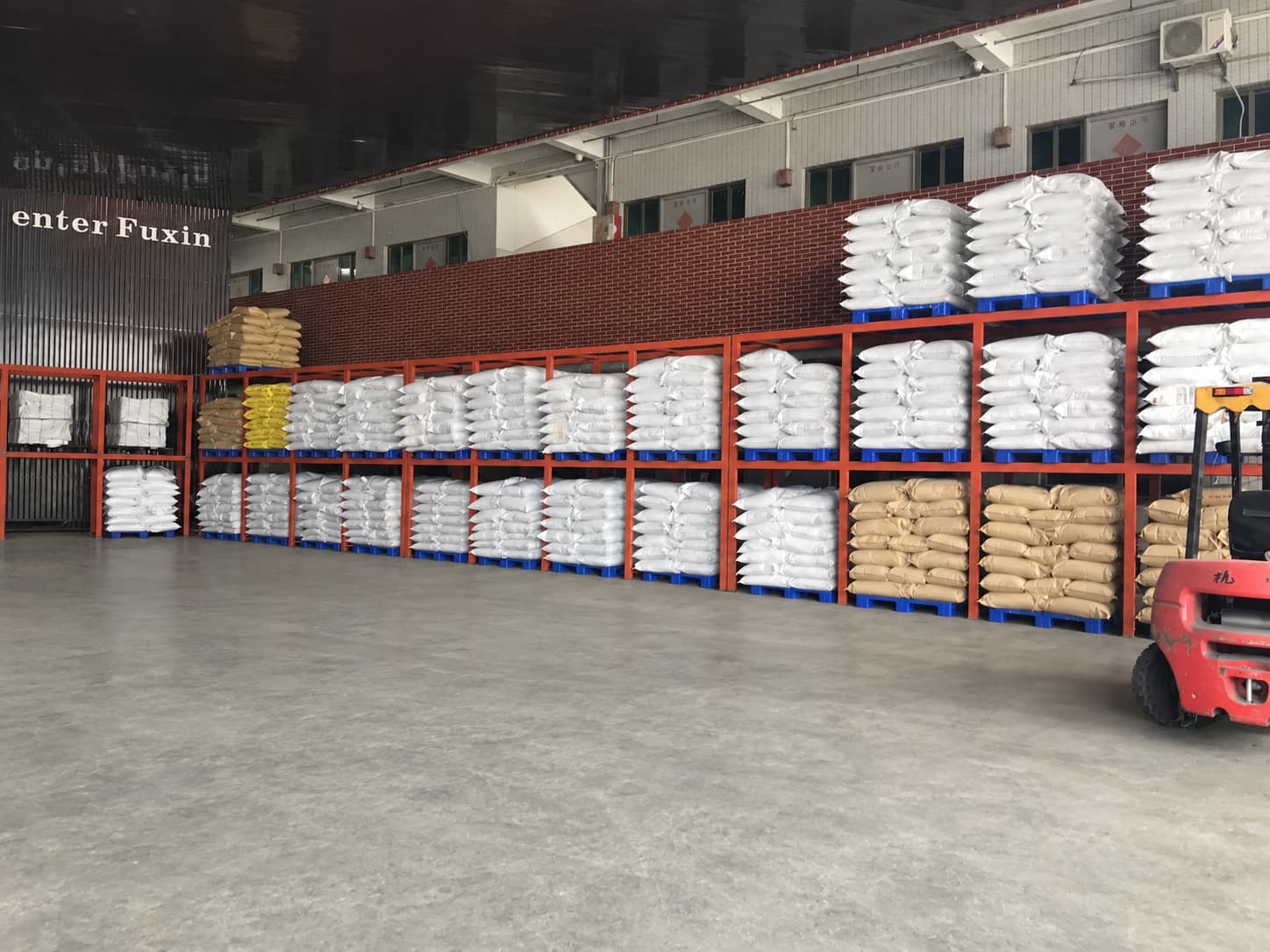
For bulk orders, batch traceability is important. Buyers should confirm product label information, batch number, net weight, production date, and packaging format before shipment.
Clear packaging and batch information can help with warehouse management, COA comparison, and customer feedback handling.
Realistic Discussion of Application Limits
A professional manufacturer should avoid exaggerated claims. Sodium alginate is commonly used in reactive textile printing paste, but final performance still depends on the buyer’s formulation and process conditions.
The supplier should explain what can be matched by grade selection and what needs to be confirmed through sample testing.
China Sodium Alginate Manufacturer FAQ
How can a buyer verify that a supplier is the actual manufacturer?
Review the legal company identity, manufacturing address, product and batch traceability, production and QC records, document issuer and the relationship between the quotation, sample label, TDS, COA and shipment. A factory video or visit can support the review but does not replace technical evidence.
How many COAs should be reviewed before qualification?
One COA confirms only one selected batch. Request several recent batches when consistency is commercially important, then compare the same specification fields and methods rather than averaging unrelated grades.
Should the lowest sodium alginate price win the order?
Not automatically. Compare identical grade and trade-term bases, then include effective dosage, preparation, filtration, color yield, wash-off, adjustments, rework and supply risk in the total cost evaluation.
How should the approved sample be linked to bulk supply?
Lock a permanent grade code, specification and test method; retain the approved reference; require the same identity on the quotation, purchase order, package and COA; and verify the first commercial batch before routine approval.
Cómo FSX Chemical apoya a los compradores de alginato de sodio
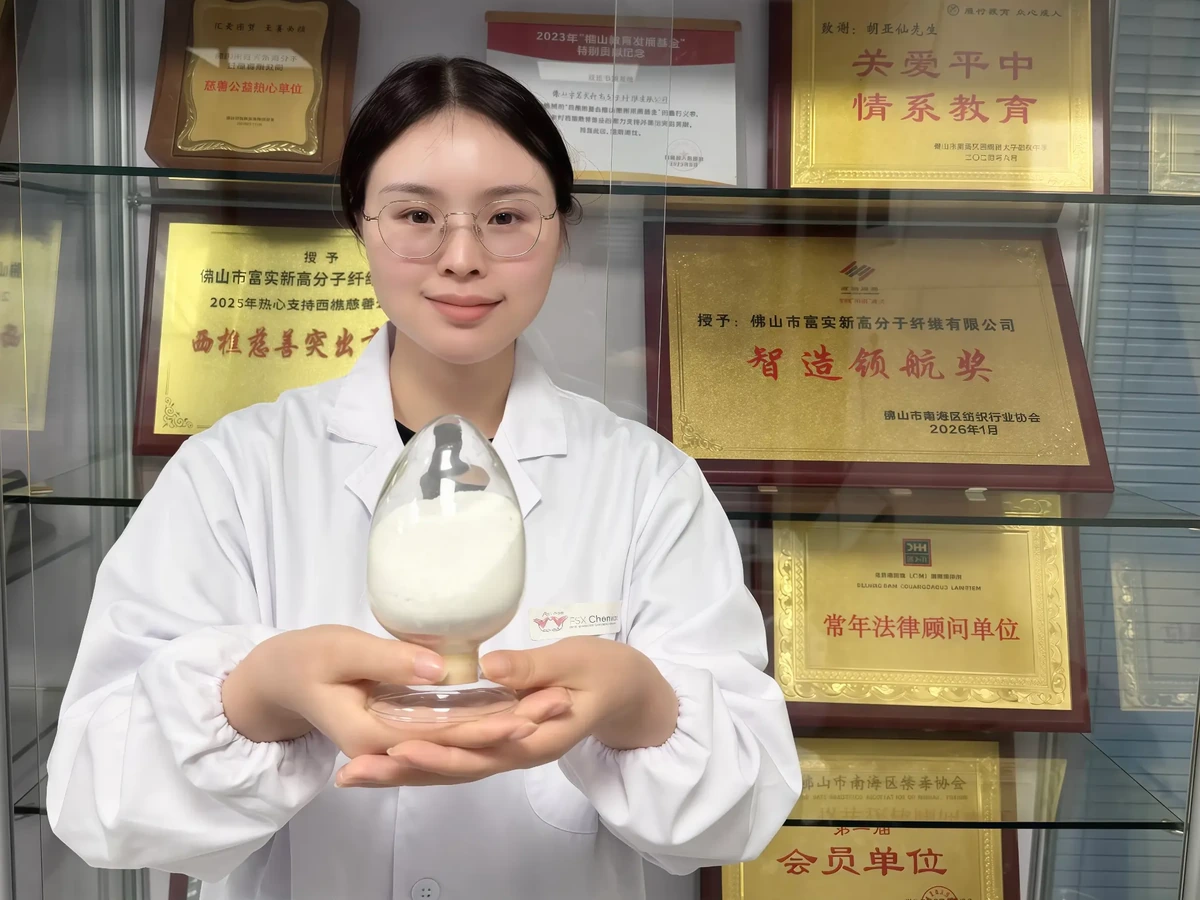
We do not suggest confirming sodium alginate only by price, product name, or broad supplier claims. The recommended grade should be reviewed through technical documents and tested in the buyer’s own formulation before bulk purchase.
Próximos pasos
- Solicitar un TDS — review viscosity range, mesh size, pH, moisture, appearance, storage conditions, and testing method.
- Solicitar un certificado de análisis (COA) — Verificar que los datos del lote se ajusten al rango de especificaciones acordado antes del envío.
- Solicita la equiparación de calificaciones — share your printing process, fabric type, target viscosity, current formulation, and existing product grade if available.
- Solicitar una muestra — test the recommended sodium alginate grade in your own paste preparation and printing conditions before confirming bulk orders.
- Confirmar los documentos de embalaje y exportación — Verifica el tamaño de las bolsas, las etiquetas, la trazabilidad de los lotes, la ficha de datos de seguridad (FDS), la factura, la lista de embalaje y otros documentos requeridos antes del envío.
- Póngase en contacto con nuestro equipo técnico — discuss which sodium alginate grade is suitable for your textile printing application📧 Correo electrónico: Service@fsxchemical.com