
 ES
ES  EN
EN  BN
BN  TR
TR  FR
FR  ID
ID  RU
RU  AR
AR  UR
UR 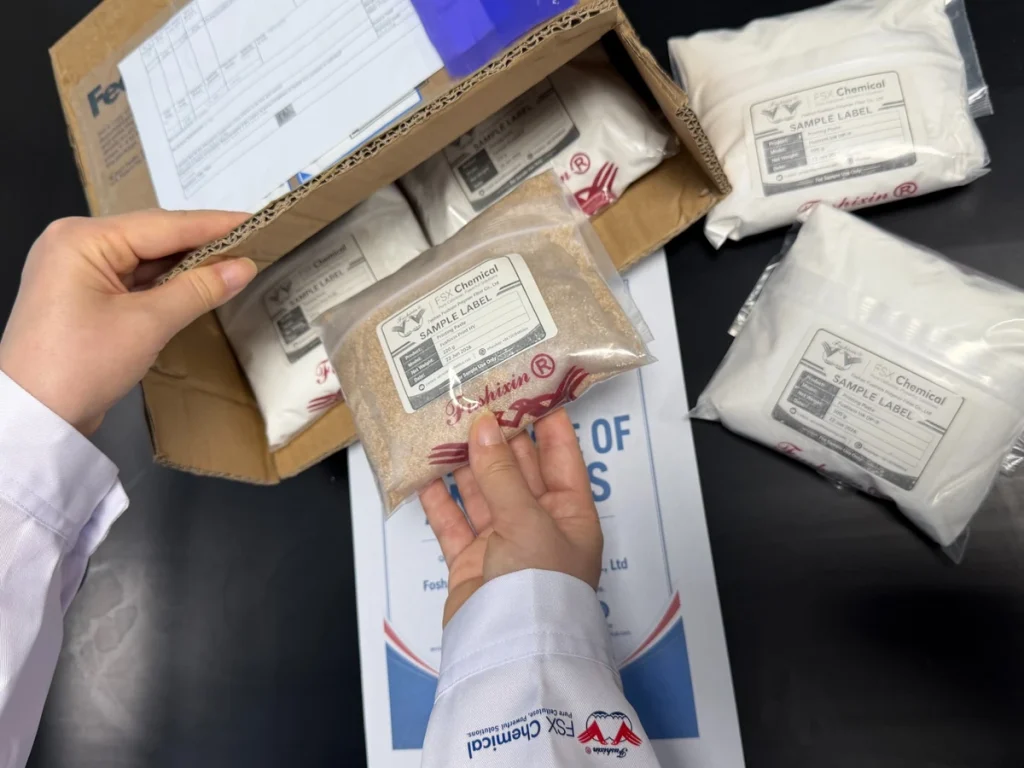
This guide explains what affects sodium alginate price for textile printing and what buyers should confirm before requesting a bulk quotation.
Why Sodium Alginate Price Cannot Be Compared by Product Name Alone
Different Grades Can Have Different Costs
A lower quoted price may not be useful if the grade does not match the buyer’s printing process or requires extra formulation adjustment.
Viscosity Data Must Include the Test Method
Viscosity is one of the most important parameters affecting grade selection and price comparison. Buyers should confirm the viscosity range together with the test concentration, temperature, instrument method, and unit.
Without a clear test method, viscosity values from different suppliers may not be directly comparable.
Application Fit Affects Total Use Cost
For textile printing, total use cost is not only the purchase price. It may also include dissolution time, filtration behavior, paste stability, production adjustment, sample testing, rejection risk, and repeat order consistency.
Buyers should compare product performance in their own formulation before judging whether a quotation is truly cost-effective.
Main Factors That Affect Sodium Alginate Price
Application and Grade Requirement
A sodium alginate grade for reactive printing paste may have different requirements from a grade used in another formulation system. Buyers should first clarify the application before requesting a price.
Useful information includes printing method, fabric type, dye system, target viscosity, paste preparation method, and current product grade if available.
Viscosity Range and Specification Control
Grades with different viscosity ranges or tighter specification control may be quoted differently. Buyers should request the TDS and review the standard specification before comparing suppliers.
The COA should then be used to confirm the actual data of each production batch.
Tamaño de malla y comportamiento de disolución
El tamaño de malla puede influir en la dispersión y la hidratación durante la preparación de la pasta. Sin embargo, el comportamiento real de disolución también depende de la calidad del agua, la velocidad de agitación, el método de adición, el tiempo de preparación y las condiciones de la formulación.
If solubility or paste smoothness is important, buyers should test samples before confirming bulk pricing.
Order Quantity and MOQ
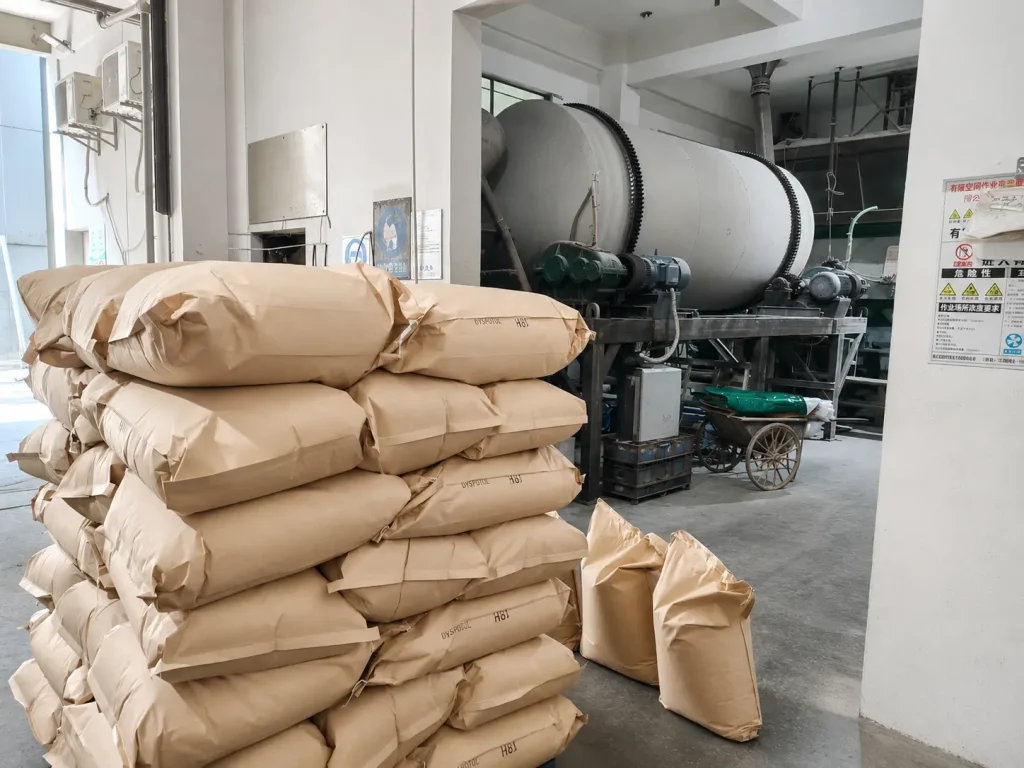
Order quantity can affect quotation structure because production planning, packaging, inland transport, export handling, and shipment preparation may differ between sample orders, small trial orders, and bulk orders.
Buyers should confirm MOQ, trial order quantity, bulk order quantity, and whether the quotation is based on a specific packaging format.
Packaging and Label Requirements
Standard packaging, customized labels, pallet requirements, distributor packaging, or special marking may affect the final quotation.
Packaging details should be confirmed before order confirmation, especially for distributors or buyers with internal warehouse requirements.
Incoterms, Freight and Destination
A sodium alginate quotation may change depending on whether the buyer requests EXW, FOB, CFR, CIF, DAP, or another trade term. Freight, port charges, destination costs, and document requirements can affect the final landed cost.
When comparing suppliers, buyers should make sure the quoted trade terms are the same.
Documents Buyers Should Request Before Comparing Price
TDS para la revisión de especificaciones
La hoja de datos técnicos ayuda a los compradores a revisar las especificaciones estándar del producto. Debe incluir la apariencia, la viscosidad, el tamaño de malla, la humedad, el pH, las condiciones de almacenamiento y el método de prueba.
The TDS helps buyers compare grades more professionally instead of comparing only product names.
COA para la confirmación de lotes
El Certificado de Análisis confirma los datos reales de un lote de producción específico. Es importante para los pedidos al por mayor, las compras recurrentes, el abastecimiento a los distribuidores y el control de calidad interno.
Los compradores pueden comparar los registros de los certificados de análisis (COA) de distintos envíos para verificar si los parámetros clave se mantienen dentro del rango acordado.
Revisión de la ficha de datos de seguridad (FDS) para la manipulación y el envío
La hoja de datos de seguridad sirve de guía para la manipulación, el almacenamiento, el transporte y la revisión interna de seguridad. En el caso de las compras internacionales, la hoja de datos de seguridad también puede ser necesaria para el envío y las comunicaciones relacionadas con las aduanas.
Los compradores deben asegurarse de que el nombre del producto que figura en la ficha de datos de seguridad (FDS) y la información del proveedor coincidan con los documentos del pedido.
Export Documents
For international purchasing, buyers may need invoice, packing list, COA, SDS, labels, and other export-related documents. The required document list may vary by destination country, product type, and internal purchasing process.
Se deben confirmar los requisitos de documentación antes del envío para evitar retrasos en la revisión interna o en la comunicación con la aduana.
How to Compare Sodium Alginate Quotations
Compare the Same Grade Requirement
Before comparing prices, buyers should confirm whether each supplier is quoting a similar viscosity range, specification, packaging, order quantity, and trade term.
A quotation with a lower price may not be comparable if it is based on a different grade, different packaging, or different shipment term.
Check Sample Results Before Bulk Purchase
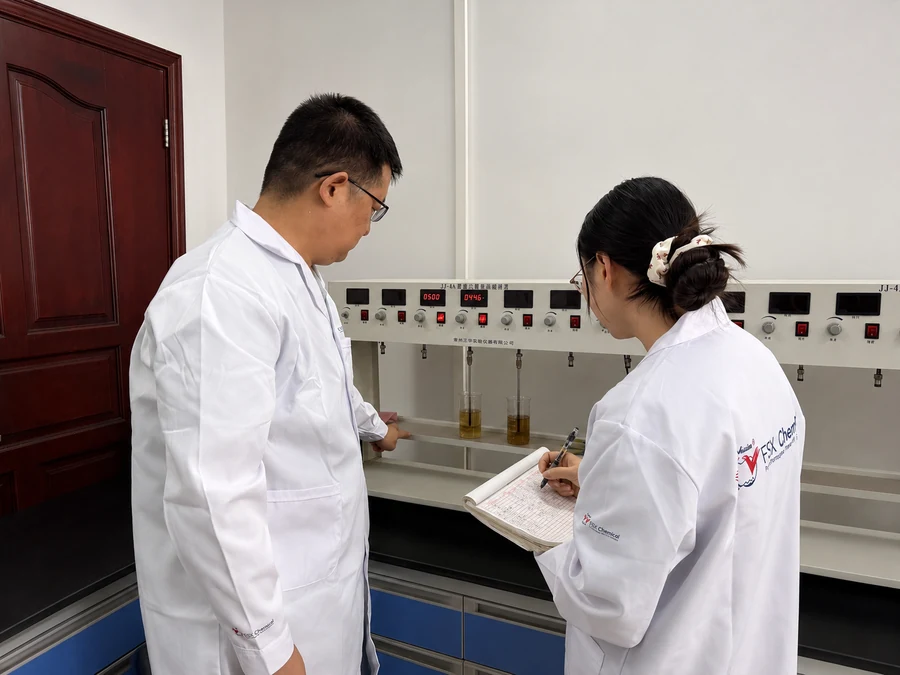
Sample testing should be done in the buyer’s own printing paste formulation whenever possible. Dyes, auxiliaries, water quality, pH, stirring method, paste concentration, and standing time can all affect final paste behavior.
Buyers should observe dissolution speed, paste smoothness, lump formation, filtration behavior, viscosity stability, screen passing, and application handling.
Confirmar la consistencia entre la muestra y el producto a granel
Before confirming a bulk order, buyers should check whether the approved sample and bulk shipment will follow the same viscosity range, mesh size, packaging format, batch traceability, and COA requirements.
This helps reduce the risk of sample approval but unstable production performance later.
Calculate Landed Cost, Not Only Unit Price
For import buyers, the real purchasing cost may include product price, inland cost, freight, insurance, destination charges, customs-related costs, storage, and internal handling.
Buyers should compare landed cost when making a final supplier decision.
Common Mistakes When Asking for Sodium Alginate Price
Requesting Price Without Application Details
If the buyer only asks for “sodium alginate price,” the supplier may not know which grade to quote. This can lead to inaccurate price comparison and unnecessary sample testing.
Buyers should provide application, target viscosity, printing method, fabric type, and existing grade information if available.
Comparing Prices Without Test Methods
Two viscosity values may look similar but may be measured under different conditions. Buyers should confirm the testing method before comparing prices.
Ignoring Packaging and Shipment Terms
Packaging, pallet requirements, trade terms, freight, and destination costs can change the final landed cost. Buyers should compare quotations under the same conditions whenever possible.
Choosing Before Sample Approval
Price should not be the only reason to confirm a bulk order. For textile printing applications, sample testing and technical confirmation are necessary before bulk purchasing.
Information to Send When Requesting a Sodium Alginate Quote
- Application: reactive printing paste, screen printing, rotary printing, digital pretreatment, or other formulation use.
- Target viscosity range and the testing method used by your factory.
- Fabric type, dye system, paste preparation method, and current product grade if available.
- Required documents: TDS, COA, SDS, label, invoice, packing list, or customer-specific documents.
- Order quantity: sample quantity, trial order quantity, and expected bulk order quantity.
- Packaging preference: bag size, pallet requirement, label requirement, and warehouse handling needs.
- Trade term and destination port or country for freight comparison.
How FSX Chemical Supports Sodium Alginate Price Requests
Próximos pasos
- Comparte tu solicitud — tell us your printing process, fabric type, dye system, target viscosity, and current paste formulation.
- Solicitar equiparación de calificaciones — ask for a suitable sodium alginate grade before requesting final bulk pricing.
- Solicitar un TDS — Revisa la viscosidad, el tamaño de malla, el pH, la humedad, el aspecto, las condiciones de almacenamiento y el método de prueba.
- Solicitar un certificado de análisis (COA) — Verificar que los datos del lote se ajusten al rango de especificaciones acordado antes del envío.
- Solicitar una muestra — test the recommended sodium alginate grade in your own paste preparation and printing conditions before confirming bulk orders.
- Confirm Quotation Details — check grade, specification range, MOQ, packaging, order quantity, payment terms, shipment terms, and document requirements.
- Confirmar los documentos de embalaje y exportación — Verifica el tamaño de las bolsas, las etiquetas, la trazabilidad de los lotes, la ficha de datos de seguridad (FDS), la factura, la lista de embalaje y otros documentos requeridos antes del envío.
- Póngase en contacto con nuestro equipo técnico — discuss sodium alginate grade selection and quotation details for your textile printing applicnotificación📧 Correo electrónico: Service@fsxchemical.com