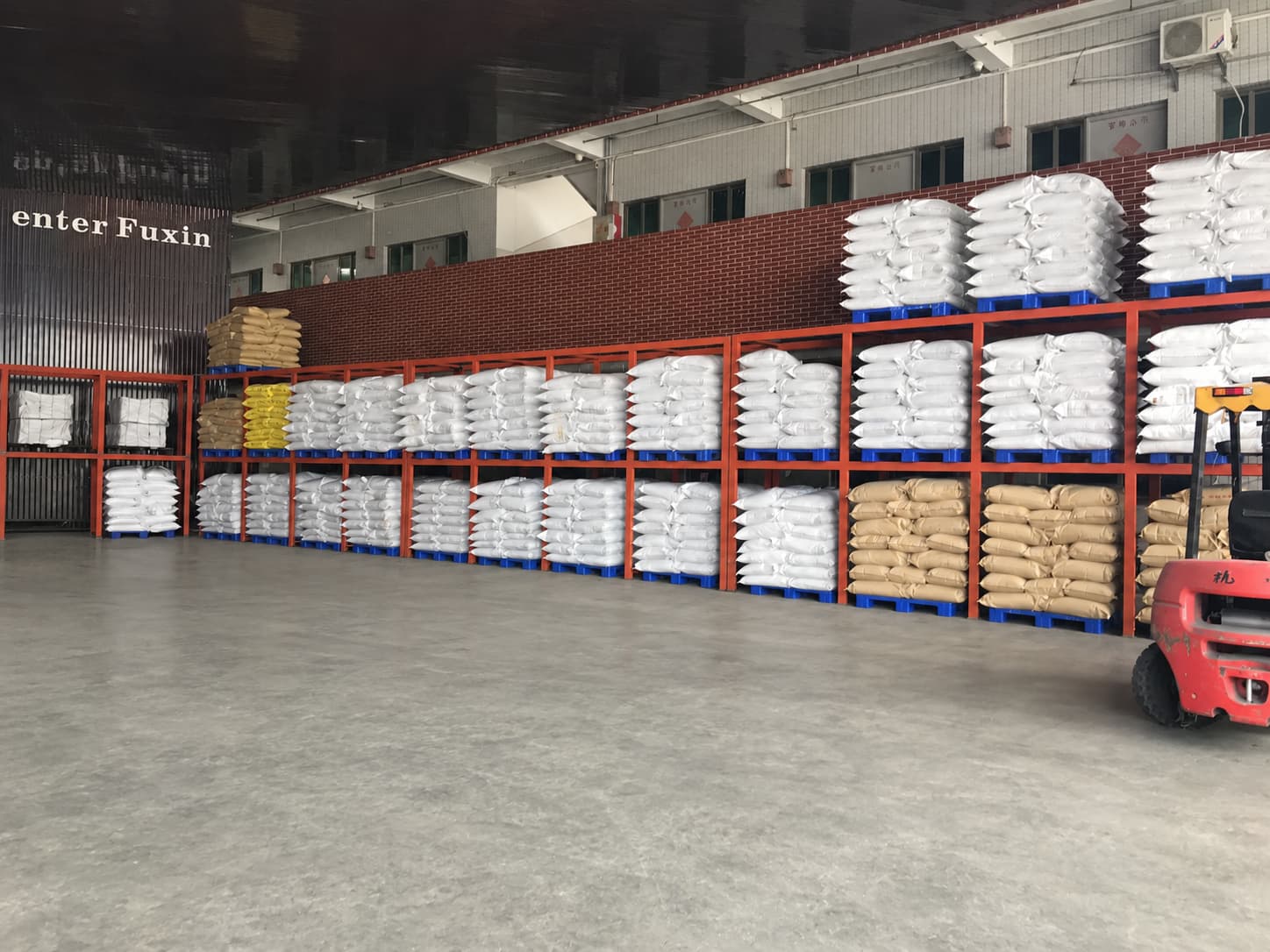

















Choose a reliable sodium alginate supplier by checking how the approved grade is maintained over repeat orders: agreed specifications, identifiable lots, reproducible tests, change notification and investigation of a reported difference. Initial sample approval is one decision; continued supply approval depends on the evidence from later batches and your actual reactive-printing process.
This guide explains how textile printing buyers can evaluate sodium alginate suppliers more professionally before requesting samples, comparing quotations, or placing bulk orders.
Why Supplier Selection Matters for Sodium Alginate
Product Name Alone Does Not Confirm Suitability
The same product name may cover different sodium alginate grades. Two products may look similar as powder, but they may behave differently during dissolution, paste preparation, and printing application.
Buyers should not confirm a supplier only because the product is called “textile grade sodium alginate” or “industrial grade sodium alginate.” The actual specification range and test result matter more.
Textile Printing Requires Stable Paste Behavior
For textile printing paste, viscosity, dissolution behavior, paste smoothness, filtration, and screen passing can affect production handling. If the sodium alginate grade is not suitable, the factory may face extra formulation adjustment or unstable printing results.
A reliable supplier should help buyers evaluate the grade according to real application conditions, not only provide a price list.
Repeat Orders Need Batch Consistency
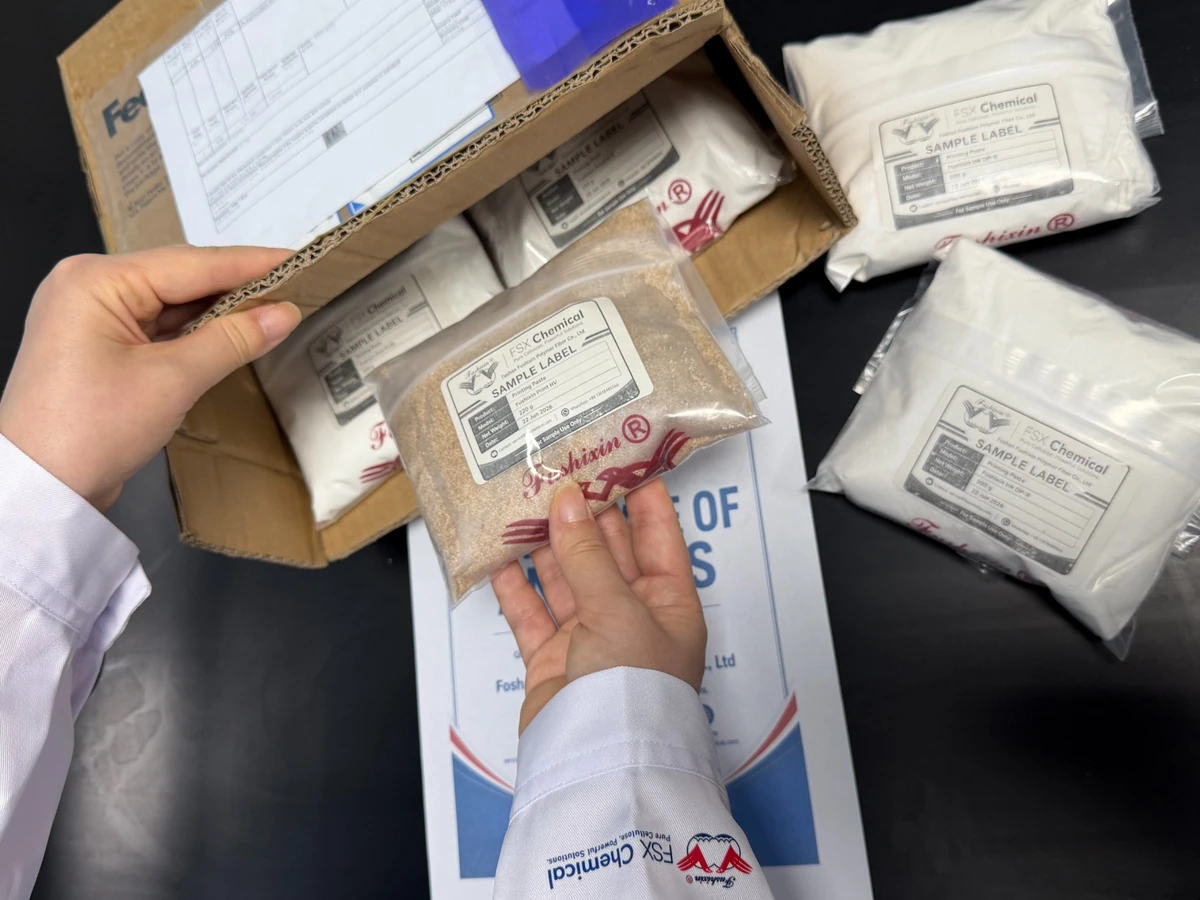
A good sample result is valuable only when future bulk shipments can remain within the agreed specification range. Buyers should confirm COA support, batch number, label information, and packaging format before bulk purchase.
This is especially important for distributors and factories that need stable repeat supply.
Start with Application Fit
Define the Printing Process
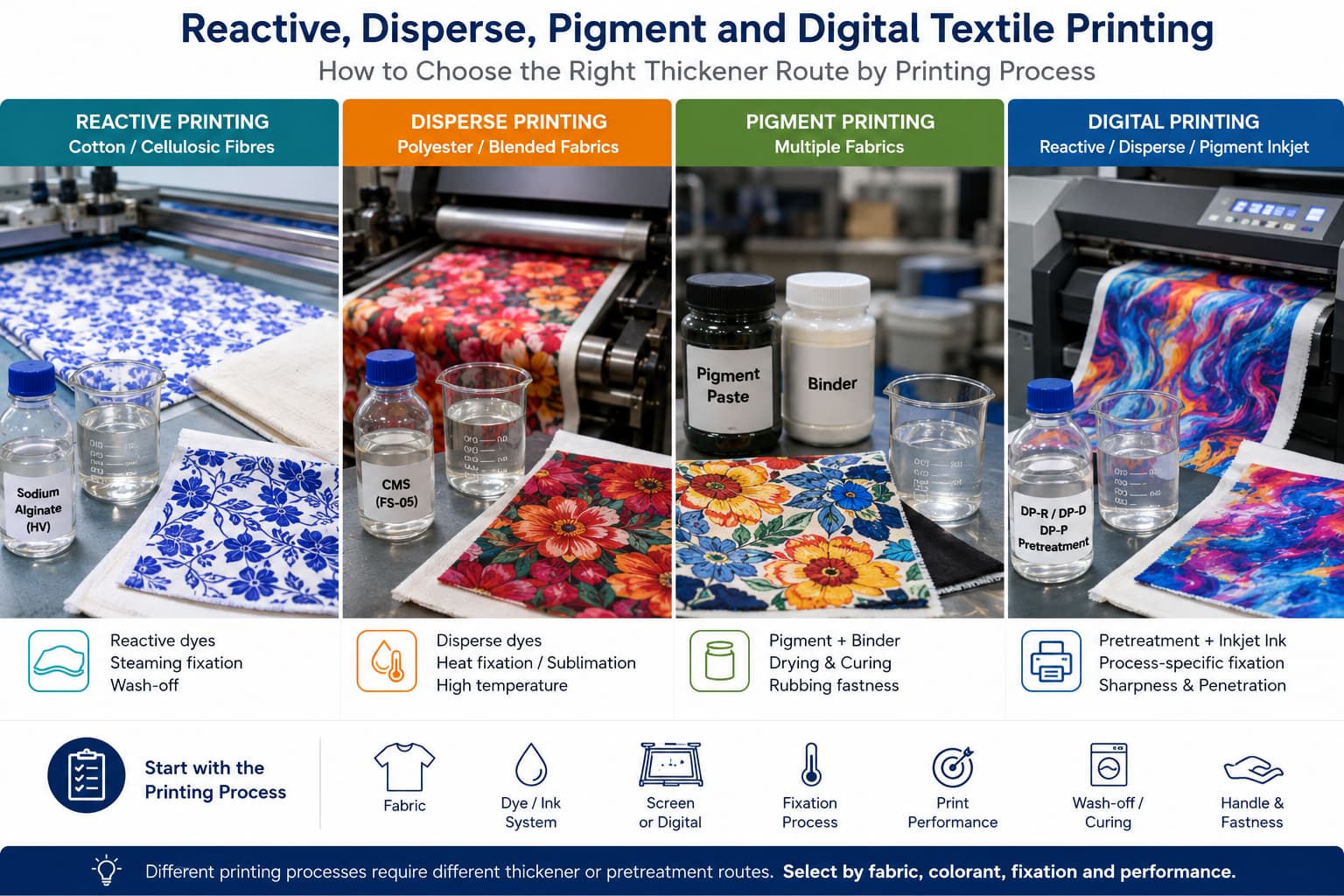
Define the actual route before grade matching. Reactive flat-screen or rotary-screen printing uses a working color paste; digital fabric pretreatment is applied to the textile before inkjet printing. Approval in one route does not establish suitability in another, and a fabric-pretreatment thickener is not an ordinary printhead-ink ingredient.
The supplier should ask about the buyer’s process before recommending a sodium alginate grade.
Share the Target Viscosity
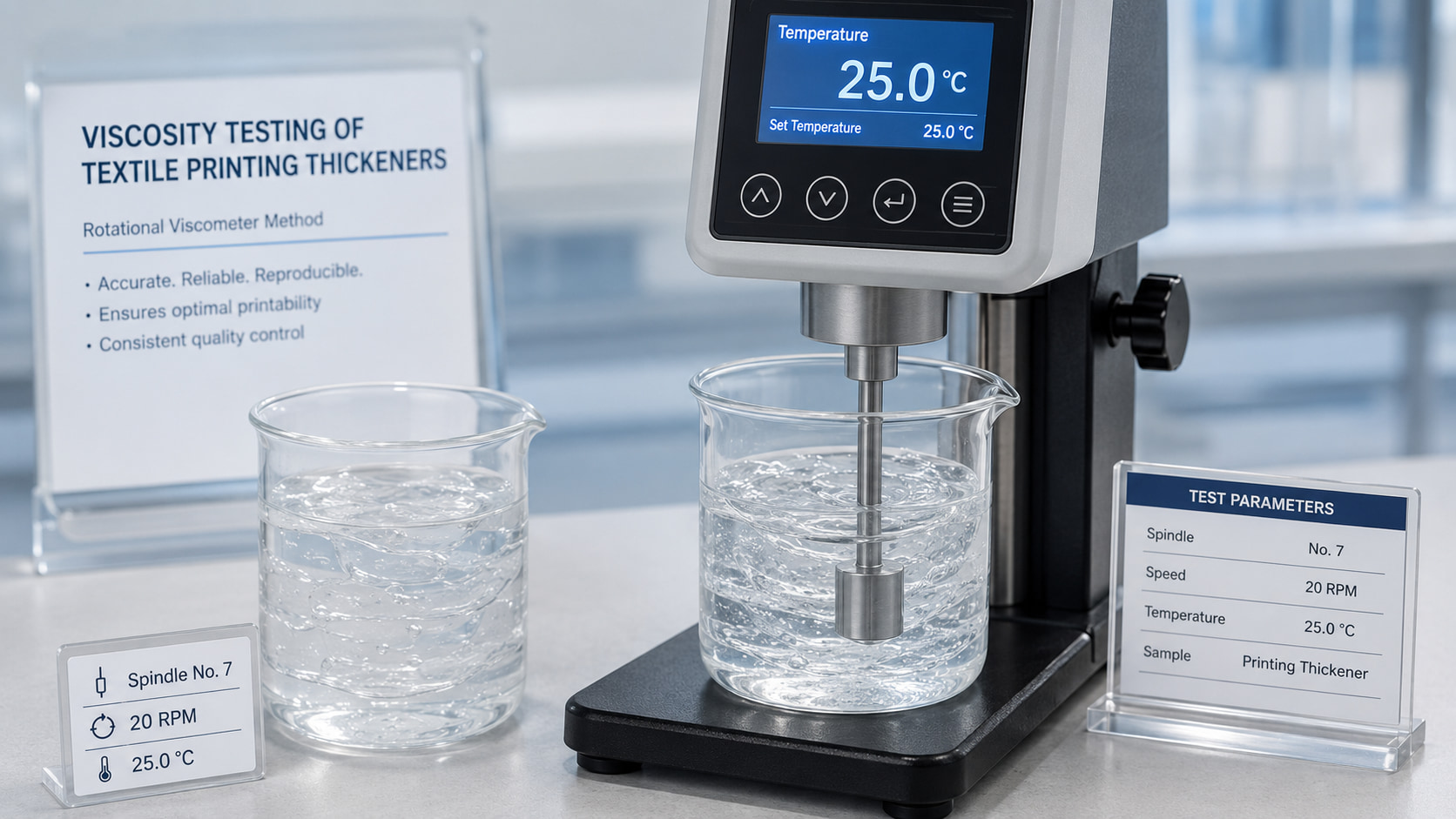
Share the target viscosity and unit with concentration and its mass basis, water and preparation conditions, hydration and rest times, temperature, instrument model, spindle, speed, container and reading time. Keep the powder-grade reference test distinct from the mill’s complete-paste test.
Without this information, supplier recommendations may be too general.
Provide Current Product Information
If the buyer is replacing an existing sodium alginate or another thickener, sharing the current TDS, COA, or sample specification can help the supplier recommend a closer starting grade.
This reduces unnecessary sample trials and makes the comparison more practical.
Key Specifications to Check Before Supplier Approval
Grado de viscosidad y método de prueba
Viscosity values should always be reviewed together with the testing method. Buyers should check the concentration, temperature, instrument method, and unit used by the supplier.
Sin un método de prueba claro, es posible que los datos de viscosidad de distintos proveedores no sean directamente comparables.
Tamaño de malla y comportamiento de disolución
El tamaño de malla puede influir en la dispersión y la hidratación durante la preparación de la pasta. Sin embargo, el comportamiento real de disolución también depende de la calidad del agua, la velocidad de agitación, el método de adición, el tiempo de preparación y las condiciones de la formulación.
Los compradores deben evaluar la velocidad de disolución, la formación de grumos, la textura de la pasta y el comportamiento de filtración en sus propias condiciones de producción.
Humedad, pH y aspecto
La humedad, el pH y la apariencia son indicadores de calidad básicos pero importantes. Influyen en el almacenamiento, la manipulación, el control de calidad interno y la repetición de compras.
Review the agreed limits and methods in the current specification. Identify which results are reported on each batch COA and which require a separate incoming check; an unreported property has not thereby been confirmed.
Specification Range and Tolerance
Buyers should ask whether the supplier can define an agreed specification range for repeat orders. This helps avoid misunderstanding when sample approval is converted into bulk supply.
The agreed range should be practical for production and reflected in batch COA data where applicable.
Documents a Reliable Sodium Alginate Supplier Should Provide
TDS para la revisión de especificaciones
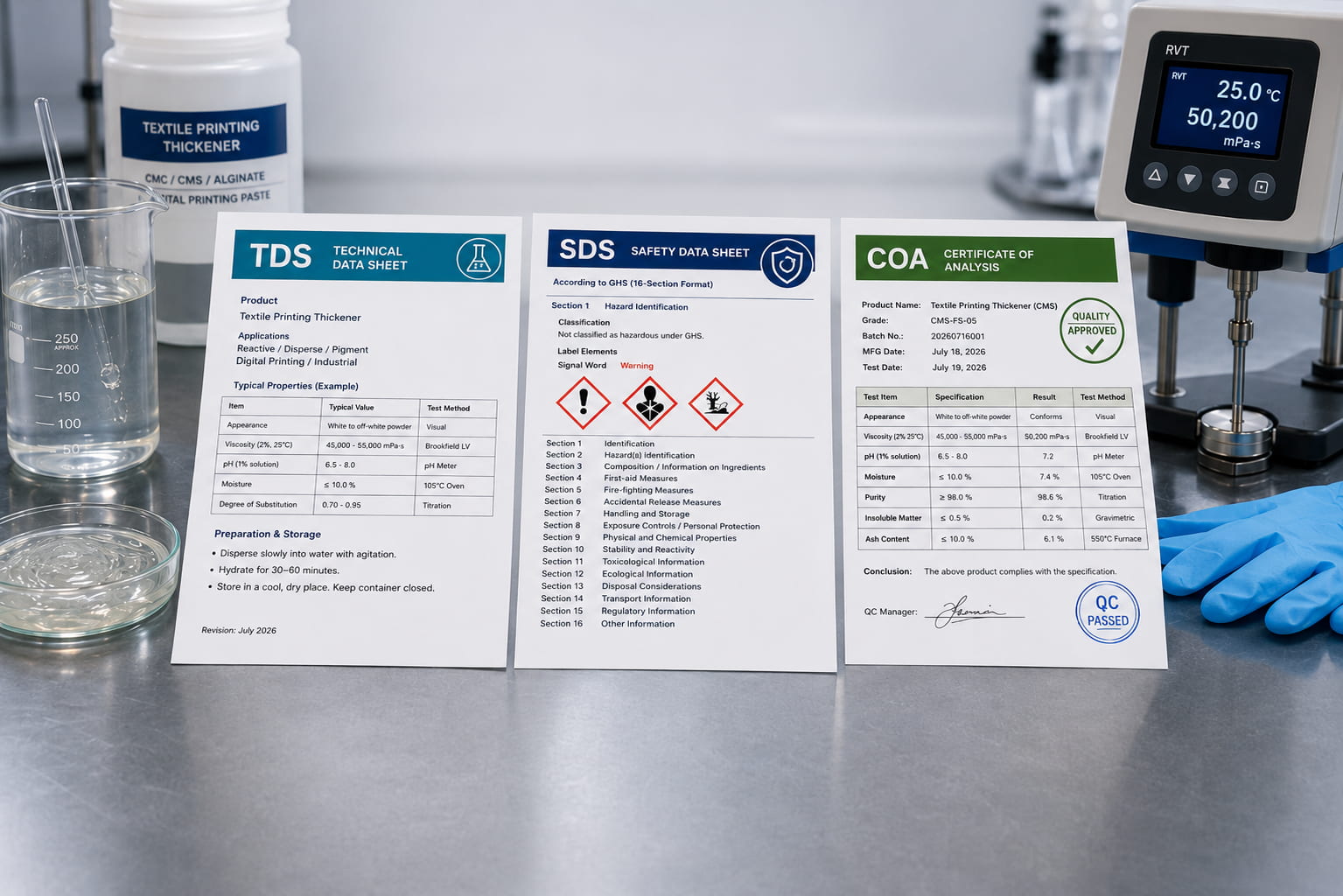
La hoja de datos técnicos ayuda a los compradores a revisar las especificaciones estándar del producto. Debe incluir la apariencia, la viscosidad, el tamaño de malla, la humedad, el pH, las condiciones de almacenamiento y el método de prueba.
El TDS sirve como prueba de clasificación inicial, pero no debe sustituir a los ensayos con muestras de la propia fórmula del comprador.
COA para la confirmación de lotes
A Certificate of Analysis reports selected results for an identified batch. Check the grade, lot, method, unit and limits against the order. It supports traceability and incoming review; it does not establish unlisted properties or finished-print performance.
Los compradores pueden comparar los registros de los certificados de análisis (COA) de distintos envíos para verificar si los parámetros clave se mantienen dentro del rango acordado.
Revisión de la ficha de datos de seguridad (FDS) para la manipulación y el envío
La hoja de datos de seguridad sirve de guía para la manipulación, el almacenamiento, el transporte y la revisión interna de seguridad. En el caso de las compras internacionales, la hoja de datos de seguridad también puede ser necesaria para el envío y las comunicaciones relacionadas con las aduanas.
Confirm that the SDS product identifier covers the offered grade. If a family-level document or a different seller and manufacturer name is used, request the product-to-document mapping and a clear explanation of the parties’ roles.
Documentos adicionales del cliente o de cumplimiento normativo
Si el comprador necesita declaraciones sobre sustancias restringidas, documentos ambientales, cuestionarios de auditoría para clientes, copias de certificados o apoyo en pruebas realizadas por terceros, dichos requisitos deben discutirse antes de la confirmación del pedido.
Un proveedor responsable debe explicar claramente qué documentos puede proporcionar y qué afirmaciones requieren pruebas o certificaciones formales realizadas por terceros.
How to Test a Sodium Alginate Supplier Before Bulk Purchase
Request a Sample for Actual Formulation Testing
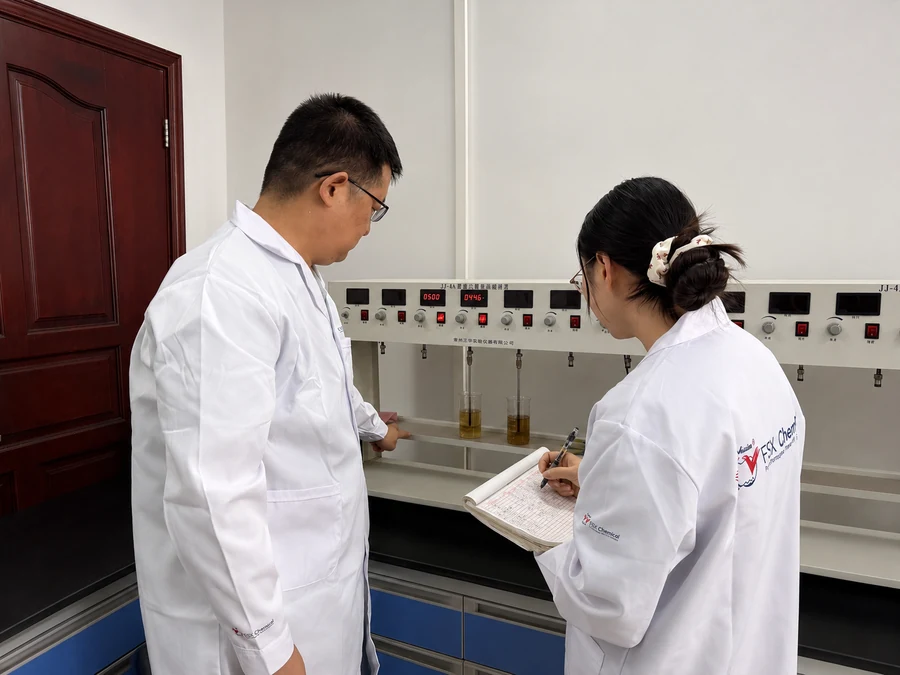
Sample testing should be done in the buyer’s own printing paste formulation whenever possible. Dyes, auxiliaries, water quality, pH, stirring method, paste concentration, and standing time can all affect final paste behavior.
Es posible que realizar pruebas únicamente en agua limpia no sea suficiente para confirmar si el tipo de alginato de sodio es adecuado para la producción.
Record Practical Production Behavior
During testing, buyers should observe dissolution speed, paste smoothness, lump formation, filtration behavior, viscosity stability, screen passing, and application handling.
Estas observaciones prácticas suelen ser tan importantes como los datos técnicos que figuran en la ficha técnica (TDS).
Comparar con el producto actual
If the buyer already uses sodium alginate or another thickener, the new sample should be tested against the current product under the same conditions.
This helps buyers evaluate whether the recommended grade is technically suitable before discussing bulk supply.
Confirmar la consistencia entre la muestra y el producto a granel
Before confirming a bulk order, buyers should check whether the approved sample and bulk shipment will follow the same viscosity range, mesh size, packaging format, batch traceability, and COA requirements.
This helps reduce the risk of sample approval but unstable production performance later.
What to Check in a Supplier Quotation
Grade and Specification
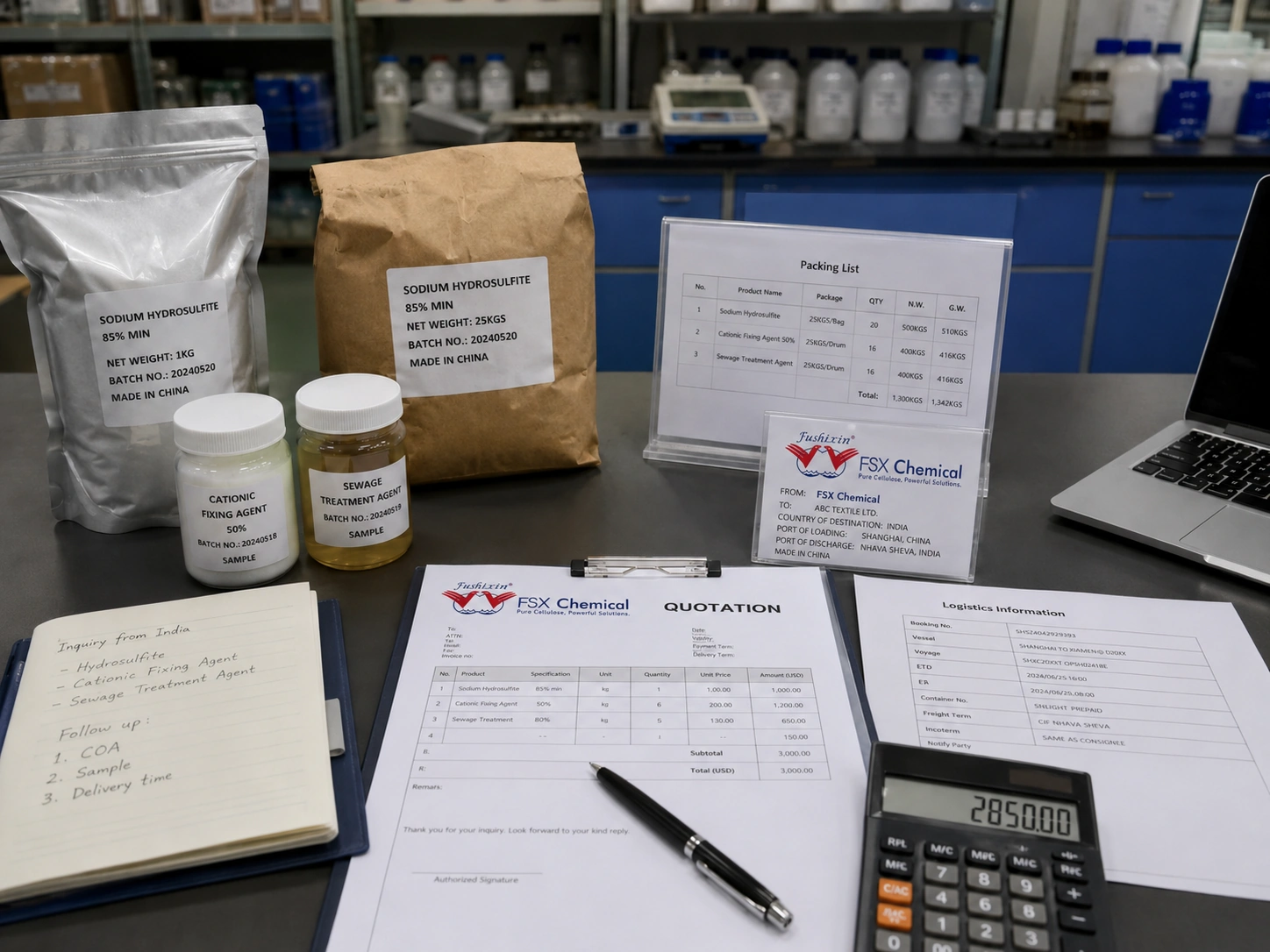
The quotation should clearly show product name, grade, viscosity range, testing method, packaging, order quantity, and trade terms.
Buyers should avoid comparing quotations that are based on different specifications or different shipment terms.
MOQ and Trial Order Quantity
MOQ, sample quantity, trial order quantity, and bulk order quantity should be discussed clearly. This helps buyers plan internal testing and repeat purchasing.
Packaging and Label Requirements
Packaging size, bag type, net weight, pallet requirements, label information, batch number, and storage conditions should be confirmed before shipment.
If the buyer has distributor labels or special packaging requirements, these should be discussed before order confirmation.
Export Documents and Shipping Terms
For international purchasing, buyers may need invoice, packing list, COA, SDS, labels, and other export-related documents. The required document list may vary by destination country, product type, and internal purchasing process.
Lead time, Incoterms, payment terms, and shipment plan should also be confirmed in writing before order confirmation.
Review a Repeat-Lot Difference Before Changing the Grade
Use this proposed review when a previously approved alginate lot gives a different result. Keep containment, investigation and the decision to resume use as separate records.
| Step | Record or compare | Decision boundary |
|---|---|---|
| Identify and contain | Received lot, package condition, storage, first affected paste or print and the previous successful reference. | Define the affected material and production before drawing a supplier-wide conclusion. |
| Align the comparison | Retained or newly sampled material prepared with matched water, concentration, hydration, measurement and complete-paste conditions. | Keep the original result and every repeat result; do not silently replace an unexplained failure with a passing retest. |
| Close and monitor | Identified cause or remaining uncertainty, agreed action, responsible contact and the next-lot verification. | A replacement delivery or recipe adjustment alone does not demonstrate that recurrence has been controlled. |
See the viscosity-method comparison guide for measurement details. If the evidence shows a deliberate grade, raw-material or specification change, review the scope of requalification before continuing under the old approval.
Common Mistakes When Choosing a Sodium Alginate Supplier
Choosing Only by the Lowest Price
A lower price may not be cost-effective if the product creates unstable viscosity, poor dissolution, filtration difficulty, or extra formulation adjustment.
Buyers should compare price together with specification, sample testing, COA data, packaging, and export support.
Accepting Broad Claims Without Documents
Claims such as “certified,” “eco-friendly,” “high-performance,” “fast delivery,” or “global supplier” should be supported by documents, agreed terms, or test data when they are important to the purchasing decision.
Ignoring Viscosity Test Method
Dos valores de viscosidad pueden parecer similares, pero pueden haberse medido con diferentes concentraciones, temperaturas o instrumentos.
Los compradores deben revisar el método de prueba antes de comparar proveedores.
Omitir la aprobación de la muestra
For textile printing applications, sample testing is necessary before bulk purchase, especially when replacing an existing product or changing supplier.
Cómo FSX Chemical apoya a los compradores de alginato de sodio
Próximos pasos
- Comparte tu solicitud — tell us your printing process, fabric type, dye system, target viscosity, and current paste formulation.
- Solicitar equiparación de calificaciones — ask for a suitable sodium alginate grade based on your production conditions.
- Solicitar un TDS — Revisa la viscosidad, el tamaño de malla, el pH, la humedad, el aspecto, las condiciones de almacenamiento y el método de prueba.
- Solicitar un certificado de análisis (COA) — Verificar que los datos del lote se ajusten al rango de especificaciones acordado antes del envío.
- Solicitar una ficha de datos de seguridad (FDS) — Revisa la manipulación, el almacenamiento, el transporte y la información del producto.
- Solicitar una muestra — test the recommended sodium alginate grade in your own paste preparation and printing conditions before confirming bulk orders.
- Confirm Quotation Details — check grade, specification range, MOQ, packaging, order quantity, payment terms, shipment terms, and document requirements.
- Confirmar los documentos de embalaje y exportación — Verifica el tamaño de la bolsa, las etiquetas, la trazabilidad del lote, la factura, la lista de empaque, el certificado de análisis (COA), la ficha de datos de seguridad (SDS) y otros documentos requeridos antes del envío.
- Request sample and grade matching — send the current grade or TDS, printing route and the specific repeat-lot difference. Póngase en contacto con FSX Chemical to agree the information needed for a controlled comparison.