Jawaban langsung: CMC can be evaluated as a rheology modifier or stabilizer in selected water-based flexographic and gravure formulations and in some substrate or textile pretreatments. It should not be assumed suitable for every resin, pigment or electrolyte system, and it should not be added to a printhead ink unless the ink formulator has validated purity, molecular weight, viscosity, filtration and nozzle reliability.
Bagaimana CMC Berfungsi dalam Formulasi Tinta Cetak
Peran sebagai Pengental dan Pengatur Rheologi
In a suitable water-based formulation, CMC can modify viscosity and transfer. Penurunan viskositas akibat geseran means lower apparent viscosity at a higher shear rate; it does not demonstrate time-dependent recovery after printing. Measure the flow response and, where relevant, recovery after a defined shear step using the same rest time, temperature and measurement sequence. Confirm transfer and film quality on the actual press.
A change in low-shear viscosity can affect settling behavior, but adding CMC does not by itself prove pigment dispersion stability. Compare the complete ink for sedimentation, flocculation, viscosity drift, filter residue and redispersibility over the intended storage conditions.
Kompatibilitas dengan Sistem Tinta Berbasis Air
CMC may be compatible with selected water-based acrylic, styrene-acrylic or water-soluble resin systems, but compatibility is formulation-specific. Resin charge, surfactants, pigments, salts, pH, biocide and shear history can change viscosity, stability and film performance, so the complete ink or coating must be tested.
Bahan ini umumnya tidak digunakan dalam sistem tinta berbasis pelarut atau yang dapat dikeraskan dengan sinar UV, di mana diperlukan pengubah reologi yang berbeda. Jika proses produksi Anda melibatkan beberapa jenis tinta, pastikan kompatibilitas CMC dengan masing-masing sistem sebelum menetapkan satu jenis CMC sebagai standar.
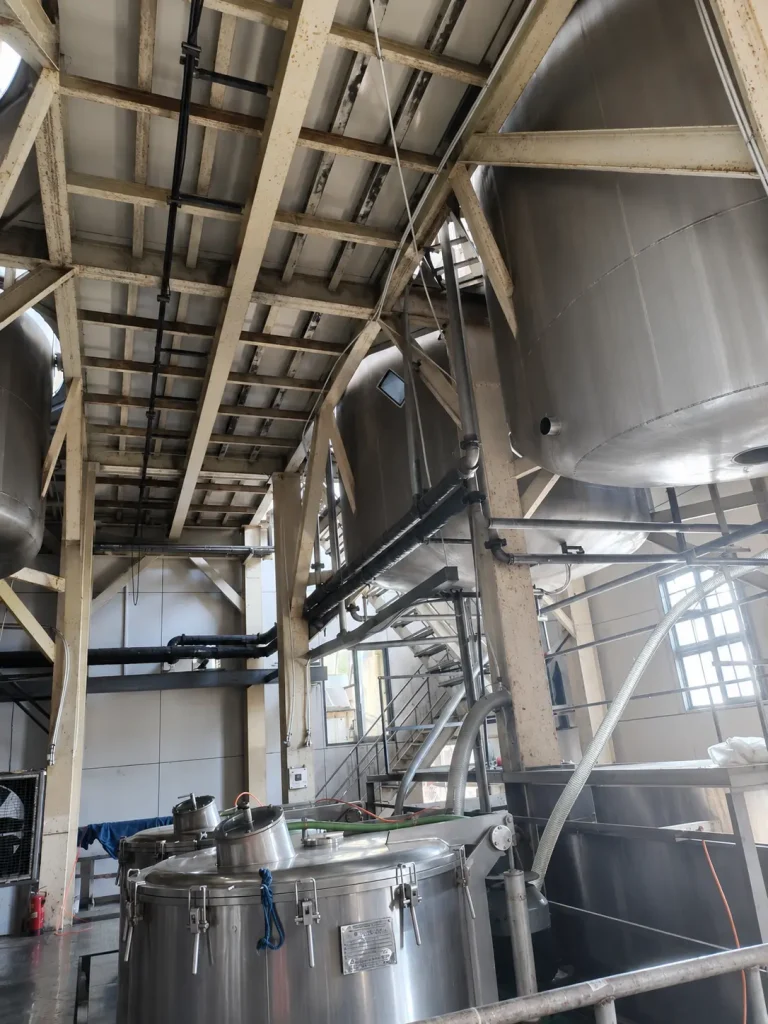
CMC Application Route and Qualification Risk
| Application route | CMC starting position | Critical qualification checks |
|---|---|---|
| Water-based flexographic ink | Possible formulation-specific rheology modifier | Binder and pigment compatibility, anilox transfer, foam, drying and final film |
| Water-based gravure ink | Only low-residue grades that maintain the required low viscosity | Filtration, cell release, transfer stability, drying and print definition |
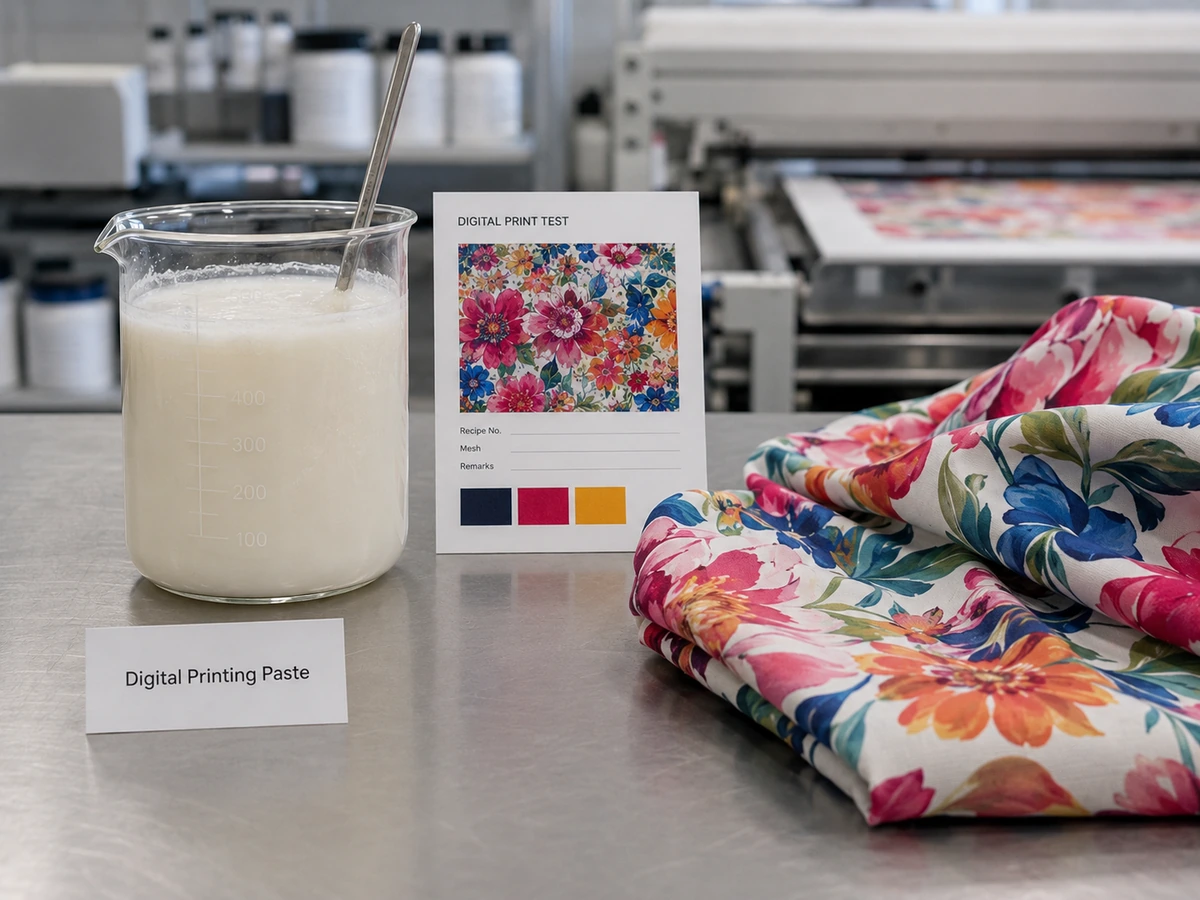
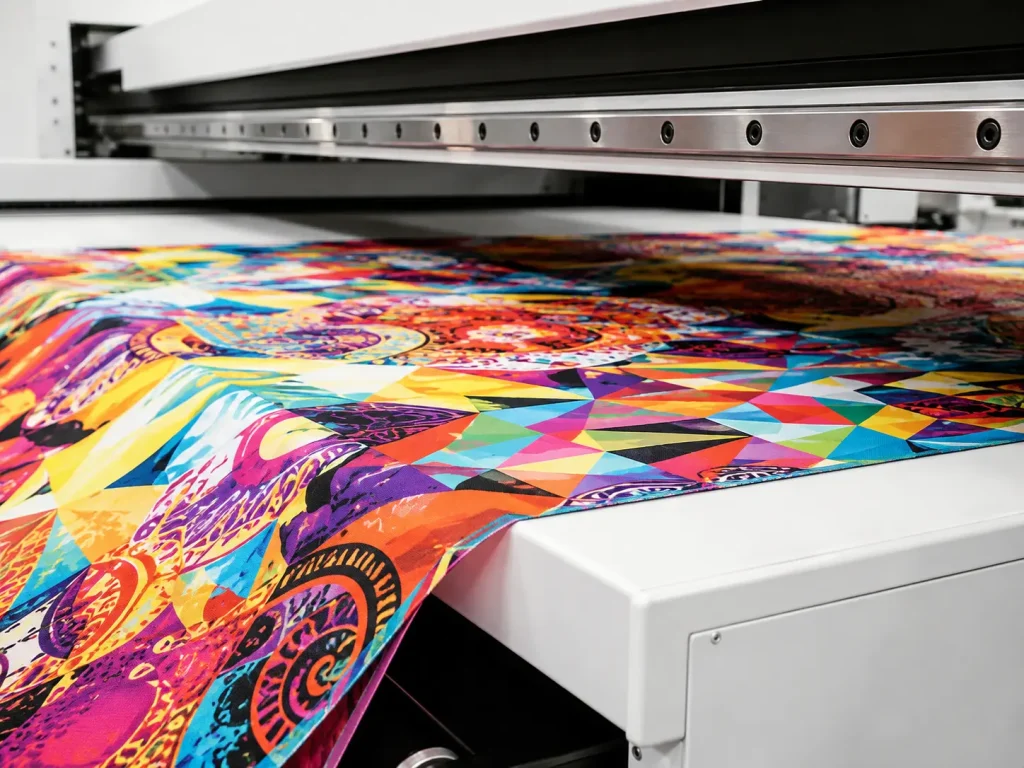
| Textile or paper inkjet pretreatment | Possible component in the substrate coating or padding bath | Application pickup, drying, ink holdout, color, hand feel and storage stability |
| Direct printhead ink | Do not add without ink-formulator validation | Purity, molecular weight, viscosity, microfiltration, jetting and long-run nozzle reliability |
| Solvent-based or UV-curable ink | Generally not the preferred starting route | Use a rheology modifier designed for the actual solvent or radiation-curing chemistry |
| Textile screen or rotary printing paste | Separate application with different grade requirements | Dye or pigment compatibility, rheology, screen passage, fixation and wash-off |
Aplikasi CMC Berdasarkan Proses Pencetakan
Water-Based Flexographic Ink and Related Systems
In selected water-based flexographic formulations, CMC may be evaluated to adjust low-shear body and support transfer stability on paper, board or suitable films. Suitability depends on the binder, pigment dispersion, anilox volume, drying conditions and target press viscosity.
Do not select a grade or dosage from a generic viscosity label. Begin with the ink formulator’s target viscosity and solids balance, then screen low-residue candidate grades at controlled additions while monitoring flow, foam, filtration, transfer, drying and film properties.
Pencetakan Gravure: Persyaratan Stabilitas Viskositas
In water-based gravure printing, control ink viscosity and solids as the formulation circulates and transfers from engraved cells. Record ink temperature and any approved water or ingredient replenishment. Evaporation and process additions can change the composition, so a viscosity change should not automatically be attributed to the CMC grade.
CMC dapat membantu menjaga stabilitas viskositas dalam formulasi tinta gravure berbasis air. Namun, jenis CMC harus dipilih dengan cermat — CMC berviskositas tinggi, bahkan pada konsentrasi yang rendah sekalipun, dapat membuat tinta gravure menjadi terlalu kental sehingga sulit dilepaskan dari sel. Jenis CMC dengan viskositas rendah hingga sedang pada konsentrasi yang dikontrol secara tepat lebih sesuai untuk aplikasi ini.
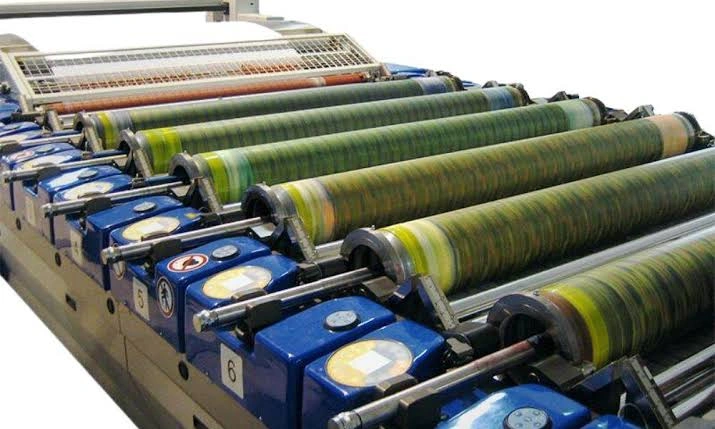
Inkjet Pretreatment: Match Grade to Application Method
Dalam pencetakan inkjet digital pada tekstil atau kertas, CMC digunakan dalam lapisan pra-perlakuan yang diaplikasikan pada substrat sebelum pencetakan, bukan pada tinta itu sendiri. Pra-perlakuan ini membantu meningkatkan daya rekat tinta, mengurangi efek feathering, dan mempertajam ketajaman warna pada permukaan substrat.
For a substrate pretreatment, choose the CMC grade and working concentration against the actual padding, spray or coating equipment and target deposit. Test hydration, filtration, application uniformity, drying and finished-print quality. There is no universal low-viscosity grade or dosage that qualifies every pretreatment route.
Parameter Utama Kelas yang Harus Ditentukan
Derajat Substitusi (DS)
DS is the average number of carboxymethyl groups per anhydroglucose unit in CMC. Request the grade-specific value or range and the test method. Select the grade through complete-formulation testing rather than applying one generic DS range to all printing inks.
DS alone does not establish hydration, filtration or ink compatibility. Preparation conditions and the particular commercial grade also matter. Compare dissolution and retained material under a documented water, concentration, feeding, mixing and hydration procedure; do not infer pass or failure from a single DS cutoff.
Rentang Viskositas
Viskositas harus disesuaikan dengan jenis tinta dan proses pencetakan. Sebagai panduan umum:
- Gravure ink and substrate pretreatment require a working formulation matched to the transfer or application equipment; a low-viscosity stock-solution label alone does not qualify the grade
- Low- or medium-viscosity CMC may suit selected water-based flexographic formulations when the complete ink remains stable and printable
- CMC berviskositas tinggi lebih relevan bagi formulasi pasta cetak tekstil daripada bagi tinta cetak komersial
Use the supplier’s stated solution concentration and mass basis, preparation and hydration conditions, instrument, spindle, speed, temperature, container, rest history and reading time. A grade value measured in water is separate from the complete ink or pretreatment result; compare each with a matched method.

Kemurnian dan Kelarutan
CMC harus larut sepenuhnya dalam air tanpa membentuk partikel gel yang tidak larut. Perilaku pelarutan harus diuji pada suhu persiapan dan metode pengadukan standar Anda, karena beberapa jenis CMC memerlukan air hangat atau waktu pengadukan yang lebih lama agar dapat larut sepenuhnya.
Perbandingan CMC dalam Pencetakan Tekstil dan Pencetakan Komersial
Persyaratan Reologi yang Berbeda
Textile screen paste, flexographic ink and gravure ink have different transfer geometries and formulation requirements. Match the rheology to the actual application rather than assuming one route always needs faster recovery or that a single viscosity label predicts performance.
Jika kegiatan operasional Anda mencakup aplikasi pencetakan tekstil dan komersial, sebaiknya tentukan jenis CMC yang berbeda untuk masing-masing aplikasi tersebut, daripada menggunakan satu jenis CMC yang sama untuk semua formulasi.
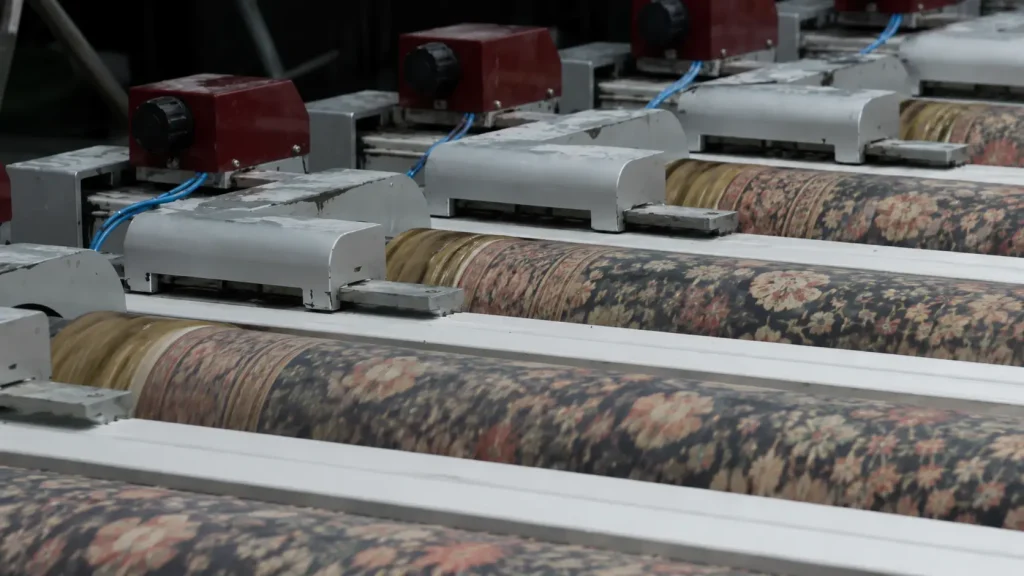
Memilih Tingkat yang Tepat untuk Setiap Proses
For textile printing, qualify the CMC grade against the actual dye or pigment system, binder or alkali package, fabric, screen and post-treatment. For water-based commercial inks, qualify it against the resin, pigment dispersion, press transfer and finished film. Do not transfer a DS range or grade approval from one route to the other.
Compare reference and candidate formulations on a recorded final-mass basis. Keep unchanged-recipe trials separate from dosage-optimized trials, and approve the finished print before comparing cost in use.
Hal-hal yang Perlu Dipastikan Sebelum Melakukan Pemesanan dalam Jumlah Besar
- TDS (Lembar Data Teknis) — Jajaran DS, spesifikasi viskositas (metode pengukuran dan konsentrasi), kemurnian, serta catatan mengenai kelarutan
- SDS (Lembar Data Keselamatan) — safety and handling information; confirm technical storage conditions and shelf life in the current TDS or supplier storage specification
- CoA (Sertifikat Analisis) — hasil pengujian khusus untuk batch pesanan yang sedang Anda pesan
- Jumlah sampel — untuk uji coba tinta atau pasta sebelum ditingkatkan ke skala produksi
Set the storage checks from the intended production and use window. Compare fresh material and aged samples under recorded temperature, container and evaporation conditions using the same measurement method. Any warm-storage stress test is a separate experiment, not automatically a validated shelf-life claim.
CMC for Printing Ink FAQ
Can CMC be added directly to textile inkjet ink?
Do not add it without ink-formulator and printer validation. Direct printhead inks require tightly controlled viscosity, particle or molecular profile, microfiltration, surface tension and jetting reliability. In textile inkjet workflows, CMC is more commonly evaluated in a fabric pretreatment or coating than in the ink supplied to the printhead.
Is CMC compatible with every water-based binder?
No. Compatibility depends on binder charge, pigment dispersion, surfactants, salts, pH, biocide and order of addition. Check for viscosity drift, flocculation, foam, separation, filtration residue and film changes in the complete formula.
Which CMC viscosity grade is suitable for printing ink?
There is no universal grade. Begin with the target press viscosity and formulation solids, then compare candidates under one defined CMC test method. Evaluate rheology and print performance at controlled additions rather than selecting from “low,” “medium” or “high” labels alone.
What should an ink formulator send for sample matching?
Provide the ink or coating route, substrate, binder and pigment system, current rheology modifier and dosage, target viscosity with test method, pH, salts, mixing order, filtration, press conditions and the problem to be solved.
Bagaimana FSX Chemical Mendukung Proses Pengadaan Anda
FSX Chemical supplies CMC across grade specifications. For a proposed water-based ink or textile-printing application, request the exact candidate grade and its current technical documents, then qualify it in the complete formulation and equipment route.
Jika Anda sedang merancang sistem tinta baru atau beralih dari bahan pengental lain, tim teknis kami dapat membantu dalam pemilihan jenis bahan pengental yang sesuai dengan proses pencetakan, bahan dasar, dan persyaratan formulasi Anda.
Langkah selanjutnya:
- Ajukan Permohonan TDS — untuk tingkat CMC yang sesuai dengan proses pencetakan Anda
- Minta Sampel — untuk melakukan uji coba formulasi sebelum melakukan pemesanan dalam jumlah besar
- Minta Pencocokan Grade — sebutkan jenis tinta, proses pencetakan, dan bahan dasar yang Anda gunakan agar kami dapat memberikan rekomendasi yang tepat
- Request CMC grade matching — share your current TDS, water-based ink or substrate-pretreatment route and main formulation problem. Hubungi FSX Chemical to discuss the next evaluation step.