ID
ID  EN
EN  BN
BN  UR
UR  TR
TR  RU
RU  AR
AR 
Where Sodium Alginate Comes From: The Seaweed Raw Material
Seaweed Species Used in Industrial Sodium Alginate Production
- Macrocystis pyrifera (giant kelp) — harvested primarily off the coasts of California and Chile; produces alginate with relatively high molecular weight and good viscosity
- Laminaria hyperborea — harvested in Norway and other North Atlantic regions; generally produces high-molecular-weight alginate with good gel-forming properties
- Laminaria japonica (also classified as Saccharina japonica) — cultivated extensively in China and Japan; the primary raw material source for Chinese sodium alginate production
- Ascophyllum nodosum — harvested in North Atlantic waters; produces lower-molecular-weight alginate compared to Laminaria species
- Sargassum species — used in some production regions, particularly in Asia; generally produces lower-viscosity alginate than Laminaria
The species used is not always disclosed on sodium alginate product datasheets, but it is worth asking about — particularly if consistent viscosity and molecular weight are important for your application. Different species have different alginate content and M/G ratio (mannuronate to guluronate ratio), which affects gel properties and viscosity behavior.
How Raw Material Quality Varies
Key raw material variables that affect finished sodium alginate quality include:
- Alginate content in the seaweed — higher alginate content in the raw seaweed generally allows more efficient extraction and a higher-quality product
- Heavy metal content — seaweed absorbs trace minerals from seawater; heavy metal levels in the raw seaweed affect the heavy metal specification of the finished product
- Seasonal variation — alginate content and molecular weight in seaweed vary by season; responsible producers harvest at optimal times and maintain consistent raw material specifications
The Sodium Alginate Manufacturing Process
Overview of the Extraction and Purification Steps
1. Pre-treatment of seaweed — Harvested seaweed is washed to remove salt, sand, and biological debris, then dried and milled to increase surface area for extraction.
2. Alkali extraction — The milled seaweed is treated with dilute sodium carbonate or sodium hydroxide solution, which converts insoluble alginic acid and calcium alginate in the seaweed cell walls into soluble sodium alginate. This step is carried out at controlled temperature and time to optimize yield while limiting degradation of the alginate polymer chains.
3. Separation of alginate solution from seaweed residue — The alginate solution is separated from the insoluble seaweed residue (cellulose, proteins, pigments) by filtration or centrifugation. This is one of the most important steps for product purity — incomplete separation leaves residue in the product that contributes to insoluble matter in the finished sodium alginate.
4. Precipitation — The clarified alginate solution is precipitated as alginic acid (by acidification) or calcium alginate (by addition of calcium chloride). The precipitate is separated from the liquor, which carries away much of the soluble impurities including sodium chloride.
5. Conversion to sodium alginate — The alginic acid or calcium alginate precipitate is treated with sodium carbonate or sodium hydroxide to convert it to sodium alginate.
Where Impurities Originate in the Process
Understanding which process steps generate which impurities helps explain why purity specifications matter and where supplier process control has the most impact:
- Sodium chloride (NaCl) — generated in the alkali extraction and precipitation steps; residual NaCl in the finished product is reduced by thorough washing of the precipitate before conversion and drying. Higher-purity grades require more extensive washing, which increases production cost.
- Insoluble matter — originates from incomplete separation of seaweed residue in the filtration step; also from partially degraded or crosslinked alginate chains that do not dissolve under standard conditions. Lower insoluble matter requires more thorough filtration and better separation equipment.
- Heavy metals — present in the seaweed raw material; reduced by raw material selection and by the washing steps in processing. Heavy metal levels in the finished product are largely determined by the raw material source and cannot be fully eliminated by processing.
- Kelembapan — controlled by drying conditions; higher moisture content reduces effective active content per unit weight and can accelerate microbial activity during storage.
How Molecular Weight Is Controlled
Producers control molecular weight by adjusting extraction parameters to target the viscosity grade being produced. Consistent molecular weight across batches requires tight process control of these parameters, which is why batch-to-batch viscosity consistency is a meaningful indicator of manufacturing process quality.
Some producers also adjust molecular weight through controlled depolymerization of high-molecular-weight alginate — using heat, oxidizing agents, or irradiation — to produce specific low-viscosity grades. The method used for molecular weight adjustment can affect other product properties, so if you are sourcing a low-viscosity grade, it is worth asking whether the grade is produced by controlled depolymerization or by direct extraction targeting that molecular weight range.
Why Manufacturing Process Affects Batch-to-Batch Consistency
Process Variables That Drive Batch Variation
Batch-to-batch variation in sodium alginate viscosity, purity, and solubility can originate at multiple points in the manufacturing process. The most common sources of variation include:
- Raw material variation — seasonal or sourcing changes in seaweed alginate content or molecular weight cascade through the process to affect finished product viscosity
- Extraction condition variation — temperature or time deviations in the alkali extraction step affect molecular weight and therefore viscosity
- Filtration efficiency variation — changes in filter condition or separation performance affect insoluble matter levels
- Drying condition variation — affects moisture content and can cause over-drying (which may affect product properties) or under-drying (which increases moisture content and reduces shelf life)
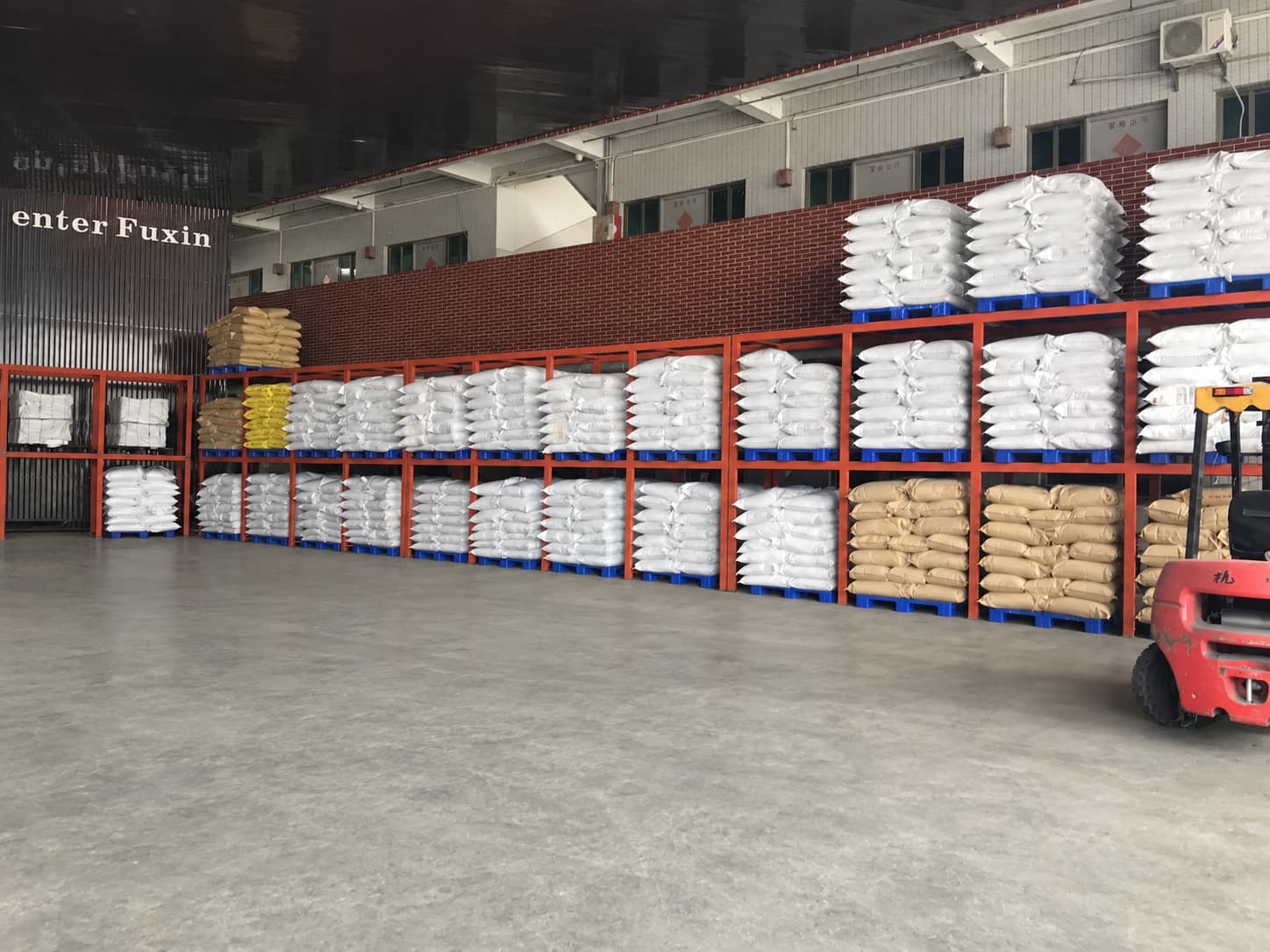
Suppliers with consistent raw material sourcing, automated process control, and rigorous in-process testing are better positioned to deliver consistent batch-to-batch product quality than those with variable raw material sources or manual process control.
What Consistent Manufacturing Looks Like in Documentation
From a procurement perspective, manufacturing consistency shows up in the documentation the supplier provides. Consistent manufacturing produces:
- CoA values that cluster closely around the TDS specification values — not CoA values that vary widely within a broad specification range
- Viscosity values across multiple batches that show low standard deviation relative to the specification range
- Insoluble matter values that are consistently well below the stated maximum, not periodically at or near the limit
Questions to Ask a Sodium Alginate Supplier About Their Production Process
The following questions help you assess a supplier’s manufacturing capability and raw material control — information that is relevant to long-term supply reliability and product consistency:
- Which seaweed species is used as the raw material for this grade, and is it cultivated or wild-harvested?
- Where is the seaweed sourced from, and how do you manage raw material consistency across seasons?
- What is the typical range of batch-to-batch viscosity variation for this grade? Can you provide CoA data from recent batches?
- Is molecular weight adjusted through controlled depolymerization for any grades, and if so, what method is used?
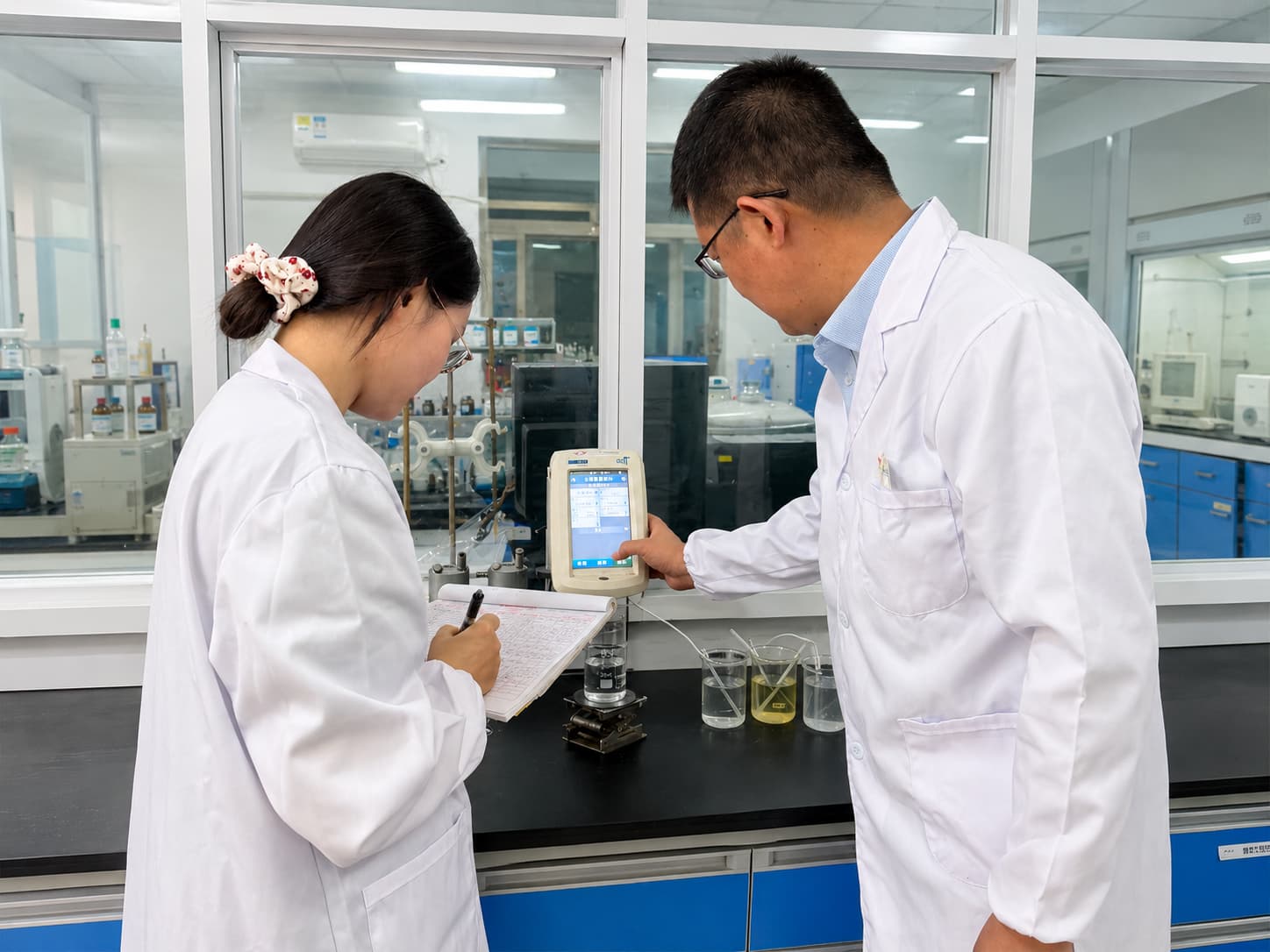
- What in-process quality control testing is performed, and at which process stages?
- What is your annual production capacity for this grade, and what lead times apply for standard and urgent orders?
How FSX Chemical Supports Informed Procurement Decisions
If you have questions about the raw material source, manufacturing process, or batch consistency for any grade we supply, our technical team can provide clarification to support your supplier evaluation.
Next steps:
- Request a TDS — review grade specifications including viscosity, DS, purity, and moisture content
- Request Multi-Batch CoA Data — assess batch-to-batch consistency before committing to a supply relationship
- Request a Sample — evaluate product performance under your preparation and production conditions
- Contact Our Technical Team — for questions about raw material sourcing, manufacturing process, or grade-specific production details📧 Email: Service@fsxchemical.com