Technical Comparison: CMC, CMS, and Sodium Alginate for Textiles
CMC, CMS and sodium alginate can all thicken textile printing systems, but their chemistry, rheology,...
This chemistry comparison covers CMC, confirmed carboxymethyl starch (called CMS in the chemistry sections) and sodium alginate. FSX CMS is a separate commercial synthetic printing-thickener family: its name does not establish starch composition or a DS value. Compare exact grades by preparation, rheology, complete-paste compatibility and finished-print results; similar viscosity does not establish interchangeability.
Textile printing thickeners are often compared by only two numbers: viscosity and price. That approach is too narrow for reliable technical selection.
CMC is a cellulose derivative; confirmed carboxymethyl starch is a starch derivative; sodium alginate is an alginate salt. Those chemical identities help frame a comparison, but they do not establish the composition, preparation or suitability of a separately marketed FSX CMS grade.
A sodium alginate grade that performs well in conventional reactive printing should not automatically be replaced weight for weight with CMC or CMS. Likewise, a CMC or CMS grade that performs well in a selected compound, disperse or specialty system should not be judged only by whether its viscosity matches an alginate reference.
The right comparison therefore begins with the printing process, fabric, dye or pigment system, test method and finished-fabric requirements.
This guide compares CMC, CMS and sodium alginate from the perspective of textile printing performance, grade selection, laboratory testing, supplier qualification and total cost in use.
Quick Comparison: CMC vs CMS vs Sodium Alginate
Scope of this chemistry comparison: CMS in the chemistry table and explanations means confirmed carboxymethyl starch. FSX CMS denotes a commercial synthetic printing-thickener family and must be evaluated against the exact grade’s current documents. Do not transfer the table’s starch origin or substitution chemistry to an FSX grade or blend. See the process-specific FSX thickener routes and confirm the exact grade before transferring these chemical assumptions to a purchase specification.
Parameter
CMC
CMS (confirmed carboxymethyl starch)
Натрий алгинаты
Polymer Origin
Modified cellulose
Modified starch
Alginate from brown algae
Main Structural Modification
Carboxymethyl substitution
Carboxymethyl substitution
Natural alginate salt structure
Reactive Printing Position
Selected formulations or compound systems
Selected formulations or compound systems
Common benchmark route
Disperse / Specialty Position
Selected systems
Grade-specific candidate; validate the complete formulation
This table gives a starting framework. Final suitability depends on the commercial grade and the printing system in which it is tested.
What Are CMC, CMS and Sodium Alginate?
The three identified materials in this chemistry comparison are polysaccharide-based rheology-control routes. That description applies to confirmed carboxymethyl starch here; it does not identify the polymer composition of FSX CMS commercial products.
CMC
Carboxymethyl cellulose is produced by introducing carboxymethyl groups into cellulose. Commercial grades can differ in degree of substitution, viscosity, purity-related parameters, molecular characteristics and application behavior.
CMS
Carboxymethyl starch is a modified starch in which carboxymethyl groups are introduced into the starch structure. Grades can be designed for different viscosity, hydration and application requirements.
Натрий алгинаты
Sodium alginate is the sodium salt of alginic acid, a polysaccharide obtained from brown algae. It has a long history as a thickener in conventional reactive textile printing.
The fact that all three are polysaccharide-based does not make their printing behavior identical.
1. Polymer Origin and Structure
Polymer origin influences the chemical structure from which each commercial thickener begins.
Cellulose-derived CMC
Cellulose is a linear polysaccharide. Carboxymethyl substitution changes its water solubility and ionic behavior, allowing CMC to function as a water-soluble thickener in many industrial systems.
Starch-derived CMS
Starch has a different molecular architecture from cellulose. After carboxymethyl modification, the resulting CMS can provide thickening and rheology functions suitable for selected textile formulations.
Algal sodium alginate
Alginate contains mannuronic-acid and guluronic-acid units. The sequence and molecular characteristics influence viscosity and gel-related behavior, particularly in the presence of multivalent ions.
These structural differences help explain why similar laboratory viscosity does not guarantee similar printing behavior.
2. Substitution Chemistry
CMC and CMS are chemically modified polymers, so substitution-related parameters can be important when comparing grades.
CMC degree of substitution
Degree of substitution, often abbreviated as DS, describes the average extent to which hydroxyl positions in the cellulose structure have been substituted by carboxymethyl groups.
DS can influence solubility and ionic behavior, but a higher DS should not automatically be interpreted as higher quality or better textile printing performance.
CMS substitution
A substitution specification can be relevant to confirmed carboxymethyl starch where its supplier documents it. Do not assign that chemistry or a DS requirement to an FSX CMS commercial synthetic thickener from the family name alone.
Натрий алгинаты
Sodium alginate is not selected through a CMC-style DS specification. Buyers should instead focus on the actual alginate grade, viscosity method, hydration, filtration and application behavior.
3. Viscosity
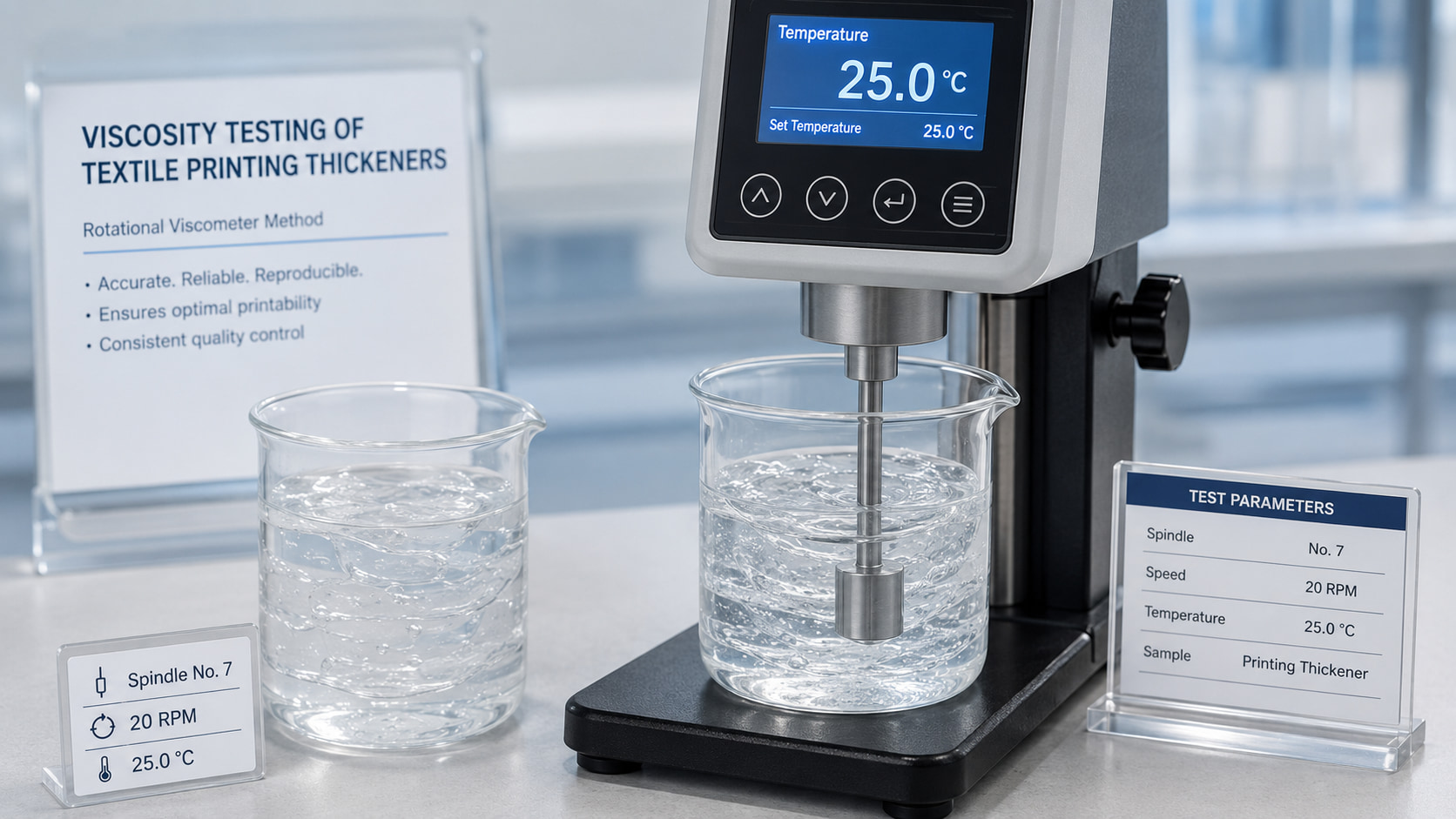
All three materials can generate viscosity in water, but viscosity comparisons are meaningful only when the test conditions are aligned.
Always define
Polymer concentration
Concentration basis
Water quality
Mixing procedure
Hydration time
Measurement temperature
Viscometer
Spindle, rotor or geometry
Rotational speed
Reading time
A 5,000 mPa·s result for one polymer cannot be treated as equivalent to 5,000 mPa·s for another polymer if the concentrations or methods differ.
Even with the same method, viscosity is still only one part of the technical comparison.
4. Rheology and Shear Response
Rheology is often more important than single-point viscosity for predicting printing behavior.
A textile paste experiences different shear conditions during storage, pumping, circulation, screen passage and transfer to fabric.
A useful printing thickener should balance
Low-shear structure
Flow under application shear
Structural recovery after transfer
Controlled penetration
Limited lateral spreading
CMC, CMS and sodium alginate can produce different shear-thinning and recovery profiles even when their measured viscosities are similar.
This is why a technical comparison should include multi-speed or other controlled rheological testing where possible.
5. Hydration and Dissolution
Preparation depends on the supplied form and identified chemistry. Powder CMC, carboxymethyl starch and alginate require appropriate dispersion and hydration; a commercial liquid or synthetic candidate may require a different dilution or activation sequence. Follow the exact grade’s documented process rather than applying a universal powder procedure.
Important preparation variables include
Powder addition rate
Mixing intensity
Water temperature
Hydration time
Batch size
Water quality
Poor wetting can create lumps that hydrate slowly and later appear as filtration residue.
Different grades can develop usable viscosity at different rates. Define preparation endpoints using uniformity, retained matter and repeat viscosity readings under the agreed method. Record actual preparation time; a fixed shared waiting period can leave one candidate incompletely prepared.
6. Filtration and Screen Passage
Filtration is one of the most useful practical tests for textile printing thickeners.
High residue can come from
Incomplete hydration
Gel particles
Foreign contamination
Chemical incompatibility
Fine screens and detailed designs can be especially sensitive to poorly hydrated or gelled material.
Use the same filtration method
Specify filter material and opening, sample quantity, pressure or gravity conditions, temperature and sampling time. Prepare each grade adequately first. Use a common applicable concentration for a method screen; for the use-level comparison, record each validated concentration and report residue on the declared paste and output basis.
Good filtration does not guarantee zero screen blockage, but it is a valuable comparative indicator.
7. Electrolyte and Chemical Response
All three materials are used inside multi-component formulations where salts, alkalis, dyes, pigments and other auxiliaries can change apparent viscosity or stability.
CMC
CMC grades can respond differently to ionic strength depending on grade characteristics and the complete formulation.
CMS
CMS should also be evaluated in the actual chemical environment rather than approved from clean-water viscosity alone.
Натрий алгинаты
Alginate is especially sensitive to multivalent ions such as calcium, which can create stronger structures or gel-like behavior.
Water quality and the complete chemical addition sequence should therefore remain controlled during comparison.
8. Compatibility with Reactive Dye Printing
Reactive dye printing is one of the areas where the differences among CMC, CMS and sodium alginate are particularly important.
Sodium alginate is a common benchmark because it provides useful rheological behavior while being comparatively less reactive toward reactive dyes than many hydroxyl-rich carbohydrate thickeners.
CMC and confirmed carboxymethyl starch are modified carbohydrate polymers; an FSX CMS commercial synthetic grade needs its own documented identity and reactive-printing qualification. For every candidate, assess dye response, fixation and wash-off in the complete paste rather than assuming a one-to-one replacement.
For reactive printing, compare
Complete paste viscosity
Реология
Реактивті бояғыштардың үйлесімділігі
Screen passage
Print definition
Бекіту
Жуып тасталатын
Final suitability should be determined from the finished textile after fixation and washing.
9. Use in Disperse Printing
Disperse printing, particularly on polyester, uses a different colorant and fixation route from reactive cotton printing.
CMS and selected CMC or compound systems can be evaluated depending on the commercial grade, disperse formulation and machine.
Important comparison areas include
Paste stability
Сүзу
Screen passage
Transfer
Solid-area uniformity
Thermal fixation compatibility
The best thickener route for reactive cotton should not be transferred automatically to disperse polyester.
10. Use in Pigment and Compound Systems
Pigment printing introduces binder chemistry, which changes the thickener requirements.
In these systems, CMC, CMS or alginate should not be selected independently of the binder, pigment dispersion and curing package.
Evaluate
Binder compatibility
Electrolyte tolerance
Paste stability
Реология
Print definition
Curing
Fabric hand feel
Application-specific compound thickeners may be useful when one polymer alone cannot provide the preferred balance.
11. Print Definition and Edge Sharpness
Sharp edges depend on the way the paste flows during application and recovers after transfer.
A useful thickener should support
Clean screen passage
Controlled transfer
Limited lateral spreading
Fast enough structural recovery
Stable fine-line reproduction
Higher viscosity is not automatically better. A high-viscosity paste can produce poor fine-line transfer if it is too resistant under application shear.
CMC, CMS and alginate should therefore be compared on actual diagnostic print patterns rather than by viscosity alone.
12. Penetration and Surface Control
Penetration depends on both the thickener and the fabric.
Excessive penetration can create
Weak surface appearance
Loss of fine detail
Unwanted strike-through
Insufficient penetration can create
Surface-heavy printing
Poor coverage in some constructions
Uneven visual appearance
The correct balance is fabric-specific. A candidate should therefore be printed on the actual production textile whenever possible.
13. Fixation and Wash-Off
The role of the thickener does not end when printing is complete.
Reactive systems require fixation and washing, while disperse and pigment routes use their own thermal or curing processes.
After post-treatment, compare
Final color
Background cleanliness
Print definition
Residual surface material
Fabric handle
Sodium alginate has an established position in reactive printing partly because its chemistry can support practical dye fixation and subsequent wash-off. CMC and CMS candidates should be evaluated through the same complete process before substitution decisions are made.
14. Holding Stability
Printing paste may remain in storage, circulation or production for hours. A technically acceptable thickener must therefore maintain useful behavior over the actual holding period.
Monitor
Тұтқырлық
pH where relevant
Көрінісі
Separation
Foam
Сүзу
A product that gives the correct viscosity immediately after preparation but drifts significantly during production may require reformulation or a different grade.
Sodium Alginate: Where It Is Strongest
Натрий алгинаты is especially important as a benchmark thickener for conventional reactive printing on suitable cellulosic textiles.
Its main strengths in this context include
Established reactive-printing use
Useful rheological behavior
Comparatively low reactivity toward reactive dyes
Good potential for print definition when properly matched
Practical wash-off in suitable formulations
Its limitations still need attention
Water quality
Multivalent-ion contamination
Гидратация
Сүзу
Supplier-to-supplier grade differences
Sodium alginate should therefore be selected by full application behavior, not only HV, MV or LV labels.
CMC: Where It Can Be Evaluated
CMC can be evaluated in selected textile printing, viscosity-control and compound-thickener systems.
Important CMC selection factors include
Алмастыру дәрежесі
Viscosity grade
Сынақ шоғырлануы
Гидратация
Сүзу
Electrolyte response
Реология
CMC can be attractive when the formulation benefits from its specific viscosity or compatibility profile, but it should not be described as a universal sodium alginate replacement.
CMS: Where It Can Be Evaluated
Confirmed carboxymethyl-starch grades need application-specific evaluation. The linked FSX CMS commercial synthetic-thickener family is a separate sourcing route: confirm the exact grade, supplied form, preparation and documented printing application instead of transferring starch chemistry from this comparison.
Important CMS evaluation factors include
Viscosity efficiency
Гидратация
Сүзу
Paste stability
Screen passage
Color-system compatibility
Effective dosage
CMS is often considered when cost-performance and compound formulation flexibility are important, but the final decision should be based on printing and post-treatment results.
When Compound Thickener Systems Make Sense
A compound system can combine CMC, CMS, alginate or other rheology-control components when one polymer alone does not provide the preferred balance.
Compound formulation may target
Base viscosity
Shear thinning
Structural recovery
Сүзу
Electrolyte tolerance
Holding stability
Print definition
Total cost in use
Compound does not automatically mean better. More components create more interactions, so the complete formula must be developed and controlled carefully.
Why the Same Viscosity Does Not Mean the Same Performance
One of the most common purchasing mistakes is to treat equal viscosity as proof of functional equivalence.
CMC, CMS and sodium alginate can differ in:
Polymer chemistry
Molecular characteristics
Substitution pattern
Hydration rate
Shear-thinning behavior
Structural recovery
Electrolyte response
Сүзу
Interaction with dyes or binders
Matching viscosity is therefore only the beginning of grade matching.
HV, MV, LV and Supplier Grade Labels
High-, medium- and low-viscosity labels are useful inside a supplier’s own product system but should not be treated as universal standards.
For sodium alginate
HV, MV and LV may represent different viscosity routes, but suppliers can define their ranges differently.
For CMC and CMS
Commercial grade names can also be supplier-specific. The grade code should be connected to the actual specification and test method.
Buyers should compare data rather than grade names.
How to Compare Grades Correctly
Define whether the trial compares an unchanged mill process, a common analytical method or adequately prepared grades at validated use levels. Keep measurement and final-fabric acceptance conditions comparable, while documenting grade-specific preparation. A failed fixed-time screen alone does not prove that a polymer family is unsuitable.
Comparison Area
What to Standardize
Қоюлану
Same calculation basis
Су
Same source and quality
Дайындау
Documented procedure for each form and grade; record addition, mixing and any activation difference
Гидратация
Adequate grade-specific preparation endpoint; record elapsed time and apply a defined measuring rest history
Тұтқырлық
Same instrument, temperature, spindle and speed
Сүзу
Same filter and sample quantity
Complete Paste
Same dye, pigment and auxiliaries
Мата
Same lot where possible
Басып шығару
Same machine and design conditions
Емдеуден кейін
Same fixation, curing or washing
Recommended Laboratory Comparison Workflow
Step 1: Define the process
Confirm reactive, disperse, pigment or another printing route.
Step 2: Define the fabric
Record fiber composition, construction and relevant preparation.
Step 3: Define the current benchmark
Record the current commercial grade, TDS, dosage and viscosity method.
Step 4: Align the laboratory method
Declare the dose basis and common water and measuring conditions. Prepare each grade adequately by its documented procedure; record elapsed time, temperature, mixing and any activation step. Keep an unchanged-process screening result separate from a later adjusted application trial.
Step 5: Compare stock properties
Көрінісі
Тұтқырлық
Гидратация
Сүзу
pH where relevant
Step 6: Compare rheology where possible
Multi-speed measurements can help explain differences hidden by one viscosity number.
Step 7: Prepare the complete printing paste
Use the actual production colorant and auxiliaries.
Step 8: Test holding stability
Repeat critical measurements after a production-representative waiting period.
Step 9: Print the actual fabric
Use a diagnostic design containing fine details and solid areas.
Step 10: Complete post-treatment
Evaluate the finished textile after fixation, curing and washing as required.
Step 11: Optimize dosage
Each candidate should be optimized separately after the baseline comparison.
Reactive Printing Comparison Example
Consider a cotton mill currently using sodium alginate successfully for flat-screen reactive printing.
Reference route
Sodium alginate is used as the benchmark because the current process has already established acceptable definition, fixation and wash-off.
CMC or CMS candidate
A CMC or CMS grade should not be selected solely to match the alginate viscosity. The candidate should be treated as a different polymer system.
Салыстыру
Stock viscosity under the same method.
Hydration and filtration.
Rheological behavior.
Complete reactive paste stability.
Screen passage.
Fine-line and solid-area printing.
Fixation.
Wash-off.
Effective dosage.
If the candidate produces acceptable final performance, it can be considered a validated alternative for that specific process. It should not be described as universally identical to sodium alginate.
Disperse Printing Comparison Example
A polyester printing mill may compare a current CMS or compound thickener with a new CMS, CMC or application-specific candidate.
Key comparison points include
Viscosity efficiency
Гидратация
Сүзу
Paste stability
Screen passage
Transfer
Solid-area uniformity
Thermal fixation
The polymer with the closest viscosity is not necessarily the one that behaves most similarly on polyester.
Total Cost in Use
CMC, confirmed carboxymethyl starch, sodium alginate and any separate FSX CMS candidate should not be compared by product price alone. Price actual consumption and operating inputs within the same production boundary, avoid overlapping charges, and compare monetary cost per accepted finished-fabric area after required post-treatment.
Cost Drivers to Measure and Price
Delivered product price
Effective dosage
Hydration and preparation time
Filtration loss
Screen cleaning
Machine downtime
Paste waste
Fixation and washing
Rejected fabric
Reprinting
A cheaper kilogram can become a more expensive printing system if the practical dosage is higher or the production window is less stable.
Commercial comparison should therefore be made only after the candidate dosage and production performance have been optimized.
How to Compare Suppliers
Supplier qualification should combine product data, test-method alignment and actual application testing.
Ask for
Exact commercial grade
TDS
SDS
Available batch-specific COA or quality data
Viscosity method
Recommended preparation conditions
Application guidance
Provide the supplier with
Current product and grade
Ағымдағы TDS немесе үлгі
Viscosity method
Current dosage
Printing formula
Мата
Машина
Current problem or target
A supplier should recommend a candidate for trial rather than guarantee universal equivalence before testing.
Sample-to-Bulk Verification
A successful laboratory candidate should remain connected to the commercial product delivered later.
The qualification chain should connect
Candidate grade
TDS and defined test method
Representative sample
Laboratory evaluation
Printing trial
Approved dosage
Commercial quotation
Production batch
Batch-specific quality documentation
First-shipment verification
This is especially important when changing polymer family or supplier.
How FSX Chemical Supports Grade Matching
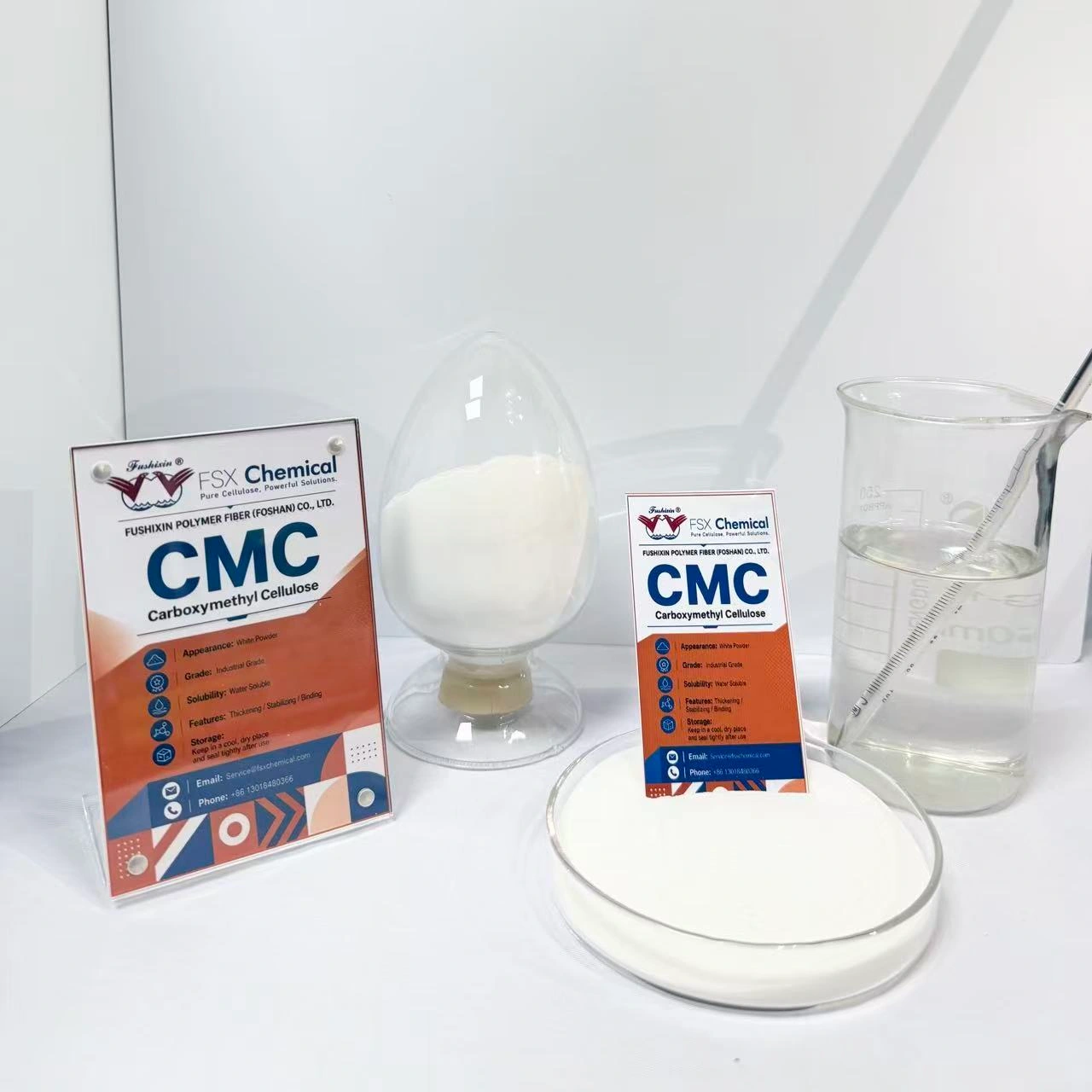
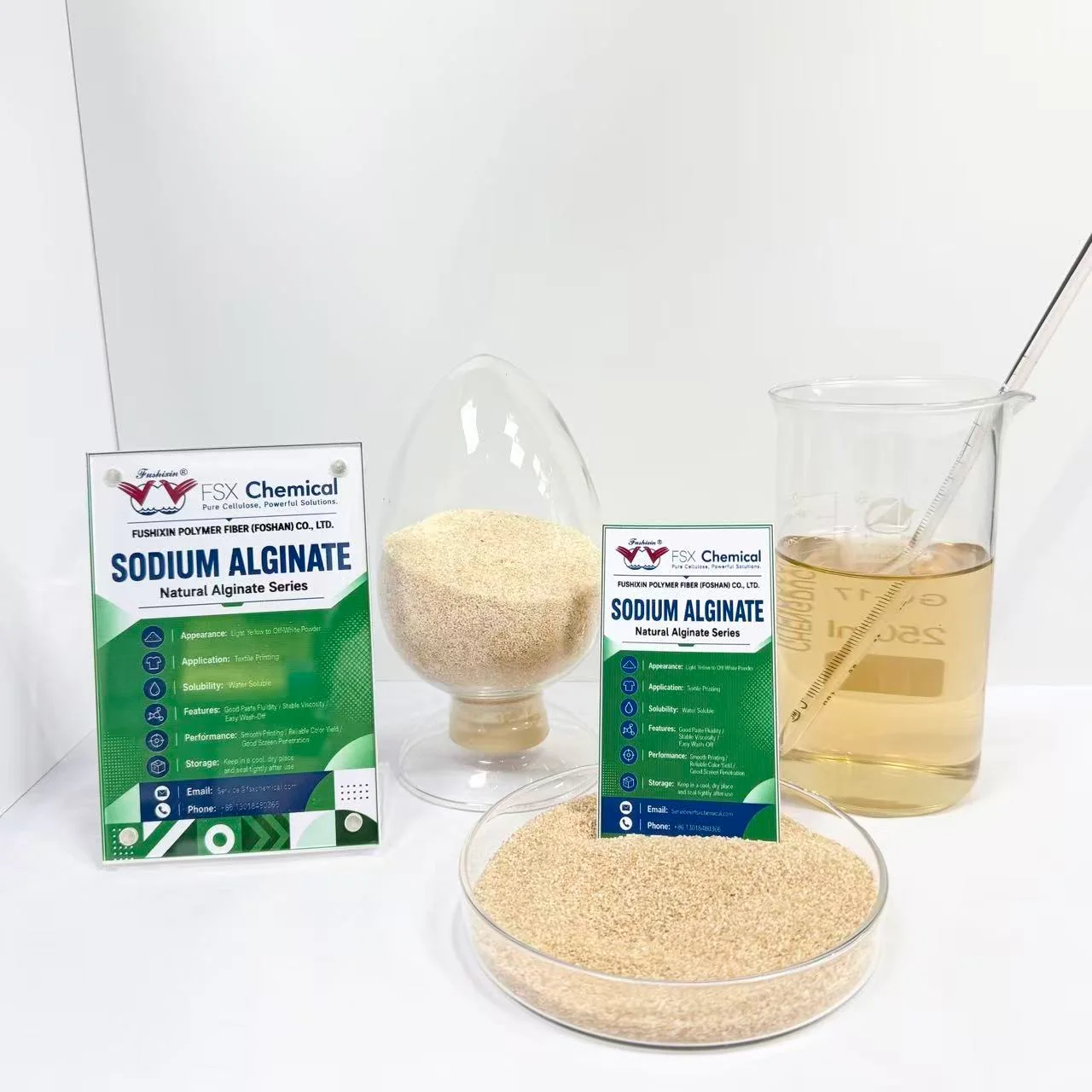
FSX Chemical provides CMC , CMS және Натрий алгинаты commercial routes for textile printing and related thickener applications. Here the linked FSX CMS route is the commercial synthetic family, not a claim that FSX supplies the generic carboxymethyl starch described in the chemistry table. Request the exact grade identity and current TDS before applying any chemistry assumption.
Instead of selecting a new grade by polymer name or viscosity alone, customers can use their current product as the benchmark.
Through Үлгілер мен сәйкестендіру , the current TDS, physical sample, viscosity method, formula and printing conditions can be reviewed before a trial candidate is selected.
Useful matching information includes
Current manufacturer and commercial grade
CMC, CMS, sodium alginate or compound system
TDS or recent COA
Physical reference sample
Viscosity concentration and complete test method
Degree of substitution where relevant
Current dosage
Reactive, disperse, pigment or other process
Fabric composition
Printing machine
Fixation or washing process
Main technical or commercial target
The recommended product should be treated as a matched trial grade. Final suitability depends on the customer’s actual formulation, fabric, equipment and production conditions.
Frequently Asked Questions
What is the main difference between CMC, CMS and sodium alginate?
CMC is a cellulose derivative and sodium alginate is an alginate salt. In this chemistry comparison, CMS means confirmed carboxymethyl starch. FSX CMS is a separate commercial synthetic-thickener family whose exact grade documents govern composition, preparation and use; the abbreviation alone does not establish starch chemistry or DS.
Which is best for reactive textile printing?
Sodium alginate is a common benchmark route for conventional reactive printing on suitable cellulosic fabrics. CMC, CMS and compound systems can be evaluated in selected formulations, but application testing is necessary.
Can CMC replace sodium alginate?
A universal one-to-one replacement should not be assumed. CMC has different chemistry and should be evaluated through full-paste printing, fixation and washing trials.
Can CMS replace sodium alginate?
First identify whether the candidate is confirmed carboxymethyl starch or an FSX CMS commercial synthetic grade. Either requires a grade-specific complete-paste trial for viscosity, rheology, dye response, definition, fixation and wash-off; neither name establishes universal equivalence to alginate.
Is CMC better than CMS?
Neither is universally better. Their suitability depends on the commercial grade, printing chemistry, fabric, required rheology, dosage and cost in use.
Does higher DS mean better CMC?
No. DS influences solubility and ionic behavior, but higher DS does not automatically mean better printing performance.
Do CMC and CMS have the same viscosity behavior?
No. Even when measured viscosity is similar, their hydration, molecular characteristics, shear response and formulation compatibility can differ.
Why is sodium alginate commonly used with reactive dyes?
It combines useful rheology with comparatively low reactivity toward many reactive dye systems, making it a well-established benchmark thickener.
Which thickener is suitable for disperse printing?
CMS and application-specific compound systems are common candidates in selected disperse printing applications. CMC and other routes may also be evaluated depending on the formulation.
Is the same viscosity enough to compare CMC, CMS and sodium alginate?
No. Compare viscosity under the same method, then evaluate rheology, hydration, filtration, complete-paste stability and actual printing.
Which one is cheapest?
Raw-material price varies by grade and market, but price per kilogram does not determine total printing cost. Effective dosage, preparation, filtration, machine efficiency and rejected fabric also matter.
How should I test a new thickener?
Establish the current benchmark, align the test method, compare stock properties, prepare the complete printing paste, print the actual fabric, complete post-treatment and then optimize dosage.
Can FSX Chemical match my current CMC, CMS or sodium alginate?
Customers can provide the current TDS, sample, viscosity method, dosage and printing process so that a technically relevant trial grade can be selected for controlled side-by-side evaluation.
Need to Compare CMC, CMS or Sodium Alginate for Your Printing Process?
Send FSX Chemical the TDS or physical sample of the thickener you currently use together with your printing formula, fabric, viscosity method and current dosage📧 Электрондық пошта: Service@fsxchemical.com
If considering a change from alginate to CMC, a confirmed carboxymethyl-starch grade, an FSX CMS commercial grade or a blend, identify the candidate explicitly. Include the reason for the change, such as cost, filtration, edge definition, holding stability, supply diversification or practical dosage.
A technically relevant candidate can then be selected for controlled laboratory, printing and production evaluation.
Final approval should be based on the complete printing process rather than polymer name, viscosity or purchase price alone.
Тін басуға арналған қалыңдағыштың тұтқырлық мәндерін концентрациясы, температурасы, аспабы, шпинделі, жылдамдығы, дайындау әдісі және сынау уақыты сәйкес келмейінше салыстыруға болмайтынын біліңіз.
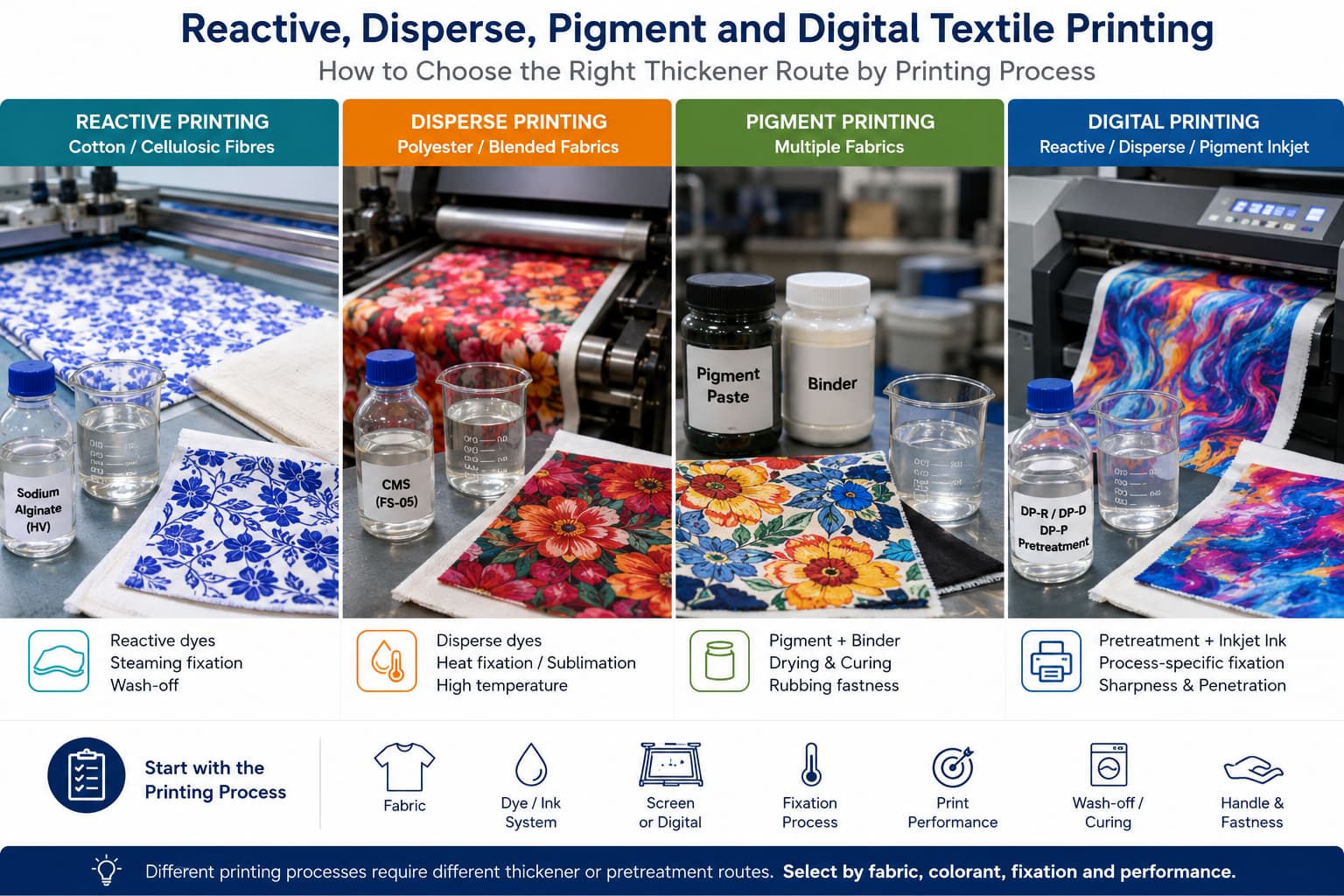
Мата, бояғыш немесе сияға негізделген реактивті, дисперсті, пигменттік және цифрлық тоқыма басып шығару үшін қалыңдағышты және алдын ала өңдеу әдістерін бекіту, жууға төзімділік және басып шығару сапасына қойылатын талаптарға сәйкес қалай таңдау керектігін үйреніңіз.
Текстиль басып шығаруда CMC, CMS, натрий алгинат және цифрлық басу пасталарын салыстырыңыз. Әрбір әдістің реактивті, дисперсті, пигментті және цифрлық процестерге қалай сәйкес келетінін және үлгі сынау, сортты сәйкестендіру және ірі көлемде сатып алу алдында сатып алушылар нені тексеруі керектігін біліңіз.
Натрий альгинаты реактивті басу пастасы үшін тұрақты әрі жуылатын қалыңдатқыш ретінде тоқыма басуда кеңінен қолданылады. Сатып алар алдында тұтқырлық дәрежесін, тазалық дәрежесін және қолдануға жарамдылығын қалай бағалау керектігін және FSX Chemical компаниясының әлемдік сатып алушыларға техникалық мәліметтер мен үлгілер арқылы қалай қолдау көрсететінін біліңіз.
Choose CMC for textile printing by application, DS, viscosity method and formulation trials. Use a practical checklist to compare grades before bulk purchase.
Карбоксиметилцеллюлоза су негізіндегі сияларда, гравюра баспасында және струмельді баспаға дейінгі өңдеуде қоюлағыш және тұрақтандырғыш ретінде қолданылады. Бұл нұсқаулық сатып алу топтары үшін негізгі сорт параметрлері мен жеткізу көздерін таңдау мәселелерін қамтиды.
Натрий альгинаты мен CMC екеуі де тоқыма басуда қоюлағыш ретінде қолданылады, бірақ олар әртүрлі бояғыш жүйелері мен өңдеу шарттарына сәйкес келеді. Бұл нұсқаулық негізгі айырмашылықтарды және оларды қашан қолдану керектігін түсіндіреді.
Текстильге арналған сандық сия бүрку баспасының паста мен алдын ала өңдеу талаптары шелкографиядан ерекшеленеді. Бұл нұсқаулық натрий алгинатты сандық текстиль баспасында қалай қолданатынын және сатып алу топтары қандай сапа параметрлерін көрсетуі тиіс екенін түсіндіреді.
Food-grade and industrial-grade CMC share the same base chemistry but differ significantly in purity, DS range, and regulatory requirements. This guide explains the key differences and why using the wrong grade creates production problems.
Prepare sodium alginate printing paste with a grade-specific concentration and controlled powder dispersion. Validate hydration, viscosity, filtration, air removal and holding time before production.
Assess sodium alginate in reactive-printing wastewater using measured COD load, product-specific biodegradation evidence and controlled process comparisons. Includes a buyer checklist and illustrative load calculation.
Реактивті бояғыш басу кезінде бояғыштың бекіту жылдамдығы түс өнімділігіне, жууға төзімділігіне және ағынды сулардың көлеміне тікелей әсер етеді. Бұл нұсқаулық натрий альгинатының бояғышты бекітуге қалай көмектесетінін, қандай қамыр параметрлері бекіту жылдамдығына әсер ететінін және өндірісте бекітудің төмен болуының себептерін анықтап, оларды қалай жоюға болатынын түсіндіреді.
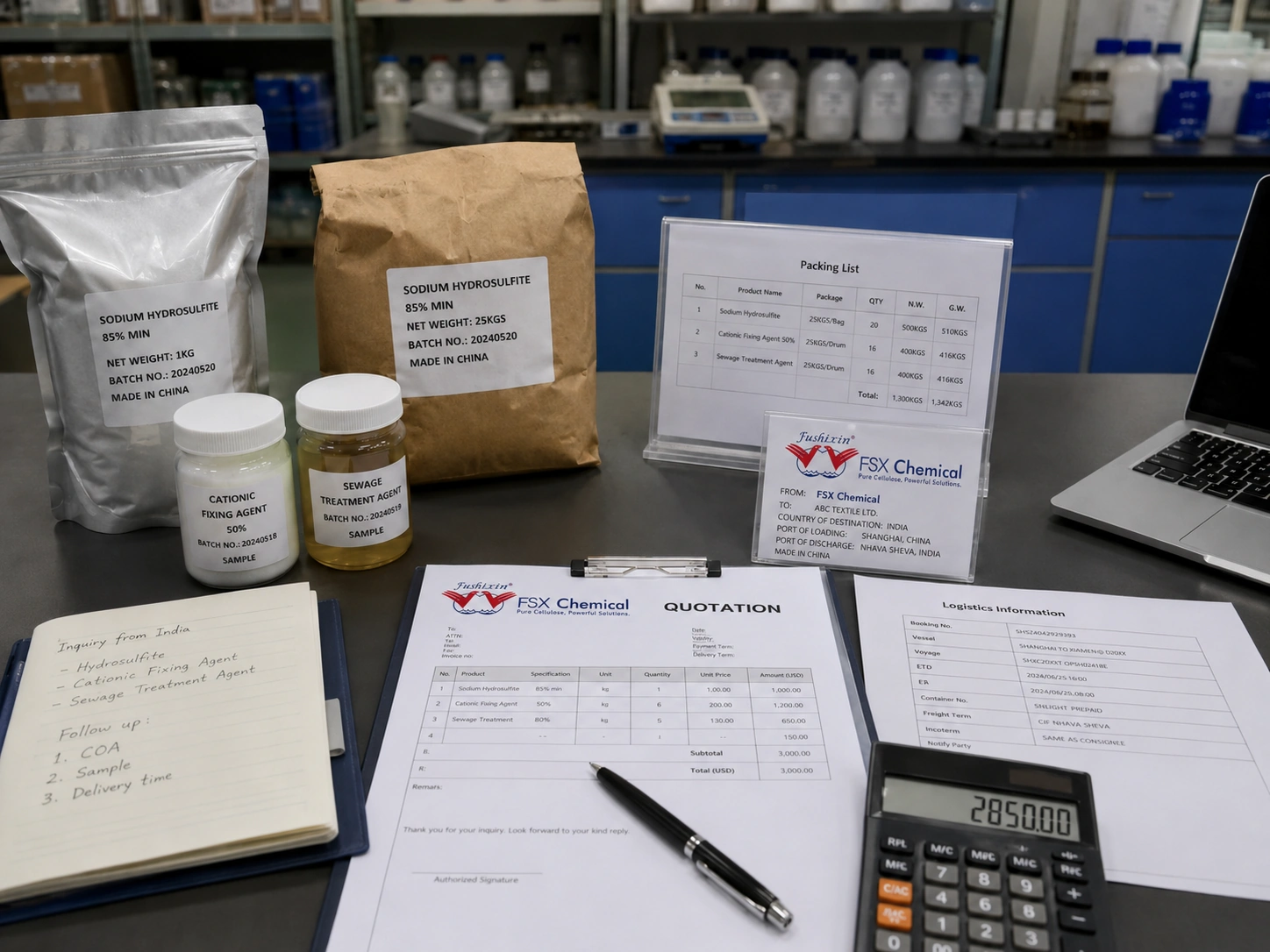
Өнімнің атауын, қолдану саласын, мөлшерін, жеткізу орнын және сізде бар кез келген TDS, үлгі фотосуреті немесе құжатты жіберіңіз. FSX Chemical бұл ақпаратты қарап шығып, баға ұсынысын алу, үлгі сәйкестендіру немесе өнімді таңдау бойынша келесі қадамды ұсынады.
Өнім туралы ақпаратӨнімнің атауы, сорты, моделі, жапсырмадағы фотосурет немесе жеткізушінің сілтемесі.
Қолжетімді құжаттарTDS, SDS, COA, үлгі фотосуреті, өнім тізімі немесе сынақ деректері.
Тапсырыс мәліметтеріЕсептелген мөлшер, қаптама, тағайындалған ел, порт немесе сауда шарты.
Өтінім немесе мәселеТекстиль басу процесі, формулалау қажеттілігі, ағымдағы мәселе немесе мақсатты көрсеткіштер.