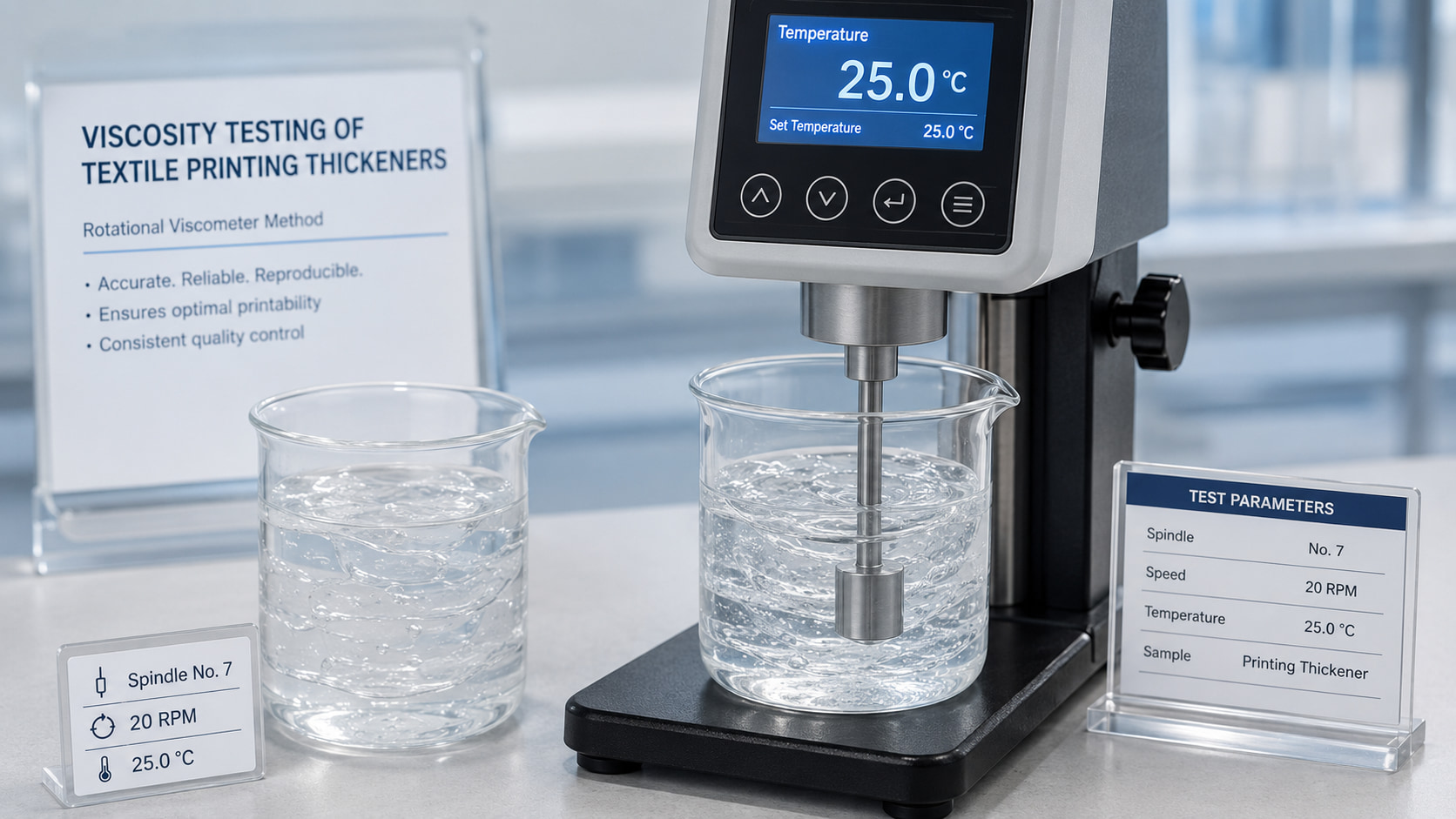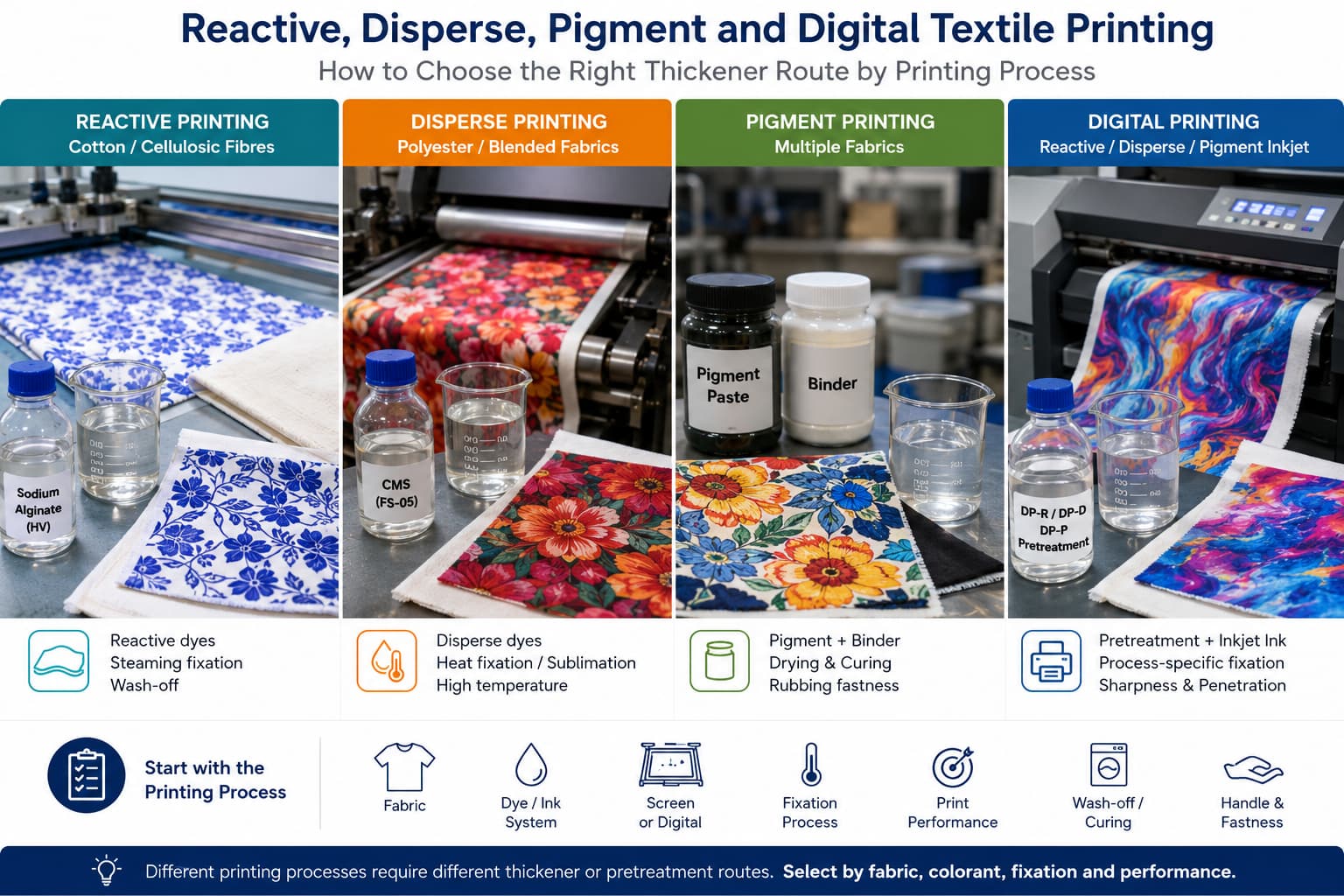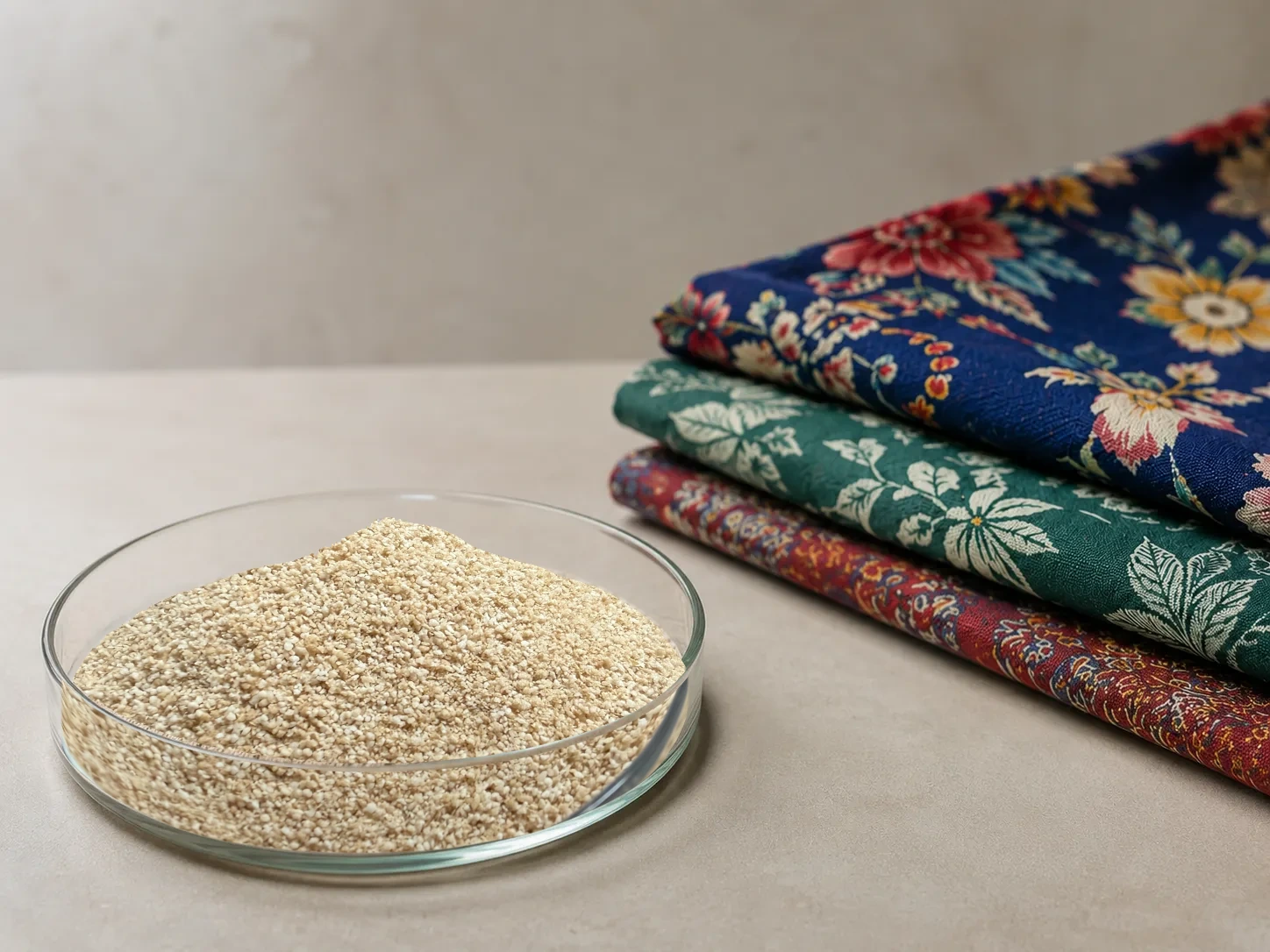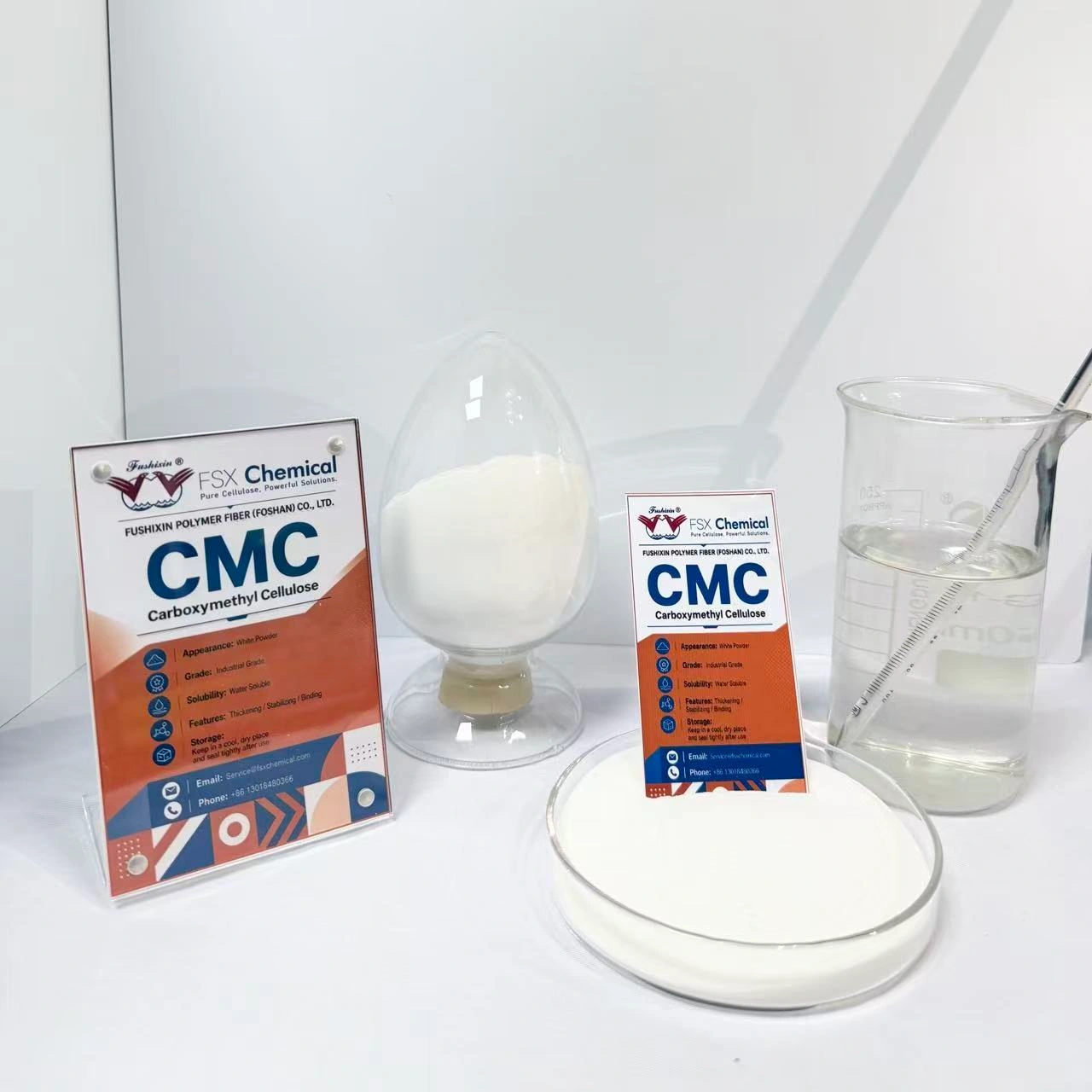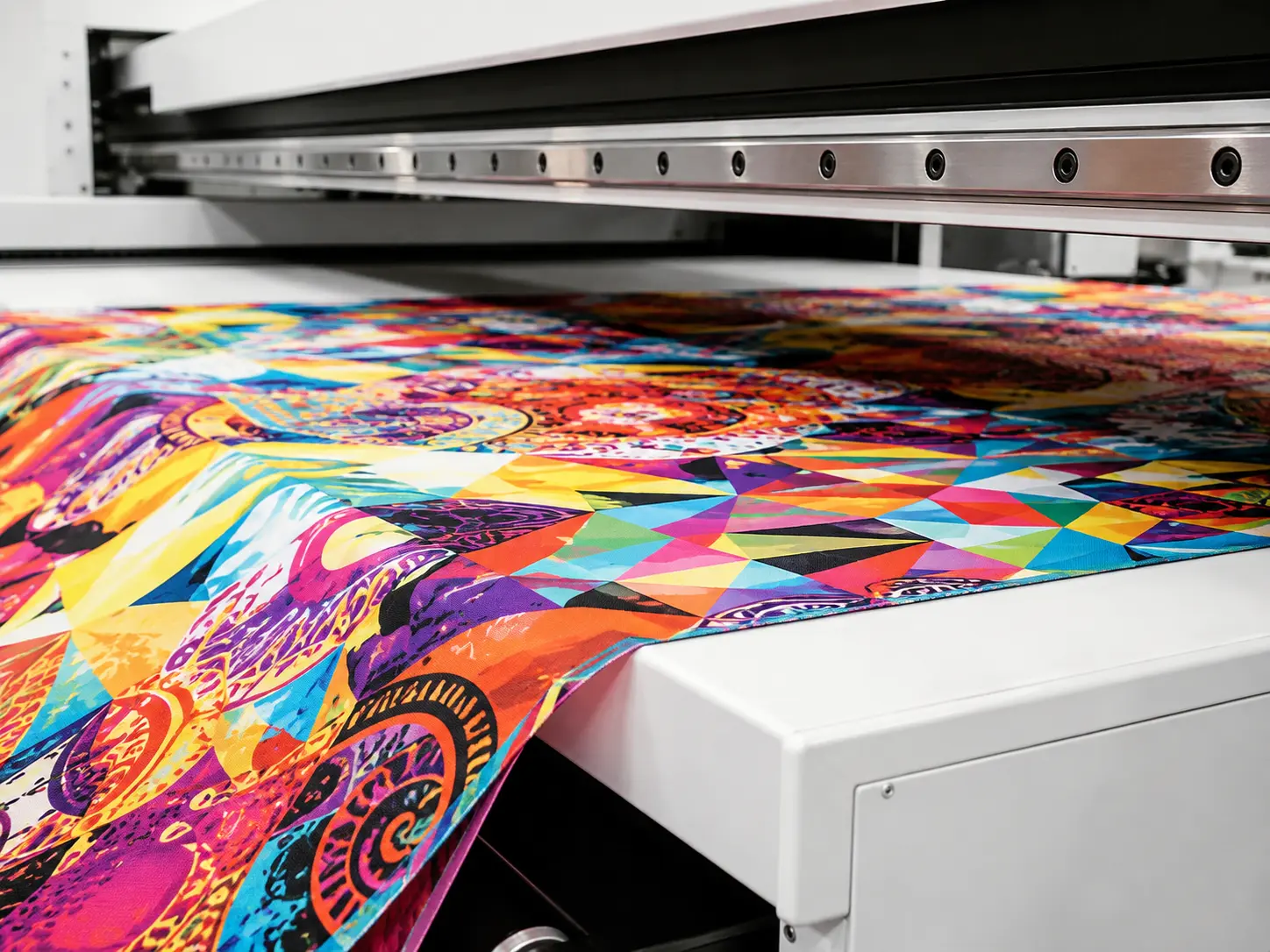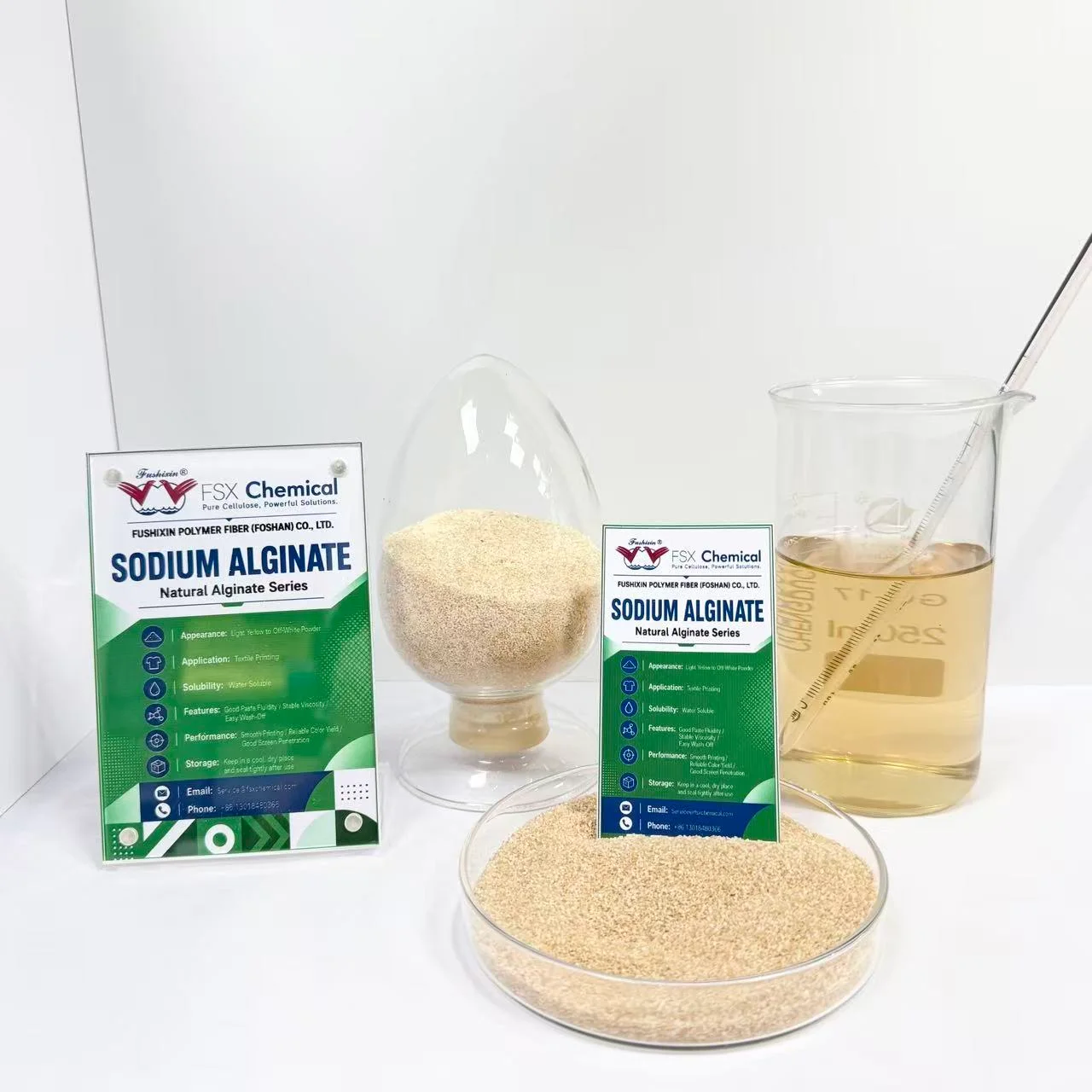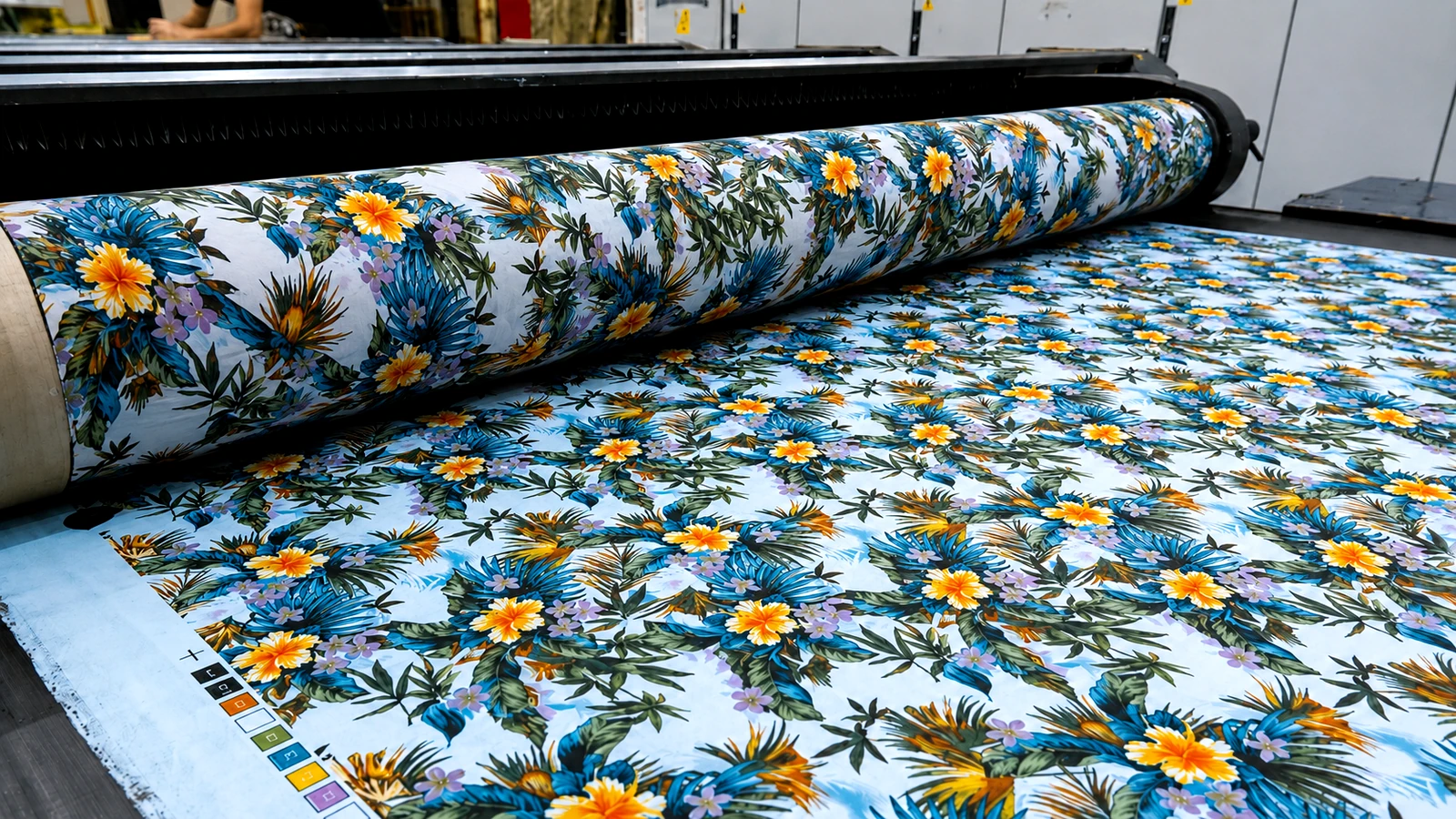
















For reactive printing on cotton or viscose, sodium alginate is a common reference thickener because of its relatively low reactivity toward many reactive dyes and its useful wash-off behavior. Selected CMC grades or blends can also be evaluated for reactive printing. For either polymer, approval depends on the exact grade, dye or pigment system, fabric, preparation and finished-print results.
Do not approve a universal 1:1 substitution from viscosity alone. A fixed-dose comparison can screen thickening efficiency; a separate application trial can compare workable formulations, including matched apparent viscosity where useful. Keep those comparisons distinct and record concentration and the complete method. Evaluate flow, screen release, penetration, definition, fixation, color, wash-off, handle, holding stability and cost per accepted fabric area.
Sodium Alginate vs CMC: Technical Comparison Table
| Decision factor | Натрий алгинаты | CMC |
|---|---|---|
| Реактивті бояғышпен басу | Common reference route for cotton and viscose | Use only after grade-specific dye-compatibility and print trials |
| Pigment printing | Possible, but reactive-dye inertness is not the main requirement | Can be evaluated with the binder, pigment and electrolyte system |
| Key specification | Defined viscosity method, purity, insoluble matter, moisture, pH and particle size | DS, substitution uniformity, purity, viscosity method, salt tolerance and solubility |
| Ionic sensitivity | Divalent ions such as calcium can cause gel or lump formation | Electrolyte response depends on DS, purity and formulation |
| Реология | Grade-dependent flow, screen release and water retention | Grade-dependent; equal viscosity does not ensure equal shear response |
| Wash-off and handle | Generally favorable in reactive printing | Must be checked by grade, fabric and process |
| Cost decision | Compare use level, yield and production consistency | Potential cost advantage must survive the complete print trial |
Use the detailed sodium alginate grade guide және CMC procurement guide to define the two candidate specifications before comparison.
Why Thickener Selection Matters in Textile Printing
Role of the Thickener in Printing Paste
The thickener controls paste flow, transfer and placement of the colorant before fixation. The required behavior depends on the screen, fabric and printing conditions. Check migration during drying and removal during post-treatment in the complete process; an acceptable water-only viscosity does not guarantee sharpness, wash-off or handle.
Thickener selection also affects dye yield, pattern sharpness, and paste stability during storage. In high-volume production, inconsistency in paste behavior between batches — caused by thickener variation or incompatibility — can create color variation and increased rework.
How the Wrong Choice Affects Print Quality
Dye or auxiliary incompatibility is one possible source of printing problems. Polymer–dye reaction may affect color availability or residue, while ionic interactions, dilution or other formulation changes can affect flow and stability. Screen blocking, bleeding or uneven coverage need separate process checks; one symptom does not identify the thickener as the cause.
Understanding why each thickener behaves differently in reactive versus pigment systems is the starting point for making the right selection.
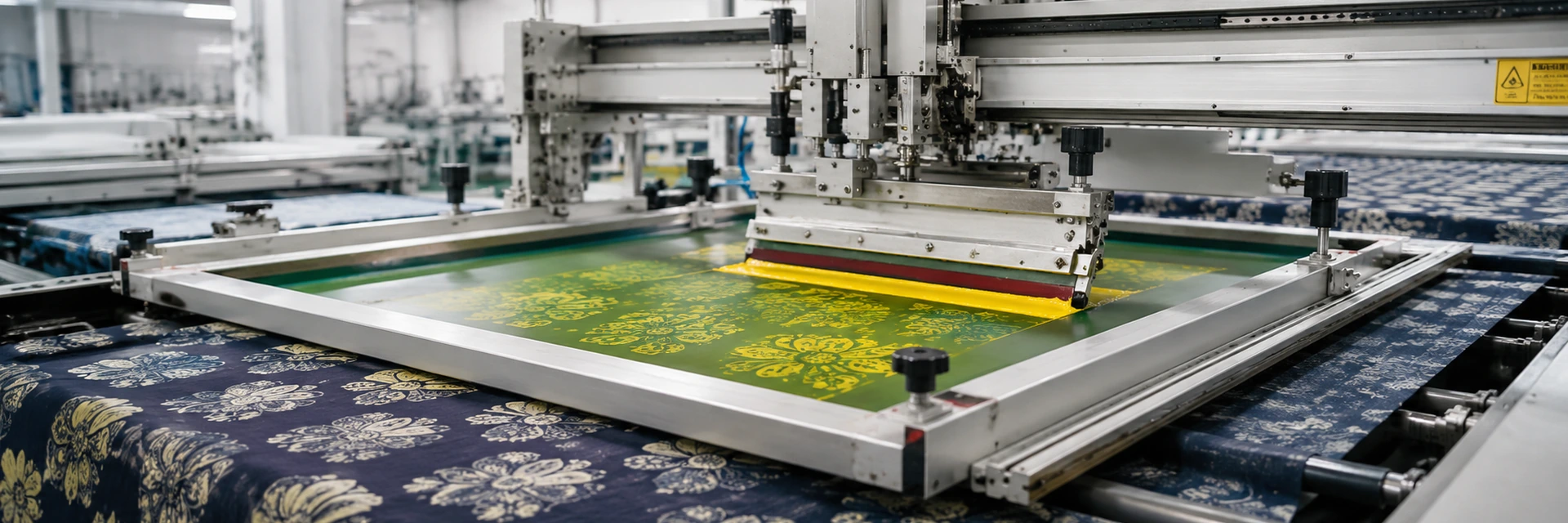
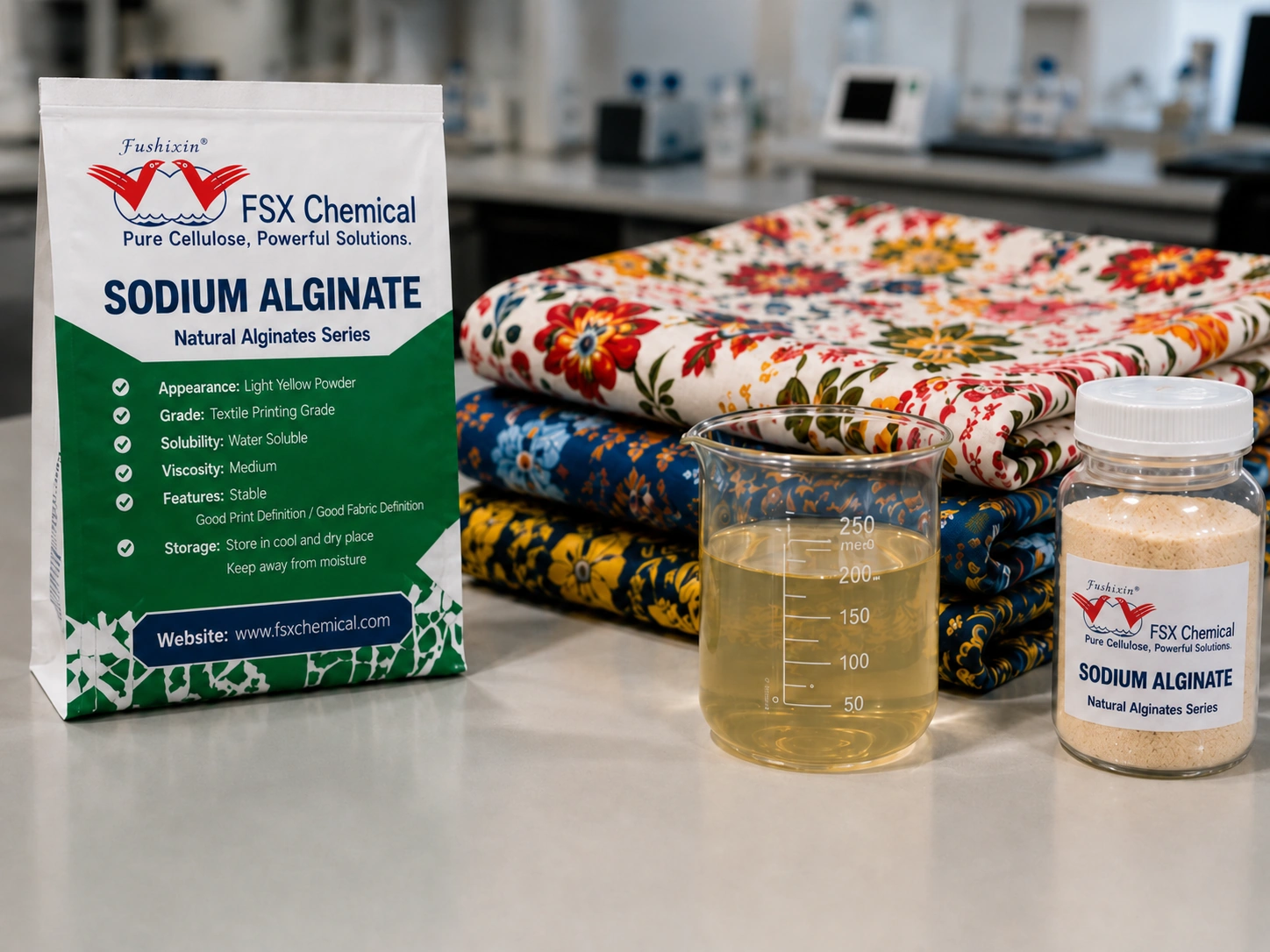
Sodium Alginate: Strengths and Typical Applications
Performance in Reactive Dye Systems
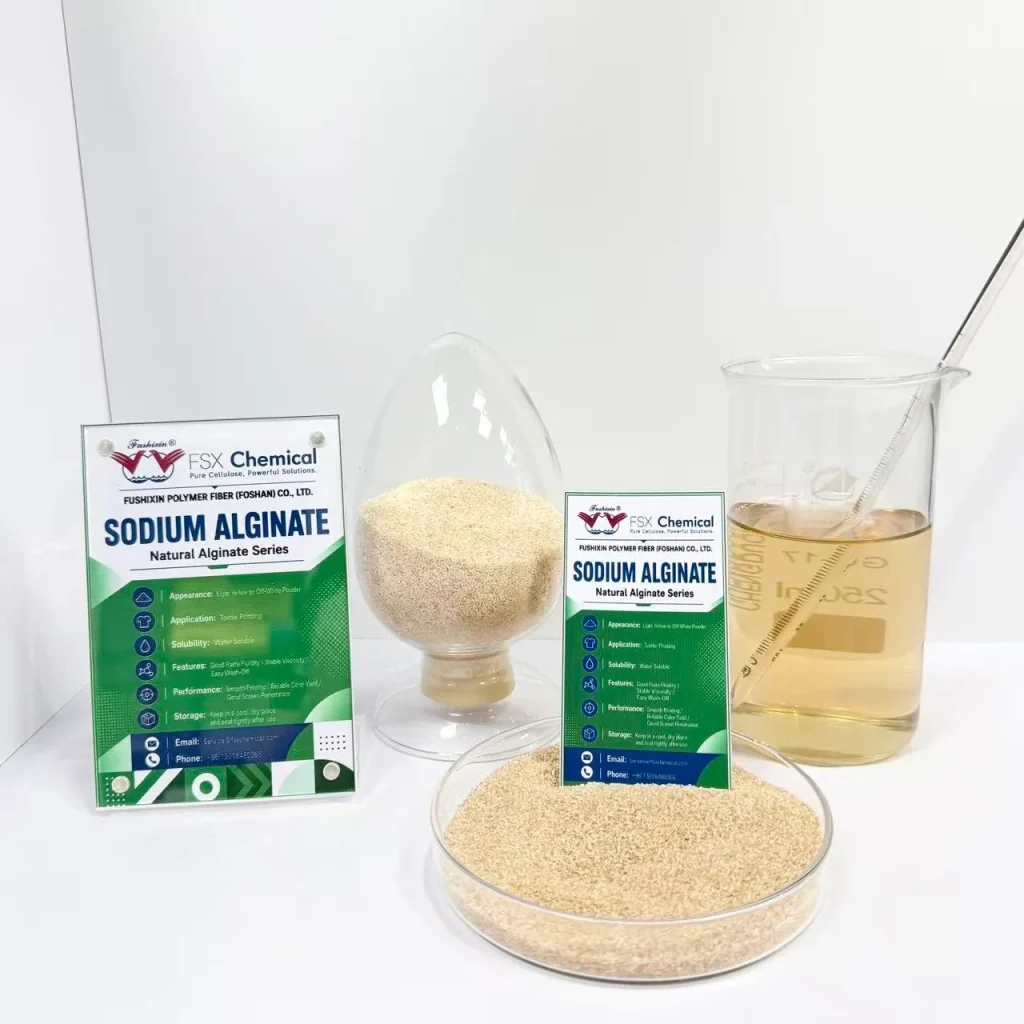
Sodium alginate is widely used as a reference thickener for reactive printing on suitable cellulosic fabrics. Its relatively low reaction tendency toward many reactive dyes is useful, but “chemically inert” should not be treated as an absolute guarantee for every dye and recipe. Validate the selected grade with the actual alkali, auxiliaries, fixation and washing route.
A reactive dye that binds to a thickener rather than the intended fiber can affect fixation, residue or handle. Alginate’s low dye reactivity helps explain its use, but it does not establish a universal color-yield ranking over every CMC grade or blend. Compare final washed color under controlled deposition, fixation and washing conditions.
Viscosity Behavior and Paste Stability
An alginate paste may show lower apparent viscosity at higher shear rate. The extent depends on grade, concentration, ions and formulation. Time-dependent recovery after a high-shear interval is a separate measurement: use a defined shear history and recovery interval instead of inferring recovery speed from a flow curve or a two-speed viscosity ratio. Relate both measurements to transfer and print definition in the actual process.
Establish holding stability for the prepared stock and complete color paste separately. Record temperature, pH, water, closure and elapsed time, and compare viscosity, residue and printing results against a fresh reference. Preparing smaller fresh batches may reduce holding exposure, but neither polymer name establishes a universal shelf life.
Where to Evaluate Sodium Alginate
- Reactive dye flat screen and rotary screen printing on cotton
- Reactive digital fabric-pretreatment formulations, qualified separately from screen paste and printhead ink
- Discharge printing where paste chemistry is compatible with alginate
- Reactive applications where a qualified alginate grade provides the print-quality benchmark
For reactive printing on cotton or viscose, an approved alginate grade can provide a useful benchmark against which to assess a proposed CMC grade or blend. Approval still depends on the complete finished-print trial.
CMC: Strengths and Typical Applications
Performance in Pigment Printing Systems
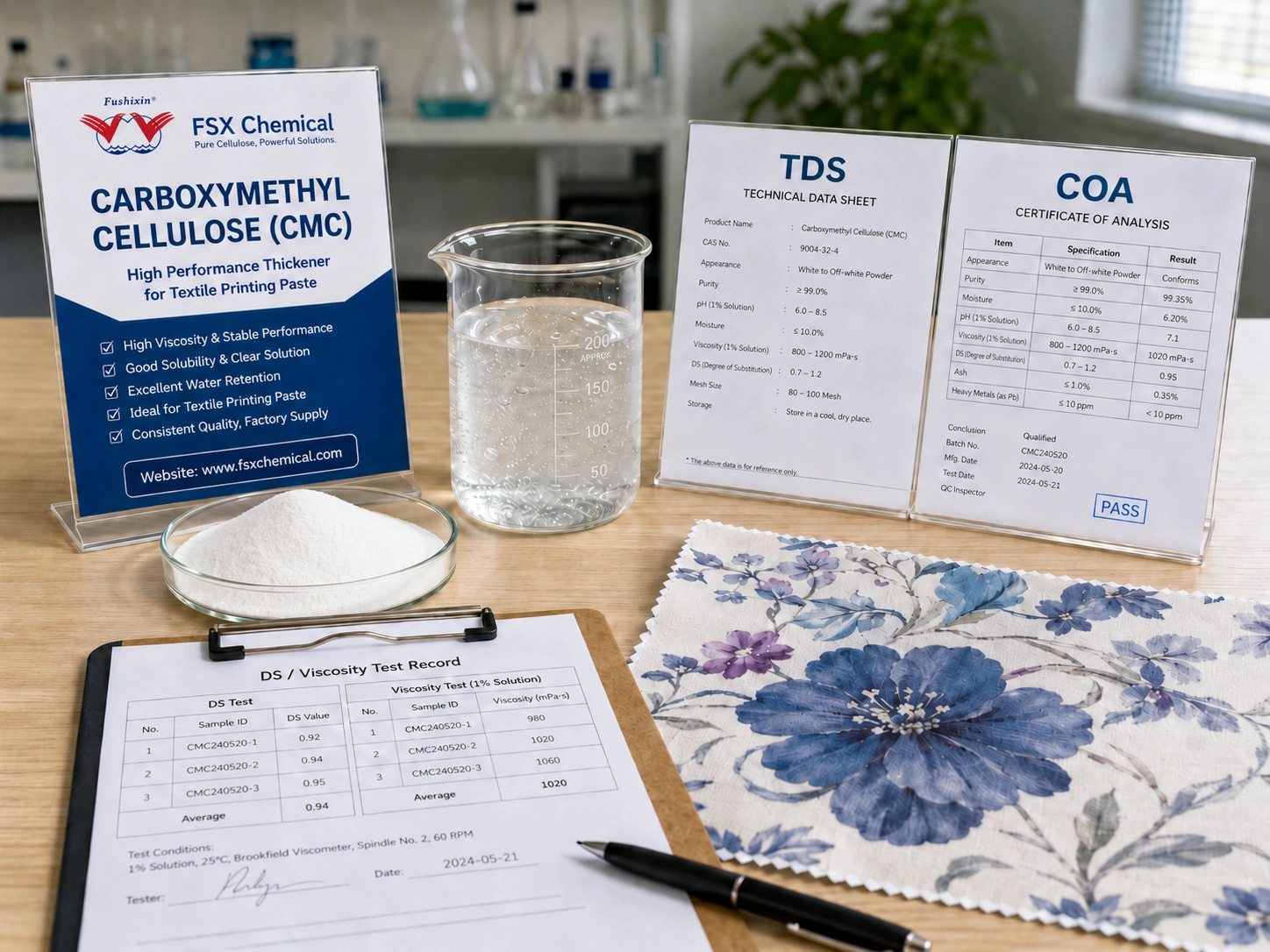
In pigment printing, the pigment particles are fixed through the binder system rather than the reactive dye–fiber fixation mechanism. A CMC candidate must be evaluated with the actual pigment, binder, auxiliaries and curing route. Thickener selection must preserve binder-film performance, rubbing fastness and handle as well as paste flow.
Do not infer binder compatibility from the generic CMC name. Check the grade’s ionic character, substitution profile, purity and response to the full recipe, including any cationic components. Evaluate storage, application and cured-fabric performance before approving the candidate.
Role as a Co-Thickener or Sizing Agent
Beyond pigment printing, CMC is widely used in textile sizing (warp sizing before weaving) and as a co-thickener in blended paste formulations. In sizing applications, CMC forms a protective film on yarn surfaces that reduces breakage during weaving — a different function from its role in printing paste.
In some printing paste formulations, CMC is used alongside sodium alginate or synthetic thickeners to adjust rheology or reduce cost, rather than as the sole thickener.
Where to Evaluate CMC
- Pigment printing on cotton, polyester, or blended fabrics
- Textile warp sizing applications
- Grade-qualified reactive or pigment formulations assessed against complete print-quality and cost targets
- Blended paste systems where a co-thickener is needed to adjust viscosity or paste body
Direct Comparison: Sodium Alginate vs. CMC
Dye System Compatibility
For reactive dyes, evaluate interaction with the thickener and the effect on final fixation, wash-off and handle. CMC’s substitution pattern, residual hydroxyl groups and manufacturing history can matter; average DS alone is not a universal pass/fail rule. Alginate is a useful low-reactivity reference, but compare the actual grades rather than an assumed chemistry-wide ranking.
For reactive printing, benchmark a candidate against a qualified reference under the intended recipe and process. For pigment printing, compare complete binder-containing formulations. Neither sodium alginate nor CMC is automatically the correct, cheaper or superior choice for every member of either printing system.
Viscosity Profile and Rheology
Either polymer can show shear-dependent flow, but the profile varies with grade, concentration, temperature and formulation. Compare flow curves under matched measurement conditions. If post-shear recovery matters, run a separate timed test with the same pre-shear, measurement interval and reference basis; a steeper flow curve does not prove faster recovery.
Assess temperature response by measuring each formulation at controlled temperatures, then returning samples to the reference temperature. Assess holding stability at defined ages with matched preparation and storage histories. Distinguish reversible temperature effects from persistent change; no polymer-wide CMC advantage in temperature range or storage stability is established by the generic names.
Washout and Desizing Behavior
The powders’ water solubility does not guarantee complete removal after printing, fixation or sizing. Check wash-off for the exact grade, deposit and dye or binder system. CMC sizing may be removable by an appropriate water-based desizing process, but a blend containing starch, PVA or other size components needs its own removal assessment.
If your process involves a particularly sensitive washing stage — for example, delicate fabrics or limited water temperature — confirm washout behavior with your supplier through a trial before committing to a thickener choice.
Cost and Availability Considerations
Alginate is derived from brown seaweed; CMC is a chemically modified cellulose product. Obtain current like-for-like quotations for the exact qualified grades, delivered terms and quantities. Raw-material origin alone does not establish which product will have a lower or more stable future price.
Compare cost only after the formulations meet the same agreed print-quality requirements. Calculate material cost from actual consumption and delivered unit prices, add consistently allocated preparation, printing and finishing costs, then divide by accepted finished-fabric area. Keep one currency and process boundary, count losses once, and distinguish unpriced downtime or yield indicators from monetary charges.
Blended Formulations: Using Both Together
When Blending Makes Sense

Some printing paste formulations use both sodium alginate and CMC together, typically to achieve a specific rheology profile that neither thickener delivers alone. Blending can also allow partial substitution of a higher-cost thickener with a lower-cost alternative while maintaining acceptable performance.
An alginate–CMC blend may be evaluated in a suitable reactive or pigment formulation. Its performance depends on the exact grades, ratio and complete recipe; neither presumed market prevalence nor alginate’s low dye reactivity proves a blend is necessary or unsuitable.
Practical Blending Considerations
If you are considering a blended formulation, the compatibility of both thickeners with each other and with all other paste components needs to be confirmed through trial. Viscosity behavior of blended systems is not always predictable from the individual thickener specifications — a small-scale formulation trial is essential before adopting a blend in production.
How to Decide Which Thickener Is Right for Your Process
The decision between sodium alginate and CMC for textile printing comes down to three questions:
- What colorant system are you using? In reactive printing, compare a qualified Натрий алгинаты reference with an appropriate CMC candidate. In pigment printing, verify the complete binder-containing formulation.
- What is your primary performance priority? Compare CMC candidates against the same color, definition, fastness, handle and accepted-output cost criteria used for the reference; do not assign a winner from the polymer name.
- Are there specific formulation constraints? Compatibility with binders, fixatives, or other auxiliaries may affect which thickener works in your full recipe.
If you are uncertain, request samples of both thickeners from your supplier and run a direct comparison trial in your standard formulation. This gives you objective data specific to your process rather than relying on general recommendations.
Laboratory-to-Production Qualification Checklist
- Confirm dye or pigment system, fabric, printing method and where the thickener is added.
- Use fully hydrated samples and matched final viscosity-test conditions; distinguish a fixed-dose screen from a workable-dose or matched-viscosity application trial.
- Compare paste rheology, filtration, storage stability and response to alkali and electrolytes.
- Print the same design and assess penetration, outline sharpness, color yield and screen release.
- Apply the matched, approved route-specific fixation or curing process and any required washing or conditioning, then compare fastness, residue and fabric handle.
- Approve a representative bulk batch only after the laboratory result is repeatable.
Frequently Asked Questions
Can CMC replace sodium alginate 1:1?
Do not assume a universal ratio. CMC grades differ in DS, purity, salt response and rheology, while sodium alginate grades also differ by viscosity profile and purity. Determine the workable ratio through a controlled formulation and print trial.
Is CMC suitable for reactive printing?
Some textile-grade or blended CMC systems may be evaluated, but compatibility is grade- and dye-dependent. Confirm color yield, paste stability, fixation and wash-off rather than relying on the generic CMC name.
Which product has the lower cost?
Compare monetary production cost per accepted fabric area after equivalent quality approval. Use actual material consumption × unit price and stated time or energy rates; allocate costs consistently and avoid charging the same reject or rework input twice. Keep unpriced operating indicators separate. A lower product price per kilogram need not give a lower cost per accepted m².
How FSX Chemical Supports Your Selection Process
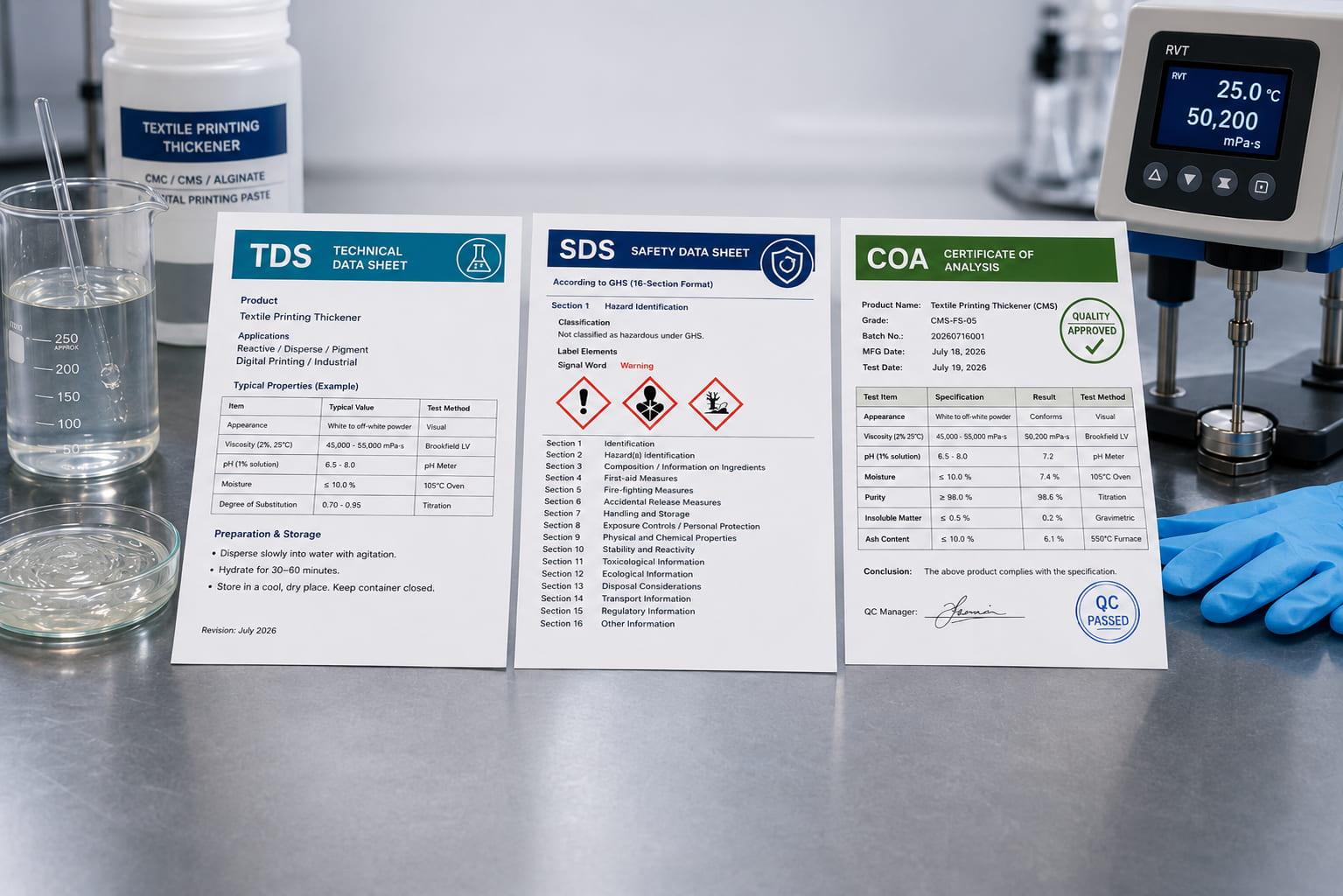
FSX Chemical supplies both sodium alginate and CMC for textile printing applications. We can provide samples of both products for comparative trials, along with technical datasheets that specify the relevant parameters for each grade.
If you share your dye system, printing method, and fabric type, our technical team can recommend a starting point for your trial — whether that is sodium alginate, CMC, or a blend of both.
Келесі қадамдар:
- Request a TDS — for sodium alginate, CMC, or both, depending on your application
- Request Samples for Comparison — run a direct side-by-side trial in your own formulation
- Ask for Grade Matching — share your process details for a specific starting recommendation
- Техникалық командамызбен байланысыңыз — for formulation questions or switching between thickener systems📧 Электрондық пошта: Service@fsxchemical.com