
 RU
RU  EN
EN  BN
BN  UR
UR  TR
TR  ID
ID  AR
AR Связанные публикации
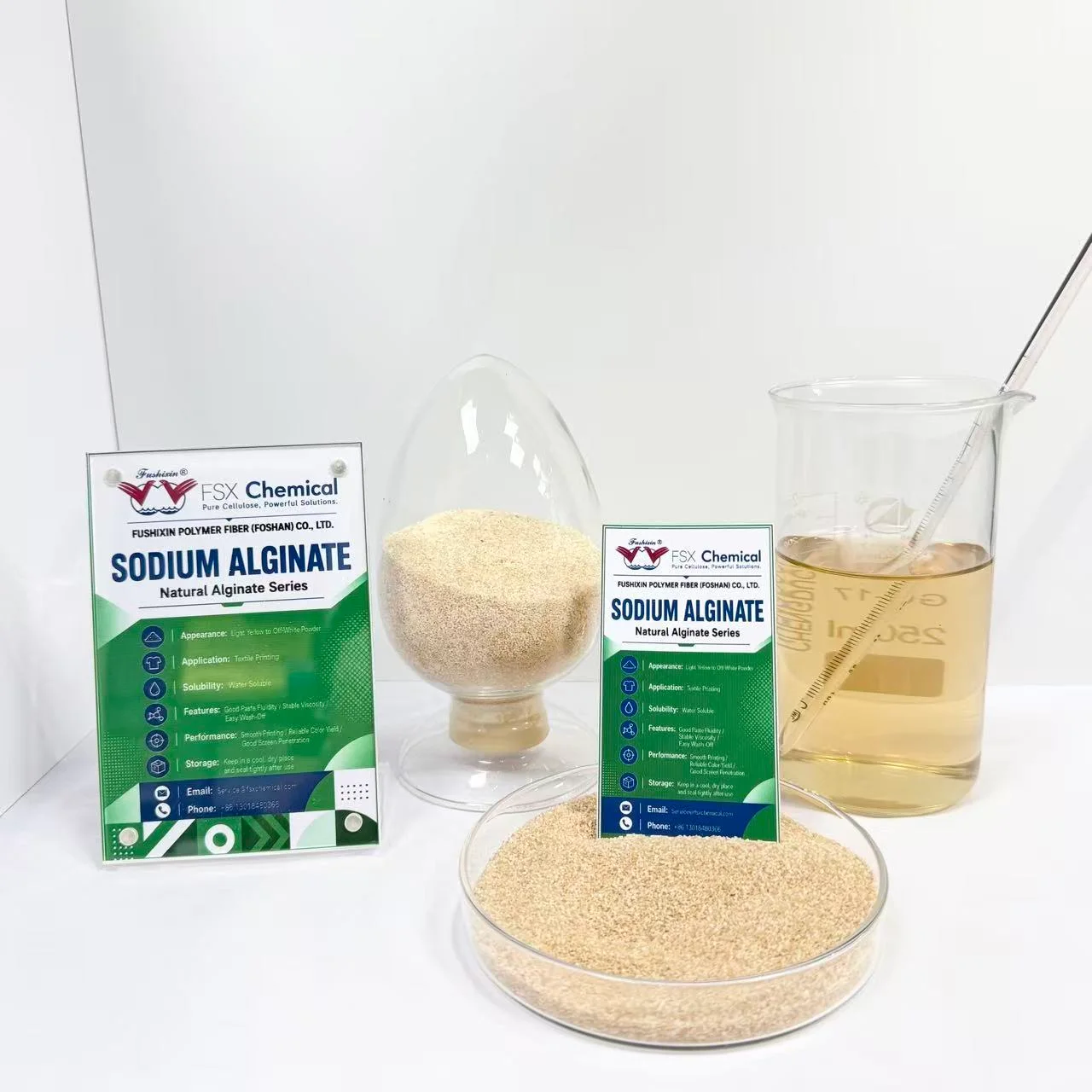
Факторы, влияющие на цену альгината натрия: что определяет стоимость и как оценивать предложения

Цены на альгинат натрия значительно варьируются в зависимости от поставщика и марки продукта, однако не все различия в ценах отражают реальные различия в качестве. В данном руководстве объясняется, что определяет стоимость, как правильно сравнивать предложения на сопоставимых условиях и на какие «красные флажки» следует обращать внимание при оценке предложений поставщиков.
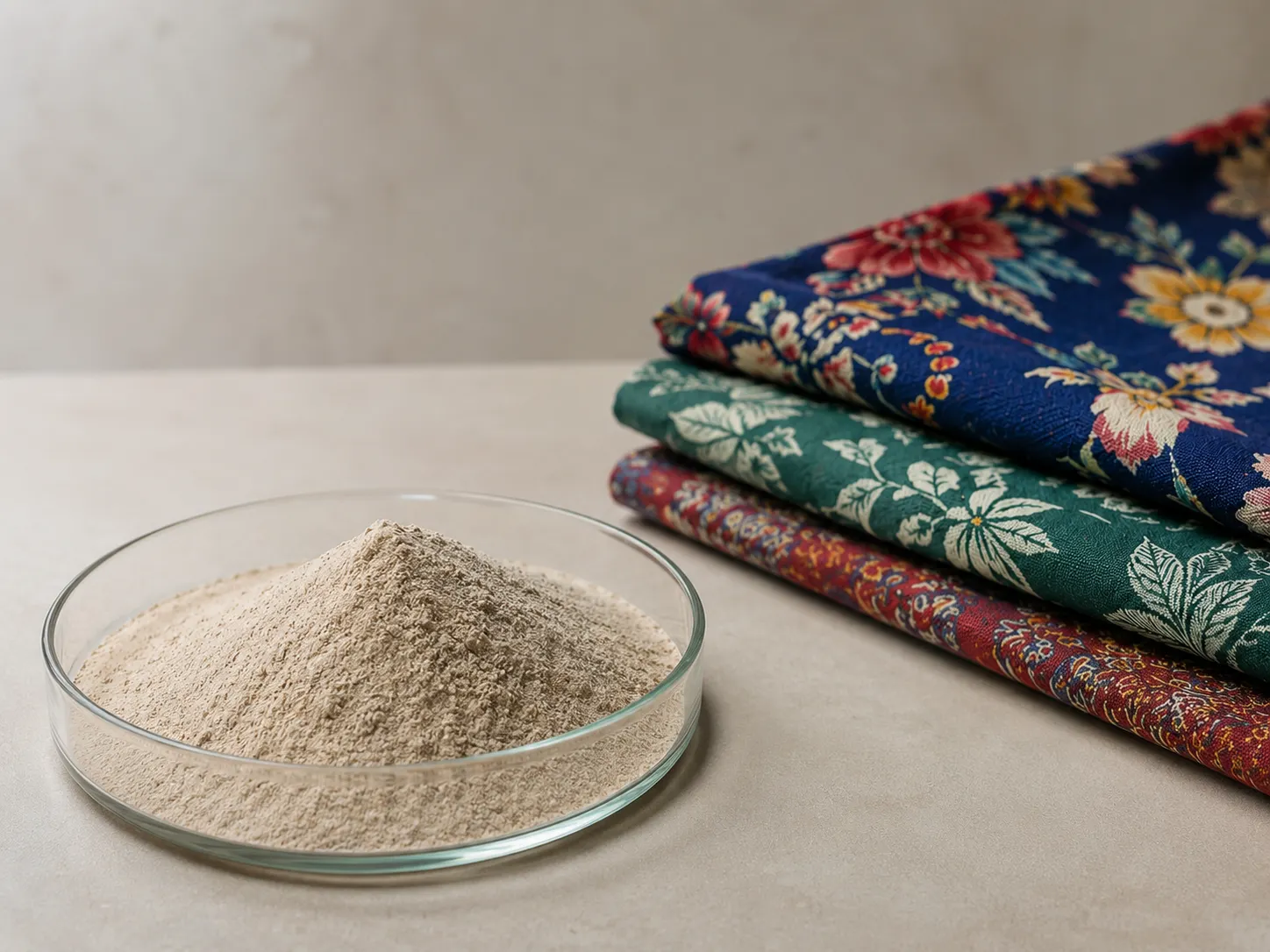
Альгинат натрия для печати на текстиле: руководство по выбору и применению загустителей
Альгинат натрия широко используется в текстильной печати в качестве стабильного и стойкого к стирке загустителя для реактивных печатных паст. Узнайте, как перед покупкой оценить класс вязкости, степень чистоты и пригодность продукта для конкретного применения, а также о том, как компания FSX Chemical оказывает поддержку покупателям по всему миру, предоставляя технические данные и образцы.
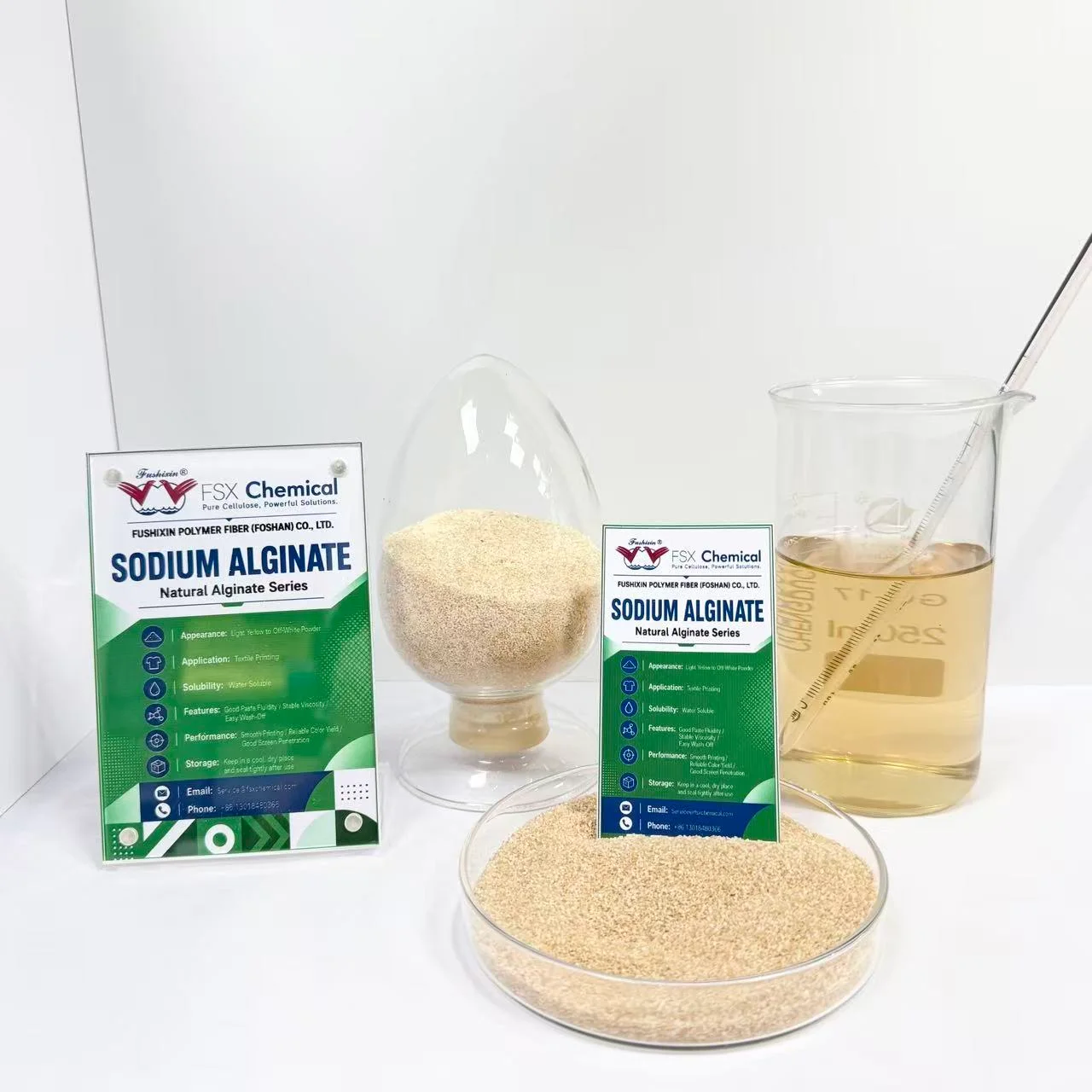
Альгинат натрия для цифровой печати на текстиле: руководство по применению и выбору марки
Цифровая струйная печать на текстиле предъявляет иные требования к пасте и предварительной обработке материала, чем трафаретная печать. В данном руководстве объясняется, как альгинат натрия используется в цифровой печати на текстиле и какие параметры качества должны указывать специалисты по закупкам.
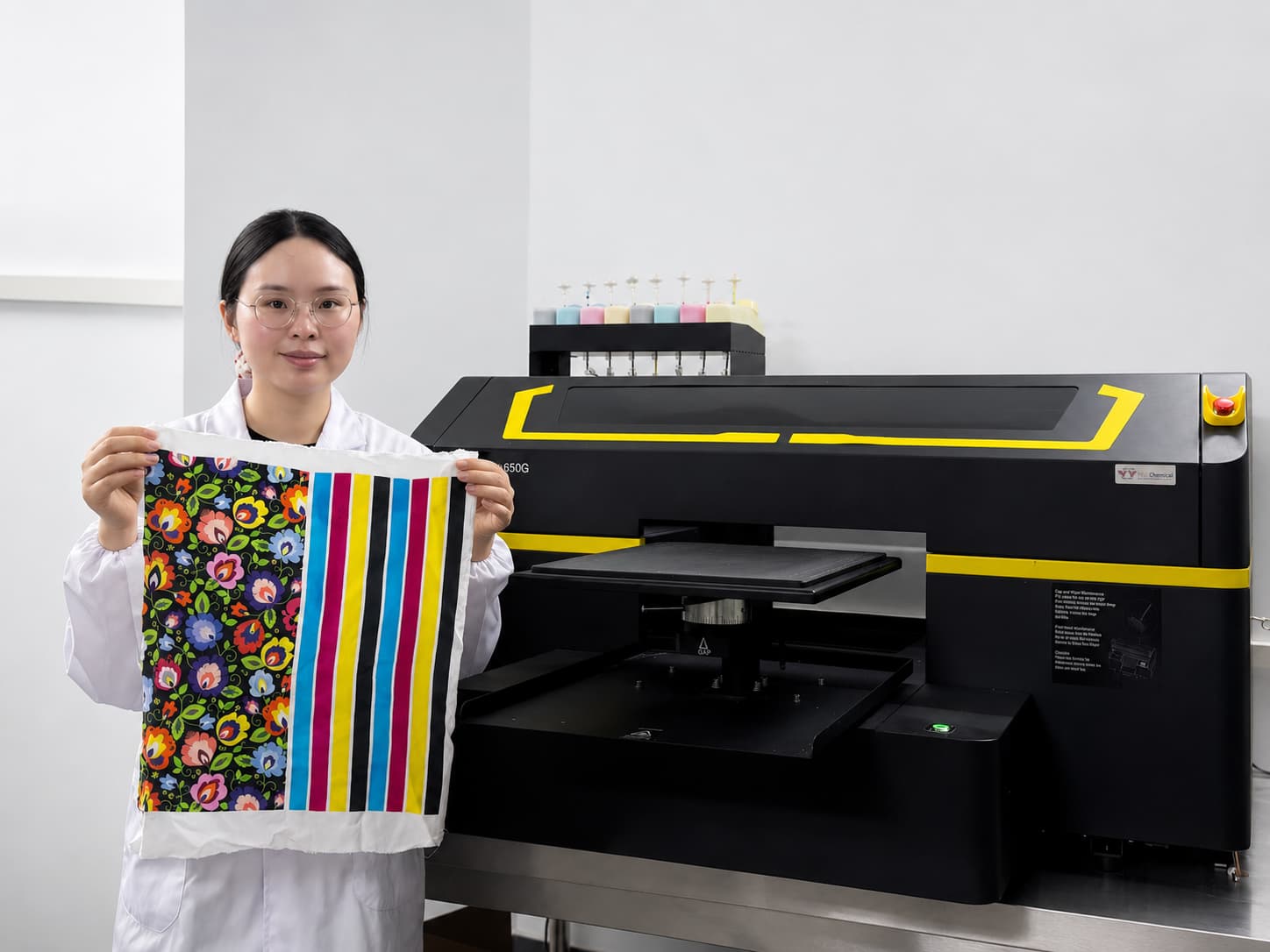
Альгинат натрия или CMC для печати на текстиле: выбор подходящего загустителя
И альгинат натрия, и CMC используются в качестве загустителей при печати на текстиле, однако они подходят для разных систем окрашивания и условий производства. В данном руководстве объясняются основные различия между ними и приводятся рекомендации по их применению.
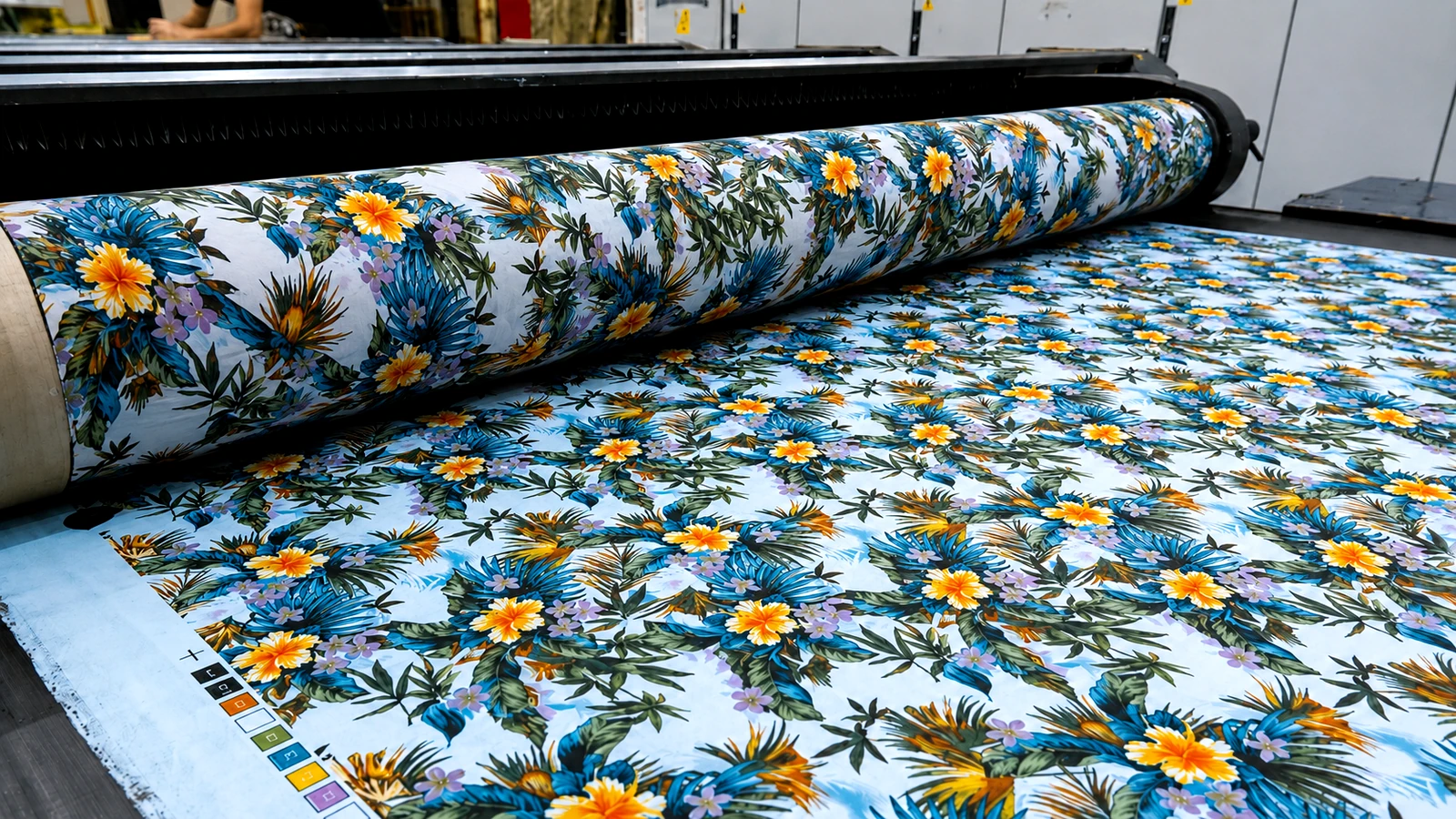
Приготовление пасты из альгината натрия: методы растворения и рекомендации по концентрации
При печати на текстиле реактивными красителями правильная подготовка пасты не менее важна, чем выбор сорта краски. В данном руководстве рассматриваются методы растворения альгината натрия, диапазоны концентраций в зависимости от области применения, условия хранения, а также способы устранения типичных проблем при подготовке пасты.
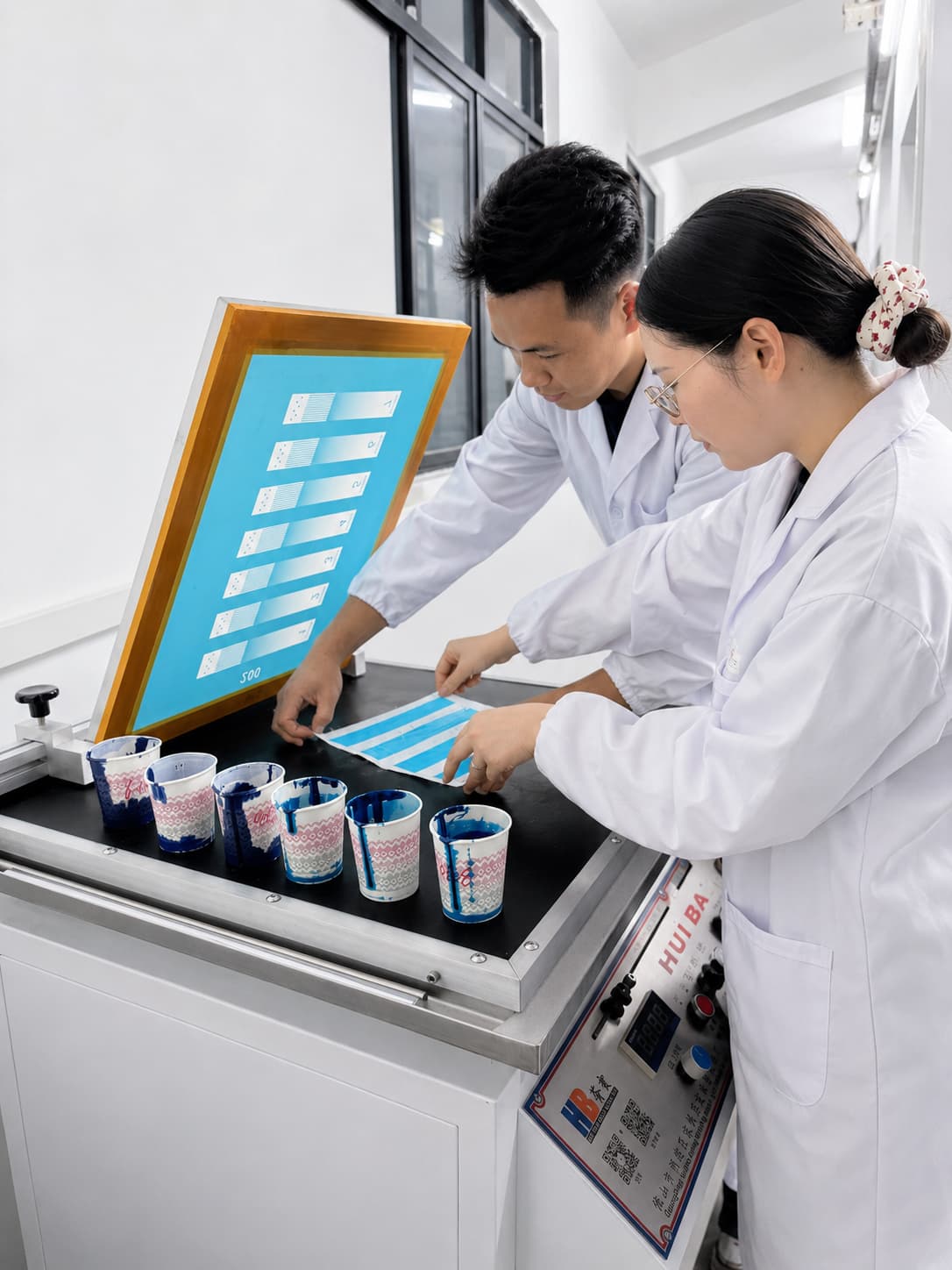
Фиксация реактивных красителей при печати на текстиле: как альгинат натрия влияет на выход краски
Скорость фиксации красителя напрямую влияет на цветоотдачу, стойкость к стирке и загрязнённость сточных вод при печати реактивными красителями. В данном руководстве объясняется, как альгинат натрия способствует фиксации красителя, какие параметры пасты влияют на скорость фиксации и как устранять проблемы, связанные с низкой фиксацией, в производственных условиях.
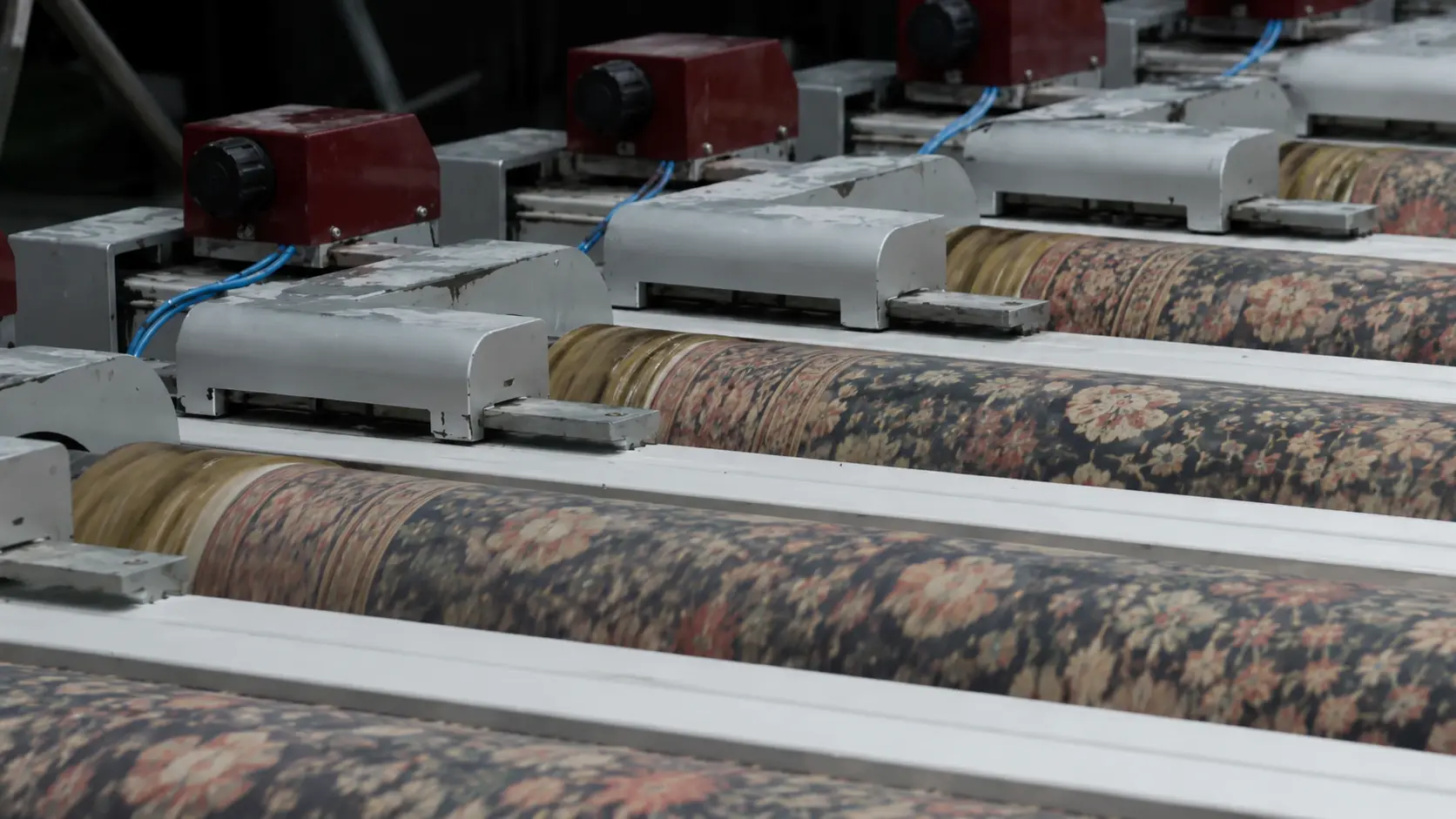
Альгинат натрия в процессе проклеивания и отклеивания текстиля: руководство по технологическому процессу
При печати на текстиле реактивными красителями правильная подготовка пасты не менее важна, чем выбор сорта краски. В данном руководстве рассматриваются методы растворения альгината натрия, диапазоны концентраций в зависимости от области применения, условия хранения, а также способы устранения типичных проблем при подготовке пасты.
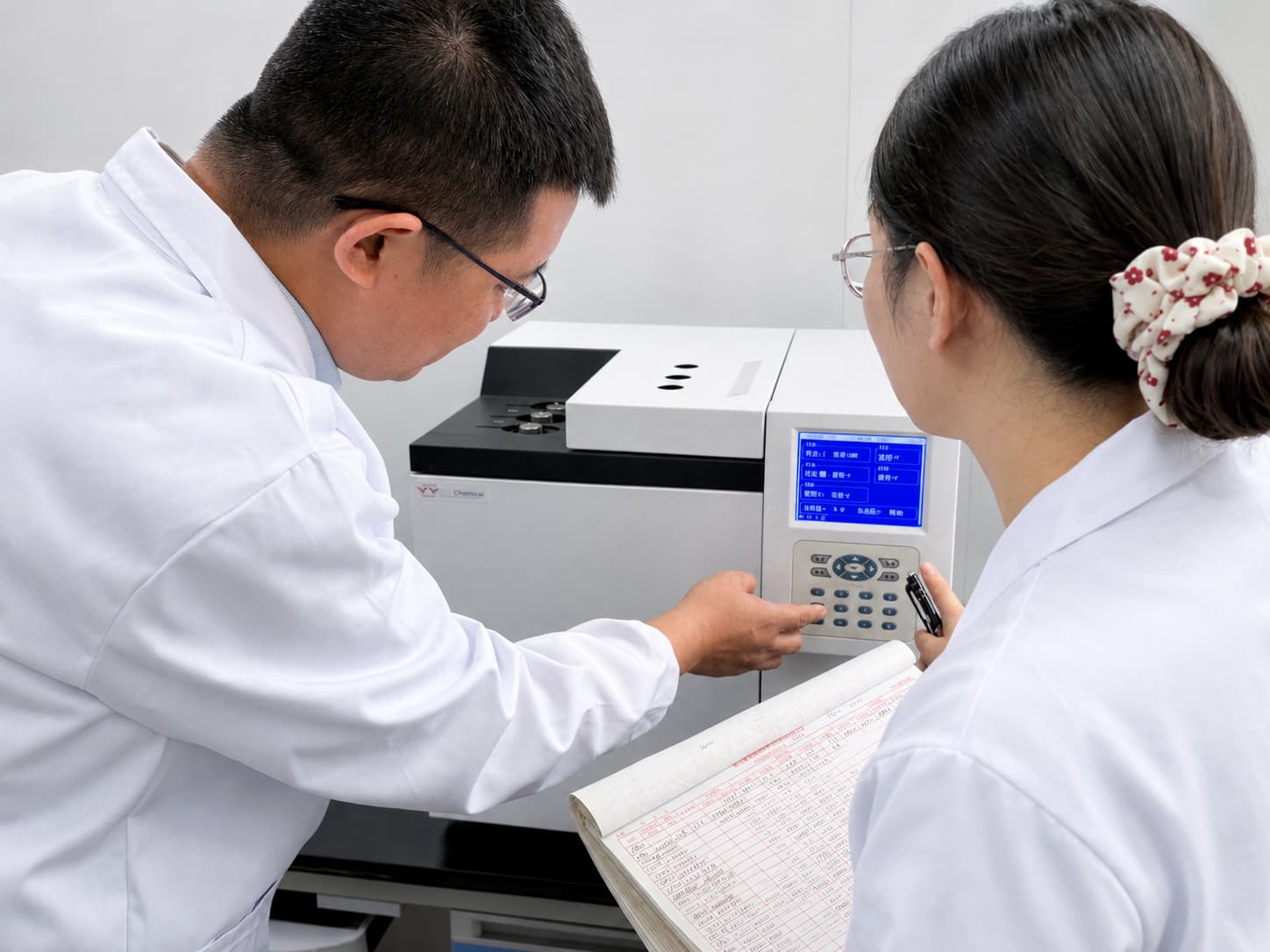
Размер ячейки альгинатной сетки натрия в текстильной печати: как размер частиц влияет на рабочие характеристики пасты
Размер частиц альгината натрия (меш) влияет на скорость растворения порошка, равномерность его гидратации, а также на рабочие характеристики получаемой пасты при трафаретной печати. В данном руководстве объясняются практические последствия выбора размера меш при использовании паст для печати на текстиле.
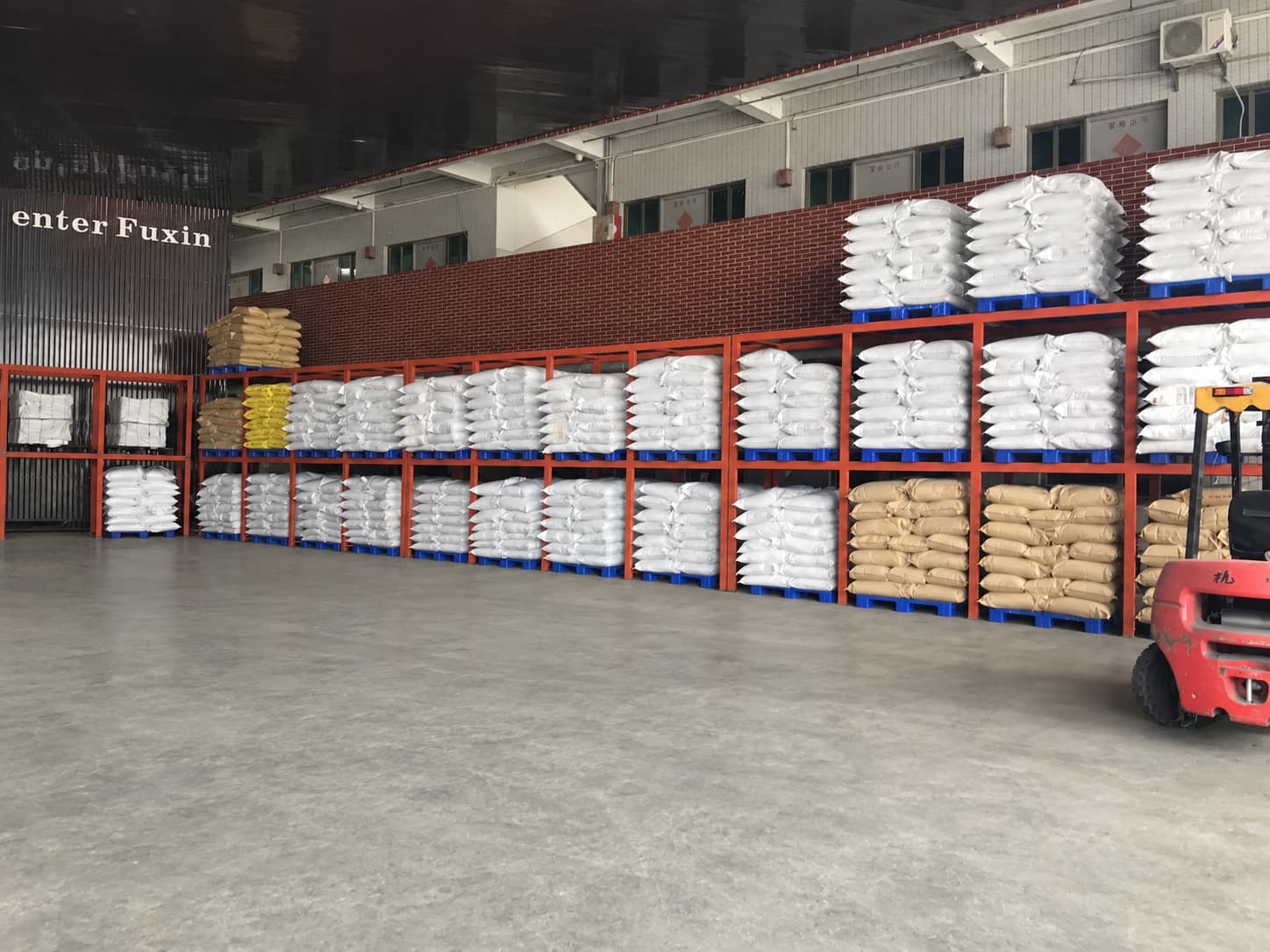
Альгинат натрия в текстильной печати: экологические аспекты и вопросы, связанные со сточными водами
Альгинат натрия — это природный биоразлагаемый полимер, однако его использование в текстильной печати приводит к образованию сточных вод, требующих соответствующей обработки. В данном руководстве рассматриваются экологические характеристики альгината натрия, свойства сточных вод после вымывания, а также то, что специалистам по закупкам необходимо знать о выборе загустителя и его воздействии на окружающую среду.
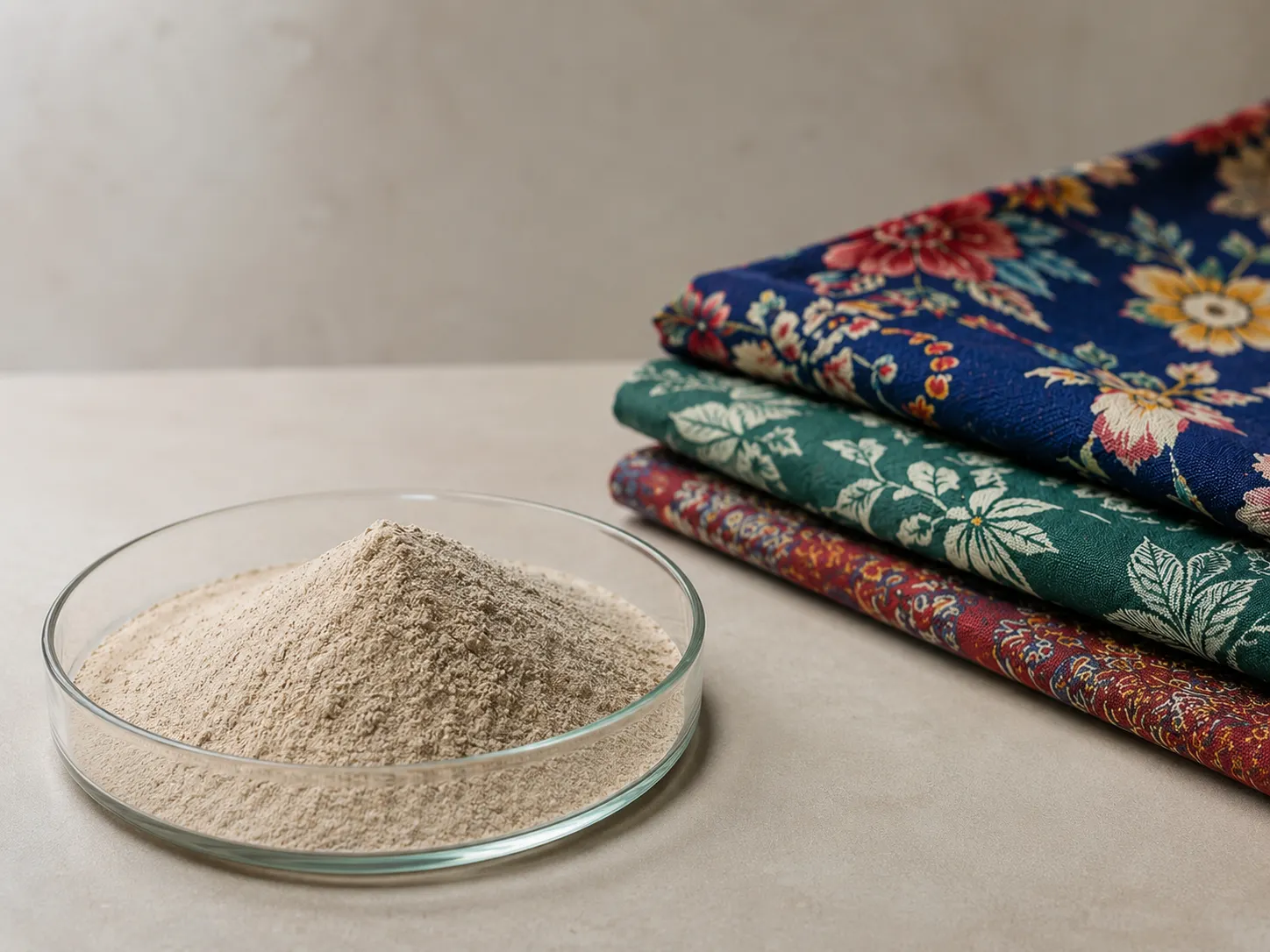
Стабильность вязкости альгината натрия при печати на текстиле: причины, меры по устранению и выбор марки
Нестабильность вязкости в печатной пасте на основе альгината натрия является одной из наиболее распространённых причин колебаний цвета и дефектов печати при печати реактивными красителями. В данном руководстве объясняется, почему вязкость изменяется в процессе производства, какие факторы способствуют нестабильности, а также как выбрать марку с более высокой стабильностью, подходящую для ваших технологических условий.
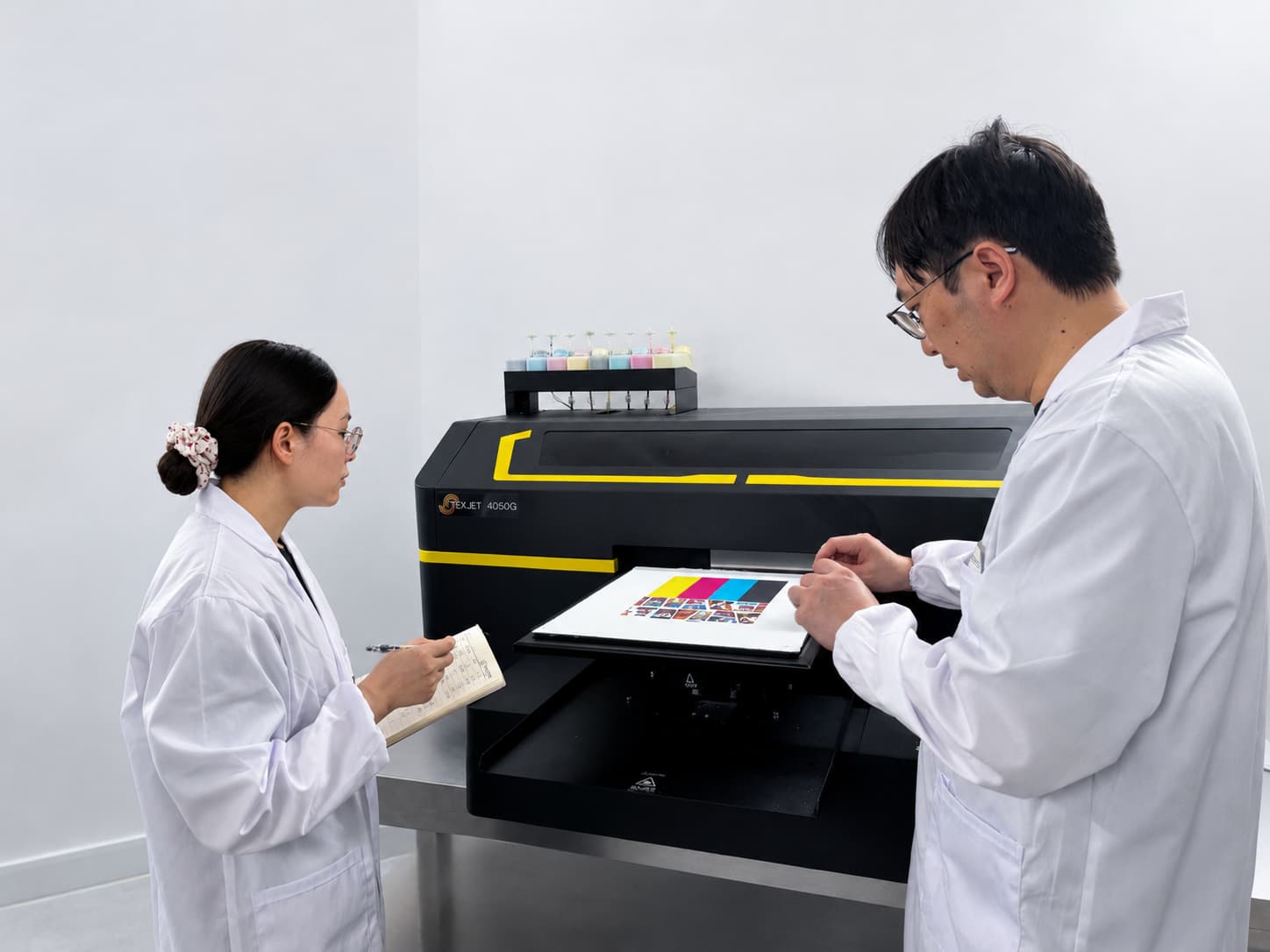
Выбор марки альгината натрия в зависимости от типа ткани при печати на текстиле
Выбор подходящего сорта альгината натрия для печати реактивными красителями в значительной степени зависит от ткани, на которую наносится рисунок. Хлопок, вискоза, лен и смесовые ткани имеют разную структуру волокон и особенности поглощения красителя, что влияет на требования к вязкости пасты, её концентрации и условиям закрепления.
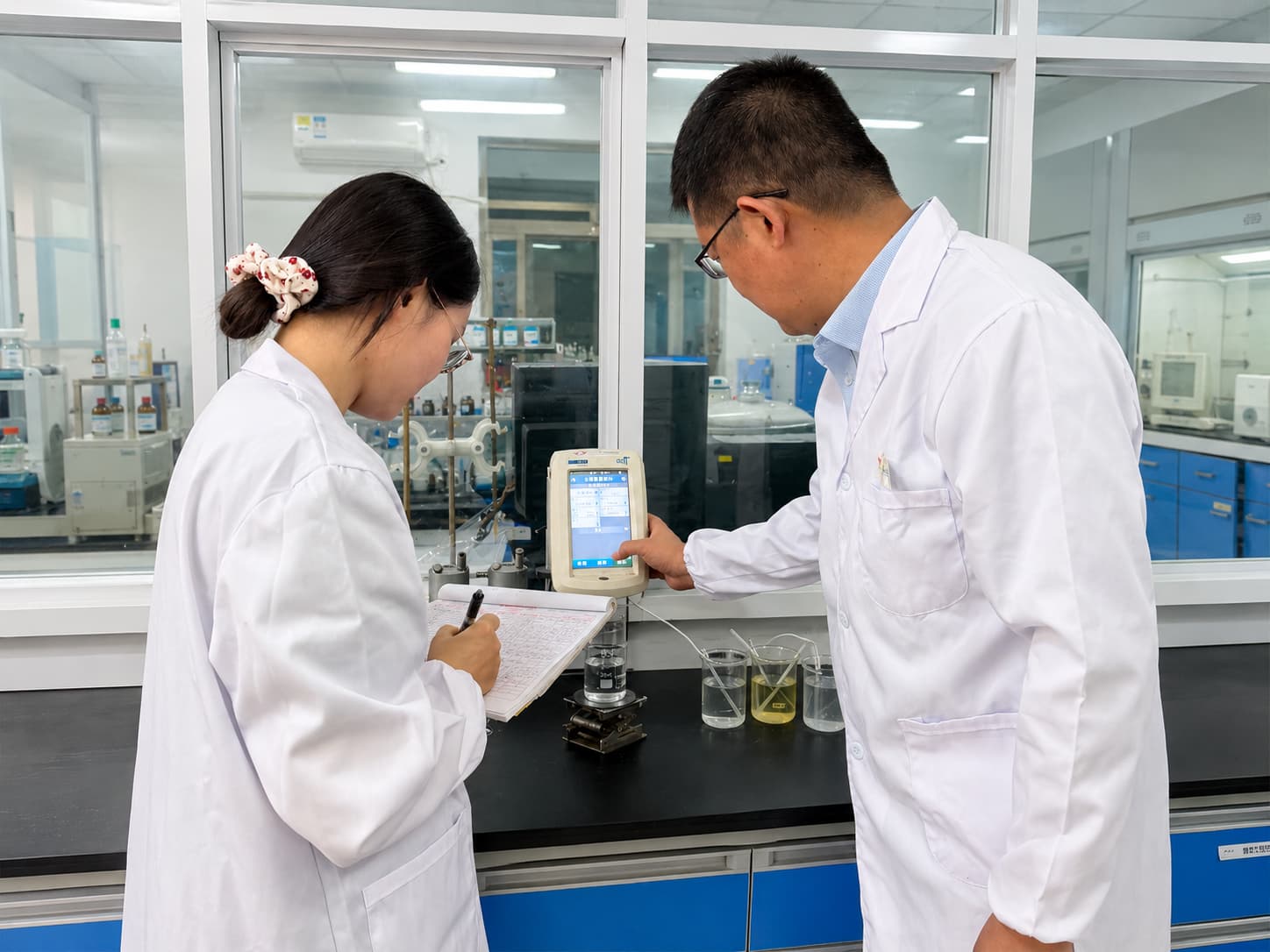
Чистота альгината натрия в текстильной печати: значение и важность технических требований
Требования к чистоте альгината натрия не сводятся к одному-единственному показателю. В данном руководстве объясняется, какое значение для эксплуатационных характеристик пасты для текстильной печати имеют показатели активного вещества, содержания NaCl, нерастворимых веществ и тяжелых металлов, а также в каких случаях целесообразно выбирать продукт с более высокой степенью чистоты вместо стандартного промышленного сорта.
