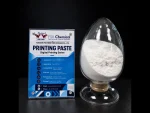
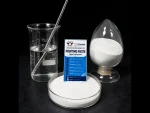
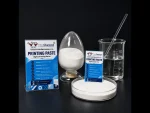
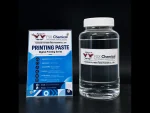
Паста для цифровой печати
Digital printing paste and thickener selection for reactive, disperse and pigment textile printing.
Digital Printing Paste & Thickener for Textile Printing
FSX Chemical supplies DP-R, DP-D and DP-P routes for reactive, disperse and pigment digital textile printing. Compare ink system, fabric type, dosage direction, pH range and trial performance before sample testing.
Product Definition
What is Digital Printing Paste?
What is digital printing paste?
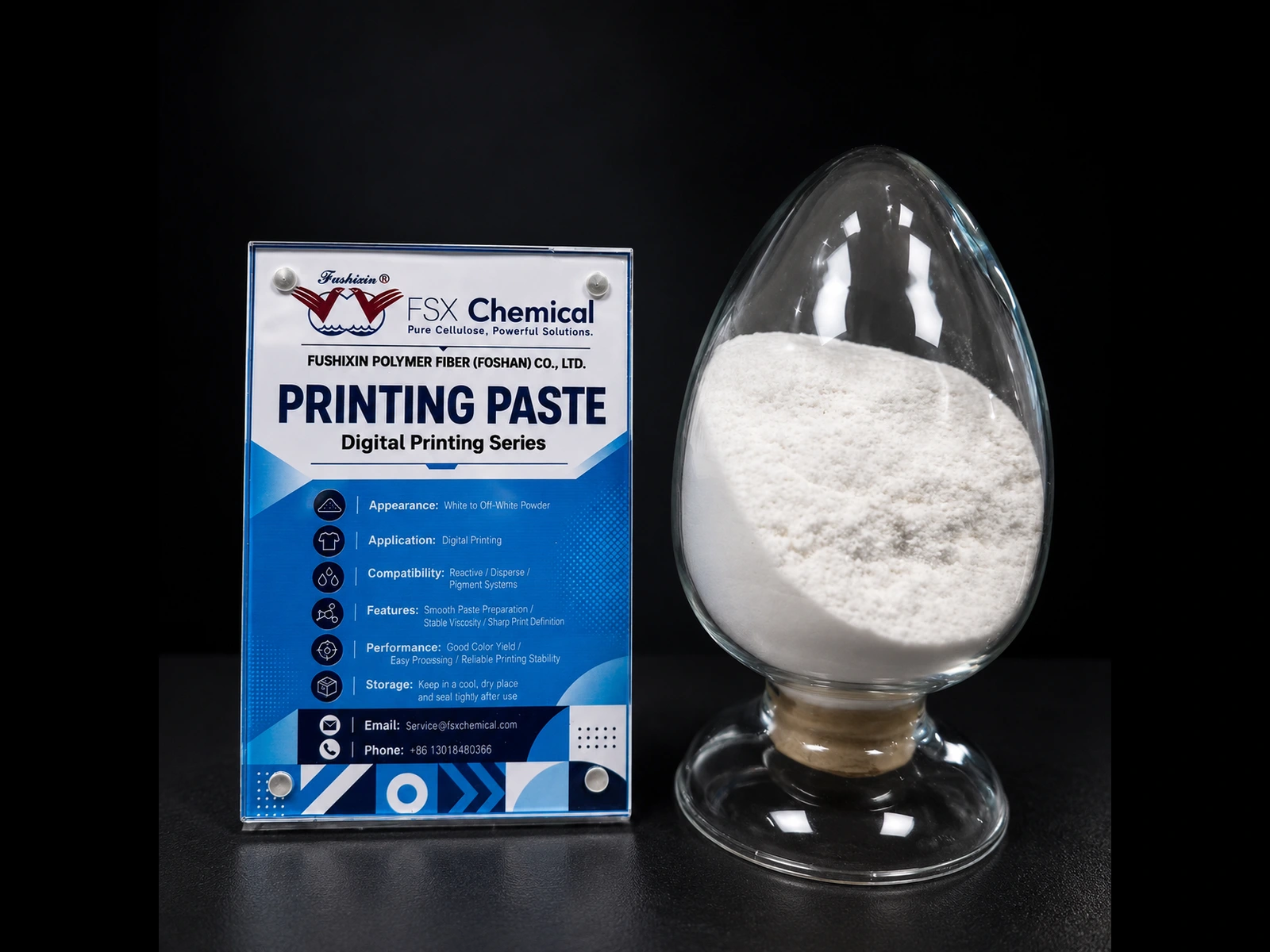
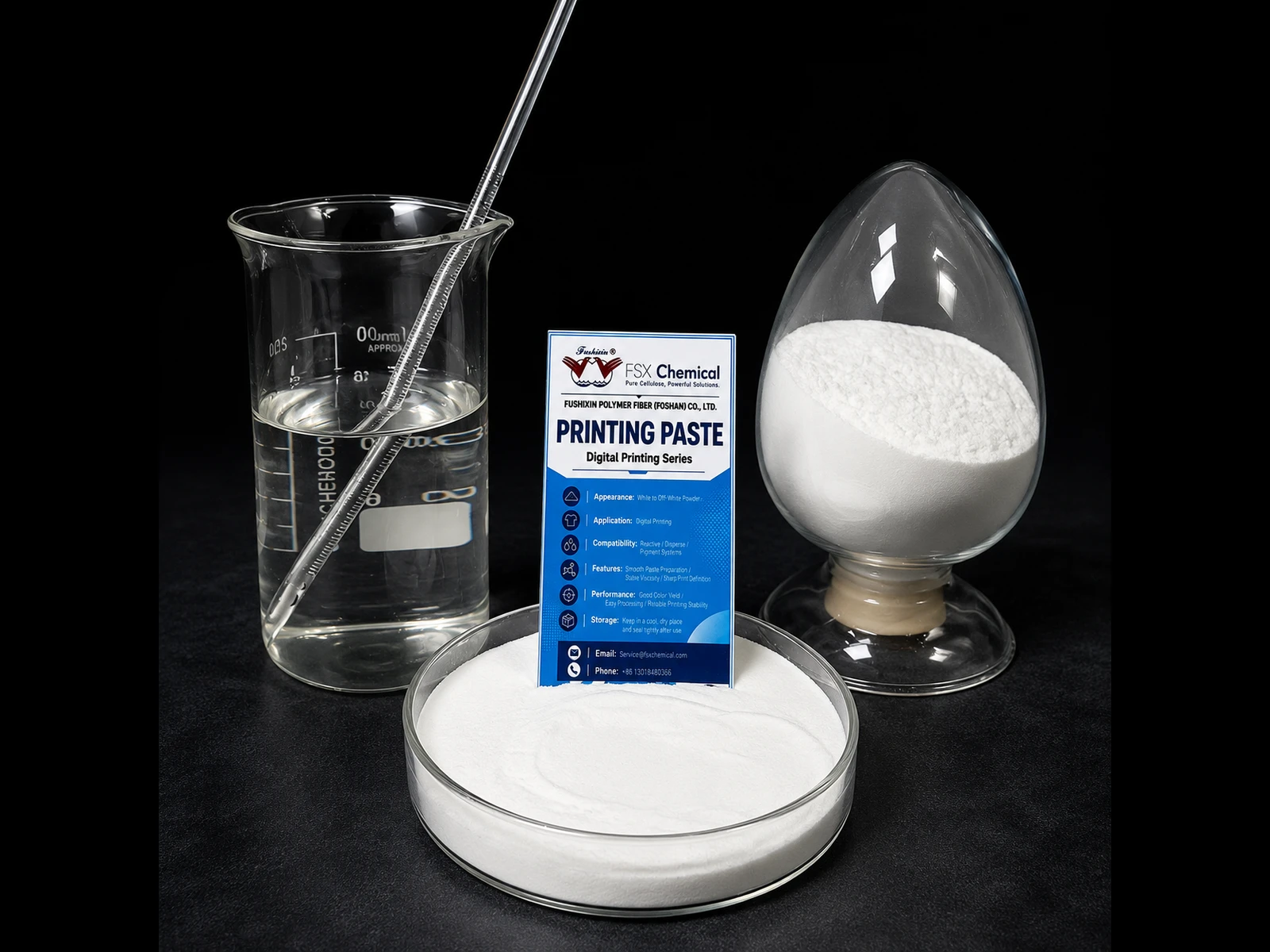
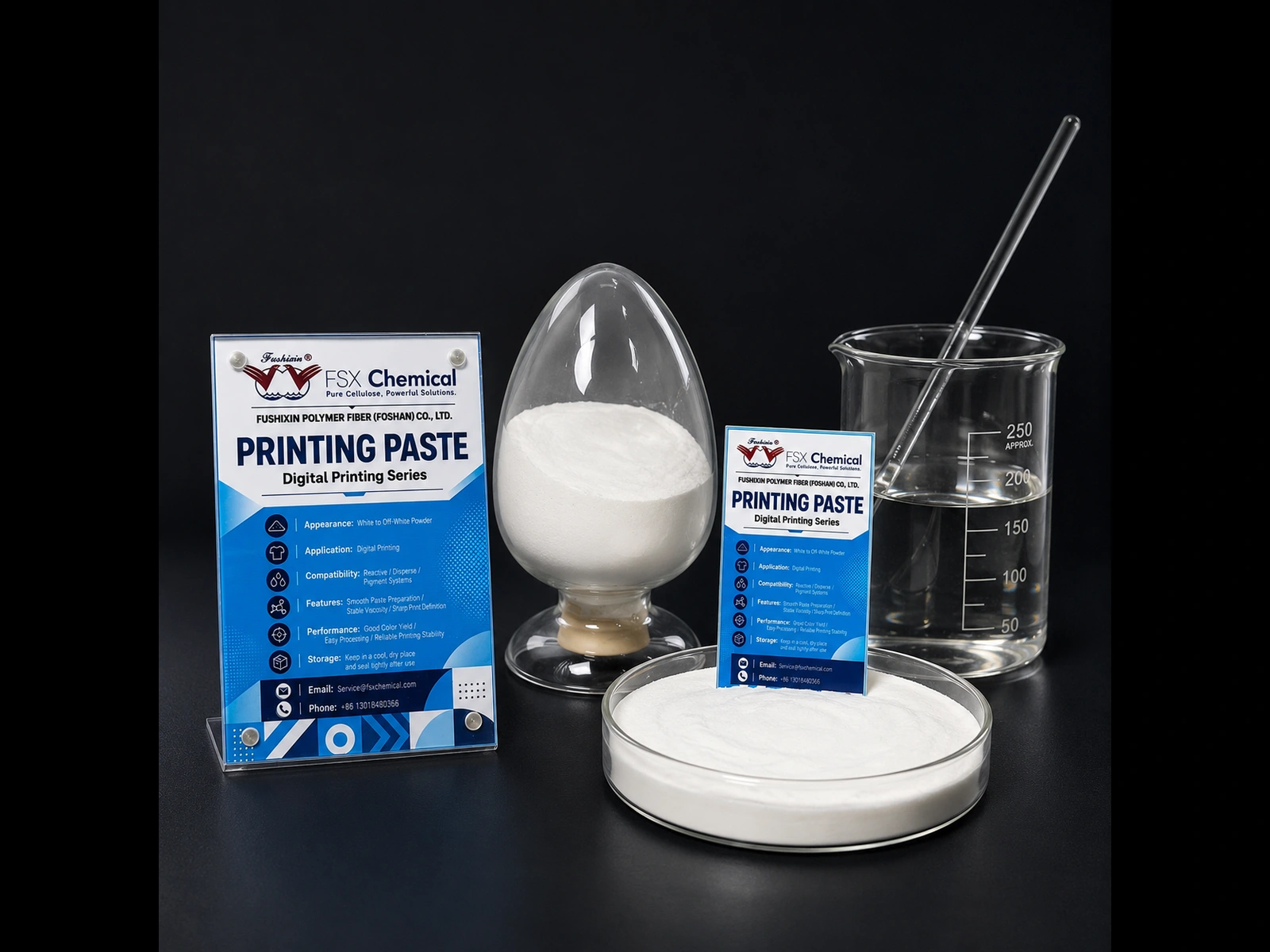
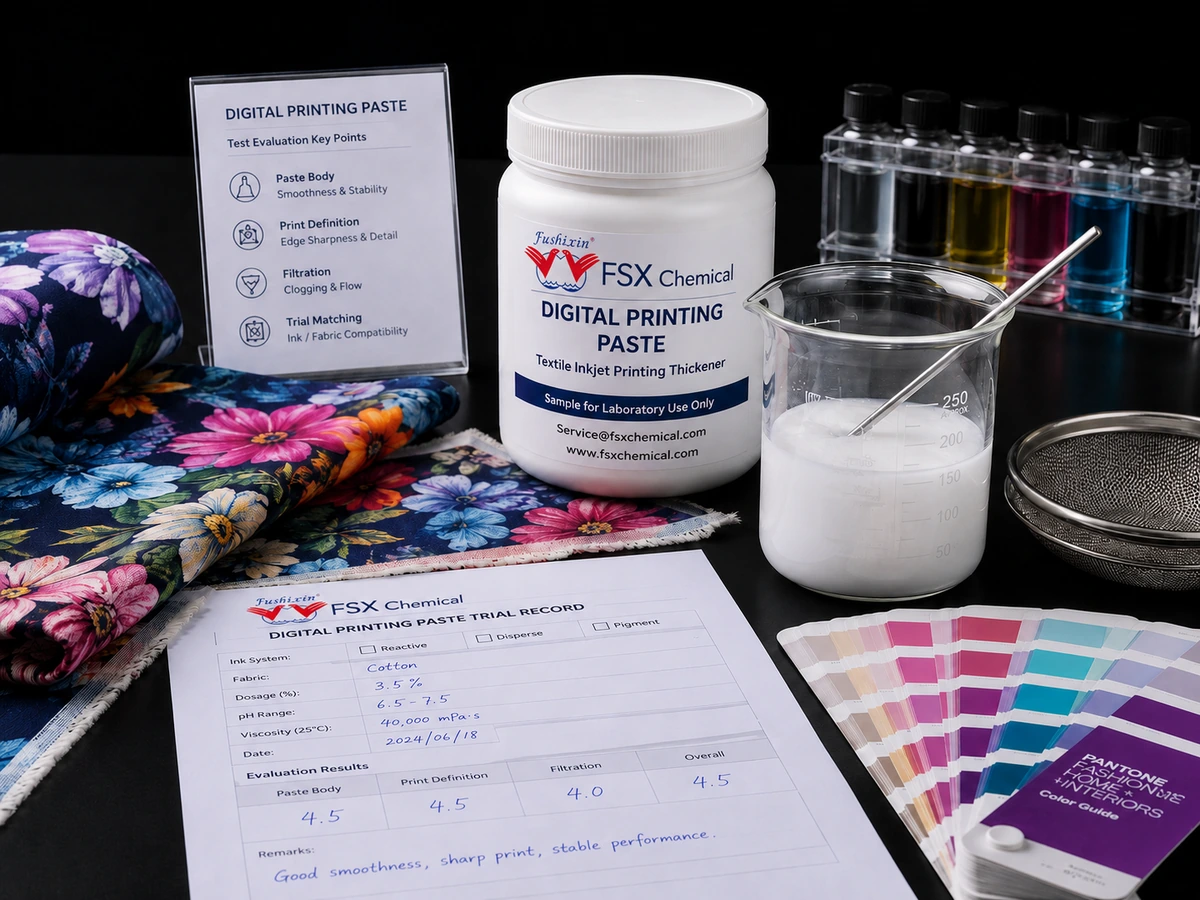
Digital printing paste, also called digital printing thickener, is a textile printing auxiliary used in inkjet textile printing systems to adjust paste body, ink movement and fabric surface performance before final printing evaluation.
What does it control in digital textile printing?
It helps support paste smoothness, filtration, edge definition, bleeding control and print stability. The suitable product should be checked together with ink system, fabric type, equipment and production process.
How should samples be compared?
Digital printing paste should not be selected only by viscosity number. Buyers should compare DP-R, DP-D and DP-P according to ink route, dosage, pH range, paste preparation and actual print test results.
Application Selector
Explore Digital Printing Application Routes
Select a starting route by ink system, fabric type and current paste condition before comparing DP-R, DP-D and DP-P samples.
Reactive Digital Printing
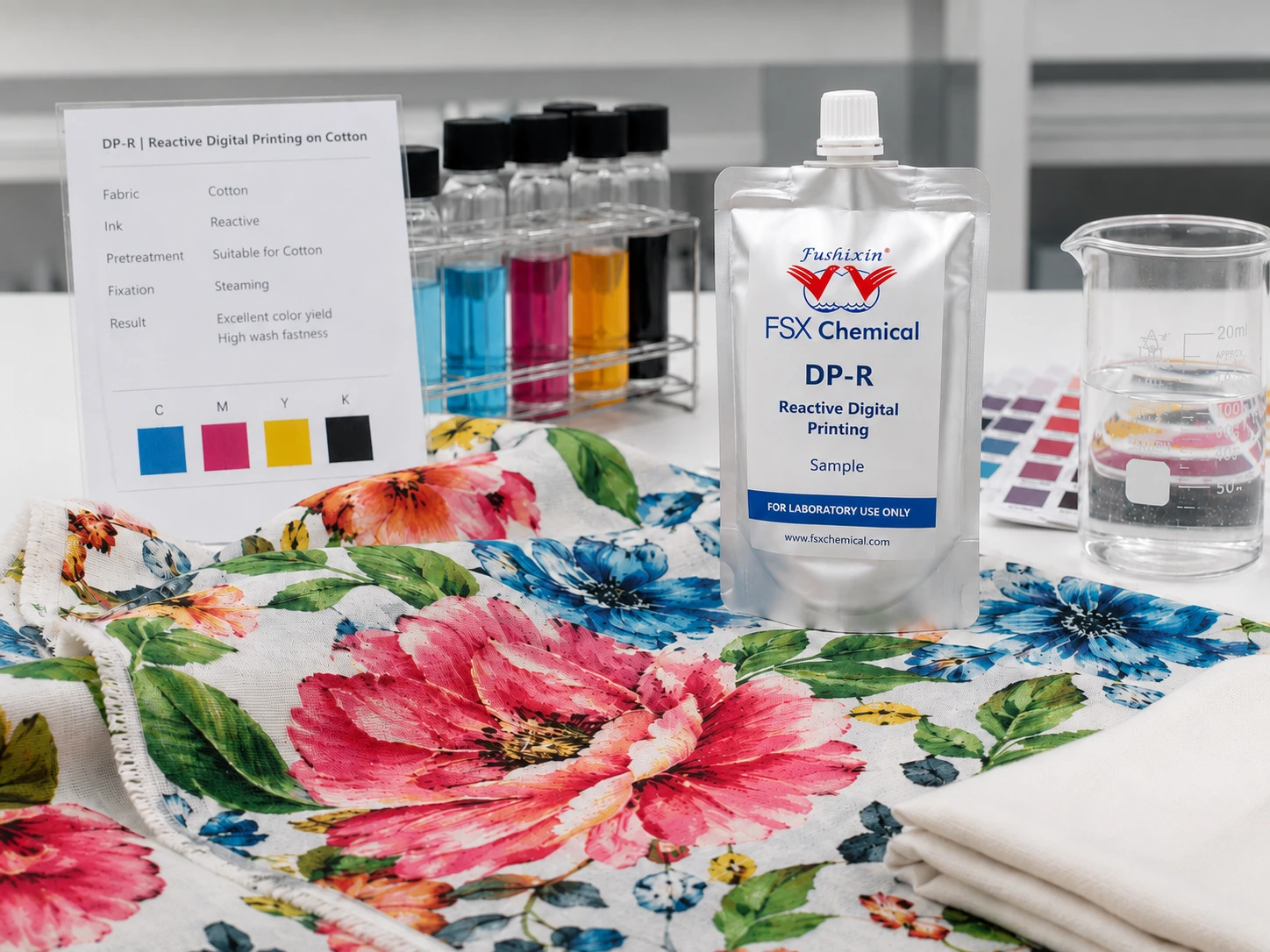
For reactive inkjet printing trials on cotton, viscose, Tencel, modal, silk and wool systems.
- Ink system
- Reactive
- Trial focus
- Print clarity and paste stability
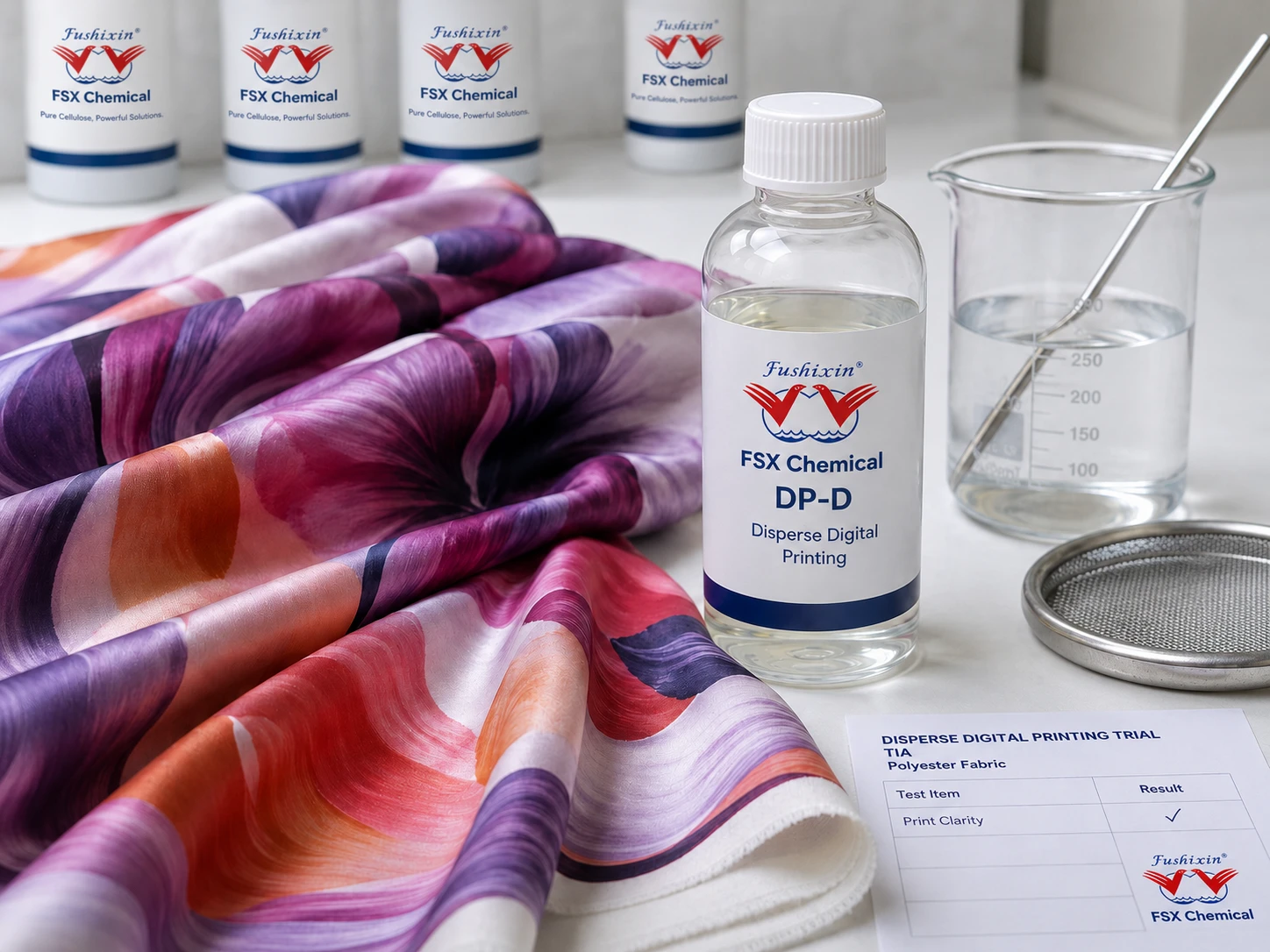
Disperse Digital Printing
For disperse digital printing on polyester and polyester-related fabrics requiring process-side testing.
- Ink system
- Disperse
- Trial focus
- Filtration and compatibility
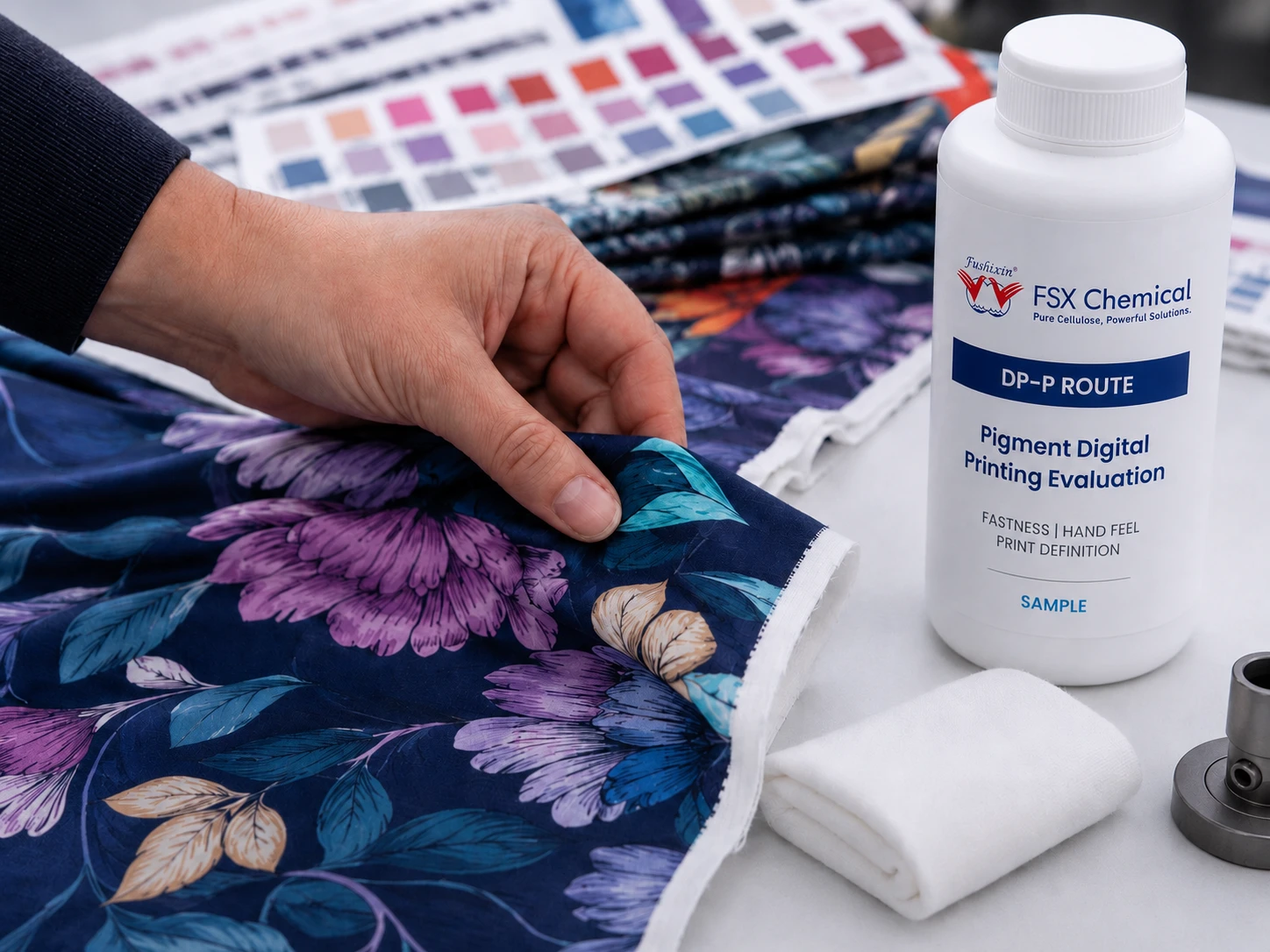
Pigment Digital Printing
For pigment digital textile printing where fastness, hand-feel and print definition need balance.
- Ink system
- Pigment
- Trial focus
- Fastness and hand feel
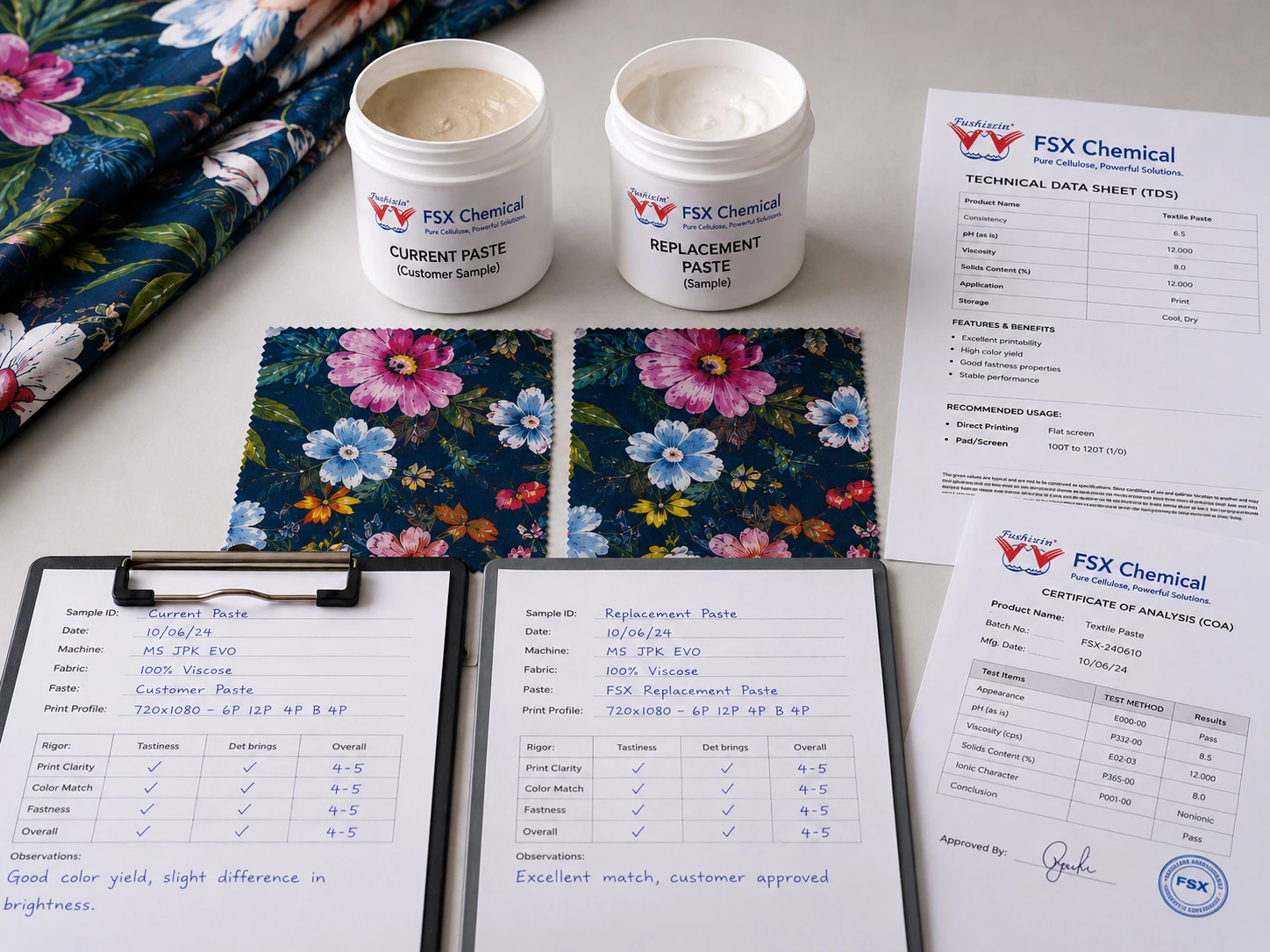
Current Paste Replacement
For buyers comparing current TDS, sample, viscosity method, dosage condition or print-side result.
- Input
- Current TDS or sample
- Goal
- Practical replacement trial
Series Comparison
Compare DP-R, DP-D and DP-P Routes
Compare digital printing paste routes by ink system, product form, dosage range and trial conditions before selecting a sample direction.
| Route | Ink System | Product Form | Key Parameter | pH / Dosage | Recommended Trial Use | Action |
|---|---|---|---|---|---|---|
| DP-R Reactive digital printing route | Reactive digital printing | White to beige powder | Reference viscosity: 2,400–2,800 mPa·s. 3.0% aqueous solution, 25°C. |
pH 7–9 25–30 g / 1,000 g printing paste |
Reactive digital textile printing for cotton, viscose, Tencel, modal, silk and wool systems. | Запросить TDS |
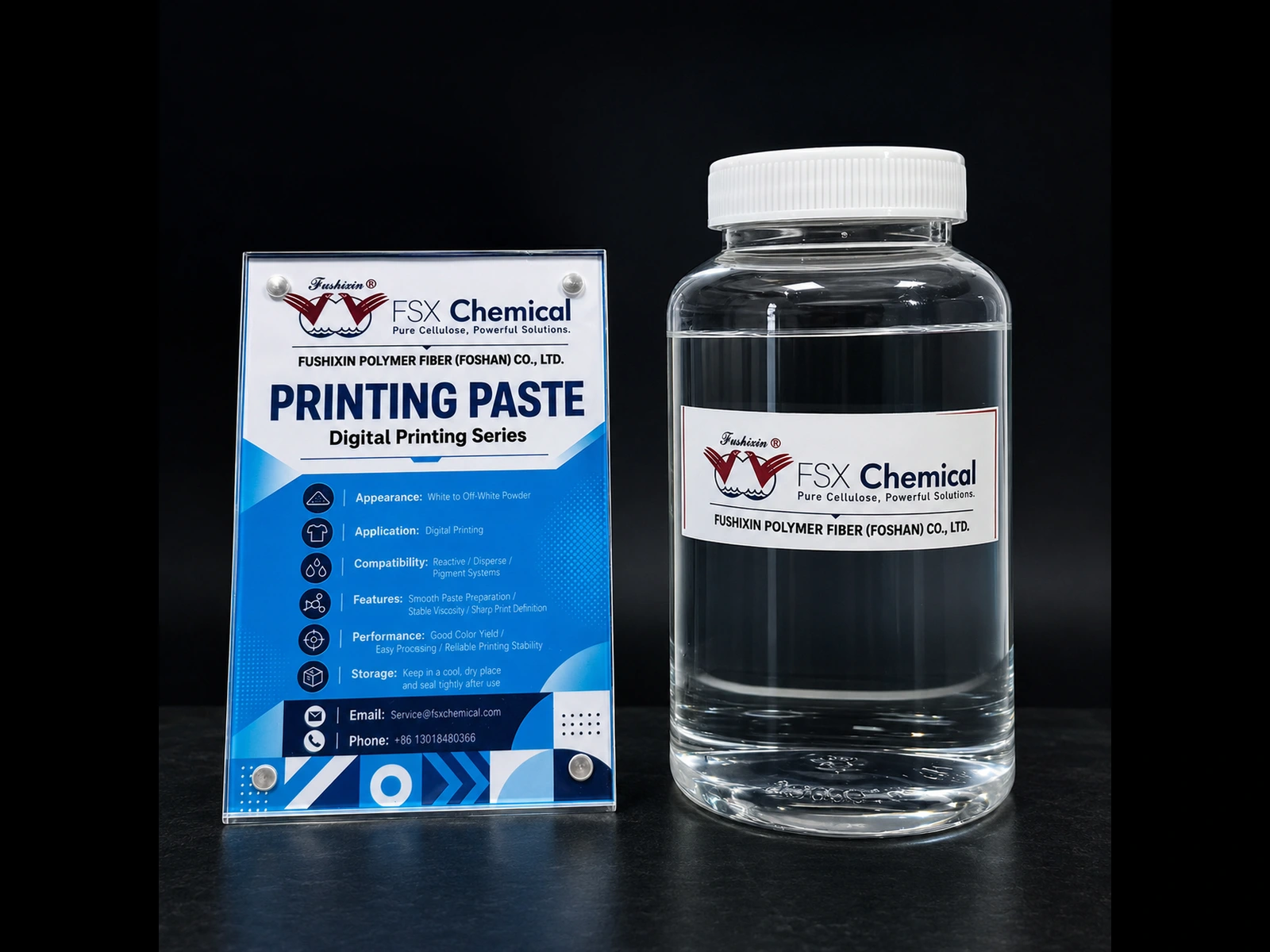
| DP-D Disperse digital printing route | Disperse digital printing | Yellowish viscous liquid | Typical dosage: 40–80 g/L. Confirm final amount by ink, fabric, equipment and print result. |
pH 4–6 40–80 g/L |
Disperse digital printing on polyester and polyester-related fabrics after process-side testing. | Запросить TDS |
| DP-P Pigment digital printing route | Pigment digital printing | Yellowish viscous liquid | Typical dosage: 40–80 g/L. Confirm final amount by pigment ink, binder system and fabric condition. |
pH 4–6 40–80 g/L |
Pigment digital textile printing where hand-feel, print definition and rubbing fastness need balance. | Запросить TDS |
Not sure which digital printing paste route matches your process?
Send your current TDS, sample, ink system, fabric type or target print issue. FSX Chemical can compare DP-R, DP-D and DP-P routes before recommending a validation direction.
Selection Method
How to Choose the Right Digital Printing Paste Route
Digital printing paste should be selected by printing route first, then confirmed by sample testing under the buyer’s ink system, fabric type and production conditions.
Confirm the ink system first
Start from reactive, disperse or pigment digital printing. This decides whether DP-R, DP-D or DP-P should be used as the first sample trial direction.
Check fabric, dosage and process conditions
Confirm fabric type, current dosage, pH range, paste preparation, filtration requirement, drying / fixing route and equipment condition.
Validate paste and print performance
Compare smoothness, standing stability, edge definition, bleeding control, hand-feel and final printed fabric result before bulk order.
Сопоставление образцов
Match Your Current Digital Printing Paste Before Bulk Purchasing
Send your current TDS, sample photo, ink system, fabric type or print issue. FSX Chemical can compare your process conditions and suggest a practical DP-R, DP-D or DP-P trial direction.
Send TDS, sample photo and print condition
The comparison can start from your current product data or real sample, helping avoid selection only by product name or single viscosity value.
Current TDS / Sample
Share sample, TDS, viscosity method or product appearance.
Ink & Fabric
Confirm reactive, disperse or pigment digital printing route.
Dosage Condition
Provide dosage, pH range, filtration and paste preparation.
Target Issue
Tell us your definition, stability, hand-feel or cost target.
Factory / Lab / QC Proof
Factory, Lab and QC Proof
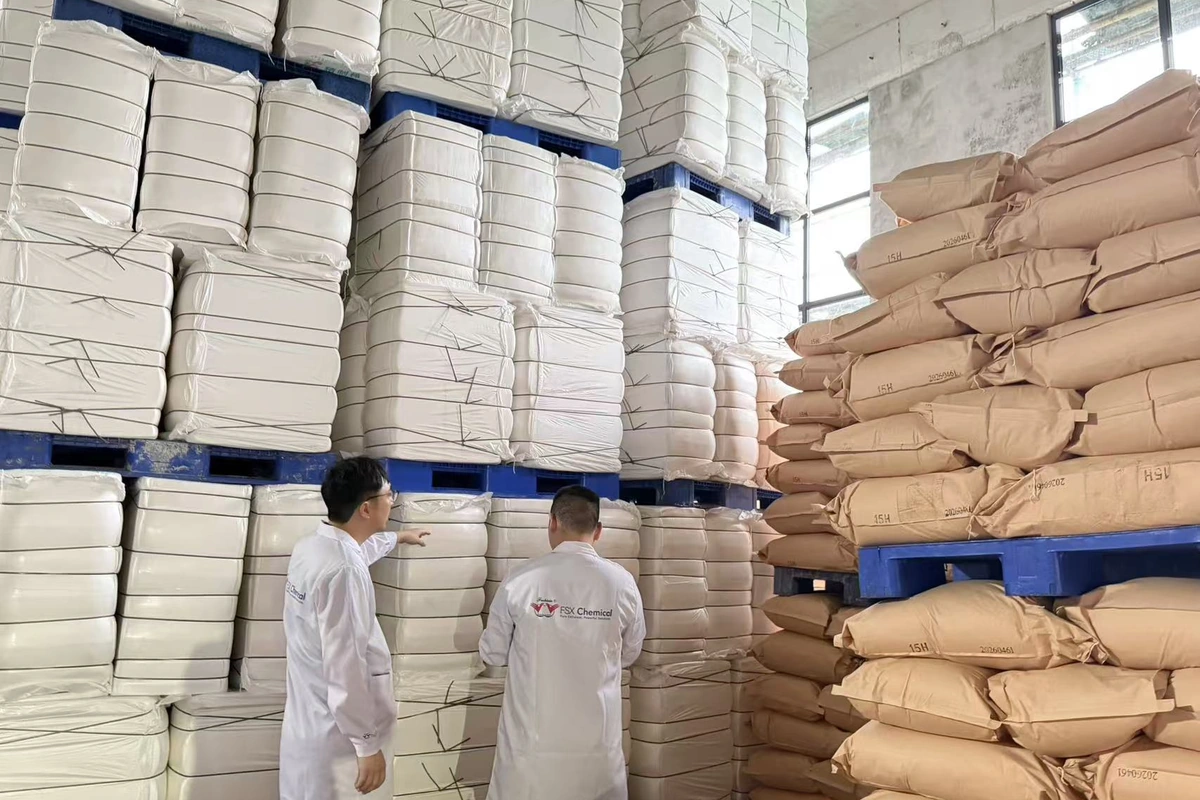
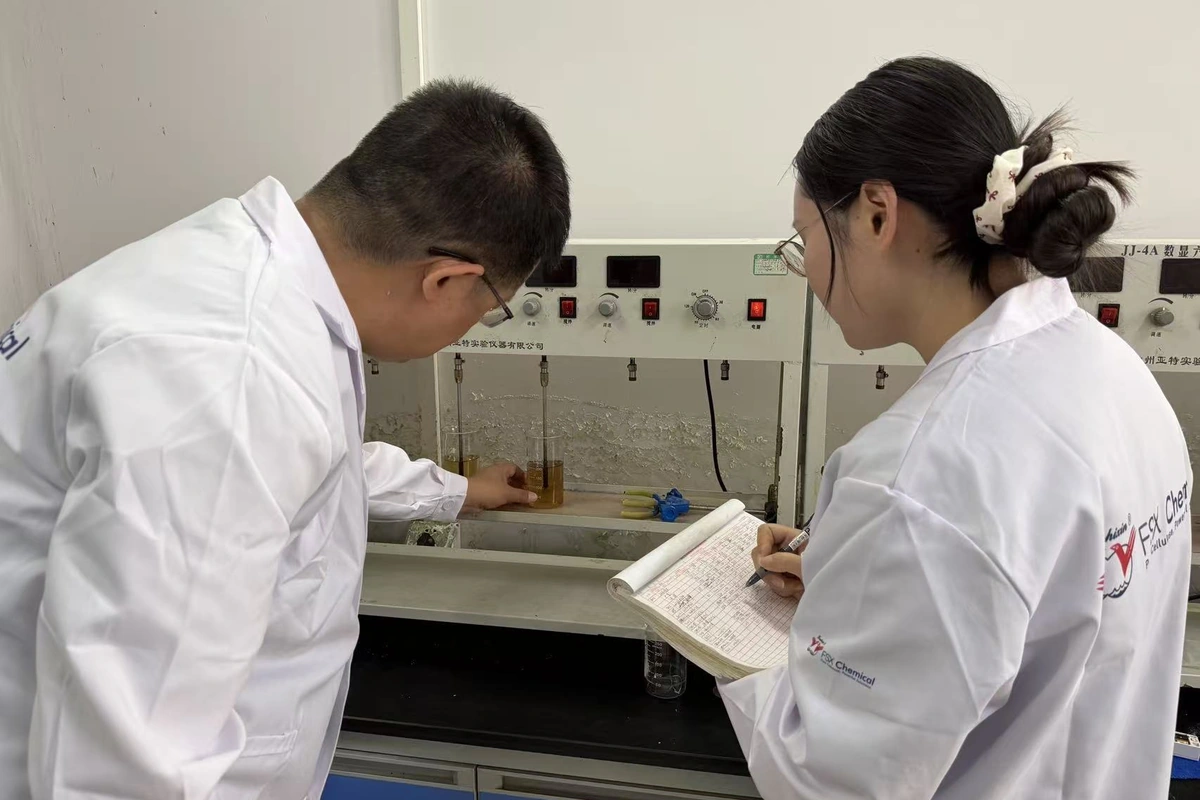
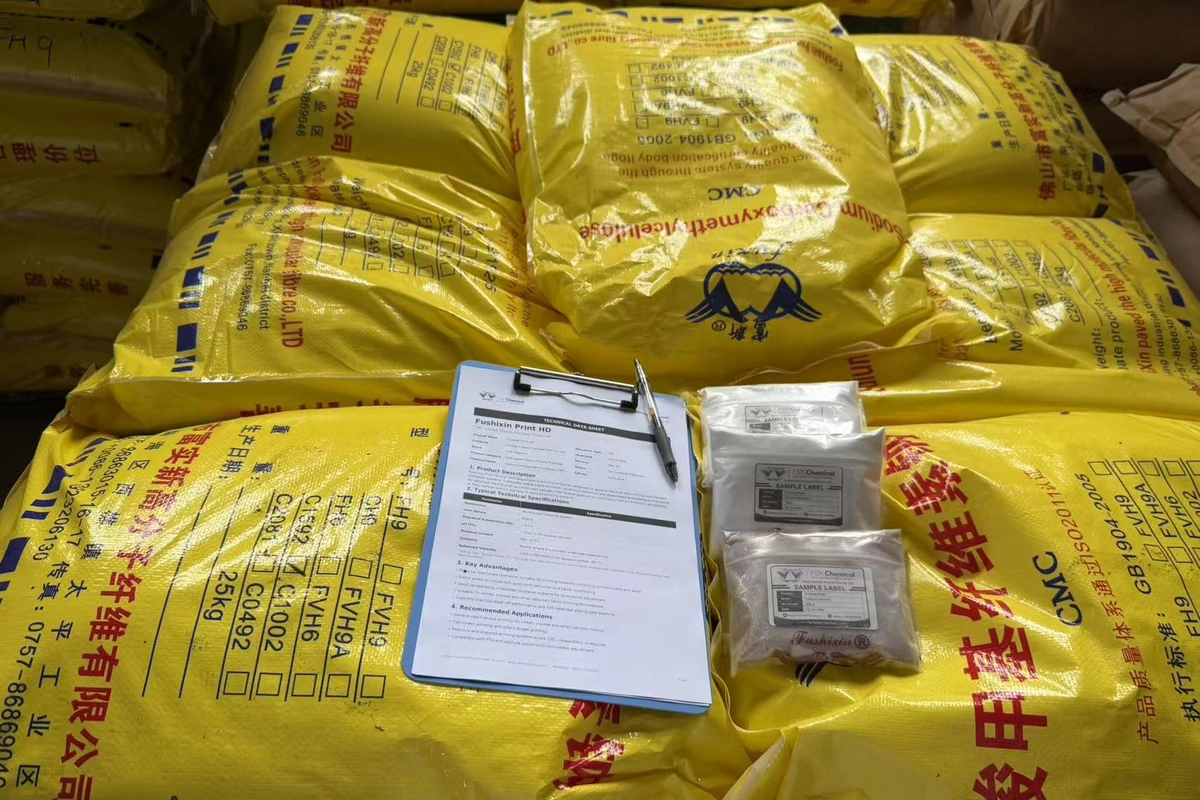
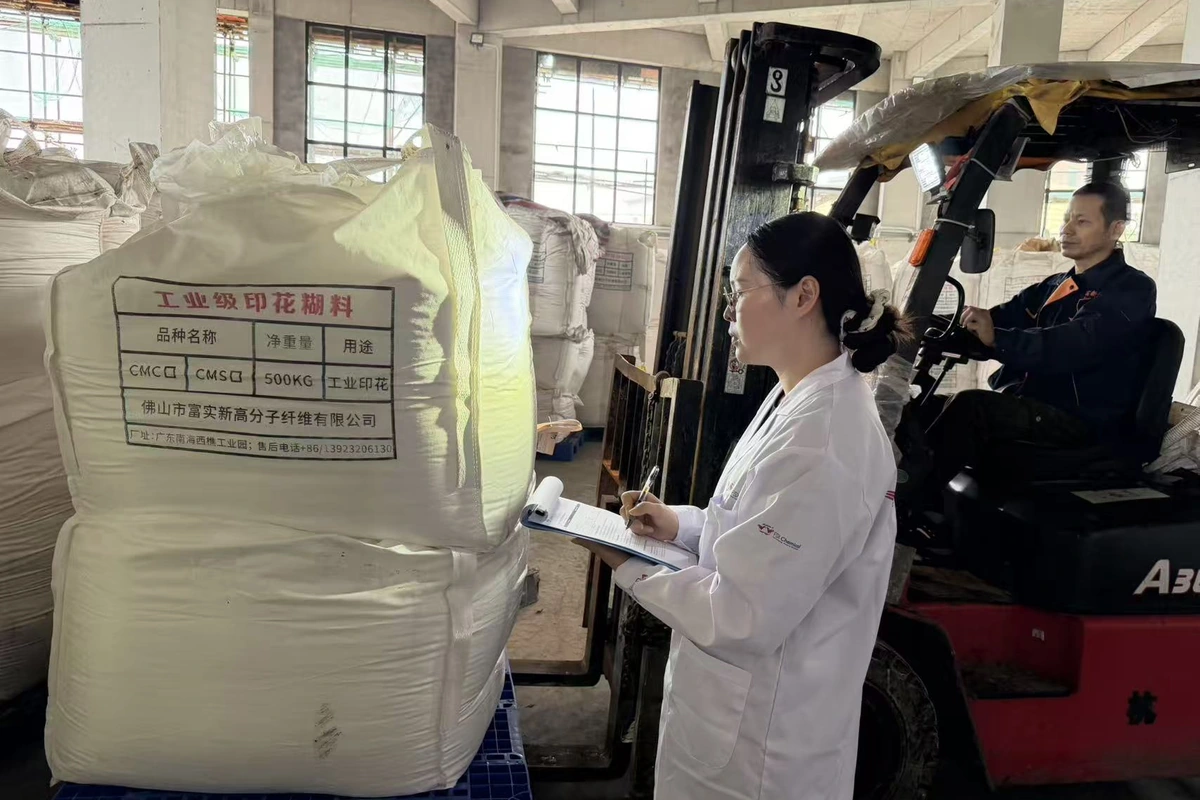
Use real production, testing, document and packing images to verify digital printing paste supply capability before sample evaluation.
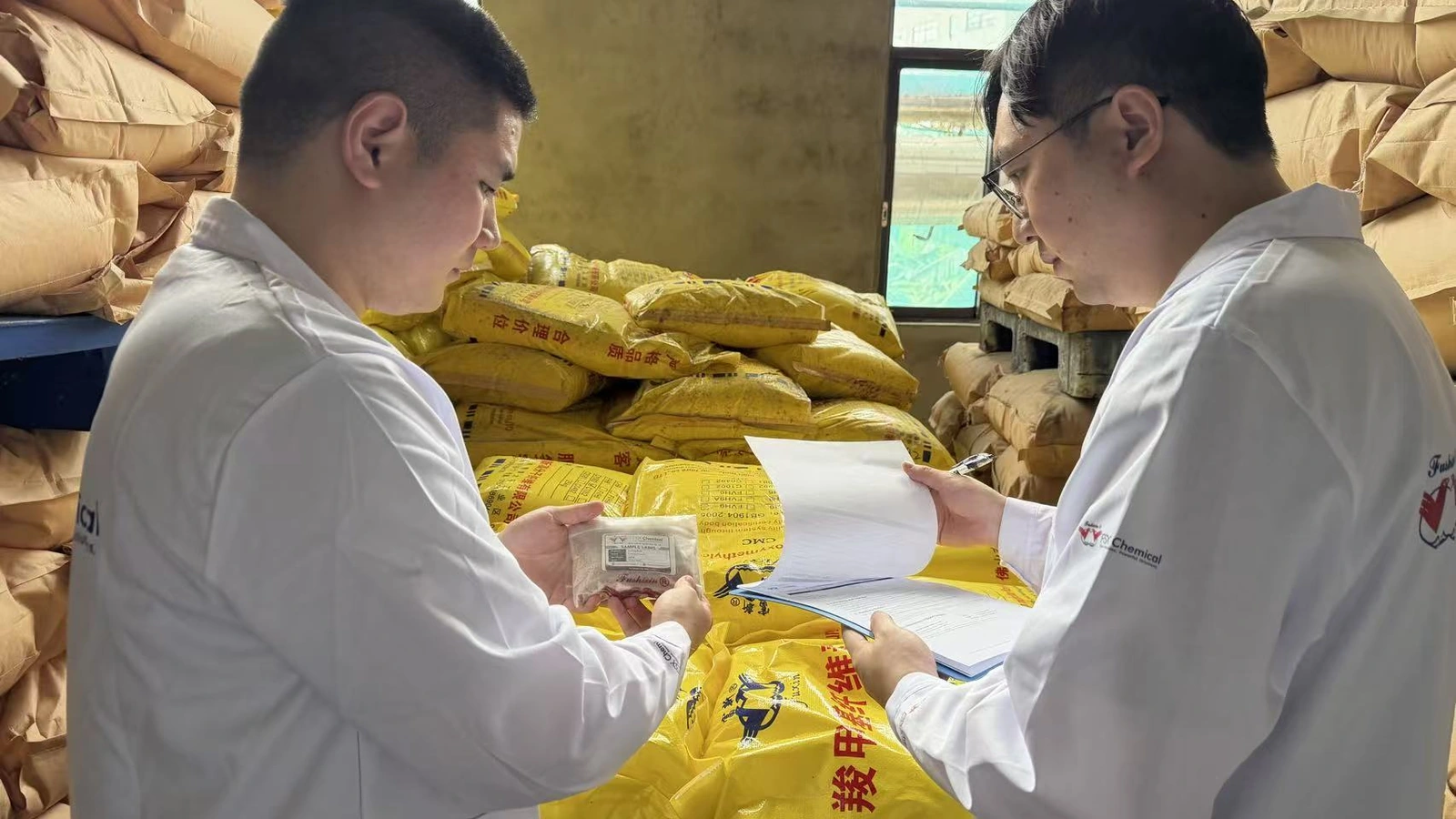
Digital printing paste manufacturer with sample matching and batch QC support
Real warehouse sample review and batch QC support for digital printing paste supply.
Factory Production
Review manufacturing and production support for confirmed digital printing paste orders.
Lab Verification
Use viscosity testing, sample comparison and print-side evaluation images.
Batch QC & COA
Batch documents and COA support for confirmed digital printing paste orders.
Упаковка для экспорта
Packing, palletizing and export document support for international shipment.
Product FAQ
Questions Buyers Ask Before Selecting Digital Printing Paste
These answers help buyers compare ink route, dosage, sample testing and technical documents before sending an inquiry.