RU
RU  EN
EN  BN
BN  UR
UR  TR
TR  ID
ID  AR
AR 
Why Silk Printing Has Different Requirements from Cotton
Protein Fiber vs. Cellulosic Fiber
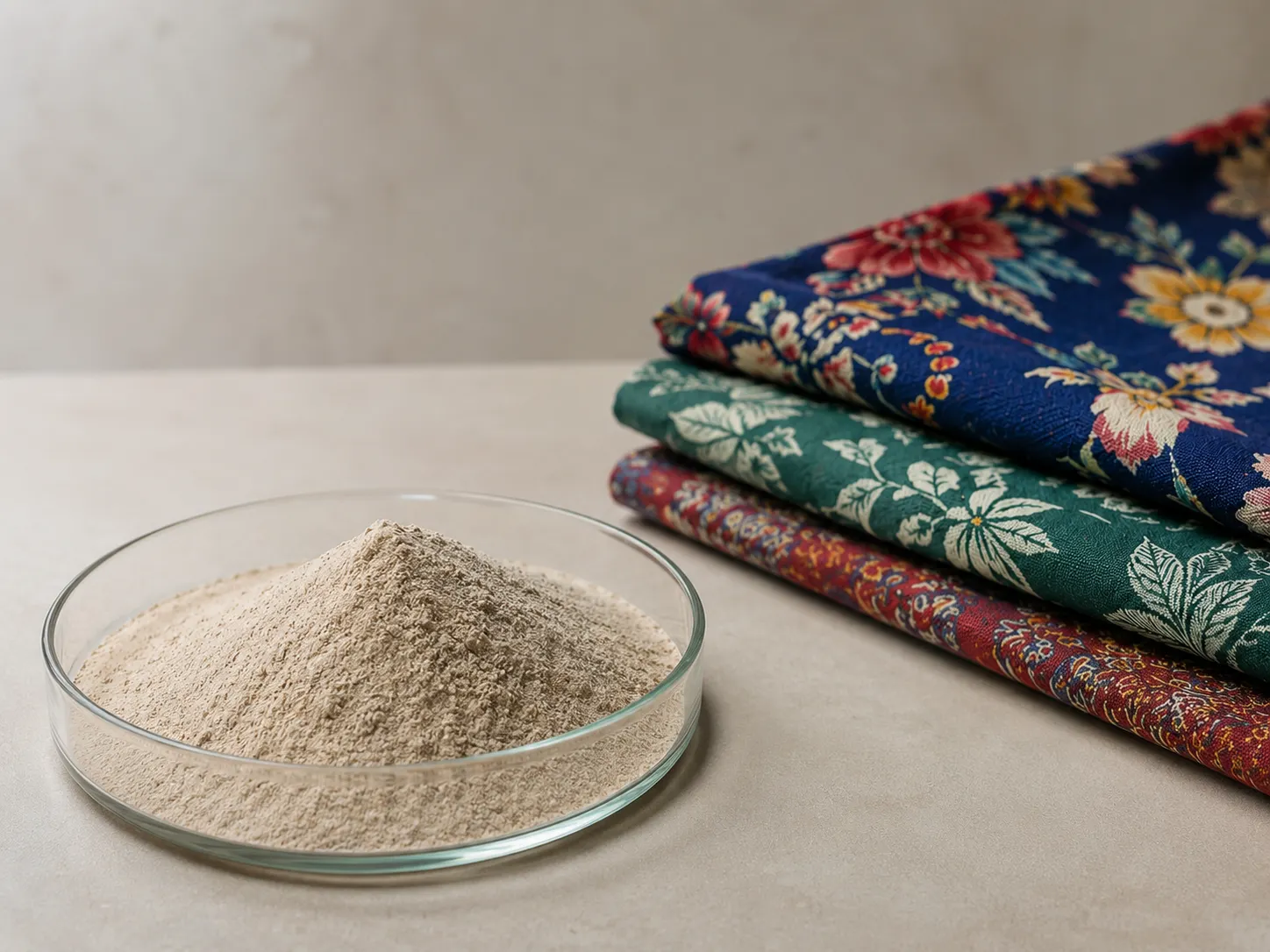
Silk is a protein fiber composed primarily of fibroin, while cotton and other cellulosic fibers are composed of cellulose. This fundamental chemical difference affects which dye classes are suitable and how the fiber interacts with printing paste and fixation conditions.
For silk, the primary dye classes used in printing are acid dyes and certain reactive dyes specifically formulated for protein fibers (often called fiber-reactive dyes for silk or wool, distinct from the cellulose-reactive dyes used on cotton). The fixation chemistry for these dye classes differs from cellulose-reactive dyes — acid dye fixation occurs under acidic to neutral conditions rather than the alkaline conditions used for cellulose-reactive dyes, and protein-reactive dyes for silk often use milder fixation conditions than cellulose-reactive systems.
Fiber Delicacy and Mechanical Sensitivity
Silk fiber is more sensitive to mechanical stress, heat, and chemical exposure than cotton. Excessive agitation during paste preparation or washing-off, high steaming temperatures, or strongly alkaline conditions can damage silk fiber — causing loss of luster, strength reduction, or surface degradation (often described as a “harsh” or damaged hand feel).
This sensitivity means that paste formulation and process conditions for silk printing need to be gentler than for cotton in several respects: lower steaming temperature where the dye chemistry allows, shorter and more carefully controlled washing-off, and printing paste that does not require harsh chemical conditions for application or removal.
Surface Characteristics and Print Definition Requirements

Role of Sodium Alginate in Silk Printing
Compatibility with Acid Dyes and Silk-Specific Reactive Dyes
For silk-specific reactive dyes (protein-reactive systems), sodium alginate’s general inertness to reactive dye chemistry is again favorable, similar to its role in cellulose-reactive printing, though the specific reaction conditions and dye chemistry differ from cotton reactive systems.
Viscosity Requirements for Fine Silk Printing
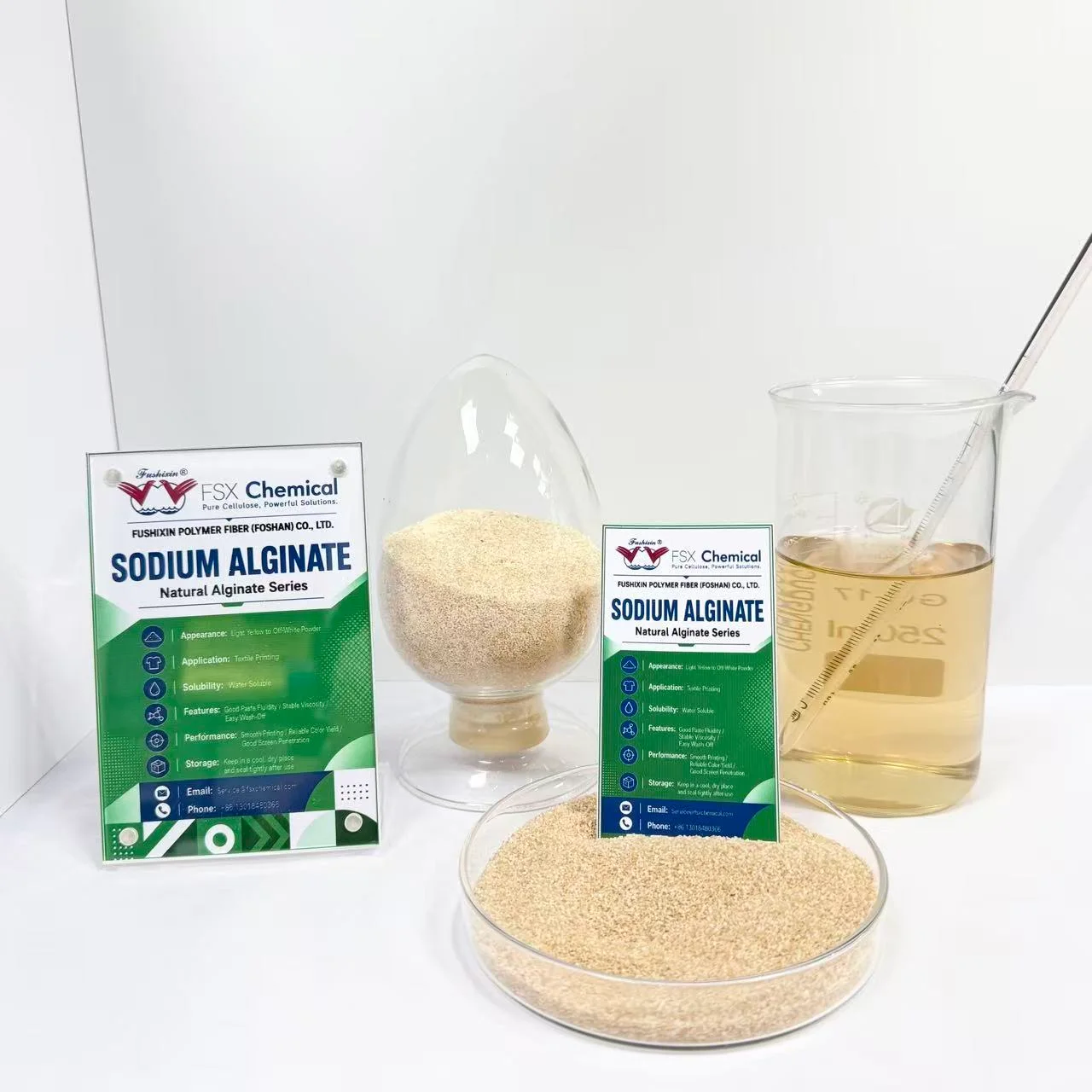
Silk fabrics are often lightweight and finely woven, which typically calls for lower paste viscosity than standard cotton screen printing to avoid excessive paste penetration or stiffness in the finished fabric hand feel. Low to medium viscosity sodium alginate grades are generally more appropriate for silk printing than the higher viscosity grades used for heavier cotton substrates.
The specific viscosity target depends on the silk weight (momme count) and weave structure — sheer silk chiffon requires very different paste handling from heavier silk satin or silk twill. Confirm target viscosity through trial on your specific silk substrate rather than assuming cotton printing parameters will transfer directly.
Why Gentle Dissolution Matters More for Silk Applications
Because silk printing paste formulations are often more sensitive to ionic content, pH, and impurities — given the typically gentler and more controlled fixation conditions used — paste preparation quality has a proportionally larger effect on silk print outcomes than on more robust cotton printing processes.

Grade Selection Considerations for Silk Printing
Purity and Its Heightened Importance for Silk
Purity specifications matter more for silk printing than for many cotton applications, for two reasons. First, silk’s lighter and often more delicate surface shows impurity-related defects (insoluble particles, screen blockage marks) more visibly than coarser or heavier fabrics. Second, ionic impurities (particularly residual salts) can interact differently with protein fiber chemistry and the dye classes used on silk compared to cellulose fiber and reactive dye chemistry.
For silk printing, specifying a sodium alginate grade with lower insoluble matter content and confirmed NaCl specification is a reasonable quality measure, particularly for fine or light-colored pattern work.
Non-Fluorescent Grades for Light and White Silk
Silk fabrics, particularly in light or white grounds, are frequently inspected under UV light as part of quality control, both for the fabric itself and for any printed pattern areas. Fluorescence in the sodium alginate paste residue can interfere with this inspection process, appearing as unexpected brightness under UV that complicates quality assessment.
For light-ground or white silk printing where UV inspection is part of your quality process, specifying a non-fluorescent sodium alginate grade removes this potential complication.
Washout Gentleness and Fiber Protection
Silk’s mechanical sensitivity means that washing-off after printing needs to balance thorough paste and unfixed dye removal against the risk of fiber damage from excessive agitation or temperature. Sodium alginate’s clean washout in hot water is an advantage here, as it does not require the more aggressive mechanical action or extended washing time that some other thickeners might need for complete removal.
If you are observing fiber damage (loss of luster, harsh hand feel) after washing-off on silk, review whether washing temperature, agitation level, or washing time exceed what is necessary for thickener and dye removal — adjustments here are often more productive than changing thickener grade, provided sodium alginate’s washout behavior is already favorable.
Practical Considerations for Silk Printing Production
Trial-Based Formulation Development
Given the variability in silk weight, weave, dye class, and desired hand feel across different silk printing applications, formulation development through systematic trial is particularly important. Start with a low to medium viscosity sodium alginate grade at a conservative concentration, assess print quality and fabric hand feel, and adjust incrementally rather than starting with parameters optimized for cotton and assuming direct transferability.
Working with Specialty and Small-Batch Production
Silk printing is often produced in smaller batches than mass-market cotton printing — for couture, premium scarf production, or specialty home textile applications. Sample-scale paste trials and smaller initial order quantities for sodium alginate may be more practical for these production contexts than the bulk quantities typical of high-volume cotton printing operations.
Color Sensitivity and Batch Consistency
How FSX Chemical Supports Silk Printing Applications
Next steps:
- Запросить TDS — review viscosity, purity, and solubility specifications suited to silk applications
- Запросить образец — run paste trials on your specific silk substrate before bulk ordering
- Ask for Grade Matching — share your silk weight, weave, and dye system for a specific recommendation
- Свяжитесь с нашей технической службой — for formulation support or troubleshooting in silk printing applications📧 Электронная почта: Service@fsxchemical.com