
 RU
RU  EN
EN  BN
BN  UR
UR  TR
TR  ID
ID  AR
AR Current Product Families
Explore Textile Printing Chemicals by Product and Process.
Use the filters to narrow the current range, then open the relevant product family page for grades, test conditions, technical documents and sample options.
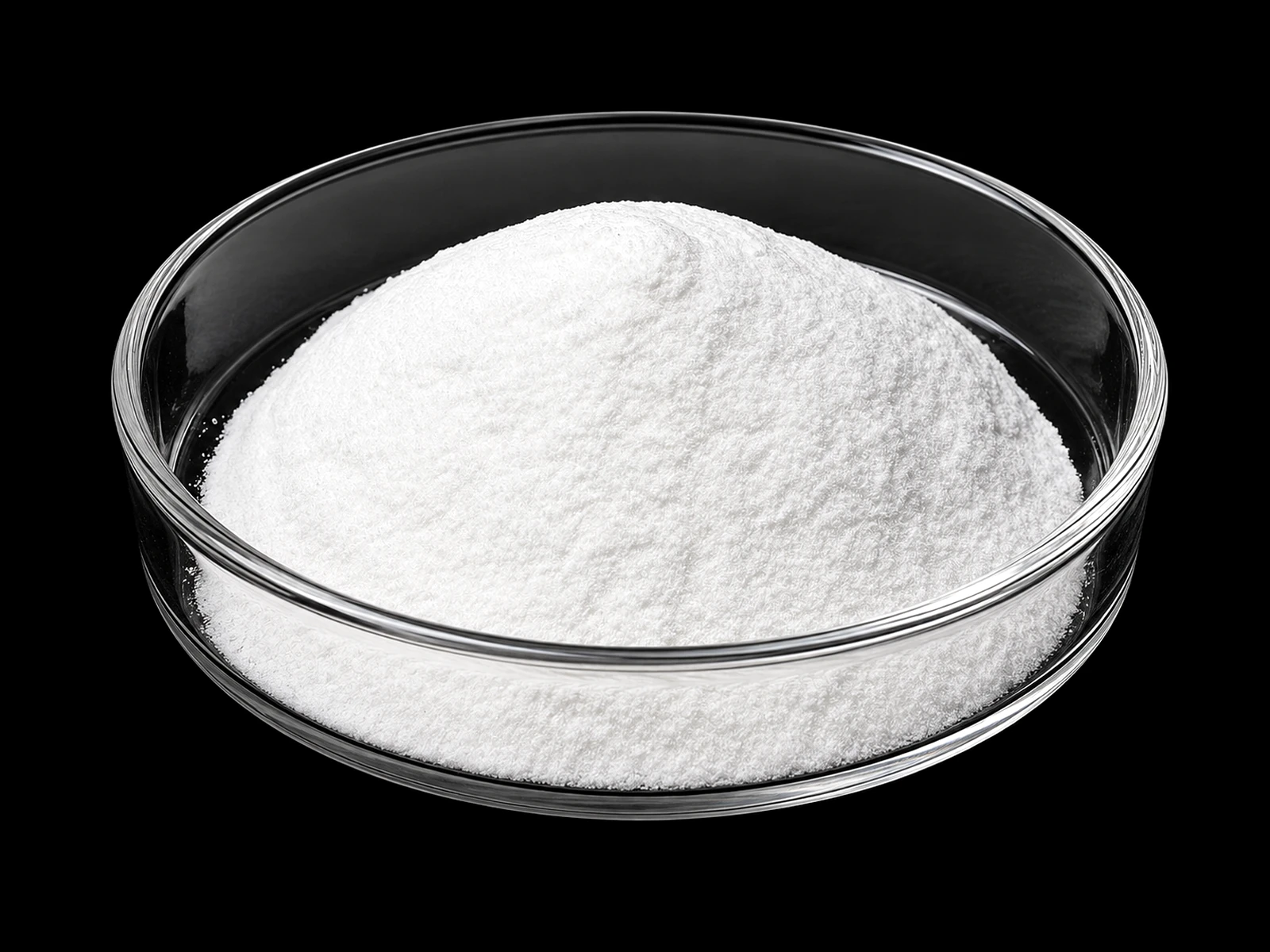
Carboxymethyl Cellulose
CMC for Textile Printing
A cellulose-based thickener and formulation component for selected reactive, disperse and compound printing systems. Grade selection depends on viscosity method, DS, salt tolerance and wash-off.
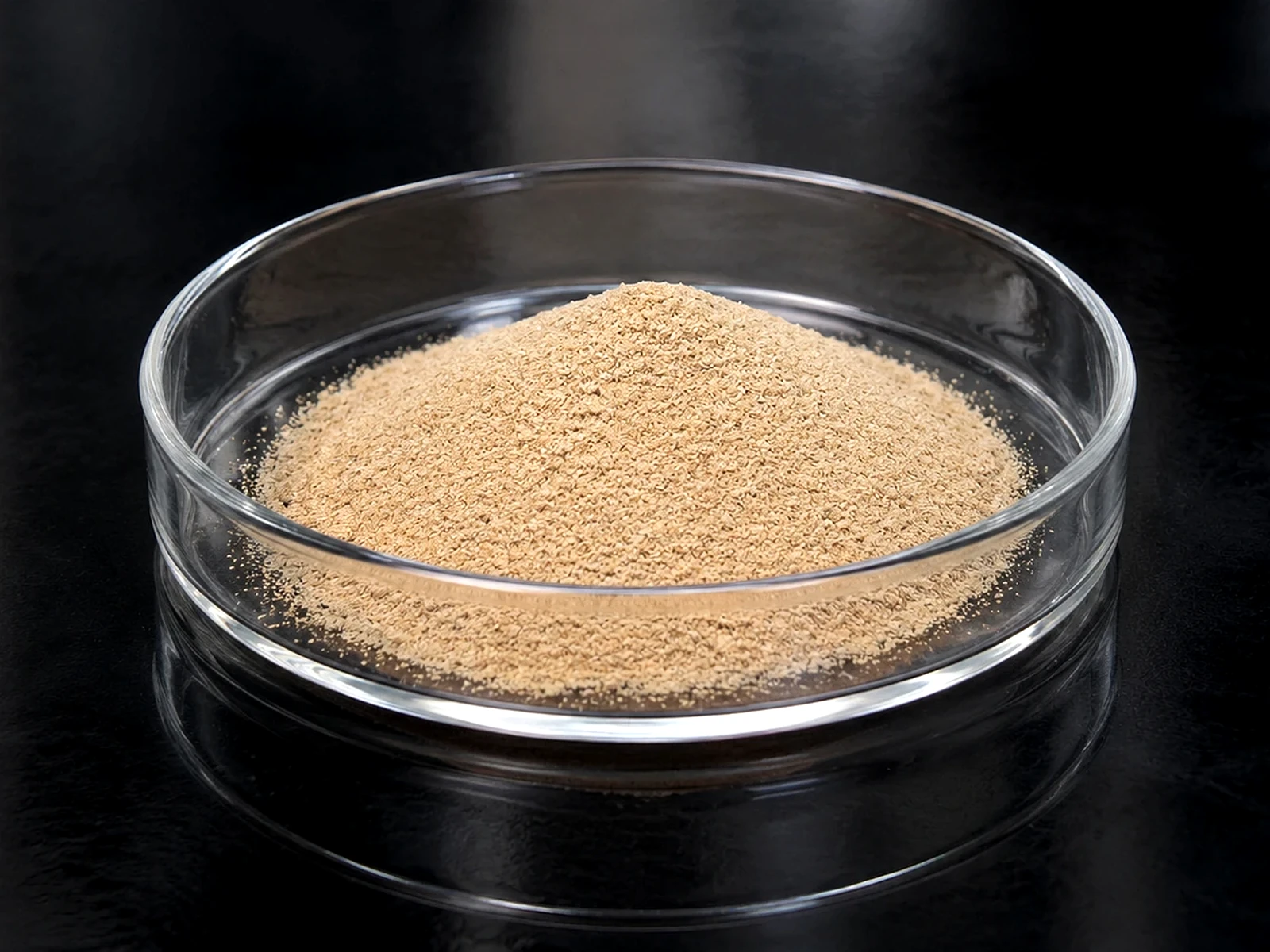
Carboxymethyl Starch
CMS Printing Thickener
A starch-based printing thickener used in reactive, disperse and selected vat or discharge printing systems, with emphasis on paste stability, screen passage and total cost in use.
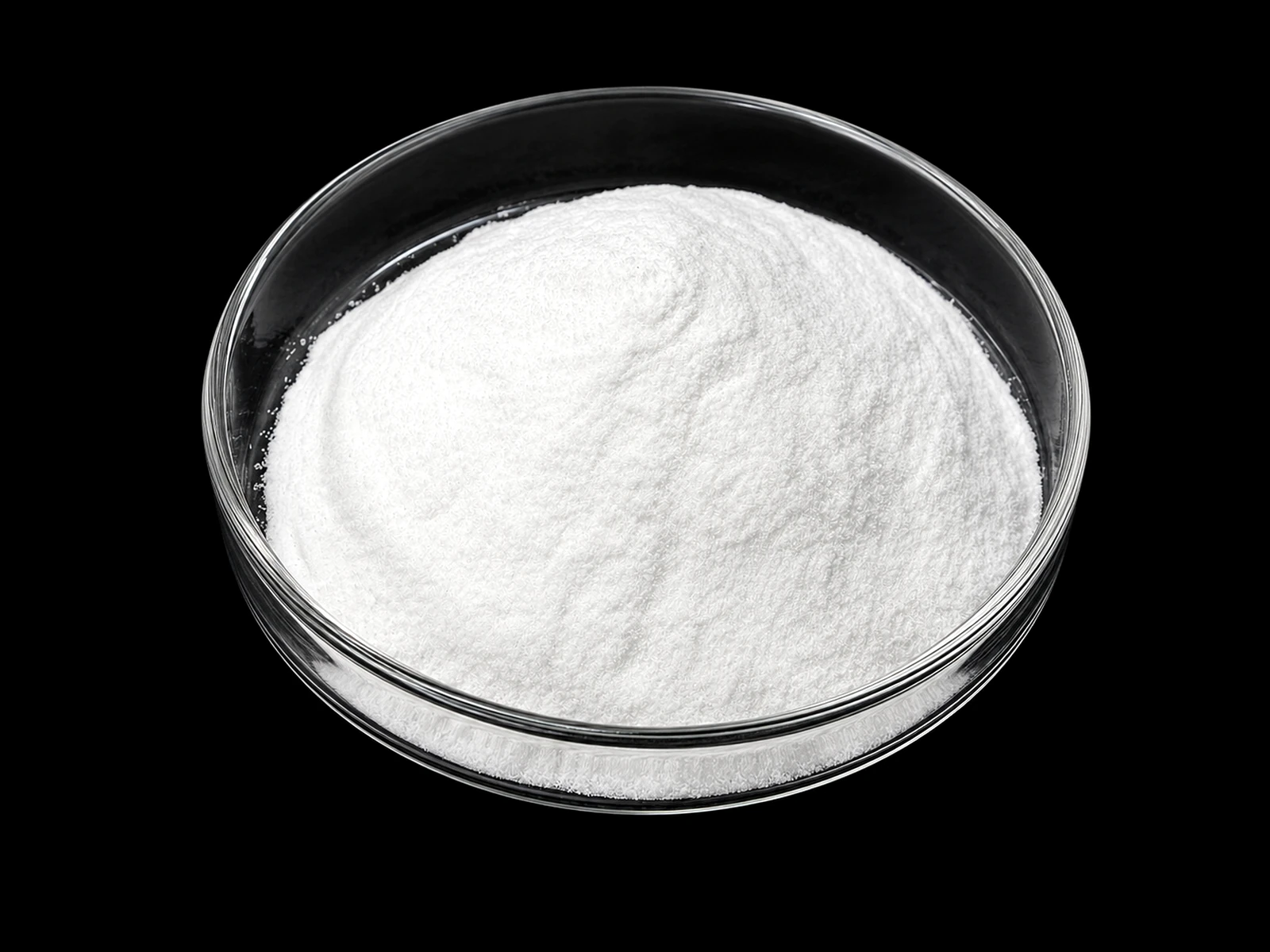
Альгинат натрия
Sodium Alginate for Reactive Printing
A widely used reactive printing thickener for cotton and other cellulose fabrics, selected around viscosity, colour yield, print definition and wash-off.
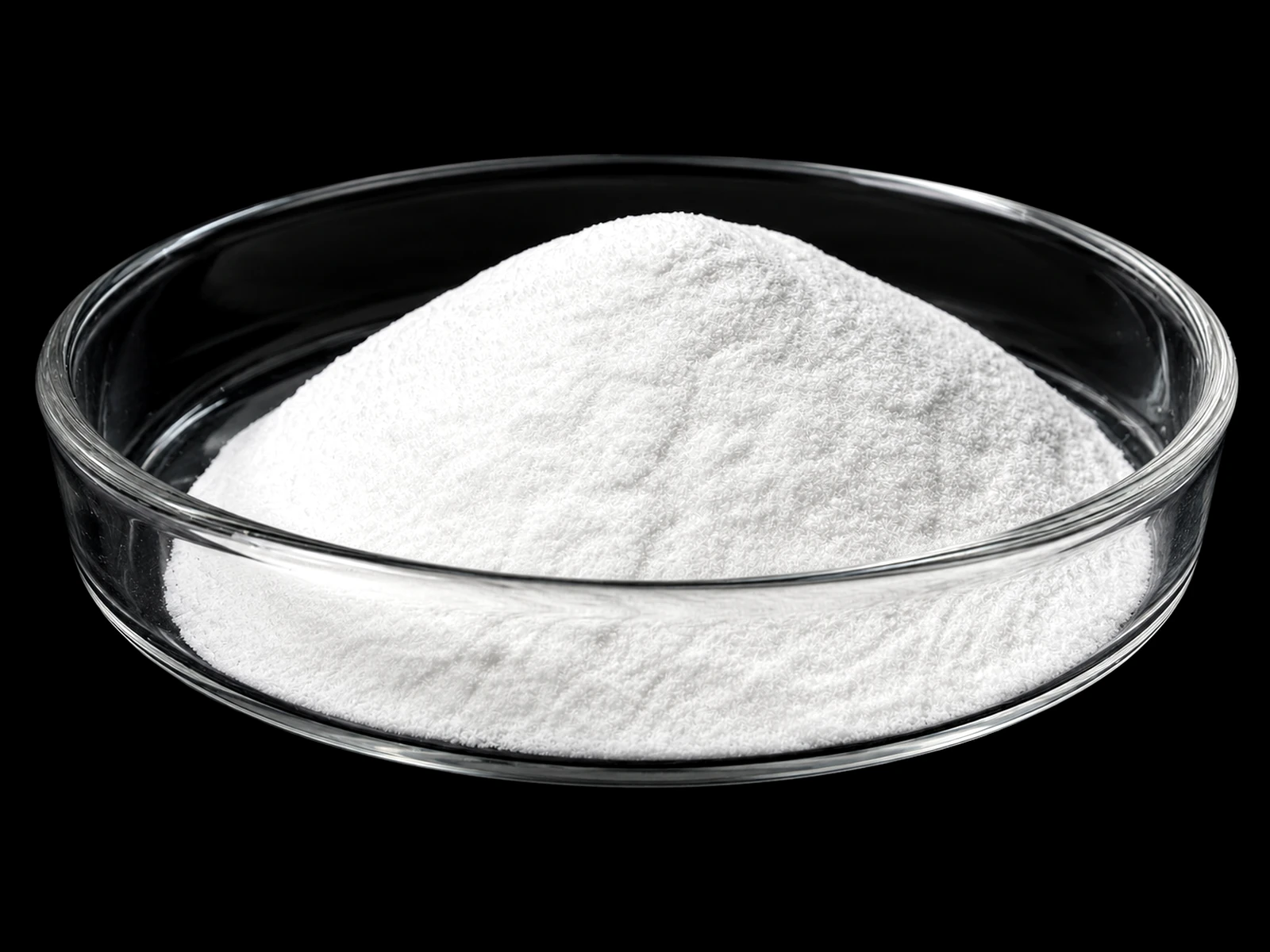
Digital Printing Paste & Pretreatment
Digital Textile Printing Auxiliaries
Pretreatment and thickener systems for reactive and disperse inkjet printing, selected to support filtration, low residue, storage stability and consistent fabric response.
Product Selection FAQ
How to Choose the Right Textile Printing Chemicals
Compare product routes, test methods, samples and technical documents before requesting a matched product or grade.

Which textile printing chemical should I choose for my process?
Start with the printing process, fabric, dye system, machine and current paste formulation. Sodium alginate is a common benchmark for reactive cotton printing. CMS and selected CMC grades may be evaluated for reactive, disperse, vat, discharge or compound systems according to the grade and formulation. Digital inkjet processes require a separate auxiliary selection route.
What is the difference between CMC, CMS and sodium alginate?
CMC is cellulose-based and is selected around viscosity, degree of substitution and formulation compatibility. CMS is starch-based and is commonly evaluated for paste stability, screen passage and total cost in use. Sodium alginate is seaweed-derived and widely used for reactive printing because of its dye compatibility, colour yield and wash-off performance.
Can CMS replace sodium alginate in reactive printing?
CMS may partially or fully replace sodium alginate in some formulations, but it is not a universal one-to-one replacement. Suitability depends on the fabric, reactive dye system, paste recipe, salt and alkali loading, printing equipment, colour yield and wash-off requirements. A matched grade should be tested under the same production conditions before commercial use.
How should viscosity be compared between suppliers?
Compare viscosity only when concentration, temperature, viscometer, spindle, RPM, hydration time and sample preparation are the same. Values obtained under different test conditions are not directly comparable. Request the complete test method or evaluate supplier samples with your own standard procedure.
What information is required for product or grade matching?
Provide the printing process, fabric, dye system, current product or TDS, concentration, viscosity test method, printing machine and the main issue you want to solve. Information about paste stability, colour yield, screen passage, wash-off and estimated demand helps narrow the appropriate product route.
Can FSX Chemical match a product based on my current TDS or sample?
Yes. If you already use a thickener from another supplier, you can send the current TDS, viscosity test method, application process and key performance issues. A physical sample is also helpful when available. FSX Chemical will compare the information and recommend a suitable product route or sample for internal testing.
Can I request a sample and technical documents before ordering?
Product samples may be prepared after the application and test conditions are confirmed. International courier cost is normally paid by the buyer unless otherwise agreed. TDS and SDS can be supplied for the selected product, while a batch-specific COA is provided according to the confirmed product and production batch.
