
 UR
UR  EN
EN  BN
BN  TR
TR  ID
ID  RU
RU  AR
AR 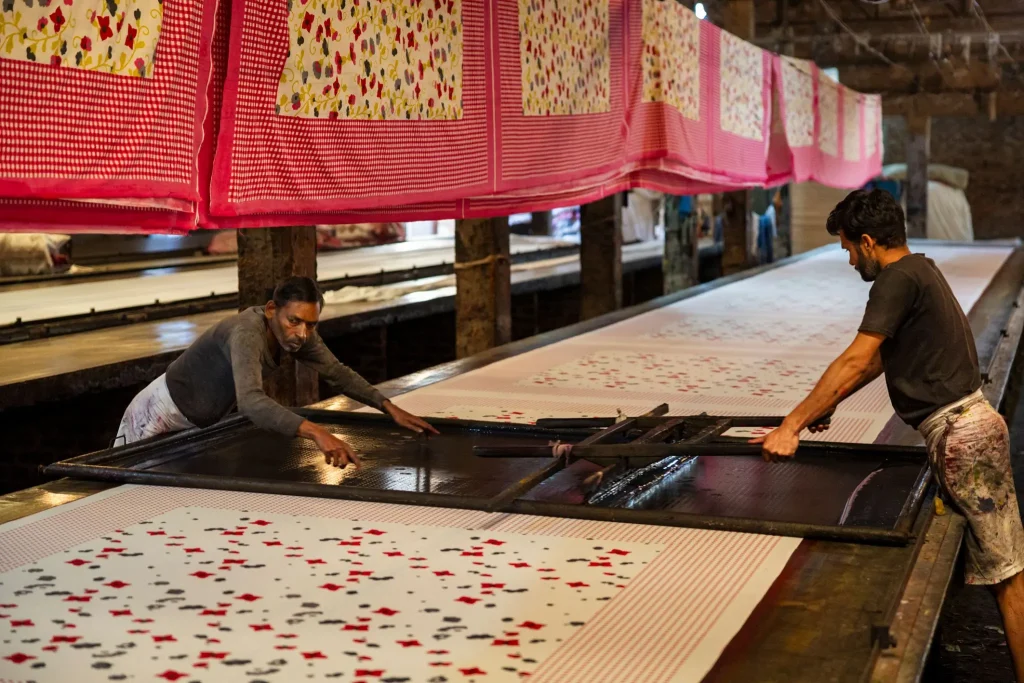
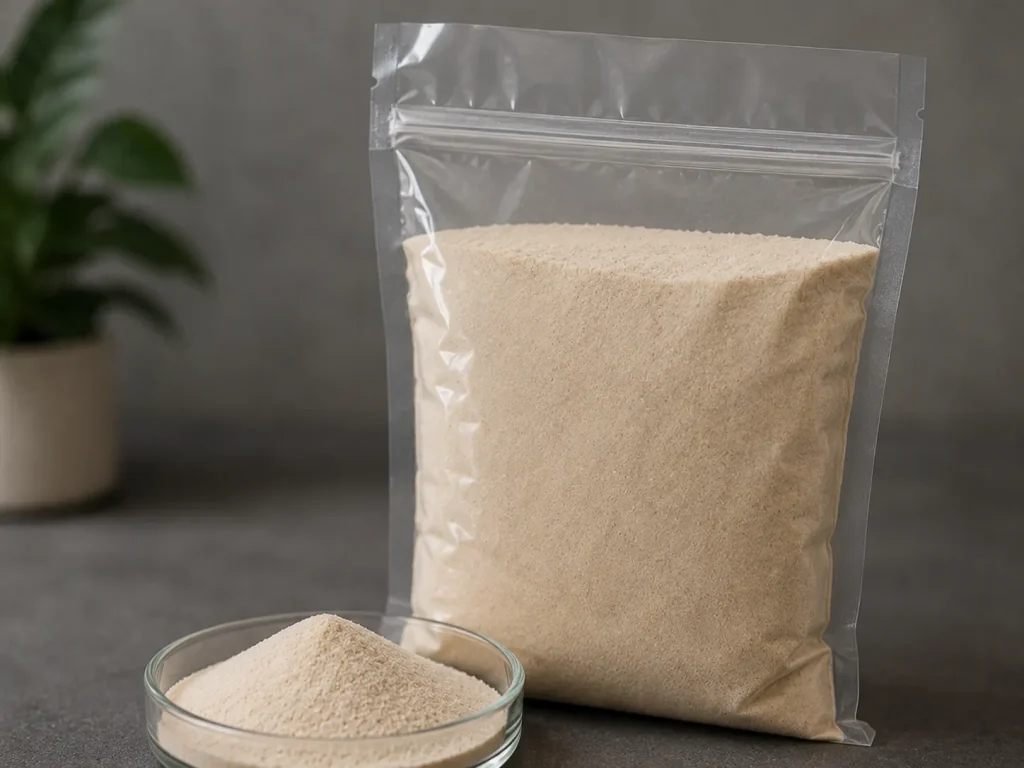
For reactive printing paste, sodium alginate is one of the commonly used thickeners because it provides stable viscosity and good paste-forming performance. For textile mills, printing factories, and chemical distributors, choosing the right sodium alginate grade is important before placing bulk orders.
What Does Sodium Alginate Do in Textile Printing?
Helps Control Printing Paste Viscosity
Sodium alginate helps build the viscosity of textile printing paste. A suitable viscosity allows the paste to pass through the screen smoothly while keeping the printed pattern clear on the fabric surface.
Supports Sharper Pattern Definition
It also helps reduce excessive spreading during printing. This is important for factories that need stable line definition, clean edges, and repeatable printing results across different batches.
Suitable for Reactive Dye Printing Systems
In reactive dye printing, sodium alginate is often preferred because it can work well in printing paste systems where dye performance and fabric hand feel are important. However, the final result depends on the formulation, dye type, fabric, process conditions, and the selected alginate grade.
Where Is Sodium Alginate Commonly Used?
Reactive Screen Printing
Sodium alginate is widely used in reactive screen printing for cotton and other cellulose-based fabrics. It helps prepare a smooth and stable printing paste for pattern transfer.
For screen printing applications, buyers usually need to check viscosity, solubility, paste smoothness, and batch consistency before confirming the grade.
Rotary and Flatbed Textile Printing
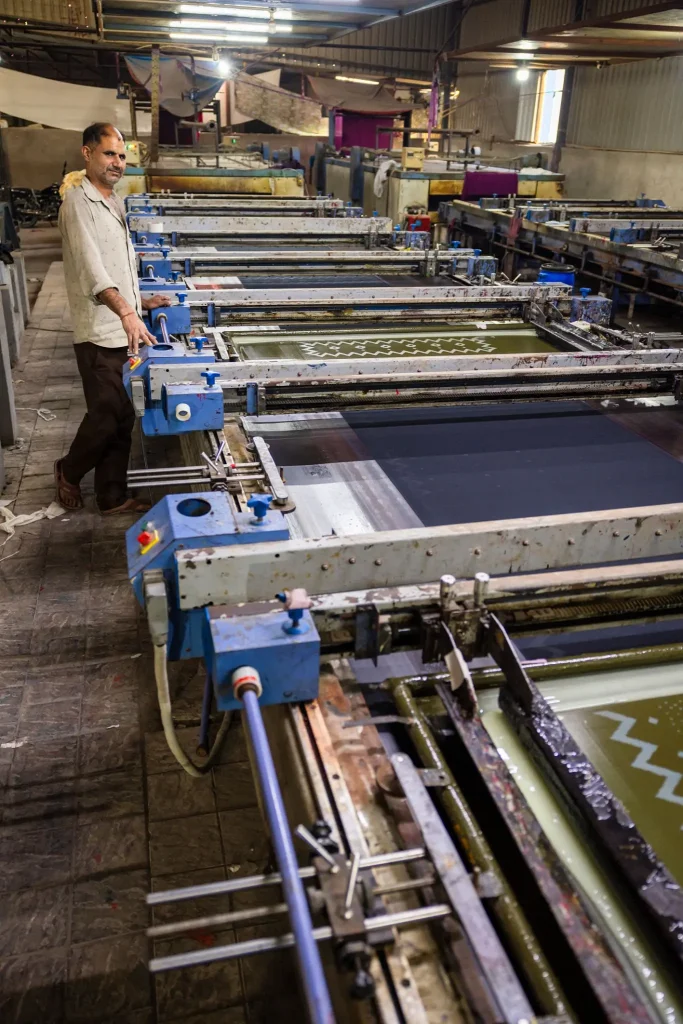
In rotary and flatbed printing, paste stability and flow behavior are important. If the thickener grade is not suitable, the factory may face problems such as poor pattern definition, unstable paste viscosity, or uneven printing performance.
A proper sodium alginate grade should match the printing machine, screen type, fabric structure, and production speed.
Textile Printing Paste Preparation
Sodium alginate can be used as a key thickening component in textile printing paste preparation. It should dissolve well, form a smooth paste, and remain stable during normal production use.
Before bulk purchase, it is recommended to test the product in the customer’s own formulation because different factories may use different dyes, auxiliaries, water quality, and process conditions.

Key Parameters Buyers Should Check
Viscosity Grade
Viscosity is one of the most important purchasing parameters. A higher viscosity grade is not always better. The right choice depends on the printing process, paste concentration, fabric type, and required printing effect.
Buyers should ask the supplier for the viscosity test method, concentration, temperature, and unit used in the TDS.
Solubility and Paste Smoothness
Good sodium alginate should dissolve properly and form a uniform paste. Poor solubility may cause particles, uneven paste texture, or filtration problems during production.
For textile printing factories, paste smoothness is especially important when printing fine patterns or high-detail designs.
Moisture Content and Storage Stability
Moisture content affects storage, handling, and product stability. Buyers should check the TDS and COA to confirm whether the product meets their internal quality requirements.
The product should be stored in a dry and well-ventilated place, away from moisture and direct contamination.
PH Range and Batch Consistency
The pH range should be suitable for textile printing paste preparation. Batch consistency is also important for factories that run continuous production or supply printed fabrics to brand customers.
For distributors, stable batch quality can reduce customer complaints and make repeat orders easier to manage.
How to Choose the Right Sodium Alginate Grade
Match Viscosity with the Printing Process
The best way to choose sodium alginate is not only to compare price. Buyers should first confirm the target application and required paste performance.
For example, a factory producing fine reactive prints may need a grade with good paste smoothness and stable viscosity. A distributor supplying different printing mills may need several viscosity options to cover different customer needs.
Check Compatibility with Dyes and Auxiliaries
Different printing formulations may include different dyes, auxiliaries, alkali systems, and water conditions. These factors can affect paste behavior and final printing performance.
Testing the alginate grade in the actual customer formulation is the most reliable way to confirm suitability.
Test Before Bulk Purchase
Before confirming a bulk order, it is recommended to request the TDS, COA, and sample for testing. The sample should be tested in the buyer’s own formulation and production conditions.

What Support Can FSX Chemical Provide?
TDS, COA and Sample Support
FSX Chemical supplies sodium alginate and other textile printing thickeners for textile printing and related industrial applications.
We can provide TDS, COA, sample support, and grade matching suggestions based on the customer’s printing process, target viscosity, fabric type, and application requirements.
Grade Matching for Textile Printing Applications
For customers who are not sure which grade to choose, our team can help review the application and recommend a suitable starting grade for testing.
Export Packaging and Technical Communication
For overseas buyers and distributors, stable packaging, clear product information, and responsive technical communication are important for long-term purchasing. FSX Chemical can support customers with product documents and application discussion before order confirmation.
Request TDS or Sample for Grade Matching
If you are looking for sodium alginate for textile printing paste, reactive printing, or thickener formulation, you can contact FSX Chemical for technical information.
Please share your application, required viscosity range, printing process, and current formulation if available. Our team can provide TDS, sample support, and grade matching suggestions before bulk purchase.
Need Help Choosing a Sodium Alginate Grade?
Send us your printing process, target viscosity, fabric type, and current paste formulation. FSX Chemical can help you request TDS, samples, and grade matching suggestions for textile printing applications.
Related Products and Resources
Sodium Alginate for Textile Printing
