 BN
BN  EN
EN  UR
UR  TR
TR  ID
ID  RU
RU  AR
AR 
Why CMC Grade Classification Matters
Same Chemistry, Different Specifications
Food-grade CMC is produced under conditions that limit impurities — particularly residual sodium chloride and sodium glycolate — to levels considered safe for ingestion. It is subject to pharmacopoeia standards and food additive regulations in the markets where it is sold. Industrial-grade CMC has broader acceptable impurity ranges and is optimized for performance in non-food applications such as textile processing, printing, construction, and oil drilling.
Consequences of Using the Wrong Grade
Specifying the wrong CMC grade for your application creates practical problems in either direction.
Using food-grade CMC in industrial textile or printing applications generally means paying a price premium for purity levels your process does not require. More importantly, food-grade CMC may not be available in the DS range or viscosity profile that your textile sizing or printing paste formulation requires — it is optimized for a different set of performance criteria.
Using industrial-grade CMC in applications that require food-grade compliance — such as direct food-contact packaging materials — creates a regulatory compliance gap. Industrial grades are not tested or documented to food safety standards and should not be used in food-contact applications without appropriate verification.
How Food-Grade and Industrial-Grade CMC Differ
Purity and Impurity Limits
Food-grade CMC typically requires a minimum active content of 99% (dry basis) with tightly controlled NaCl limits, as specified by pharmacopoeia standards such as the USP, EP, or food additive specifications such as those published by JECFA. Industrial-grade CMC for textile and printing use has a wider acceptable range — active content specifications commonly start at 70% or higher depending on the grade and application.
The difference in purity levels is reflected in price. For textile sizing and printing paste applications, the higher purity of food-grade CMC provides no functional advantage and adds unnecessary cost.

Degree of Substitution (DS) Range
DS — the average number of carboxymethyl groups per glucose unit — affects CMC solubility, viscosity behavior, and compatibility with other formulation components.
Food-grade CMC used as a food additive or pharmaceutical excipient typically has a DS in the range of 0.6 to 0.95, with specifications set by the relevant pharmacopoeia or food standard. Industrial CMC for textile and printing can span a wider DS range depending on the application: lower DS grades (0.6 to 0.7) are used in some sizing applications, while higher DS grades (0.7 to 0.9 or above) are preferred for printing paste where solubility and paste stability are priorities.
When evaluating a CMC supplier, always confirm the DS specification for the grade you are ordering — do not assume that a “high purity” CMC will have the DS range your application requires.
Viscosity Specifications
Both food-grade and industrial-grade CMC are available across a range of viscosity grades. However, the specific viscosity profiles available may differ between product lines. Food-grade CMC product ranges are often structured around pharmacopoeia viscosity categories, while industrial CMC for textile and printing is specified based on practical application requirements.
Regulatory and Documentation Requirements
Food-grade CMC requires documentation that supports compliance with food safety regulations in the target market — this typically includes compliance with food additive approval lists, maximum permitted levels, and purity criteria. Suppliers of food-grade CMC are expected to provide documentation aligned with these standards.
Industrial CMC for textile and printing does not carry these food safety documentation requirements. The standard documentation for industrial use — TDS, SDS, and CoA — does not include food safety compliance data, because the product is not intended for that use.
If your application sits at the boundary — for example, printing on food packaging materials where the ink or coating may contact food — clarify the applicable regulatory requirements for your specific case with a qualified regulatory specialist before specifying either grade.
Which Grade Is Right for Textile Applications
Textile Sizing and Warp Sizing
For warp sizing applications — applying a protective coating to yarn before weaving — industrial-grade CMC is the appropriate choice. The performance requirements here are viscosity stability, film formation quality, and ease of desizing. These are determined by DS and viscosity grade, not by food-grade purity levels.
Specifying industrial-grade CMC for sizing also gives you access to a wider range of viscosity grades suited to different yarn counts and loom speeds, and typically at a lower cost than food-grade equivalents.
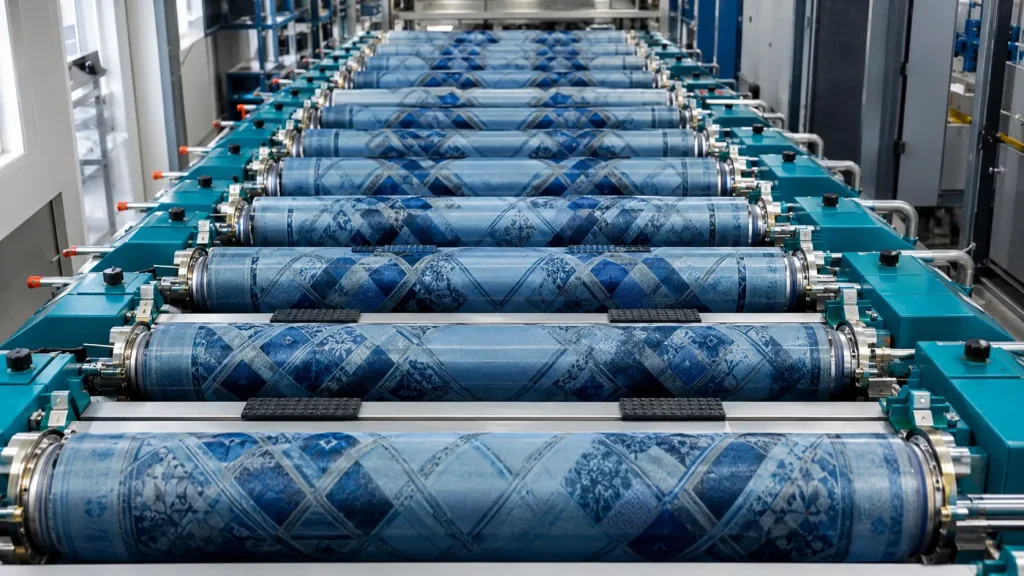
Printing Paste and Dyeing Auxiliaries
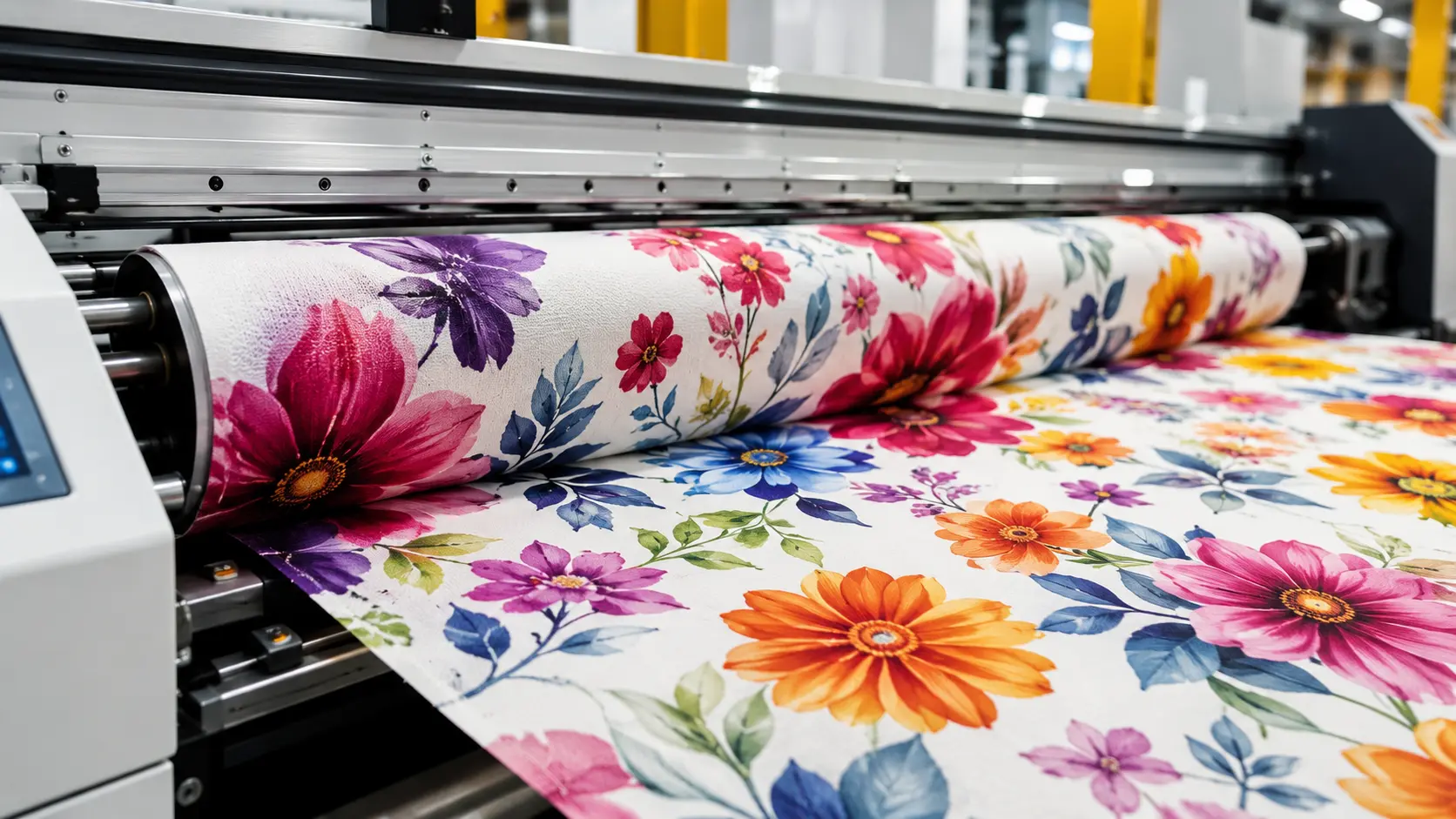
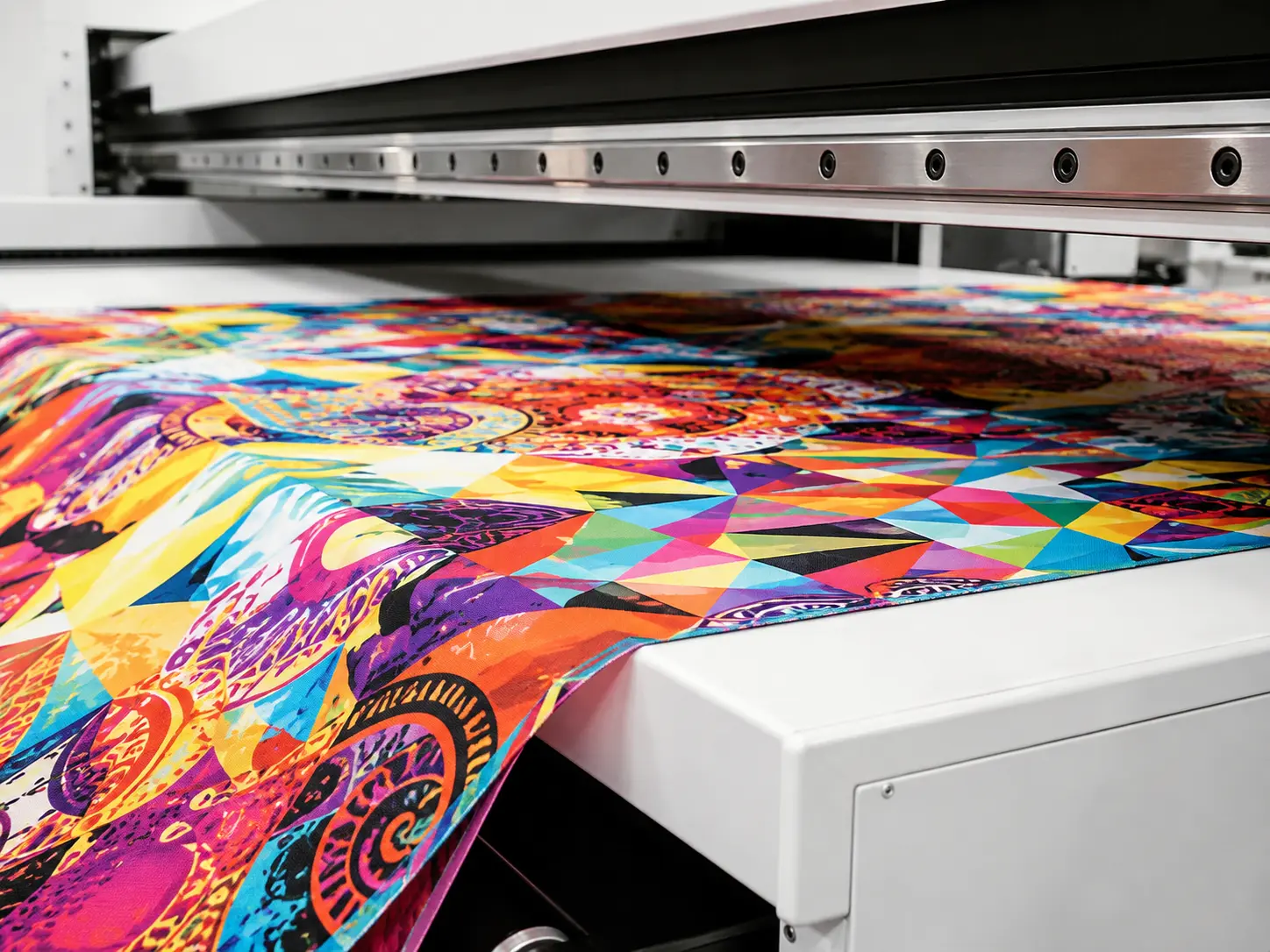
For textile printing paste and dyeing auxiliary applications, industrial-grade CMC is standard. The relevant performance parameters — DS, viscosity, solubility, and compatibility with dye systems — are covered by industrial-grade TDS specifications.
Food-grade CMC is not typically used or specified in textile printing paste formulations. If a supplier is offering food-grade CMC for textile printing without a clear technical rationale, it is worth asking why.
Which Grade Is Right for Printing Ink Applications
Water-Based Ink Formulations
For water-based printing ink formulations — including flexographic, gravure, and screen printing inks — industrial-grade CMC is the appropriate thickener and stabilizer. Performance in these systems depends on rheology behavior, pigment compatibility, and viscosity stability under production conditions, not on food safety purity.
Low to medium viscosity industrial CMC grades are most commonly used in water-based ink applications. Confirm DS and viscosity specifications with your supplier based on your specific ink system and printing process.
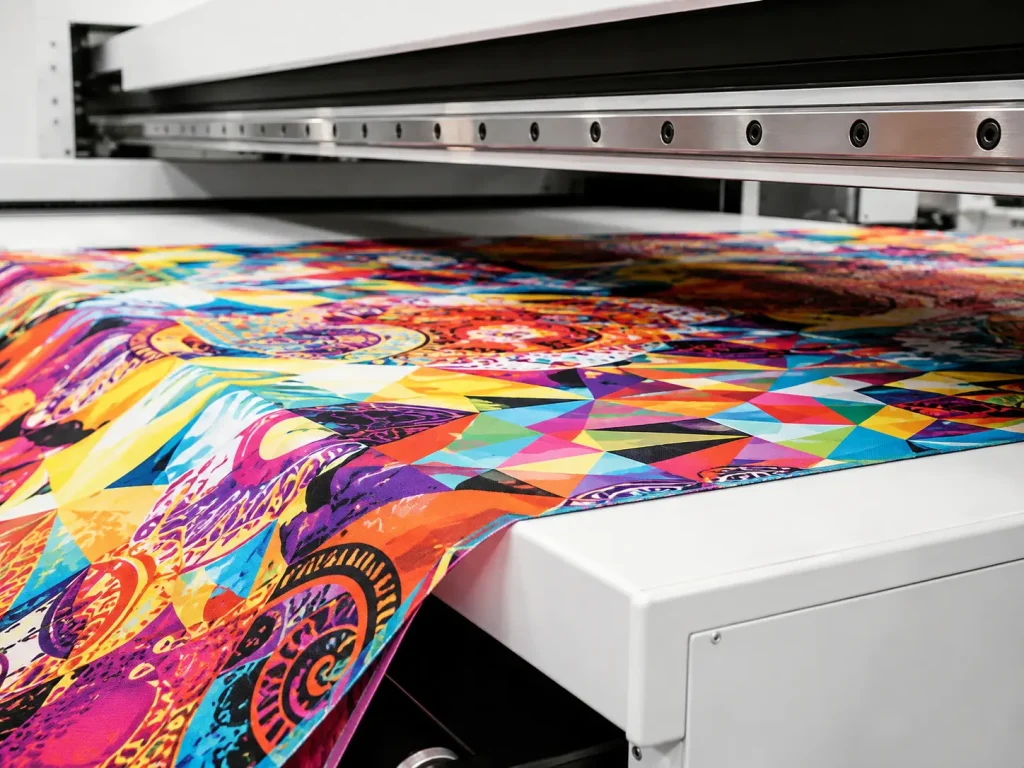
Food-Contact Packaging: A Special Case
If your operation prints on packaging that will be in direct contact with food — for example, paper bags, food wrappers, or food-grade board — the regulatory requirements for materials used in the printing process depend on the specific application, the type of contact, and the regulations applicable in your target market.
This is a specialized compliance question that goes beyond CMC grade selection. The appropriate starting point is to identify the applicable food-contact material regulations for your market and product type, then work back to the material specifications — including any CMC components — that those regulations require. This is not a decision that should be made based on a supplier’s general claim of food-grade status alone.
How to Confirm the Grade You Are Ordering
What to Check on the TDS
- Stated application — the TDS should indicate whether the product is intended for food, pharmaceutical, or industrial use
- Purity / active content — expressed on a dry basis, with impurity limits listed
- DS range — confirm this matches your application requirements
- Viscosity specification — including the measurement concentration, temperature, and method
- NaCl content — relevant for applications where ionic strength or purity matters
If any of these parameters are missing from the TDS, request them from your supplier before ordering.
Questions to Ask Your Supplier
Before placing an order, particularly for a first purchase or when switching grades, confirm the following with your supplier:
- Is this grade intended for food, pharmaceutical, or industrial use?
- What is the DS range and how consistent is it across batches?
- Can you provide CoA data from recent production batches?
- Is a sample available for formulation trials before bulk ordering?
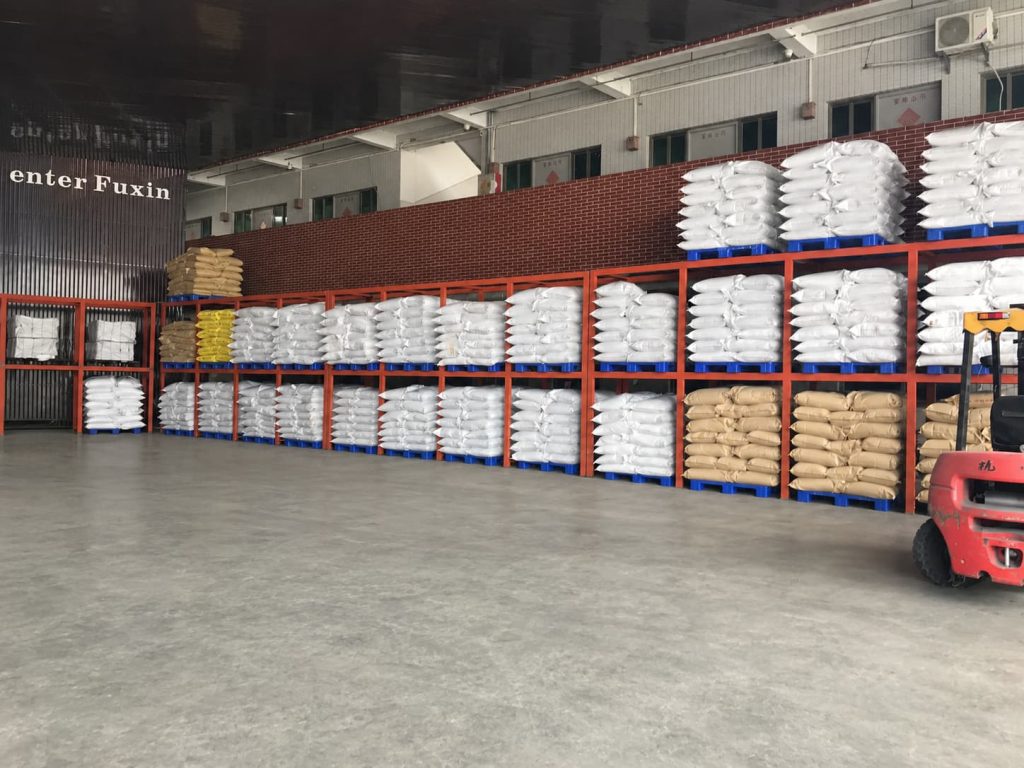
How FSX Chemical Supports Grade Clarification
Next steps:
- টিডিএস অনুরোধ করুন — confirm grade specifications and intended application before ordering
- নমুনা অনুরোধ করুন — test in your formulation before committing to bulk volume
- গ্রেড মিলানোর জন্য অনুরোধ করুন — share your application details for a specific grade recommendation
- আমাদের প্রযুক্তিগত দলের সাথে যোগাযোগ করুন — for questions on grade differences or documentation requirements: Service@fsxchemical.com