
















Publicaciones relacionadas

Cómo comparar los métodos de prueba de viscosidad de los espesantes para la impresión textil

Descubre por qué no se pueden comparar los valores de viscosidad de los espesantes para la impresión textil sin tener en cuenta la concentración, la temperatura, el instrumento, el husillo, la velocidad, el método de preparación y el tiempo de prueba.

Espesantes para la impresión textil según el colorante y el proceso de impresión
Aprende a elegir espesantes y métodos de pretratamiento para la impresión textil reactiva, dispersa, con pigmentos y digital, según los requisitos del tejido, el colorante o la tinta, la fijación, la resistencia al lavado y la calidad de impresión.

CMC, CMS, alginato de sodio y pasta para impresión digital: una guía práctica para elegir
Compara CMC, CMS, alginato de sodio y pasta para impresión digital en la impresión textil. Descubre cómo cada opción se adapta a los procesos reactivos, dispersos, pigmentados y digitales, y qué deben tener en cuenta los compradores antes de realizar pruebas de muestras, comparar calidades y realizar compras a granel.

Alginato de sodio para la impresión textil reactiva: guía de grados, viscosidad y aplicaciones
El alginato de sodio se utiliza ampliamente en la impresión textil como espesante estable y lavable para las pastas de impresión reactivas. Descubre cómo evaluar el grado de viscosidad, la pureza y la idoneidad para cada aplicación antes de comprar, y cómo FSX Chemical apoya a los compradores de todo el mundo con datos técnicos y muestras.

Pasta para impresión textil a base de celulosa: grado CMC y evaluación de proveedores
La pasta de impresión a base de CMC se utiliza en la impresión textil con pigmentos, reactiva y digital. Esta guía explica qué parámetros son importantes, cómo comparar proveedores y qué solicitar antes de realizar un pedido al por mayor.

Cómo preparar la pasta de impresión de alginato de sodio: disolución, concentración y control de calidad
La preparación correcta de la pasta es tan importante como la selección del grado en la impresión textil con tintes reactivos. Esta guía aborda los métodos de disolución del alginato de sodio, los rangos de concentración según la aplicación, las condiciones de almacenamiento y cómo resolver problemas comunes en la preparación.

Reactive Dye Fixation in Textile Printing: Sodium Alginate and Process Control
La tasa de fijación del colorante afecta directamente al rendimiento del color, a la solidez al lavado y a la carga de aguas residuales en la estampación con colorantes reactivos. Esta guía explica cómo el alginato de sodio favorece la fijación del colorante, qué parámetros de la pasta influyen en la tasa de fijación y cómo resolver los problemas de baja fijación en la producción.

Sodium Alginate Mesh Size: Dissolution, Filtration and Textile Printing Performance
El tamaño de partícula (malla) del alginato de sodio influye en la rapidez con la que se disuelve el polvo, en la uniformidad con la que se hidrata y en el desempeño de la pasta resultante en la serigrafía. Esta guía explica las implicaciones prácticas de la especificación de la malla para aplicaciones de pastas de impresión textil.
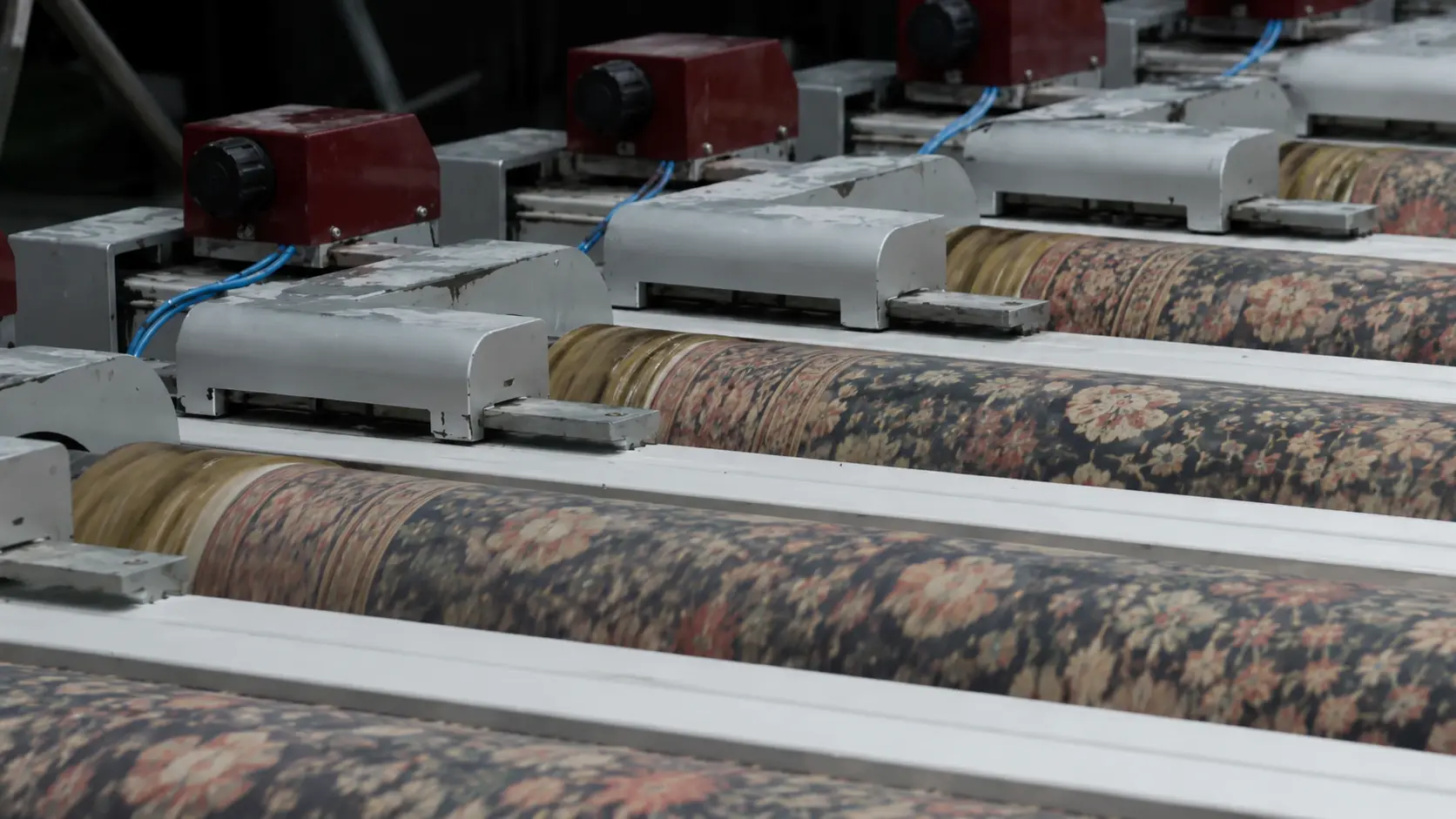
Sodium Alginate for Textile Sizing and Desizing: Selection and Process Control
Evaluate sodium alginate for warp sizing through grade-specific bath, yarn and desizing trials. Compare dry size add-on, yarn protection and removal using appropriate residue methods and downstream fabric checks.

Sodium Alginate Purity for Textile Printing: Specifications, Test Methods and Buyer Checks
Las especificaciones de pureza del alginato de sodio van más allá de una simple cifra. Esta guía explica qué significan los datos sobre contenido activo, NaCl, materia insoluble y metales pesados para el rendimiento de las pastas de impresión textil, y en qué casos conviene especificar una pureza más alta en lugar de un grado industrial estándar.
Estabilidad de la viscosidad del alginato de sodio en la impresión textil: causas, manejo y selección del grado
La inestabilidad de la viscosidad en la pasta de impresión de alginato de sodio es una de las causas más comunes de variación de color y defectos de impresión en la impresión con tintes reactivos. Esta guía explica por qué cambia la viscosidad durante la producción, qué factores contribuyen a la inestabilidad y cómo seleccionar un grado con mayor estabilidad para las condiciones de tu proceso.

Sodium Alginate for Reactive Screen Printing: Paste Preparation and Troubleshooting
La serigrafía con tintes reactivos y alginato de sodio requiere una formulación correcta de la pasta, un control adecuado de la viscosidad y condiciones óptimas de vaporización. Esta guía aborda los requisitos de la pasta para serigrafía plana y rotativa, el tiempo de exposición al álcali, los defectos comunes de producción y cómo diagnosticar las causas relacionadas con la pasta.
