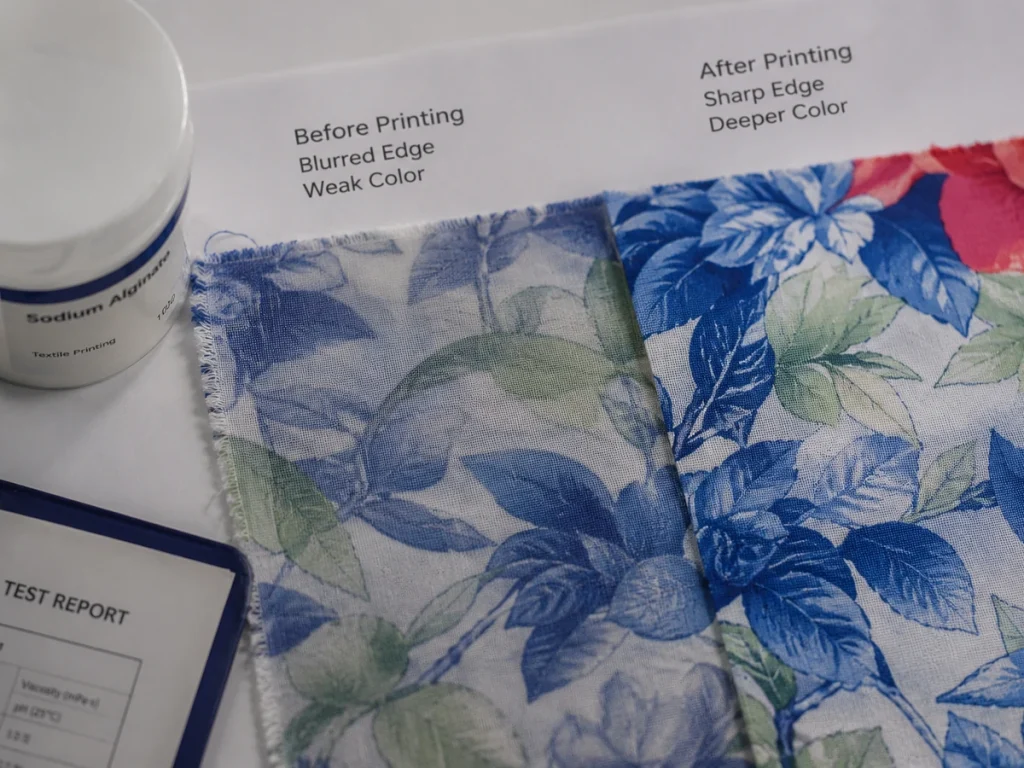
Evaluate a textile grade sodium alginate manufacturer by connecting three records: the agreed grade specification and test method, the sample approved in your reactive-printing process, and acceptance of the first commercial lot. A matching product name or water-viscosity value alone does not demonstrate that the delivered material will meet the same printing requirements.
This guide explains what buyers should check when sourcing textile grade sodium alginate from a manufacturer.
Why Textile Grade Sodium Alginate Needs Technical Review
Product Name Alone Is Not Enough
The term “textile grade sodium alginate” can cover different grades. Two products may look similar as powder, but they may perform differently in printing paste preparation.
Buyers should review the actual specification range, test method, sample performance, and batch data before confirming a product.
Viscosity Stability Matters in Printing Paste
In textile printing paste, viscosity affects paste preparation, screen passing, pattern control, and production handling. If viscosity changes significantly between batches, the factory may need to adjust the formulation again.
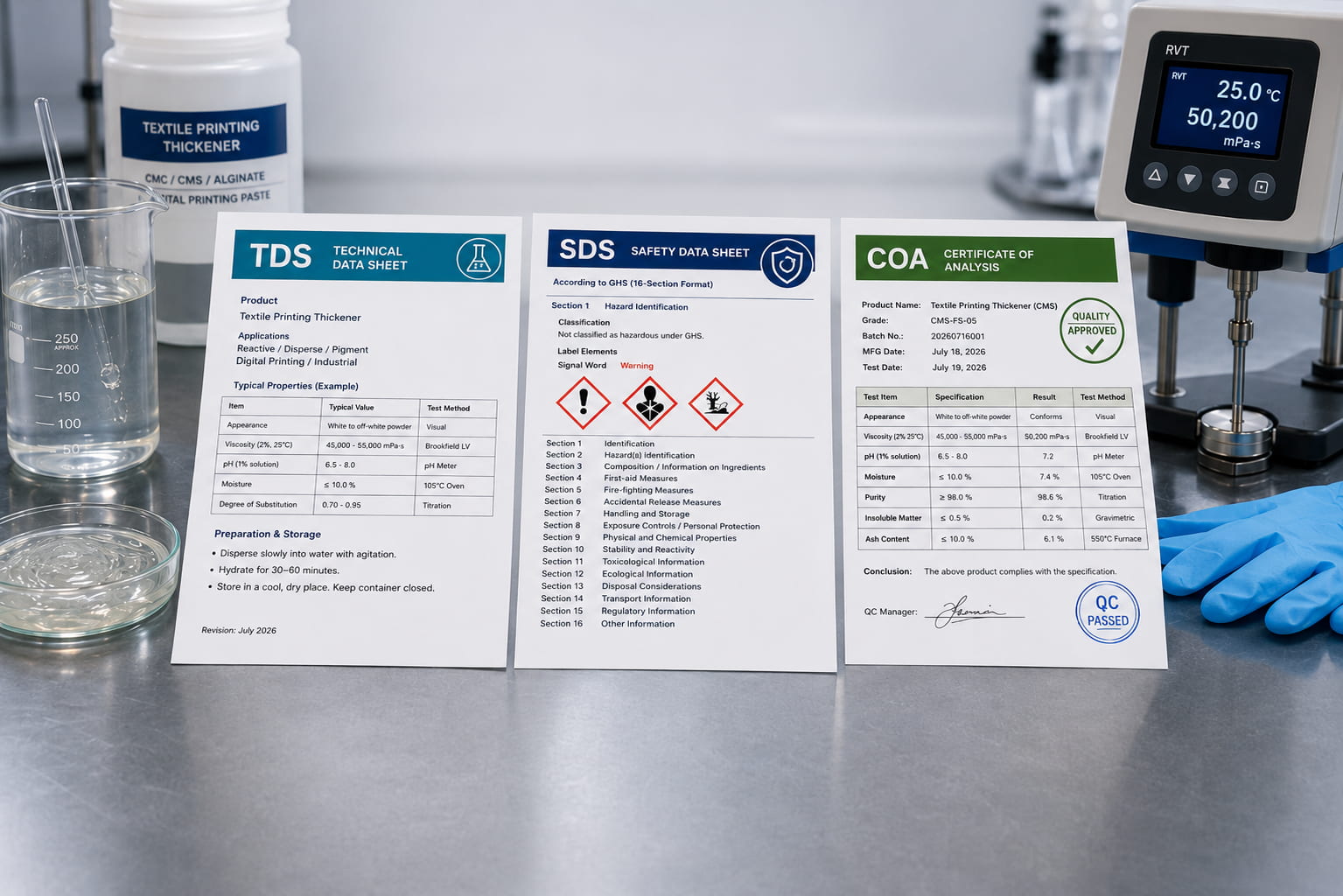
A reliable manufacturer should provide clear viscosity data and explain the testing concentration, temperature, unit, and method used in the TDS.
Sample Approval Should Connect to Bulk Supply
A sample result is useful, but buyers should confirm whether the bulk shipment will follow the same specification range as the approved sample.
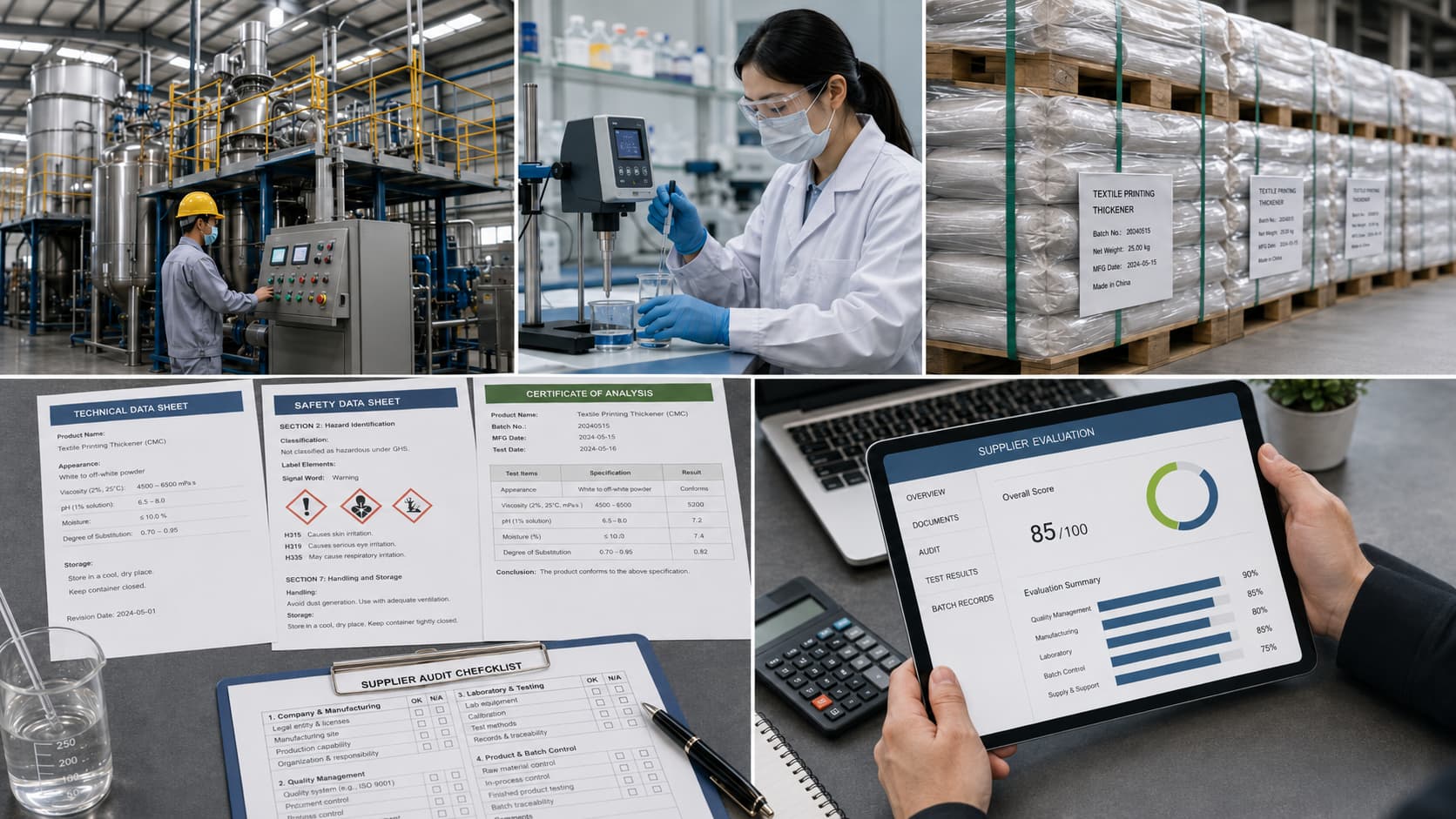
Before placing a bulk order, buyers should review COA data, batch information, packaging details, and agreed quality parameters.
Key Specifications to Confirm
Viscosity Grade and Testing Method
Viscosity is one of the most important parameters when sourcing textile grade sodium alginate. A higher viscosity grade is not always better. The suitable grade depends on the printing process, paste concentration, fabric type, and target paste behavior.
For comparable viscosity data, specify concentration and its mass basis, water and preparation conditions, hydration and rest time, temperature, instrument, spindle, speed, container and reading time, together with the unit. Compare the same method; equal apparent viscosity still does not establish equal screen-printing performance.
Ukuran Jaring dan Perilaku Pelarutan
Mesh size can affect how sodium alginate disperses and hydrates during paste preparation. However, the actual dissolution result also depends on water quality, stirring speed, addition method, and preparation time.
Buyers should test dissolution behavior in their own process instead of relying only on mesh size data.
Kelembapan, pH, dan Penampilan
Kelembapan, pH, dan penampilan merupakan indikator kualitas yang mendasar namun penting. Ketiga hal tersebut memengaruhi penyimpanan, penanganan, pengendalian kualitas, dan keputusan pembelian ulang.
Review the agreed limits and methods in the current specification. Identify which results are reported on the batch COA and which need a separate incoming check; absence from a COA is not evidence of a passing result.
Application Suitability for Reactive Printing Paste
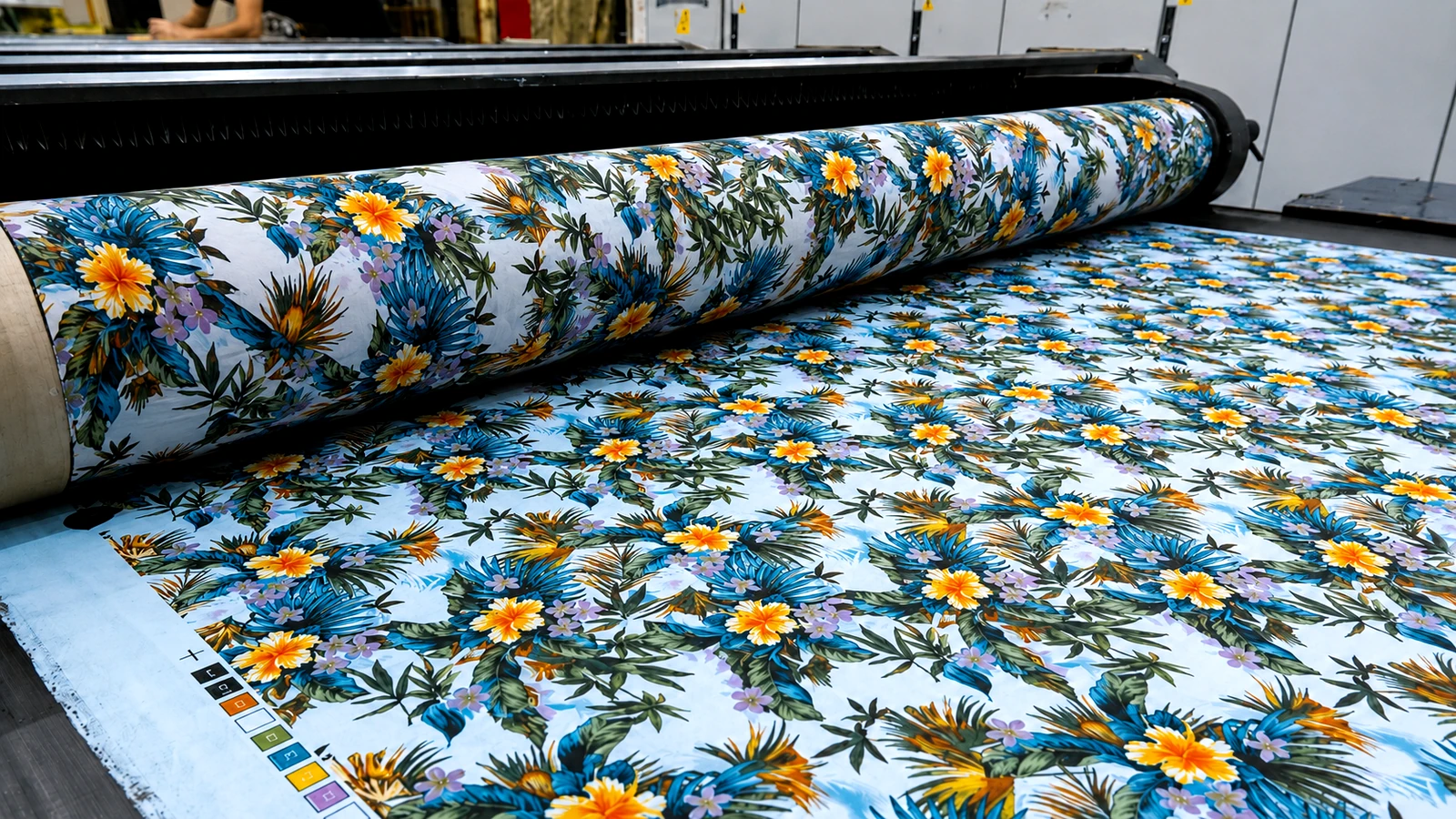
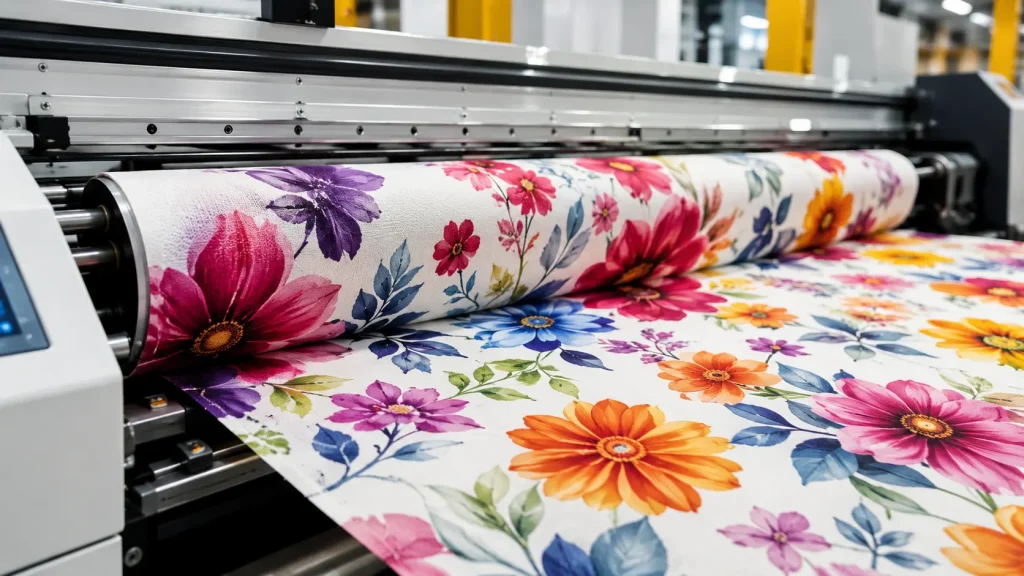
Textile grade sodium alginate is often selected for reactive printing paste, but the suitable grade still depends on the customer’s formulation and process conditions.
Buyers should share their printing method, fabric type, target viscosity, paste preparation method, and current production issue before requesting a recommendation.
Dokumen yang Harus Diminta oleh Pembeli
TDS untuk Tinjauan Spesifikasi
Lembar Data Teknis membantu pembeli meninjau rentang spesifikasi standar. Lembar tersebut harus memuat parameter-parameter utama seperti penampilan, viskositas, ukuran saringan, kadar air, pH, kondisi penyimpanan, dan metode pengujian.
For textile printing applications, the viscosity test method should be clearly stated.
COA untuk Konfirmasi Batch
A Certificate of Analysis reports the results listed for an identified batch. Check the commercial grade, lot number, units, limits and test methods against the order; it does not establish unlisted properties or finished-print performance.
Pembeli dapat membandingkan catatan COA dari berbagai pengiriman untuk memeriksa apakah parameter-parameter utama tetap berada dalam kisaran yang telah disepakati.
SDS dan Dokumen Ekspor Jika Diperlukan
Untuk pembelian internasional, pembeli mungkin juga memerlukan SDS, faktur, daftar kemasan, label, dan dokumen-dokumen lain yang berkaitan dengan ekspor. Daftar dokumen yang diperlukan dapat bervariasi tergantung pada negara tujuan, jenis produk, dan proses pembelian internal.
Persyaratan dokumen harus dipastikan terlebih dahulu sebelum pengiriman untuk menghindari keterlambatan dalam proses peninjauan internal atau komunikasi dengan pihak bea cukai.
How to Test Textile Grade Sodium Alginate
Pengujian pada Formulasi Pasta yang Sebenarnya
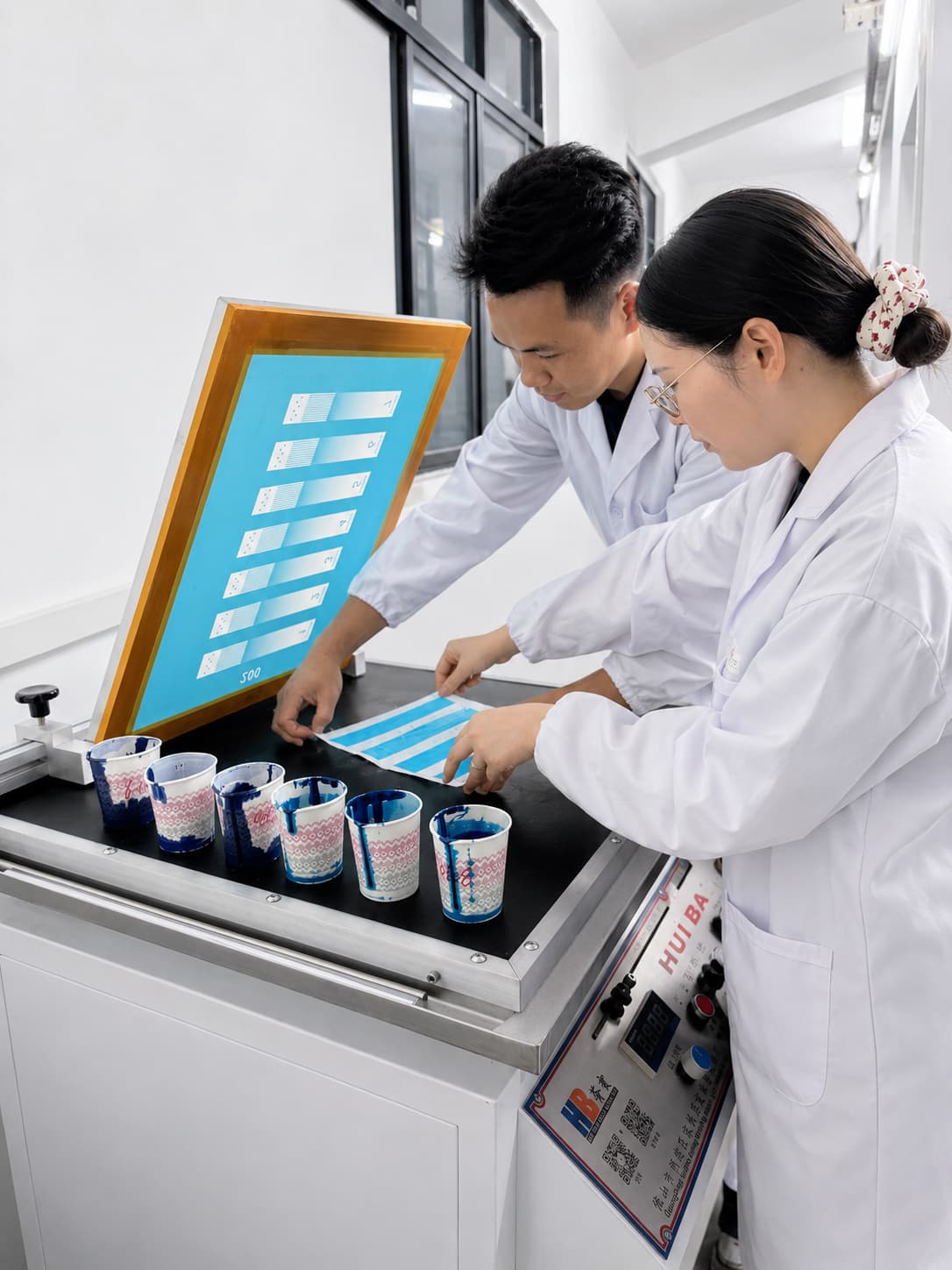
Sample testing should be done in the buyer’s own paste formulation whenever possible. Dyes, auxiliaries, water quality, pH, stirring method, and storage time can all affect the final paste behavior.
Testing only in clean water may not be enough to confirm whether the sodium alginate grade is suitable for real production.
Observe Paste Smoothness and Filtration
During sample testing, buyers should observe dissolution speed, paste smoothness, lumps, filtration behavior, viscosity stability, and application handling.
For printing paste applications, these practical observations are often as important as basic specification data.
Compare Approved Sample and Bulk Order
Before confirming a bulk order, buyers should ask whether the approved sample and bulk shipment will follow the same viscosity range, mesh size, packaging standard, batch traceability, and COA data requirements.
Hal ini membantu mengurangi risiko ketidaksesuaian antara sampel dan populasi.
Agree a Quality Record Before the First Commercial Lot
Use the following record as a proposed buyer–manufacturer review. Set the actual limits and sampling plan together.
| Rekor | Define before ordering | Decision supported |
|---|---|---|
| Grade specification | Exact commercial code, specification revision, method for each accepted attribute and which results appear on the COA. | Whether the offered and received grade are being assessed on the same basis. |
| Approved reference | Sample lot, retained quantity and storage, complete paste recipe, fabric, screen settings, fixation and wash-off, and agreed print requirements. | What the sample approval actually covers; it is not approval of every future batch. |
| First commercial lot | Lot-to-package traceability, agreed representative sampling, incoming tests and a controlled print comparison against the retained reference. | Whether to release the material, hold it for investigation or conduct a limited production trial. |
If results disagree, first reconcile sample identity, preparation and measurement conditions. Record any recipe adjustment as a separate trial rather than silently changing the comparison. Agree who reviews deviations and what changes require a new sample approval. See Brookfield guidance on comparable viscosity measurements for the measurement controls.
What Makes a Manufacturer More Reliable?
Clear Technical Communication
A reliable textile grade sodium alginate manufacturer should be able to discuss product specifications clearly. This includes viscosity range, mesh size, moisture, pH, appearance, storage conditions, and testing method.
If the buyer has an existing grade, the manufacturer should be able to compare the target specification and recommend a suitable starting grade for testing.
Batch Traceability and Packaging Control
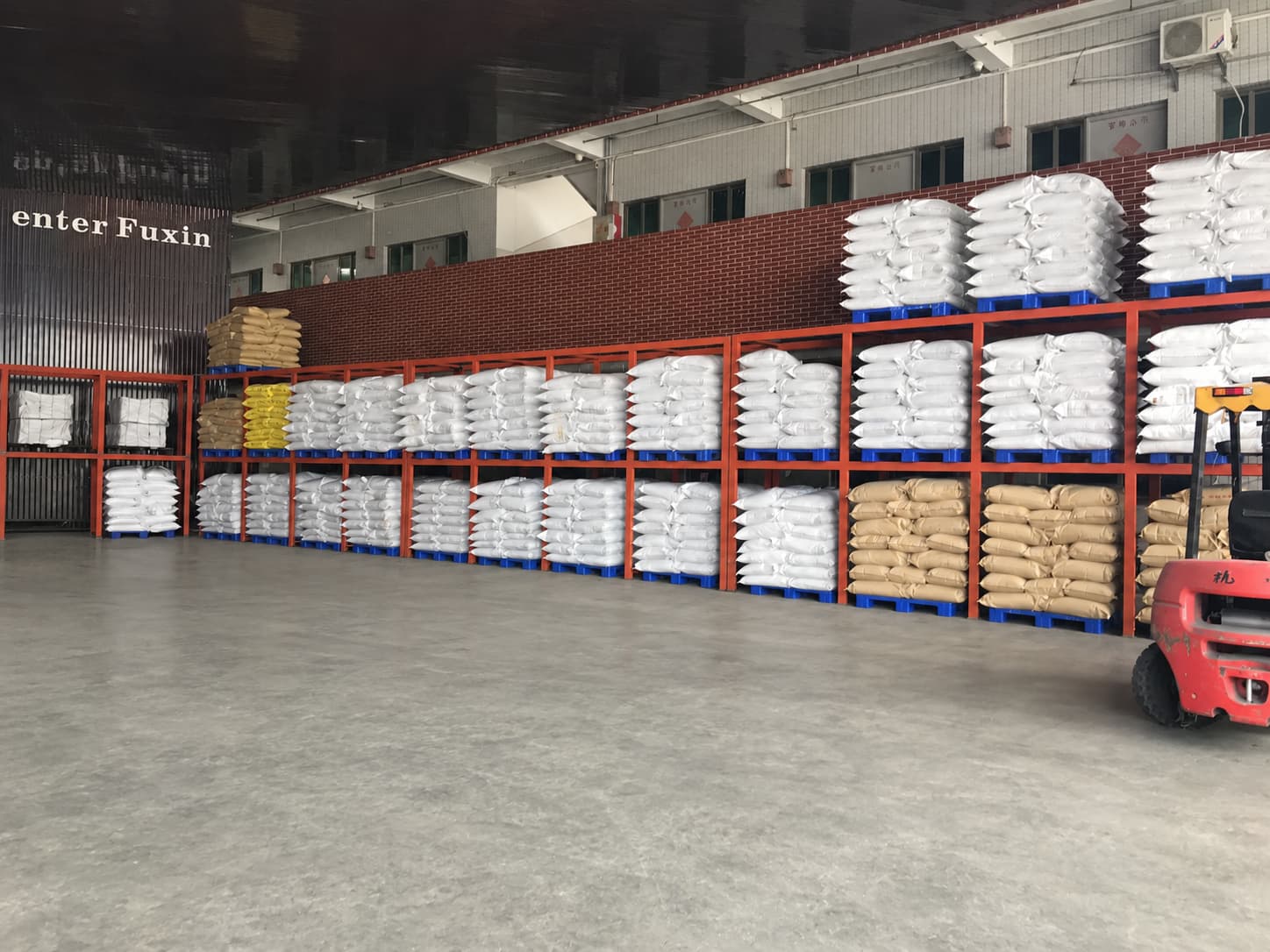
For bulk orders, batch traceability is important. Buyers should confirm product label information, batch number, net weight, production date, and packaging format before shipment.
Clear packaging and batch information can help with warehouse management, COA comparison, and customer feedback handling.
Realistic Discussion Instead of Broad Claims
A professional manufacturer should avoid exaggerated claims. Final performance still depends on the buyer’s formulation and process conditions.
The supplier should explain what can be matched by grade selection and what needs to be confirmed through sample testing.
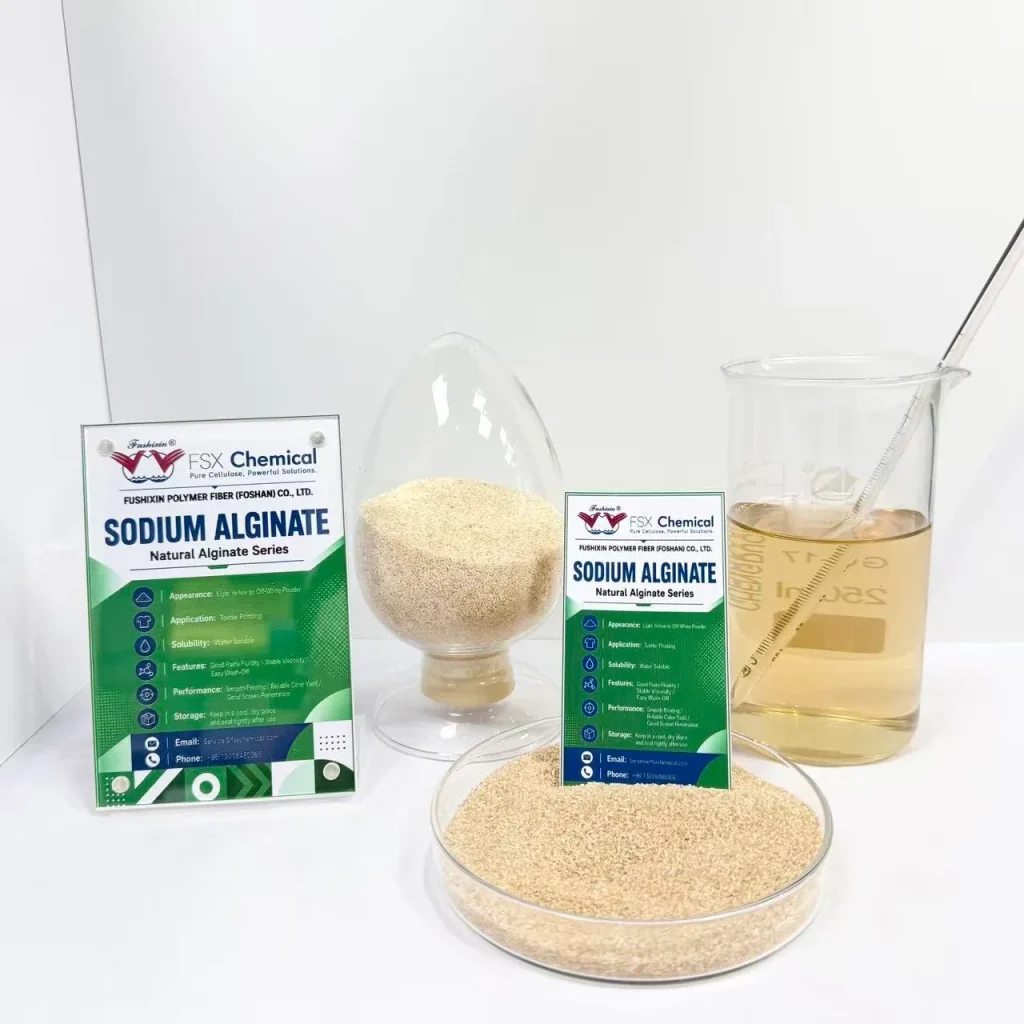
Bagaimana FSX Chemical Mendukung Para Pembeli Sodium Alginat
We do not suggest confirming textile grade sodium alginate only by price, product name, or broad supplier claims. The recommended grade should be reviewed through technical documents and tested in the buyer’s own formulation before bulk purchase.
Langkah Selanjutnya
- Ajukan Permohonan TDS — tinjau kisaran viskositas, ukuran mesh, pH, kadar air, penampilan, kondisi penyimpanan, dan metode pengujian.
- Ajukan Permohonan COA — pastikan apakah data batch sesuai dengan rentang spesifikasi yang telah disepakati sebelum pengiriman.
- Minta Pencocokan Grade — Sampaikan informasi mengenai proses pencetakan, jenis kain, viskositas yang diinginkan, formulasi saat ini, serta kelas produk yang ada (jika ada).
- Minta Sampel — test the recommended textile grade sodium alginate in your own paste preparation and printing conditions before confirming bulk orders.
- Memastikan Keabsahan Dokumen Pengemasan dan Ekspor — periksa ukuran karung, label, jejak pelacakan batch, SDS, faktur, daftar kemasan, dan dokumen lain yang diperlukan sebelum pengiriman.
- Request sample and grade matching — send the current grade, complete viscosity method and reactive-printing route. Ask FSX to review the sample reference and first-lot acceptance requirements before bulk purchase.