














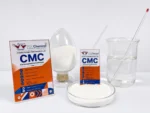
Karboximetil Selulosa · Sodium CMC · Pencetakan Tekstil
Apa Itu Karboksimetil Selulosa (CMC) dan Bagaimana Penggunaannya dalam Pencetakan Tekstil?
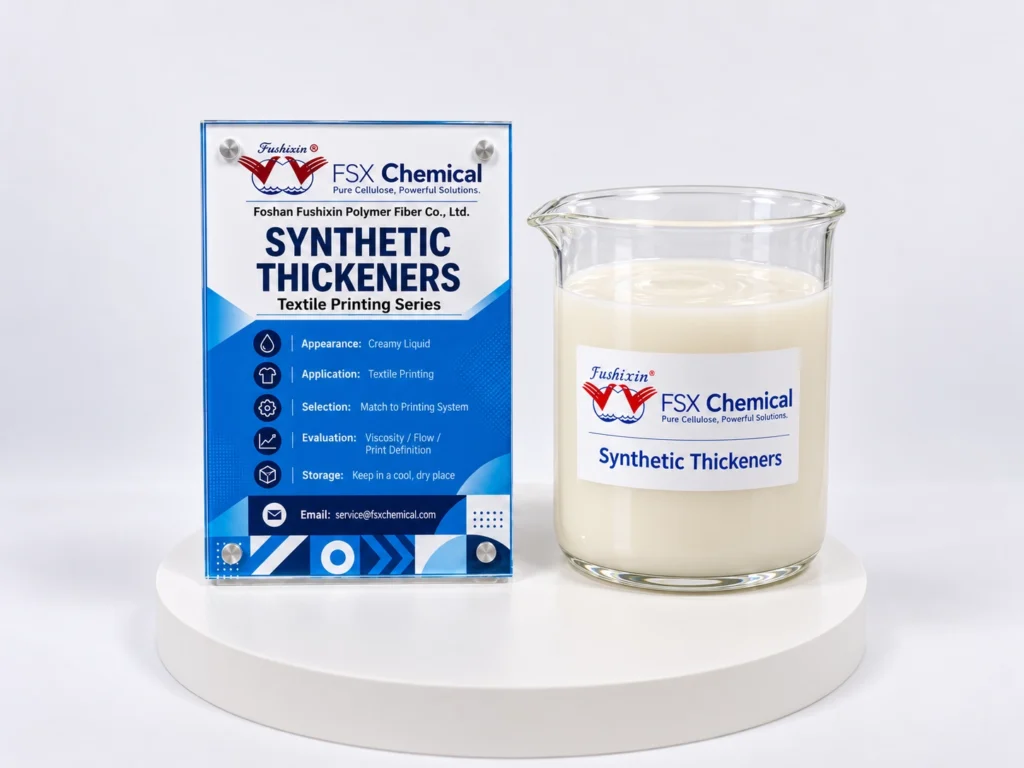
Karboksimetil selulosa (CMC), yang umumnya dipasok sebagai natrium karboksimetil selulosa atau natrium CMC, adalah eter selulosa yang larut dalam air dan digunakan sebagai pengental serta pengatur reologi. Dalam pencetakan tekstil, CMC membantu mengendalikan viskositas, konsistensi pasta, dan aliran, sekaligus mendukung formulasi dan proses yang stabil.
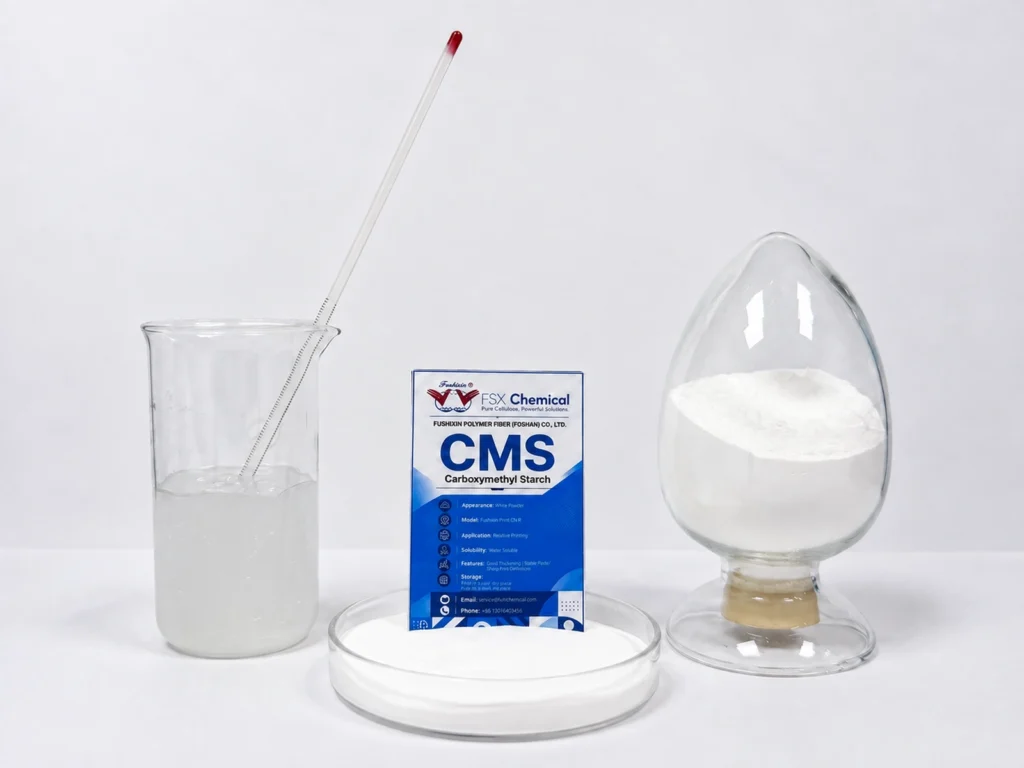
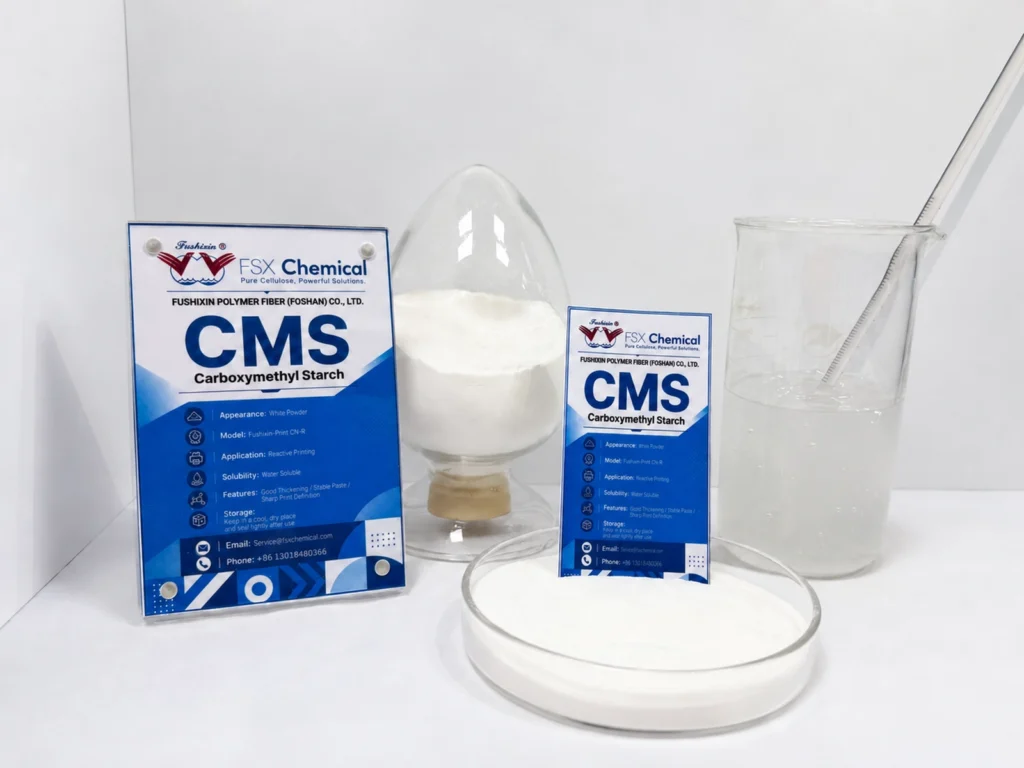
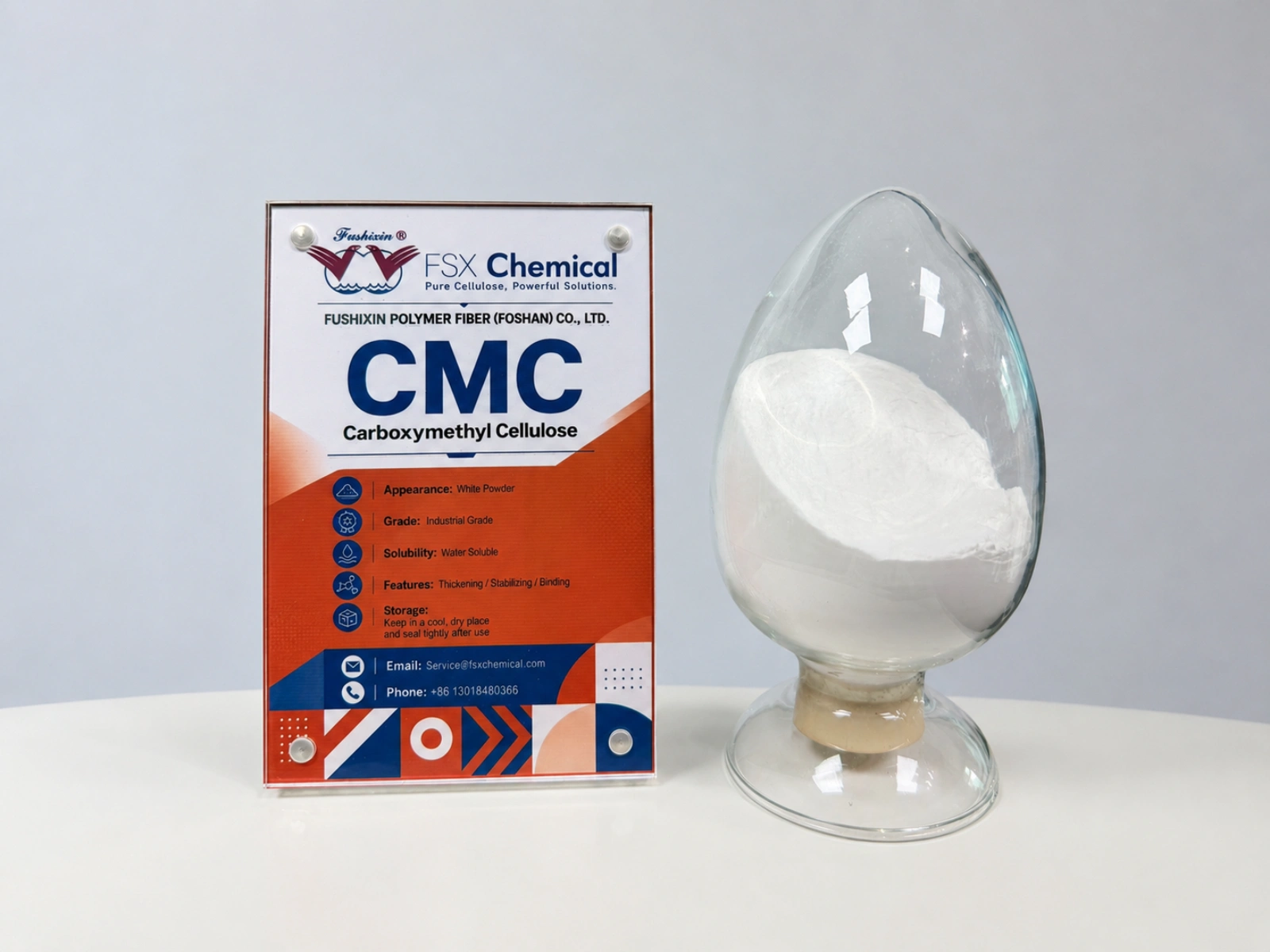
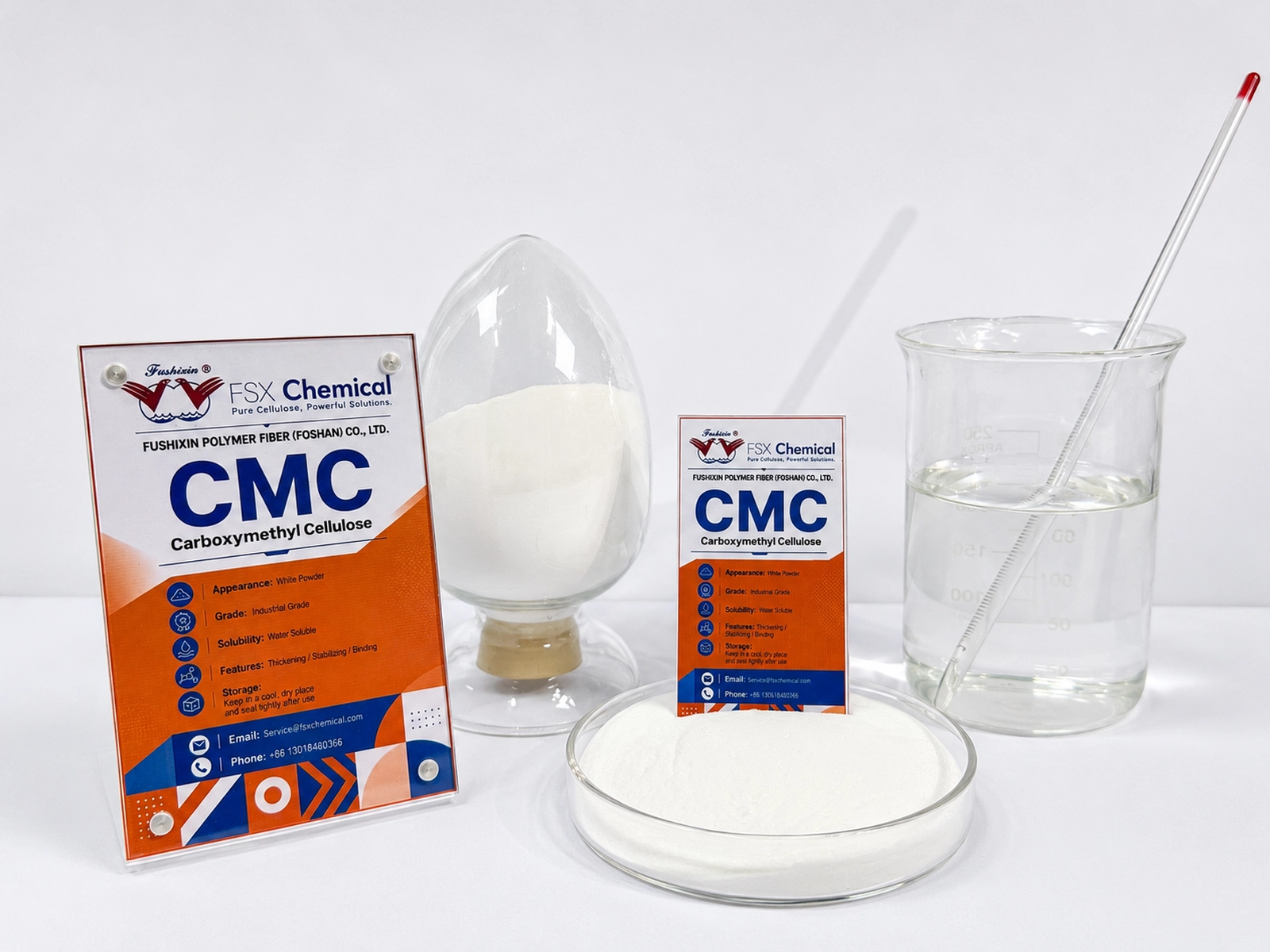
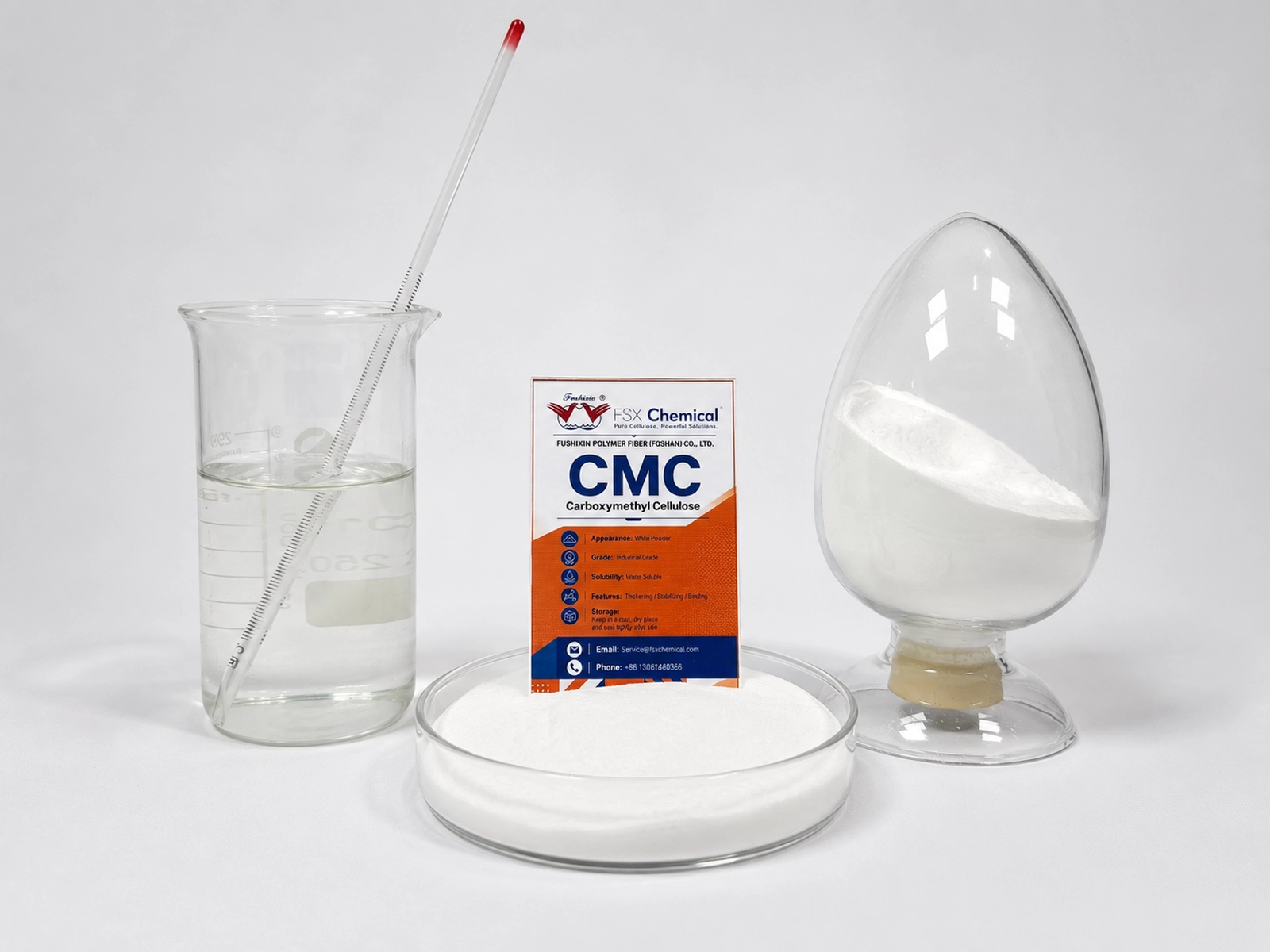
CMC dibuat dari selulosa melalui modifikasi kimia dan biasanya dipasok sebagai bubuk putih atau putih gading. Natrium karboksimetil selulosa terdispersi dan terhidrasi dalam air hingga membentuk larutan kental, sehingga berguna untuk pengendalian viskositas, pengentalan, dan penyesuaian reologi pada formulasi berbasis air.
Bagaimana CMC Berfungsi sebagai Pengental dan Pengubah Reologi
Sebagai pengental CMC, natrium CMC membentuk viskositas setelah terdispersi dan terhidrasi dalam air. Dalam pasta cetak tekstil, grade yang dipilih dapat memengaruhi konsistensi pasta, aliran, kinerja pada kasa sablon, dan stabilitas formulasi. Karena itu, viskositas CMC harus dievaluasi dengan kondisi pengujian yang jelas dan dalam formulasi pencetakan yang sebenarnya.
Apa Saja yang Perlu Diperhatikan Saat Memilih CMC Kelas Tekstil?
CMC untuk tekstil tidak boleh dipilih hanya berdasarkan viskositas. Pembeli biasanya membandingkan derajat substitusi (DS), viskositas acuan, perilaku pelarutan dan hidrasi CMC, keseragaman larutan, serta kompatibilitas dengan pasta cetak tekstil yang dituju. Pemilihan grade akhir juga harus mempertimbangkan kain, sistem zat warna, mesin, dan hasil cetak yang ditargetkan.
CMC untuk Pasta Cetak Tekstil
Dalam pencetakan tekstil, CMC dapat digunakan sebagai komponen formulasi untuk mengendalikan viskositas dan menyesuaikan pasta. Grade CMC yang berbeda dapat sesuai untuk sistem pencetakan yang berbeda, sehingga perbandingan laboratorium dan uji pencetakan aktual lebih berguna daripada hanya mengandalkan nama grade internal atau satu nilai spesifikasi.
Kelas CMC yang sesuai ditentukan oleh kombinasi dari DS, viskositas, pelarutan, hidrasi dan kinerja pada penggunaan akhir.


Pemilihan Grade CMC · Daftar Periksa Pembeli
Cara Memilih Grade CMC yang Tepat untuk Aplikasi Anda
CMC-HD, CMC-MD, dan CMC-LD adalah kode grade internal FSX Chemical yang mewakili kategori derajat substitusi yang berbeda. Pemilihan harus didasarkan pada aplikasi akhir, viskositas acuan, derajat substitusi (DS), perilaku pelarutan, kompatibilitas formulasi, dan hasil pengujian sampel aktual, bukan hanya nama model.
Konfirmasi Penggunaan Akhir
Tentukan apakah CMC dibutuhkan untuk pasta cetak tekstil, sistem campuran pengental, penyesuaian viskositas, formulasi industri lainnya, atau perbandingan dengan grade dari pemasok saat ini.
Bandingkan DS dan Viskositas dalam Kondisi yang Setara
Tinjau derajat substitusi, viskositas acuan, pH, konsentrasi larutan, suhu, dan metode pengujian. Data yang diukur dalam kondisi berbeda tidak boleh dibandingkan secara langsung.
Mengevaluasi Kinerja Pelarutan dan Penerapan
Uji dispersi bubuk, pelarutan dan hidrasi, keseragaman larutan, pembentukan viskositas, dan stabilitas formulasi. Untuk pencetakan tekstil, bandingkan pula perilaku pasta, kinerja sablon, dan hasil cetak akhir.
Konfirmasi Pasokan, Pengemasan, dan Dokumen
Setelah grade uji coba disetujui, konfirmasikan jumlah pesanan minimum, waktu produksi, karung 25 kg, palet atau kemasan ekspor, serta TDS dan SDS yang diperlukan. COA per batch disiapkan untuk batch produksi yang telah dikonfirmasi.
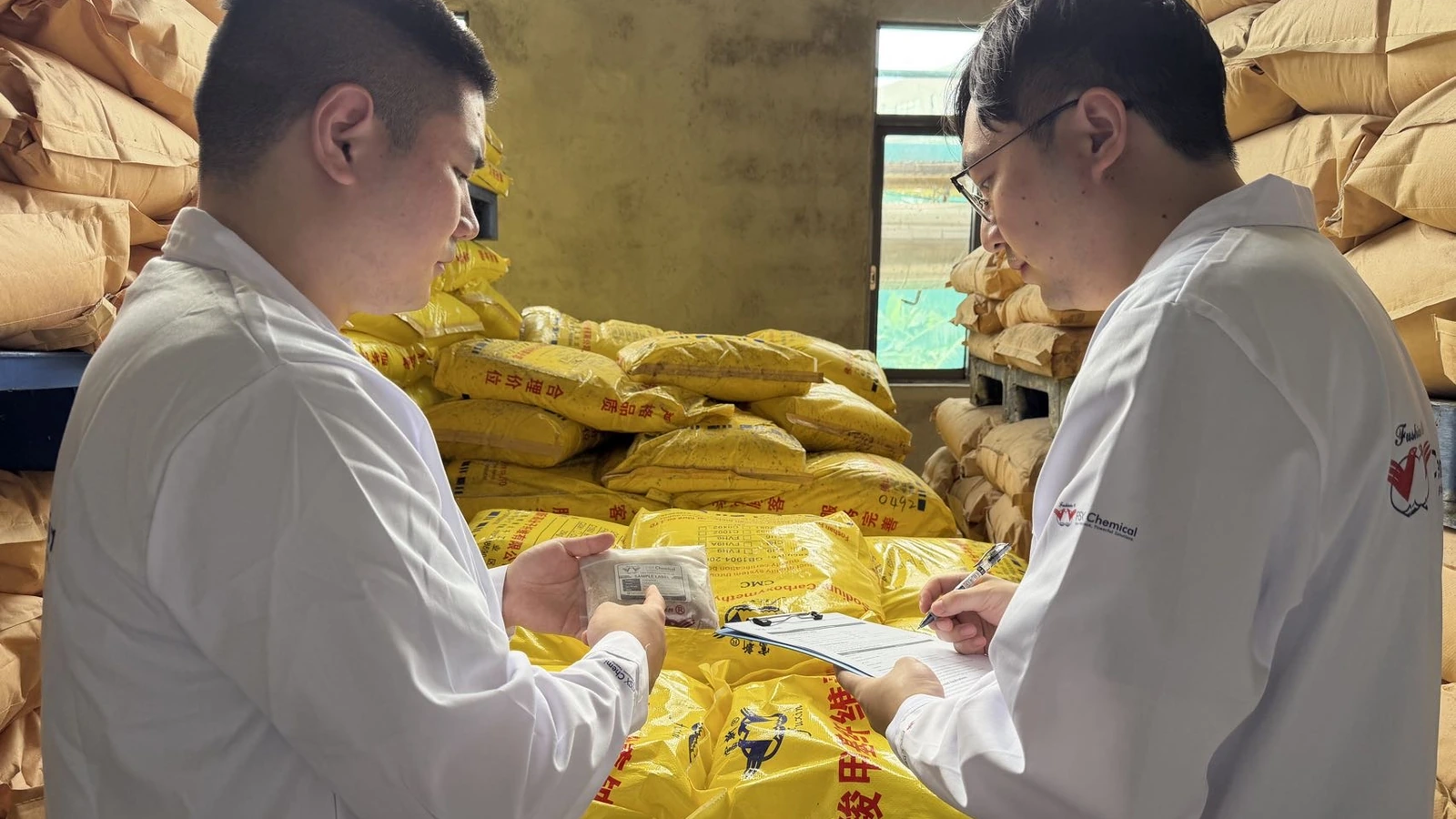
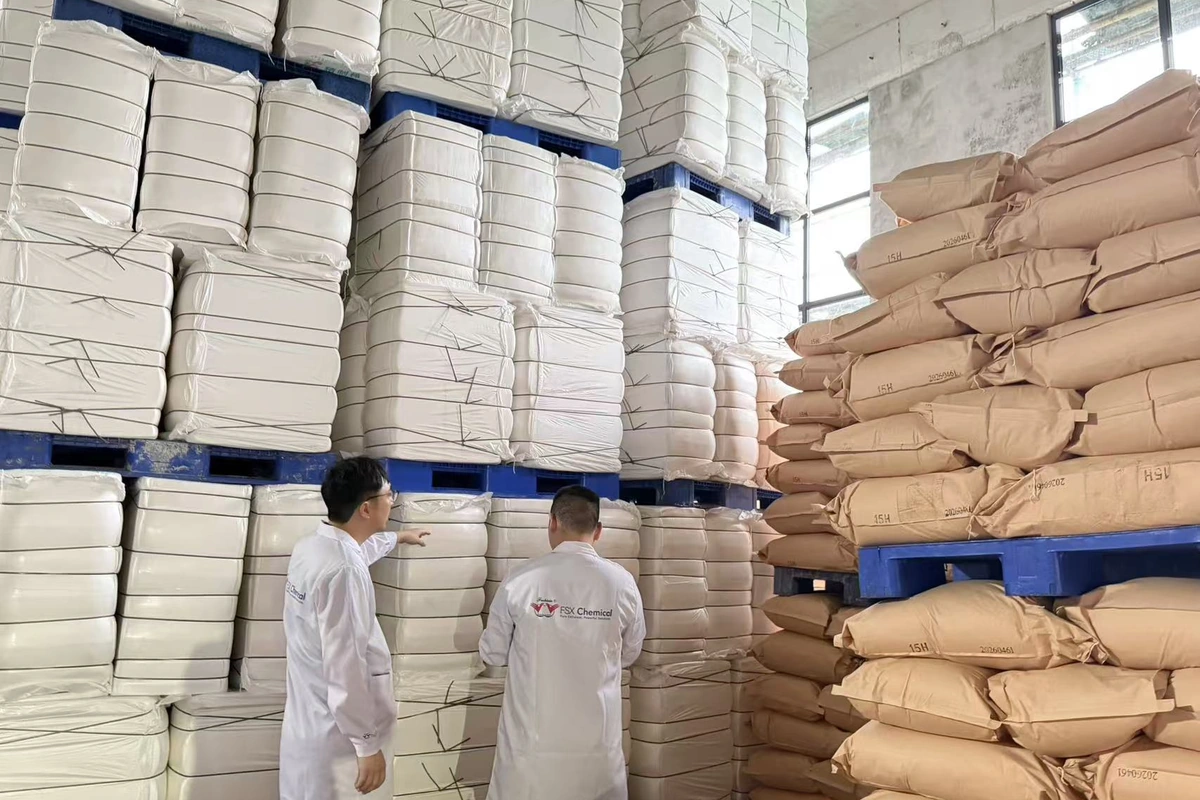
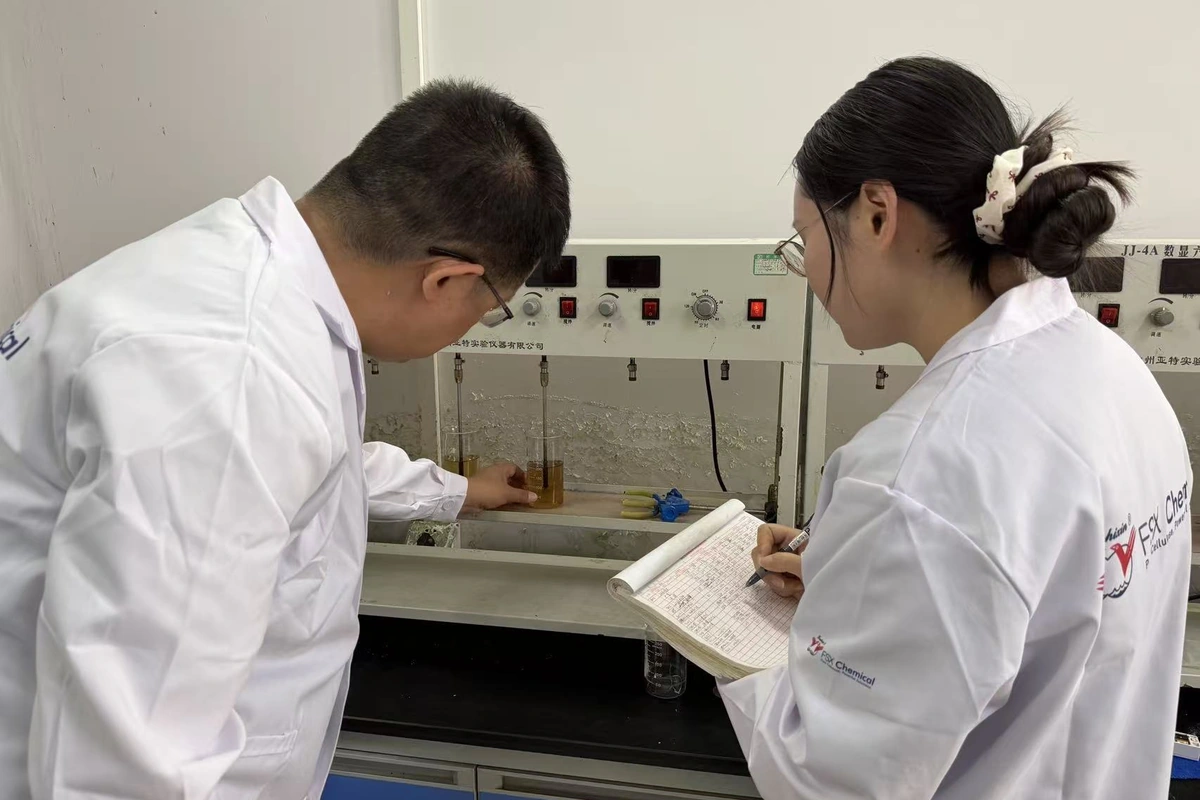
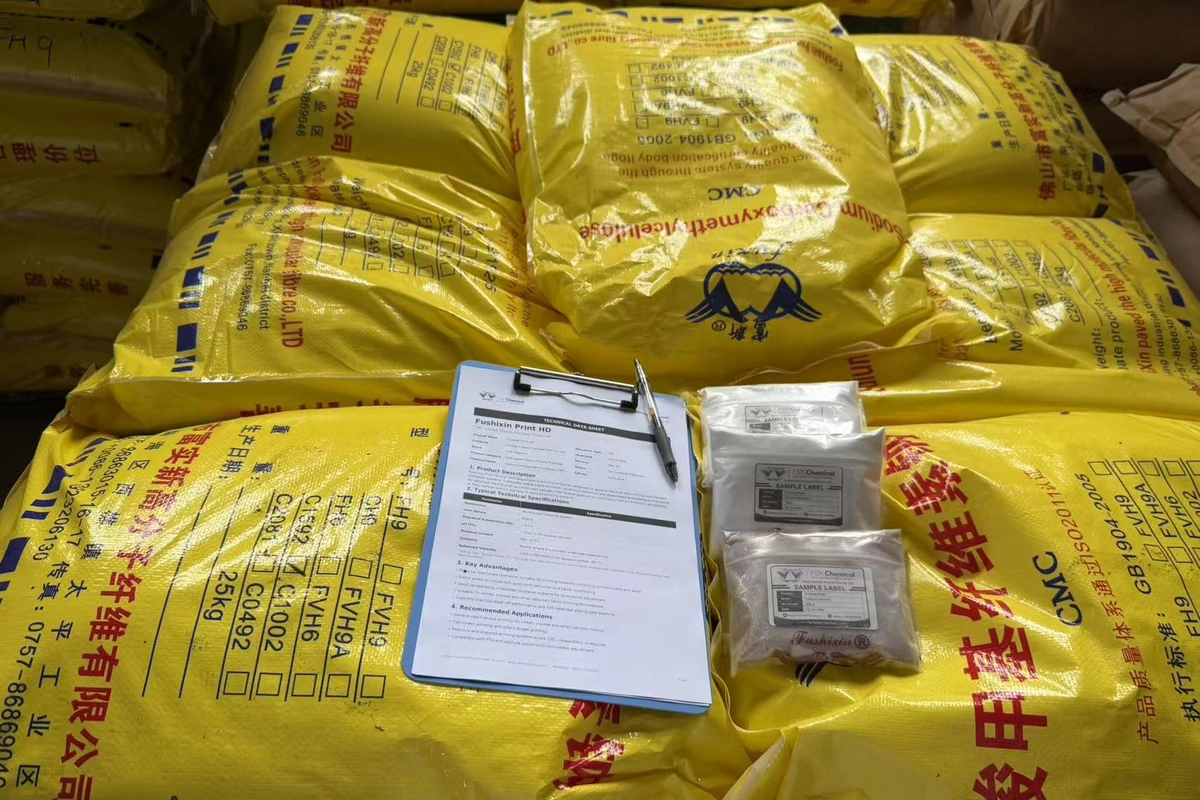
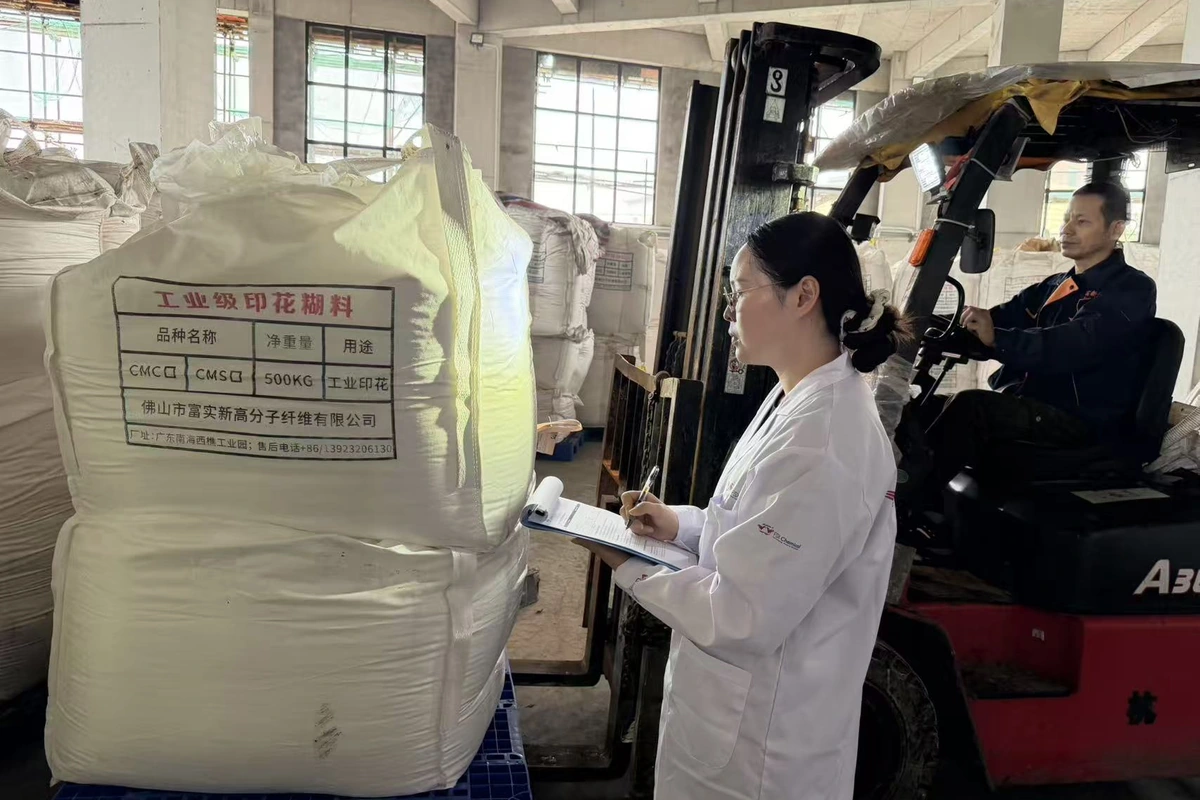
Bukti dari Pabrik / Laboratorium / Pengendalian Mutu
Bukti dari Pabrik, Laboratorium, dan Bagian Pengendalian Mutu
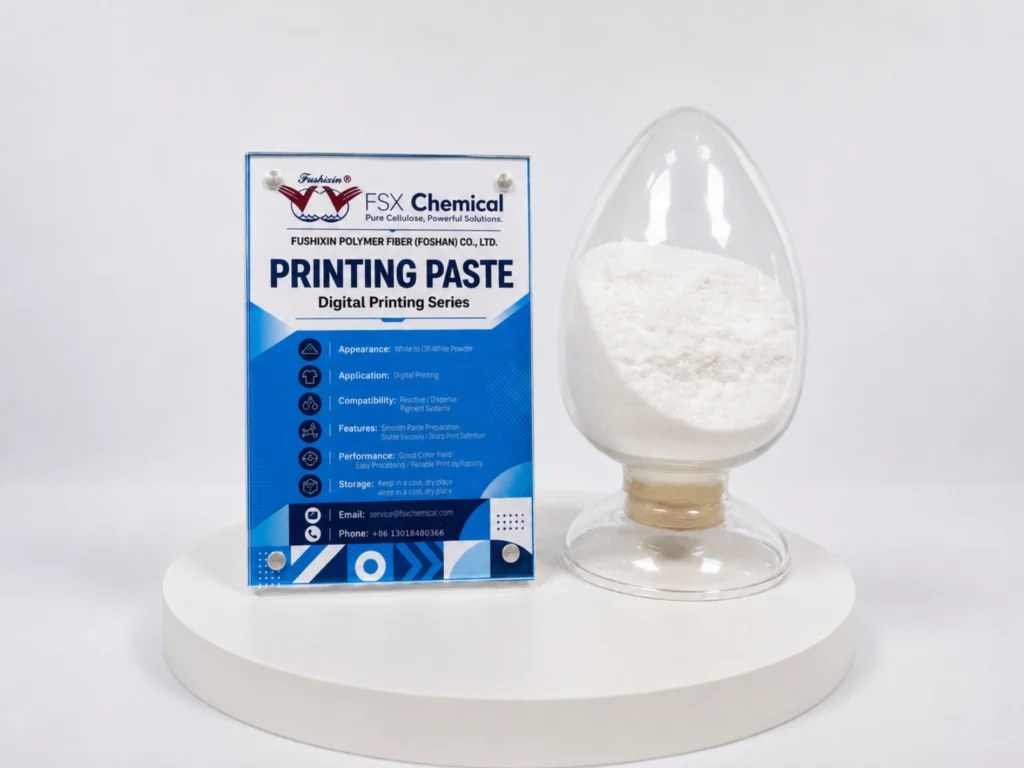
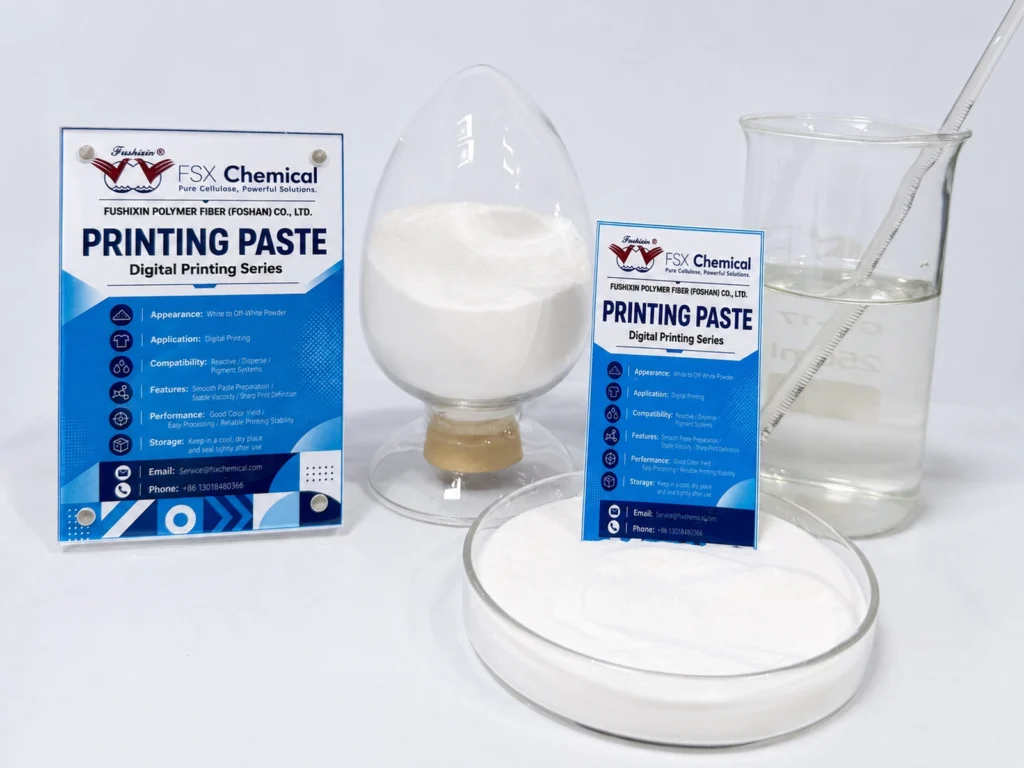
Gunakan gambar asli dari proses produksi, pengujian, dokumentasi, dan pengemasan untuk memverifikasi kemampuan pasokan pasta cetak digital sebelum evaluasi sampel.
Pertanyaan Pembeli CMC · Teknis & Pengadaan
Pertanyaan Umum (FAQ) tentang Pembelian dan Teknis CMC
Jawaban praktis bagi pembeli yang menyiapkan permintaan penawaran natrium karboksimetil selulosa, evaluasi sampel, atau keputusan pembelian dalam jumlah besar, mencakup tinjauan spesifikasi, perbandingan TDS produk yang digunakan saat ini, evaluasi uji coba, jumlah pesanan, dan dokumen teknis.

01 Informasi apa saja yang diperlukan untuk mendapatkan penawaran harga CMC?
Sampaikan aplikasi yang dituju, grade CMC atau spesifikasi target, kebutuhan viskositas dan metode pengujian jika tersedia, derajat substitusi (DS), perkiraan jumlah pesanan, dan tujuan pengiriman. Jika Anda sudah menggunakan CMC, TDS atau sampel produk yang digunakan saat ini dapat mendukung perbandingan teknis yang lebih sesuai.
02 Apakah saya bisa meminta sampel CMC sebelum melakukan pemesanan dalam jumlah besar?
Ya. Sampel CMC dapat dievaluasi sebelum pembelian dalam jumlah besar. Informasi aplikasi, spesifikasi saat ini, target viskositas, kebutuhan DS, dan kinerja yang diharapkan membantu menentukan pilihan sampel yang lebih sesuai untuk perbandingan laboratorium.
03 Apakah FSX dapat membandingkan sampel CMC atau TDS yang saya miliki saat ini?
Ya. Sampel CMC atau TDS produk yang digunakan saat ini dapat ditinjau bersama kondisi pengujian viskositas, konsentrasi larutan, derajat substitusi, pH, aplikasi, dan persyaratan formulasi. Jika memungkinkan, pengujian perbandingan dilakukan dalam kondisi yang sama sebelum menentukan apakah grade FSX yang diusulkan layak dilanjutkan ke tahap uji coba berikutnya.
04 Bisakah saya mengevaluasi lebih dari satu grade CMC dalam uji coba yang sama?
Ya. Jika aplikasi atau spesifikasi target memungkinkan lebih dari satu pilihan grade, FSX Chemical dapat merekomendasikan sampel CMC yang sesuai untuk evaluasi berdampingan. Perbandingan sampel dengan kondisi persiapan, pengujian viskositas, dan aplikasi yang sama membantu menentukan pilihan yang lebih sesuai sebelum pembelian dalam jumlah besar.
05 Berapa jumlah pesanan minimum (MOQ) dan pilihan kemasan standar yang umum untuk CMC?
CMC umumnya dipasok dalam karung 25 kg dengan lapisan dalam tahan lembap. Jumlah pesanan minimum bergantung pada grade yang dipilih, jumlah, dan persyaratan pesanan, serta harus dikonfirmasi bersama penawaran harga.
06 Dokumen teknis dan dokumen batch CMC mana saja yang tersedia?
TDS dan SDS tersedia untuk mendukung evaluasi teknis. COA per batch disiapkan sesuai batch produksi yang telah dikonfirmasi. Informasi tambahan mengenai produk atau mutu dapat ditinjau sesuai grade yang dipilih dan persyaratan pesanan.
07 Apa saja yang perlu dipastikan setelah sampel CMC lulus uji laboratorium?
Setelah evaluasi laboratorium, pembeli perlu memastikan kinerja dalam formulasi atau kondisi produksi aktual sesuai spesifikasi teknis yang disepakati. Selanjutnya, grade yang disetujui, persyaratan mutu, jumlah pesanan, dan dokumen batch dapat dikonfirmasi sebelum pembelian dalam jumlah besar.
Pemilihan CMC harus didasarkan pada data teknis dengan kondisi pengujian yang sama dan kinerja aplikasi aktual, bukan hanya nama model atau satu nilai spesifikasi.