Food-grade and industrial-grade CMC are purchasing descriptions, not two universal DS or viscosity classes. For textile and printing use, compare the exact grade’s assay basis, impurities, preparation and complete-formulation performance. A food-use claim requires separate evidence for the named market and intended use; neither high purity nor an industrial label alone establishes suitability.
Mengapa Klasifikasi Kelas CMC Penting
Kimia yang Sama, Spesifikasi yang Berbeda
CMC is a cellulose ether. Commercial grades can differ in molecular structure, residual components, preparation and declared specifications. The application label alone does not establish those properties; compare grade-specific documents and methods.
For a food-use claim, request the exact CMC identity, applicable specification, intended use and supporting compliance statement. Pharmaceutical-excipient documentation is a separate claim and is not established by a food-grade label. Industrial specifications must likewise identify the grade and agreed acceptance items; do not infer one universal impurity range from the word industrial.
Dampak Penggunaan Tingkat Kesulitan yang Salah
Specify the CMC grade against two separate questions: does its documentation cover the intended use, and does the prepared material perform acceptably in the actual process?
A documented food-use CMC can be technically suitable for some industrial formulations, but that label does not establish its DS, rheology or cost advantage. Compare its actual price, as-supplied dose, preparation, impurity contribution and finished performance with the current approved grade before substitution.
An industrial-use label is not evidence for food-additive, food-contact or pharmaceutical suitability. Treat these as separate use-specific documentation questions. Do not use a textile-grade TDS, SDS or routine COA as a substitute for the applicable assessment.
Perbedaan Antara CMC Kelas Pangan dan Kelas Industri
Batas Kemurnian dan Kontaminasi
Read the CMC assay together with its analytical method and as-supplied or dry basis. Residual salts, glycolate, moisture and other reported components need their own methods. A moisture or nonvolatile result does not selectively measure active CMC, and an assay calculated by difference must be understood from its stated procedure.
For a claimed regulated-use grade, confirm the named specification instead of using a generic purity percentage. As one U.S. example, 21 CFR 182.1745 describes a defined sodium CMC product and conditions of use; it is not a global food-versus-industrial DS or purity rule. For textile supply, agree the exact assay and impurity limits required by the formulation and customer specification.
Higher assay can change the CMC mass delivered at a fixed as-supplied dose, while residual ingredients can alter the formulation’s ionic and solids load. That may matter in an industrial process, but it does not make the purer grade automatically better. Use controlled formulation and finished-output comparisons; the CMC technical background explains why grade and solution conditions matter.

Rentang Derajat Substitusi (DS)
DS is the average number of carboxymethyl substituents per anhydroglucose unit. It is a structural descriptor, not an application approval or a complete predictor of rheology. Review it with molecular weight, substitution distribution and the conditions of the full formulation.
Do not assign one DS interval to every food or pharmaceutical grade, or a separate universal interval to textile grades. Use the currently applicable named specification for any regulated-use claim and the declared grade-specific DS method for purchasing. Numerical requirements from one jurisdiction or monograph must not be transferred to another use without checking their scope.
Saat mengevaluasi pemasok CMC, pastikan selalu untuk memeriksa spesifikasi DS untuk jenis produk yang Anda pesan — jangan berasumsi bahwa CMC “kemurnian tinggi” akan memiliki kisaran DS yang dibutuhkan oleh aplikasi Anda.
Spesifikasi Viskositas
Food-use and industrial product lines may each contain multiple viscosity grades. A label does not define their available range or establish interchangeability. Compare apparent viscosity only with the concentration basis, water, preparation, instrument or geometry, speed, temperature and reading time stated.
Select Viskositas CMC for the required preparation, application and finished result. Low, medium and high labels are supplier-relative; they are not universal choices for sizing, screen printing or water-based ink. Confirm each candidate after appropriate preparation and application testing.
Persyaratan Regulasi dan Dokumentasi
For a food-use claim, obtain a grade-specific statement identifying the market, intended use, applicable authorization or specification, limitations and supporting test documents. Check the identity, manufacturer and current version; a purity number or a broad food-grade certificate is not the complete assessment.
For industrial textile or printing supply, TDS, SDS and lot COA have different roles: application guidance, handling information and the listed batch results. They do not by themselves establish food-use status or every omitted property. Request any additional customer or regulated-use evidence explicitly.
Jika aplikasi Anda berada di batas — misalnya, pencetakan pada bahan kemasan makanan di mana tinta atau lapisan pelapis mungkin bersentuhan dengan makanan — klarifikasi persyaratan regulasi yang berlaku untuk kasus spesifik Anda dengan seorang spesialis regulasi yang berkualifikasi sebelum menentukan salah satu dari kedua kelas tersebut.
Kelas Mana yang Tepat untuk Aplikasi Tekstil?
Pemberian Lapisan pada Kain dan Pemberian Lapisan pada Benang Panjang
For warp sizing, define yarn protection, film and abrasion behaviour, preparation, add-on and removal requirements before comparing CMC grades. DS and apparent viscosity alone do not establish sizing or desizing performance. Include the actual yarn construction, recipe, sizing conditions and required downstream processing.
Compare only documented candidates for the intended sizing process. Price, available grade range and usable dose vary by offer; confirm them directly and calculate cost against acceptable sized-yarn output, preparation and removal performance.
Pasta Cetak dan Bahan Pembantu Pewarnaan
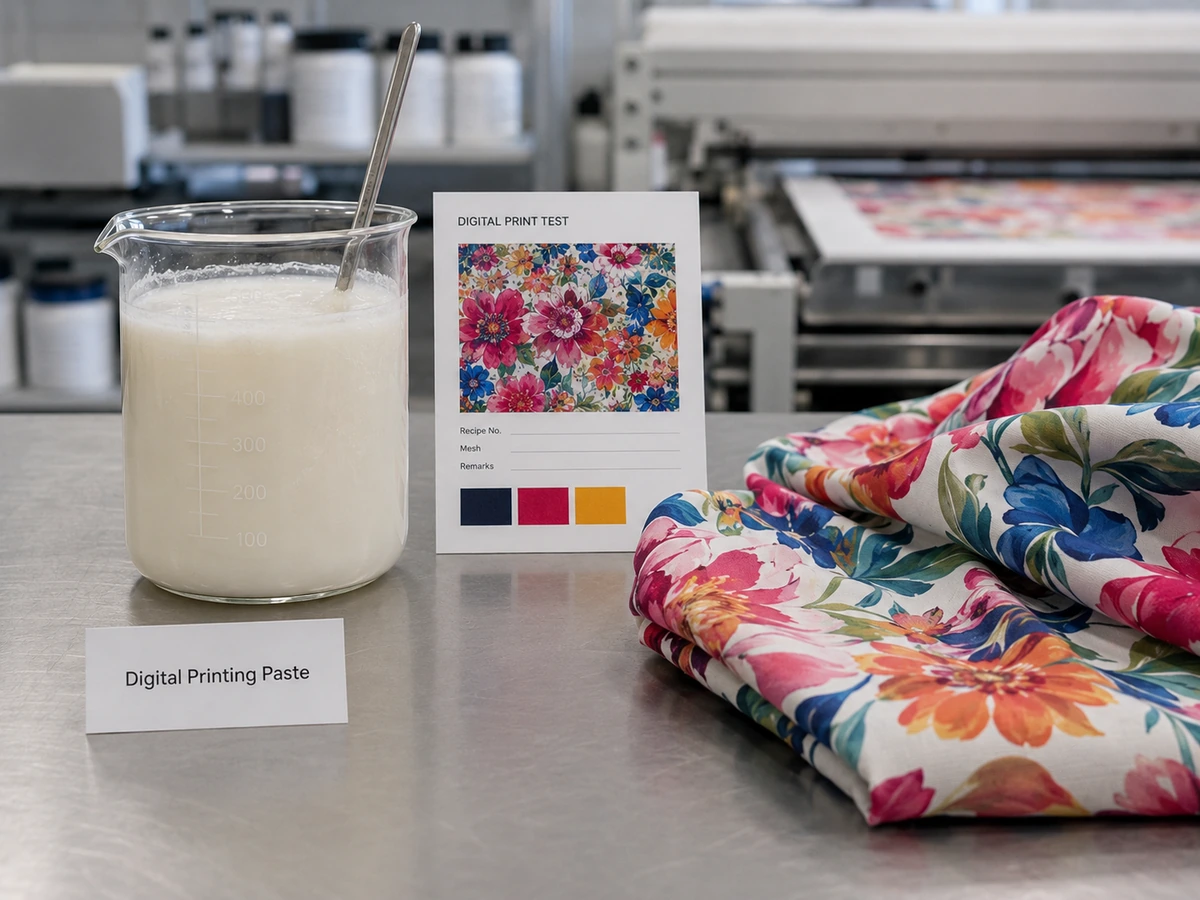
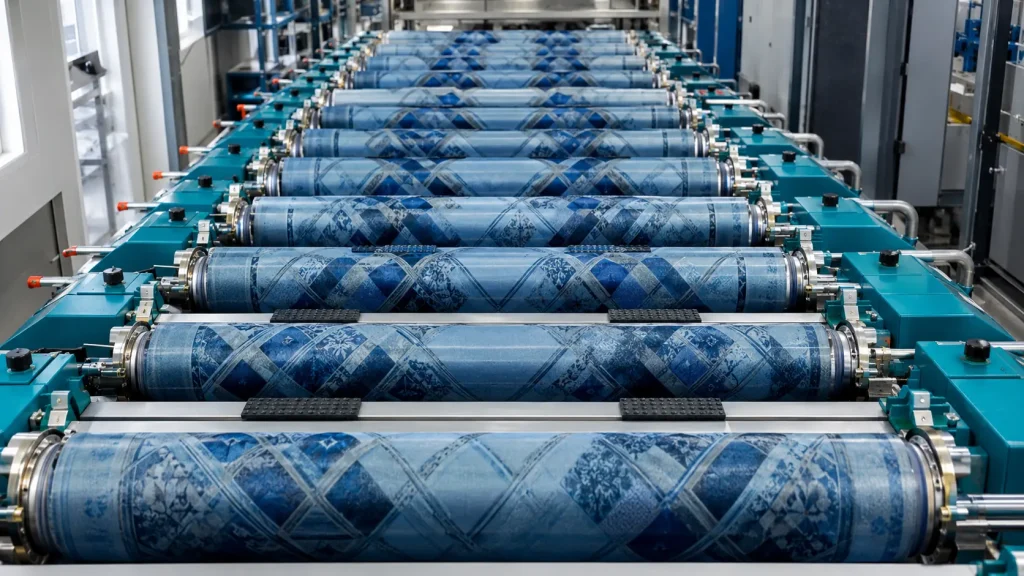
For printing paste or a dyeing auxiliary, identify the dye or pigment system and the CMC function before selecting a candidate. Review the declared application, complete-paste stability, transfer, fixation or cure, and any required wash-off. A TDS direction guides a trial; it does not prove that every recipe has been tested.
If a food-use grade is proposed for a textile formulation, ask what documented performance or customer requirement supports that choice. Conversely, do not reject it solely because of its label; compare the actual candidate within the same acceptance plan.
Kelas Mana yang Tepat untuk Aplikasi Tinta Cetak?
Formulasi Tinta Berbasis Air
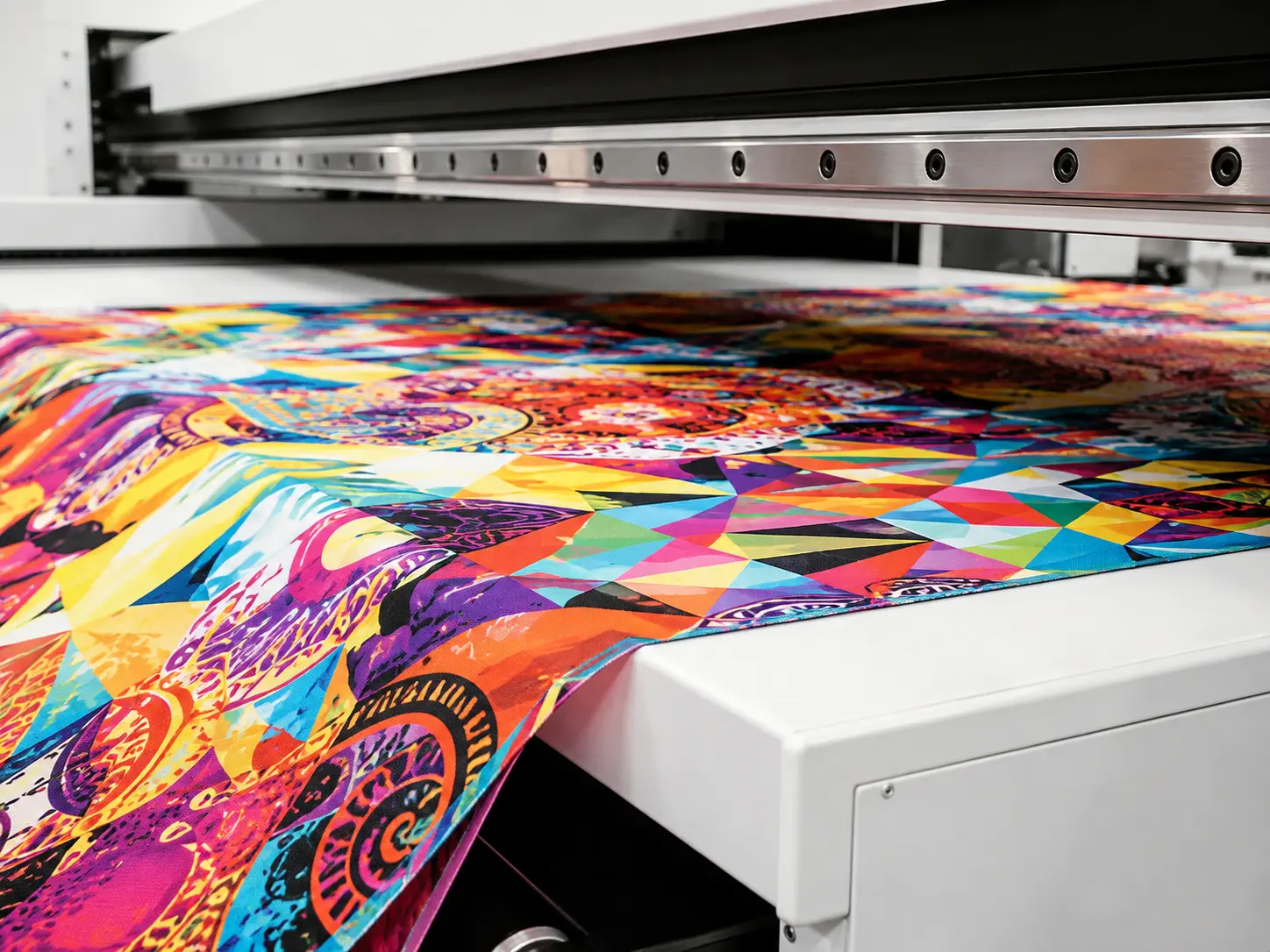
In a water-based flexographic, gravure or screen-ink formulation, a documented CMC grade may be evaluated for its specified function. Check rheology, colorant compatibility, filtration, film requirements and production stability in that system. This discussion does not approve ordinary CMC for addition to printhead ink; fabric-applied digital pretreatment requires its own route-specific validation.
Do not choose an ink grade from a low/medium viscosity label alone. Reproduce the agreed measurement method and validate the prepared ink or paste against its application and finished-print requirements.
Kemasan yang Berkontak dengan Makanan: Sebuah Kasus Khusus
Jika usaha Anda melakukan pencetakan pada kemasan yang akan bersentuhan langsung dengan makanan — misalnya, kantong kertas, pembungkus makanan, atau karton yang aman untuk makanan — persyaratan regulasi terkait bahan yang digunakan dalam proses pencetakan bergantung pada aplikasi spesifik, jenis kontak, dan peraturan yang berlaku di pasar sasaran Anda.
Evaluate the complete article and intended contact conditions under the relevant market requirements. The FDA food-contact component guidance, for example, distinguishes substance identity, specifications and use limitations. A CMC food-grade statement does not establish compliance of the complete printed packaging, ink or coating. Have the responsible compliance specialist review the actual construction and documentation.
Cara Memastikan Tingkat Kesulitan yang Anda Pesan
Hal-hal yang Perlu Diperiksa pada TDS
- Aplikasi yang dimaksud — TDS harus mencantumkan apakah produk tersebut ditujukan untuk keperluan pangan, farmasi, atau industri
- Assay / reported content — declared method and as-supplied or dry basis, with separately specified impurities
- Seri DS — pastikan hal ini sesuai dengan persyaratan lamaran Anda
- Spesifikasi viskositas — concentration basis, preparation, instrument or geometry, speed, temperature and reading time
- Kandungan NaCl — relevan untuk aplikasi di mana kekuatan ionik atau kemurnian menjadi faktor penting
Jika ada parameter yang tercantum di atas yang tidak tercantum dalam TDS, mintalah informasi tersebut kepada pemasok Anda sebelum melakukan pemesanan.
Pertanyaan yang Perlu Anda Ajukan kepada Pemasok Anda
Sebelum melakukan pemesanan, terutama untuk pembelian pertama atau saat mengganti jenis produk, pastikan hal-hal berikut dengan pemasok Anda:
- Apakah produk ini ditujukan untuk keperluan pangan, farmasi, atau industri?
- Apa itu rentang DS dan seberapa konsistenkah rentang tersebut antar-batch?
- Bisakah Anda memberikan data CoA dari batch produksi terbaru?
- Apakah tersedia sampel untuk uji coba formulasi sebelum melakukan pemesanan dalam jumlah besar?
Use the supplier documents as the first gate, then compare a properly prepared sample in the complete formulation and confirm a controlled production trial. Match the qualified grade, order specification, packaging and commercial-lot COA before release. Clear answers support review; they do not prove manufacturing consistency or application performance.
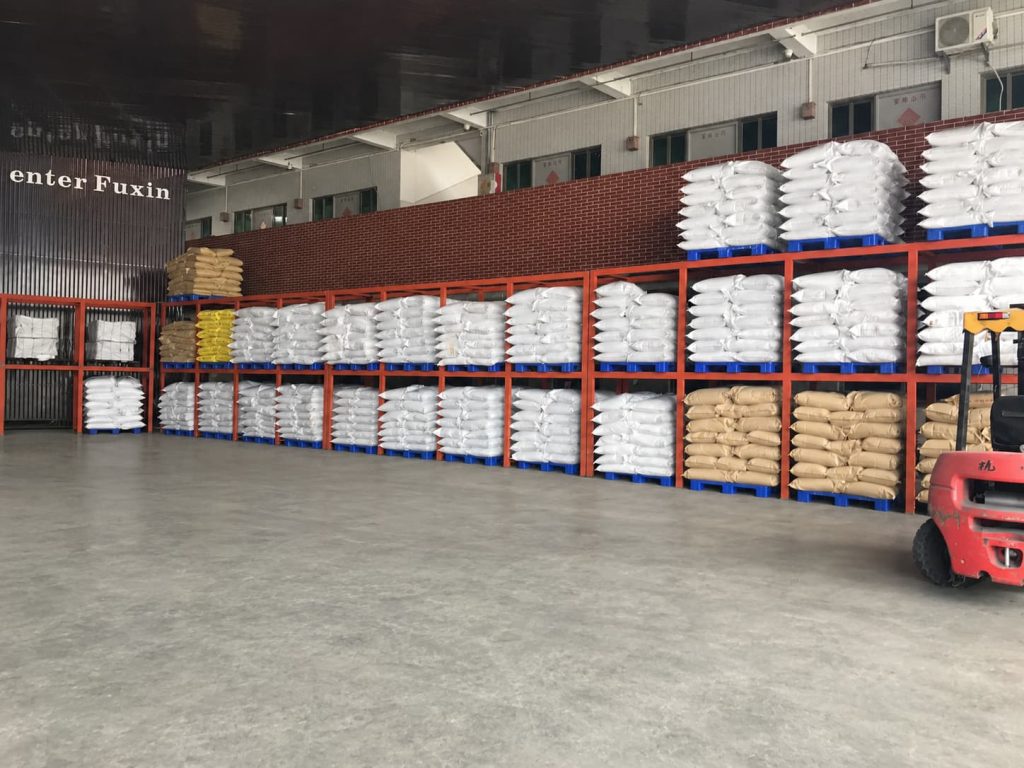
Bagaimana FSX Chemical Mendukung Penentuan Kelas
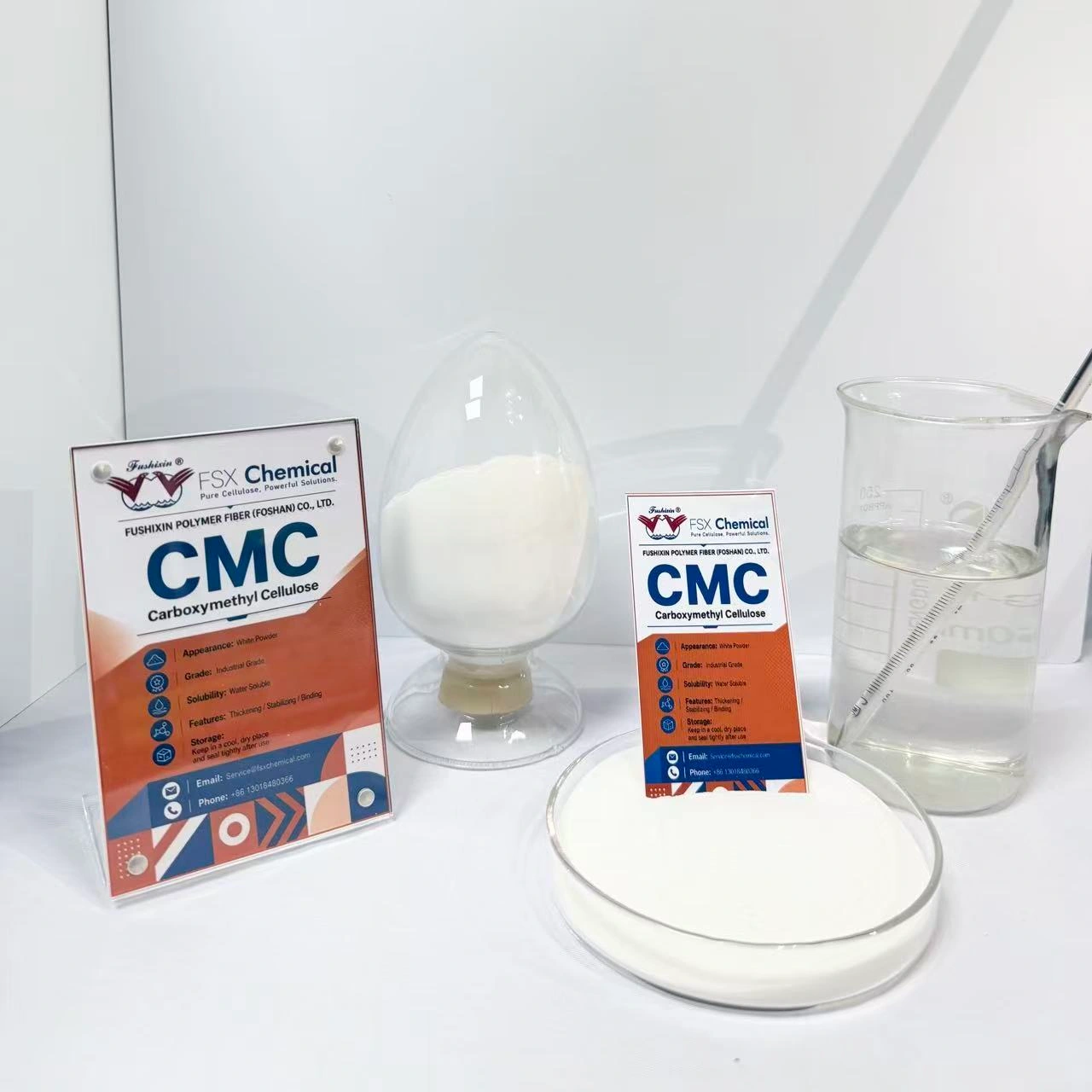
FSX Chemical offers textile and industrial CMC routes for grade-specific evaluation. Request current TDS/SDS and lot documentation for the proposed product and application. This guide does not offer or approve an FSX food or pharmaceutical grade, or establish the suitability of every industrial grade for sizing or ink.
Share the intended use with FSX Chemical for an industrial grade discussion. Any food-contact or pharmaceutical compliance question needs its own applicable documentation and qualified review; a general product recommendation is not that assessment.
Langkah selanjutnya:
- Ajukan Permohonan TDS — pastikan spesifikasi kualitas dan tujuan penggunaannya sebelum memesan
- Minta Sampel — lakukan uji coba pada formulasi Anda sebelum memutuskan untuk memproduksi dalam jumlah besar
- Minta Pencocokan Grade — bagikan rincian permohonan Anda untuk rekomendasi nilai pada tingkat tertentu
- Hubungi Tim Teknis Kami — for questions on grade differences or documentation requirements: Service@fsxchemical.com