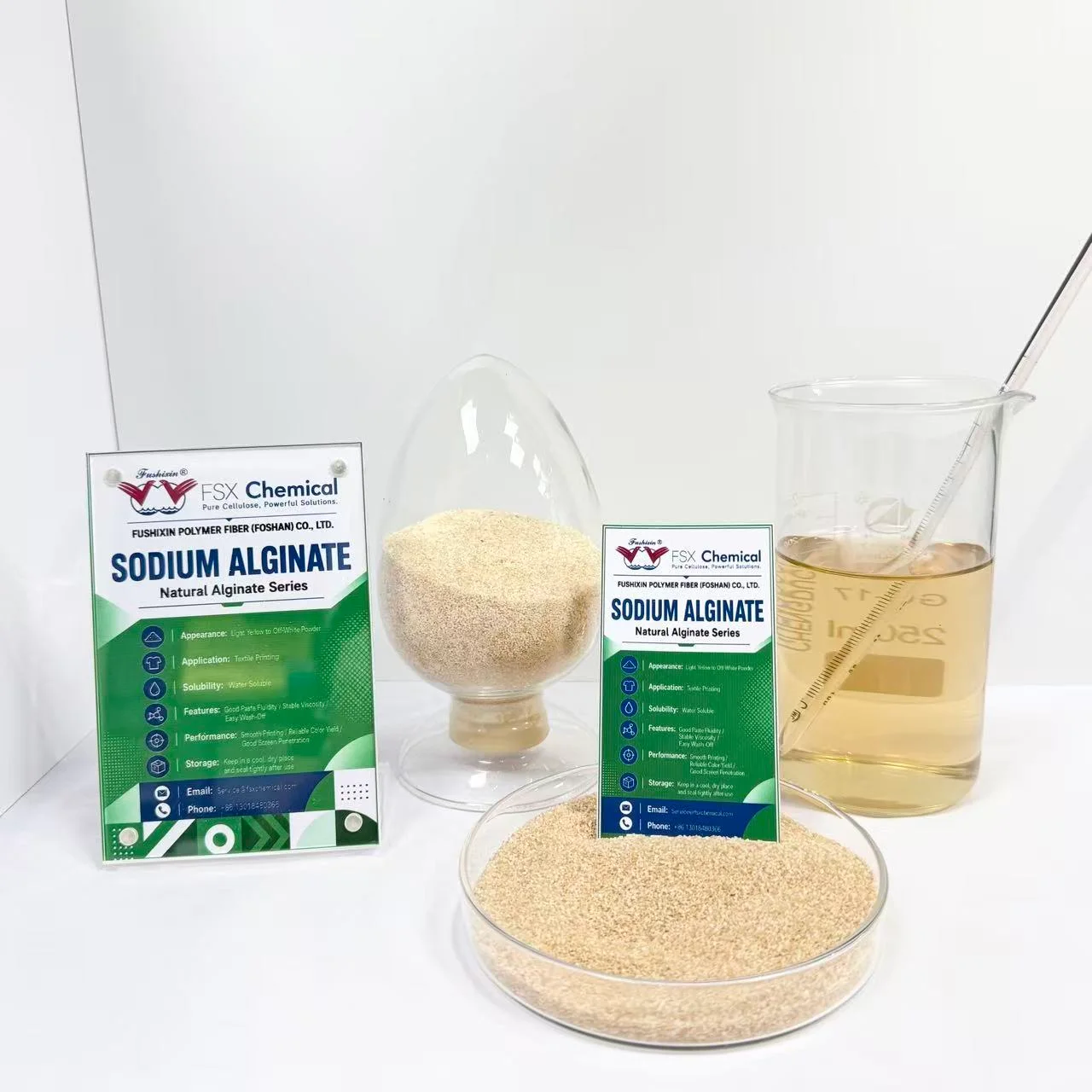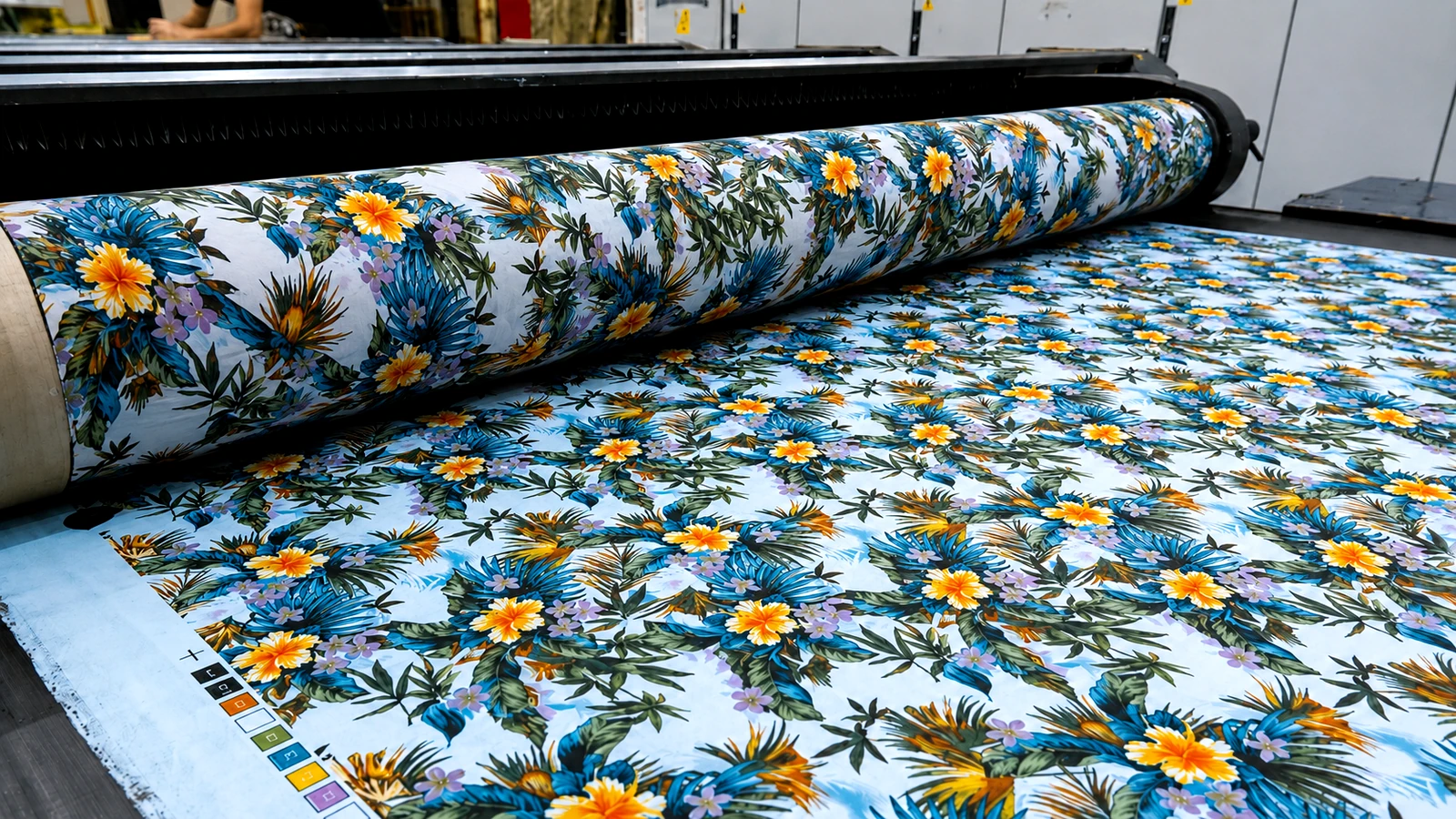
This guide explains how textile printing buyers can evaluate specialty sodium alginate for textile printing applications by reviewing specifications, testing samples, and confirming bulk order requirements.
Why Specialty Sodium Alginate Matters in Textile Printing
Printing Paste Requires Stable Viscosity
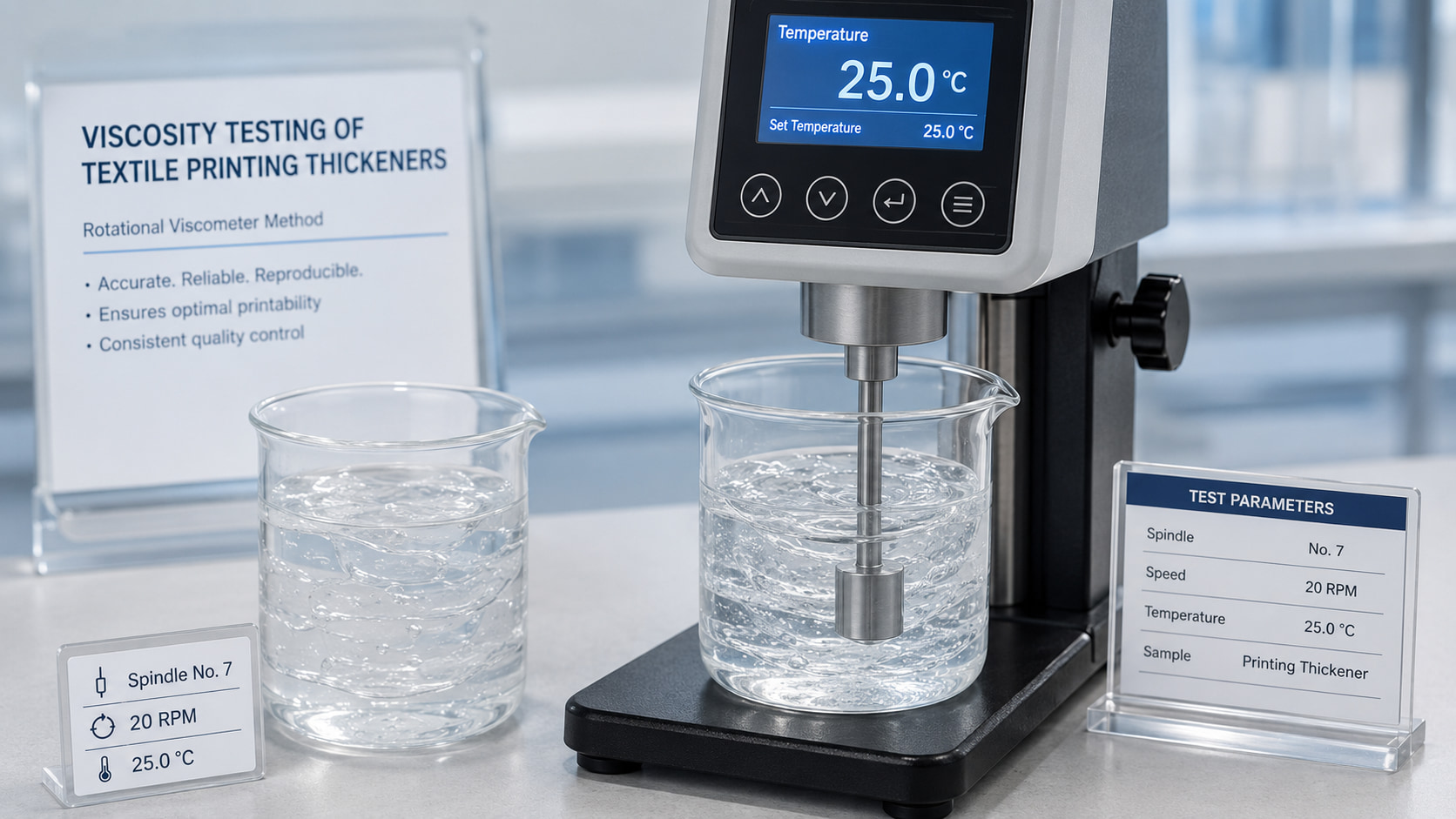
In textile printing paste, viscosity affects preparation and transfer, but a result outside the target should trigger a method and process check. Do not alter the testing method simply to make a grade pass. First confirm concentration, hydration, temperature, instrument settings and the agreed acceptance criterion.
A suitable sodium alginate grade should be selected according to the printing process, target paste viscosity, fabric type, dye system, and production conditions.
Dissolution and Paste Smoothness Affect Production Handling
Besides viscosity, dissolution behavior is also important. A sodium alginate grade that hydrates unevenly may lead to lumps, poor paste smoothness, or filtration difficulty.
Buyers should check how the product dissolves under their own water quality, stirring method, preparation time, and formulation conditions.
Different Applications May Need Different Grades
There is no single sodium alginate grade that fits every printing process. Some buyers may need a grade for reactive printing paste, while others may focus on paste stability, easier dissolution, or smoother handling during production.
For this reason, product selection should be based on application requirements rather than general claims such as “high performance” or “best quality.”
Main Application Areas of Specialty Sodium Alginate
Reactive Textile Printing Paste
The recommended grade should be tested in the buyer’s own formulation before bulk purchase.
Screen Printing and Rotary Printing Paste Preparation
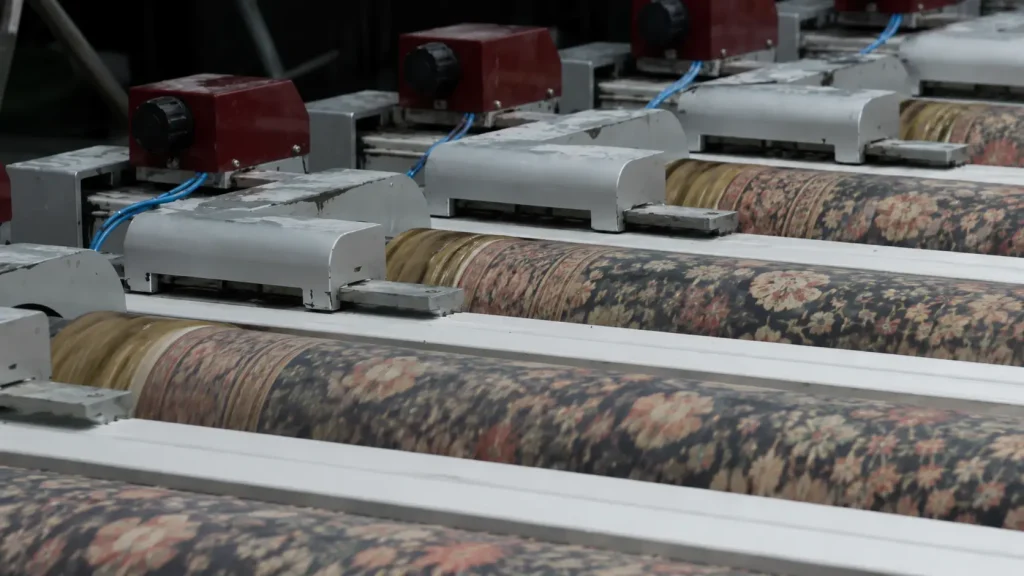
For screen printing and rotary printing applications, paste smoothness, filtration behavior, and viscosity stability are important. If the paste is not smooth enough or contains undissolved particles, it may affect production handling.
Buyers should evaluate the sodium alginate grade under real preparation and application conditions.
Sample Development and Bulk Production Matching
During sample development, a sodium alginate grade may appear suitable in small-scale testing. However, bulk production conditions can be different from laboratory preparation.
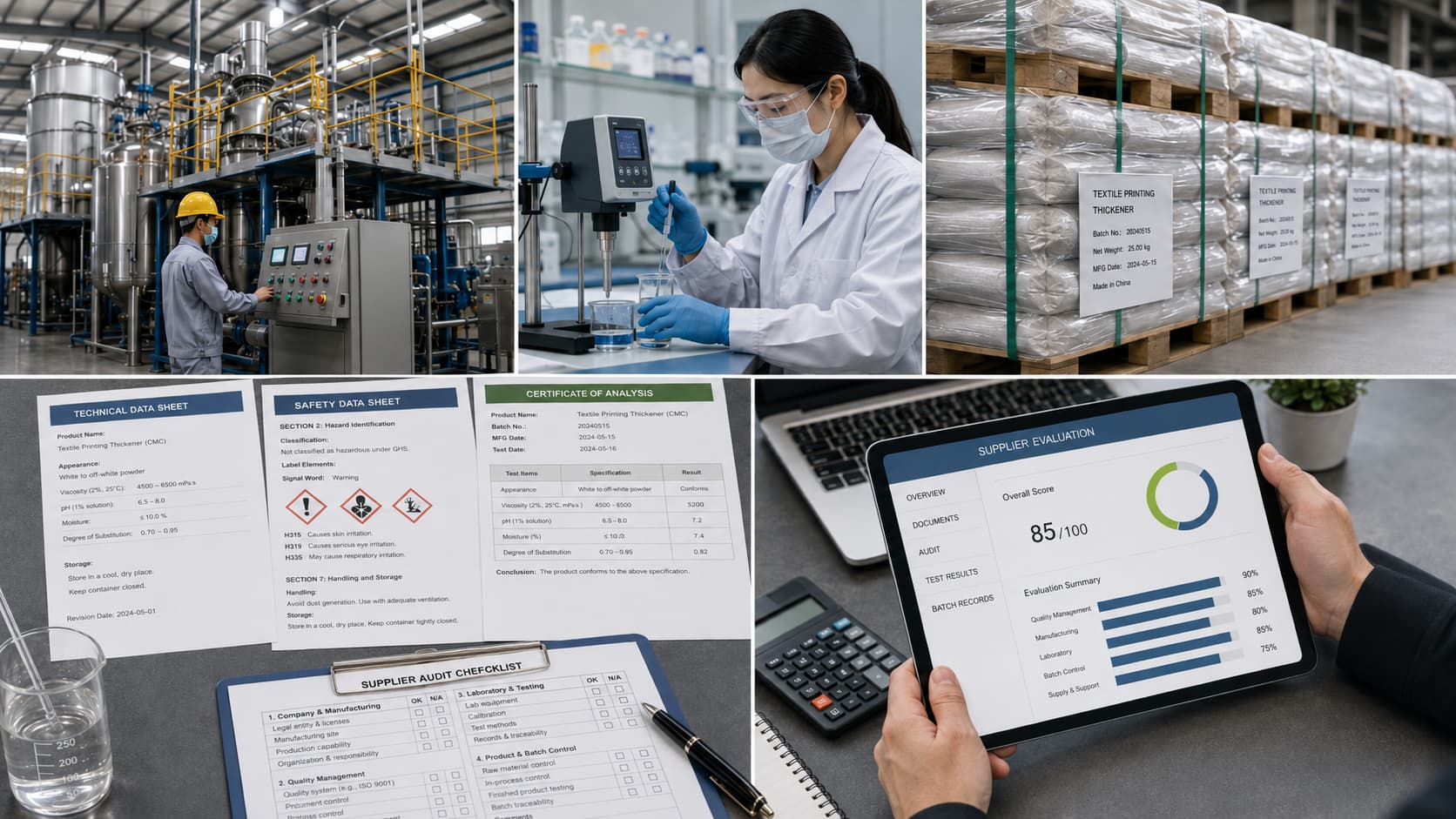
Before confirming volume orders, buyers should check whether the approved sample and bulk shipment will follow the same specification range, packaging standard, and COA data requirements.
ძირითადი სპეციფიკაციები, რომლებიც მყიდველებმა უნდა შეამოწმონ
სიბლანტის მარკა და გამოცდის მეთოდი
Viscosity is one of the most important parameters for sodium alginate. However, viscosity data should not be reviewed alone. Buyers should check the test concentration, temperature, instrument method, and unit.
Without these details, viscosity values from different suppliers may not be directly comparable.
მეშის ზომა და გახსნის თვისებები
A finer powder may hydrate faster in a suitable dispersion process, but may also form surface-wetted lumps if added too quickly. Compare powder addition rate, water quality, mixing conditions and the time to a defined hydration endpoint, rather than treating fineness alone as an efficiency guarantee.
Buyers should test dissolution behavior in their own process instead of relying only on the mesh size shown in the TDS.
ტენიანობა, pH და გარეგნობა
Moisture, pH, and appearance are basic but important quality indicators. They can affect storage, handling, and quality control during repeat purchasing.
ეს პარამეტრები უნდა შემოწმდეს TDS-ში და თითოეული პარტიისთვის დადასტურდეს COA-ს მონაცემებით.
პარტიების სტაბილურობა და COA-ს მონაცემები
For repeat orders, batch consistency matters. If viscosity, moisture, or dissolution behavior changes significantly between batches, the buyer may need to adjust the formulation again.
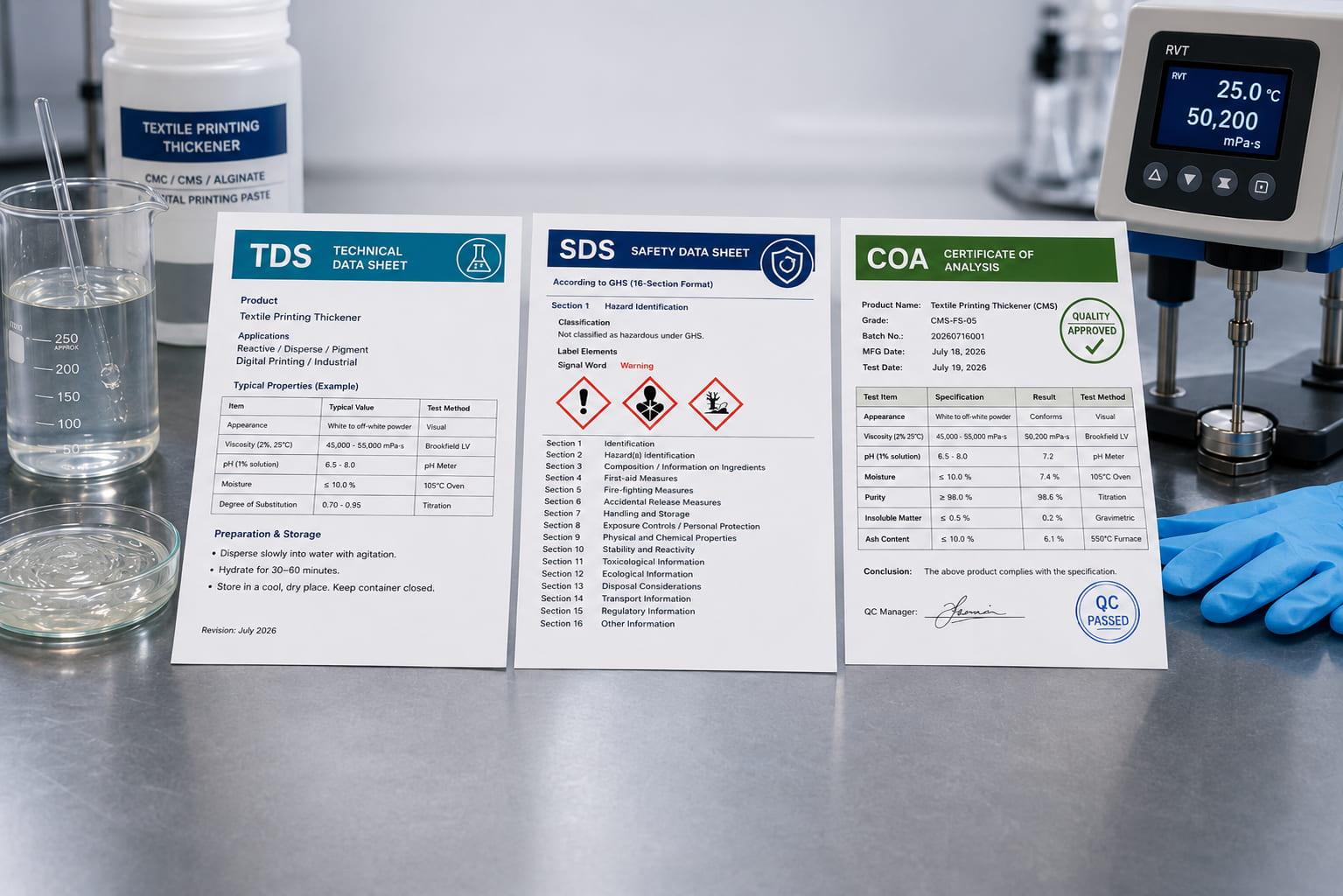
COA მყიდველებს ეხმარება გადაამოწმონ პარტიის ფაქტობრივი მონაცემები და დაადგინონ, რჩება თუ არა მიწოდებული პროდუქტი შეთანხმებული სპეციფიკაციის ფარგლებში.
როგორ გამოვცადოთ ნატრიუმის ალგინატი მოცულობით შესყიდვამდე
Test in the Actual Paste Formulation
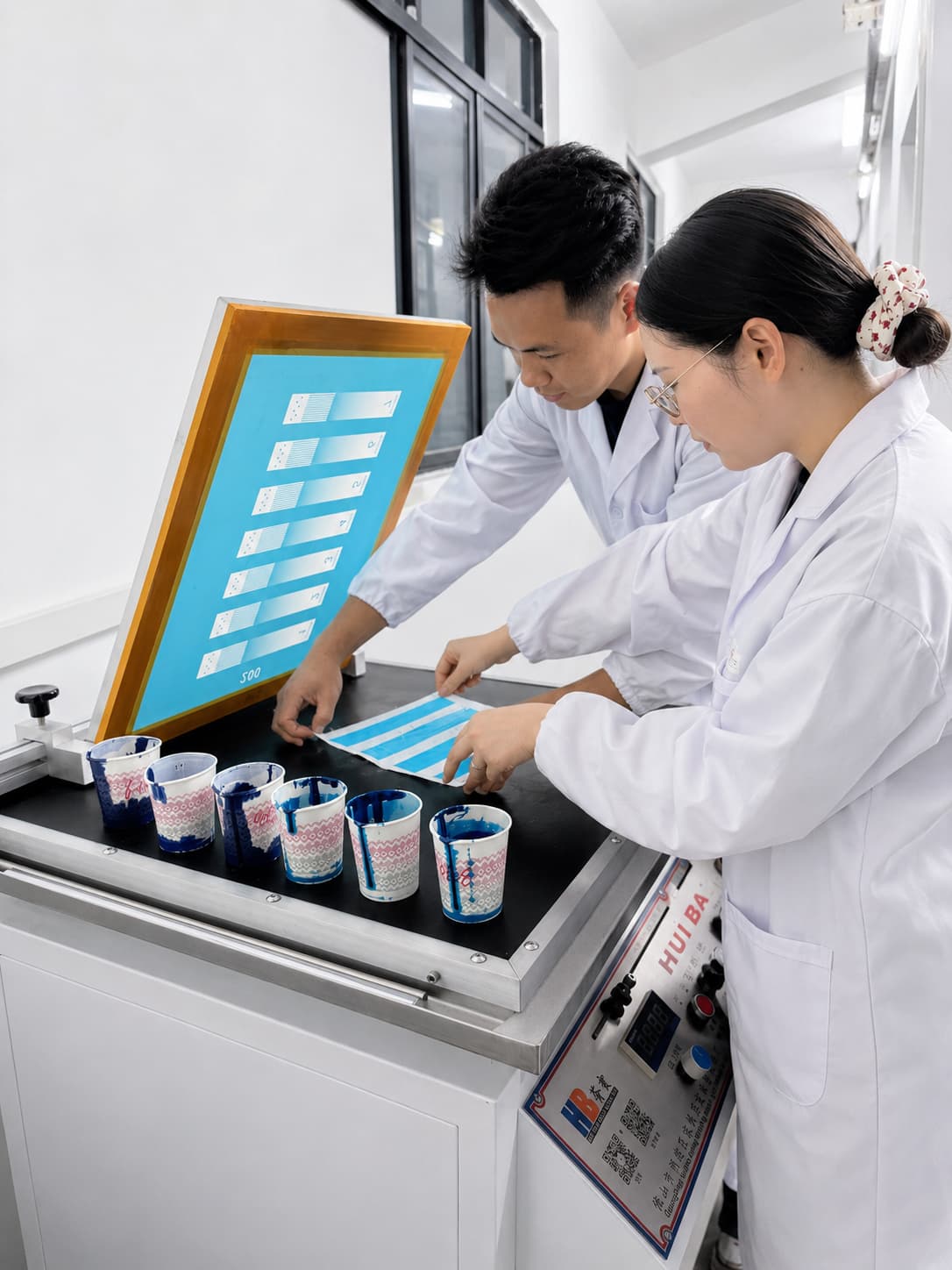
Sample testing should be done in the buyer’s own paste formulation whenever possible. Dyes, auxiliaries, water quality, pH, stirring method, and storage time can all affect final paste behavior.
Testing only in clean water may not be enough to confirm suitability for real production.
Observe Filtration and Paste Stability
During testing, buyers should observe dissolution speed, paste smoothness, lumps, filtration behavior, viscosity stability, and application handling.
For textile printing paste, these practical observations are often as important as basic specification data.
Compare Sample Approval with Bulk Shipment
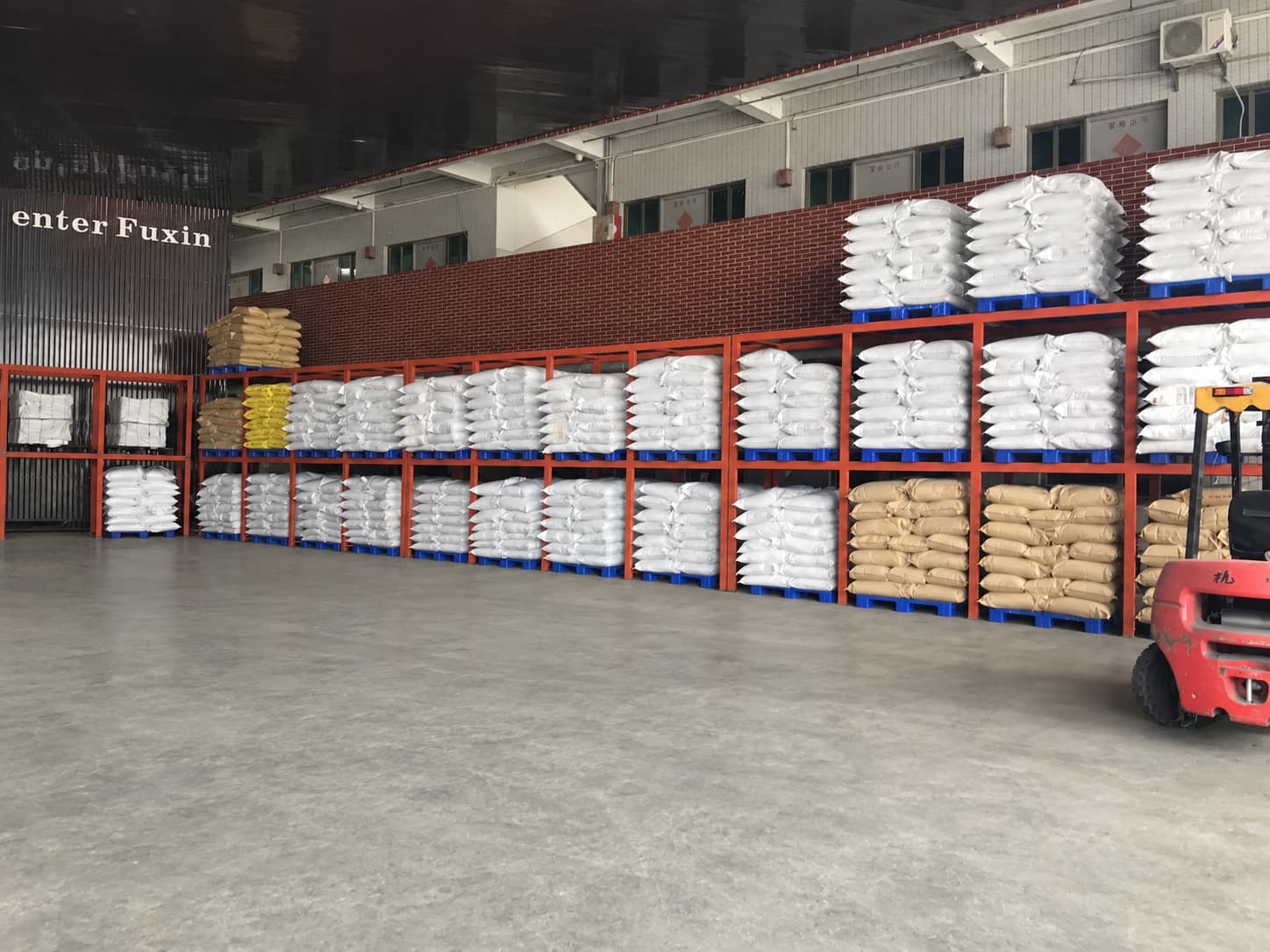
Before placing a bulk order, buyers should confirm whether the approved sample and the bulk shipment will follow the same viscosity range, mesh size, packaging format, batch traceability, and COA requirements.
ეს ამცირებს ნიმუშსა და მოცულობით მიწოდებას შორის შეუსაბამობის რისკს.
Common Mistakes When Choosing Specialty Sodium Alginate
არჩევა მხოლოდ მაღალი სიბლანტის მიხედვით
A higher viscosity grade is not always better. The suitable viscosity depends on the printing process, formulation concentration, fabric type, and application requirement.
Buyers should choose a grade that matches the actual paste system rather than simply selecting the highest viscosity option.
Comparing Data Without Test Method
Viscosity values measured under different concentrations, temperatures, or instruments may not be directly comparable.
Before comparing supplier data, buyers should ask how the viscosity was tested and whether the test method matches their internal evaluation method.
Ignoring Sample-to-Bulk Consistency
This is especially important for distributors and factories that require stable repeat orders.
Turn a Specialty Claim into an Acceptance Test
| Claim | Define before comparing | Check for a trade-off |
|---|---|---|
| Faster preparation | Addition procedure, sample mass, mixer conditions and hydration endpoint | Lumps, foam, filter residue and required mixing energy |
| Cleaner filtration | Paste concentration, filter aperture, area, pressure or flow, and test volume | Whether retained material is undispersed polymer, gel or other residue |
| Better holding stability | Complete formulation, holding temperature, duration and measurement times | Changes in pH, gel formation and final print result |
| Improved print quality | Fabric, dye, screen, pickup, fixation and wash sequence | Penetration, handle, fastness and cost per accepted output |
Set the pass criteria with the mill before the trial. Report an improvement only for the tested conditions, and retain the reference result. A different product label, higher water viscosity or smoother beaker appearance does not establish a specialty performance advantage.
How FSX Chemical Supports Sodium Alginate Grade Matching
We do not suggest confirming sodium alginate only by broad claims, product name, or price. The recommended grade should be reviewed through technical documents and tested in the buyer’s own formulation before bulk purchase.
Next Steps
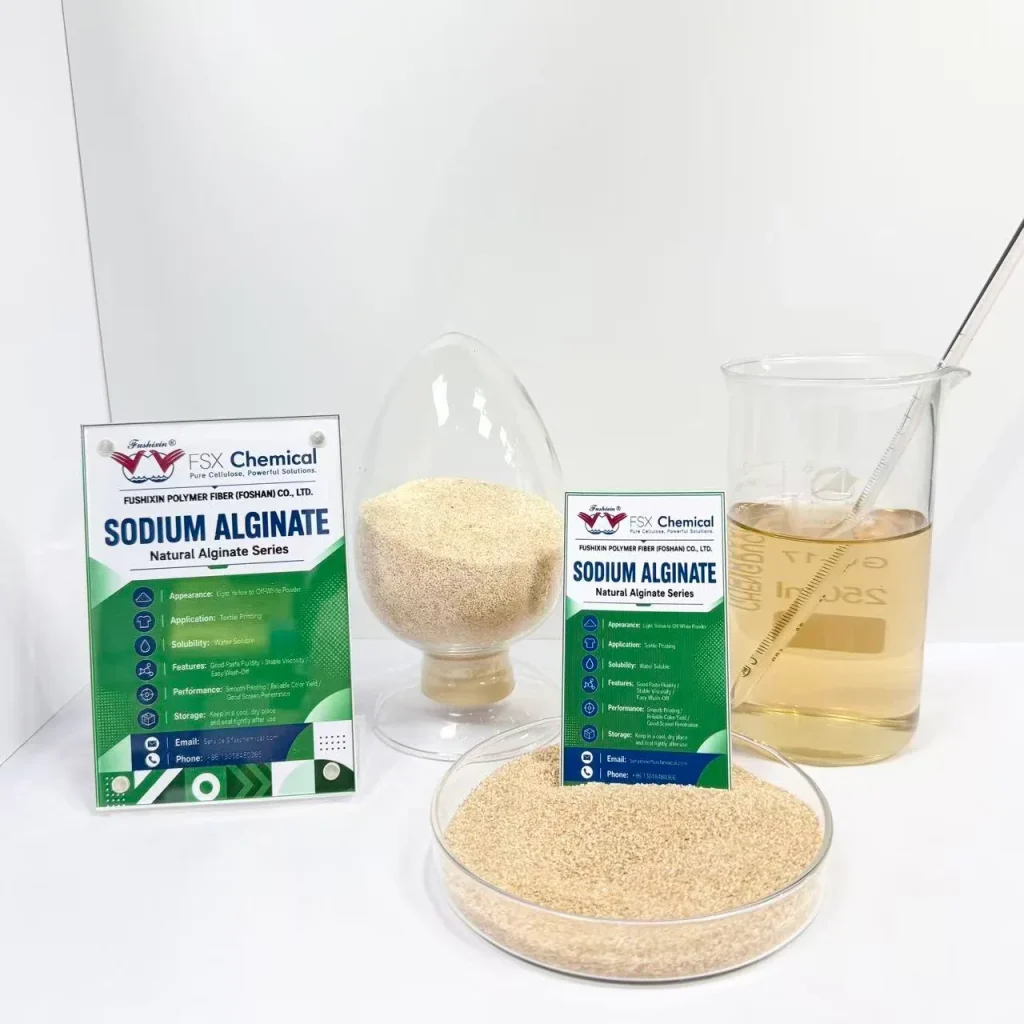
- Request a TDS — review viscosity range, mesh size, pH, moisture, appearance, storage conditions, and testing method.
- Request a COA — confirm whether batch data matches the agreed specification range before shipment.
- მოითხოვეთ მარკის შერჩევა — share your printing process, fabric type, target viscosity, current formulation, and existing product grade if available.
- შეიძინეთ ნიმუში — მოცულობითი შეკვეთის დადასტურებამდე გამოცადეთ რეკომენდებული ნატრიუმის ალგინატის მარკა საკუთარი პასტის მომზადებისა და ბეჭდვის პირობებში.
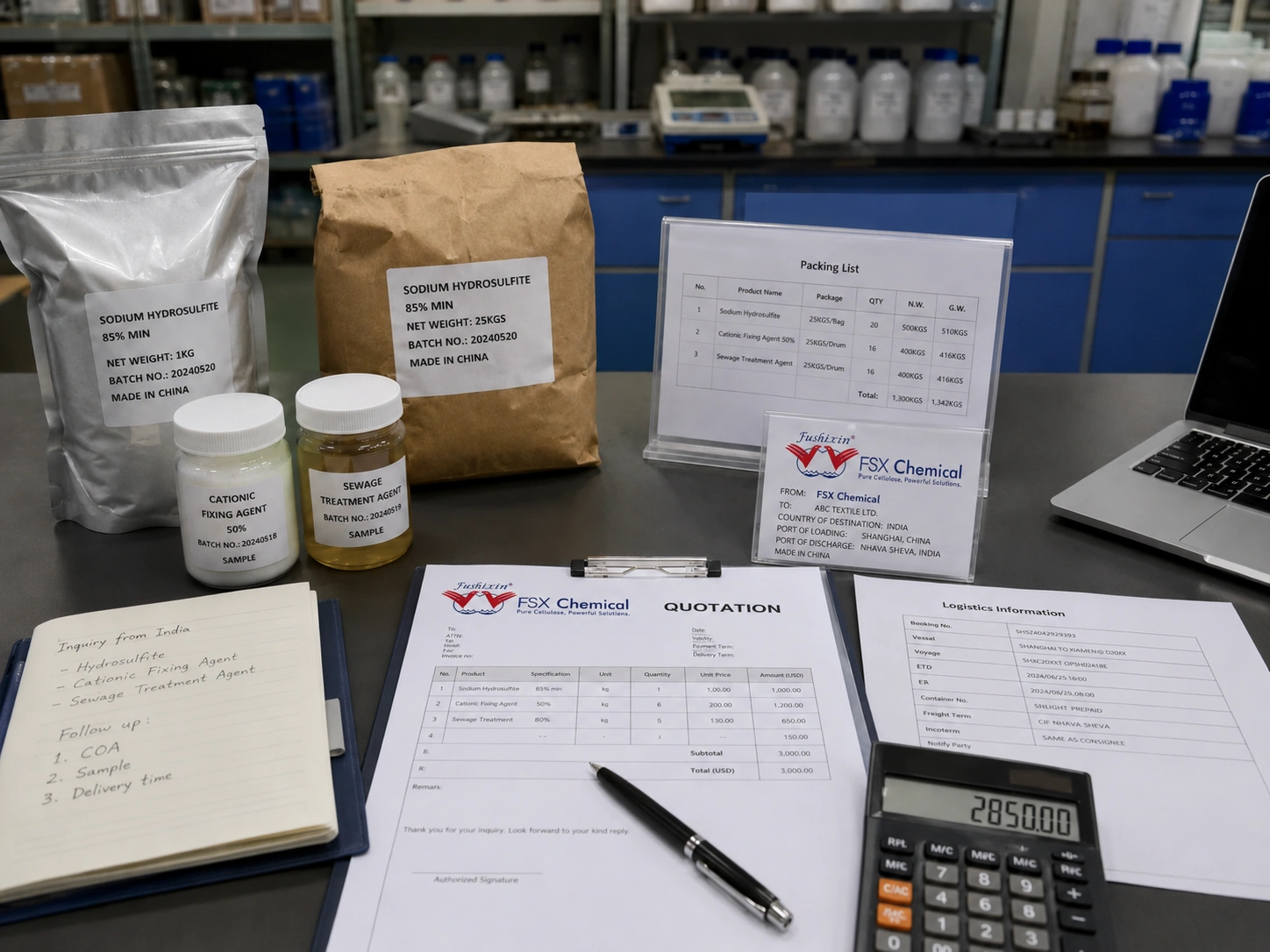
- დაადასტურეთ შეფუთვა და საექსპორტო დოკუმენტები — გადაზიდვამდე შეამოწმეთ ტომრის ზომა, ეტიკეტები, პარტიის მიკვლევადობა, SDS, ინვოისი, შეფუთვის სია და სხვა საჭირო დოკუმენტები.
- დაუკავშირდით ჩვენს ტექნიკურ გუნდს — discuss which specialty sodium alginate grade is suitable for your textile printing application📧 ელფოსტა: Service@fsxchemical.com