Synthetic Printing Thickeners Manufacturer

Acrylic-based liquid thickeners for pigment, reactive and disperse
textile printing, with grade selection, technical guidance and samples for your process.

Textile Printing · Liquid Thickeners

Synthetic Printing Thickeners

Acrylic-based liquid thickeners for viscosity and flow control in pigment, reactive and disperse textile printing.

FSX 5112

პიგმენტური ბეჭდვა

Efficient thickening and viscosity adjustment for pigment and binder printing pastes.

FSX YS-3169

რეაქციული ბეჭდვა

Electrolyte-tolerant thickener for reactive dye printing on cotton and viscose.

FSX YS-816

განაწილებული ბეჭდვა

For disperse dye printing on polyester with flat-screen or rotary-screen equipment.

Technical Support

ქულის შესაბამისობა

Share your current TDS and printing conditions for grade comparison and sample matching.

შერჩევის საფუძველი ბეჭდვის სისტემა ქსოვილი Paste Viscosity თავსებადობა

Synthetic Thickeners · Paste Rheology

What Are Synthetic Thickeners for Textile Printing?

Acrylic polymers that build paste viscosity

Synthetic printing thickeners are polymer additives that build viscosity and control printing-paste flow. FSX liquid grades are high-solids, anionic acrylate polymer dispersions for textile printing.

Paste rheology and print definition

Rheology describes how printing paste flows and deforms during application. Suitable paste behavior supports screen transfer and sharp print outlines, so viscosity alone does not fully describe printing performance.

Compatibility with the complete formulation

Dyes, pigments, binders and electrolytes can influence thickening efficiency and paste stability. The selected grade needs to suit the complete formulation, including any sodium alginate used for co-thickening.
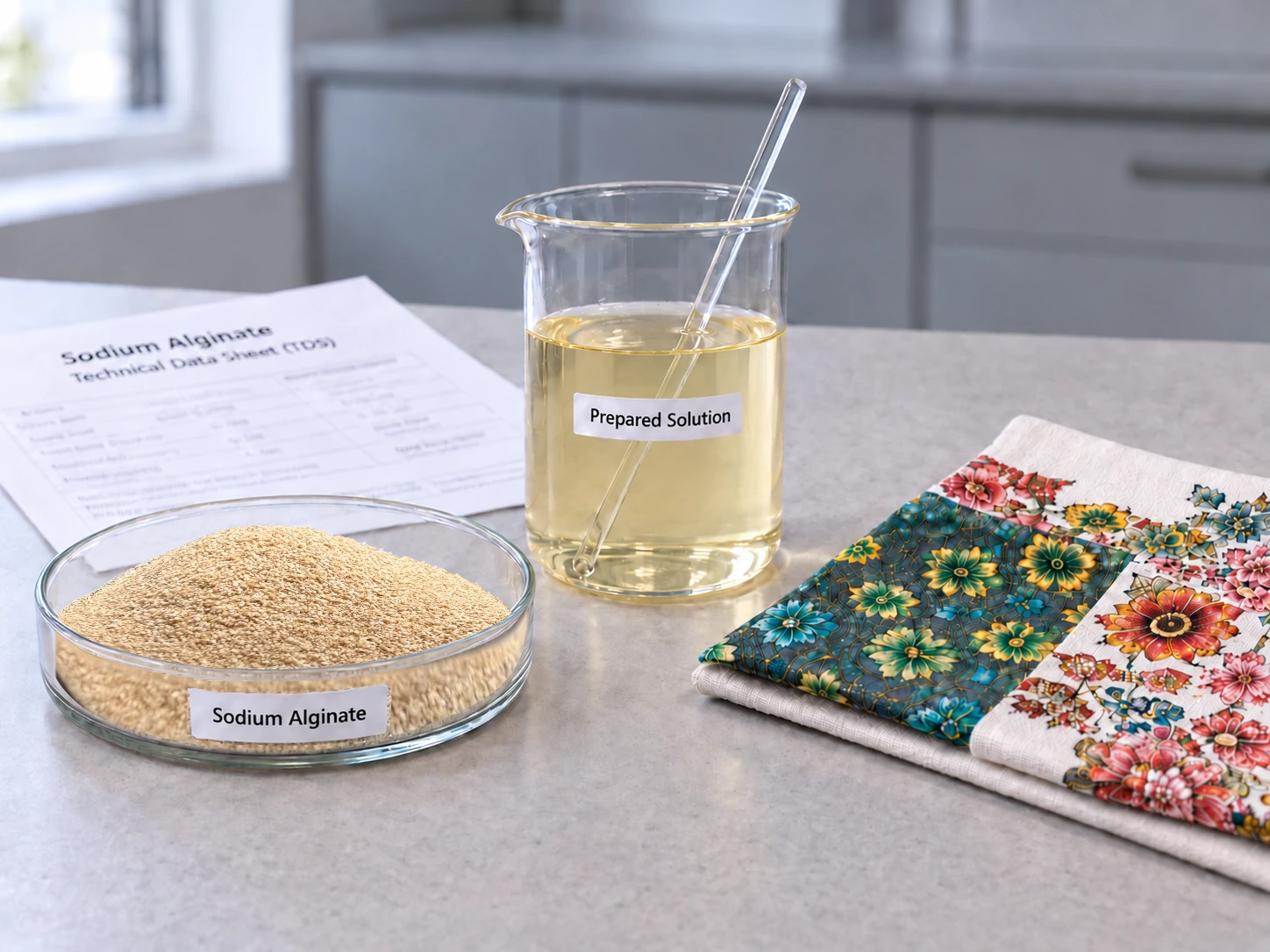
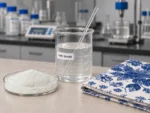
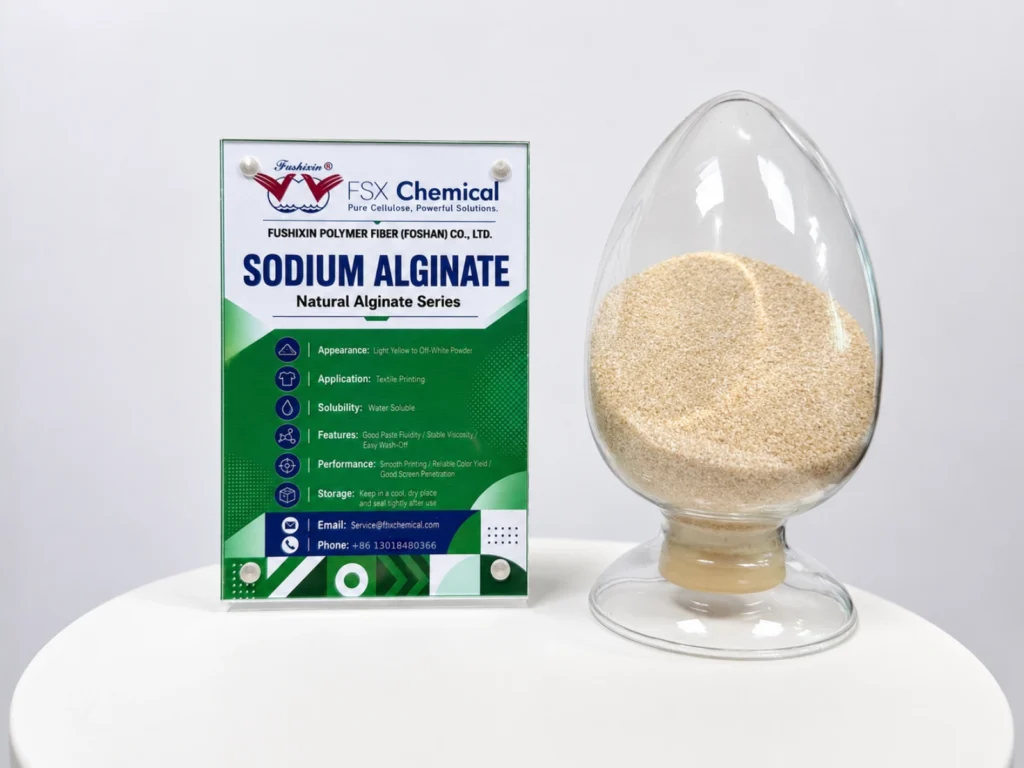
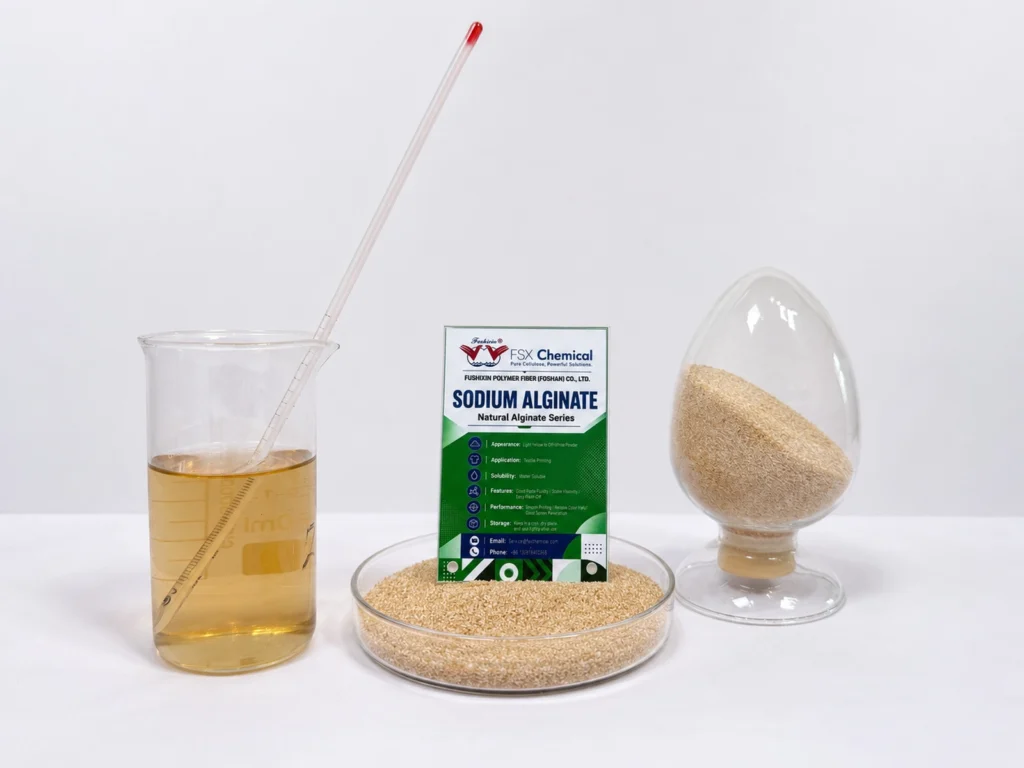
FSX Chemical sodium alginate sample matching display Paste Rheology · Viscosity Control
Evaluate paste flow, screen behavior and print definition together.

Product Comparison · Synthetic Thickeners

Compare Synthetic Printing Thickener Grades

Compare application, thickening performance and reference dosage across three FSX liquid grades.

FSX 5112

Pigment Printing Thickener

Efficient viscosity build and controlled paste flow for sharp print outlines and smooth screen running.

System
Pigment printing
Formulation
Pigment / binder
გარეგნობა
Cream white viscous liquid
Ionic nature
Anionic
Solid content
70 ± 2.0%
Reference dosage*
Approx. 1.4%

For stock-paste preparation or direct viscosity adjustment.

TDS-ის მოთხოვნა
FSX YS-3169

რეაქტიული ბეჭდვის გასასქელებელი

Rapid thickening and strong electrolyte tolerance help maintain paste viscosity in reactive dye formulations.

System
რეაქციული ბეჭდვა
ქსოვილი
Cotton / viscose
გარეგნობა
Cream white viscous liquid
Ionic nature
Anionic
Solid content
70 ± 2.0%
Reference dosage*
Flat ≈ 4.0% Rotary ≈ 3.5%

Use as the principal thickener or with sodium alginate.

TDS-ის მოთხოვნა
FSX YS-816

დამფანტავი ბეჭდვის გასასქელებელი

Efficient thickening at relatively low dosage, with stable paste rheology for flat-screen and rotary-screen printing.

System
Disperse printing
ქსოვილი
Polyester
გარეგნობა
Milky white viscous liquid
Ionic nature
Anionic
Solid content
70 ± 2%
Reference dosage*
Flat 2.0–2.5% Rotary 1.5–2.0%

Adjust addition level to shade depth and target paste viscosity.

TDS-ის მოთხოვნა
ქულის შესაბამისობა

Match Your Current Thickener

Compare your current product with an FSX grade using paste requirements, working dosage and printing results.

შესავალი
TDS / sample
მიზანი
Trial grade selection
Printing system
Pigment / reactive / disperse
პროცესი
Fabric and machine
Target viscosity
Include test conditions
Current dosage
Include calculation basis

Identify the paste behavior or print quality you want to improve.

Request Matching

*TDS starting references; Flat = flat-screen and Rotary = rotary-screen. Confirm the dosage calculation basis and optimize in your complete printing formulation before production.

Textile Printing Applications

Explore Applications by Fabric & Printing System

Explore synthetic thickener applications in pigment printing, cotton and viscose reactive printing, and polyester disperse printing.

Pattern Definition & Screen Transfer

Fine outlines and solid coverage depend on how the paste passes through the screen and spreads on the fabric.

Color Yield & Shade Depth

Assess color strength and evenness in the finished print, alongside paste stability during the printing run.

Fabric Handle & Aftertreatment

Review softness after pigment-print curing, or wash-off and residual paste after reactive and disperse printing.

Explore your printing application

პიგმენტური ბეჭდვა

Cotton Reactive Printing

Viscose Reactive Printing

Polyester Disperse Printing

Technical Data · Liquid Thickeners

Synthetic Printing Thickener Specifications

All three grades are anionic acrylate polymer dispersions. Compare solid content, pH conditions and reference dosage below.

Read the measurement conditions.

pH conditions differ between grades. Dosages are starting references; confirm the calculation basis and adjust for your complete printing paste.

FSX 5112, YS-3169 and YS-816 technical specifications and reference dosages
ქულა გარეგნობა pH / Conditions Solid Content Reference Dosage* Dosage Adjustment მოქმედება
FSX 5112 Pigment printing thickener
Cream white viscous liquid
6.0–7.0
1% aqueous dispersion
70 ± 2.0%
Approx. 1.4%
Adjust for binder level, pigment loading, auxiliaries and target viscosity.
TDS-ის მოთხოვნა
FSX YS-3169 Reactive printing thickener
Cream white viscous liquid
6.0–7.0
1% aqueous dispersion
70 ± 2.0%
Flat screen: ≈ 4.0%
Rotary screen: ≈ 3.5%
Adjust for shade depth, machine type, fabric and target viscosity.
TDS-ის მოთხოვნა
FSX YS-816 Disperse printing thickener
Milky white viscous liquid
6.0 ± 0.5
25°C; dilution not stated in TDS
70 ± 2%
Flat screen: 2.0–2.5%
Rotary screen: 1.5–2.0%
Adjust for shade depth, fabric construction, machine type and target viscosity.
TDS-ის მოთხოვნა

Viscosity Testing

Record paste formulation and dosage. Compare at the same temperature, instrument, spindle, speed and time after preparation.

Standard Packaging

All three TDS documents specify 150 kg/drum and 108 drums per 20-foot container. Confirm pallet and loading arrangements for shipment.

Storage & Handling

Store cool and well ventilated; stir before use. The 5112 TDS specifies 5–40°C. Protect YS-3169 and YS-816 from water ingress.

Need a technical specification comparison?

Send your current TDS, viscosity test method and working dosage for an FSX grade review.

Application Trials · Grade Evaluation

How to Evaluate a Synthetic Printing Thickener

Compare a suitable FSX grade with your current thickener through laboratory paste trials and a production printing run.

Record your current process

Document the fabric, printing system, paste recipe and current dosage. Keep a reference print for comparison.

Establish the trial dosage

Start from the grade’s TDS guidance and adjust to target paste viscosity. Record test conditions and all recipe changes.

Compare paste & print results

Check paste stability, screen transfer, print definition and color yield. Assess fabric handle after the required aftertreatment.

Validate production performance

Run a production trial to confirm repeatability. Compare thickener cost at the validated dosage alongside print quality.

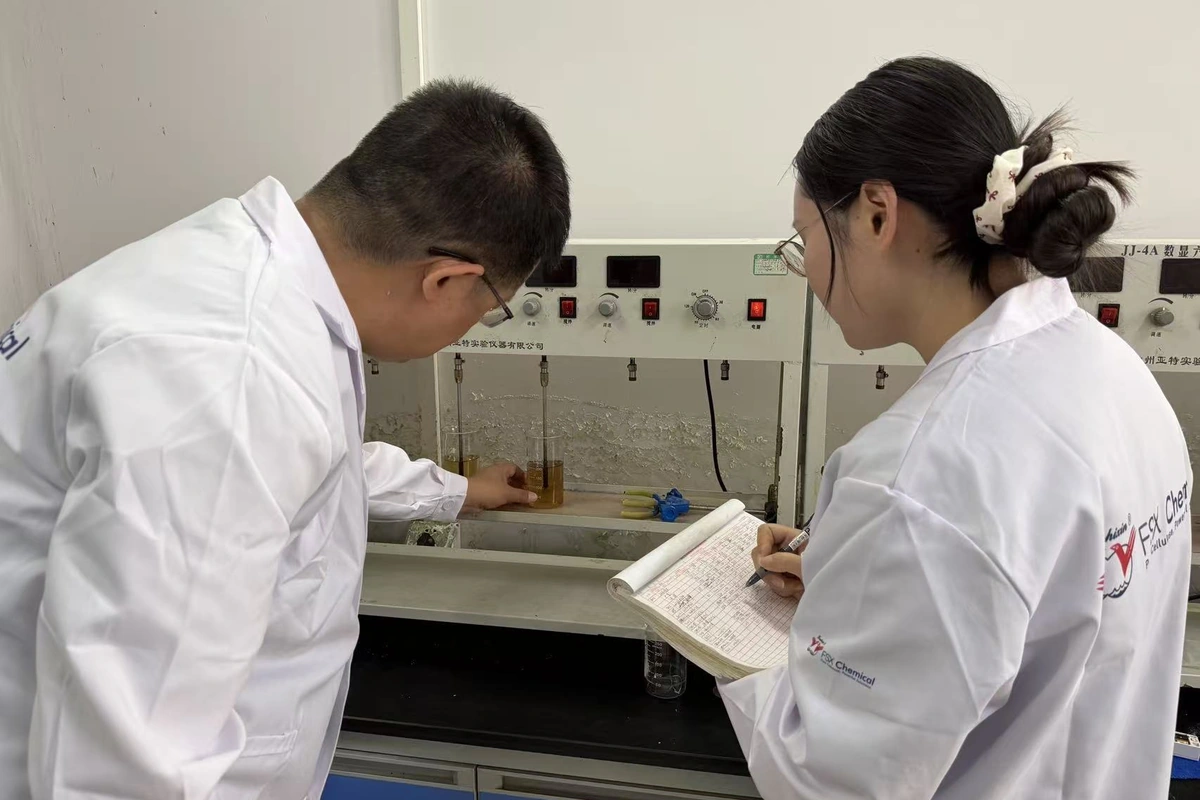
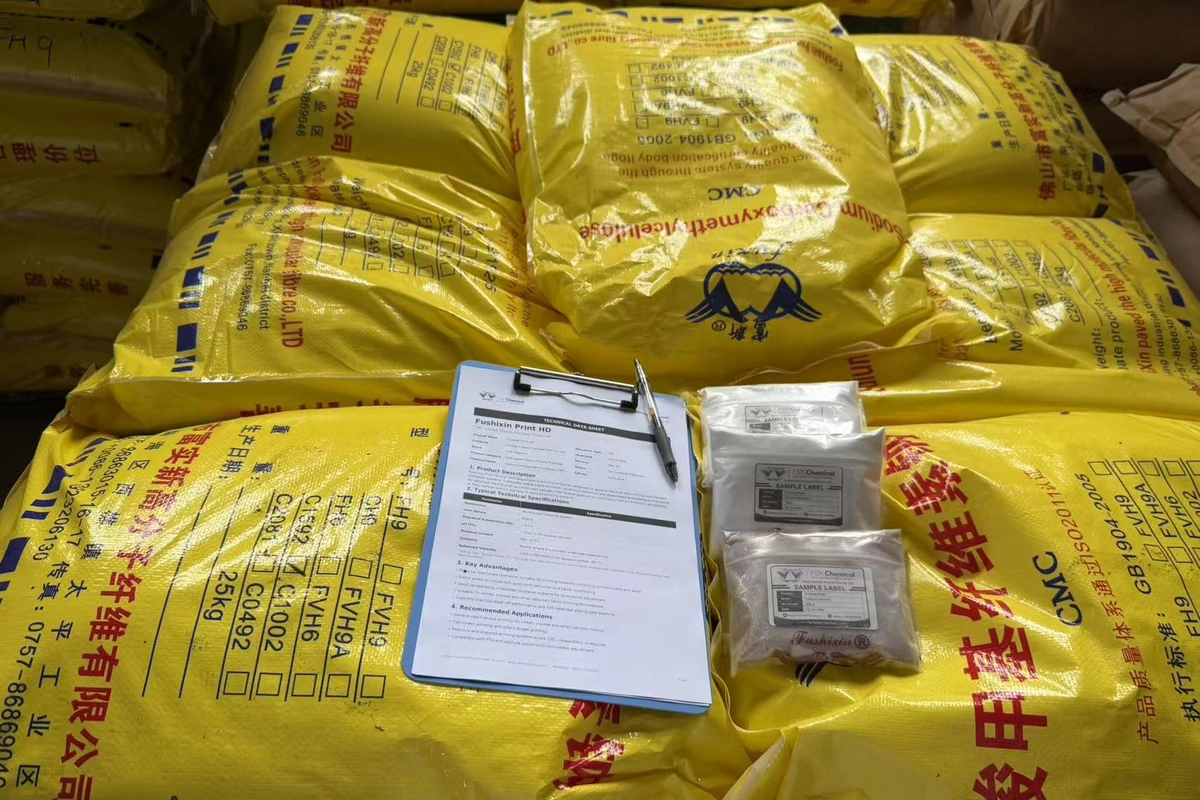
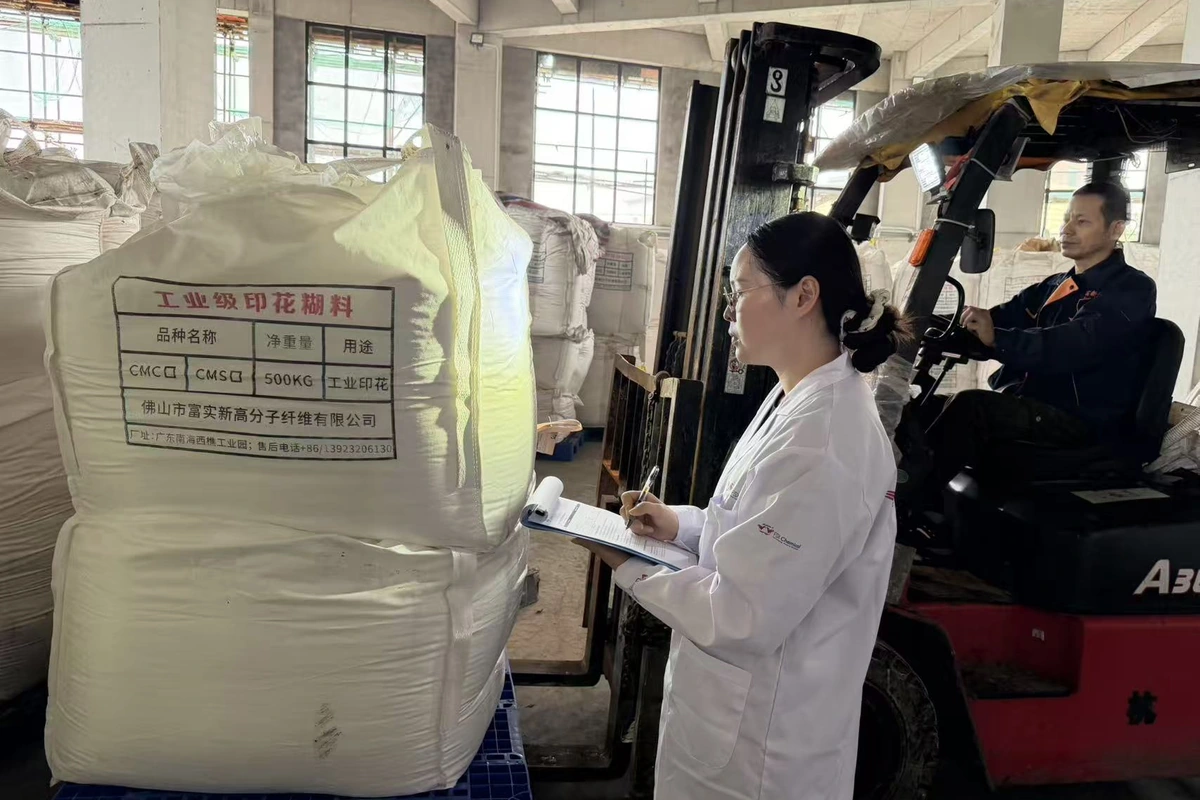
ქარხანა / ლაბორატორია / ხარისხის კონტროლი

ქარხნული, ლაბორატორიული და ხარისხის კონტროლის დამადასტურებელი დოკუმენტაცია

ნიმუშის შეფასებამდე, ციფრული ბეჭდვის წებოვანი მასალის მიწოდების შესაძლებლობის გადასამოწმებლად გამოიყენეთ რეალური წარმოების, ტესტირების, დოკუმენტაციის და შეფუთვის სურათები.
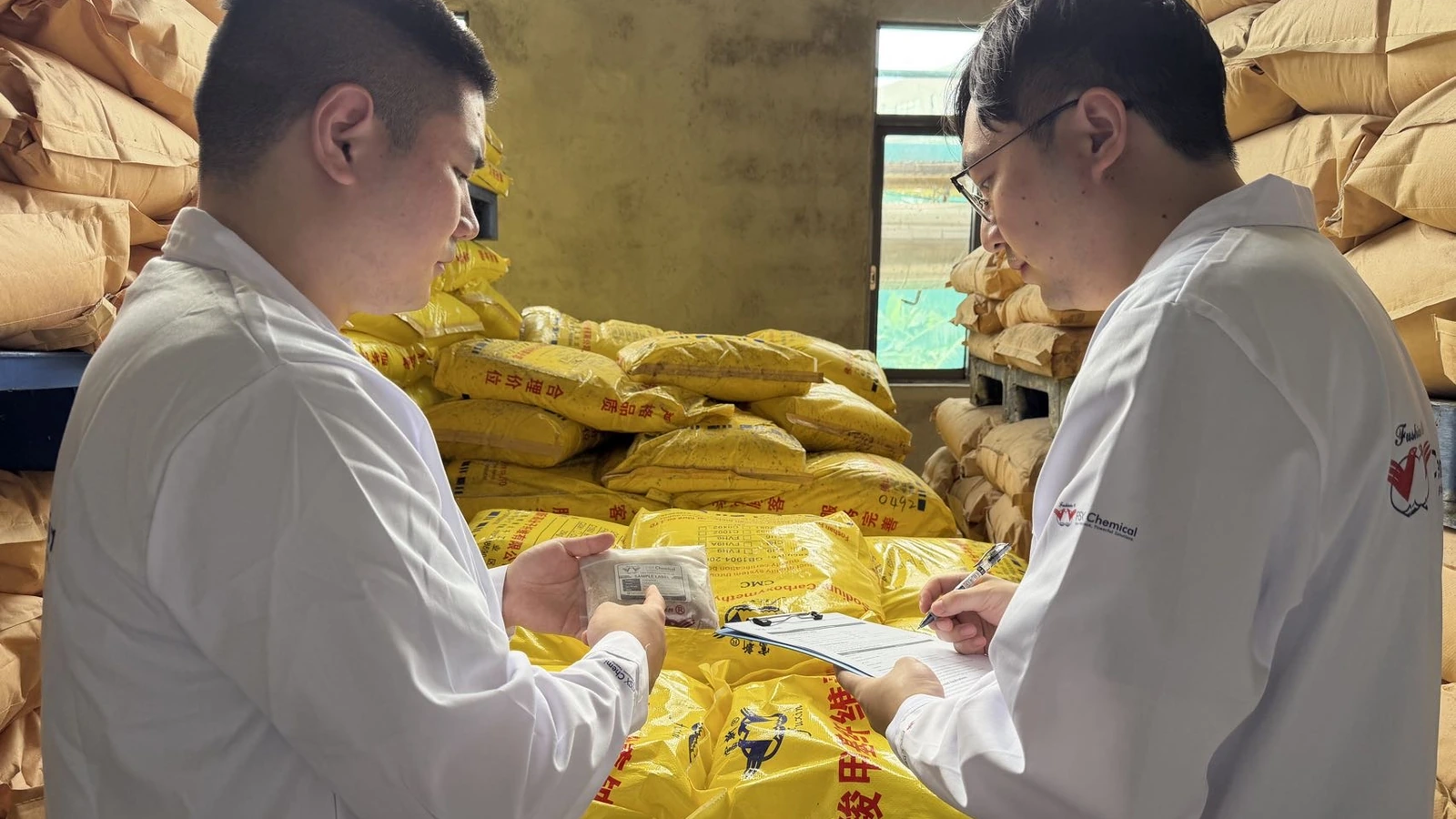
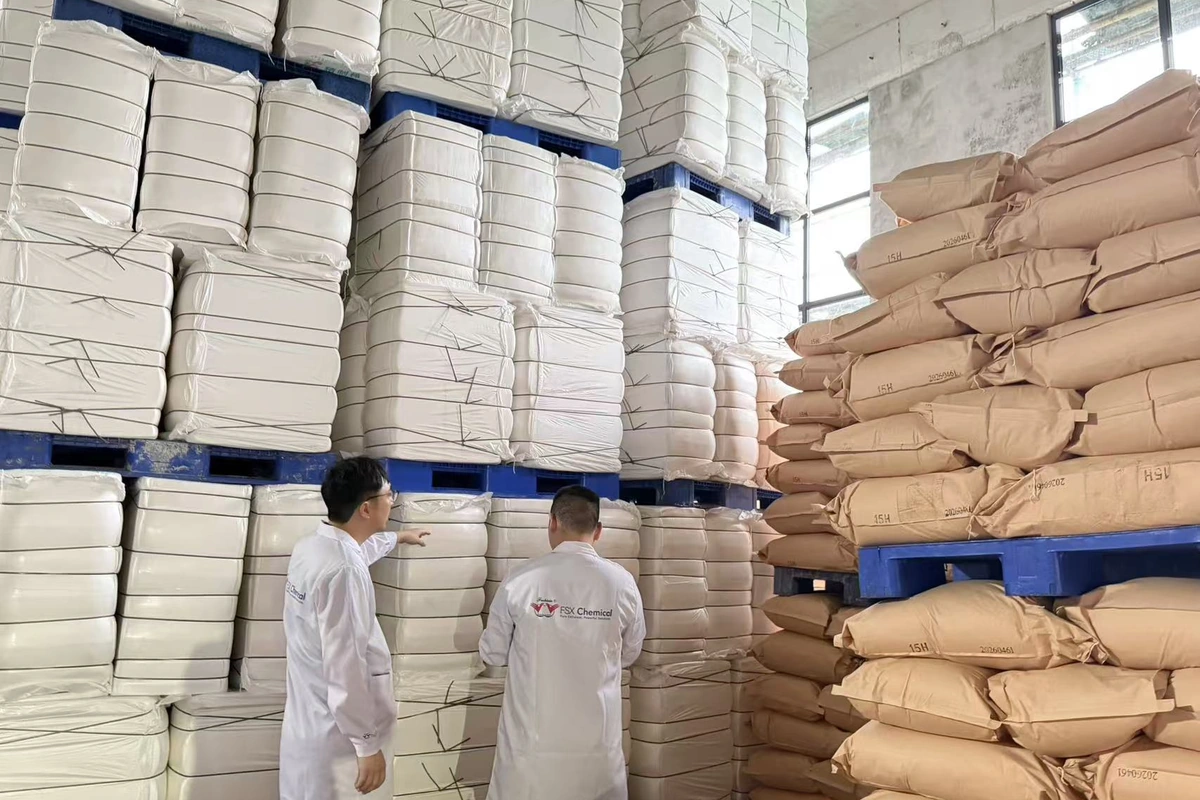
FSX ქიმიური ციფრული ბეჭდვის პასტის მწარმოებელი, საწყობში ნიმუშების განხილვისა და პარტიის ხარისხის კონტროლის მხარდაჭერით

ნიმუშების შესაბამისობის შემოწმება და პარტიული კონტროლი

FSX ქიმიური ციფრული ბეჭდვის, პასტის წარმოებისა და საწყობის მომარაგების მხარდაჭერა

საამქროო წარმოება

FSX ქიმიური ციფრული ბეჭდვის პასტის ლაბორატორიული ვერიფიკაცია ნიმუშების ტესტირებით და ტექნიკური დოკუმენტაციის გადახედვით

ლაბორატორიის ვერიფიკაცია

FSX ქიმიური ციფრული ბეჭდვის პასტის პარტიის ხარისხის კონტროლი TDS ნიმუშისა და COA მხარდაჭერით

პარტიის ხარისხის კონტროლი და COA

FSX ქიმიური ციფრული ბეჭდვა, პასტა, ექსპორტის შეფუთვა, საწყობის ინსპექტირება და გადაზიდვის მომზადება

ექსპორტის შეფუთვა

Technical Questions · Samples & Supply

Synthetic Printing Thickener FAQs

Answers on formulation compatibility, thickener replacement, sample requests and supply arrangements.

Troubleshooting a printing paste?

Share your recipe, mixing sequence, dosage and viscosity test conditions, with photos of the printing defect.

  • Viscosity Loss
  • Pattern Bleeding
  • Screen Clogging
  • High Thickener Dosage
Request Technical Review
Can synthetic thickeners be used with sodium alginate?

YS-3169 can be used as the principal thickener or together with sodium alginate in reactive printing on cotton and viscose. The combination and addition levels should follow your paste requirements and trial results; this guidance does not automatically apply to every synthetic grade.

Why does paste viscosity change after adding dyes or auxiliaries?

Colorants, binders and electrolytes can change thickening efficiency and paste stability. Check water quality, ingredient levels and mixing sequence. YS-3169 offers strong electrolyte tolerance, but performance still depends on the complete reactive printing formulation.

Can I replace my current thickener at the same dosage?

A one-to-one replacement should not be assumed. Establish the dosage needed for suitable paste flow and print quality, then compare stability and cost at that dosage. Equal product weight or solid content alone does not establish equivalent performance.

Can I request synthetic thickener samples for testing?

Yes. Send your printing system, fabric, current thickener TDS and trial requirements through the sample-matching page. FSX can review the application and recommend a trial grade; confirm sample quantity and shipping arrangements before dispatch.

What information is needed for a quotation?

Provide the grade or printing application, order quantity, destination port or delivery address, trade terms and packing requirements. If the grade is undecided, include your current TDS and working dosage for an initial technical review.

What are the packing, MOQ and delivery arrangements?

The three product TDS documents specify standard packing of 150 kg per drum. MOQ, pallet arrangements and delivery time require confirmation for the selected grade, order quantity and destination; request these details with your quotation.

Which technical documents should I request?

Request the current TDS for product specifications and application guidance, and the SDS for handling and storage. Confirm batch COA availability and the reported test items against your agreed specifications.