














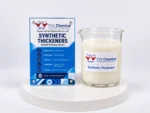
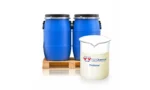
Synthetic Thickeners · Paste Rheology
What Are Synthetic Thickeners for Textile Printing?
Acrylic polymers that build paste viscosity
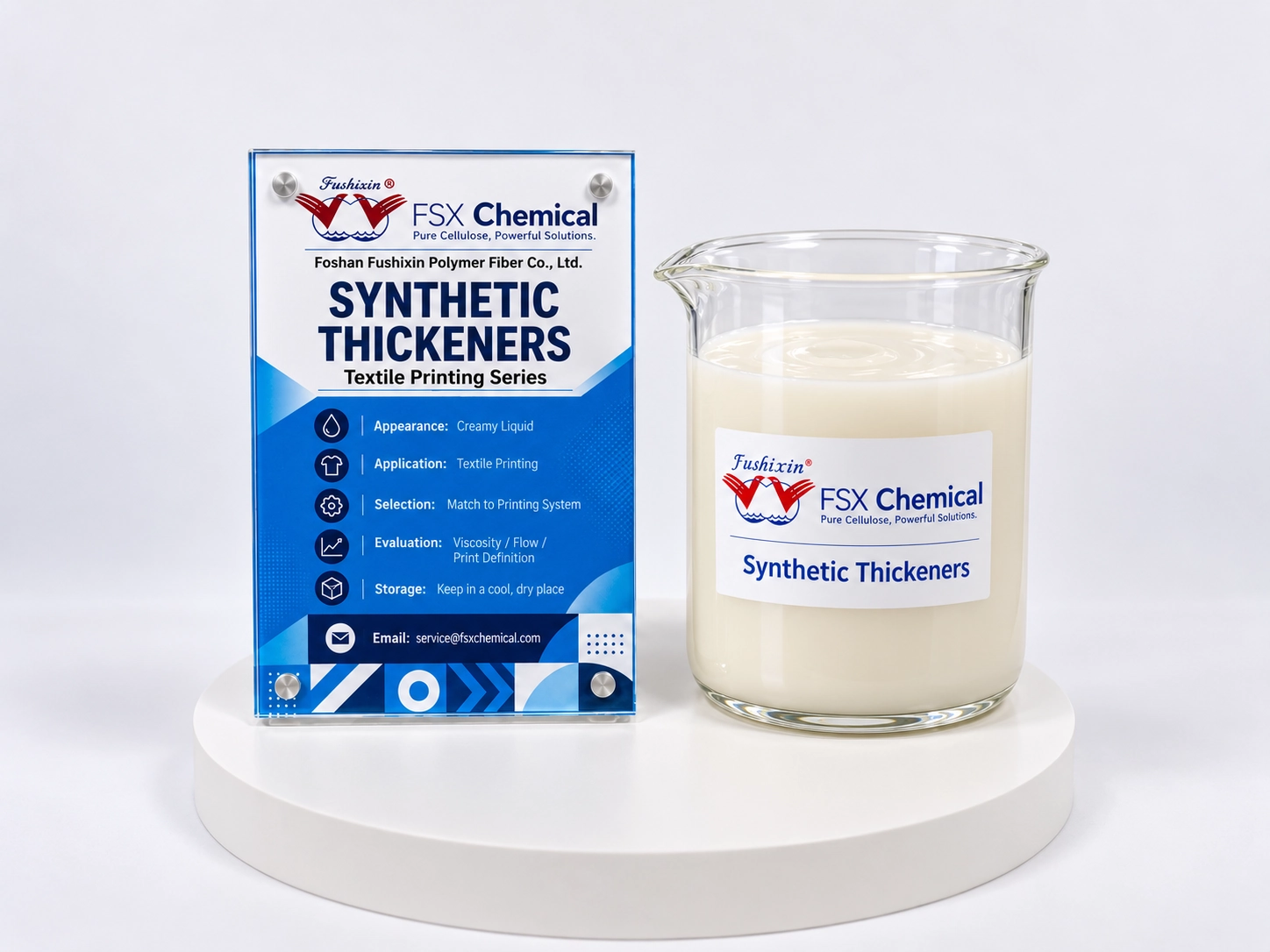
Synthetic printing thickeners are polymer additives that build viscosity and control printing-paste flow. FSX liquid grades are high-solids, anionic acrylate polymer dispersions for textile printing.
Paste rheology and print definition
Rheology describes how printing paste flows and deforms during application. Suitable paste behavior supports screen transfer and sharp print outlines, so viscosity alone does not fully describe printing performance.
Compatibility with the complete formulation
Dyes, pigments, binders and electrolytes can influence thickening efficiency and paste stability. The selected grade needs to suit the complete formulation, including any sodium alginate used for co-thickening.
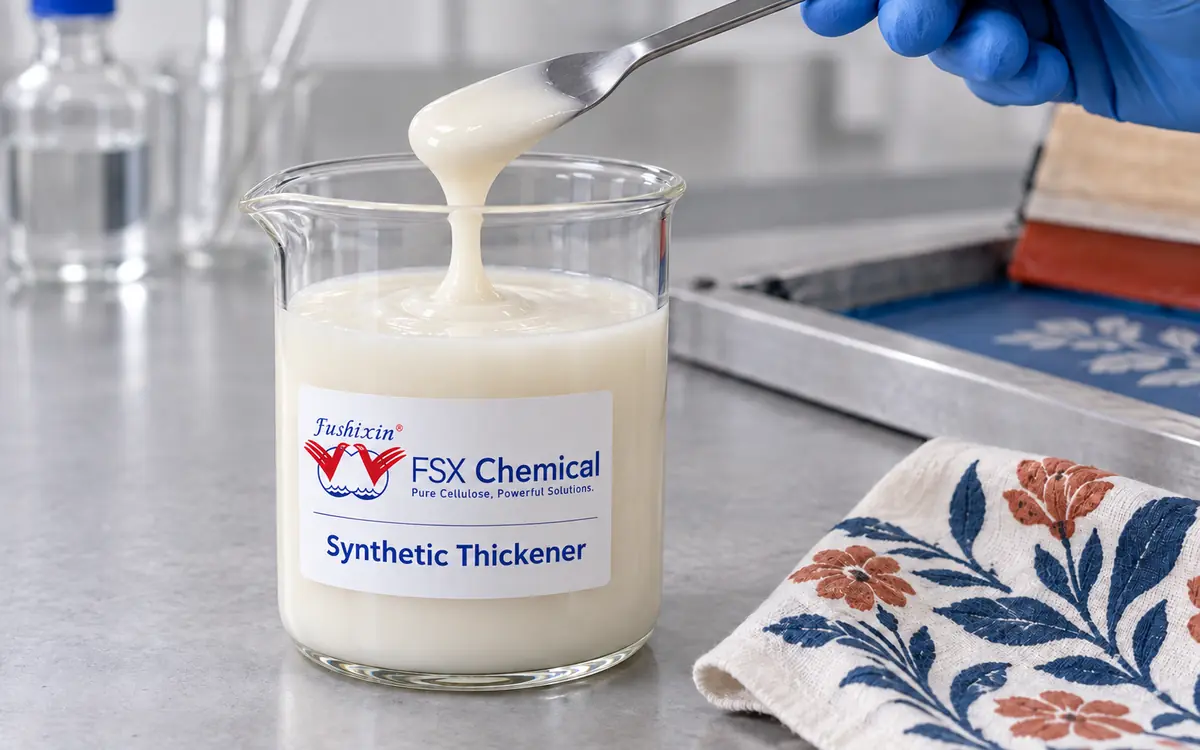
Product Comparison · Synthetic Thickeners
Compare Synthetic Printing Thickener Grades
Compare application, thickening performance and reference dosage across three FSX liquid grades.
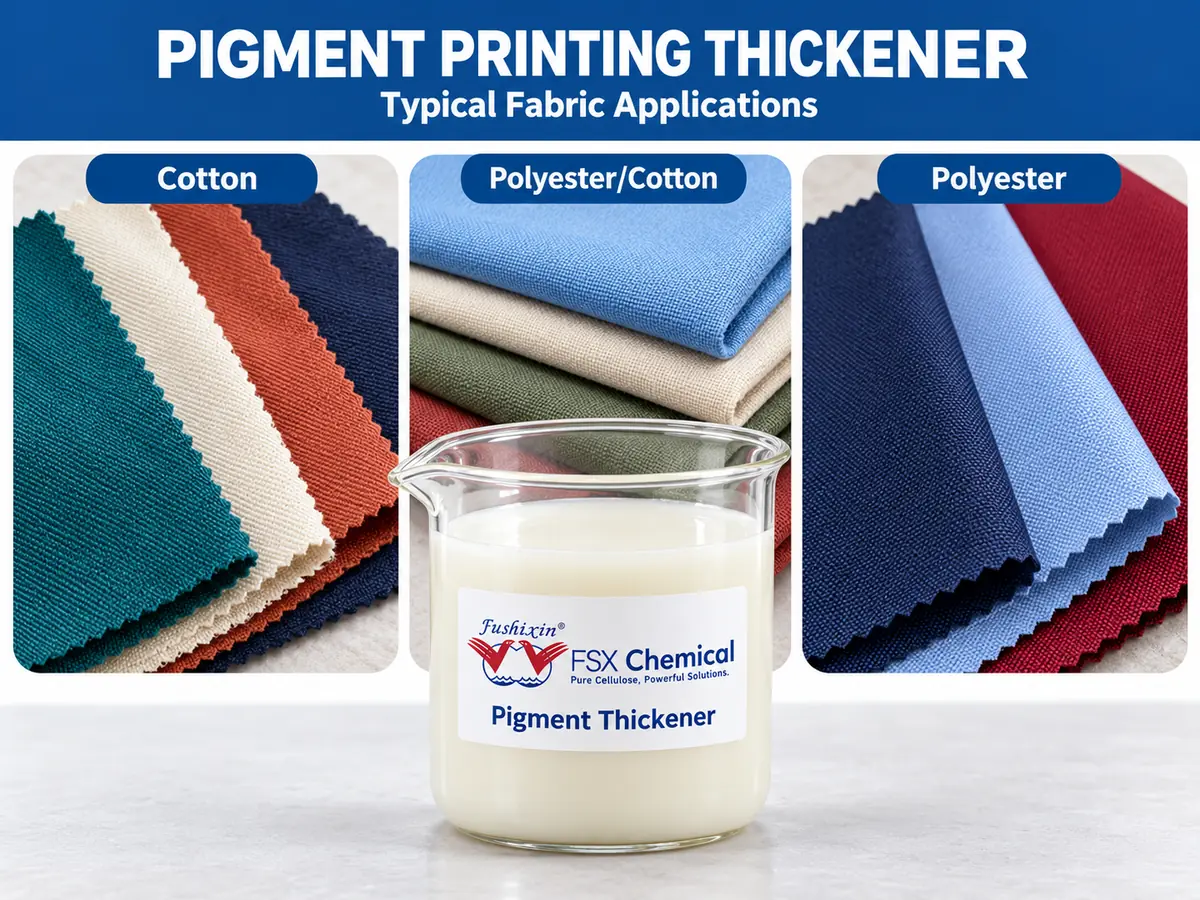
Pigment Printing Thickener
Efficient viscosity build and controlled paste flow for sharp print outlines and smooth screen running.
- Système
- Impression pigmentaire
- Formulation
- Pigment / binder
- Aspect
- Cream white viscous liquid
- Ionic nature
- Anionic
- Solid content
- 70 ± 2.0%
- Reference dosage*
- Approx. 1.4%
For stock-paste preparation or direct viscosity adjustment.
Demander un TDS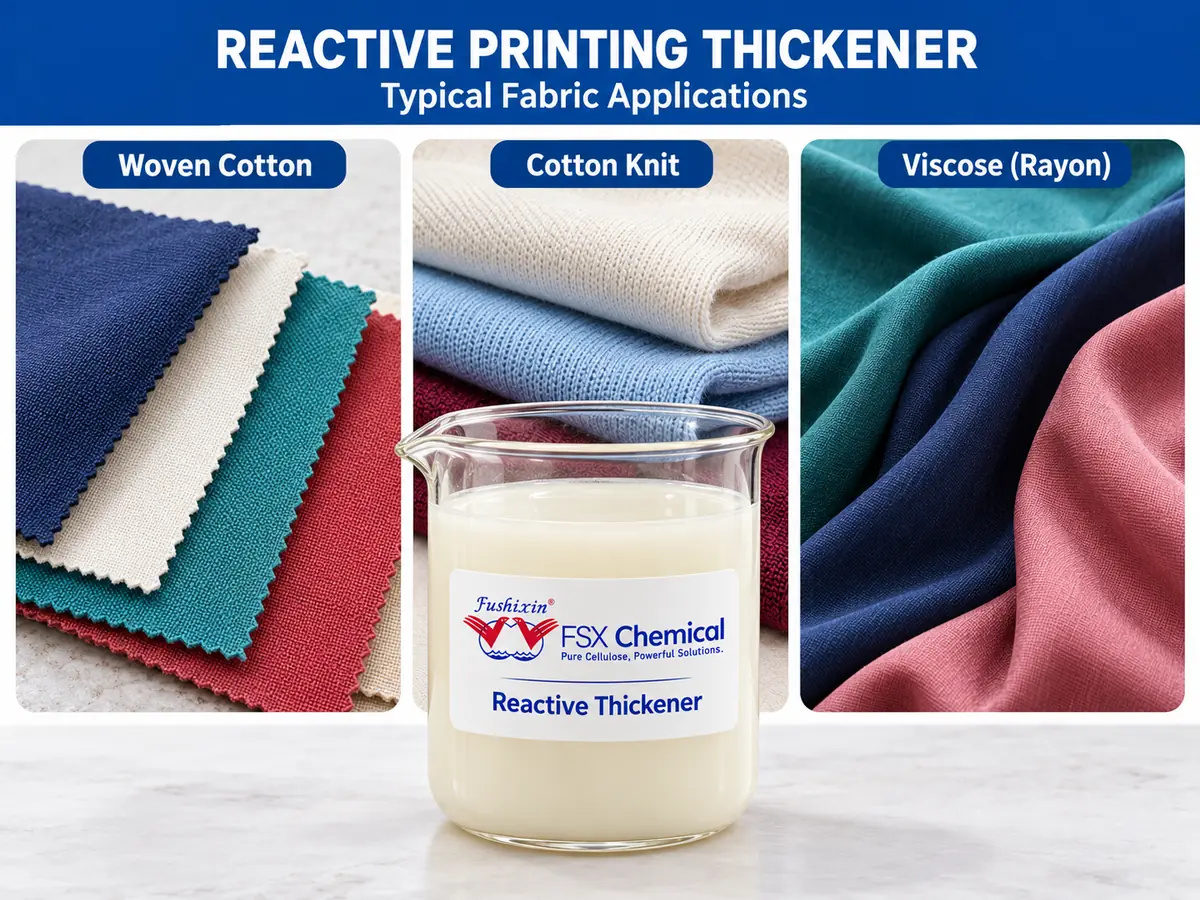
Épaississant pour impression réactive
Rapid thickening and strong electrolyte tolerance help maintain paste viscosity in reactive dye formulations.
- Système
- Impression réactive
- Tissu
- Cotton / viscose
- Aspect
- Cream white viscous liquid
- Ionic nature
- Anionic
- Solid content
- 70 ± 2.0%
- Reference dosage*
- Flat ≈ 4.0% Rotary ≈ 3.5%
Use as the principal thickener or with sodium alginate.
Demander un TDS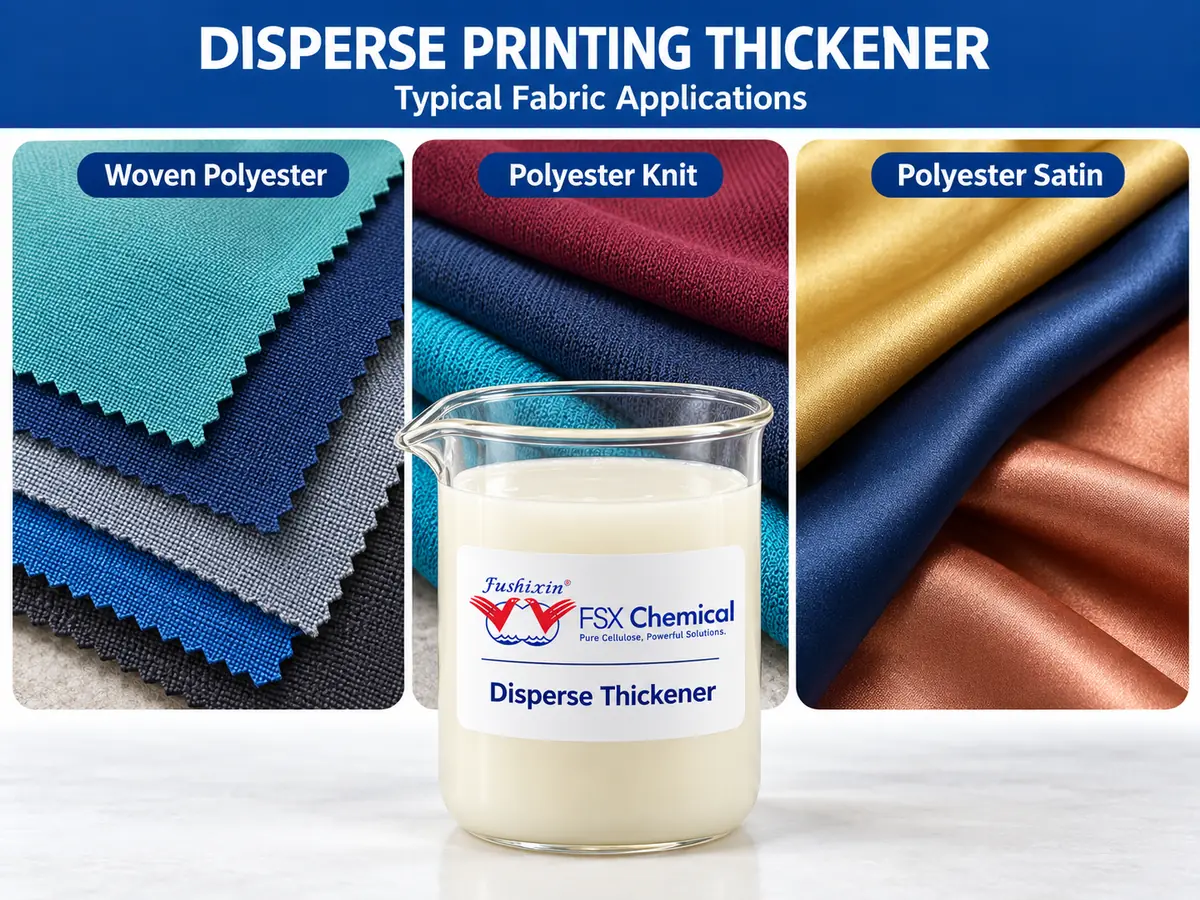
Épaississant pour impression par dispersion
Efficient thickening at relatively low dosage, with stable paste rheology for flat-screen and rotary-screen printing.
- Système
- Impression par dispersion
- Tissu
- Polyester
- Aspect
- Milky white viscous liquid
- Ionic nature
- Anionic
- Solid content
- 70 ± 2%
- Reference dosage*
- Flat 2.0–2.5% Rotary 1.5–2.0%
Adjust addition level to shade depth and target paste viscosity.
Demander un TDS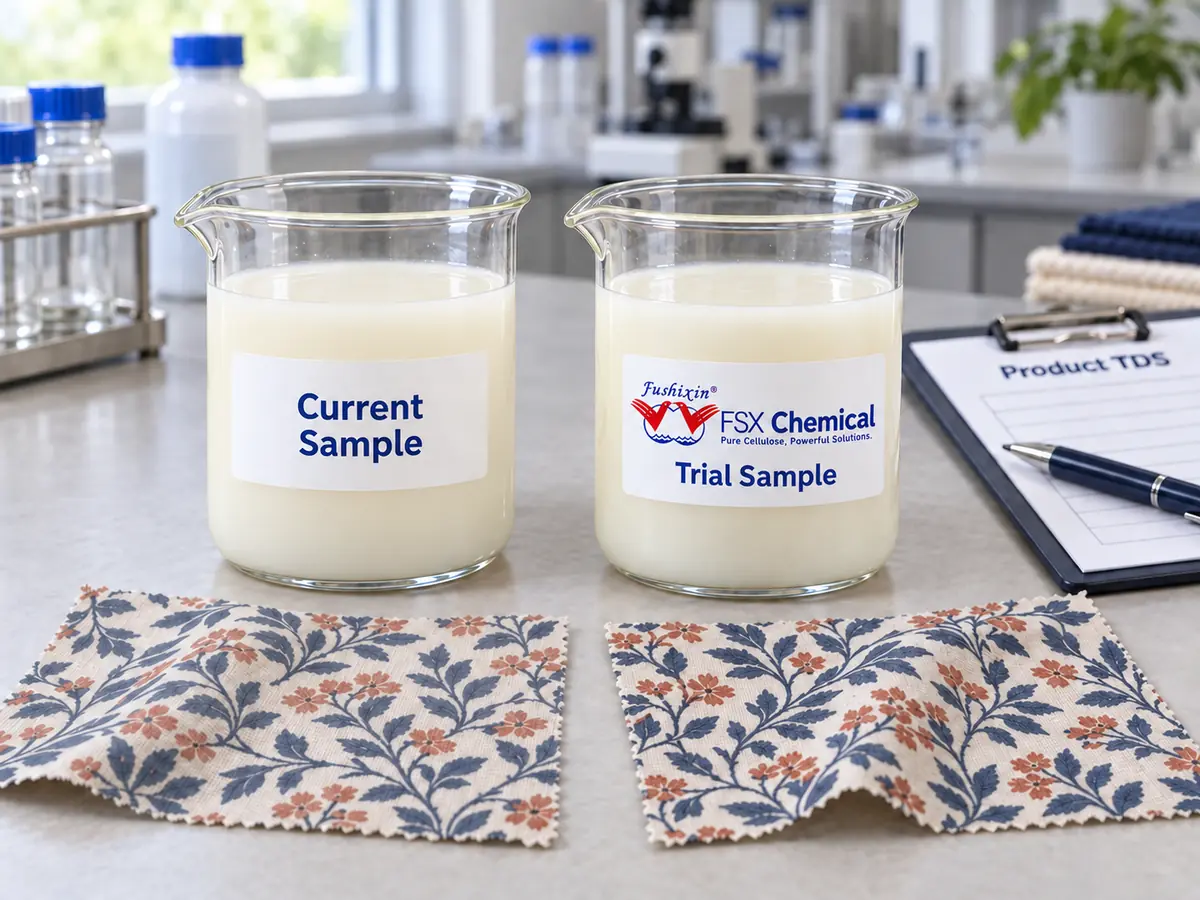
Match Your Current Thickener
Compare your current product with an FSX grade using paste requirements, working dosage and printing results.
- Saisie
- TDS / sample
- Objectif
- Trial grade selection
- Printing system
- Pigment / reactive / disperse
- Processus
- Fabric and machine
- Target viscosity
- Include test conditions
- Posologie actuelle
- Include calculation basis
Identify the paste behavior or print quality you want to improve.
Request Matching*TDS starting references; Flat = flat-screen and Rotary = rotary-screen. Confirm the dosage calculation basis and optimize in your complete printing formulation before production.
Textile Printing Applications
Explore Applications by Fabric & Printing System
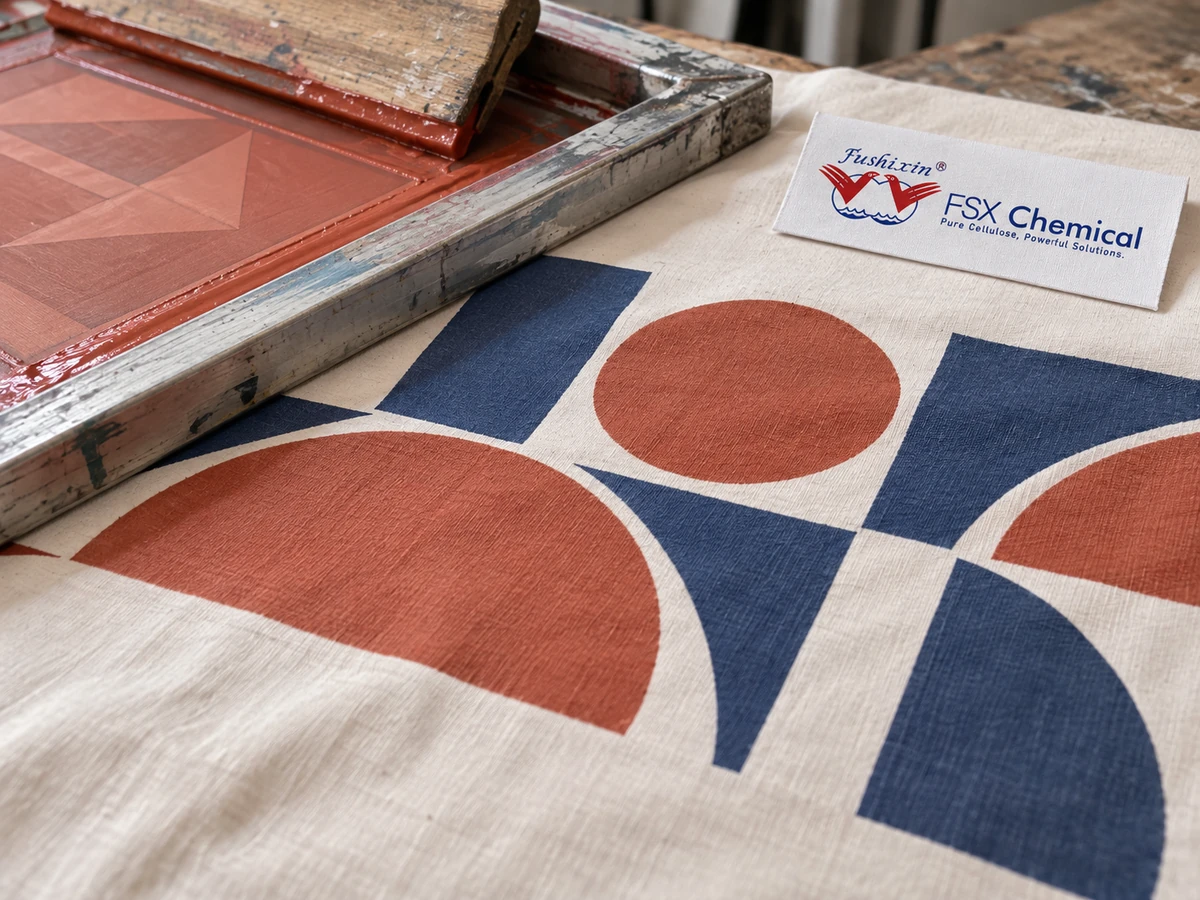
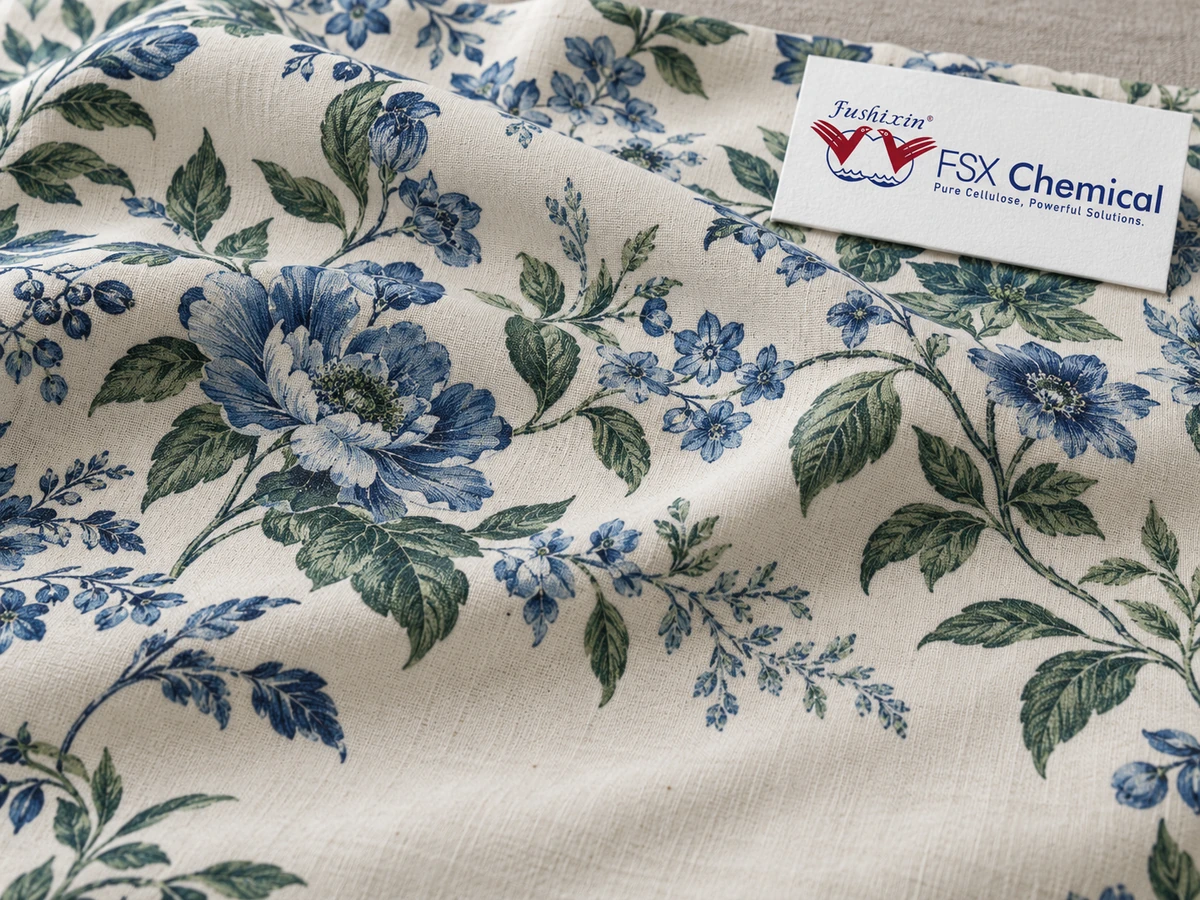
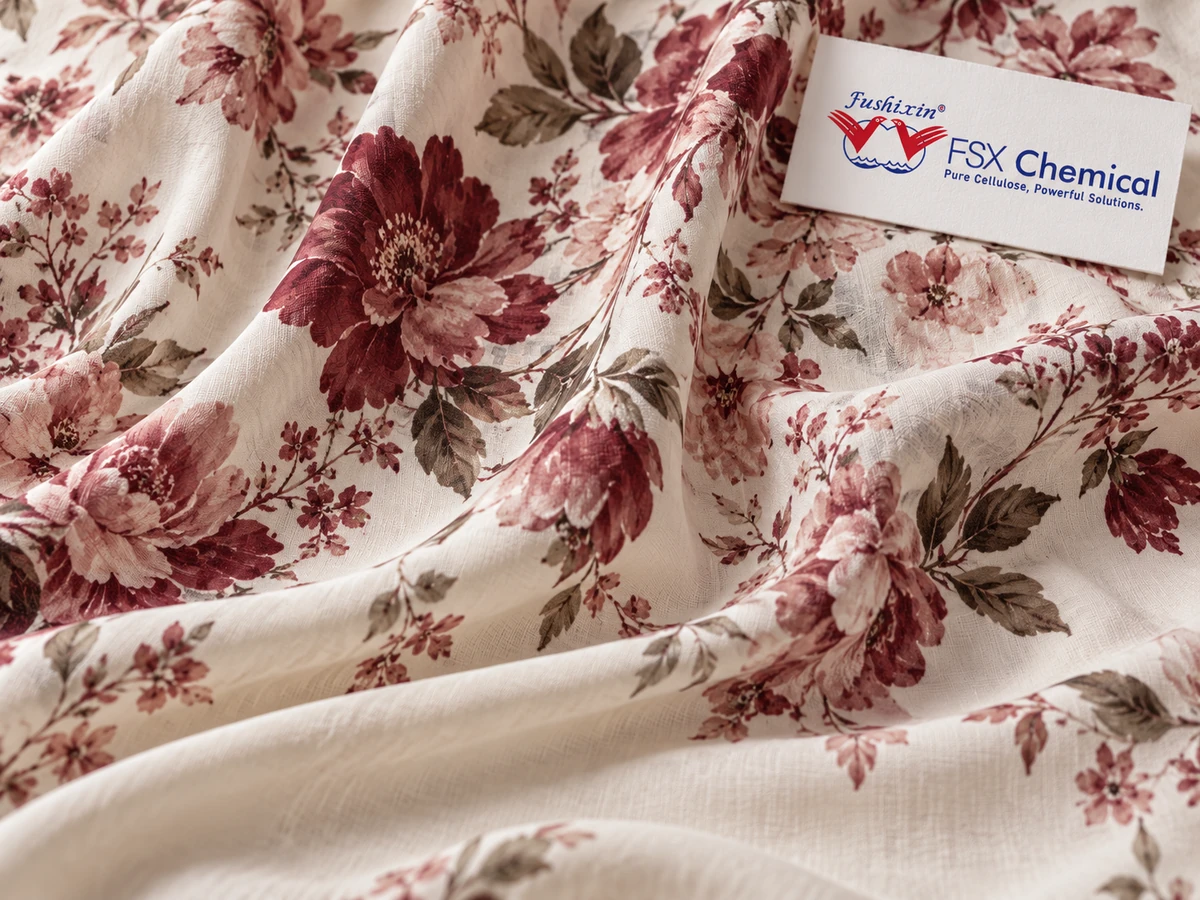
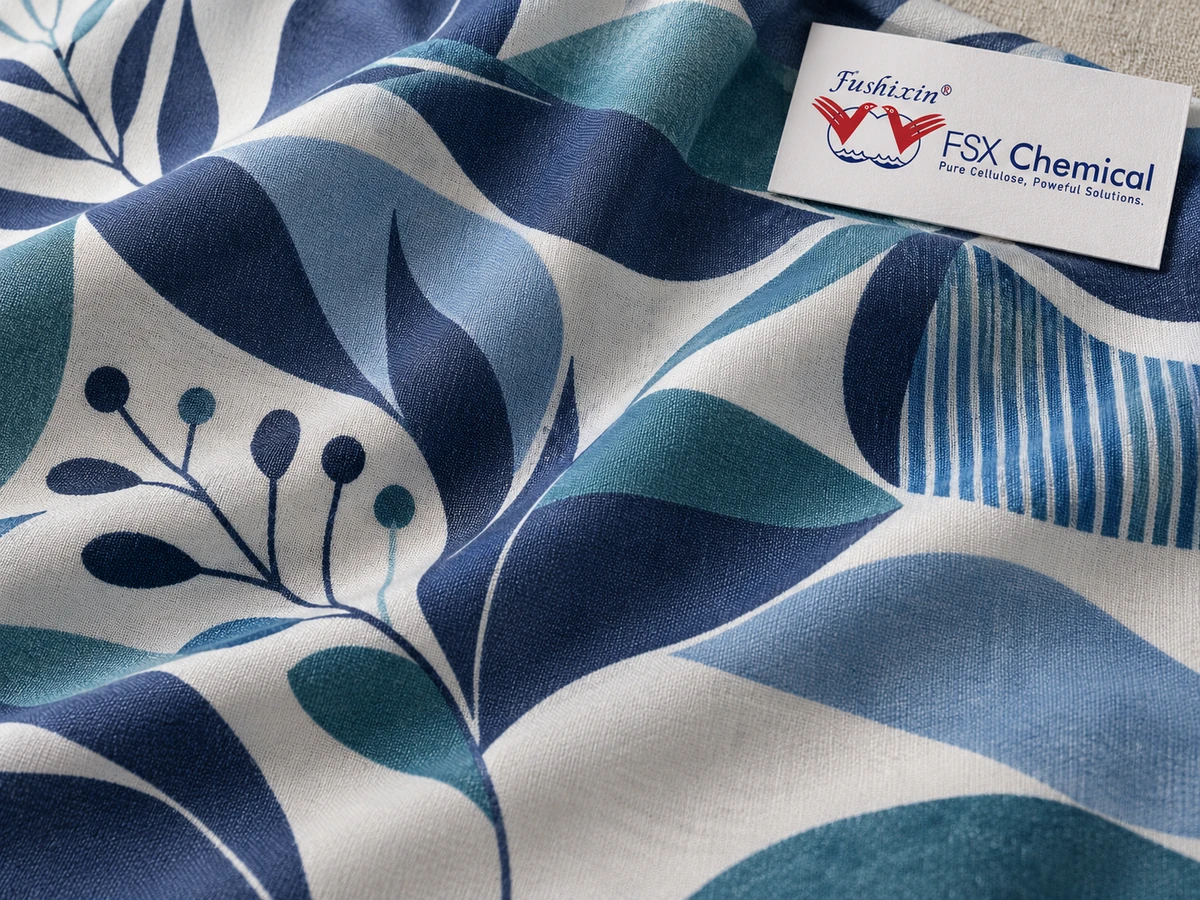
Explore synthetic thickener applications in pigment printing, cotton and viscose reactive printing, and polyester disperse printing.
Pattern Definition & Screen Transfer
Fine outlines and solid coverage depend on how the paste passes through the screen and spreads on the fabric.
Color Yield & Shade Depth
Assess color strength and evenness in the finished print, alongside paste stability during the printing run.
Fabric Handle & Aftertreatment
Review softness after pigment-print curing, or wash-off and residual paste after reactive and disperse printing.
Explore your printing application
Application Trials · Grade Evaluation
How to Evaluate a Synthetic Printing Thickener
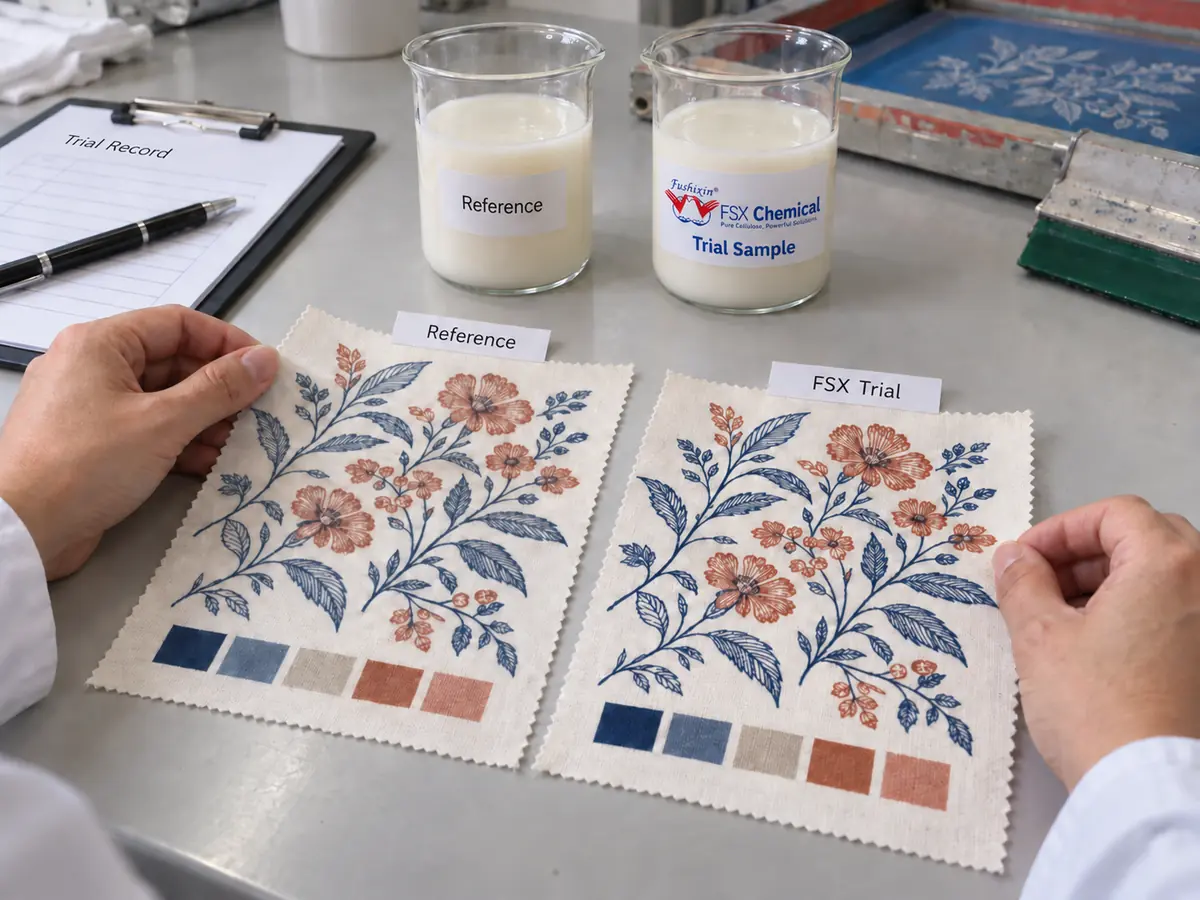
Compare a suitable FSX grade with your current thickener through laboratory paste trials and a production printing run.
Record your current process
Document the fabric, printing system, paste recipe and current dosage. Keep a reference print for comparison.
Establish the trial dosage
Start from the grade’s TDS guidance and adjust to target paste viscosity. Record test conditions and all recipe changes.
Compare paste & print results
Check paste stability, screen transfer, print definition and color yield. Assess fabric handle after the required aftertreatment.
Validate production performance
Run a production trial to confirm repeatability. Compare thickener cost at the validated dosage alongside print quality.
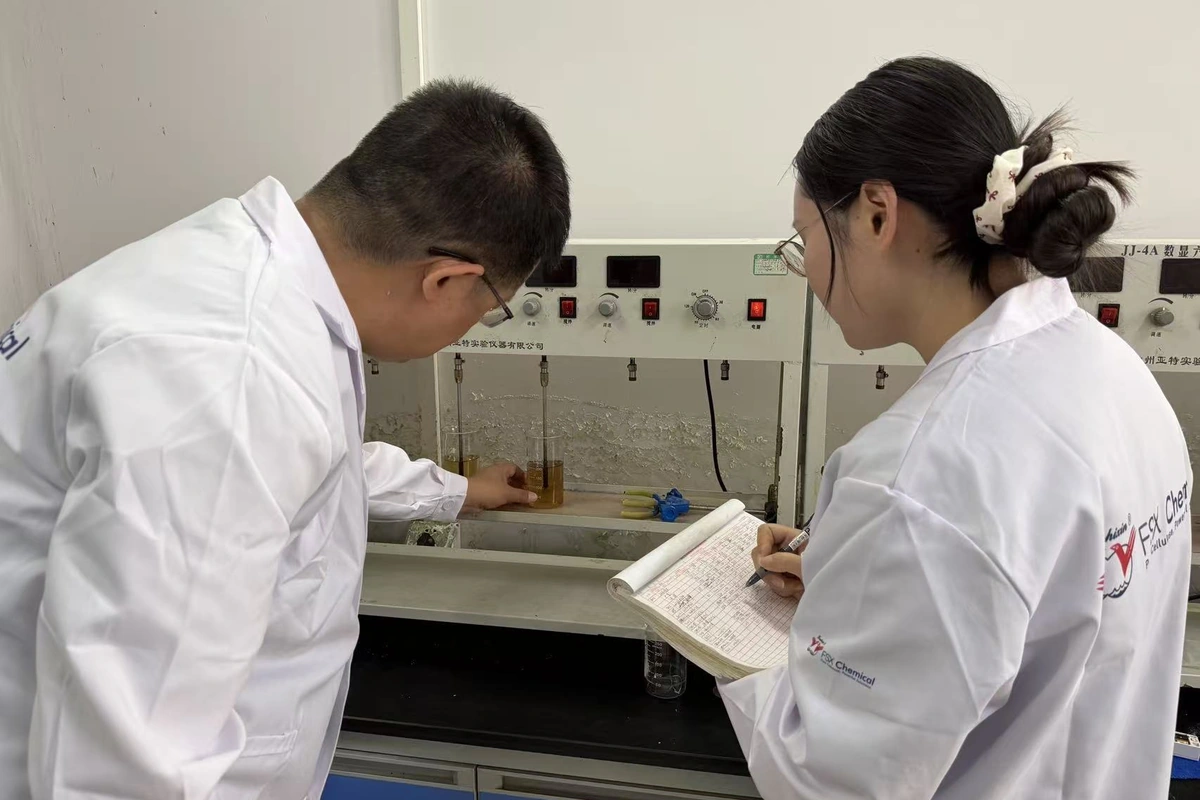
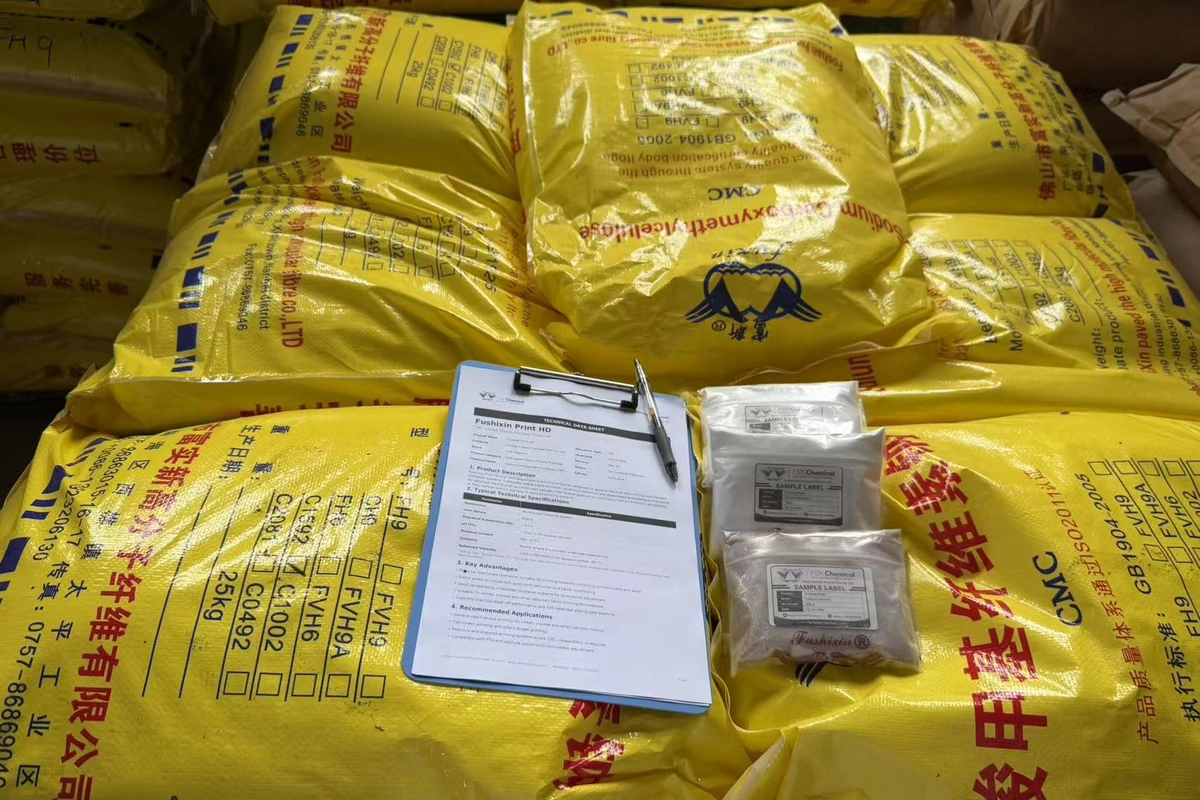
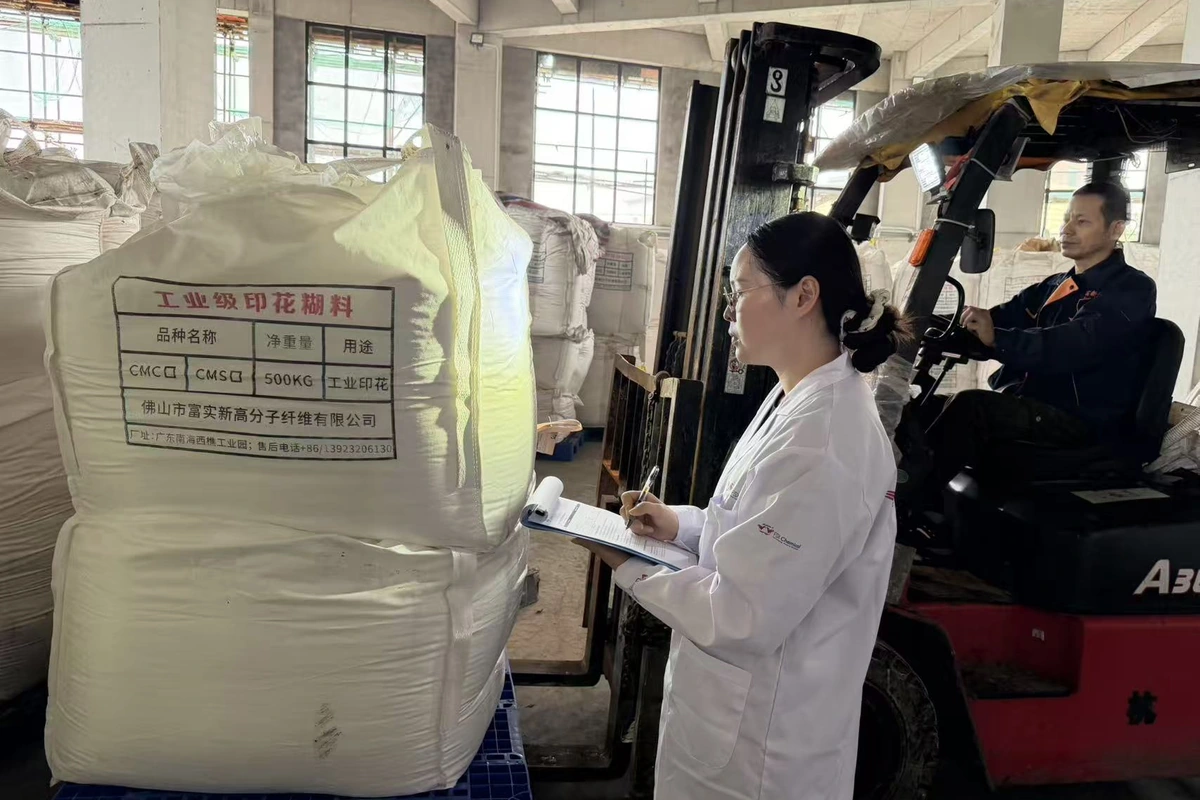
Usine / Laboratoire / Contrôle qualité
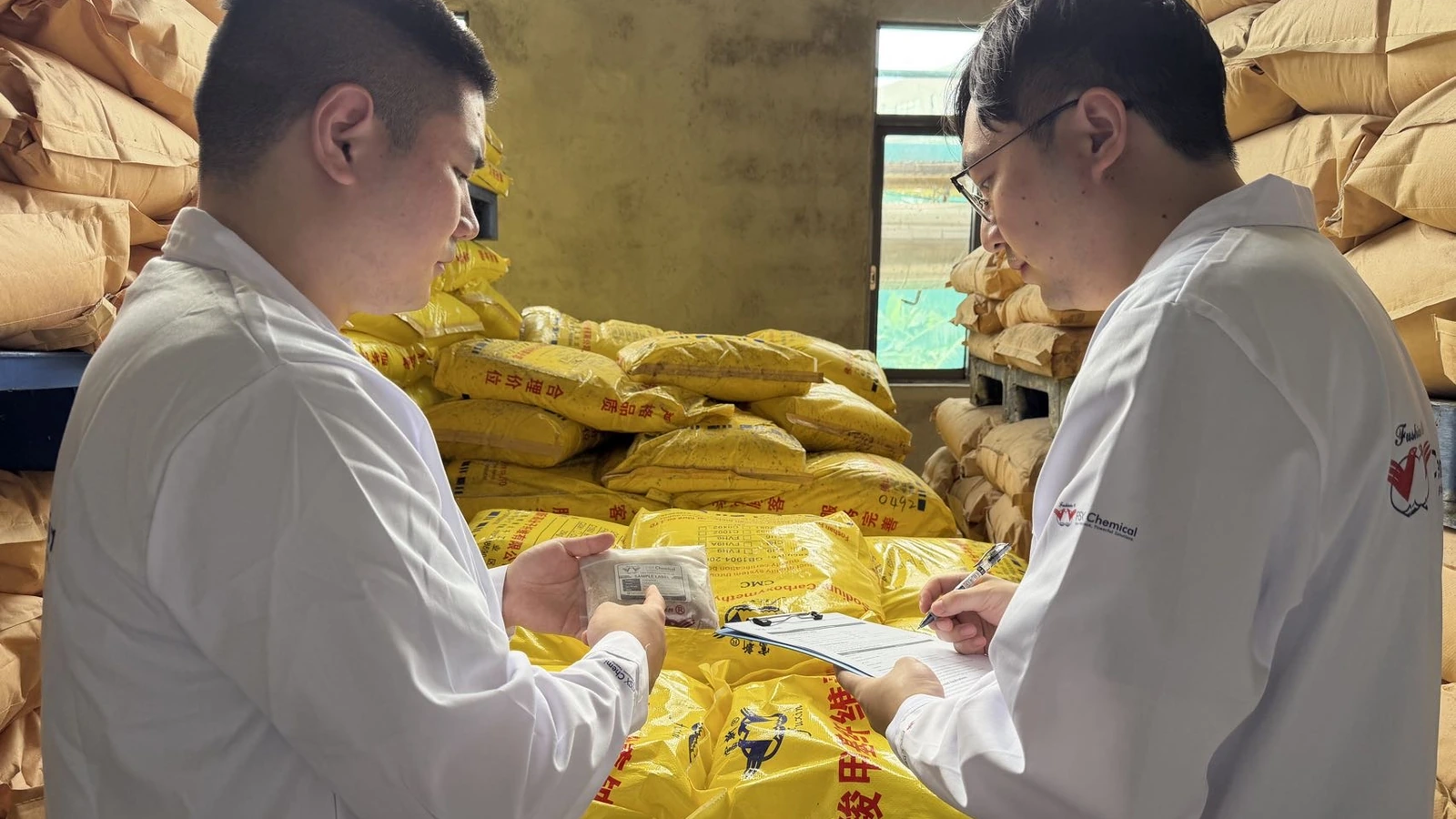
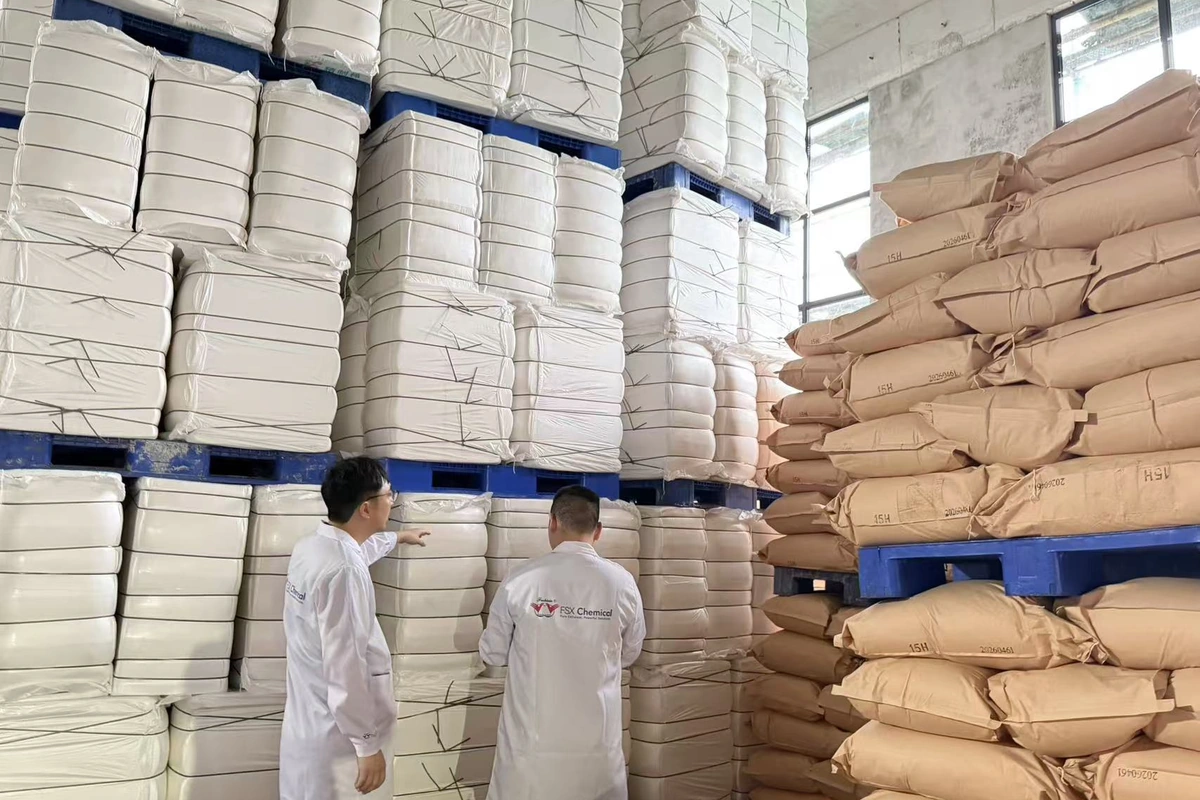
Preuve d'usine, de laboratoire et de contrôle qualité
Request current product-specific production, testing and quality documents, then review the supplied sample and packing requirements before purchasing.
Technical Questions · Samples & Supply
Synthetic Printing Thickener FAQs
Answers on formulation compatibility, thickener replacement, sample requests and supply arrangements.
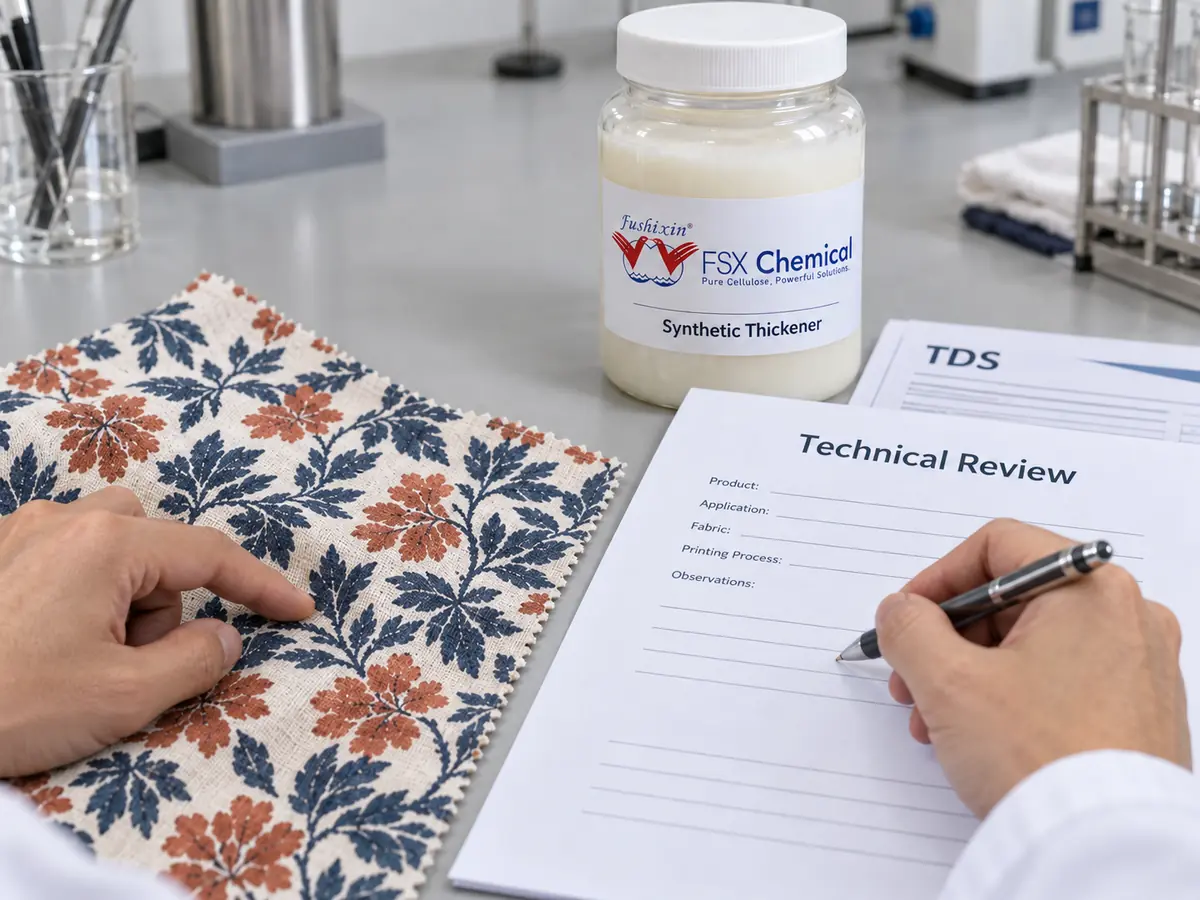
Share your recipe, mixing sequence, dosage and viscosity test conditions, with photos of the printing defect.
- Viscosity Loss
- Saignement de diffusion
- Screen Clogging
- High Thickener Dosage
Can synthetic thickeners be used with sodium alginate?
YS-3169 can be used as the principal thickener or together with sodium alginate in reactive printing on cotton and viscose. The combination and addition levels should follow your paste requirements and trial results; this guidance does not automatically apply to every synthetic grade.
Why does paste viscosity change after adding dyes or auxiliaries?
Colorants, binders and electrolytes can change thickening efficiency and paste stability. Check water quality, ingredient levels and mixing sequence. YS-3169 offers strong electrolyte tolerance, but performance still depends on the complete reactive printing formulation.
Can I replace my current thickener at the same dosage?
A one-to-one replacement should not be assumed. Establish the dosage needed for suitable paste flow and print quality, then compare stability and cost at that dosage. Equal product weight or solid content alone does not establish equivalent performance.
Can I request synthetic thickener samples for testing?
Yes. Send your printing system, fabric, current thickener TDS and trial requirements through the sample-matching page. FSX can review the application and recommend a trial grade; confirm sample quantity and shipping arrangements before dispatch.
What information is needed for a quotation?
Provide the grade or printing application, order quantity, destination port or delivery address, trade terms and packing requirements. If the grade is undecided, include your current TDS and working dosage for an initial technical review.
What are the packing, MOQ and delivery arrangements?
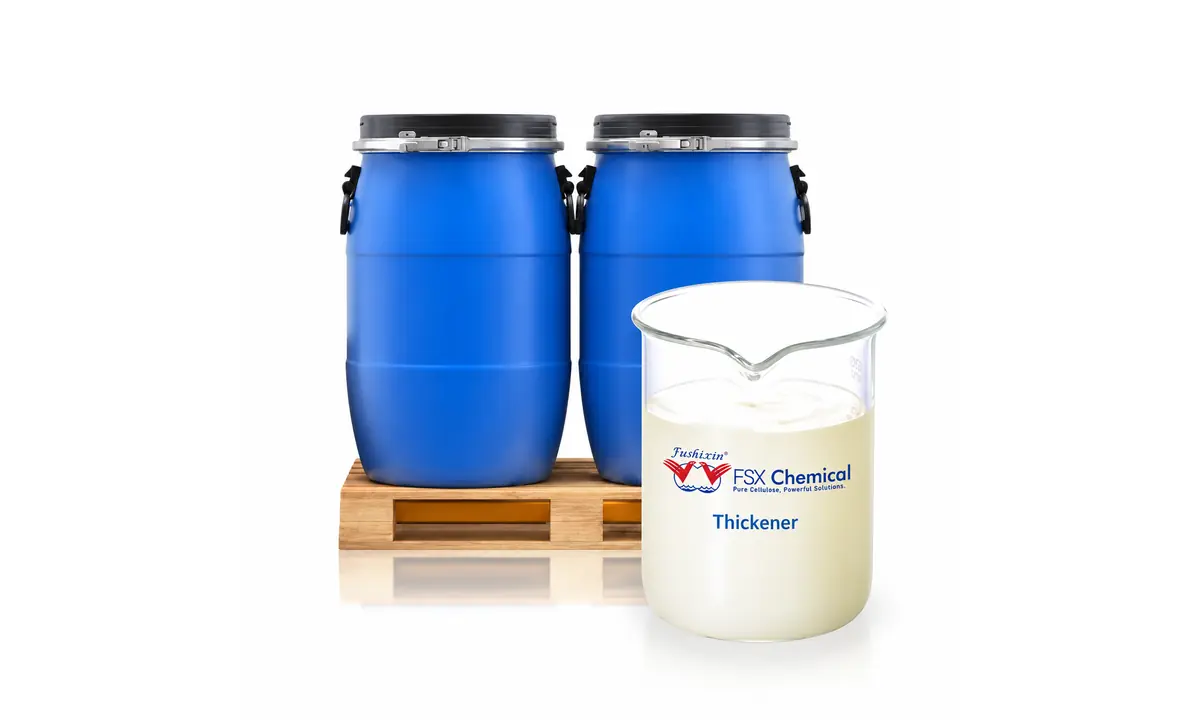
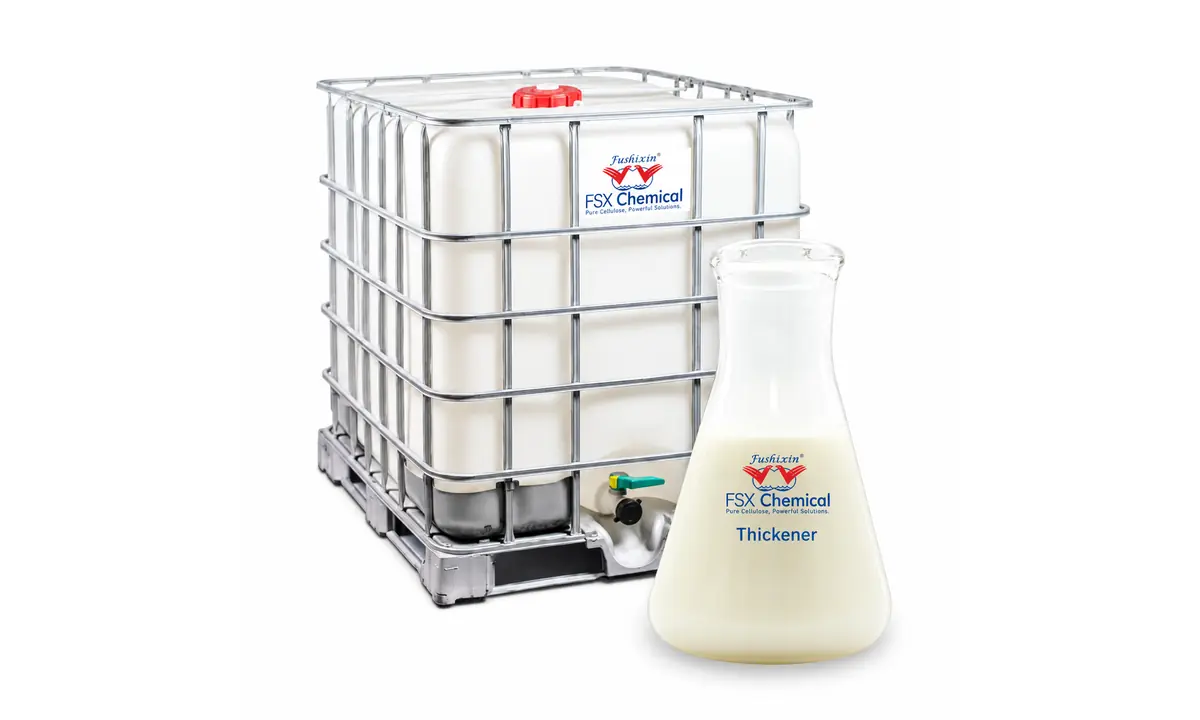
The three product TDS documents specify standard packing of 150 kg per drum. MOQ, pallet arrangements and delivery time require confirmation for the selected grade, order quantity and destination; request these details with your quotation.
Which technical documents should I request?
Request the current TDS for product specifications and application guidance, and the SDS for handling and storage. Confirm batch COA availability and the reported test items against your agreed specifications.