
 UR
UR  EN
EN  BN
BN  TR
TR  ID
ID  RU
RU  AR
AR 


Related posts
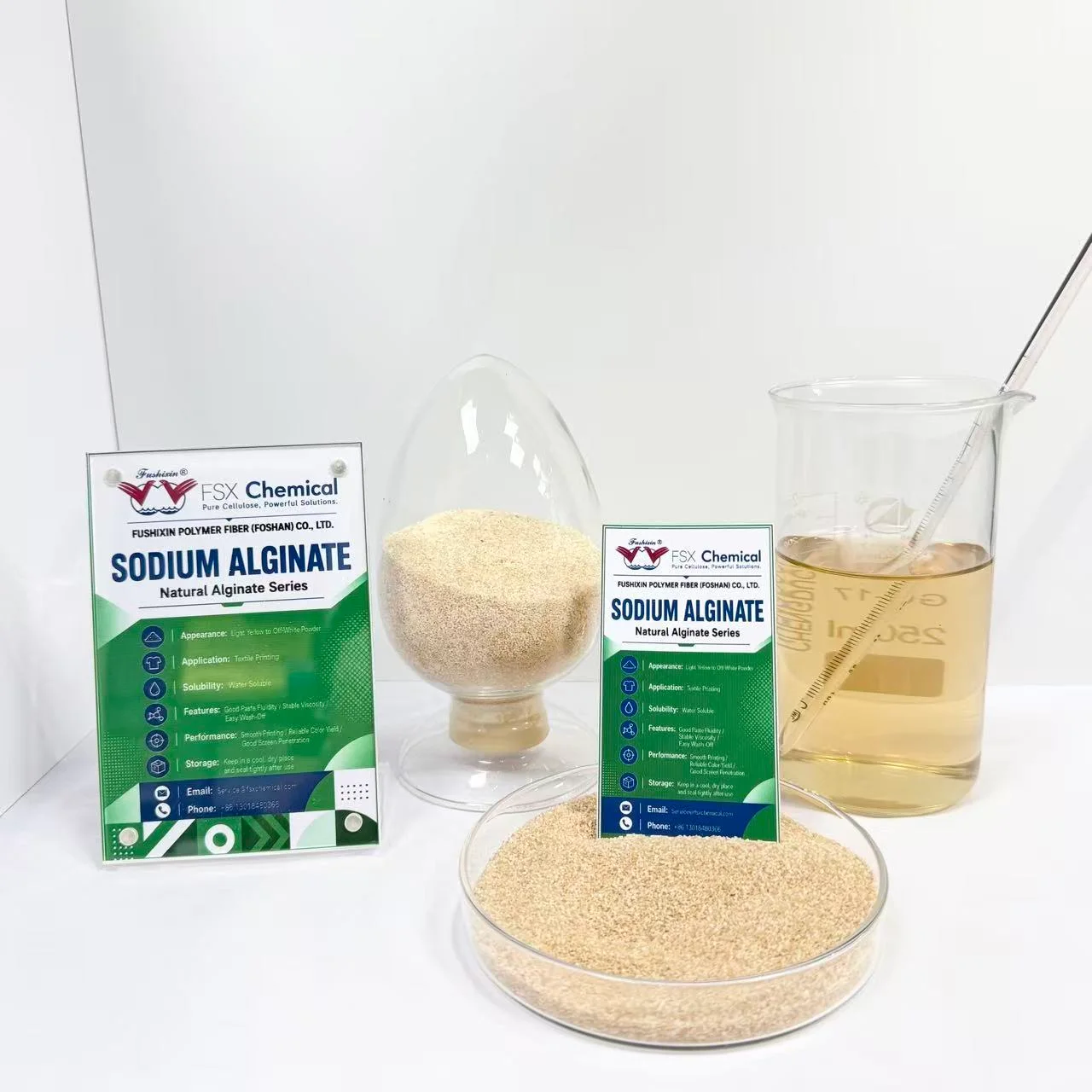
Sodium Alginate Price Factors: What Drives Cost and How to Evaluate Quotes

Sodium alginate prices vary significantly between suppliers and grades, but not all price differences reflect genuine quality differences. This guide explains what drives cost, how to structure a like-for-like quote comparison, and what red flags to watch for when evaluating supplier proposals.
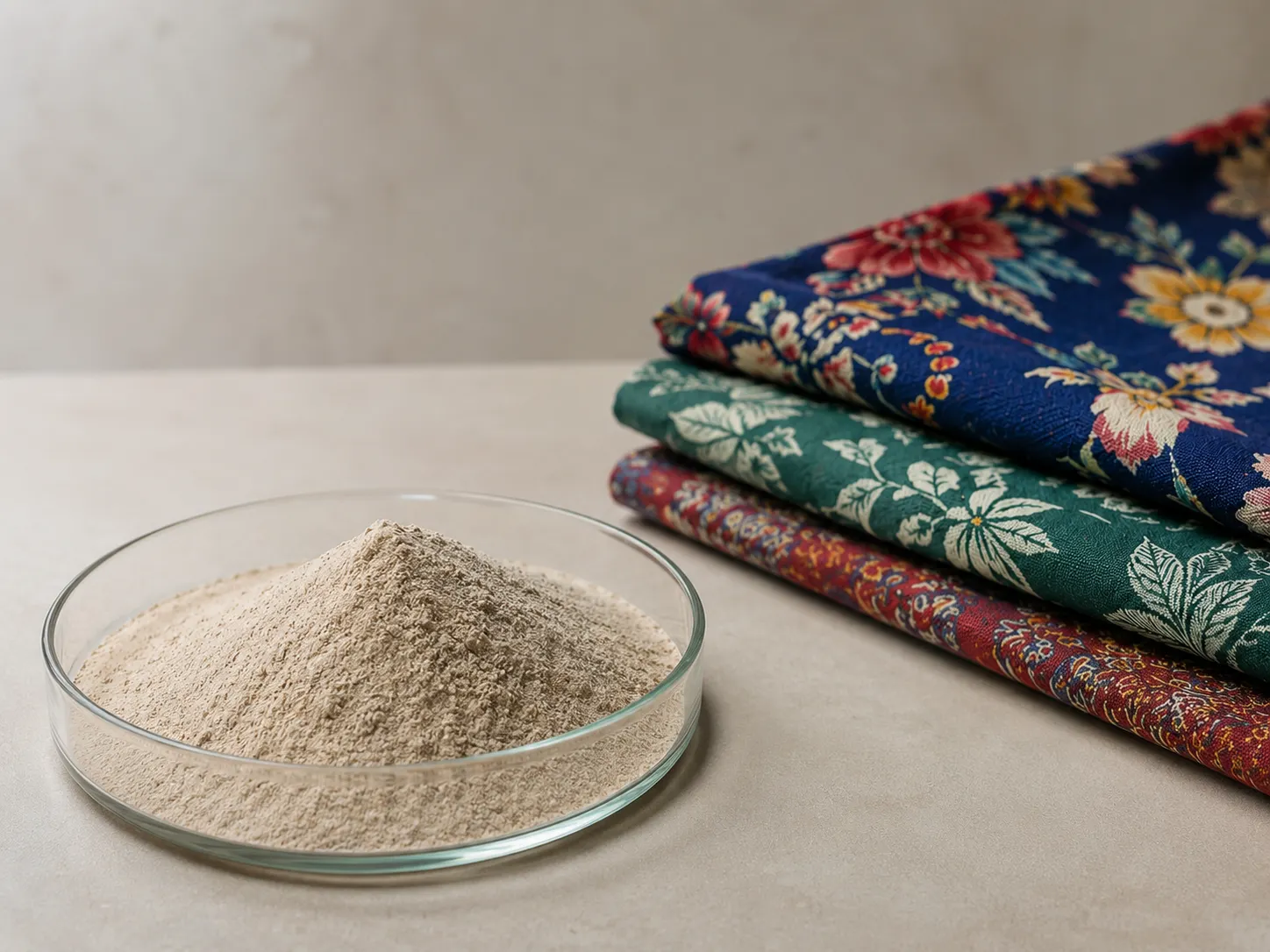
Sodium Alginate for Textile Printing: Thickener Selection and Application Guide
Sodium alginate is widely used in textile printing as a stable and washable thickener for reactive printing paste. Learn how to evaluate viscosity grade, purity, and application suitability before purchasing, and how FSX Chemical supports global buyers with technical data and samples.
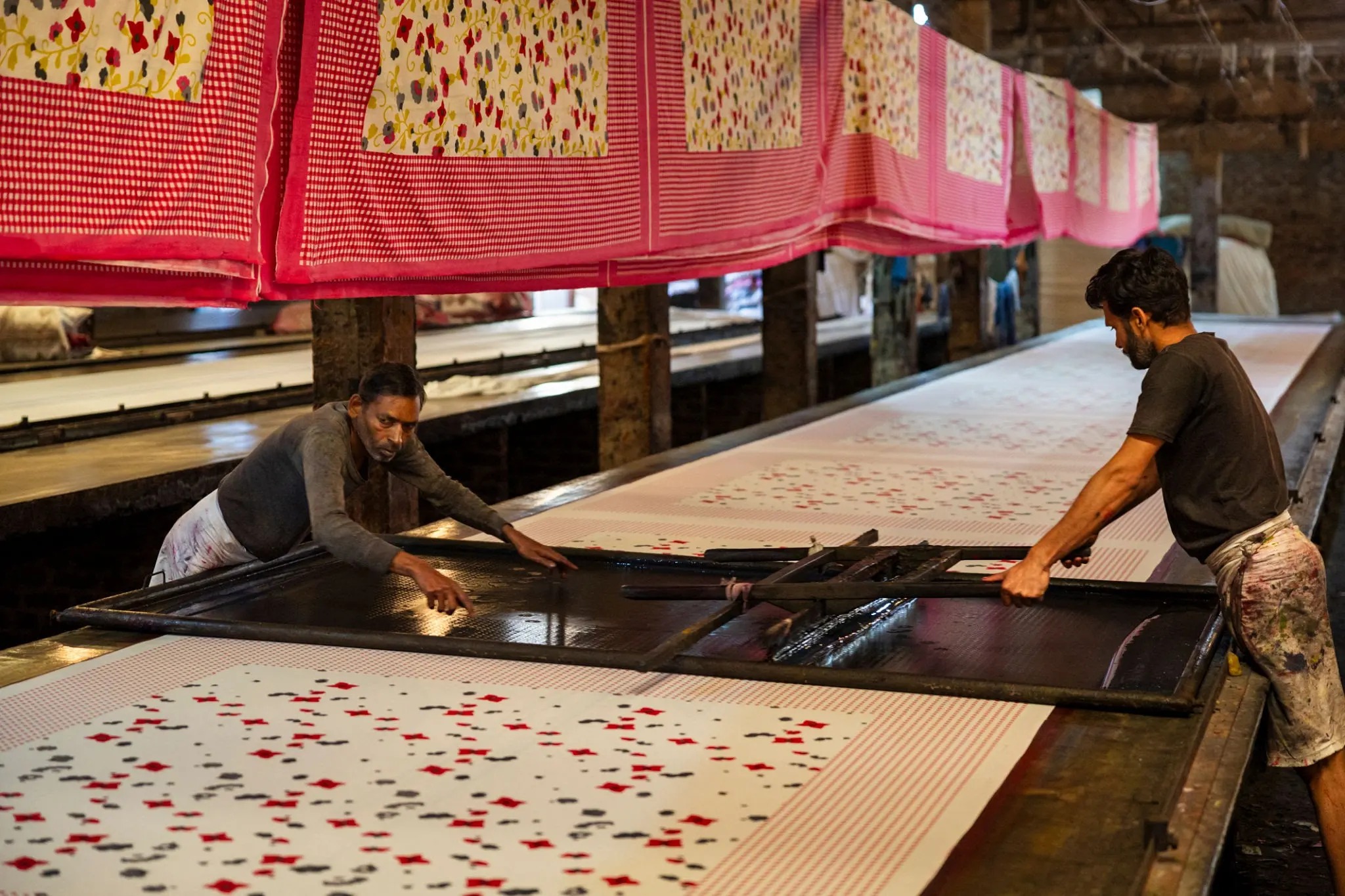
Sodium Alginate for Textile Printing: How to Choose the Right Thickener
Sodium alginate for textile printing is widely used as a thickener in reactive printing paste. This article explains its main functions, suitable applications, key purchasing parameters, and how buyers can request TDS, samples, and grade matching support before bulk orders.
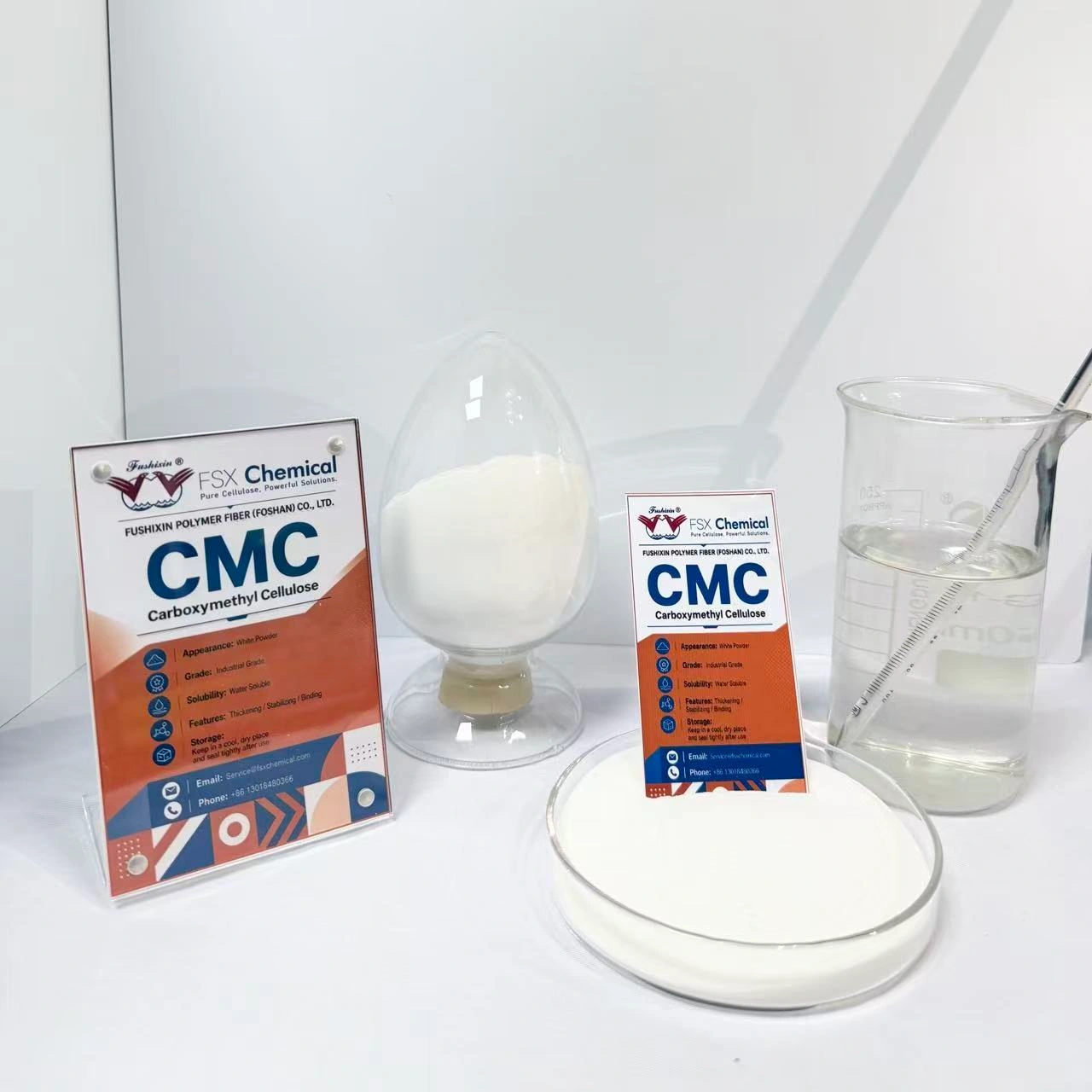
Carboxymethyl cellulose (CMC) for textile printing: Procurement Guide
Carboxymethyl cellulose (CMC) is widely used in the printing, sizing, and dyeing processes of textiles. This guide will explain how to evaluate CMC grades, which parameters are most important, and how FSX Chemical can support purchasing decisions.

Cellulose-Based Printing Paste for Textile: A Supplier Evaluation Guide
CMC-based printing paste is used across pigment, reactive, and digital textile printing. This guide explains what parameters matter, how to compare suppliers, and what to request before placing a bulk order.
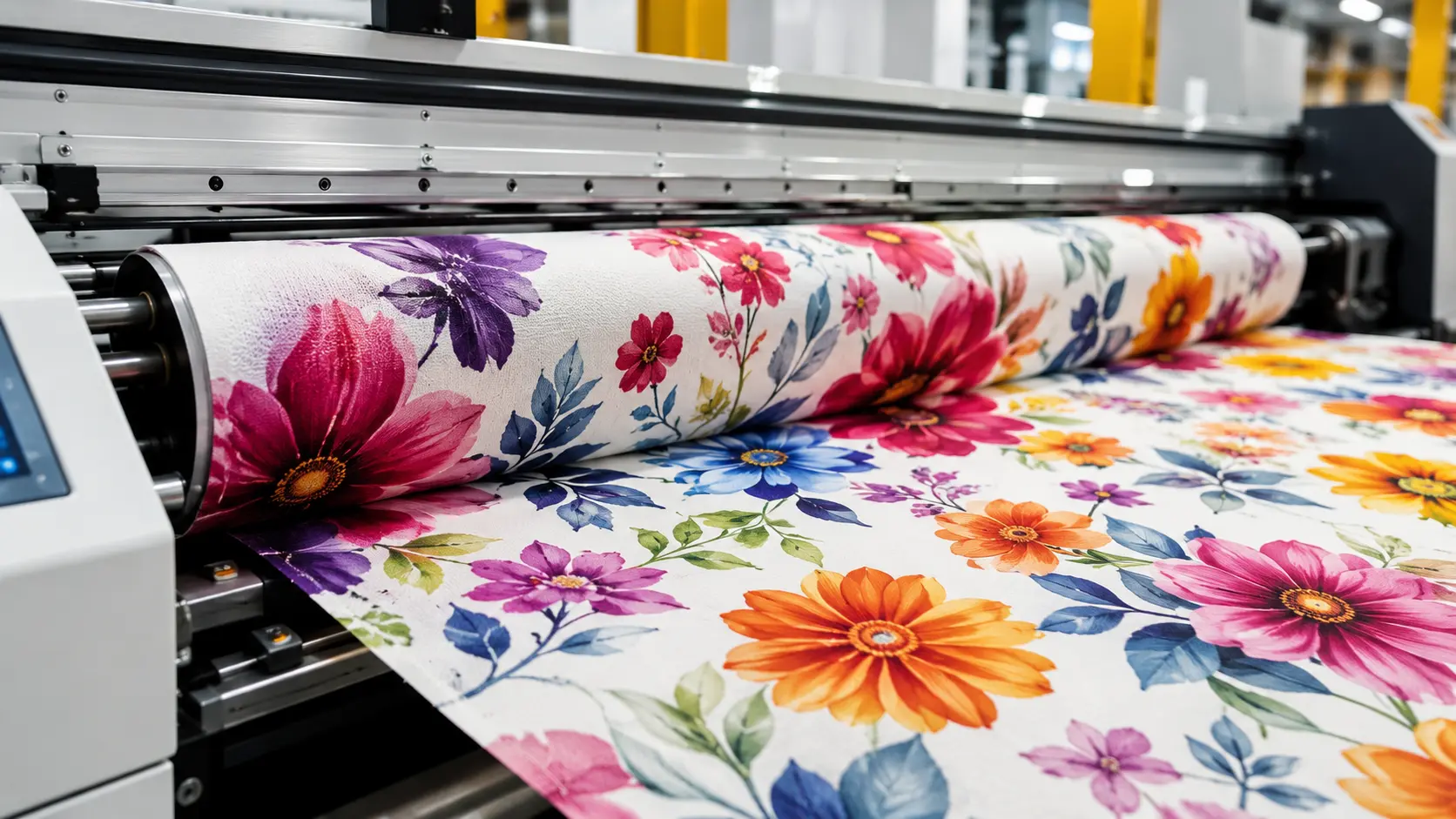
How CMC Is Used in Textile Sizing and Printing: A Practical Application Guide
Carboxymethyl cellulose serves different functions in textile sizing, printing paste, and dyeing auxiliaries. This guide explains how each application works and what grade parameters to specify when sourcing.
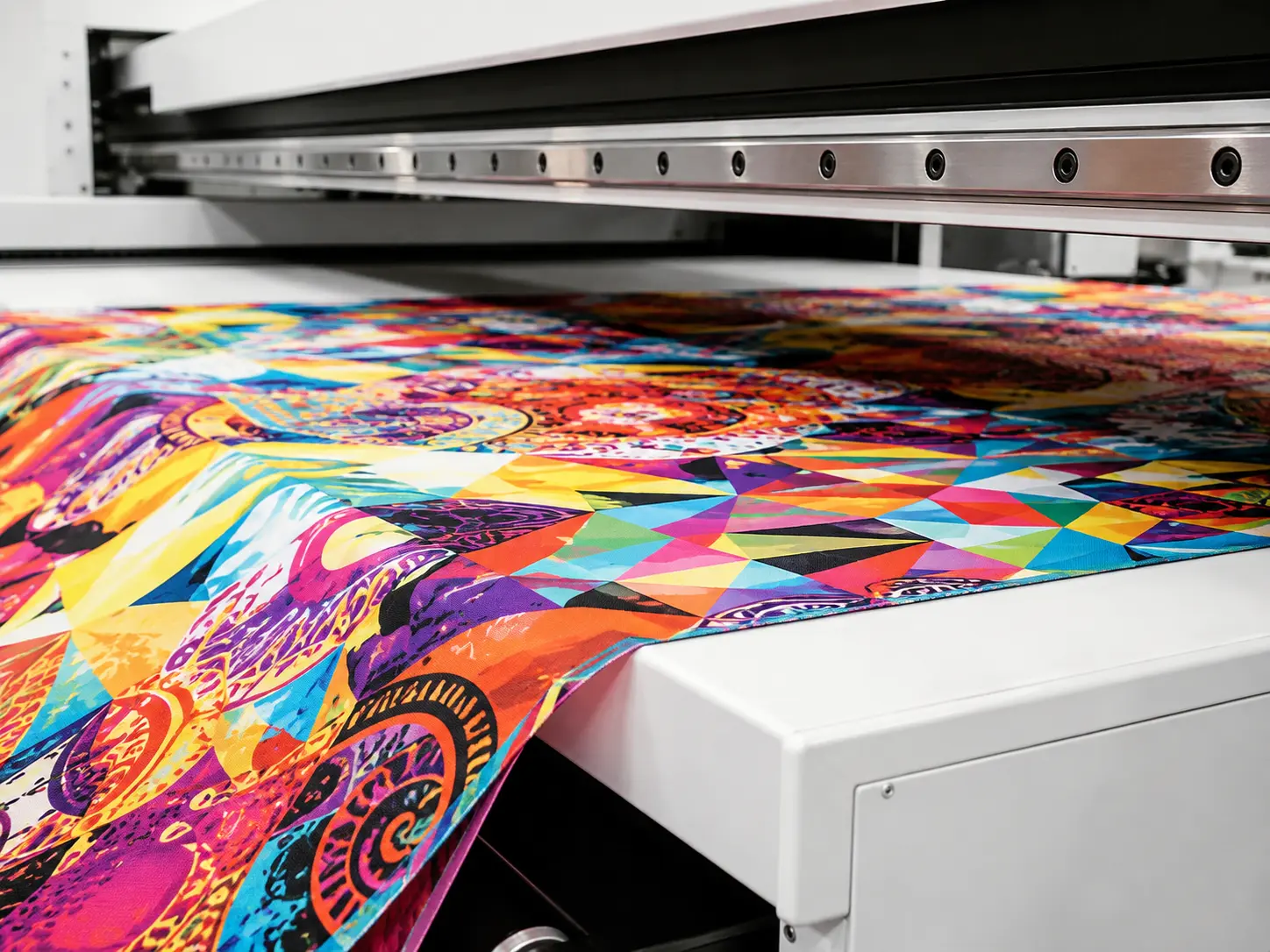
چھپائی کے سیاہی کے لیے سی ایم سی: گریڈ کے انتخاب اور استعمال کی رہنما
Carboxymethyl cellulose is used as a thickener and stabilizer in water-based inks, gravure printing, and inkjet pre-treatment. This guide covers the key grade parameters and sourcing considerations for procurement teams.
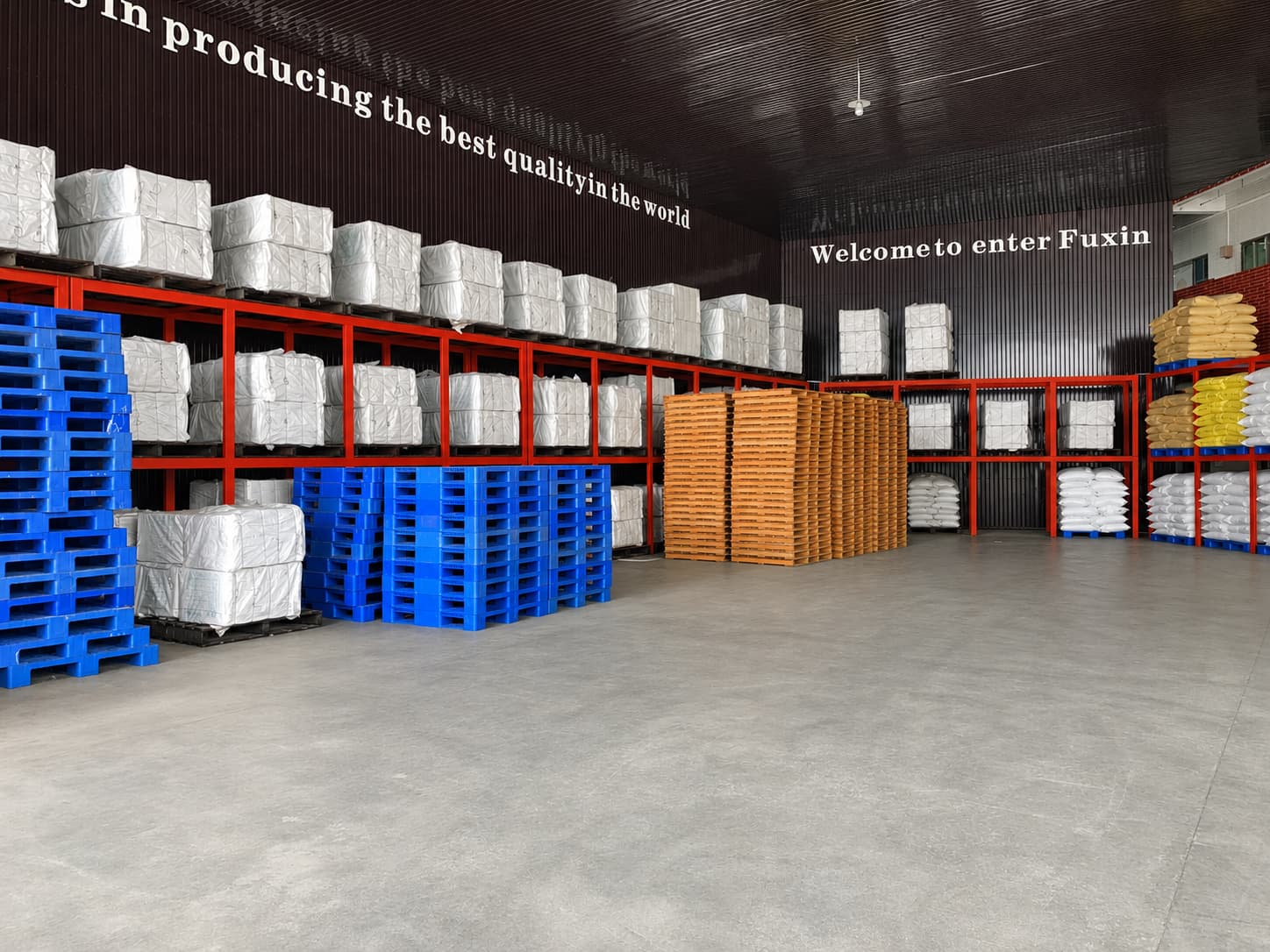
How to Evaluate a CMC Supplier for Textile and Printing Applications
Choosing the right CMC supplier involves more than comparing price. This guide covers the evaluation criteria, documentation checklist, and trial process that procurement teams should follow before committing to a bulk order.
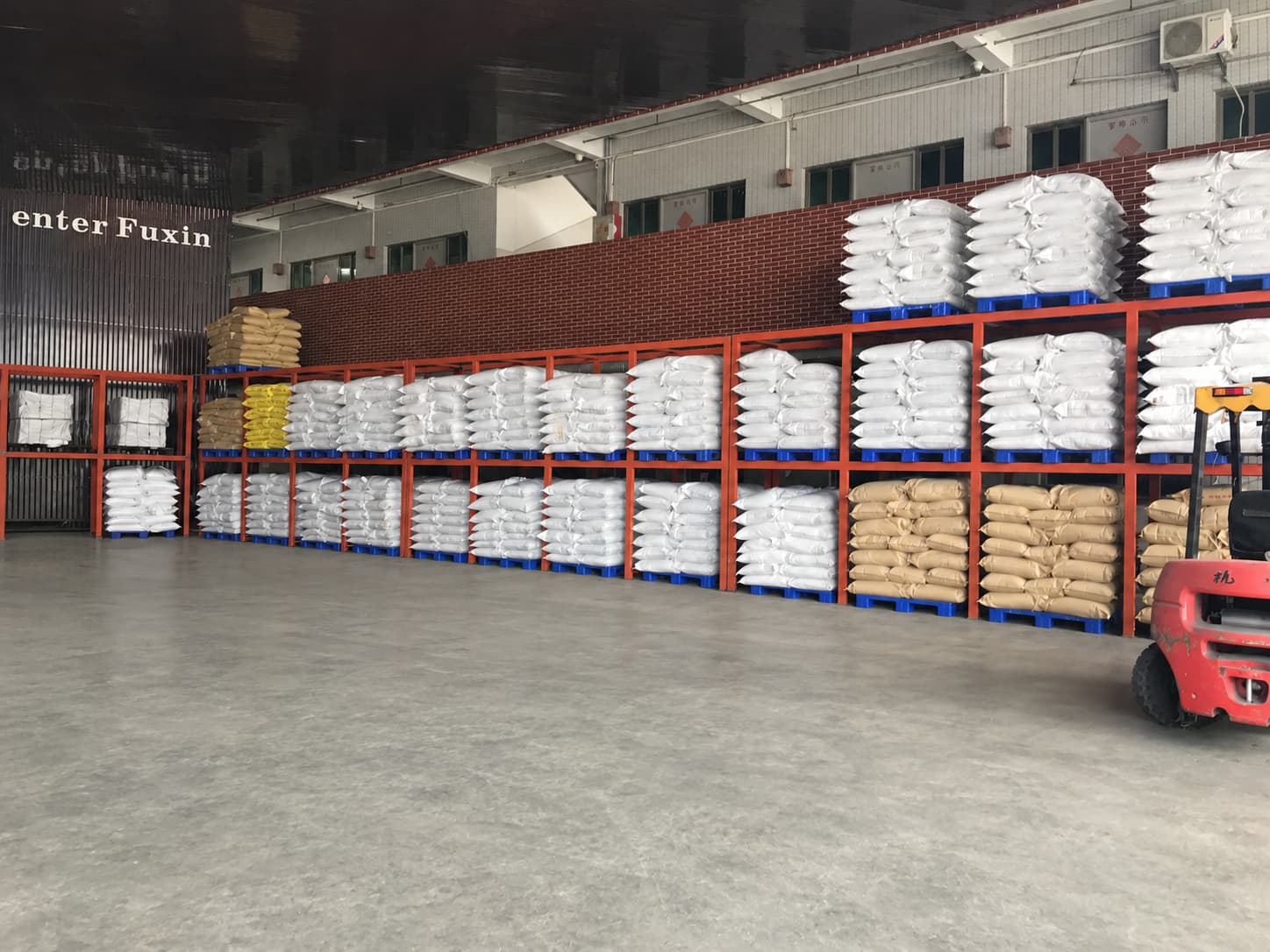
Food-Grade vs. Industrial-Grade CMC: What Procurement Teams Need to Know
Food-grade and industrial-grade CMC share the same base chemistry but differ significantly in purity, DS range, and regulatory requirements. This guide explains the key differences and why using the wrong grade creates production problems.
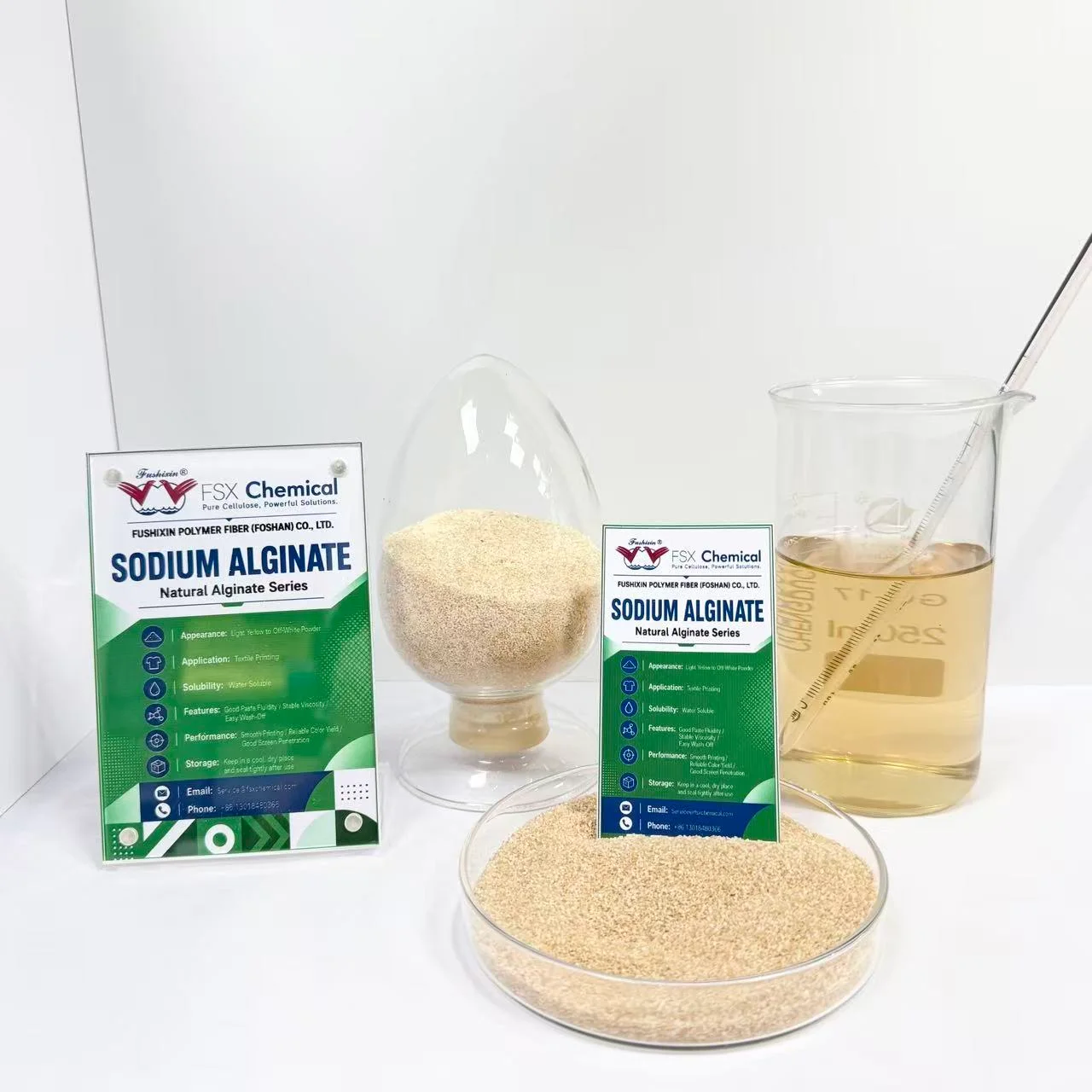
Sodium Alginate for Digital Textile Printing: Application Guide and Grade Selection
Digital inkjet printing on textiles has different paste and pre-treatment requirements compared to screen printing. This guide explains how sodium alginate is used in digital textile printing and what grade parameters procurement teams should specify.
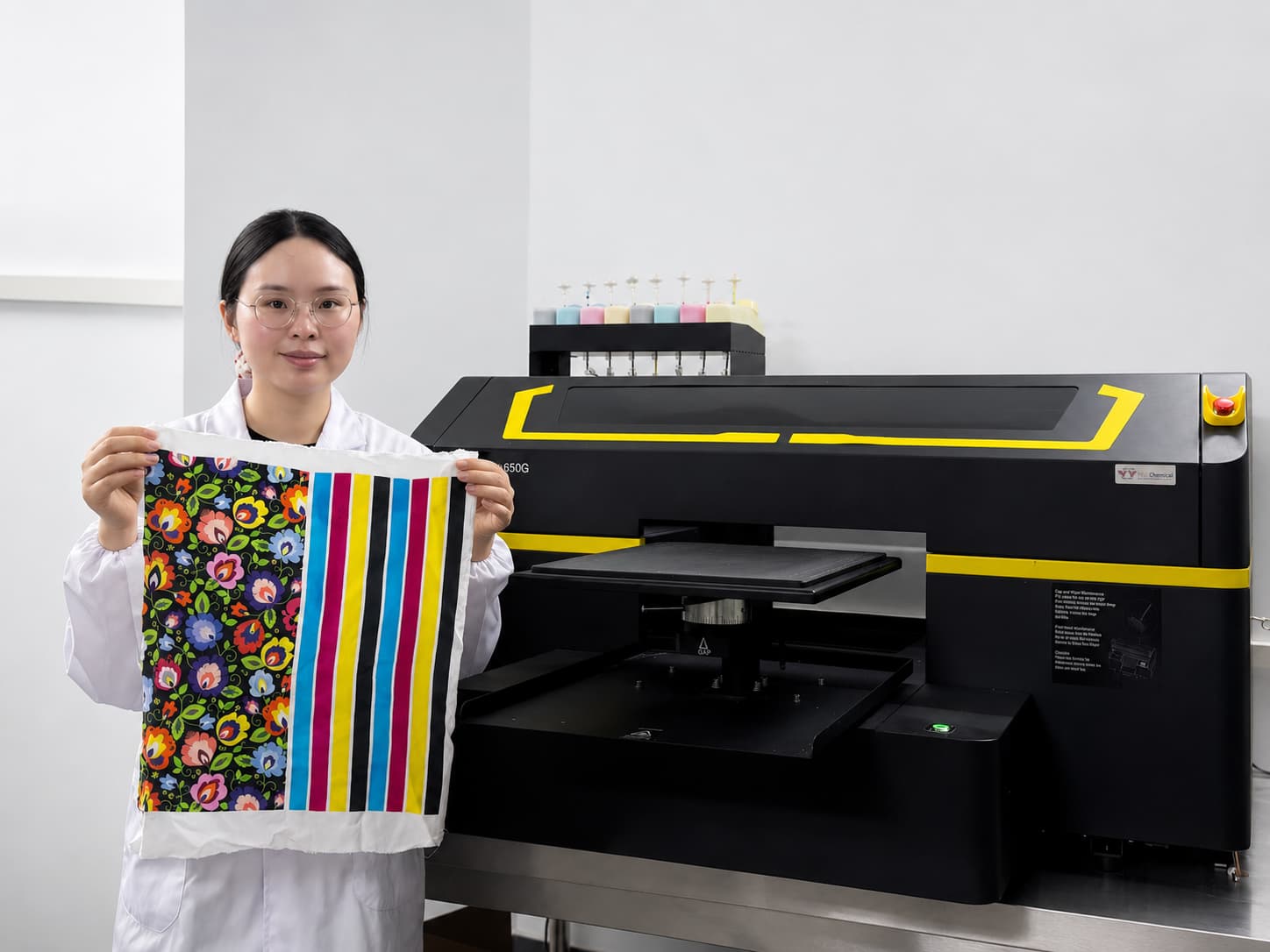
Sodium Alginate vs. CMC for Textile Printing: Choosing the Right Thickener
Both sodium alginate and CMC are used as thickeners in textile printing, but they suit different dye systems and process conditions. This guide explains the key differences and when to use each.
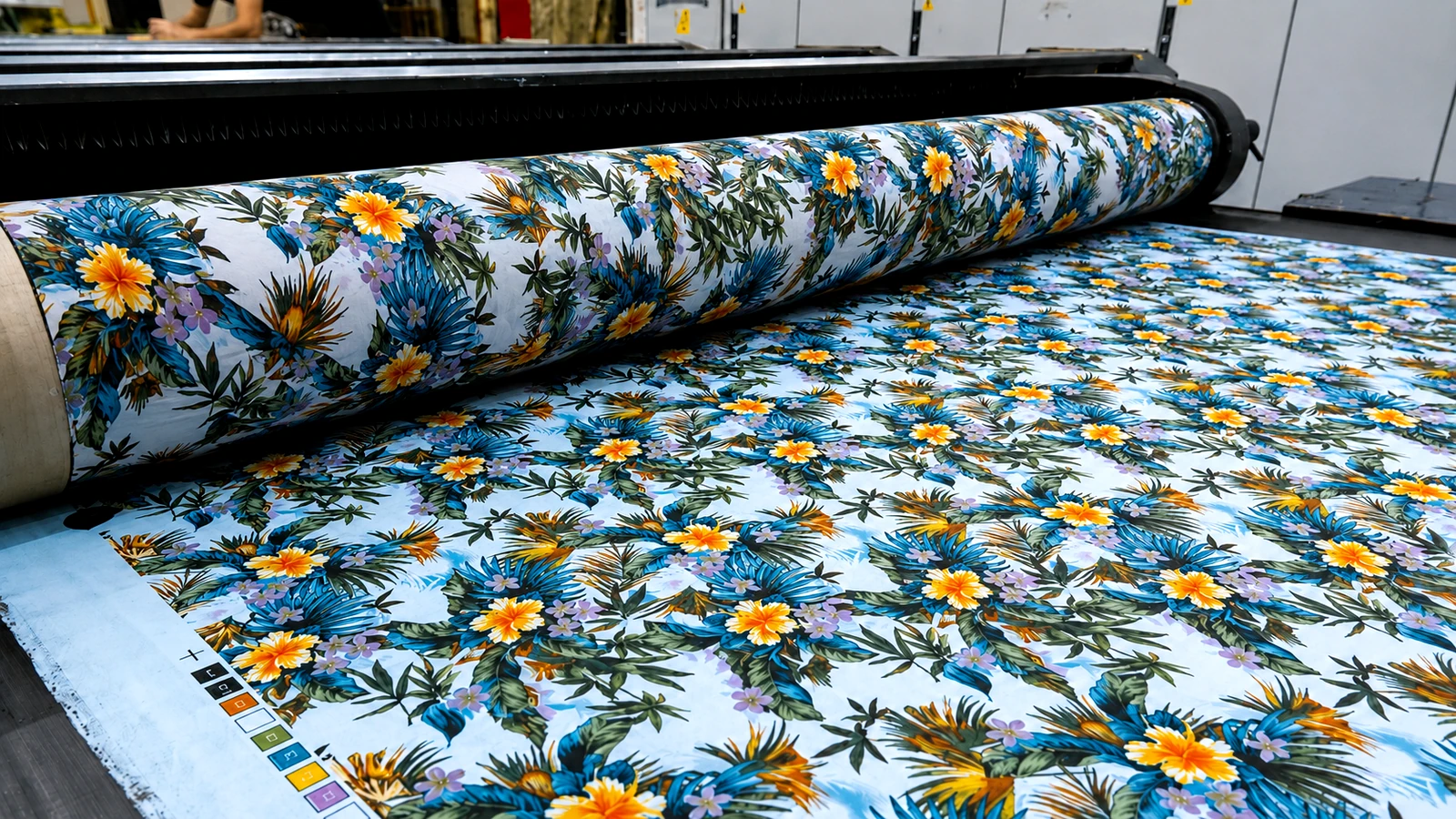
Sodium Alginate Paste Preparation: Dissolution Methods and Concentration Guide
Correct paste preparation is as important as grade selection in reactive dye textile printing. This guide covers sodium alginate dissolution methods, concentration ranges by application, storage conditions, and how to troubleshoot common preparation problems.
