
 VI
VI  EN
EN  BN
BN  ES
ES  TR
TR  FR
FR  ID
ID  RU
RU  AR
AR  UR
UR  TL
TL  HI
HI  UK
UK  KK
KK  KA
KA  UZ
UZ 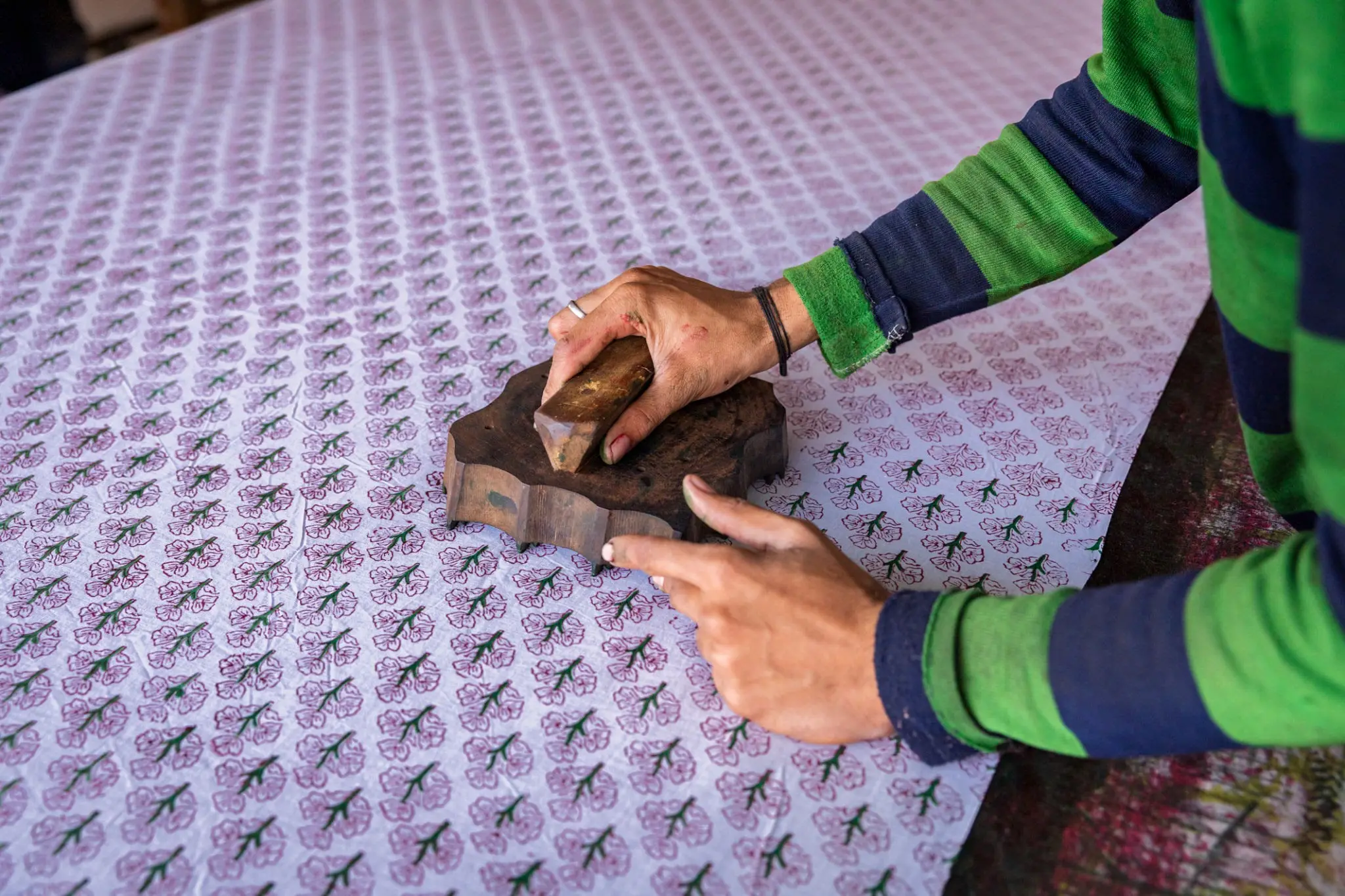
Ứng dụng của natri alginat trong nghệ thuật in khắc gỗ truyền thống bằng tay: Hướng dẫn ứng dụng
Hand block printing requires printing paste with different rheological properties from machine screen printing. This guide explains sodium alginate paste formulation for artisan block printing, including Ajrak, Bagru, and batik applications, with practical paste assessment methods for small-scale operations.

Sodium Alginate for Screen Printing: Paste Formulation, Application, and Troubleshooting
Reactive dye screen printing with sodium alginate requires correct paste formulation, viscosity control, and steaming conditions. This guide covers flat and rotary screen paste requirements, alkali timing, common production defects, and how to diagnose paste-related causes.
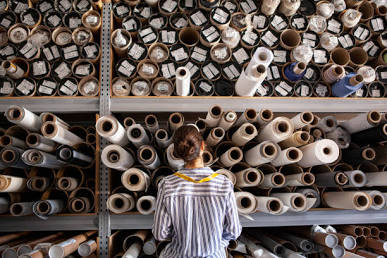
Sodium Alginate for Outdoor and Technical Fabric Printing: Heat and Climate Considerations
Hot-climate textile printing operations and outdoor-use fabric production face paste handling challenges that differ from standard conditions. This guide explains how temperature affects sodium alginate viscosity and stability, and clarifies what thickener selection can and cannot influence regarding outdoor fabric durability.
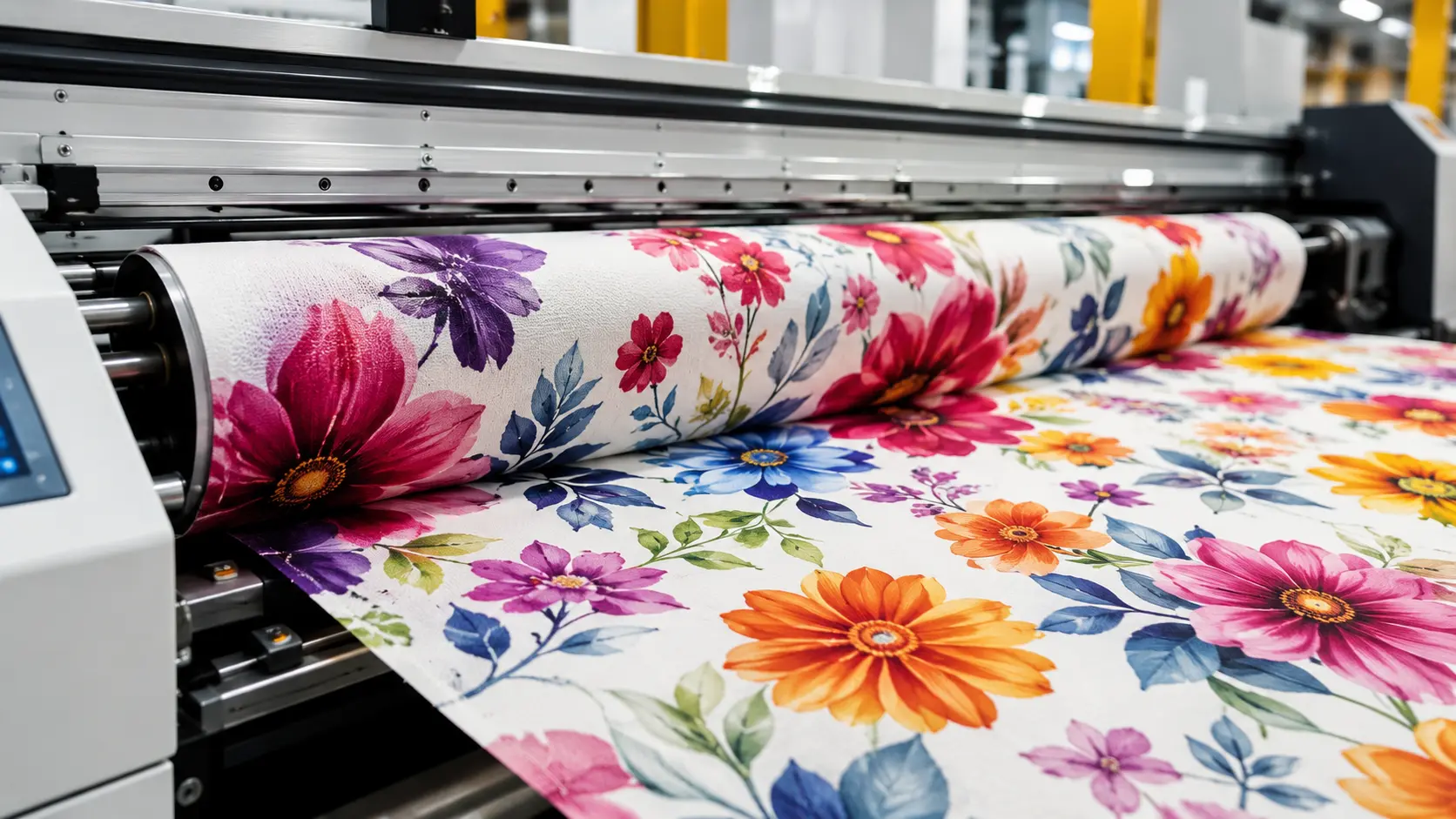
Sodium Alginate and Polyester Printing: Understanding the Limitations
Sodium alginate is the standard thickener for reactive dye printing on cotton, but it is not suitable for disperse dye printing on polyester. This guide explains why, what dye chemistry differences are involved, and what thickener types are appropriate for polyester and polyester-blend printing.

Sodium Alginate for Silk Printing: Special Requirements and Grade Selection
Silk’s protein fiber chemistry and mechanical delicacy require different paste handling than cotton. This guide explains sodium alginate’s role in silk printing, viscosity and purity considerations, and practical formulation guidance for fine fabric applications.
Sodium Alginate VS. Guar Gum In Textile Printing: A Complete Comparison
This guide provides a comprehensive comparison between sodium alginate and guar gum as thickeners in textile printing paste. While guar gum is highly efficient and cost-effective for pigment printing, sodium alginate remains the industry standard for reactive dye systems. The article explains how chemical inertness, alkaline stability, and rheological properties impact color yield, paste viscosity, and washout behavior, helping procurement and technical teams make informed decisions based on their specific dye systems and cost parameters.
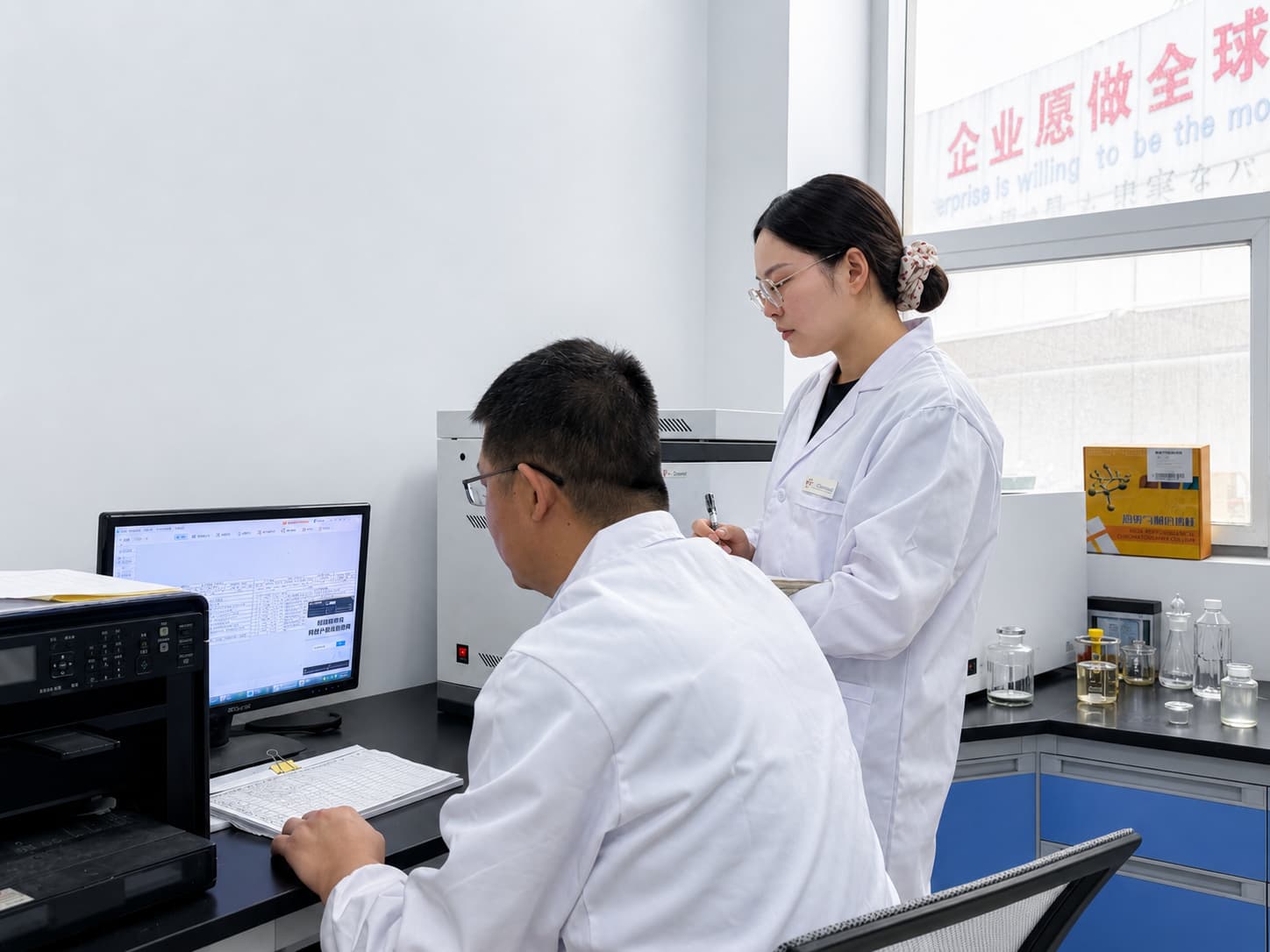
Cách đọc Bảng dữ liệu kỹ thuật (TDS) của natri alginat
Các bảng dữ liệu kỹ thuật (TDS) có sự khác biệt về định dạng và mức độ đầy đủ giữa các nhà cung cấp, và không phải mọi trường thông tin đều có tầm quan trọng như nhau đối với mọi ứng dụng. Hướng dẫn này sẽ phân tích chi tiết từng phần của một bảng dữ liệu kỹ thuật (TDS) điển hình về natri alginat, giải thích ý nghĩa của từng thông số và cách nhận diện những thiếu sót hoặc dấu hiệu cảnh báo.
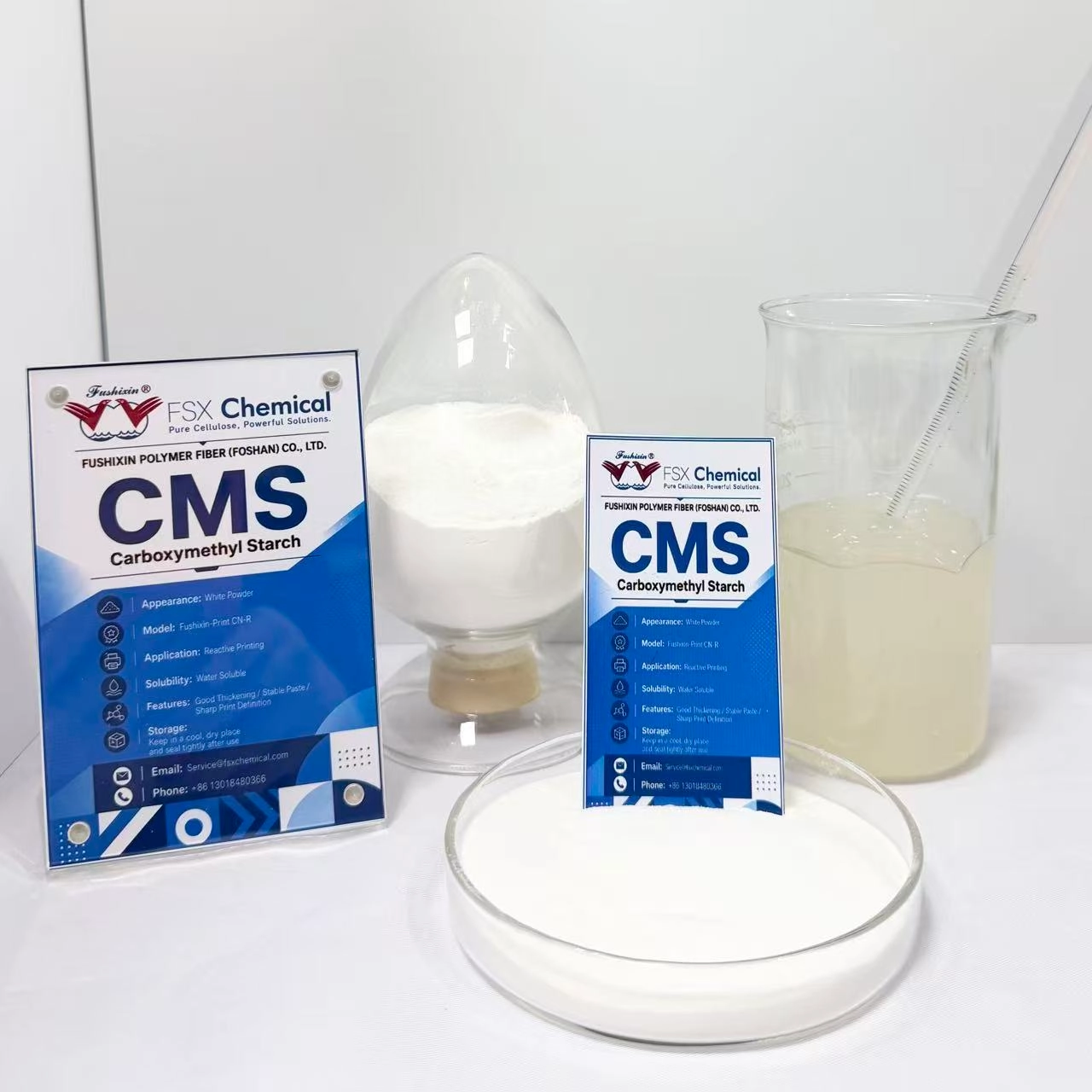
Hệ thống quản lý nội dung (CMS) cho bột in dệt may: Hướng dẫn so sánh cấp độ và kiểm tra mẫu
Chất điều chỉnh độ nhớt (CMS) dành cho mực in dệt may có thể giúp điều chỉnh độ nhớt, cải thiện khả năng thao tác với mực in và đảm bảo hiệu suất ổn định của công thức. Hướng dẫn này giải thích cách người mua có thể đánh giá các loại CMS dựa trên các tiêu chí như độ nhớt, DS, độ hòa tan, pH, độ ẩm và thử nghiệm mẫu trước khi mua số lượng lớn.
