
















Sản phẩm nổi bật: Natri alginat có độ nhớt cao dành cho thuốc nhuộm phản ứng
Natri alginat có độ nhớt cao là một chất làm đặc quan trọng trong quy trình in phản ứng truyền thống, nhưng bản thân độ nhớt không phải là yếu tố duy nhất quyết định hiệu suất. Người mua nên so sánh các yếu tố như phương pháp thử nghiệm, tính lưu biến, khả năng ngậm nước, khả năng lọc, liều lượng hiệu quả, độ sắc nét của bản in, khả năng cố định và khả năng rửa trôi trước khi lựa chọn sản phẩm thương mại.
Comparing Bulk Supply Options: FSX Chemical vs. Other Manufacturers
Bulk textile chemical sourcing should be evaluated through more than price per metric ton. Buyers should compare commercial grade suitability, sample-to-bulk continuity, batch consistency, MOQ, lead time, technical support, documentation and Total Cost in Use.
FSX Chemical Textile Printing Chemicals: Buyer Qualification Guide
FSX Chemical supplies CMC, CMS, sodium alginate and digital printing paste for different textile printing processes. This guide explains how buyers can evaluate its product coverage, grade-matching support, batch control and technical documentation before approving a bulk order.
In-Depth Product Comparison: Sodium Alginate vs. CMC in Textile Printing
Sodium alginate and CMC can both control printing-paste viscosity, but they are not interchangeable in every dye system. This guide compares their chemistry, rheology, wash-off, print performance and total cost in use, then provides a practical test protocol for supplier and grade qualification.
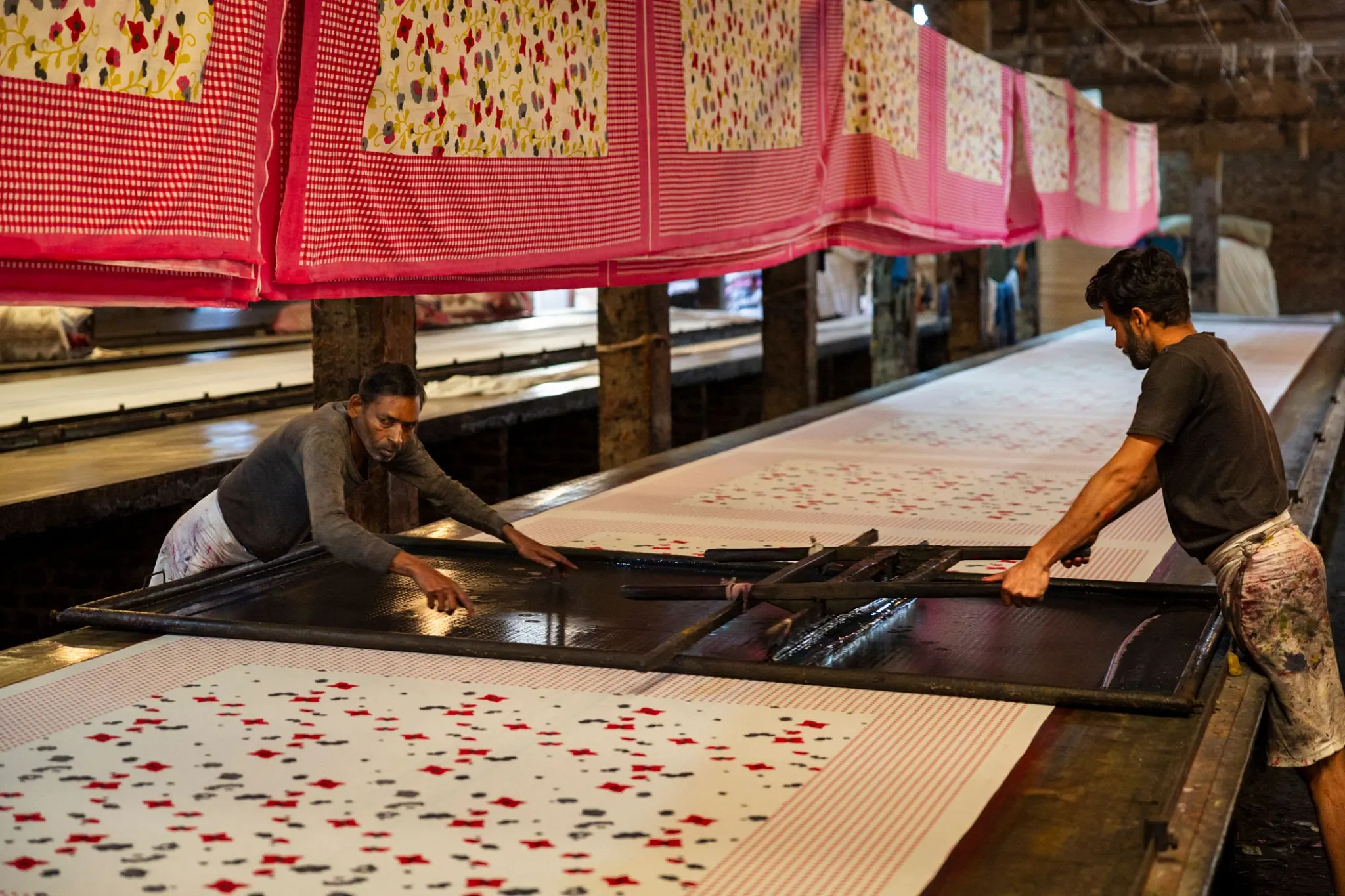
Sodium Alginate for Textile Printing: How to Choose the Right Thickener
Sodium alginate for textile printing is widely used as a thickener in reactive printing paste. This article explains its main functions, suitable applications, key purchasing parameters, and how buyers can request TDS, samples, and grade matching support before bulk orders.
Five Reasons to Source Textile Printing Chemicals Directly from Manufacturers
Direct manufacturer sourcing can improve technical communication, grade matching, batch documentation and total cost control, but it is not automatically the best route for every order. This guide explains five practical benefits, the situations where a distributor may be more suitable, and how buyers can qualify a textile printing chemical factory before purchasing.
How to Improve Color Yield and Fastness in Reactive Dye Printing
Low color yield or poor fastness in reactive dye printing rarely has a single cause. This guide explains how fabric preparation, dye selection, thickener rheology, alkali, moisture, steaming and wash-off interact, and provides a practical troubleshooting and quality-control workflow.
Reactive Digital Pretreatment: Padding and Stenter Drying Controls
Padding and stenter are often discussed as alternative reactive digital pretreatment methods, but technically they perform different functions. Padding controls liquor application and wet pick-up, while the stenter controls open-width drying, tension and fabric condition. This guide explains which route to test according to fabric, equipment and production requirements.
Wet-on-Wet vs. Dry Pretreatment for Reactive Digital Textile Printing
Công nghệ in kỹ thuật số phản ứng “ướt trên ướt” có thể giảm bớt hoặc loại bỏ giai đoạn sấy tiền xử lý, nhưng đòi hỏi phải kiểm soát chặt chẽ hơn độ ẩm của vải, quá trình khuếch tán mực và quá trình vận chuyển trên máy. Hướng dẫn này so sánh phương pháp in ở trạng thái ướt có kiểm soát với phương pháp tiền xử lý khô truyền thống dựa trên các tiêu chí: chất lượng in, độ bám dính, khả năng giặt, độ ổn định sản xuất và Tổng chi phí sử dụng.
How Fabric Pick-Up Affects Color Yield and Bleeding in Reactive Inkjet Printing
Fabric pick-up determines how much pretreatment chemistry and water actually remain on the fabric after application. Too little or excessive pick-up can change color yield, bleeding, penetration, drying and fixation. This guide explains how to measure and optimize a stable working window for reactive inkjet printing.
How Pretreatment pH Affects Reactive Digital Printing on Cotton and Viscose
Pretreatment pH affects reactive dye fixation, hydrolysis, thickener stability and finished color performance. Cotton and viscose should not automatically use the same alkaline window because pick-up, absorbency and penetration can differ.
Urea, Alkali and Anti-Reducing Salt in Reactive Digital Pretreatment: What Does Each Component Do?
Urea, alkali and anti-reducing salt perform different functions in reactive digital pretreatment. Urea supports moisture and dye mobility, alkali creates the fixation environment, and anti-reducing salt helps protect selected dye systems from reducing conditions during steaming.
