تسليط الضوء على المنتج: ألجينات الصوديوم عالية اللزوجة للأصباغ التفاعلية
High-viscosity sodium alginate is an important thickener route for conventional reactive printing, but viscosity alone...
High-viscosity sodium alginate is widely evaluated as a thickener for conventional reactive dye printing on suitable cellulosic fabrics. However, “high viscosity” is not a complete quality definition, and a higher laboratory viscosity does not automatically produce better printing. The correct grade should be selected by test method, rheology, hydration, filtration, dye compatibility, effective dosage, print definition, fixation and wash-off performance. This product spotlight explains how textile printing buyers can evaluate a high-viscosity sodium alginate grade in a technically meaningful way.
What Is High-Viscosity Sodium Alginate?
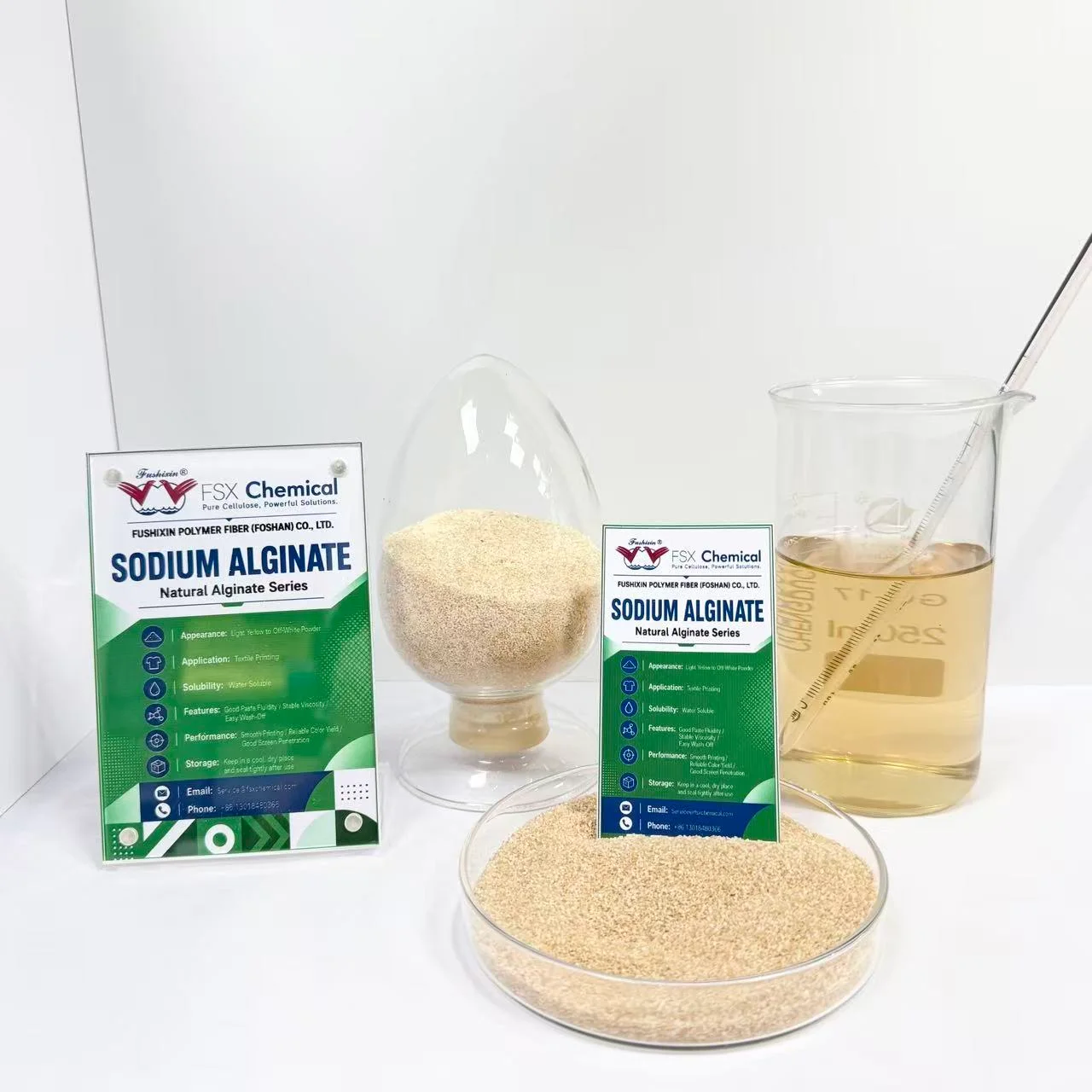
ألجينات الصوديوم is an alginate polymer derived from brown algae and is widely used as a thickener in conventional reactive textile printing.
Commercial sodium alginate grades are commonly differentiated by properties such as:
اللزوجة
تركيز الاختبار
علم الريولوجيا
الترطيب
الترشيح
Purity and processing quality
Application performance
A “high-viscosity” sodium alginate grade generally refers to a product that produces comparatively high solution viscosity under a defined test method.
However, the phrase has limited technical value unless the test method is stated.
For example, the same commercial product can produce very different viscosity values when measured at different:
Concentrations
Temperatures
Hydration times
Rotational speeds
Viscometers
This is why buyers should evaluate the exact commercial grade and test conditions rather than purchasing from the label “HV” alone.
Why Sodium Alginate Is Important in Reactive Dye Printing
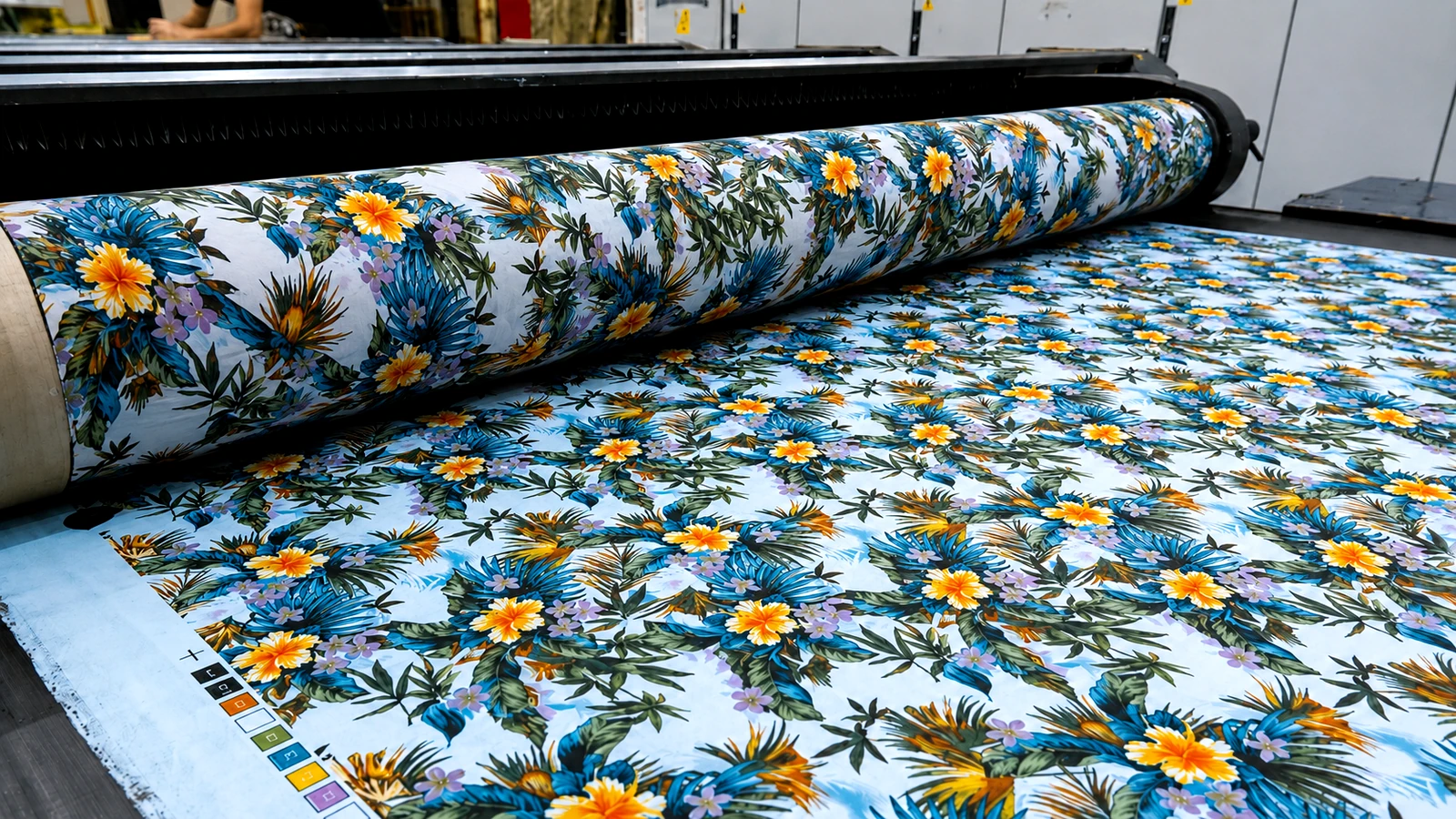
Reactive dye printing on suitable cellulosic fabrics requires a thickener that can control the printing paste while supporting dye transfer, fixation and subsequent wash-off.
Sodium alginate has become an important benchmark in this application because it can provide a useful balance between:
Paste viscosity
Shear response
مقطع من الشاشة
تعريف الطباعة
الاختراق
توافق الأصباغ التفاعلية
Fixation behavior
قابل للغسل
In a conventional reactive printing process, the sequence may include:
The sodium alginate grade influences the behavior of the paste before and during printing, but the final decision should be made only after steaming and washing.
A grade that looks excellent before fixation may still produce a less desirable finished textile after wash-off.
What Does “High Viscosity” Actually Mean?
Viscosity is one of the most important QC parameters for sodium alginate, but it should never be interpreted without the test conditions.
Before comparing two suppliers, confirm:
تركيز البوليمر
Whether the concentration is calculated on dry or as-received basis
جودة المياه
إجراءات الخلط
معدل إضافة المسحوق
وقت الترطيب
Hydration temperature
درجة حرارة القياس
Viscometer type
Spindle or rotor
سرعة الدوران
الوقت اللازم للقراءة
A value measured at 1% cannot be compared directly with a value measured at 2%.
Even two 1% measurements can differ if the instrument, temperature or rotational speed changes.
The core principle is:
A viscosity value is meaningful only when the test method is clearly defined.
Why Higher Viscosity Is Not Automatically Better
High viscosity can be useful, but it should not be treated as a universal quality ranking.
A very high-viscosity grade may allow a lower product dosage in some formulations, but it may also change:
Hydration behavior
Mixing load
مقطع من الشاشة
Paste flow
الاختراق
Surface hold-out
The correct grade should therefore provide the required balance rather than the highest possible number.
Same viscosity does not mean the same printing performance.
Likewise:
Higher viscosity does not automatically mean better printing performance.
Two high-viscosity grades can still differ significantly in rheology, filtration, color response and wash-off.
Seven Performance Factors to Evaluate Beyond Viscosity
1. Hydration
The powder should hydrate predictably under the customer’s normal preparation method.
تقييم:
Powder wetting
Lump formation
وقت الترطيب
Final uniformity
2. Filtration
Filtration performance matters because poorly hydrated particles or gel defects can create downstream printing problems.
3. Rheology
Printing paste is exposed to changing shear conditions during pumping, screen transfer and squeegee movement.
A single viscosity number cannot describe this behavior completely.
4. Screen Passage
The paste should pass through the screen smoothly without unnecessary blockage or cleaning frequency.
5. Print Definition
Evaluate both:
Fine lines and small details
Large solid areas
A good thickener should provide appropriate edge control without creating undesirable penetration or surface behavior.
6. Color Performance
Color should be evaluated after the complete reactive dye fixation and washing process.
7. Batch Consistency
Repeat commercial shipments should remain within a technically useful range so the customer does not need to repeatedly redesign the formula.
How to Evaluate Effective Dosage
High-viscosity grades are sometimes attractive because they may achieve the required paste body at a lower concentration than a lower-viscosity grade.
However, this should be proven by testing rather than assumed.
A useful dosage trial may compare several candidate levels while keeping the rest of the printing formula constant.
At each dosage, record:
لزوجة اللصق الكامل
مقطع من الشاشة
تعريف الطباعة
الاختراق
معدل إنتاج الألوان
التثبيت
قابل للغسل
The objective is to find the lowest technically suitable dosage, not simply the lowest concentration that produces an acceptable laboratory viscosity.
This distinction matters because the commercial comparison should be based on:
Product Price × Optimized Effective Dosage
rather than price per kilogram alone.
High vs Medium vs Low Viscosity: When Should HV Be Selected?
High-, medium- and low-viscosity sodium alginate grades should not be treated as a quality ladder where HV is automatically premium and LV is automatically inferior.
They are different formulation tools.
A high-viscosity grade may be attractive when the customer wants to achieve the required paste body at a relatively low sodium alginate concentration, provided that hydration, screen passage and print behavior remain suitable.
A medium-viscosity grade may offer a useful balance when the printing formula benefits from easier handling, broader dosage flexibility or a different rheological profile.
A lower-viscosity grade may also be technically appropriate in formulations where the target viscosity is built through a higher product concentration or where the overall paste design requires different flow behavior.
Grade Direction
Potential Reason to Evaluate
What Must Still Be Verified
لزوجة عالية
Higher viscosity efficiency and possible dosage optimization
Hydration, filtration, screen passage, rheology, print definition and finished-fabric result
لزوجة متوسطة
Balanced formulation flexibility and process handling
Effective dosage, color performance, penetration and production stability
لزوجة منخفضة
Useful in selected formulations requiring different concentration or flow behavior
Total solids, dosage, rheology, screen performance and Total Cost in Use
The correct comparison should therefore use the same reactive dye formulation and finished-fabric evaluation rather than simply comparing the labels HV, MV and LV.
This article focuses on high-viscosity sodium alginate because it is an important commercial route for reactive printing, but the final selection should remain application-specific.
Rheology, Screen Passage and Print Definition
Conventional textile printing requires a paste that changes its flow behavior under shear and then recovers sufficiently after transfer.
If the paste is too resistant to flow, possible issues can include:
Poor transfer
High squeegee resistance
المناطق الصلبة غير المتساوية
If the paste flows too easily or recovers too slowly, possible issues can include:
Excessive spreading
Loss of edge definition
Uncontrolled penetration
For this reason, a high-viscosity alginate should be evaluated by how it behaves under actual printing conditions.
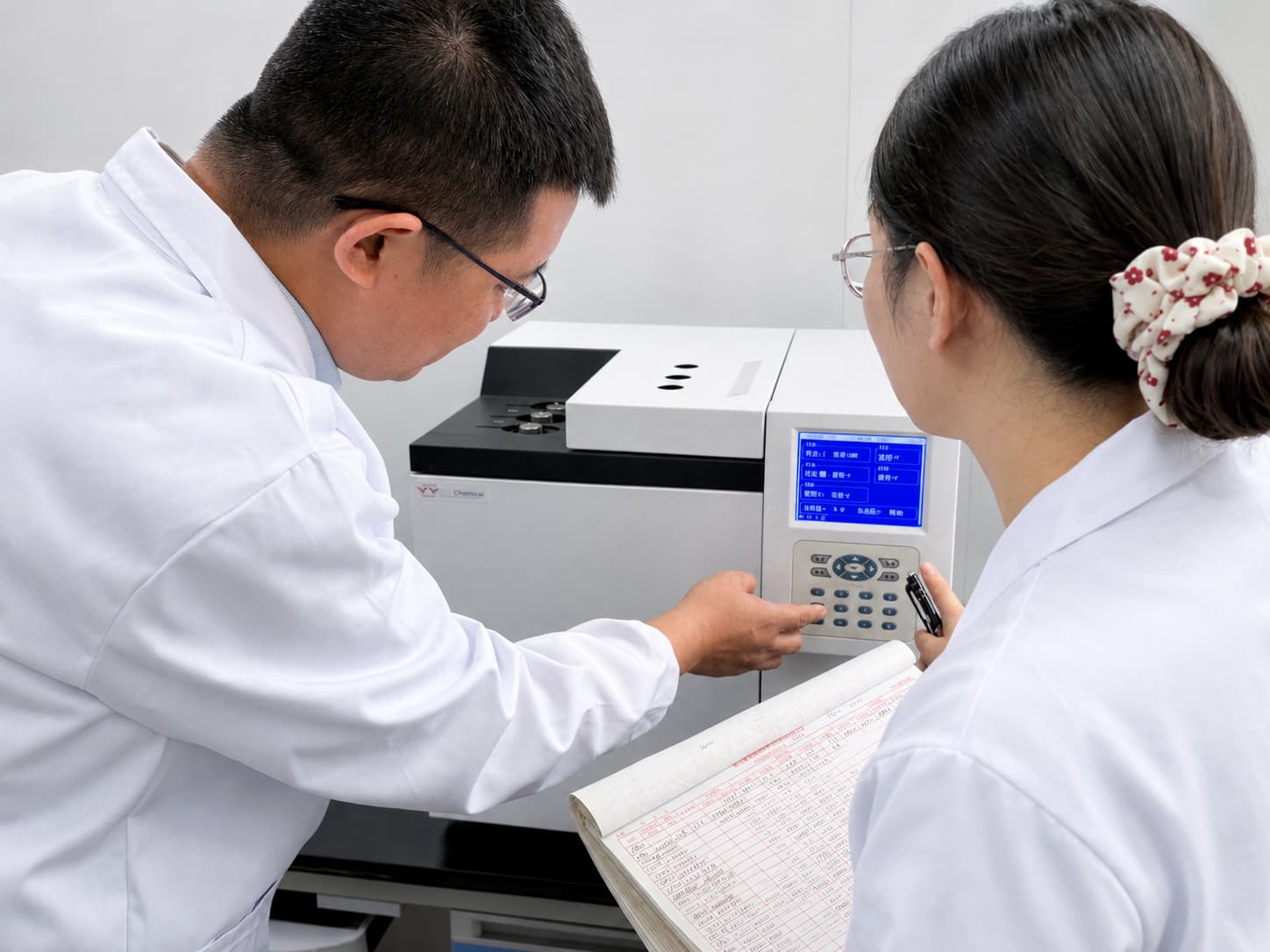
If laboratory equipment is available, multi-speed viscosity testing or rheology measurement can provide more information than one single-speed reading.
Reactive Dye Compatibility, Fixation and Wash-Off
A sodium alginate grade used for reactive printing must be evaluated inside the complete printing paste.
The formulation may contain:
Reactive dyes
Alkali
اليوريا
Salt or other auxiliaries
Anti-reducing or process-control agents
These components can change the viscosity and rheology of the paste.
Therefore, a supplier sample should not be approved from water viscosity alone.
The complete test should continue through:
Paste preparation
الطباعة
التجفيف
الطهي بالبخار
الغسيل
Finished fabric evaluation
Key observations include:
Color depth
الحدة
الاختراق
الاستواء
نظافة الخلفية
Wash-off behavior
This full-process evaluation is more important than the dry-powder viscosity label.
Laboratory Evaluation Workflow
Step 1: Define the Current Benchmark
Record the current sodium alginate supplier, commercial grade, TDS, dosage and viscosity method.
Step 2: Standardize the Test Method
Use the same:
التركيز
الماء
الخلط
وقت الترطيب
درجة الحرارة
Viscometer settings
Step 3: Compare Stock Properties
تقييم:
المظهر
الترطيب
اللزوجة
الترشيح
قيمة الرقم الهيدروجيني، عند الاقتضاء
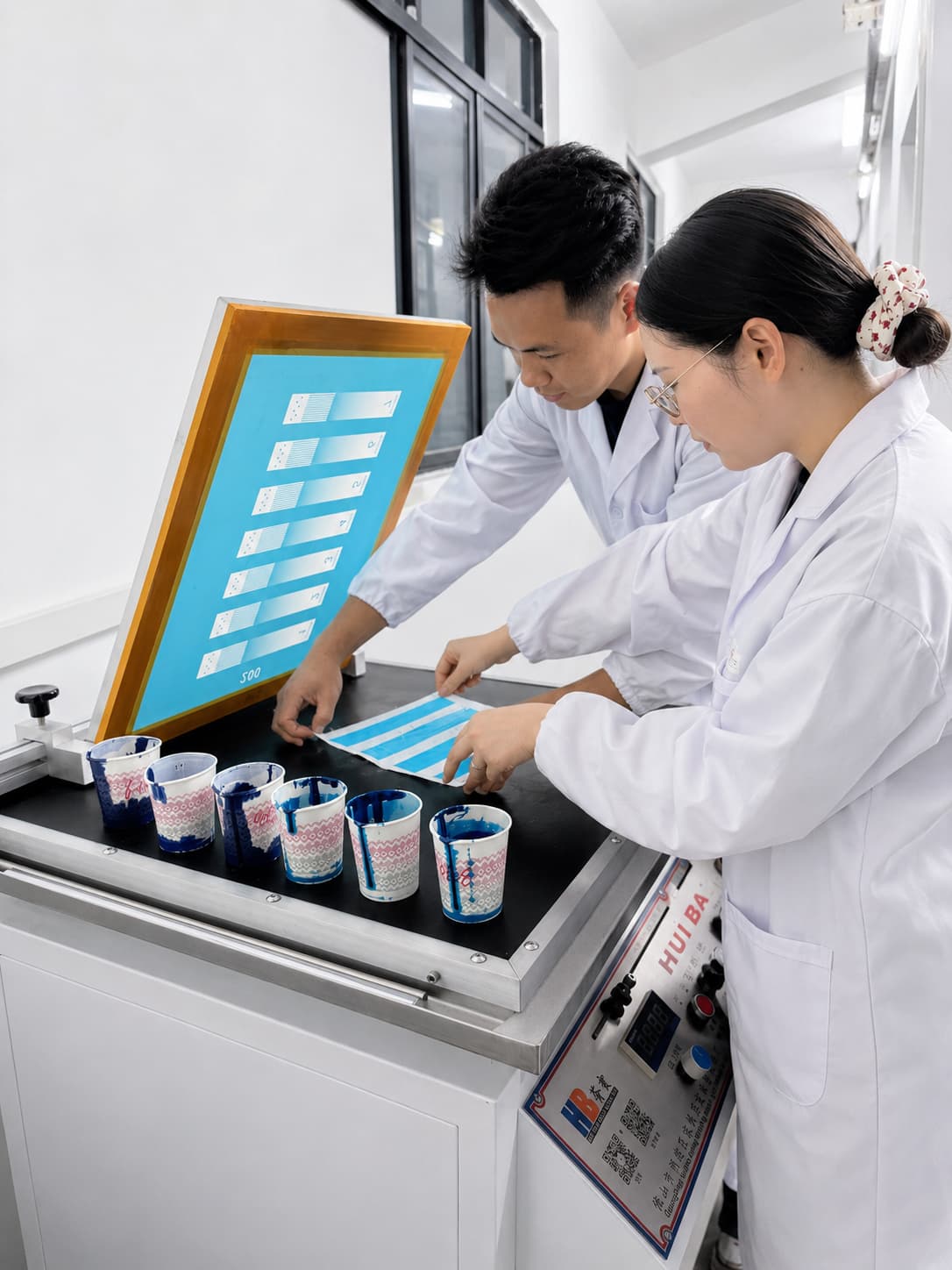
Step 4: Prepare the Complete Reactive Paste
Use the customer’s actual dyes and auxiliaries.
Step 5: Check Holding Stability
Record changes in viscosity, foam, separation and appearance after the intended holding period.
Step 6: Print the Actual Fabric
Use a test design containing:
Fine lines
Sharp edges
Small details
Solid areas
Step 7: Complete Steaming and Washing
Use the same process as normal production as closely as practical.
Step 8: Evaluate the Finished Textile
Compare color, definition, penetration, wash-off and background cleanliness.
Step 9: Optimize Dosage
Do not assume the new grade must be used at exactly the same concentration as the current one.
Step 10: Run a Production Trial
Only candidates that pass the laboratory stage should move to machine-scale validation.
How to Compare High-Viscosity Sodium Alginate Suppliers
A professional supplier comparison should include more than quotation price.
Ask each supplier for:
درجة تجارية دقيقة
TDS
SDS
Viscosity test method
شروط التحضير الموصى بها
Recommended dosage range
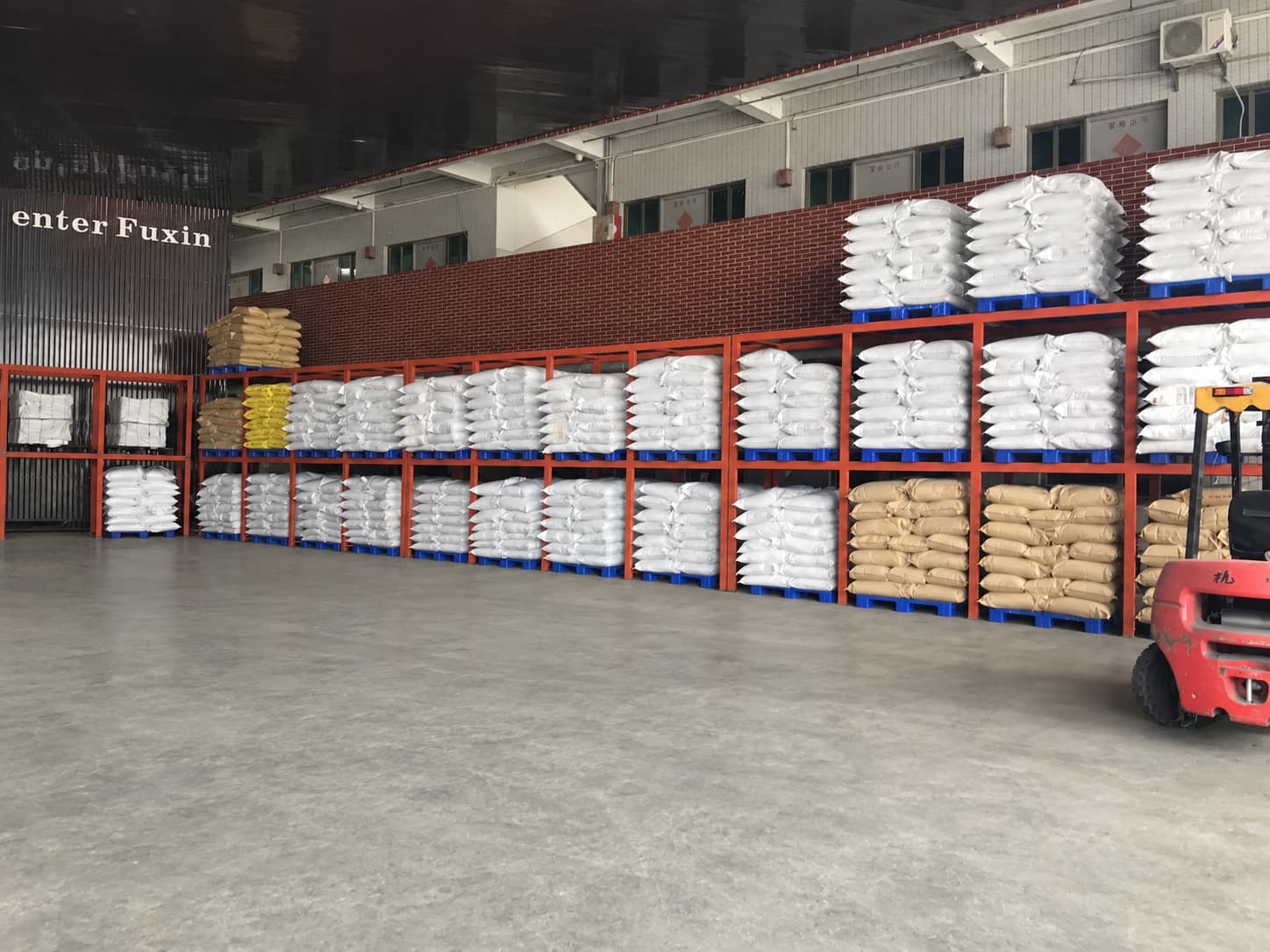
عينة تمثيلية
Batch-specific COA or quality data where appropriate
ثم قارن بين:
Sample-to-bulk continuity
اتساق الدُفعات
Technical communication
Application support
Supply capacity
Lead time
A supplier that offers the highest viscosity number is not automatically the best supplier.
The better supplier is the one that can repeatedly deliver the approved commercial grade with clear specifications and useful technical support.
How to Compare Total Cost in Use
High-viscosity sodium alginate should be evaluated commercially after the effective dosage has been optimized.
Compare:
سعر المنتج المُسلَّم
الجرعة الفعالة
وقت الترطيب
Mixing labor
فقدان الترشيح
تنظيف الشاشة
نفايات المعجون
فترة توقف الماكينة
Color performance
Washing impact
القماش المرفوض
A practical model is:
Total Cost in Use = Delivered Product Cost + Effective Dosage + Preparation Cost + Process Loss + Downtime + Washing Impact + Quality Loss
This is more meaningful than comparing price per kilogram alone.
When a High-Viscosity Grade May Be a Good Fit
A high-viscosity sodium alginate grade may be worth evaluating when the customer needs:
Higher viscosity efficiency at a controlled dosage
A reactive printing benchmark for cellulosic fabrics
Stable screen-printing paste behavior
Strong fine-line definition
A candidate for dosage optimization
However, the correct selection still depends on:
Dye system
القماش
آلة الطباعة
Screen conditions
Formula
الطهي بالبخار
الغسيل
In some cases, a medium-viscosity or lower-viscosity grade may provide a better balance for the production process.
This is why grade selection should be application-specific rather than based on a general ranking of HV, MV and LV.
الأخطاء الشائعة في عملية الاختيار
Mistake 1: Selecting the Highest Viscosity Available
Higher viscosity does not automatically improve print quality.
Mistake 2: Comparing 1% and 2% Viscosity Values Directly
Different concentrations create different measurement results.
Mistake 3: Ignoring Rheology
A single viscosity number does not describe flow under printing shear.
Mistake 4: Approving from Water Testing Only
The complete reactive paste may behave differently.
Mistake 5: Evaluating Before Washing
Finished reactive printing performance must be judged after fixation and wash-off.
Mistake 6: Assuming the New Grade Must Use the Same Dosage
Each candidate should be optimized.
Mistake 7: Comparing Suppliers by Price Alone
Effective dosage, consistency and production losses can change the real cost.
How Should Buyers Select a High-Viscosity Sodium Alginate Grade?
The most reliable selection process is:
Current Benchmark → Defined Viscosity Method → Candidate Grade → Stock Test → Complete Reactive Paste → Fabric Printing → Steaming → Washing → Dosage Optimization → Production Trial
The three most important principles are:
High viscosity is a grade characteristic, not a universal quality ranking.
Same viscosity does not mean the same printing performance.
The final decision should be based on finished fabric and Total Cost in Use.
This approach helps buyers identify a sodium alginate grade that fits the actual reactive printing process rather than simply choosing the highest number on a TDS.
الأسئلة الشائعة
1. What is high-viscosity sodium alginate?
It is a sodium alginate grade that produces comparatively high solution viscosity under a defined test method. The exact meaning depends on concentration, temperature, hydration and measurement conditions.
2. Is high-viscosity sodium alginate better for reactive printing?
Not automatically. The best grade depends on the printing formula, fabric, screen, dosage, fixation and washing process.
3. Why is sodium alginate used with reactive dyes?
Sodium alginate is a common benchmark thickener for conventional reactive printing because it can provide a useful balance of rheology, print definition, penetration, fixation and wash-off under suitable conditions.
4. Does higher viscosity allow lower dosage?
It may in some formulations, but this should be confirmed through dosage optimization. Lower dosage should not be assumed from viscosity alone.
5. Can two high-viscosity sodium alginate grades be directly compared?
Only after the viscosity methods are aligned. Even then, complete printing performance should be tested because similar viscosity does not guarantee similar rheology or print results.
6. What viscosity test information should I request?
Ask for concentration, water conditions, hydration procedure, temperature, viscometer, spindle or rotor, rotational speed and reading time.
7. How should I test a new sodium alginate supplier?
Obtain the exact commercial grade, TDS and representative sample, then run standardized stock tests, complete-paste evaluation, printing, steaming and washing before production approval.
8. Can CMC or CMS replace high-viscosity sodium alginate?
Selected CMC, CMS or compound systems can be evaluated in suitable applications, but a universal one-to-one replacement should not be assumed. Complete formulation testing is required.
9. What is more important: viscosity or rheology?
Both matter, but rheology provides additional information about how the paste behaves under changing shear conditions during printing.
10. How do I compare sodium alginate prices correctly?
Compare delivered price together with optimized dosage, preparation, filtration, machine stability, washing and quality losses using a Total Cost in Use approach.
11. Should sodium alginate be evaluated after washing?
Yes. Reactive printing should be assessed after fixation and wash-off because the finished fabric is the real production result.
12. What information should I send for sodium alginate grade matching?
Provide your current grade or TDS, viscosity method, dosage, reactive dye system, fabric, printing method, steaming and washing conditions, and current technical or commercial target.
Evaluate a High-Viscosity Sodium Alginate Grade with FSX Chemical
If you are comparing sodium alginate suppliers or looking for a high-viscosity grade for reactive printing, FSX Chemical can help identify a technically relevant candidate for controlled testing.
For more accurate matching, send us:
Your current sodium alginate grade or TDS
عينة مادية، إن توفرت
Current viscosity and test method
الجرعة الحالية
Reactive dye system
نوع القماش
صيغة الطباعة
Screen-printing conditions
Steaming and washing process
Current quality or cost target
ابدأ بـ العينات والمطابقة to establish a controlled side-by-side comparison.
The objective is not to select the highest-viscosity sodium alginate available. The objective is to select the grade that delivers the required reactive printing performance at an optimized and repeatable production dosage.
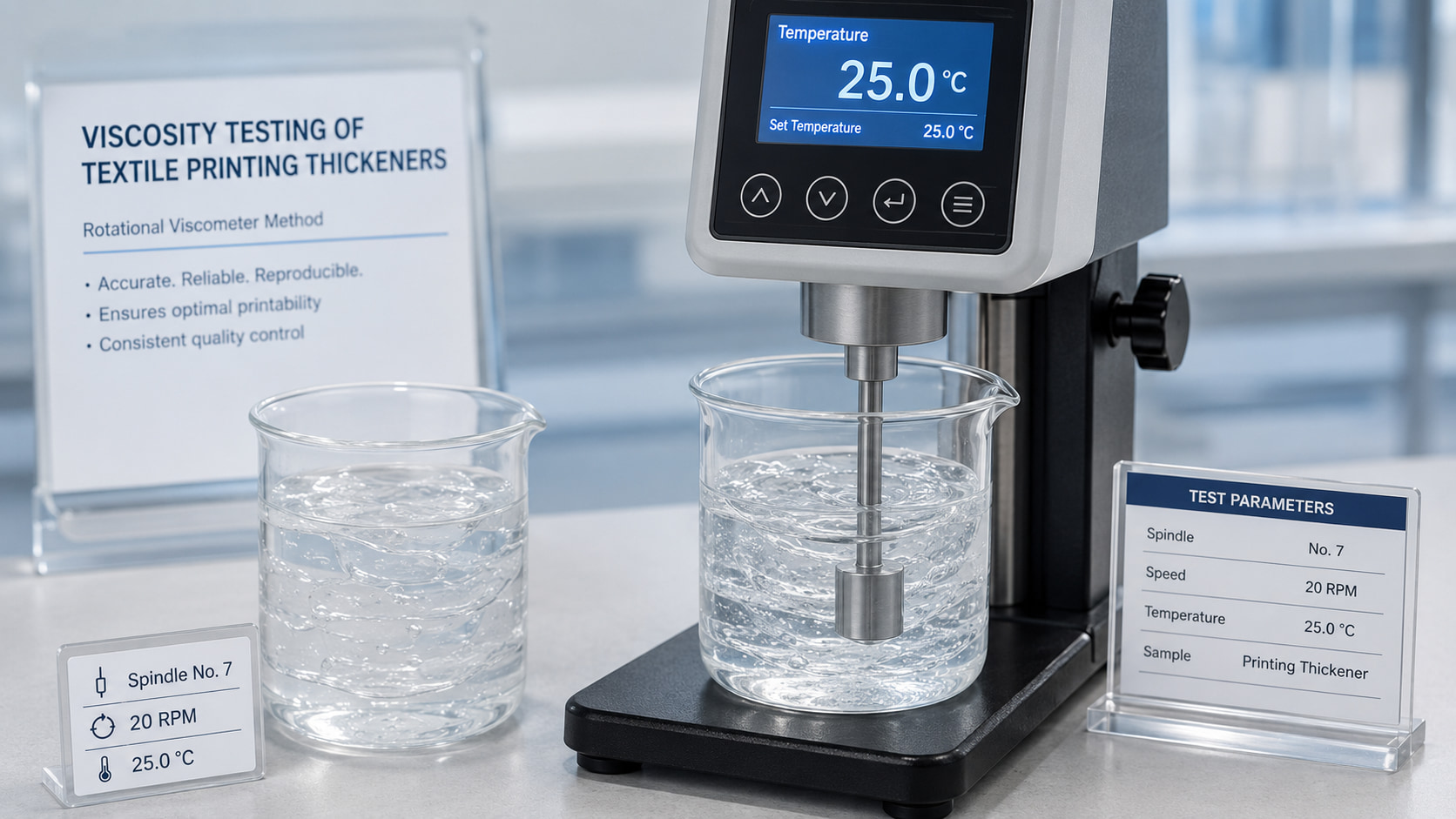
تعرف على السبب الذي يجعل من المستحيل مقارنة قيم لزوجة مكثفات الطباعة النسيجية دون مطابقة كل من التركيز، ودرجة الحرارة، والجهاز المستخدم، والمغزل، والسرعة، وطريقة التحضير، ووقت الاختبار.
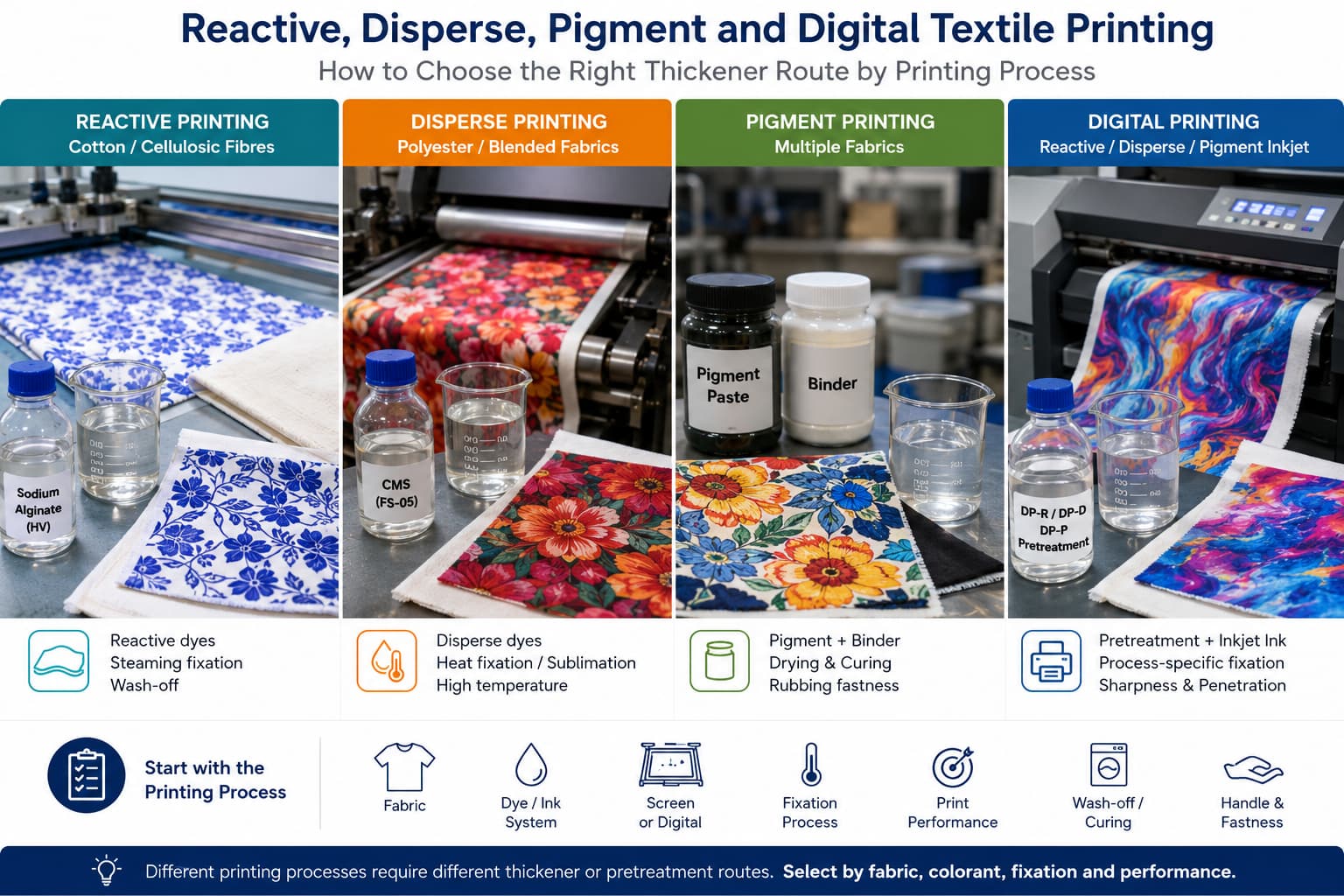
تعرف على كيفية اختيار المُكثِّف وطرق المعالجة المسبقة للطباعة النسيجية التفاعلية، والطباعة بالتشتت، والطباعة بالصبغات، والطباعة الرقمية، بناءً على متطلبات النسيج، والصبغة أو الحبر، والتثبيت، وقابلية الغسل، وجودة الطباعة.
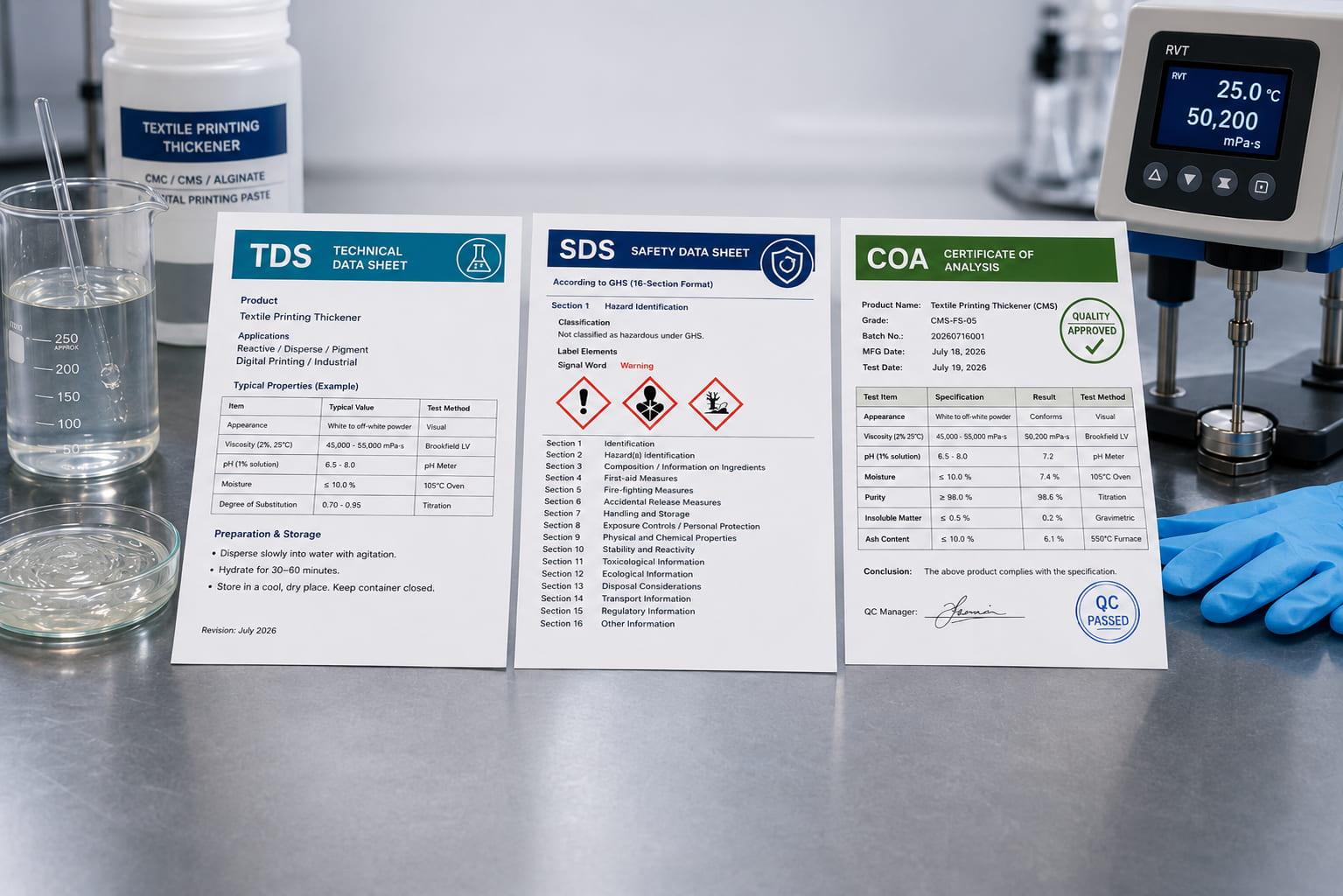
تعرف على الفرق بين مستندات TDS وSDS وCOA، وما يجب على مشتري منتجات طباعة المنسوجات التحقق منه، وكيفية مراجعة المواصفات وبيانات السلامة وطرق الاختبار ونتائج الدُفعات والجهات المصدرة للمستندات.
قارن بين CMC وCMS وألجينات الصوديوم ومعجون الطباعة الرقمية المستخدمة في طباعة المنسوجات. تعرف على مدى ملاءمة كل خيار لعمليات الطباعة التفاعلية، والطباعة بالتشتت، والطباعة بالصبغات، والطباعة الرقمية، وما يجب على المشترين مراجعته قبل اختبار العينات، ومطابقة الدرجات، والشراء بالجملة.
يُستخدم ألجينات الصوديوم على نطاق واسع في طباعة المنسوجات كمكثف مستقر وقابل للغسل لمعجون الطباعة التفاعلي. تعرف على كيفية تقييم درجة اللزوجة والنقاء ومدى ملاءمة الاستخدام قبل الشراء، وكيف تدعم شركة FSX Chemical المشترين العالميين من خلال توفير البيانات الفنية والعينات.
يُستخدم كربوكسي ميثيل السليلوز (CMC) على نطاق واسع في عمليات الطباعة والتحجيم والصباغة للمنسوجات. سيشرح هذا الدليل كيفية تقييم درجات جودة CMC، والمعايير الأكثر أهمية، وكيف يمكن لشركة FSX Chemical دعم قرارات الشراء.
يُستخدم كل من ألجينات الصوديوم وCMC كمكثفات في طباعة المنسوجات، لكنهما يناسبان أنظمة صبغ وظروف معالجة مختلفة. يشرح هذا الدليل الاختلافات الرئيسية بينهما ومتى يتم استخدام كل منهما.
تختلف متطلبات المعجون والمعالجة المسبقة في الطباعة الرقمية بنفث الحبر على المنسوجات عن تلك الخاصة بالطباعة بالشاشة الحريرية. يشرح هذا الدليل كيفية استخدام ألجينات الصوديوم في الطباعة الرقمية على المنسوجات، والمعايير التي يجب على فرق المشتريات تحديدها فيما يتعلق بدرجات الجودة.
يُعد التحضير الصحيح للمادة اللزجة أمرًا لا يقل أهمية عن اختيار الدرجة في طباعة المنسوجات بالأصباغ التفاعلية. يتناول هذا الدليل طرق إذابة ألجينات الصوديوم، ونطاقات التركيز حسب الاستخدام، وظروف التخزين، وكيفية معالجة المشكلات الشائعة في عملية التحضير.
Assess sodium alginate in reactive-printing wastewater using measured COD load, product-specific biodegradation evidence and controlled process comparisons. Includes a buyer checklist and illustrative load calculation.
يؤثر معدل تثبيت الصبغة بشكل مباشر على إنتاجية اللون، وثبات الألوان عند الغسيل، وحجم مياه الصرف في الطباعة بالصبغات التفاعلية. يشرح هذا الدليل كيف يدعم ألجينات الصوديوم عملية تثبيت الصبغة، وما هي معلمات معجون الصبغة التي تؤثر على معدل التثبيت، وكيفية معالجة مشكلة انخفاض معدل التثبيت أثناء الإنتاج.
يؤثر حجم جزيئات ألجينات الصوديوم (المش) على سرعة ذوبان المسحوق، ومدى توزيعه المتساوي عند الترطيب، وأداء المعجون الناتج في الطباعة بالشاشة الحريرية. يشرح هذا الدليل الآثار العملية لمواصفات المش في تطبيقات معجون طباعة المنسوجات.
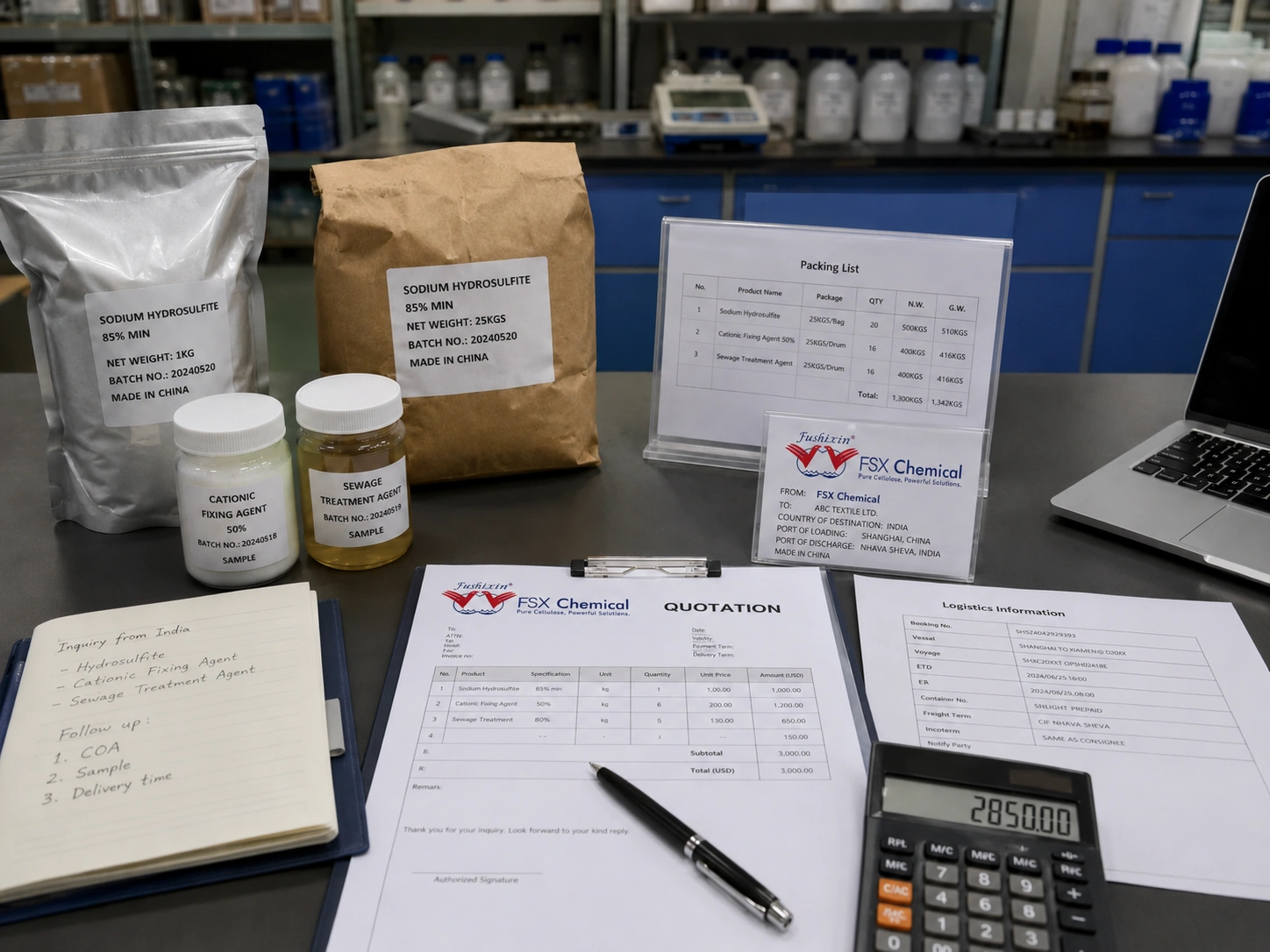
يرجى إرسال اسم المنتج، والتطبيق، والكمية، والوجهة، وأي بيانات تقنية (TDS)،
أو صورة عينة أو مستند متوفر لديكم بالفعل. وستقوم شركة FSX Chemical بمراجعة
هذه المعلومات وتقديم توصية بشأن الخطوة التالية سواء كانت تقديم عرض أسعار، أو مطابقة العينة،
أو اختيار المنتج.
معلومات عن المنتجاسم المنتج، الدرجة، الطراز، صورة الملصق أو مرجع المورد.
الوثائق المتاحةTDS، SDS، COA، صورة العينة، قائمة المنتجات أو بيانات الاختبار.
تفاصيل الطلبالكمية التقديرية، والتعبئة، وبلد المقصد، والميناء، أو الشروط التجارية.
الطلب أو المشكلةعملية طباعة المنسوجات، متطلبات التركيبة، المشكلات الحالية أو الأداء المستهدف.