
 AR
AR  EN
EN  BN
BN  ES
ES  TR
TR  FR
FR  ID
ID  RU
RU  UR
UR 
Global Printing Industry Transformation Spurs New Demand for Thickeners
Regionally Customized Solutions to Precisely Address Market Pain Points
Global Service System to Strengthen Cooperation Barriers

From the precision of digital printing to the environmental protection of reactive printing, FSXChemical uses diverse products such as the water-soluble sodium alginate thickener for textile pigment printing slurry to interpret the concept of “global standards, local customization”. For region-specific solutions, please contact FSXChemical’s global service team directly📧 البريد الإلكتروني: Service@fsxchemical.com
مقالات ذات صلة
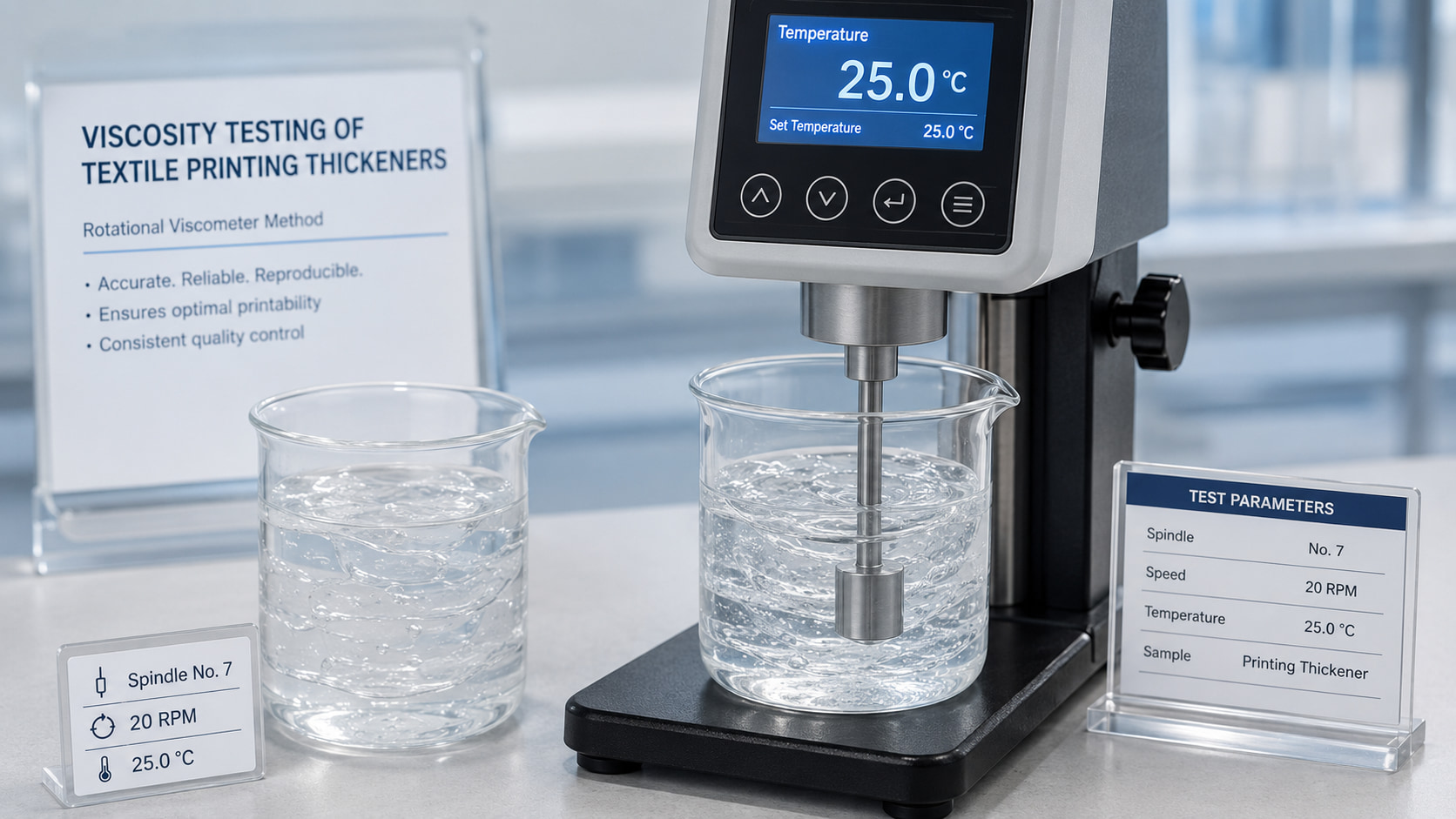
كيفية مقارنة طرق اختبار لزوجة مكثفات طباعة المنسوجات

تعرف على السبب الذي يجعل من المستحيل مقارنة قيم لزوجة مكثفات الطباعة النسيجية دون مطابقة كل من التركيز، ودرجة الحرارة، والجهاز المستخدم، والمغزل، والسرعة، وطريقة التحضير، ووقت الاختبار.
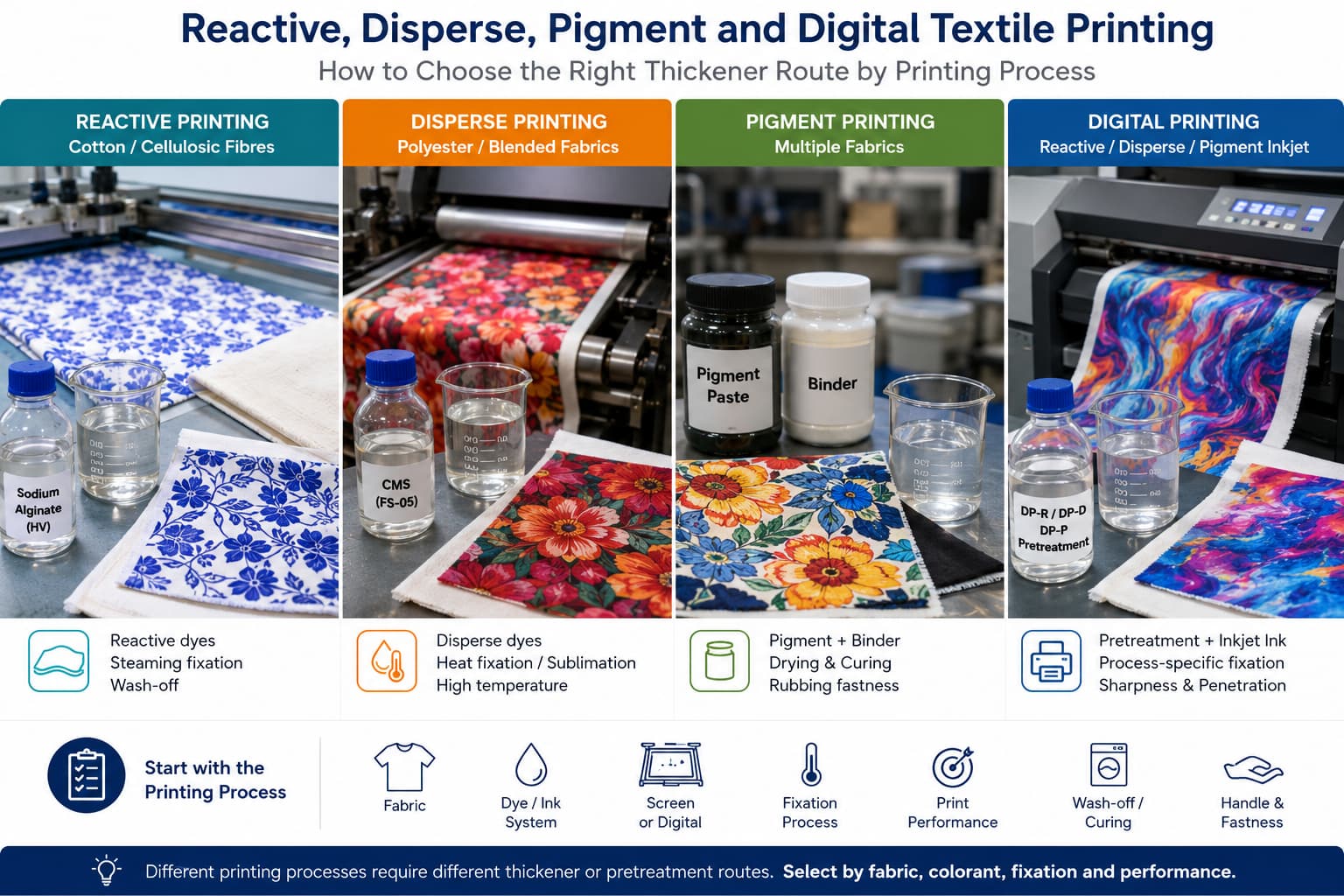
الطباعة النسيجية التفاعلية، والمشتتة، والصبغية، والرقمية: كيفية اختيار طريقة المكثف المناسبة
تعرف على كيفية اختيار المُكثِّف وطرق المعالجة المسبقة للطباعة النسيجية التفاعلية، والطباعة بالتشتت، والطباعة بالصبغات، والطباعة الرقمية، بناءً على متطلبات النسيج، والصبغة أو الحبر، والتثبيت، وقابلية الغسل، وجودة الطباعة.
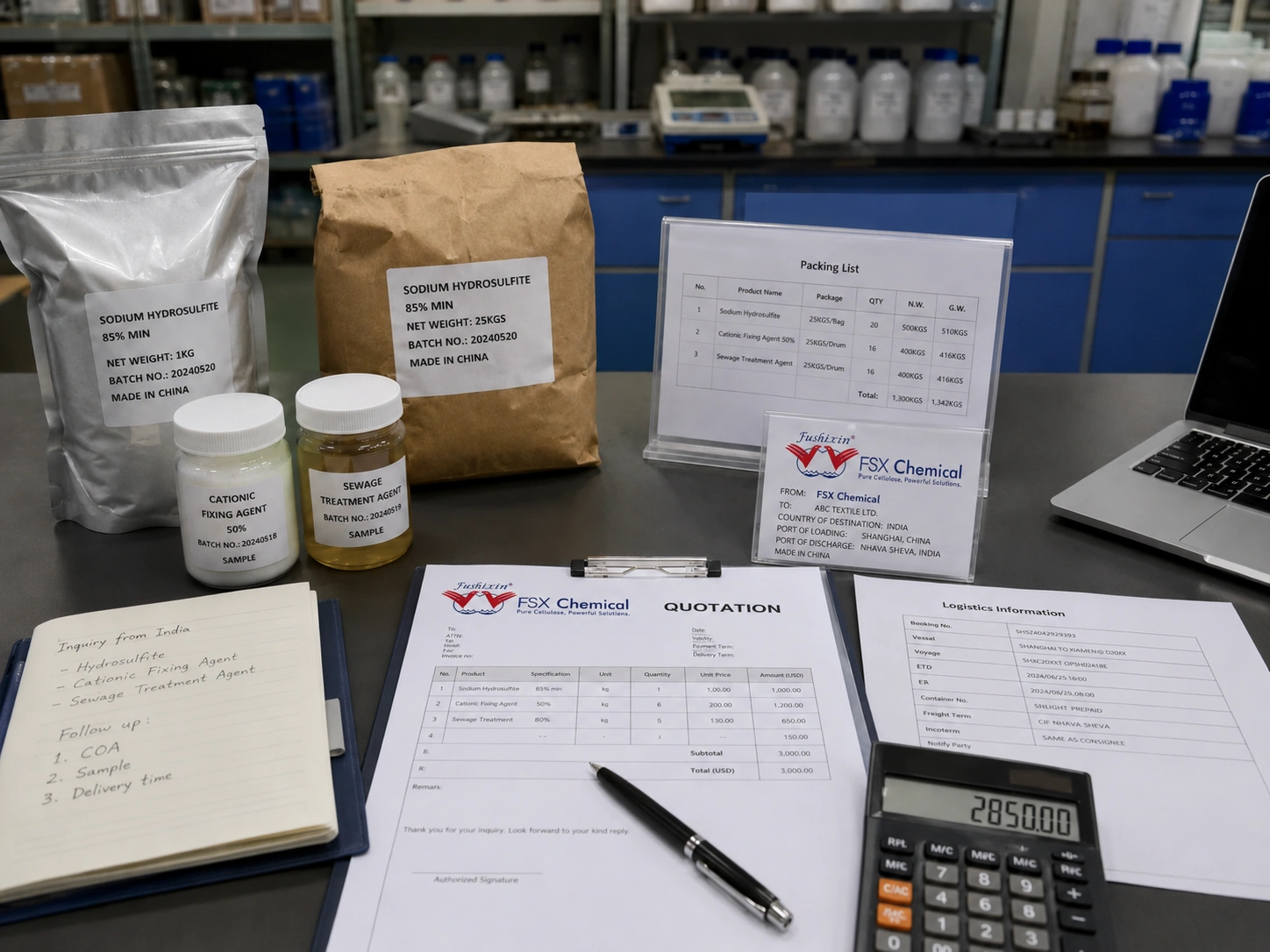
CMC مقابل CMS مقابل ألجينات الصوديوم مقابل معجون الطباعة الرقمية: دليل عملي للاختيار
قارن بين CMC وCMS وألجينات الصوديوم ومعجون الطباعة الرقمية المستخدمة في طباعة المنسوجات. تعرف على مدى ملاءمة كل خيار لعمليات الطباعة التفاعلية، والطباعة بالتشتت، والطباعة بالصبغات، والطباعة الرقمية، وما يجب على المشترين مراجعته قبل اختبار العينات، ومطابقة الدرجات، والشراء بالجملة.
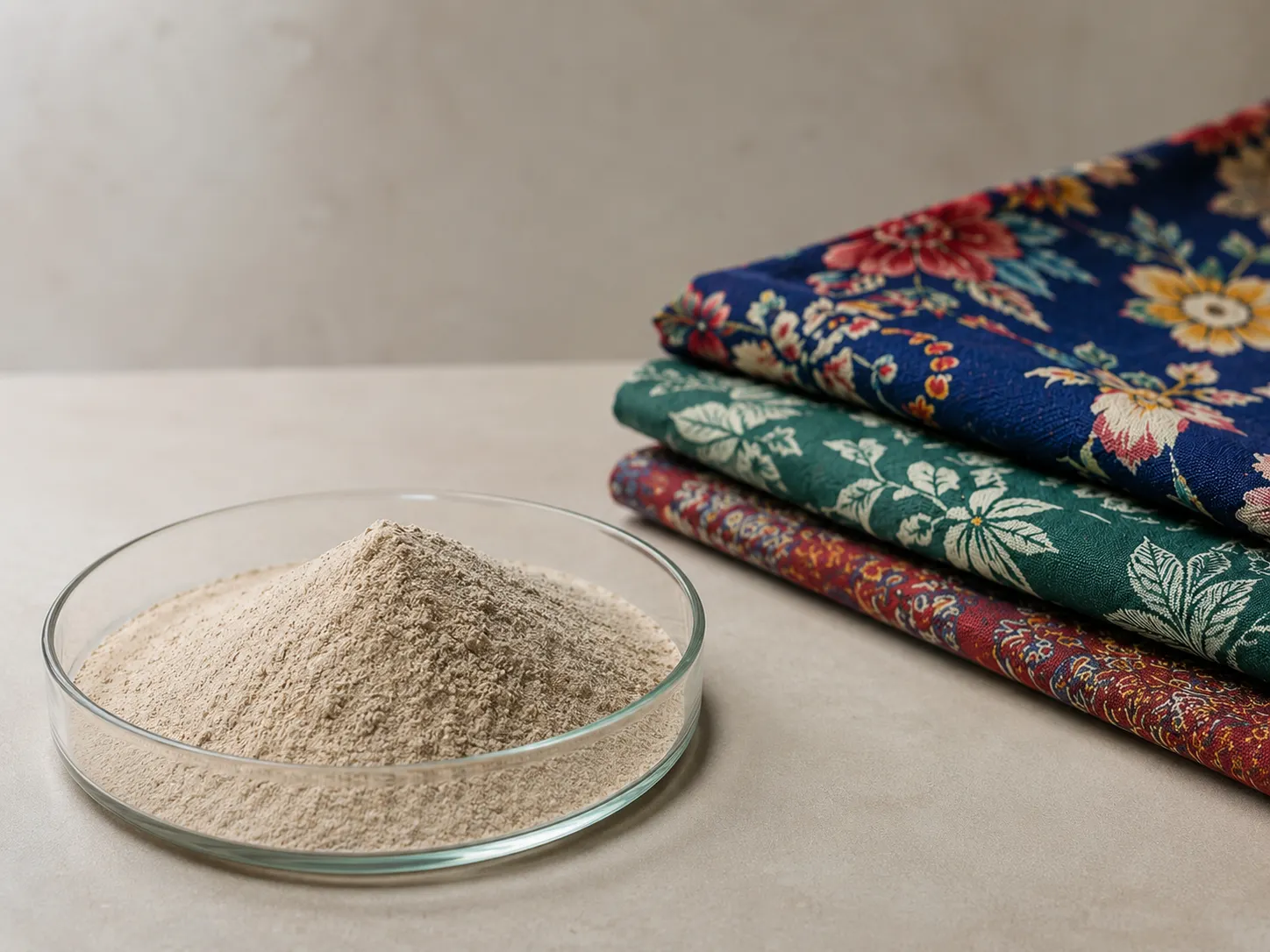
ألجينات الصوديوم في طباعة المنسوجات: دليل اختيار وتطبيق المُكثِّفات
يُستخدم ألجينات الصوديوم على نطاق واسع في طباعة المنسوجات كمكثف مستقر وقابل للغسل لمعجون الطباعة التفاعلي. تعرف على كيفية تقييم درجة اللزوجة والنقاء ومدى ملاءمة الاستخدام قبل الشراء، وكيف تدعم شركة FSX Chemical المشترين العالميين من خلال توفير البيانات الفنية والعينات.
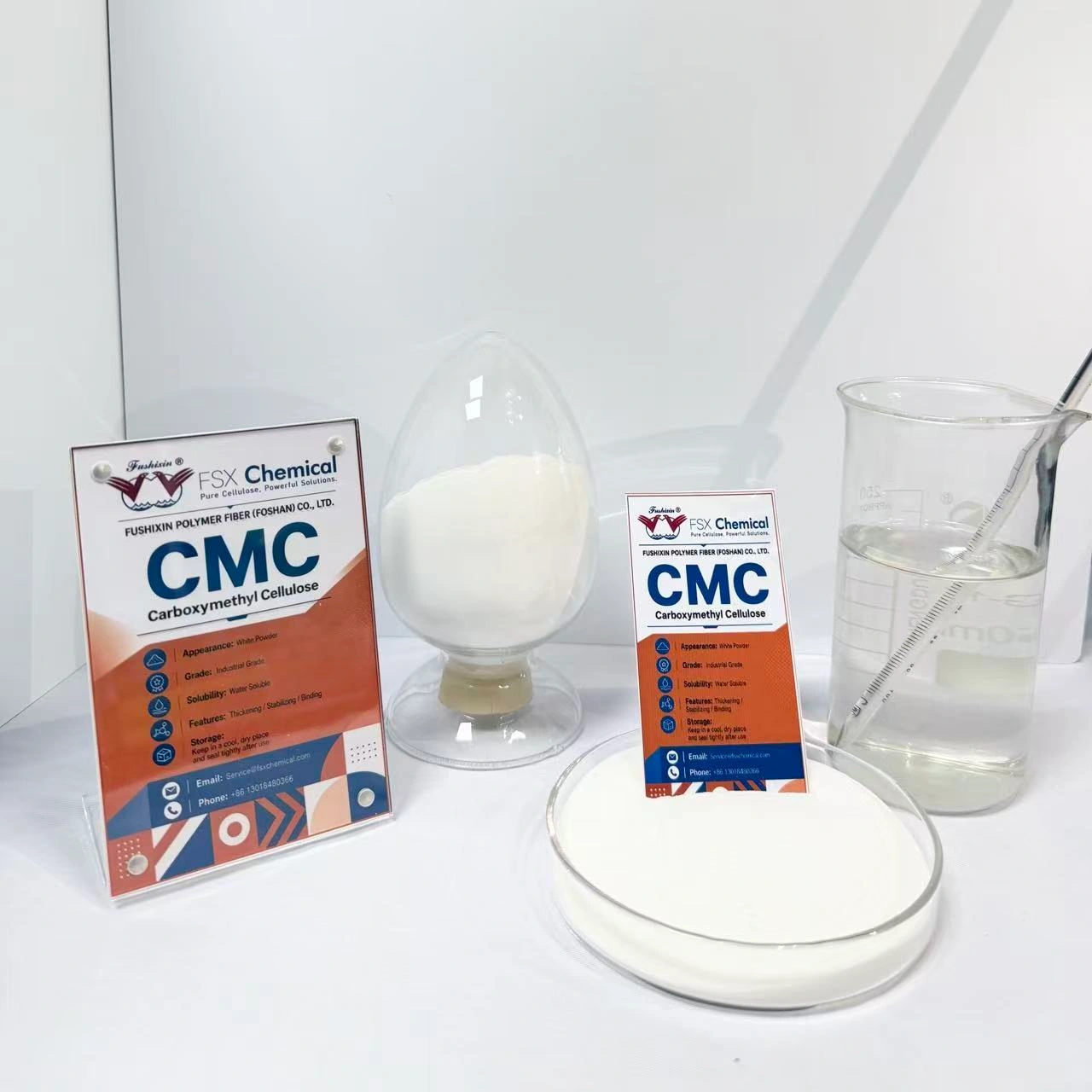
كربوكسي ميثيل السليلوز (CMC) لطباعة المنسوجات: دليل الشراء
يُستخدم كربوكسي ميثيل السليلوز (CMC) على نطاق واسع في عمليات الطباعة والتحجيم والصباغة للمنسوجات. سيشرح هذا الدليل كيفية تقييم درجات جودة CMC، والمعايير الأكثر أهمية، وكيف يمكن لشركة FSX Chemical دعم قرارات الشراء.
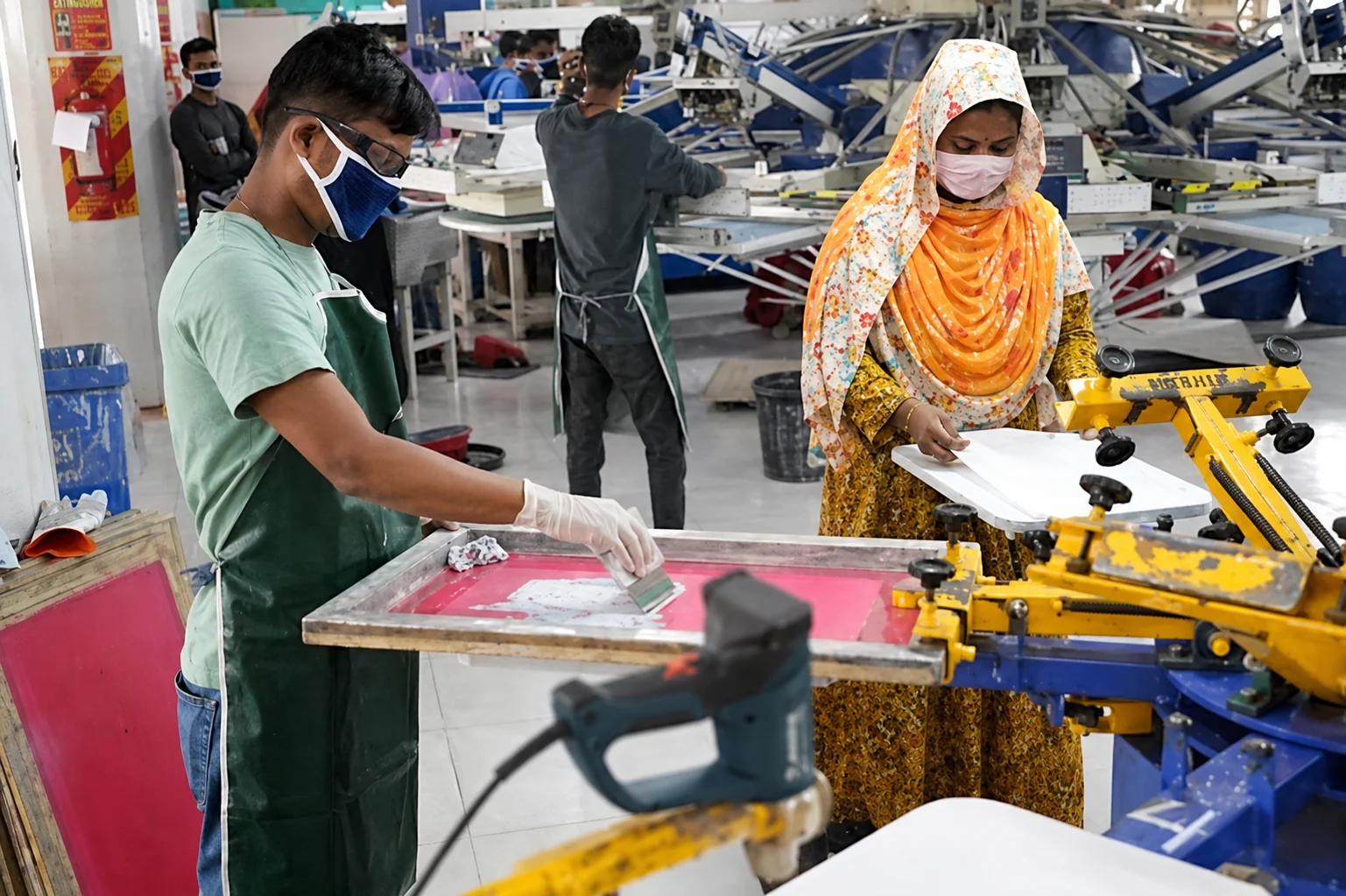
معجون الطباعة القائم على السليلوز للمنسوجات: دليل تقييم الموردين
يُستخدم معجون الطباعة الذي يعتمد على مادة CMC في طباعة المنسوجات بالأصباغ، والطباعة التفاعلية، والطباعة الرقمية. يشرح هذا الدليل المعلمات المهمة، وكيفية مقارنة الموردين، وما يجب طلبه قبل تقديم طلب شراء بالجملة.
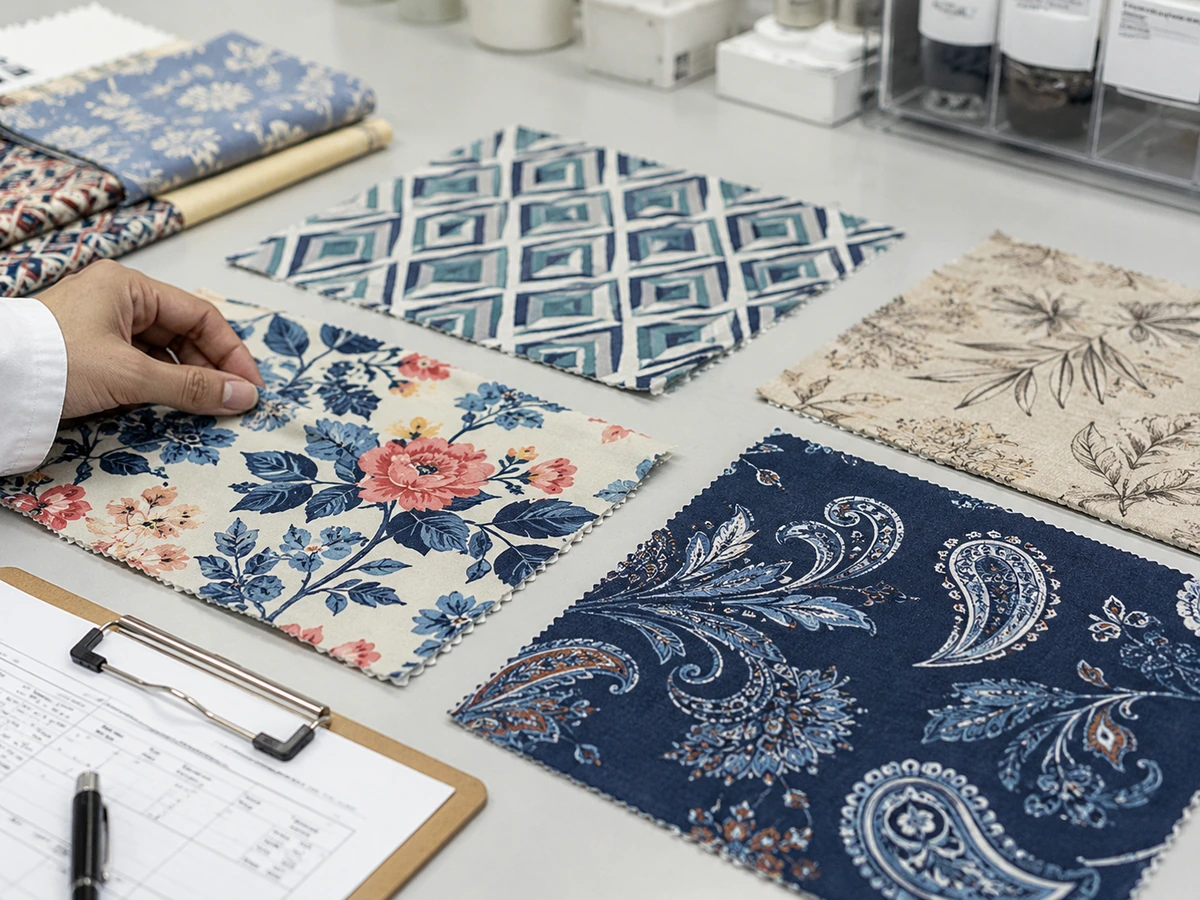
ألجينات الصوديوم مقابل CMC في طباعة المنسوجات: اختيار المُكثِّف المناسب
يُستخدم كل من ألجينات الصوديوم وCMC كمكثفات في طباعة المنسوجات، لكنهما يناسبان أنظمة صبغ وظروف معالجة مختلفة. يشرح هذا الدليل الاختلافات الرئيسية بينهما ومتى يتم استخدام كل منهما.
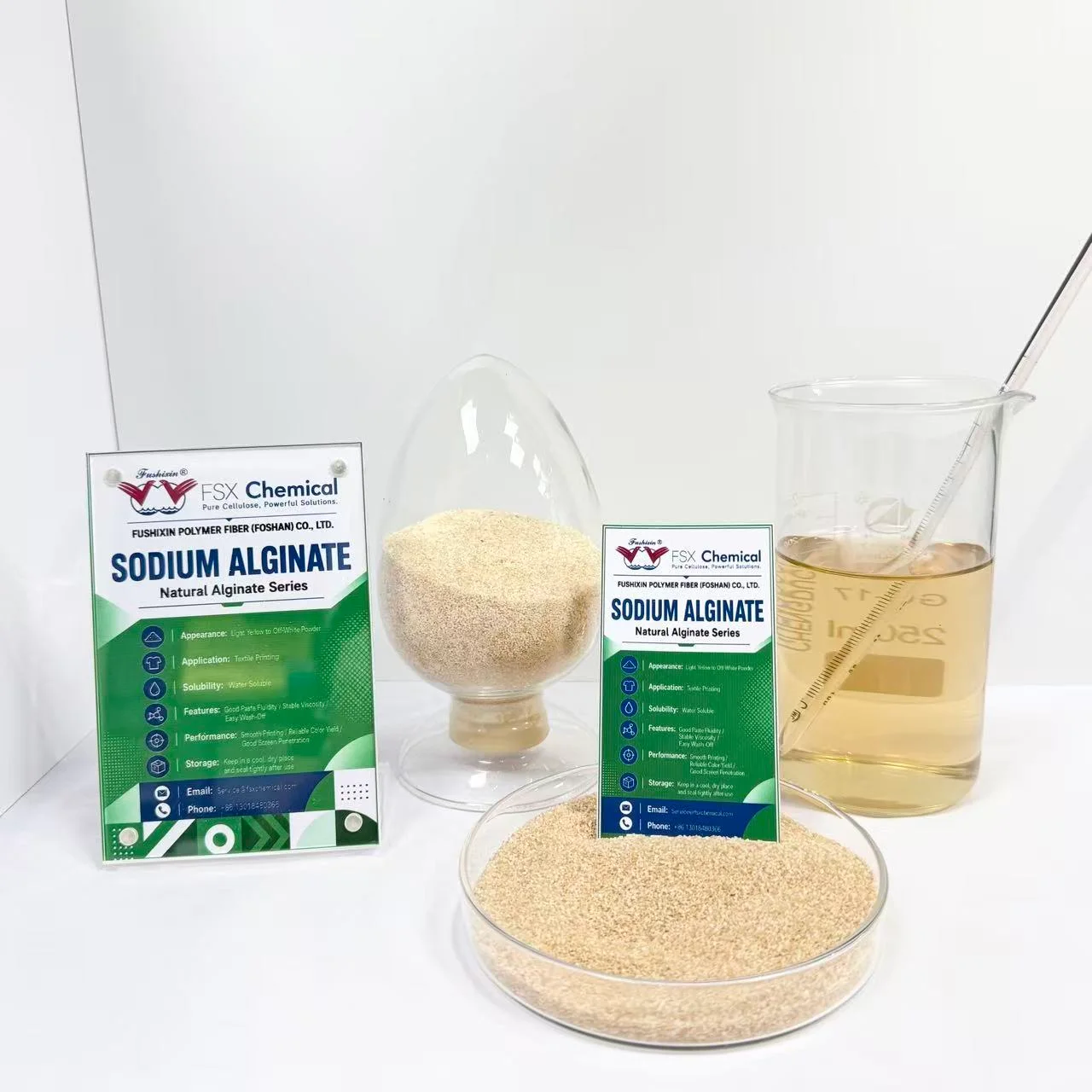
ألجينات الصوديوم المستخدمة في الطباعة الرقمية على المنسوجات: دليل الاستخدام واختيار الدرجات
تختلف متطلبات المعجون والمعالجة المسبقة في الطباعة الرقمية بنفث الحبر على المنسوجات عن تلك الخاصة بالطباعة بالشاشة الحريرية. يشرح هذا الدليل كيفية استخدام ألجينات الصوديوم في الطباعة الرقمية على المنسوجات، والمعايير التي يجب على فرق المشتريات تحديدها فيما يتعلق بدرجات الجودة.
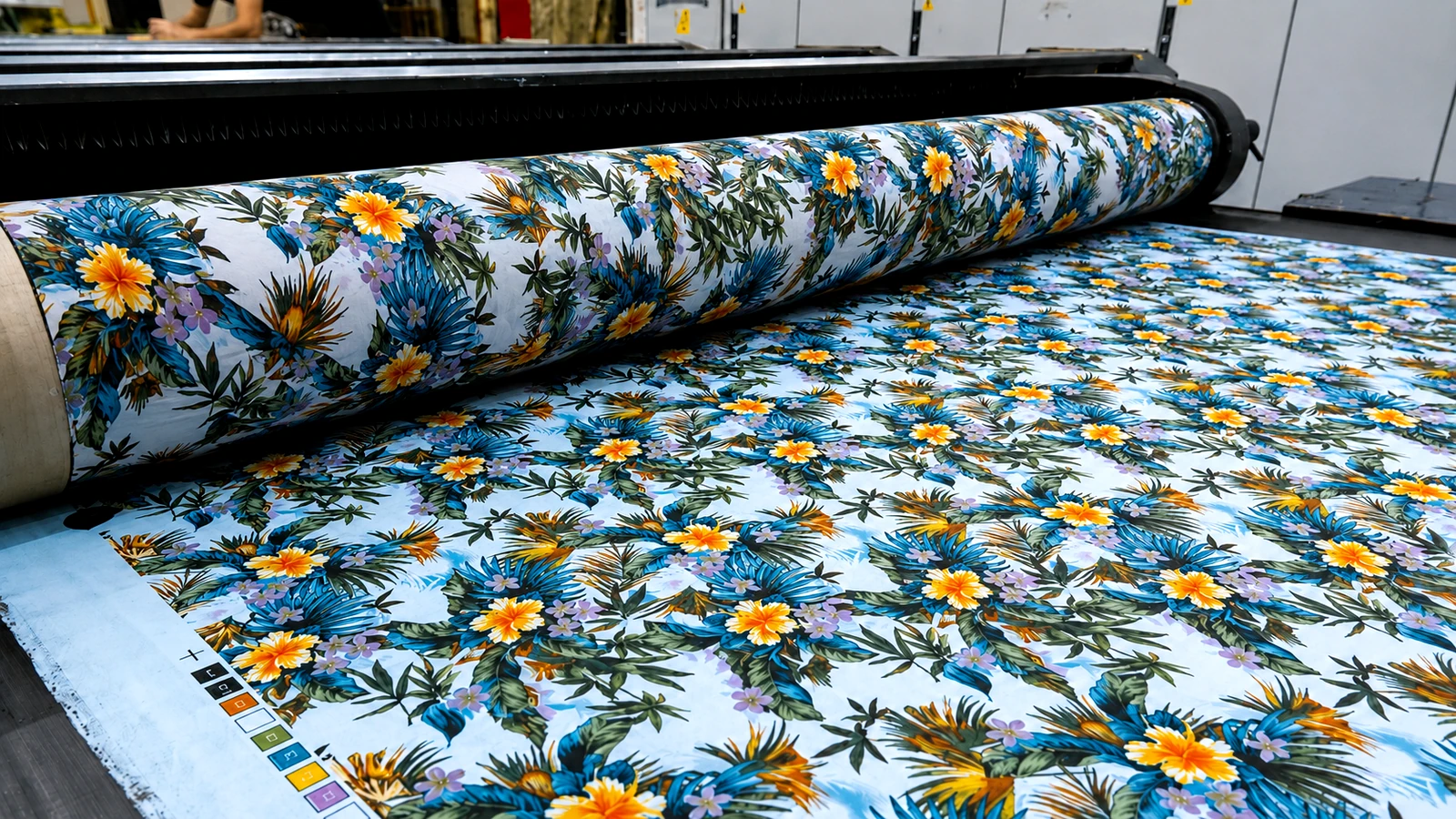
تحضير معجون ألجينات الصوديوم: طرق الذوبان ودليل التركيز
يُعد التحضير الصحيح للمادة اللزجة أمرًا لا يقل أهمية عن اختيار الدرجة في طباعة المنسوجات بالأصباغ التفاعلية. يتناول هذا الدليل طرق إذابة ألجينات الصوديوم، ونطاقات التركيز حسب الاستخدام، وظروف التخزين، وكيفية معالجة المشكلات الشائعة في عملية التحضير.
ألجينات الصوديوم في طباعة المنسوجات: الملامح البيئية والاعتبارات المتعلقة بمياه الصرف
يُعد ألجينات الصوديوم بوليمرًا طبيعيًّا وقابلًا للتحلل البيولوجي، لكن استخدامه في طباعة المنسوجات ينتج عنه مياه صرف تحتاج إلى معالجة. يتناول هذا الدليل الملامح البيئية لألجينات الصوديوم، وخصائص مياه الصرف الناتجة عن عملية الغسل، وما يجب على فرق المشتريات فهمه بشأن اختيار المُكثِّف وتأثيره البيئي.
تثبيت الأصباغ التفاعلية في طباعة المنسوجات: كيف يؤثر ألجينات الصوديوم على معدل استخلاص الصبغة
يؤثر معدل تثبيت الصبغة بشكل مباشر على إنتاجية اللون، وثبات الألوان عند الغسيل، وحجم مياه الصرف في الطباعة بالصبغات التفاعلية. يشرح هذا الدليل كيف يدعم ألجينات الصوديوم عملية تثبيت الصبغة، وما هي معلمات معجون الصبغة التي تؤثر على معدل التثبيت، وكيفية معالجة مشكلة انخفاض معدل التثبيت أثناء الإنتاج.
حجم شبكات ألجينات الصوديوم في طباعة المنسوجات: كيف يؤثر حجم الجسيمات على أداء المعجون
يؤثر حجم جزيئات ألجينات الصوديوم (المش) على سرعة ذوبان المسحوق، ومدى توزيعه المتساوي عند الترطيب، وأداء المعجون الناتج في الطباعة بالشاشة الحريرية. يشرح هذا الدليل الآثار العملية لمواصفات المش في تطبيقات معجون طباعة المنسوجات.
