
















İlgili yazılar
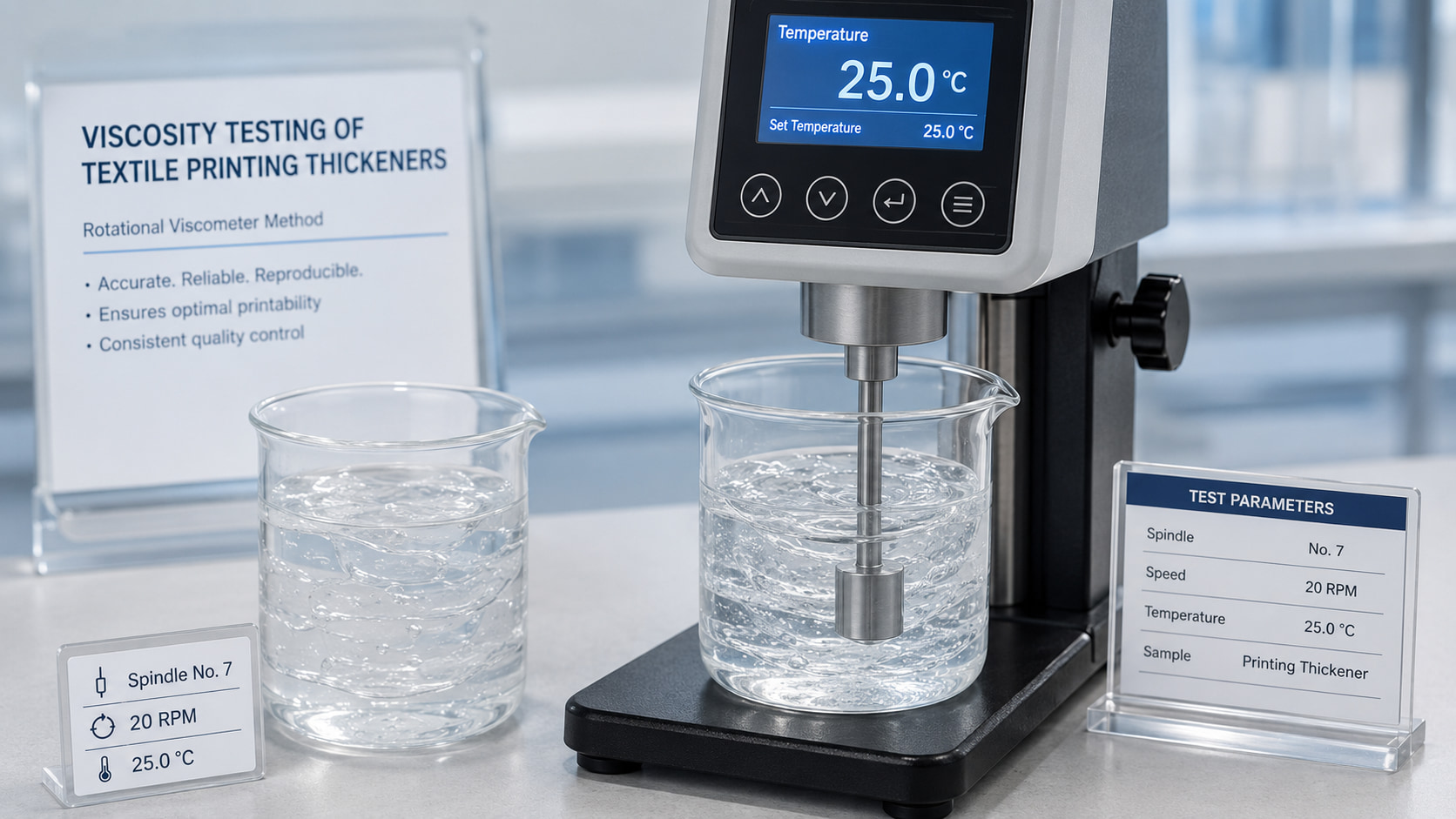
Tekstil Baskı Kıvam Artırıcı Viskozite Test Yöntemlerini Karşılaştırma

Konsantrasyon, sıcaklık, ölçüm cihazı, mil, hız, hazırlık yöntemi ve test süresi gibi faktörler eşleştirilmeden tekstil baskı kıvam arttırıcılarının viskozite değerlerinin neden karşılaştırılamayacağını öğrenin.
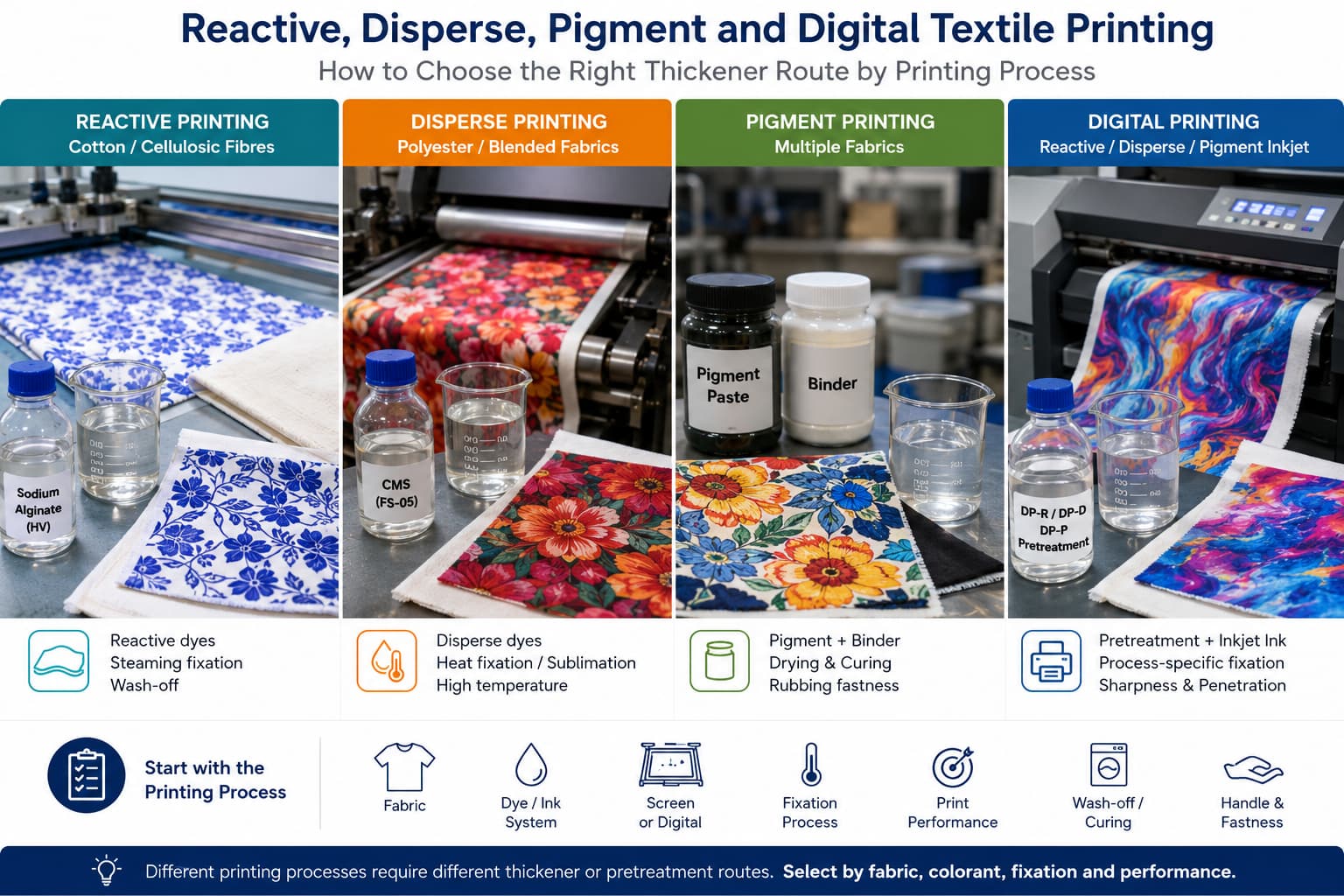
Boya ve Baskı Yöntemine Göre Tekstil Baskı Kıvam Artırıcıları
Kumaş, boya veya mürekkep, sabitleme, yıkama ve baskı kalitesi gereksinimlerine göre reaktif, dispers, pigment ve dijital tekstil baskısı için kıvam arttırıcı ve ön işlem yöntemlerini nasıl seçeceğinizi öğrenin.
CMC, CMS, Sodyum Aljinat ve Dijital Baskı Macunu: Pratik Bir Seçim Kılavuzu
Tekstil baskısı için CMC, CMS, sodyum aljinat ve dijital baskı macununu karşılaştırın. Her bir yöntemin reaktif, dispers, pigment ve dijital baskı süreçlerine nasıl uyum sağladığını ve alıcıların numune testi, kalite eşleştirme ve toplu satın alma öncesinde nelere dikkat etmeleri gerektiğini öğrenin.
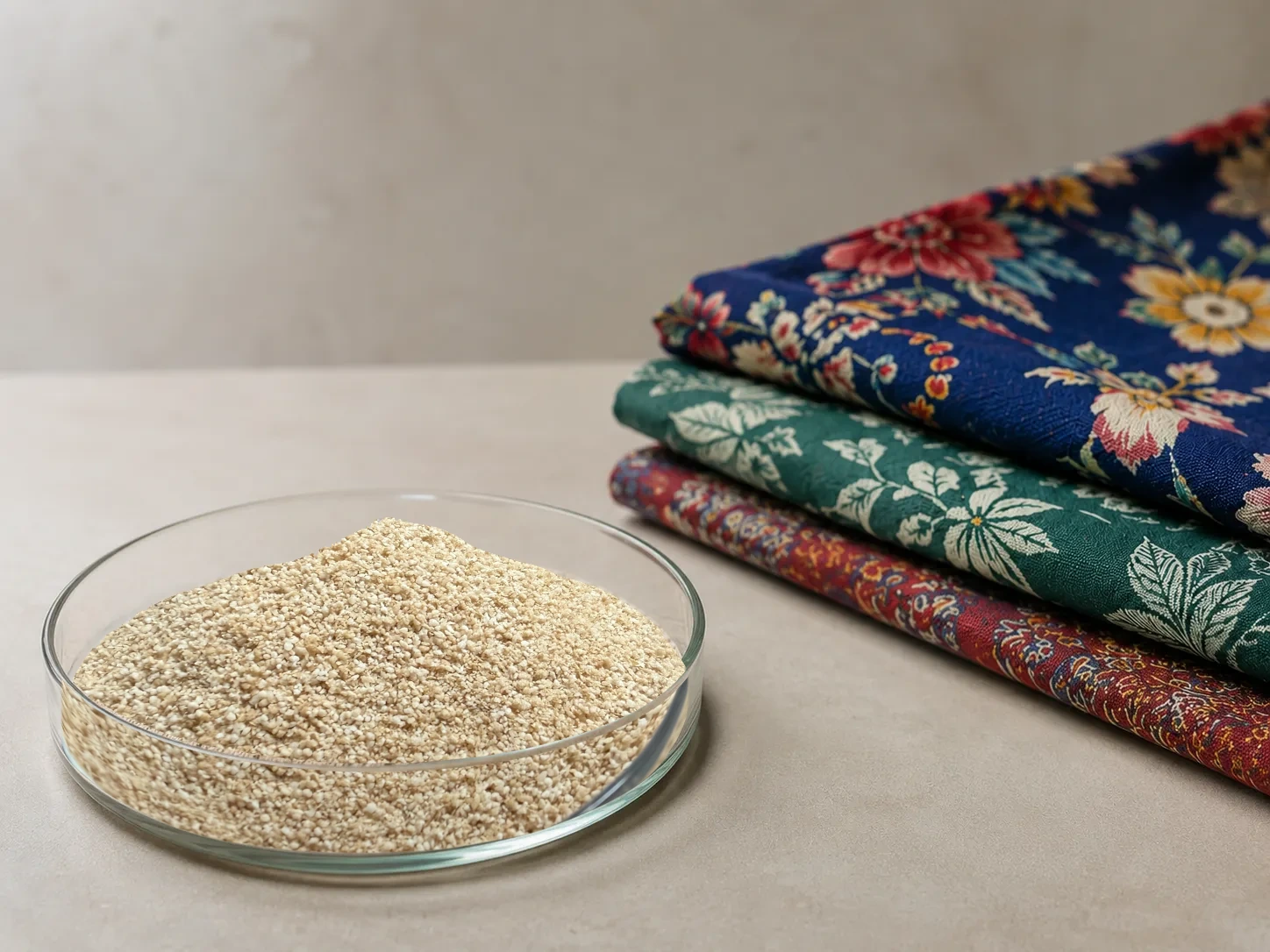
Reaktif Tekstil Baskısı için Sodyum Aljinat: Sınıf, Viskozite ve Uygulama Kılavuzu
Sodyum aljinat, tekstil baskıcılığında reaktif baskı macunu için kararlı ve yıkanabilir bir kıvam arttırıcı olarak yaygın olarak kullanılmaktadır. Satın almadan önce viskozite derecesini, saflığı ve uygulamaya uygunluğu nasıl değerlendireceğinizi öğrenin; ayrıca FSX Chemical’ın teknik veriler ve numunelerle küresel alıcılara nasıl destek sağladığını keşfedin.
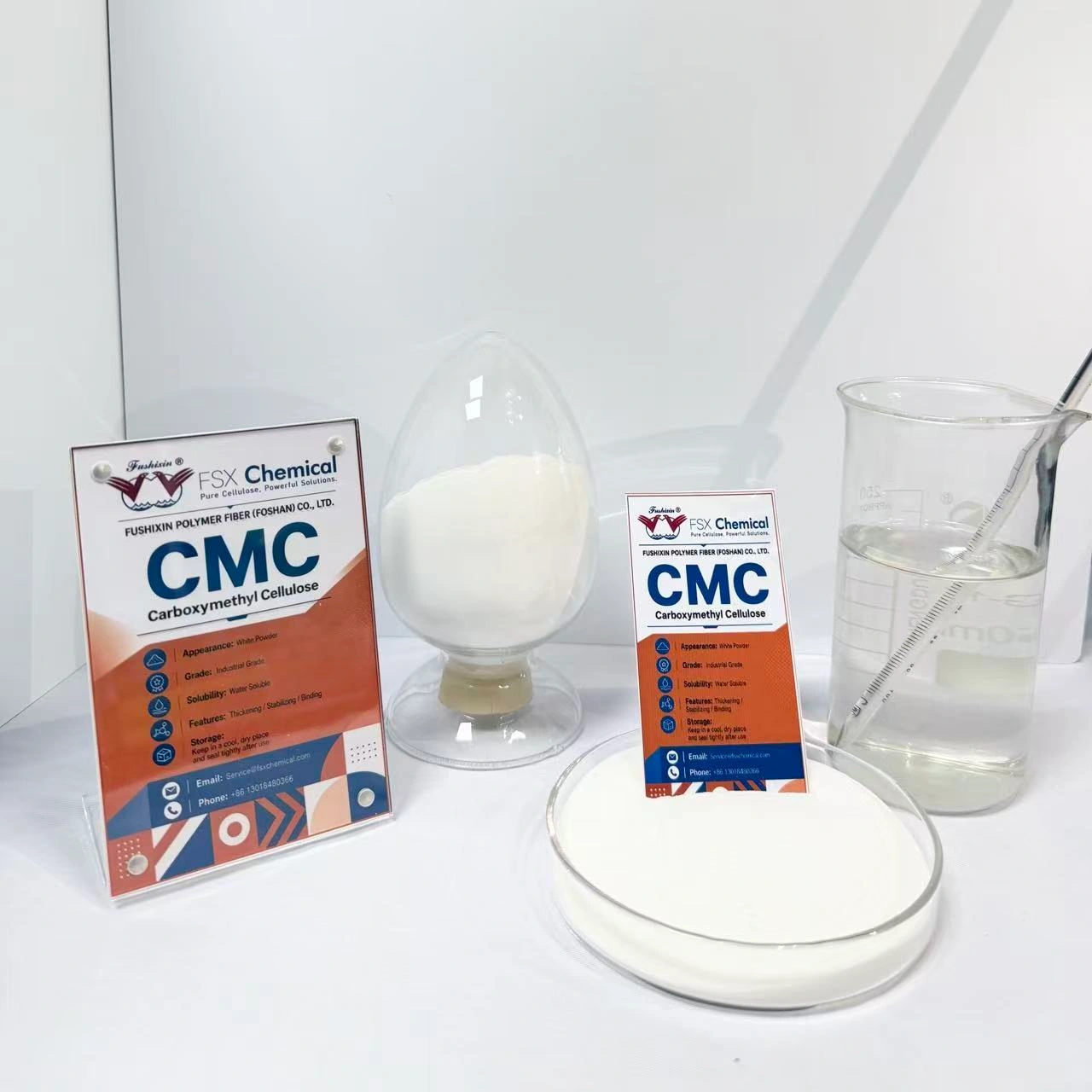
Tekstil Baskısı için CMC: Kalite Seçimi ve Tedarik Kılavuzu
Karboksimetil selüloz (CMC), tekstil ürünlerinin baskı, apre ve boyama işlemlerinde yaygın olarak kullanılmaktadır. Bu kılavuzda, CMC türlerinin nasıl değerlendirileceği, hangi parametrelerin en önemli olduğu ve FSX Chemical’ın satın alma kararlarında nasıl destek olabileceği açıklanacaktır.
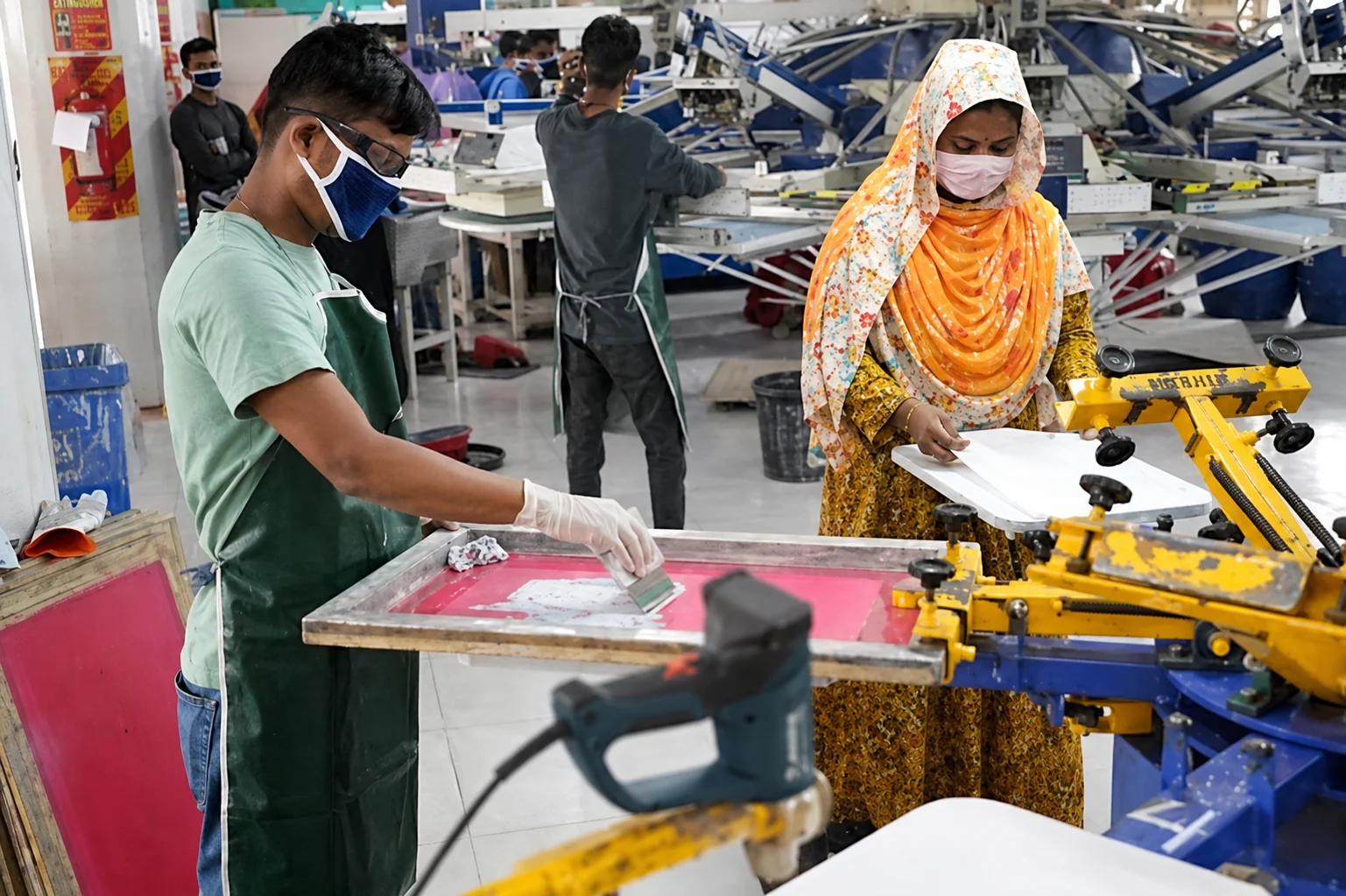
Cellulose-Based Textile Printing Paste: CMC Grade and Supplier Evaluation
CMC bazlı baskı macunu, pigmentli, reaktif ve dijital tekstil baskı alanlarında kullanılmaktadır. Bu kılavuzda, hangi parametrelerin önemli olduğu, tedarikçilerin nasıl karşılaştırılacağı ve toplu sipariş vermeden önce nelerin talep edilmesi gerektiği açıklanmaktadır.
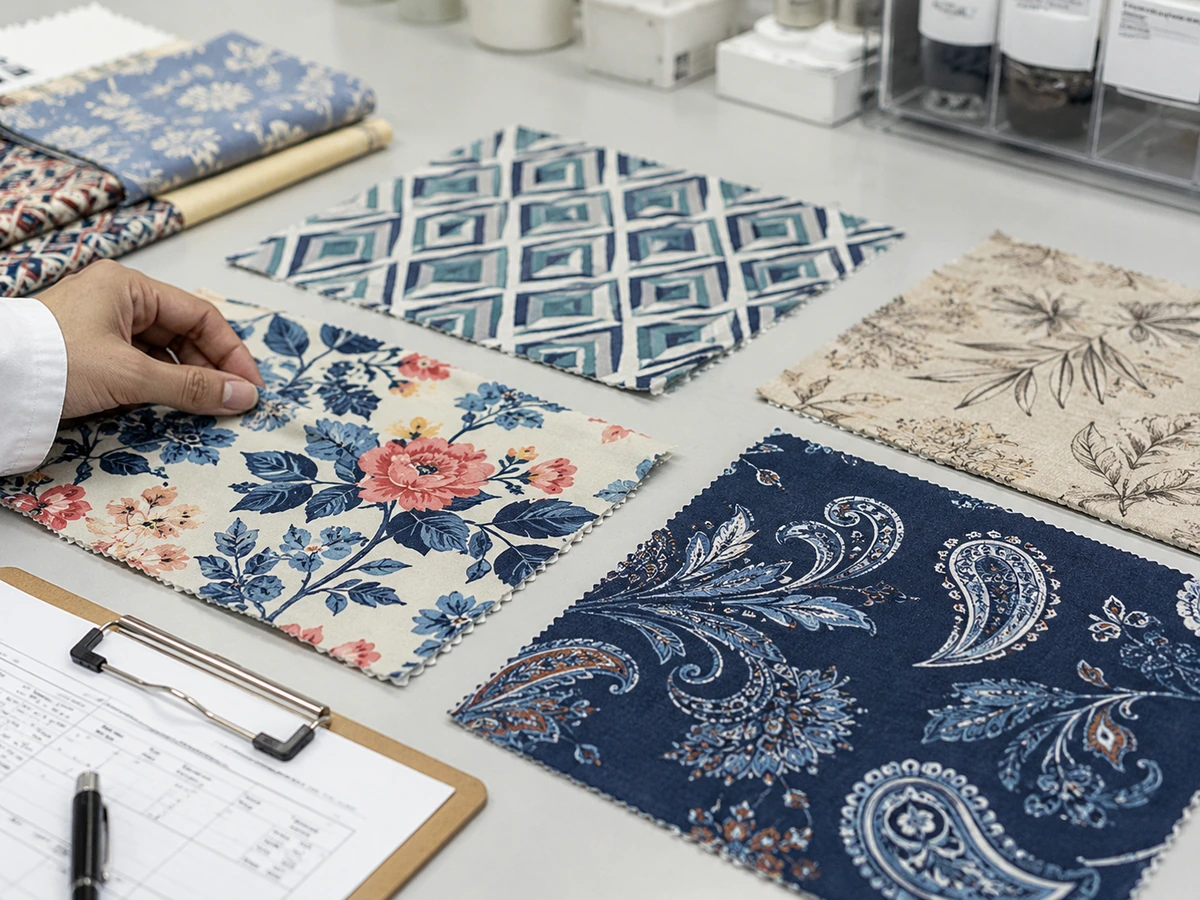
Tekstil Baskısında Sodyum Aljinat ve CMC: Performans ve Maliyet Karşılaştırması
Hem sodyum aljinat hem de CMC, tekstil baskısında kıvam arttırıcı olarak kullanılır; ancak bunlar farklı boyama sistemlerine ve işlem koşullarına uygundur. Bu kılavuzda, aralarındaki temel farklar ve her birinin ne zaman kullanılması gerektiği açıklanmaktadır.
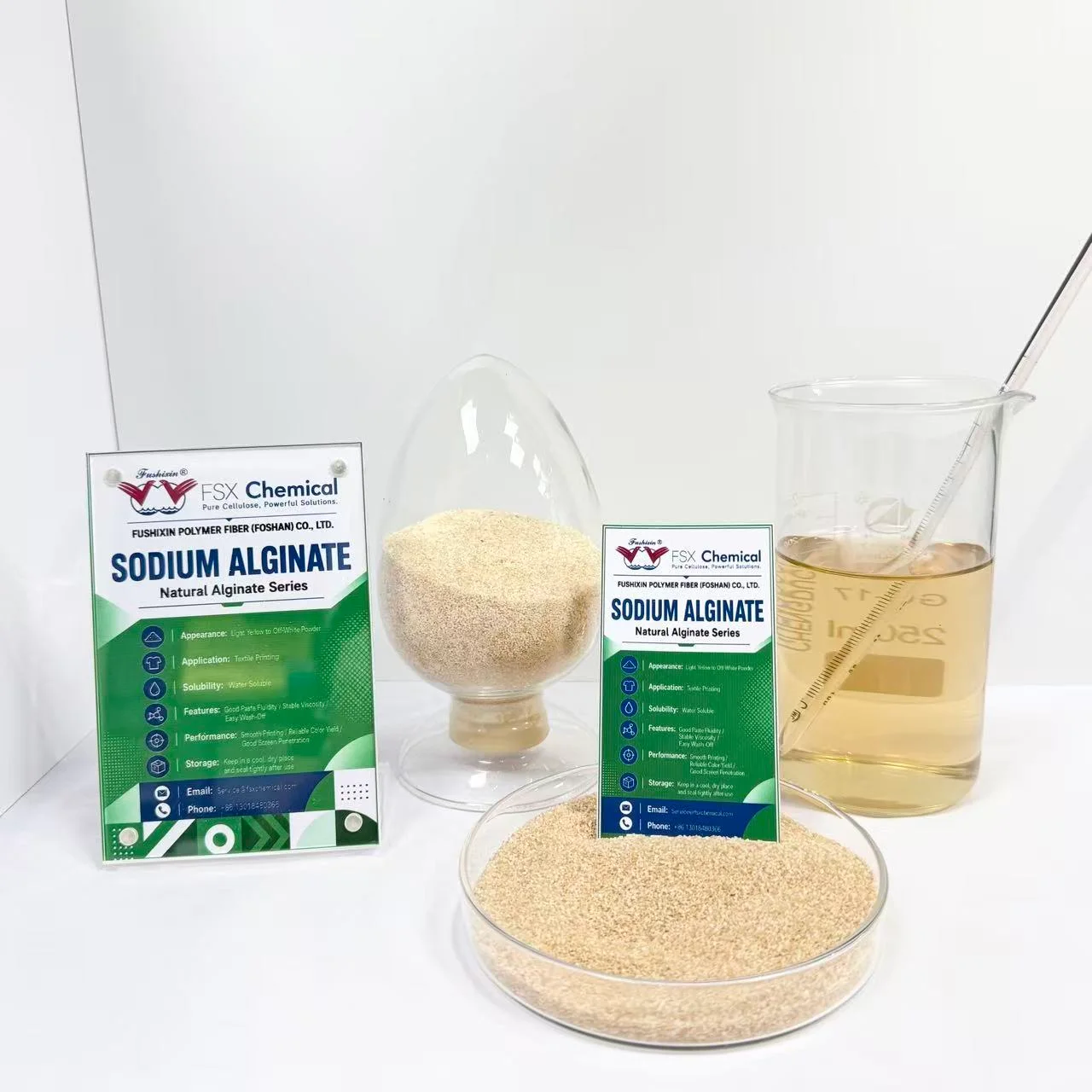
Sodium Alginate for Reactive Digital Textile Printing: Pretreatment and Grade Selection
Tekstillerde dijital mürekkep püskürtmeli baskı, serigrafi baskıya kıyasla farklı macun ve ön işlem gereksinimlerine sahiptir. Bu kılavuz, dijital tekstil baskısında sodyum aljinatın nasıl kullanıldığını ve tedarik ekiplerinin hangi kalite parametrelerini belirtmeleri gerektiğini açıklamaktadır.
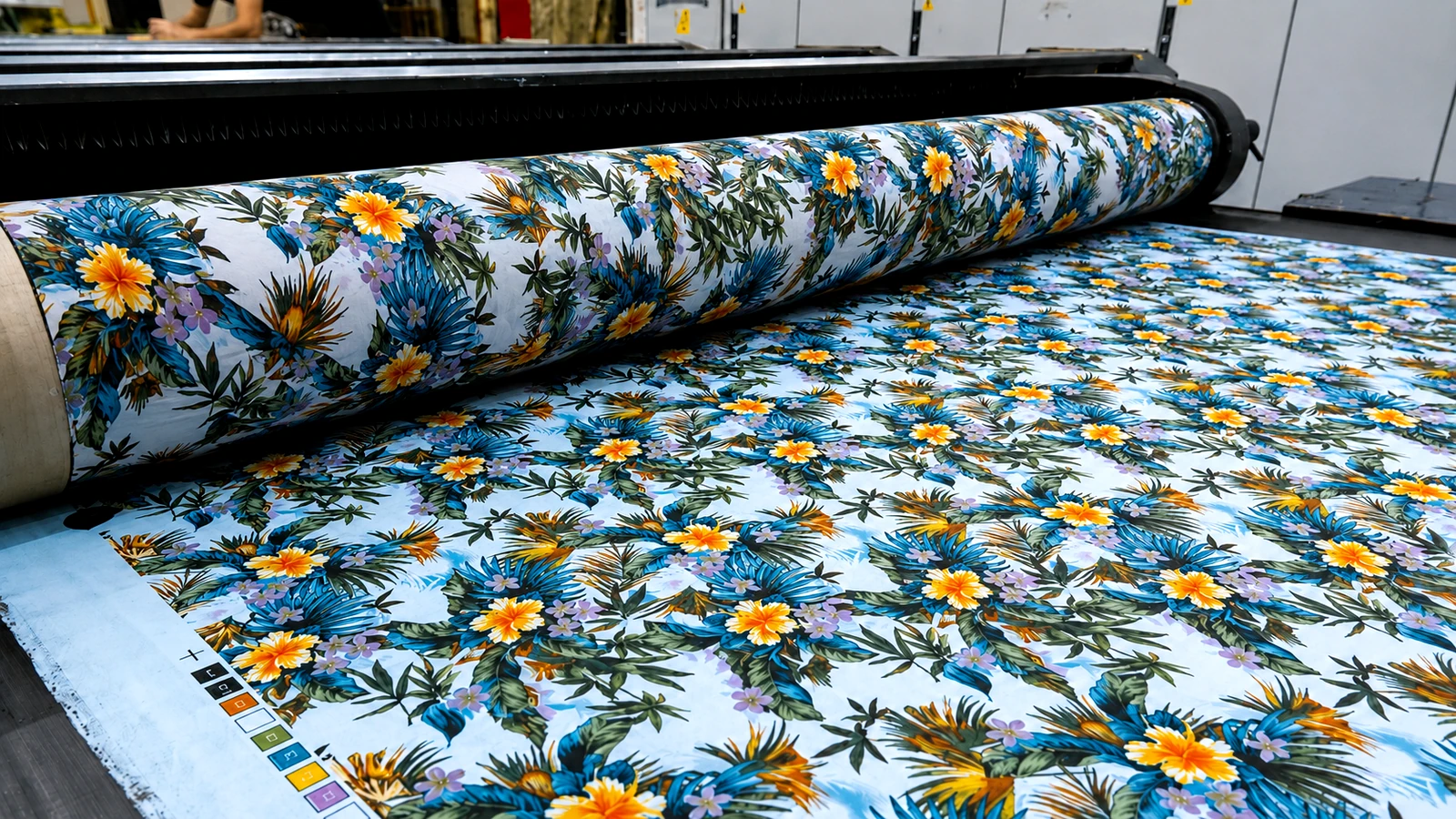
How to Prepare Sodium Alginate Printing Paste: Dissolution, Concentration and QC
Reaktif boya ile tekstil baskısında, macunun doğru şekilde hazırlanması, renk tonu seçimi kadar önemlidir. Bu kılavuzda sodyum aljinatın çözünme yöntemleri, uygulamaya göre konsantrasyon aralıkları, saklama koşulları ve hazırlık aşamasında sık karşılaşılan sorunların nasıl giderileceği ele alınmaktadır.
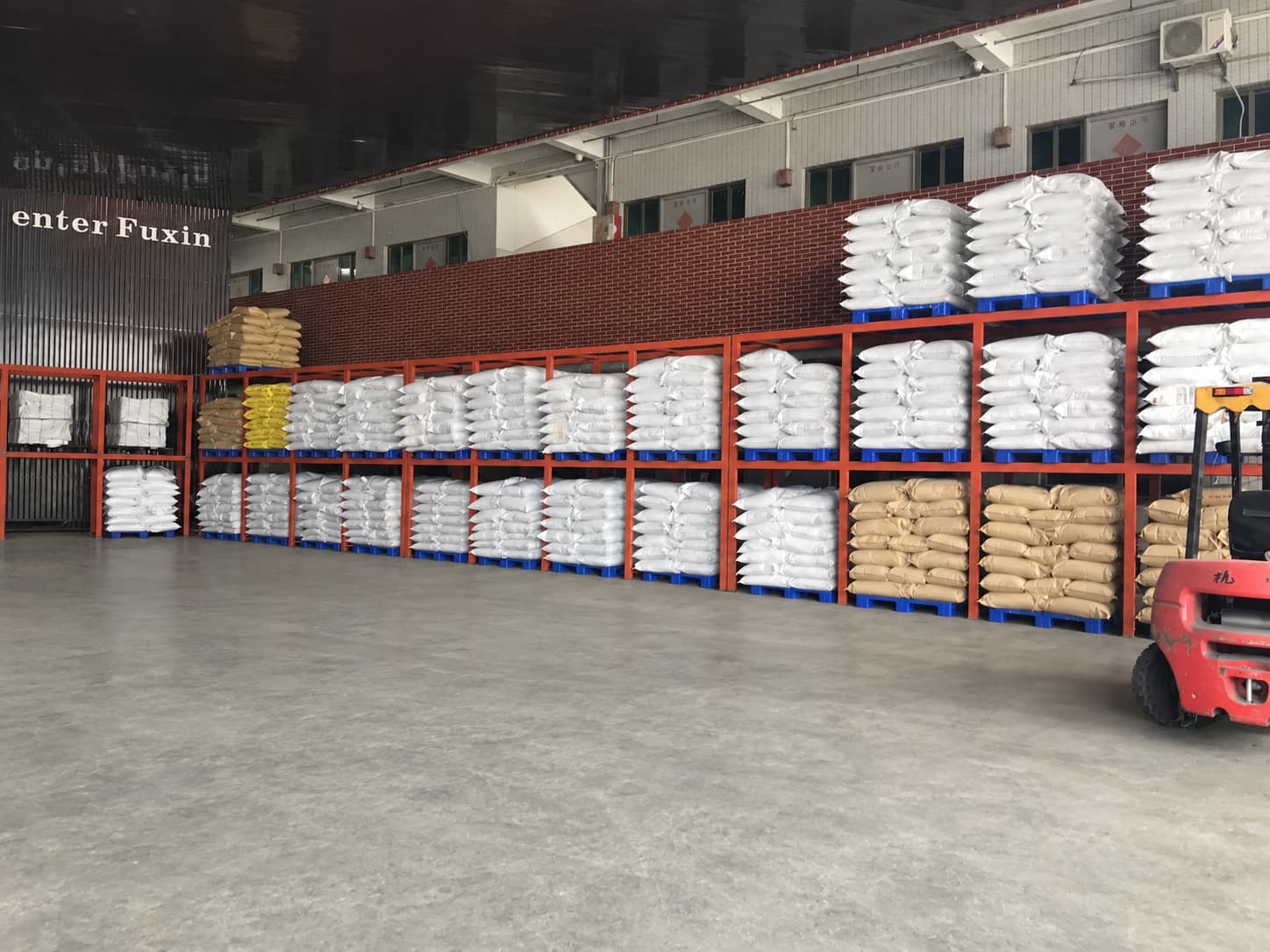
Tekstil Baskısında Sodyum Aljinat: Çevresel Profil ve Atık Su Konularına İlişkin Hususlar
Sodyum aljinat, doğal ve biyolojik olarak parçalanabilir bir polimerdir; ancak tekstil baskısında kullanılması, yönetilmesi gereken atık su oluşumuna neden olmaktadır. Bu kılavuz, sodyum aljinatın çevresel profilini, yıkama atık sularının özelliklerini ve tedarik ekiplerinin kıvam arttırıcı seçimi ve çevresel etki konusunda bilmesi gerekenleri ele almaktadır.
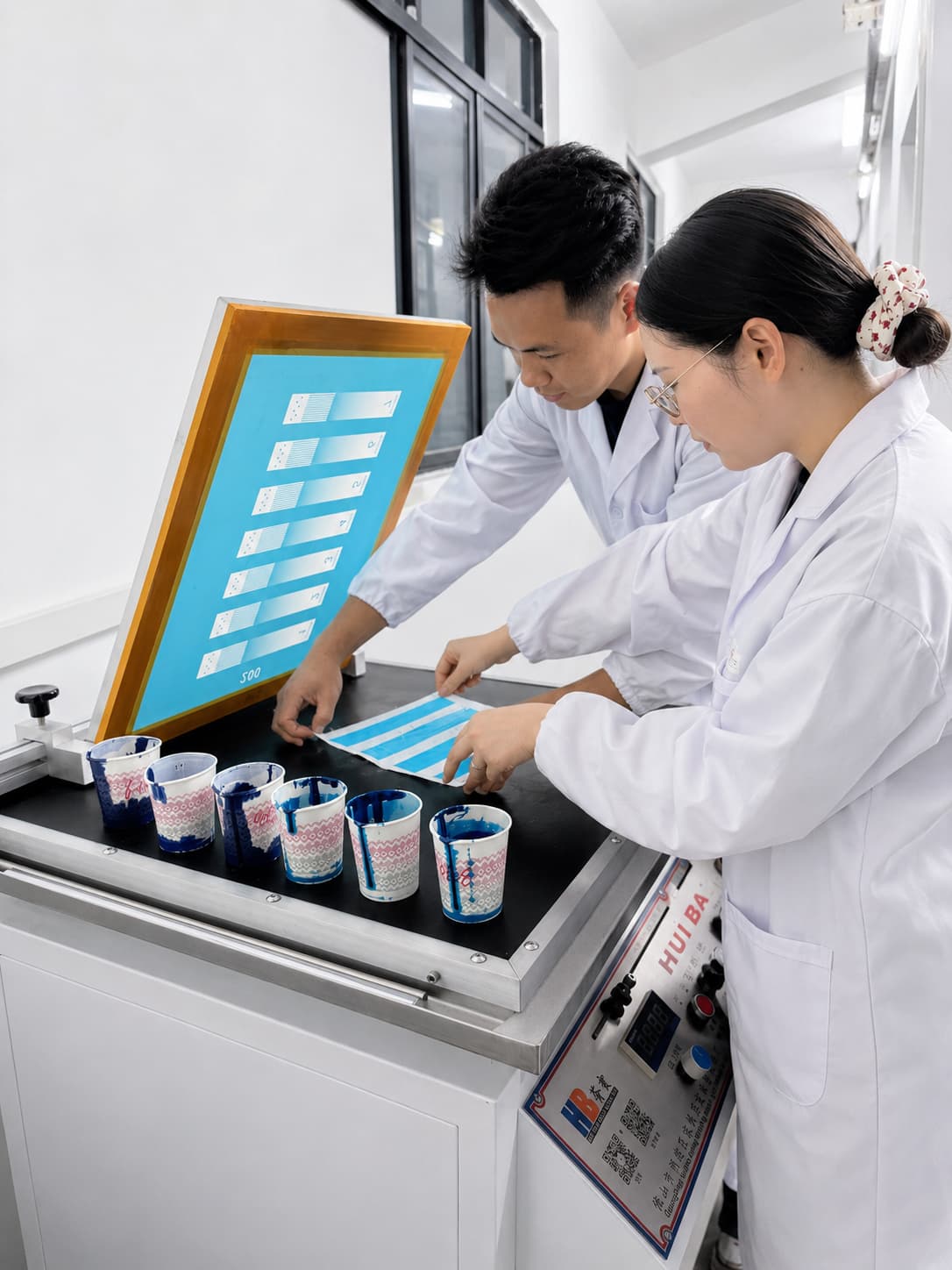
Reactive Dye Fixation in Textile Printing: Sodium Alginate and Process Control
Reaktif boya baskısında boya sabitlenme oranı, renk verimini, yıkama haslığını ve atık su yükünü doğrudan etkiler. Bu kılavuzda, sodyum aljinatın boya sabitlenmesini nasıl desteklediği, hangi macun parametrelerinin sabitlenme oranını etkilediği ve üretimde düşük sabitlenme sorunlarının nasıl giderileceği açıklanmaktadır.
Sodium Alginate Mesh Size: Dissolution, Filtration and Textile Printing Performance
Sodyum aljinatın parçacık boyutu (mesh), tozun ne kadar hızlı çözündüğünü, ne kadar homojen bir şekilde su emdiğini ve elde edilen macunun serigrafi baskısında nasıl bir performans gösterdiğini etkiler. Bu kılavuz, tekstil baskı macunu uygulamalarında mesh değerinin pratik sonuçlarını açıklamaktadır.
