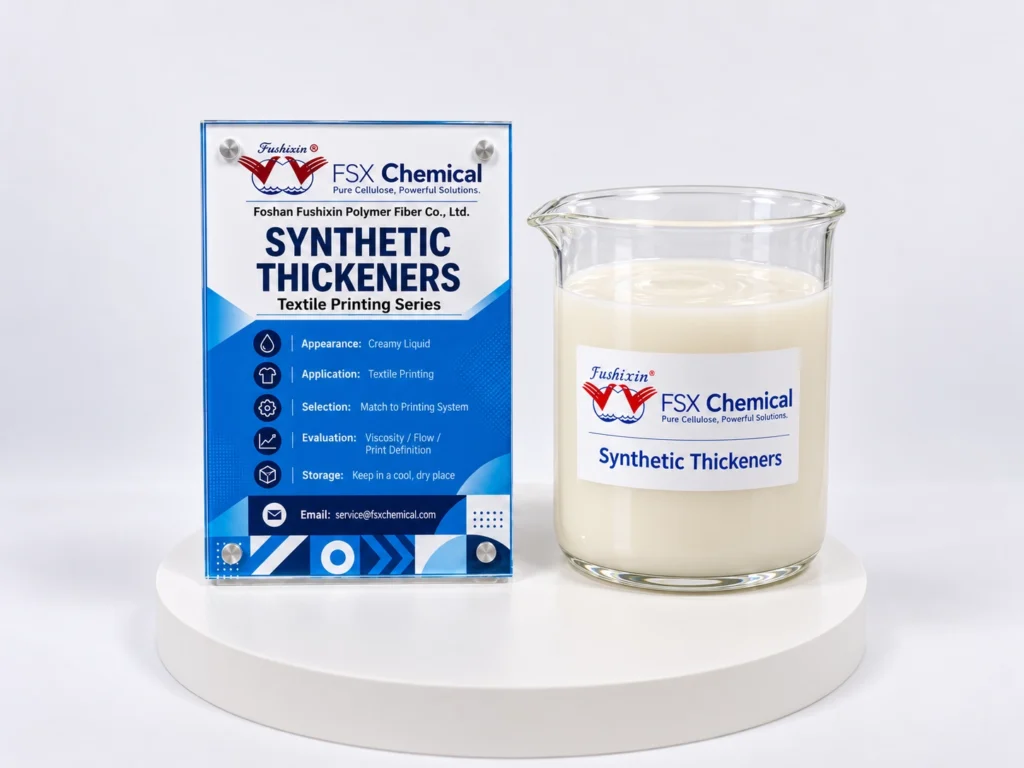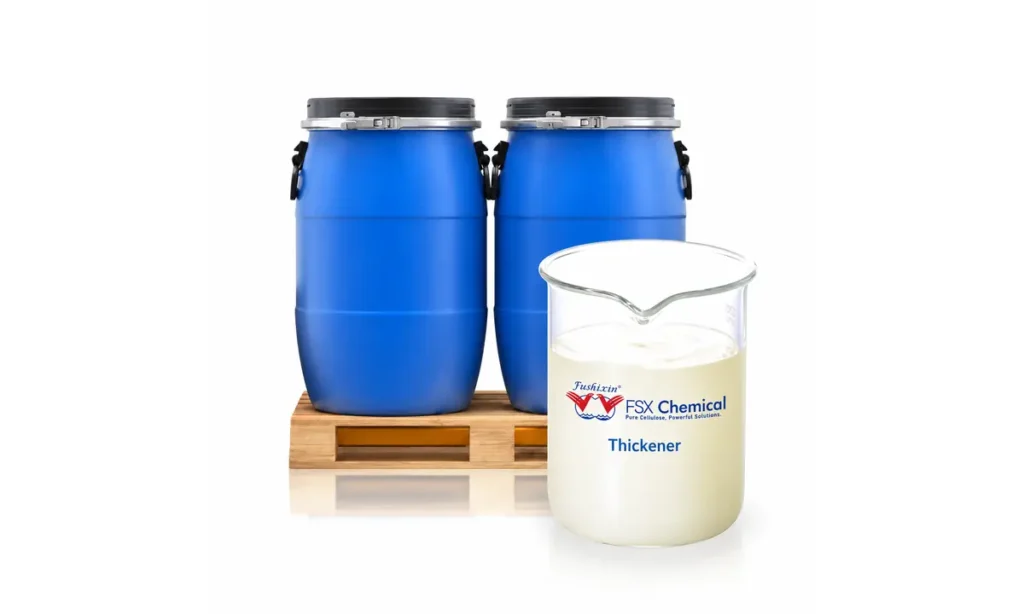















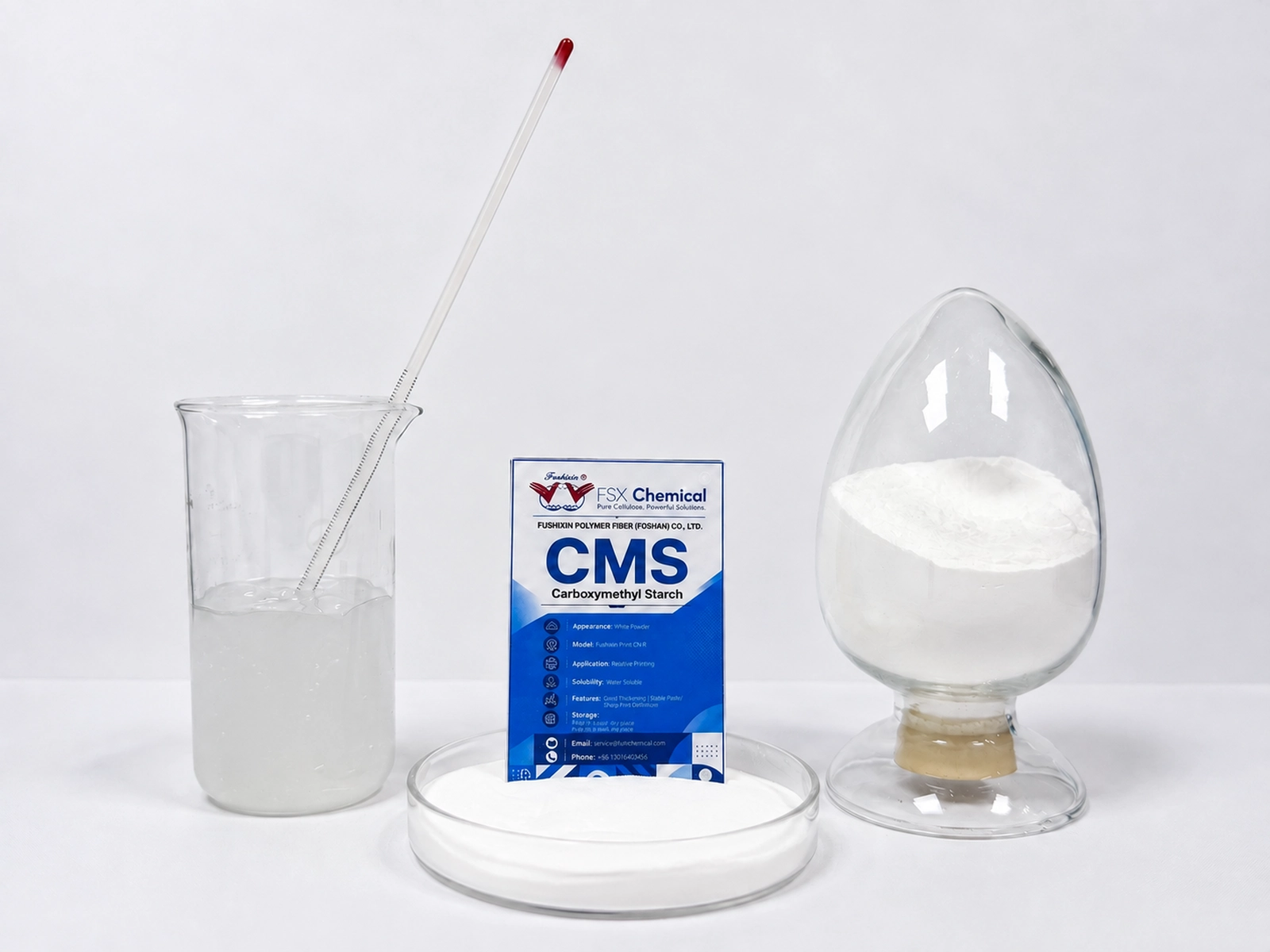
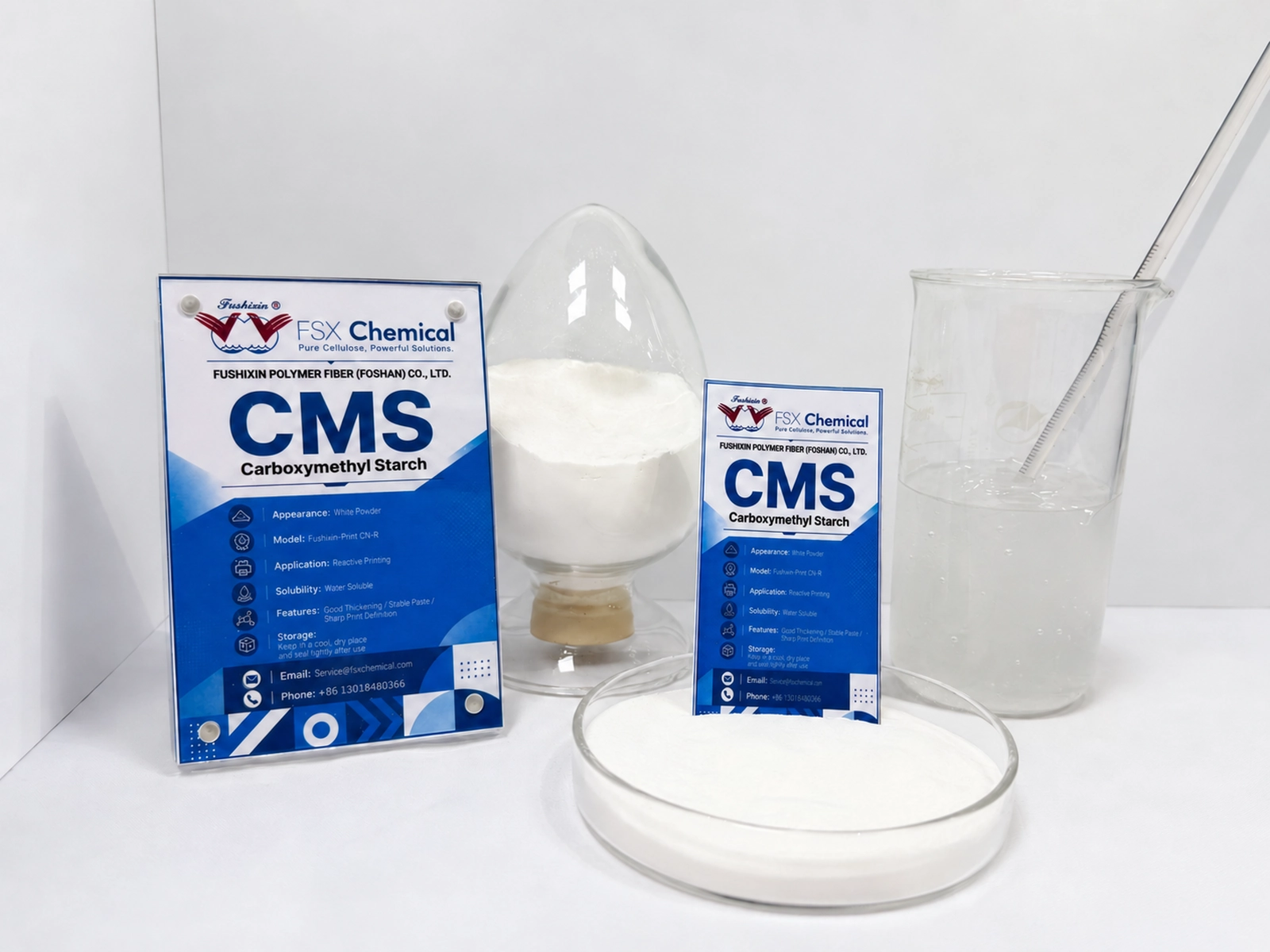
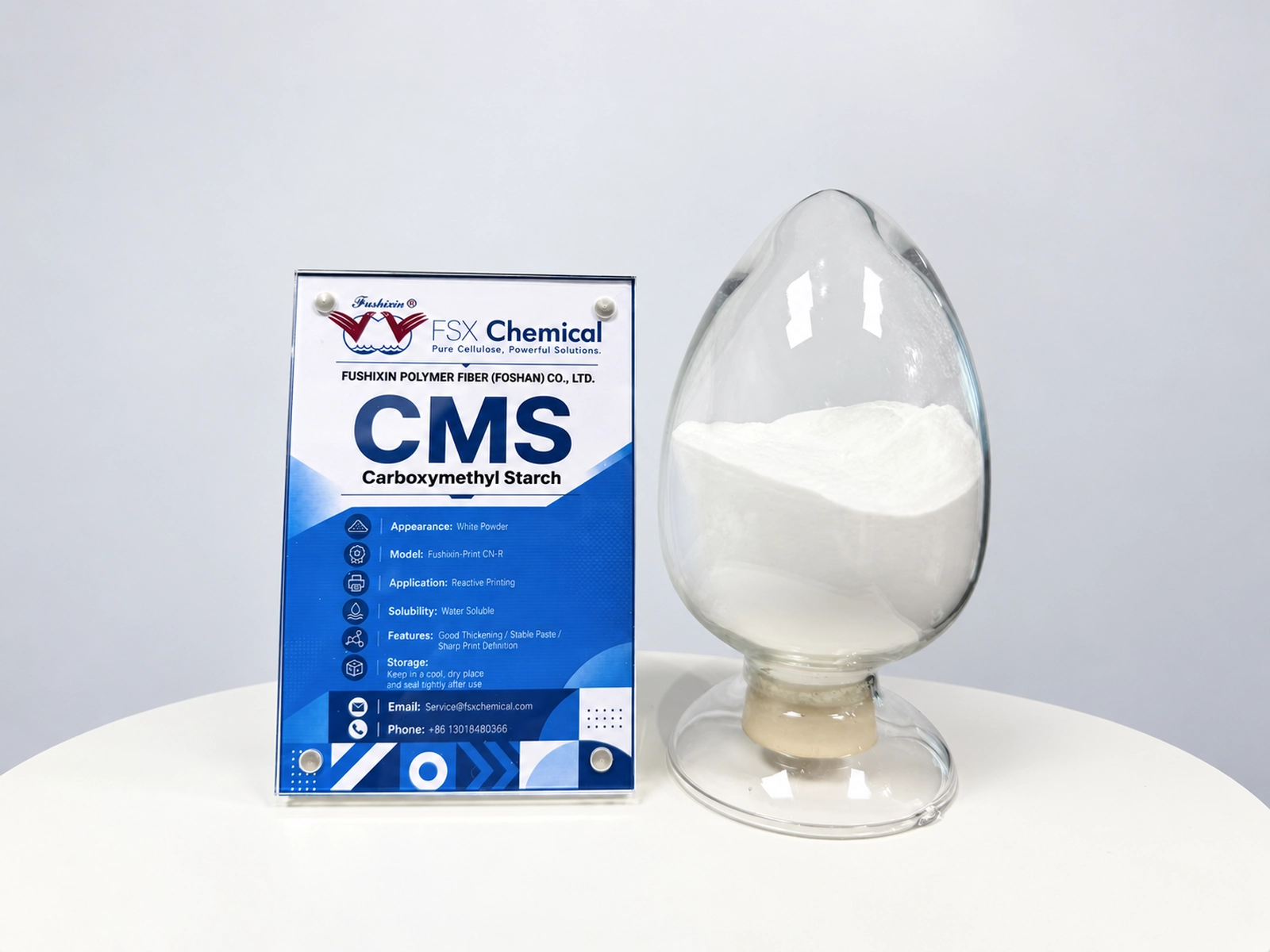
Reaktif Baskı Kıvamlaştırıcısı · Sodyum Aljinat Alternatifi
Sodyum Aljinat Alternatifi Olarak Reaktif Baskı Kıvamlaştırıcısının Değerlendirilmesi
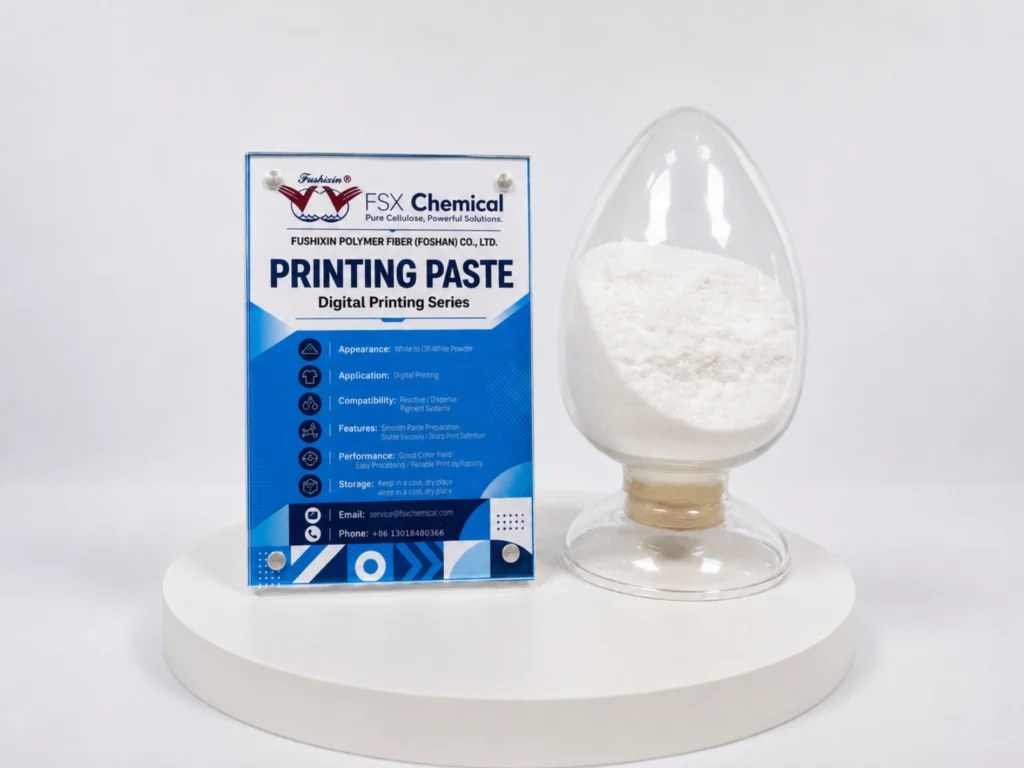
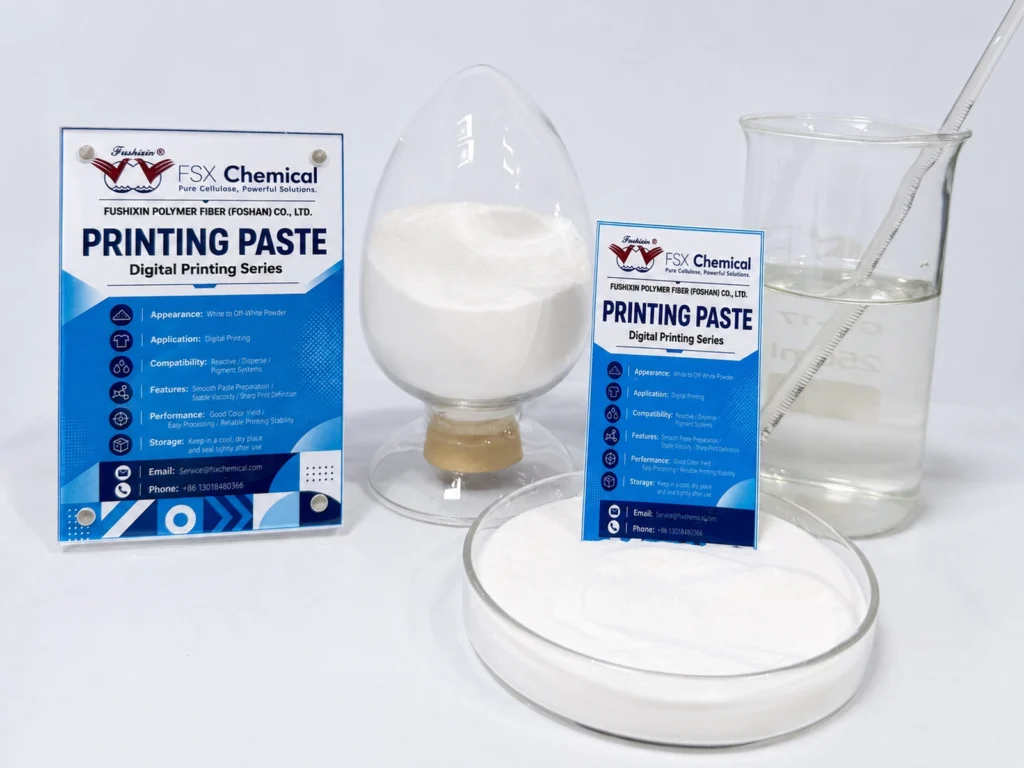
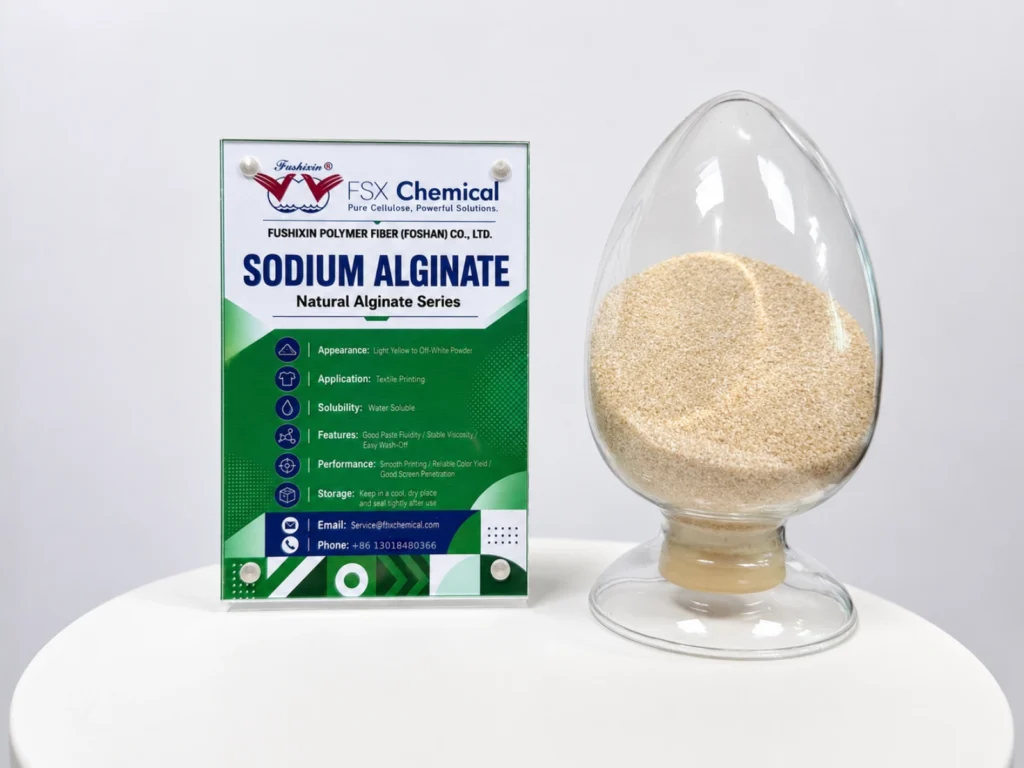
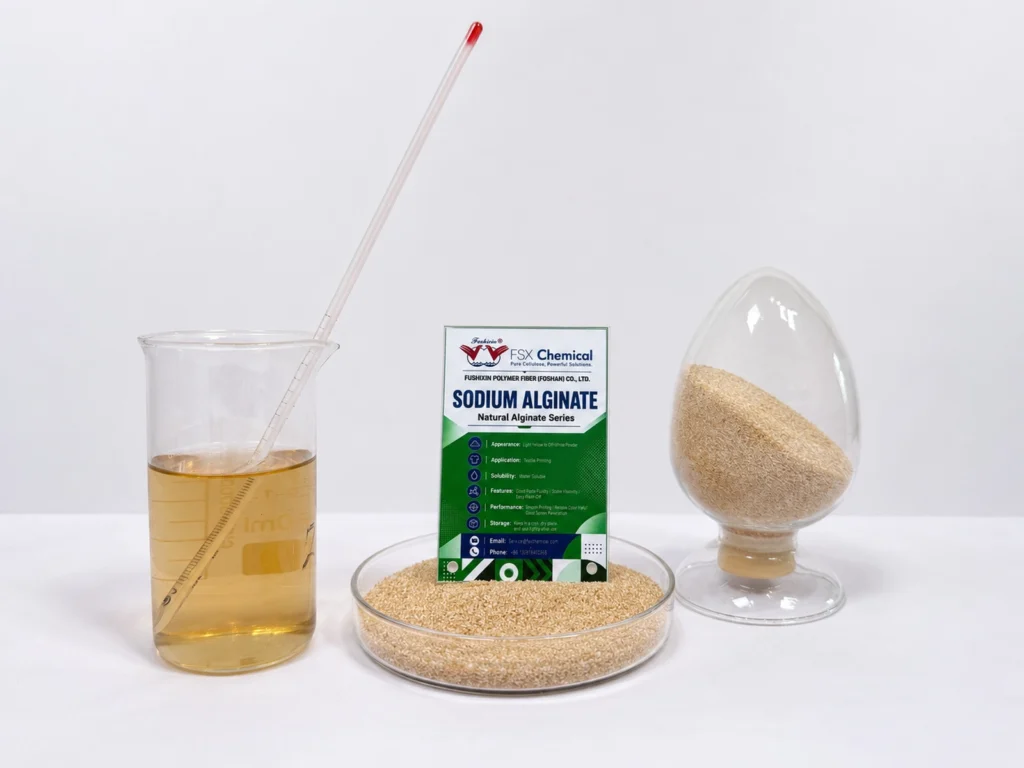
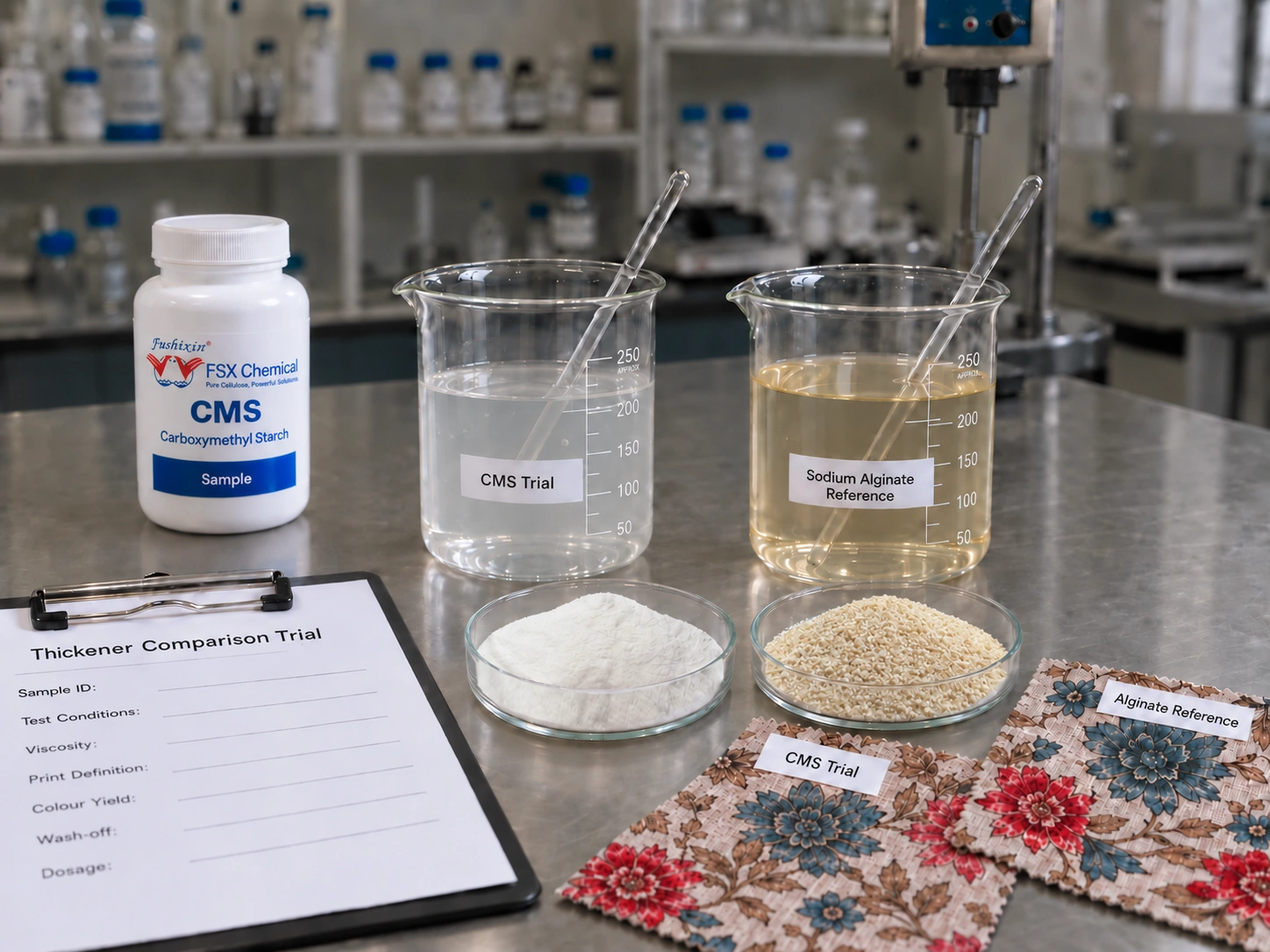
Pamuk ve viskon üzerine reaktif boya baskısında alternatif bir baskı kıvamlaştırıcı; aynı üretim koşullarında pat viskozitesi, şablon performansı, renk verimi, yıkama ile uzaklaştırma ve gerçek dozaj açısından sodyum aljinatla karşılaştırılarak değerlendirilebilir. İkame için nihai uygunluk, laboratuvar ve üretim denemeleriyle doğrulanmalıdır.
Reaktif Boya Baskı Performansı
Pat viskozitesini, şablonun baskı sırasındaki performansını, baskı netliğini, renk verimini ve yıkama ile uzaklaştırmayı gerçek kumaş, boya sistemi ve reaktif baskı koşullarında karşılaştırın.
Sodyum Aljinat Alternatif Denemesi
Alternatif reaktif baskı kıvamlaştırıcısını mevcut sodyum aljinatınızla aynı formülasyon, hedef viskozite ve baskı koşullarında karşılaştırın. Uygun ikame oranı, kontrollü laboratuvar ve üretim denemeleriyle doğrulanmalıdır.
Dozaj ve Kullanım Maliyeti
Yalnızca kilogram fiyatını karşılaştırmak yerine, aynı hedef pat viskozitesine ve baskı performansına ulaşmak için gereken gerçek kıvamlaştırıcı dozajını karşılaştırın. Nihai kullanım maliyeti, denemelerdeki gerçek tüketim temel alınarak belirlenmelidir.
Özel Baskı · Tekstil Kıvamlaştırıcısı
Küp Boya, Aşındırma ve Devore Baskı için Özel Baskı Kıvamlaştırıcısı
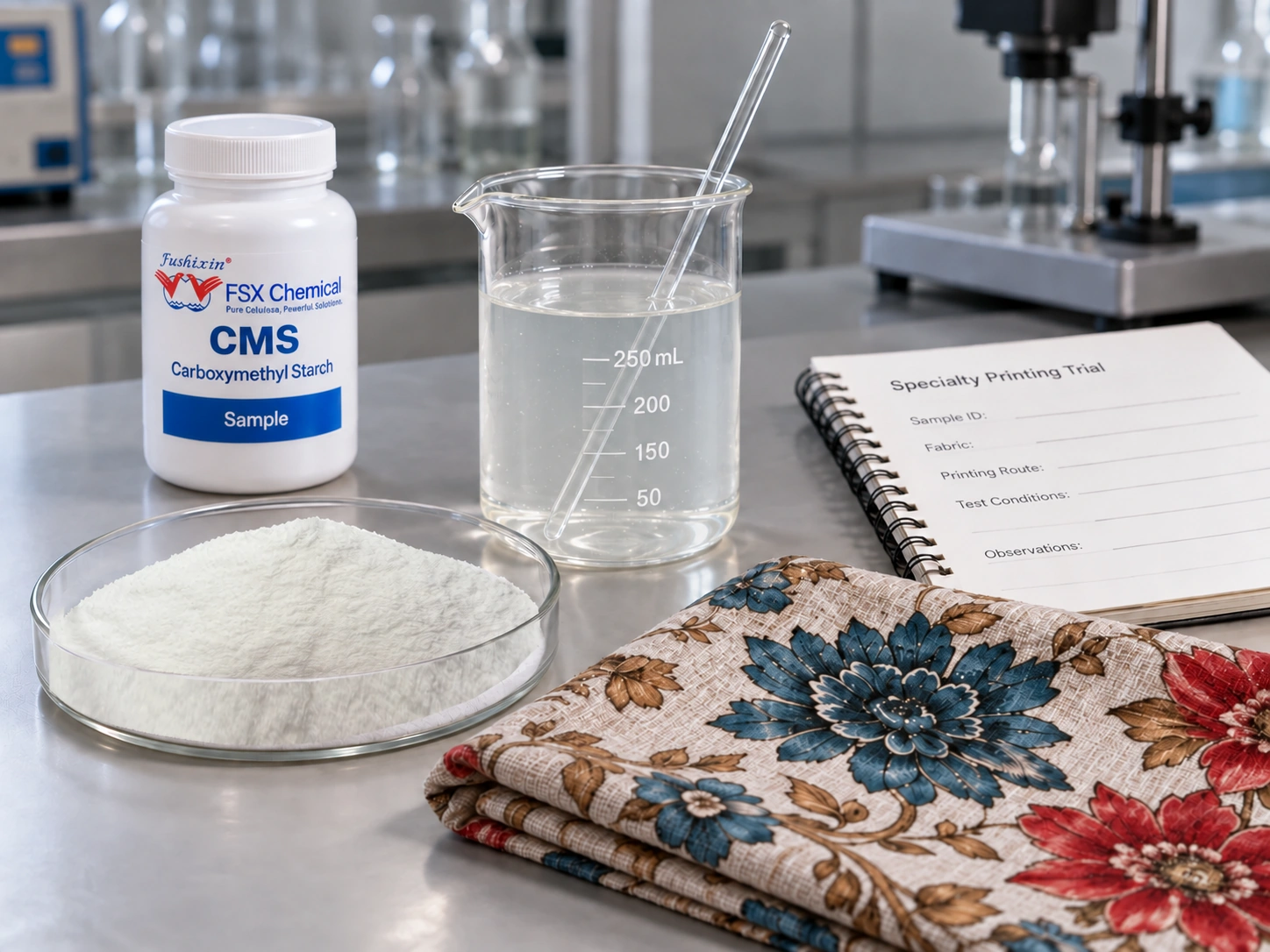
FSX Chemical, küp boya, aşındırma ve belirli devore tekstil baskısı uygulamaları için özel baskı kıvamlaştırıcı çözümleri sunar. Uygun ürün sınıfı; kumaş, kimyasal sistem, pat hazırlama ve istenen baskı etkisine göre seçilmelidir. H5, bu özel baskı uygulamalarında değerlendirmeye sunulan dahili FSX ürün sınıflarından biridir.
Özel Baskı Süreci
Pat hazırlama, proses uyumluluğu ve nihai baskı etkilerinin kontrollü olarak değerlendirilmesini gerektiren özel tekstil baskısı uygulamaları için kıvamlaştırıcı seçeneği.
Küp Boya ve Aşındırma Baskısı
Boya sistemi, aşındırma kimyası ve kumaşa göre viskoziteyi, pat davranışını ve baskı performansını değerlendirin.
Burn-Out / Devoré Baskı
Kullanımdan önce elyaf bileşimini, pat formülasyonunu, kimyasal koşulları ve istenen nihai desen etkisini teyit edin.
Ürün Sınıfı Eşleştirme ve Deneme
Toplu kullanımı onaylamadan önce numune, TDS ve kontrollü baskı denemeleriyle uygun FSX ürün sınıfını seçin.
- Pat Hazırlama
- Viskozite
- Şablonun Baskı Sırasındaki Performansı
- Desen Etkisi
- Baskı Sonrası İşlemler
Özel baskı kıvamlaştırıcı sınıfları, alıcının mevcut baskı prosesiyle karşılaştırılarak değerlendirilmelidir. Laboratuvar verileri ön elemeyi destekleyebilir; ancak nihai seçim baskı davranışına ve bitmiş tekstil ürününün sonucuna dayanmalıdır.
Kumaş bileşimini, baskı yöntemini, mevcut kıvamlaştırıcıyı veya TDS belgesini, pat sistemini ve temel üretim gereksinimlerini paylaşın.
Viskoziteyi, şablonun baskı sırasındaki performansını, desen oluşumunu ve baskı sonrası işlem sonucunu aynı koşullarda karşılaştırın.
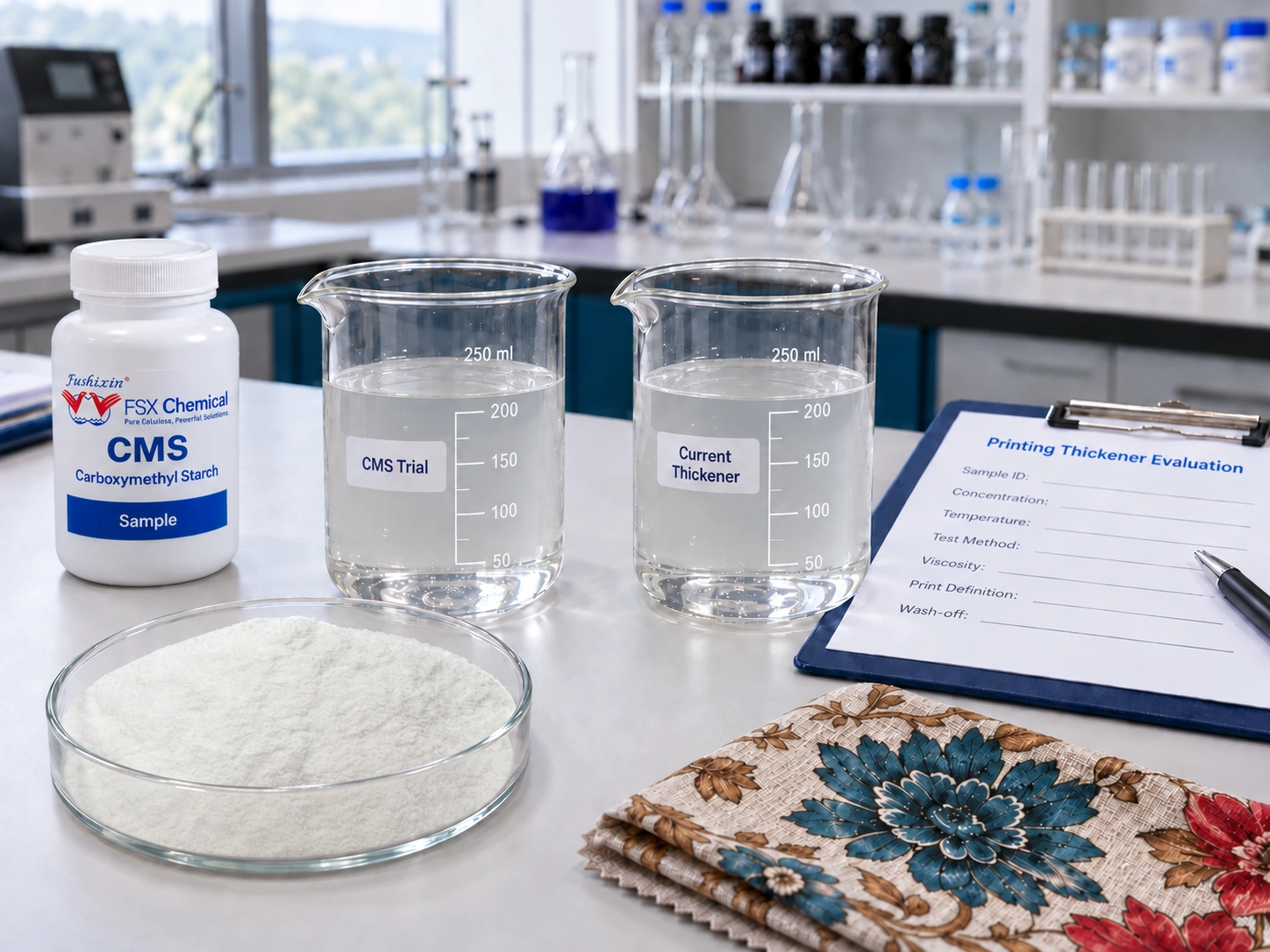
Baskı Kıvamlaştırıcı Seçimi · Üretim Denemesi
Toplu Kullanımdan Önce Bir Baskı Kıvamlaştırıcısı Nasıl Değerlendirilir?
Tekstil baskı kıvamlaştırıcısı yalnızca ürün sınıfı adına göre değil, prosese uygunluğuna ve gerçek deneme performansına göre seçilmelidir. Toplu tedariki onaylamadan önce baskı yöntemini, viskozite test esaslarını, pat davranışını ve bitmiş tekstil sonucunu aynı koşullarda inceleyin.
Baskı Prosesini Teyit Edin
Reaktif, dispers veya özel baskı yöntemini, kumaş bileşimini, boya sistemini ve mevcut pat formülasyonunu tanımlayın. Mevcut kıvamlaştırıcıyı değiştirirken karşılaştırma için mevcut numuneyi veya TDS belgesini sağlayın.
Viskozite Test Koşullarını Eşleştirin
Viskoziteyi aynı çözelti konsantrasyonu, sıcaklık, cihaz, ölçüm mili ve test hızıyla karşılaştırın. Farklı koşullarda ölçülen değerler doğrudan karşılaştırılmamalıdır.
Kontrollü Bir Baskı Denemesi Yapın
Pat hazırlama, şablonun baskı sırasındaki performansı, baskı netliği, renk verimi, penetrasyon ve yıkama ile uzaklaştırmayı değerlendirin. Özel proseslerde desen oluşumu ve baskı sonrası işlem sonuçları da doğrulanmalıdır.
Tedarik ve Teknik Belgeleri Onaylayın
Deneme onaylandıktan sonra seçilen ürün sınıfını, sipariş miktarını, üretim süresini, ambalaj gereksinimlerini, TDS ve SDS belgelerini teyit edin. Parti COA’sı, teyit edilen üretim partisine göre hazırlanır.
Baskı Kıvamlaştırıcı Tedarikçisi Değerlendirmesi
Bir Baskı Kıvamlaştırıcı Tedarikçisini Değerlendirirken Nelere Dikkat Edilmelidir?
Yeni veya yedek bir tekstil baskı kıvamlaştırıcısı tedarikçisini incelerken, numune ya da üretim denemesine geçip geçmemeye karar vermeden önce ürün performansını, test koşullarını, partiler arası tutarlılığı, teknik desteği ve tedarik şartlarını karşılaştırın.
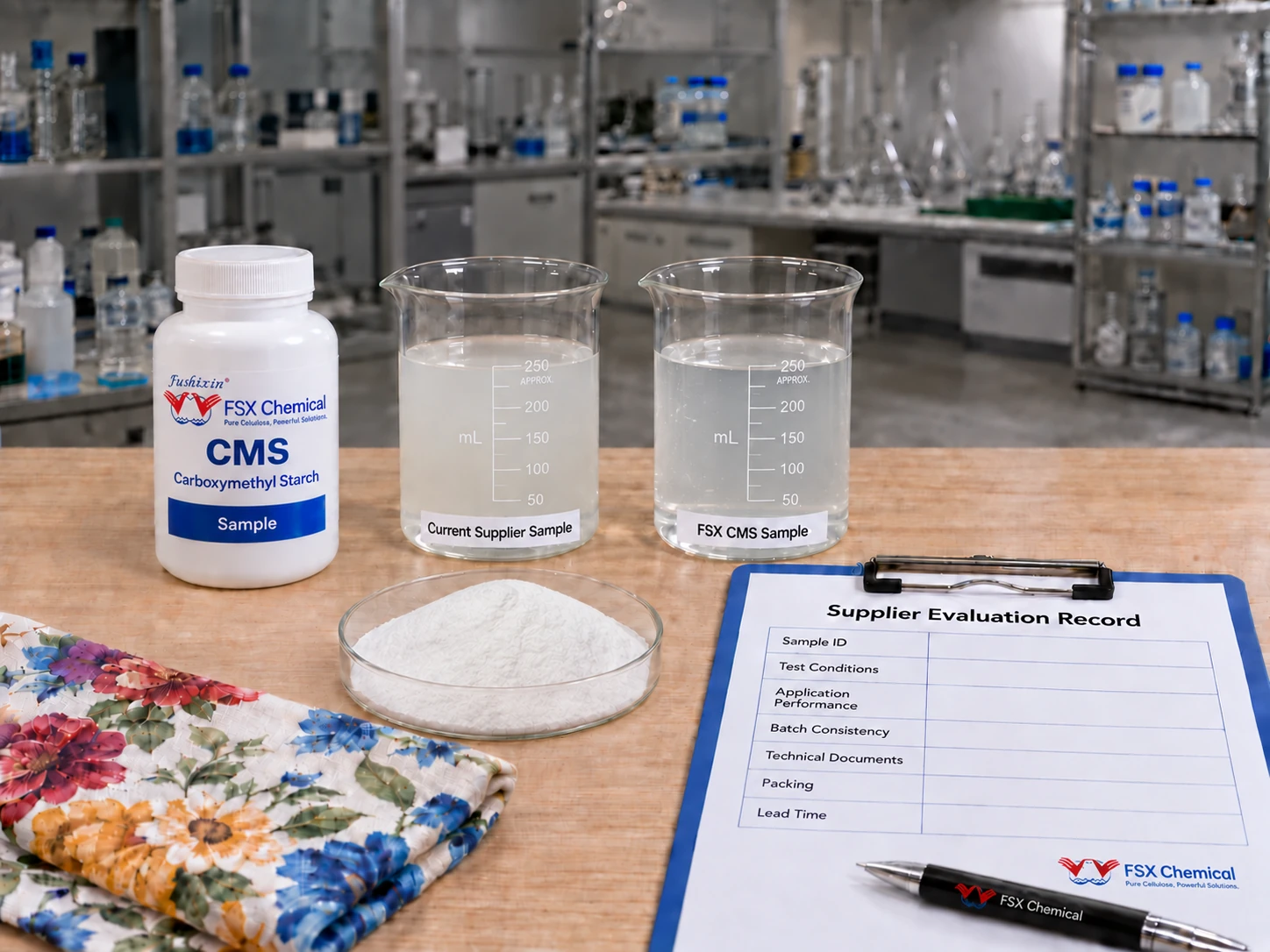
Sadece Fiyatı veya Tek Bir Viskozite Değerini Karşılaştırmayın
Olası bir baskı kıvamlaştırıcısı tedarikçisi; mevcut ürün, aynı test koşulları, gerçek baskı prosesi ve ticari tedarik gereksinimleri birlikte dikkate alınarak değerlendirilmelidir.
Mevcut tedarikçinin ürün sınıfını, ürün numunesini, teknik özelliklerini ve mevcut pat gereksinimlerini karşılaştırın.
Viskozite sonuçlarını karşılaştırmadan önce konsantrasyonu, sıcaklığı, cihazı, ölçüm milini ve test yöntemini aynı hale getirin.
Reaktif, dispers veya özel baskıyı gerçek kumaş, boya sistemi ve pat koşullarıyla birlikte inceleyin.
Partiler arası tutarlılığı, sipariş miktarını, ambalajı, teslim süresini, teknik belgeleri ve tedarik koordinasyonunu inceleyin.
Baskı Kıvam Artırıcı SSS · Teknik ve Tedarik
Tekstil Baskısı Kıvam Artırıcıları Hakkında Sıkça Sorulan Sorular
Ticari satın alma öncesinde reaktif baskı kıvamlaştırıcılarını, sodyum aljinat alternatiflerini, viskozite test koşullarını, numune denemelerini ve teknik belgeleri değerlendiren alıcılar için pratik yanıtlar.
01
Reaktif baskı kıvamlandırıcısında nelere dikkat etmeliyim?
Reaktif boya baskısında pat viskozitesini, şablonun baskı sırasındaki performansını, baskı netliğini, renk verimini, yıkama ile uzaklaştırmayı ve dozajı gerçek pamuk, viskon veya diğer selülozik kumaş koşullarında karşılaştırın. Değerlendirme yalnızca teknik değerlere değil, alıcının gerçek boya sistemine, formülasyonuna ve baskı prosesine dayanmalıdır.
02
Reaktif baskı kıvam arttırıcısı, sodyum aljinat yerine kullanılabilir mi?
Alternatif bir reaktif baskı kıvamlaştırıcısı, aynı formülasyon, viskozite ve baskı koşullarında mevcut sodyum aljinatla karşılaştırılarak değerlendirilebilir. Uygun ikame oranı sabit bir bire bir oran olarak varsayılmamalı; laboratuvar ve üretim denemeleriyle doğrulanmalıdır.
03
Bir sodyum aljinat ikamesini test ederken hangi özellikleri karşılaştırmalıyım?
Mevcut sodyum aljinatınızı alternatif kıvamlaştırıcıyla aynı hedef pat viskozitesi ve üretim koşullarında karşılaştırın. Önemli kontroller; dozaj, renk verimi, yıkama ile uzaklaştırma, şablon performansı, baskı netliği, pat stabilitesi ve nihai kullanım maliyetidir. Daha ekonomik seçeneği belirlemek için yalnızca kilogram fiyatı yeterli değildir.
04
Baskı kıvamlaştırıcısının viskozite değerleri nasıl karşılaştırılmalıdır?
Viskozite değerleri yalnızca aynı test koşullarında karşılaştırılmalıdır. Aynı çözelti konsantrasyonunu, sıcaklığı, cihazı, ölçüm milini, hızı ve ölçüm yöntemini kullanın. FSX CN-R ve FS-05 referans değerleri %5 çözeltide, H5 ise %8 çözeltide ölçülür; bu nedenle test esasları dikkate alınmadan bu değerler doğrudan karşılaştırılmamalıdır.
05
Farklı baskı işlemleri için tekstil baskı kıvamlaştırıcısını nasıl seçmeliyim?
Dahili ürün koduyla değil, baskı prosesiyle başlayın. Reaktif, dispers, küp boya, aşındırma ve devore baskının pat ve performans gereksinimleri farklıdır. FSX, değerlendirme için uygun bir ürün sınıfı önermeden önce kumaşı, boya veya kimyasal sistemi, mevcut kıvamlaştırıcıyı ve deneme hedeflerini inceleyebilir.
06
Numune denemesi veya fiyat teklifi için hangi bilgiler gereklidir?
Baskı prosesini, kumaş türünü, varsa mevcut ürün numunesini veya TDS belgesini, viskozite gereksinimini ve test yöntemini, pat koşullarını, beklenen baskı sonucunu, tahmini miktarı ve teslimat yerini belirtin. TDS ve SDS ürün değerlendirmesini destekler; parti COA’sı ise teyit edilen üretim partisine göre hazırlanır.