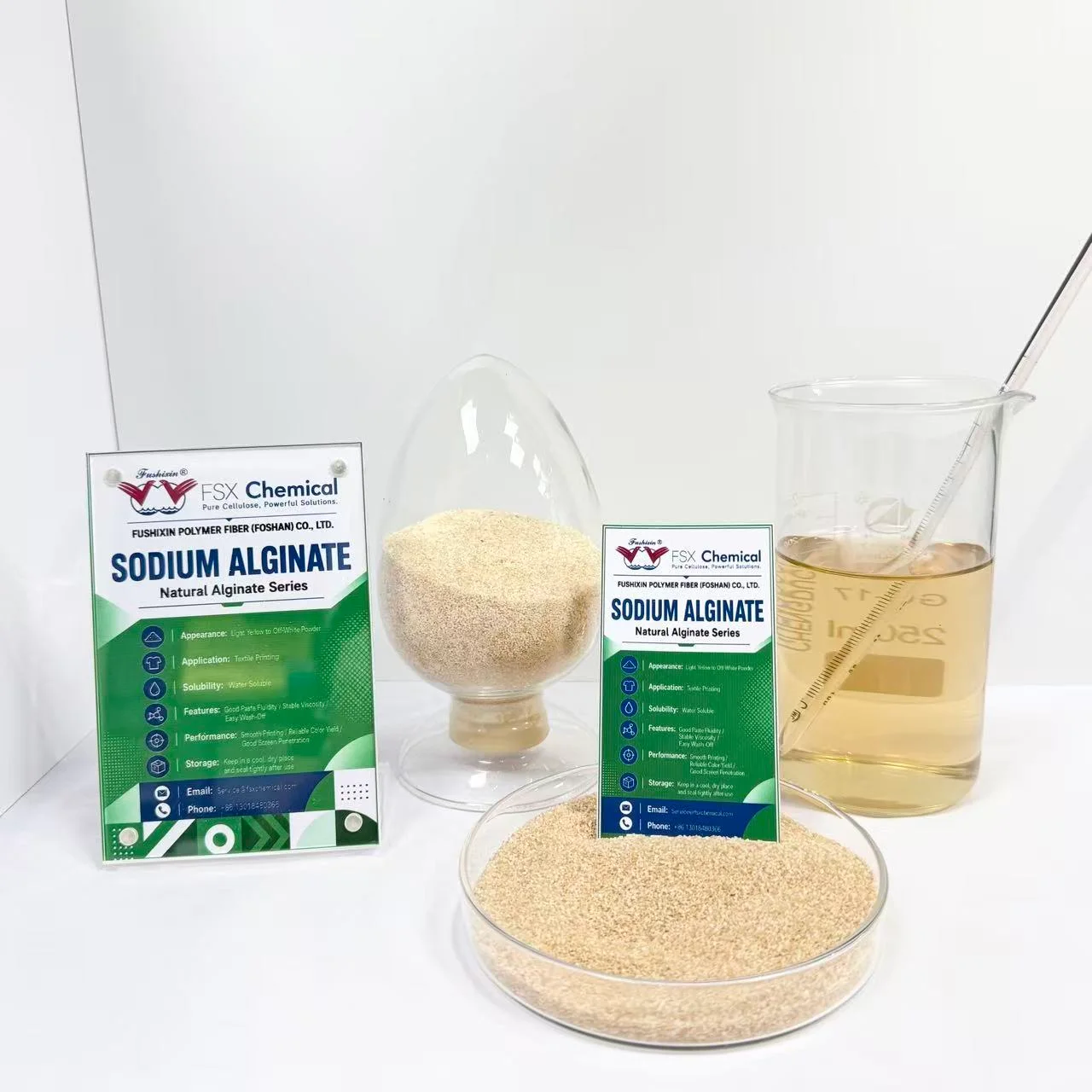
This guide explains how buyers can evaluate sodium alginate for textile printing by reviewing application trends, product specifications, document support, sample testing, batch consistency, packaging, and export requirements.
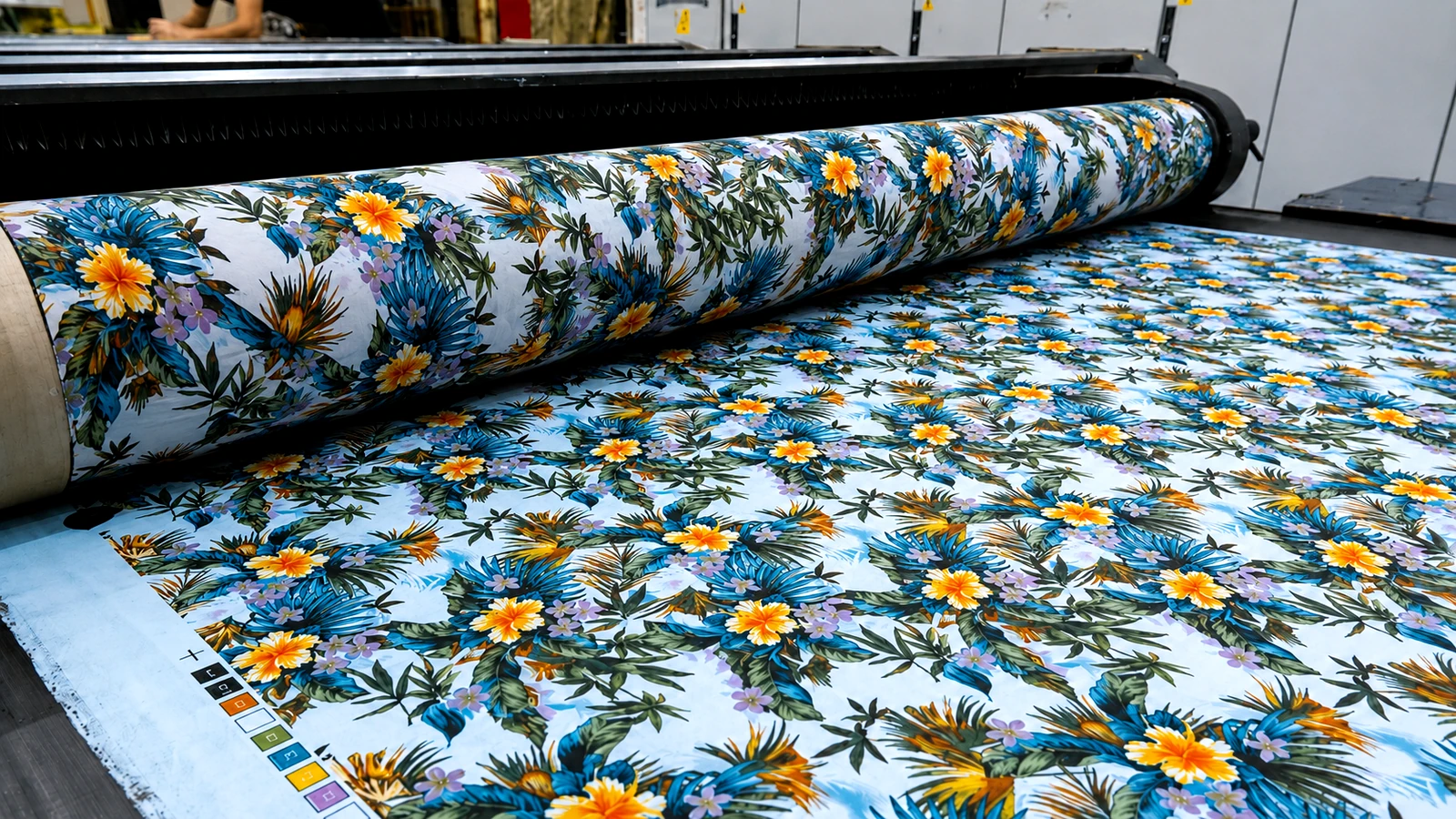
Why Sodium Alginate Remains Important in Textile Printing
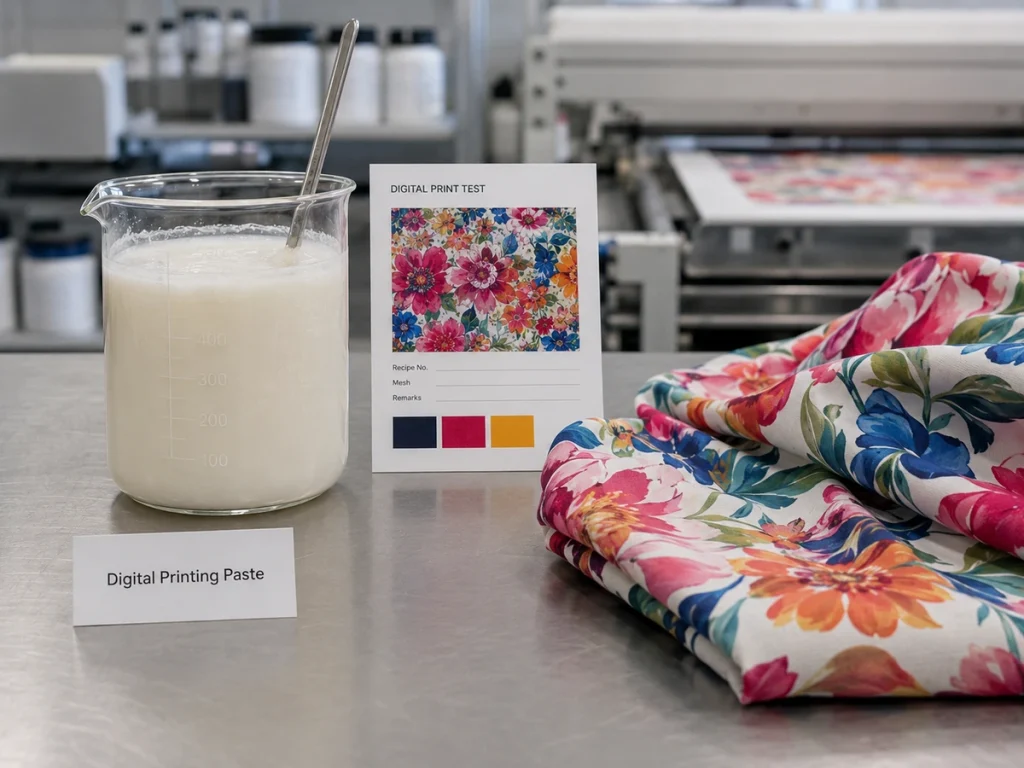
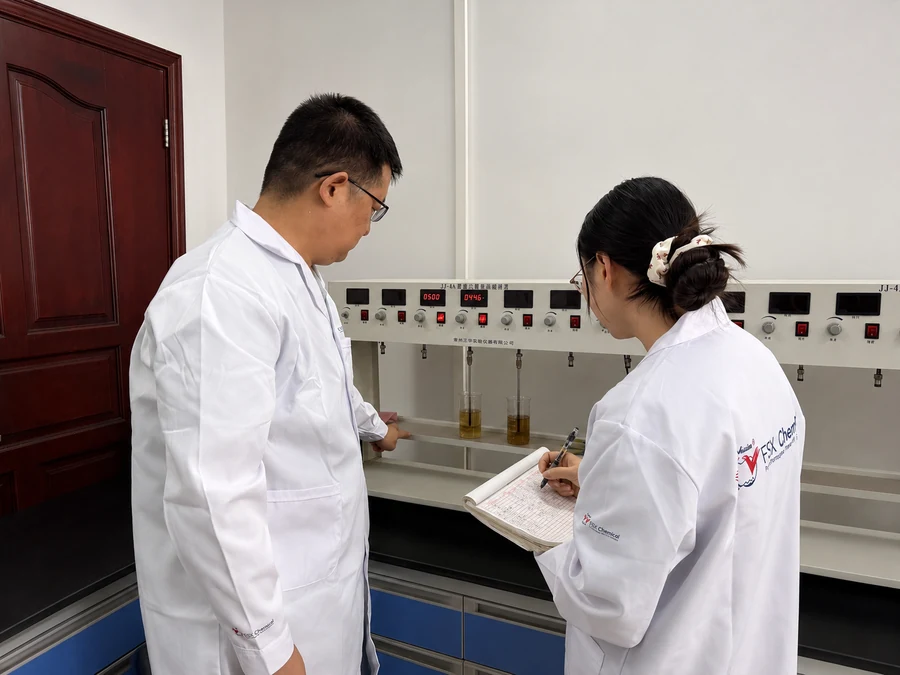
Reactive Printing Paste Requires Controlled Viscosity
The suitable grade depends on the target paste viscosity, printing method, fabric type, dye system, water quality, and preparation process.
Dissolution and Paste Smoothness Affect Production Handling
Besides viscosity, dissolution behavior is also important. If sodium alginate hydrates unevenly, the paste may contain lumps, show poor smoothness, or create filtration difficulty.
Buyers should evaluate dissolution behavior under their own water quality, stirring method, addition sequence, preparation time, and formulation conditions.
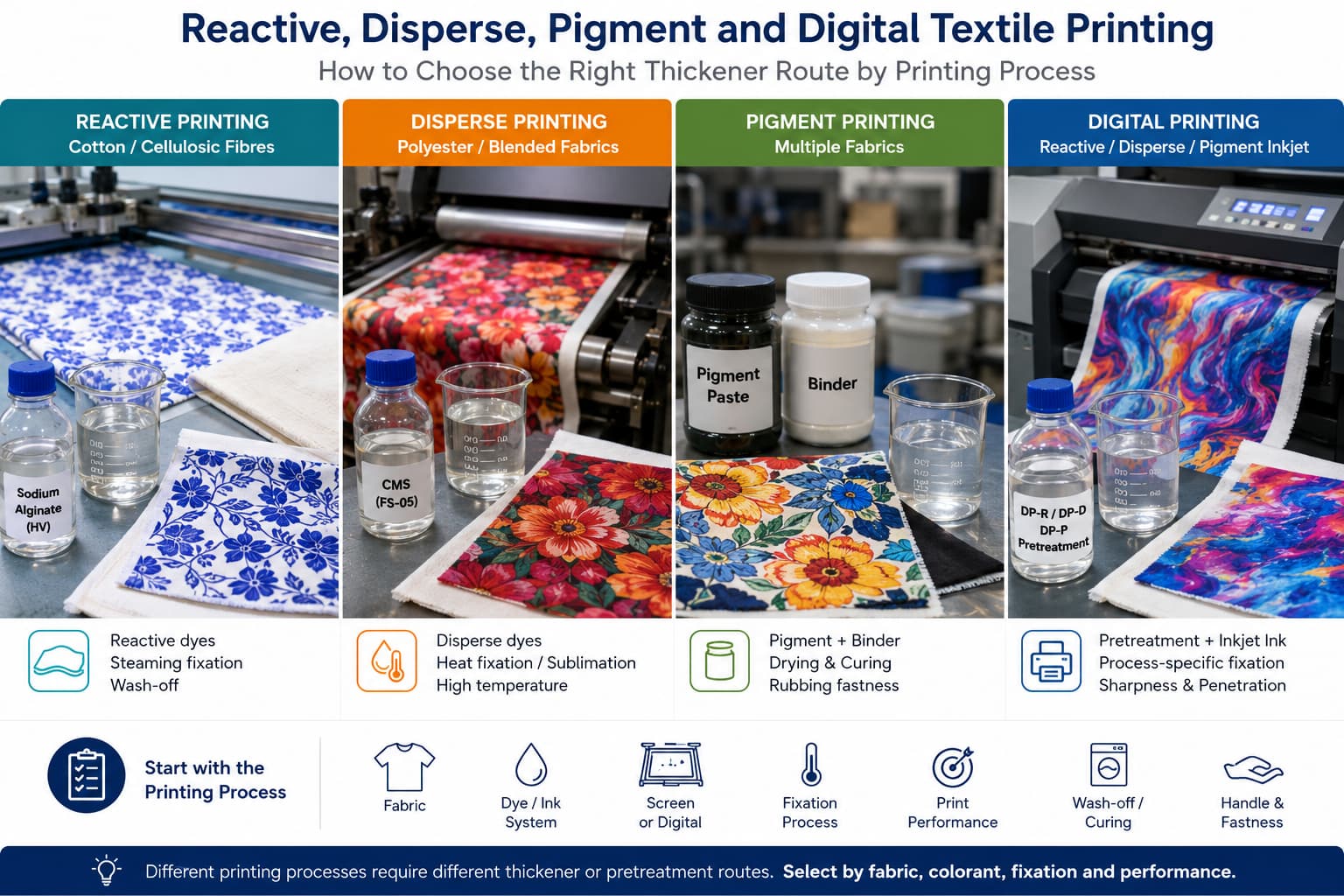
Different Printing Processes May Need Different Grades
There is no single sodium alginate grade that fits every textile printing process. A grade suitable for one formulation may not perform the same in another production system.
For this reason, grade selection should be based on actual application data and sample testing rather than broad supplier claims.
How Buyers Should Treat Eco-Friendly and Performance Claims
Environmental Claims Need Supporting Documents
Terms such as “eco-friendly,” “biodegradable,” “non-toxic,” or “compliant” should be reviewed carefully in B2B chemical sourcing. If these claims matter to the buyer’s internal approval or customer audit, supporting documents should be requested before order confirmation.
Depending on the buyer’s requirement, this may include SDS, supplier statements, restricted-substance information, customer questionnaires, or third-party testing documents where applicable.
Performance Claims Should Be Tested in the Buyer’s Formulation
Claims about color performance, printing sharpness, paste stability, or production efficiency should not be accepted only as marketing language. Final performance depends on the buyer’s formulation and production process.
Buyers should test the recommended sodium alginate grade in their own paste preparation and printing conditions before bulk purchase.
Regulatory or Certification Requirements Should Be Clarified Early
If the buyer needs specific certification, restricted-substance confirmation, or customer compliance documents, those requirements should be discussed before quotation or shipment.
ينبغي على المورد الجاد أن يشرح بوضوح المستندات التي يمكن تقديمها، والمطالبات التي تتطلب إجراء اختبارات أو الحصول على شهادات رسمية من جهة خارجية.
المواصفات الرئيسية التي ينبغي على المشترين الاطلاع عليها
درجة اللزوجة وطريقة الاختبار
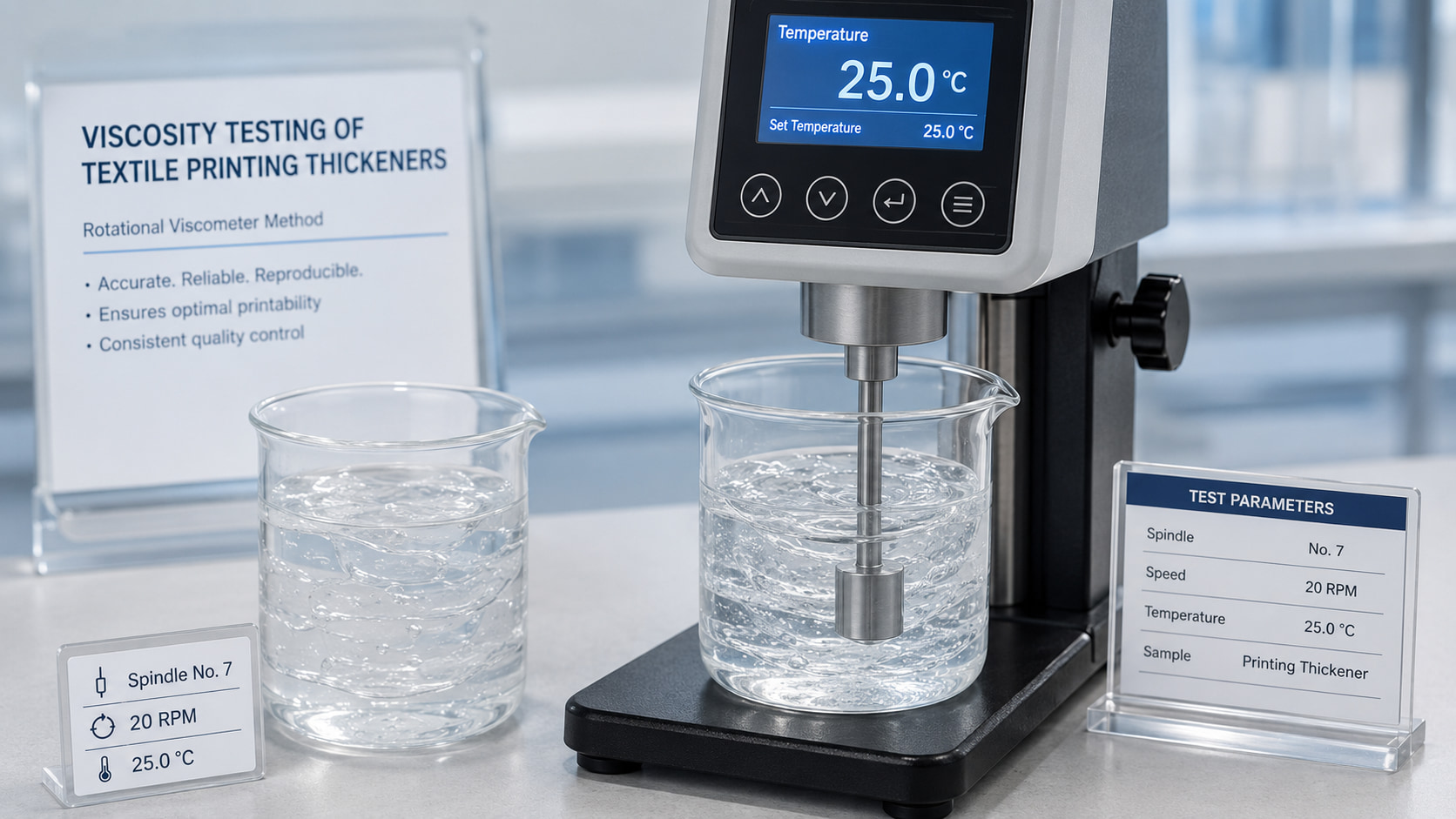
Viscosity is one of the most important parameters for sodium alginate used in textile printing paste. Buyers should review the viscosity range together with the test concentration, temperature, instrument method, and unit.
في غياب طريقة اختبار واضحة، قد لا تكون قيم اللزوجة المقدمة من مختلف الموردين قابلة للمقارنة بشكل مباشر.
حجم الشبكة وسلوك الذوبان
Mesh size can influence dispersion and hydration during paste preparation. However, actual dissolution behavior also depends on water quality, stirring speed, addition method, and preparation time.
Buyers should test the product under their own preparation conditions instead of relying only on mesh size data.
الرطوبة، ودرجة الحموضة، والمظهر
تعد الرطوبة ودرجة الحموضة والمظهر مؤشرات أساسية لكنها مهمة للجودة. فهي تؤثر على التخزين والمناولة ومراقبة الجودة وتكرار الشراء.
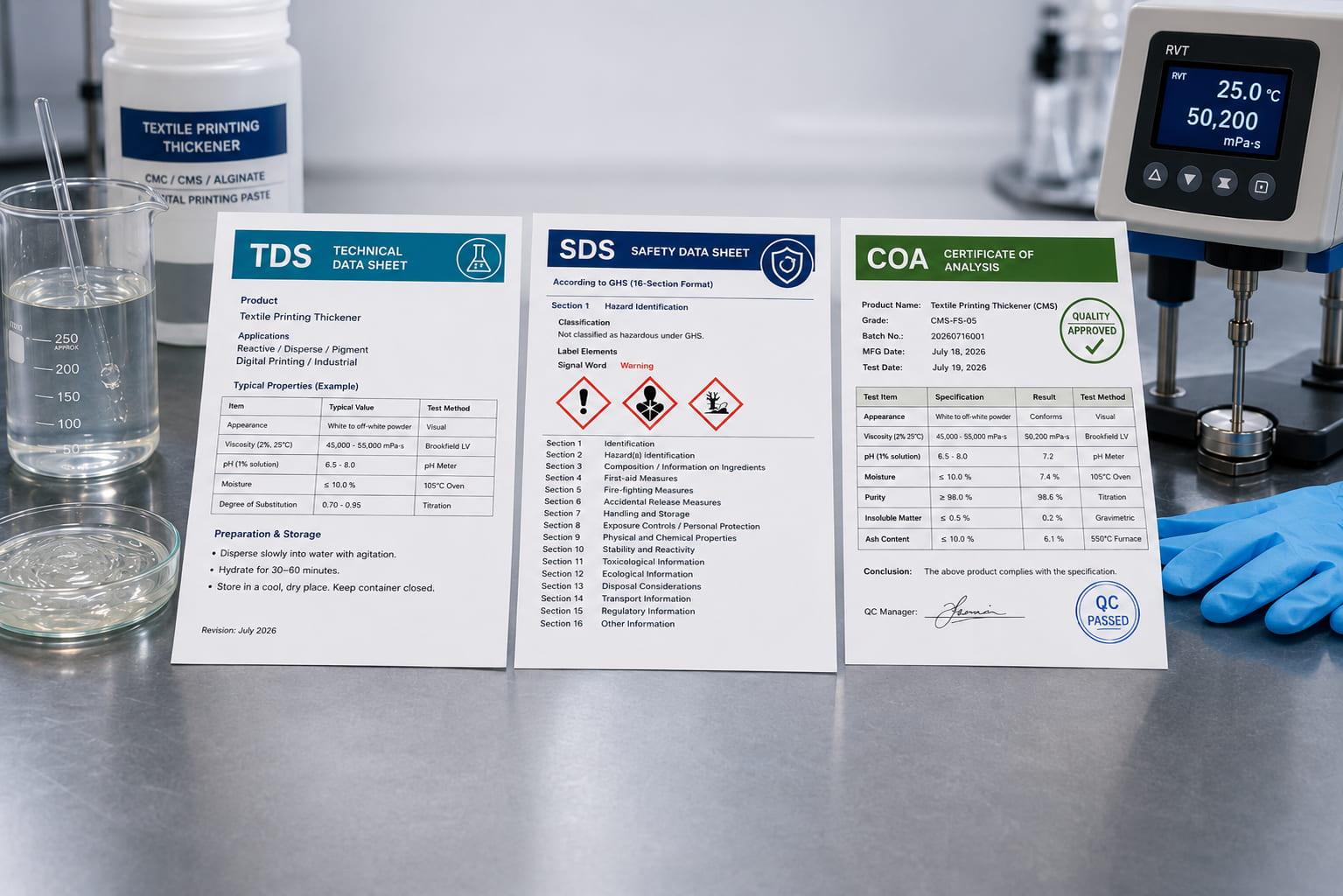
These parameters should be reviewed in the TDS and confirmed through COA data for each batch.
اتساق الدُفعات
في حالة الطلبات المتكررة، يُعد اتساق الدُفعات أمرًا مهمًا. فإذا طرأت تغييرات كبيرة على اللزوجة أو الرطوبة أو درجة الحموضة أو سلوك الذوبان بين الدُفعات، فقد يضطر المشتري إلى تعديل التركيبة مرة أخرى.
تساعد مراجعة شهادة التحليل (COA) المشترين على التأكد من أن بيانات الدفعة لا تزال ضمن نطاق المواصفات المتفق عليها.
Documents Buyers Should Request Before Purchase
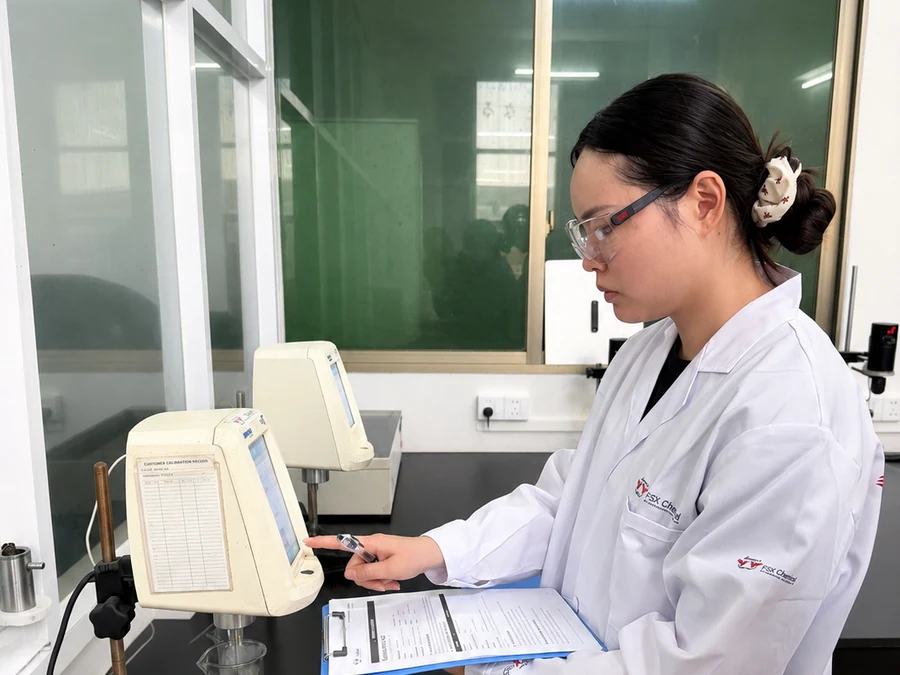
TDS لمراجعة المواصفات
تساعد ورقة البيانات الفنية المشترين على الاطلاع على المواصفات القياسية للمنتج. وينبغي أن تتضمن المعلمات الرئيسية مثل المظهر، واللزوجة، وحجم الشبكة، والرطوبة، ودرجة الحموضة (pH)، وظروف التخزين، وطريقة الاختبار.
The TDS is useful for technical comparison, but it should not replace sample testing in the buyer’s own formulation.
تقرير التوافق (COA) لتأكيد الدفعة
تؤكد شهادة التحليل البيانات الفعلية لدفعة إنتاج محددة. وهي مهمة للطلبات بالجملة، وعمليات الشراء المتكررة، وتزويد الموزعين، ومراقبة الجودة الداخلية.
يمكن للمشترين مقارنة سجلات شهادات المنشأ (COA) عبر الشحنات المختلفة للتحقق مما إذا كانت المعلمات الرئيسية تظل مستقرة بمرور الوقت.
SDS for Handling and Transport Review
تُستخدم صحيفة بيانات السلامة (SDS) في عمليات المناولة والتخزين والنقل، فضلاً عن المراجعة الداخلية للسلامة. وفيما يتعلق بعمليات الشراء الدولية، قد تكون هناك حاجة إلى صحيفة بيانات السلامة (SDS) أيضًا لأغراض الشحن والاتصالات المتعلقة بالجمارك.
يجب على المشترين التأكد من أن اسم المنتج الوارد في صحيفة بيانات السلامة (SDS) ومعلومات المورد تتطابق مع مستندات الطلب.
وثائق إضافية متعلقة بالبيئة أو بالمواد الخاضعة للقيود
If the buyer needs environmental statements, restricted-substance information, customer audit documents, or certification support, these requirements should be clearly requested before order confirmation.
يجب على الموردين توضيح المستندات التي يمكنهم تقديمها، والمطالبات التي تتطلب إجراء اختبارات من قبل جهة خارجية أو الحصول على شهادة اعتماد رسمية.
كيفية اختبار ألجينات الصوديوم قبل الشراء بالجملة
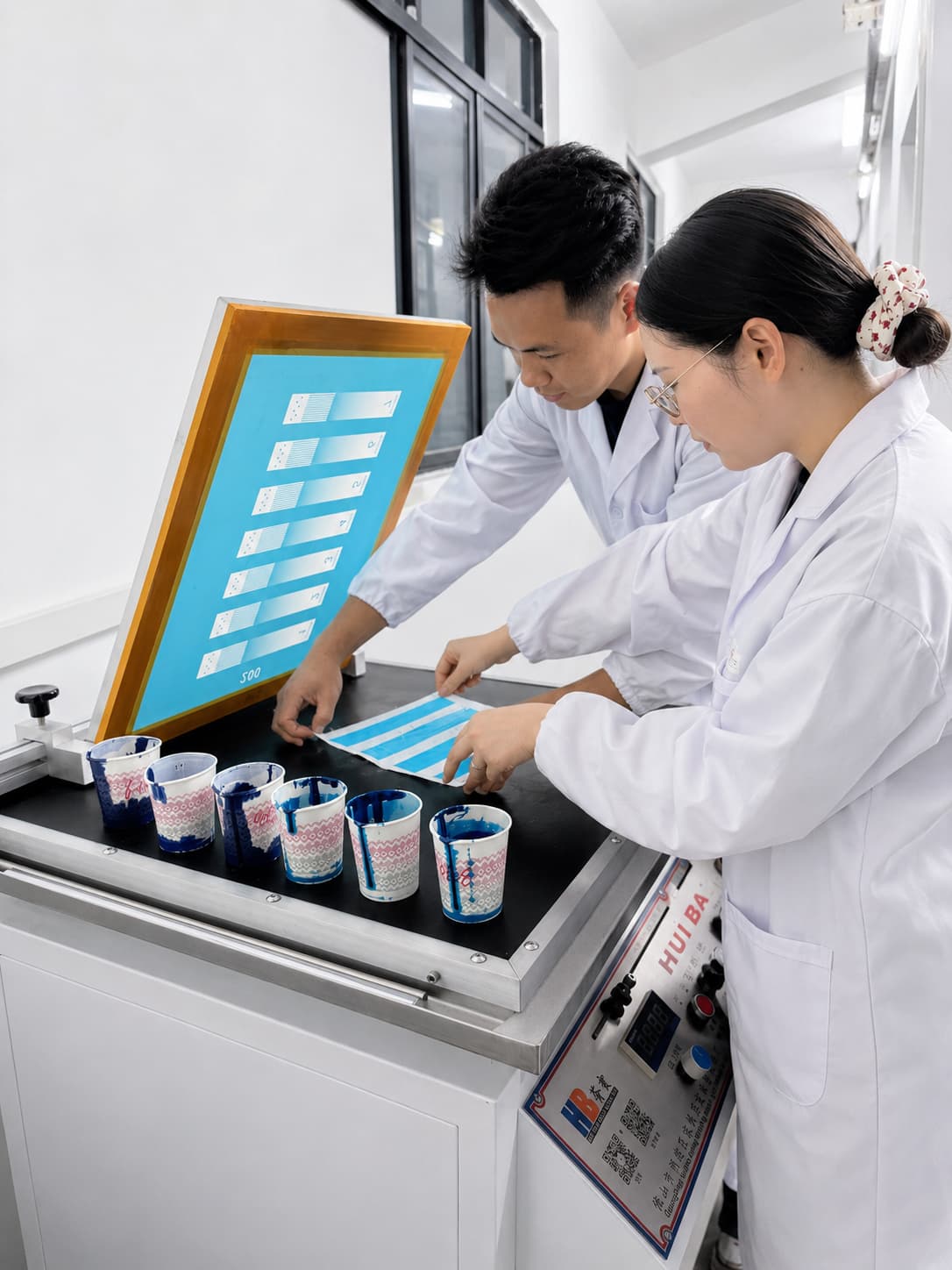
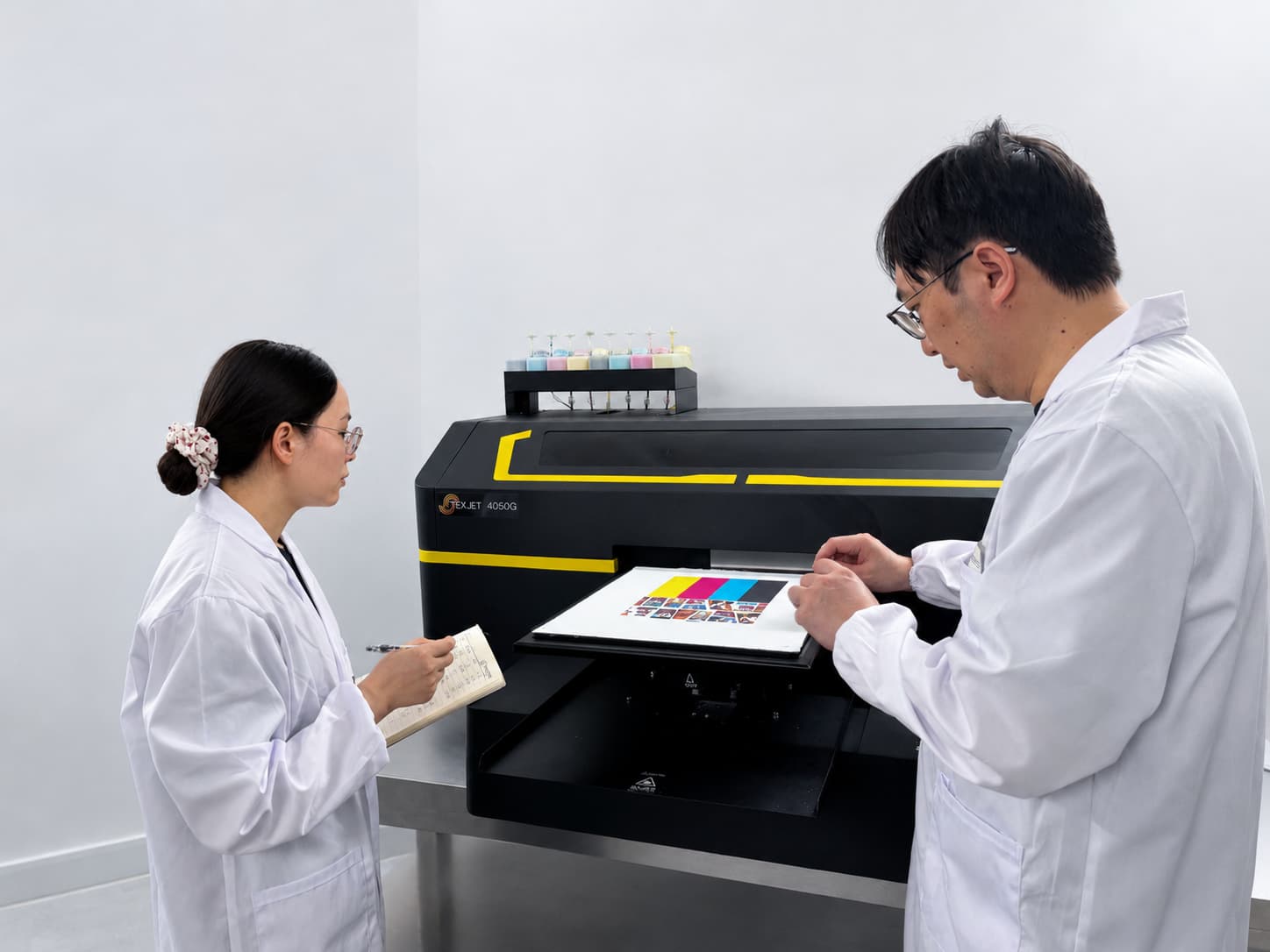
اختبار تركيبة معجون الطباعة الفعلي
ينبغي إجراء اختبار العينات وفقًا للتركيبة الخاصة بالمشتري كلما أمكن ذلك. فالأصباغ والمواد المساعدة وجودة المياه ودرجة الحموضة وطريقة التحريك وتركيز المعجون ومدة التخزين، كلها عوامل يمكن أن تؤثر على سلوك المعجون النهائي.
قد لا يكون إجراء الاختبارات في المياه النظيفة وحدها كافياً للتأكد من مدى ملاءمة درجة ألجينات الصوديوم للاستخدام في الإنتاج.
مراقبة سلاسة اللصق والترشيح
During testing, buyers should observe dissolution speed, paste smoothness, lump formation, filtration behavior, viscosity stability, and application handling.
For textile printing paste, these practical observations are often as important as the basic specification data shown in the TDS.
مقارنة العينة المعتمدة مع الشحنة السائبة
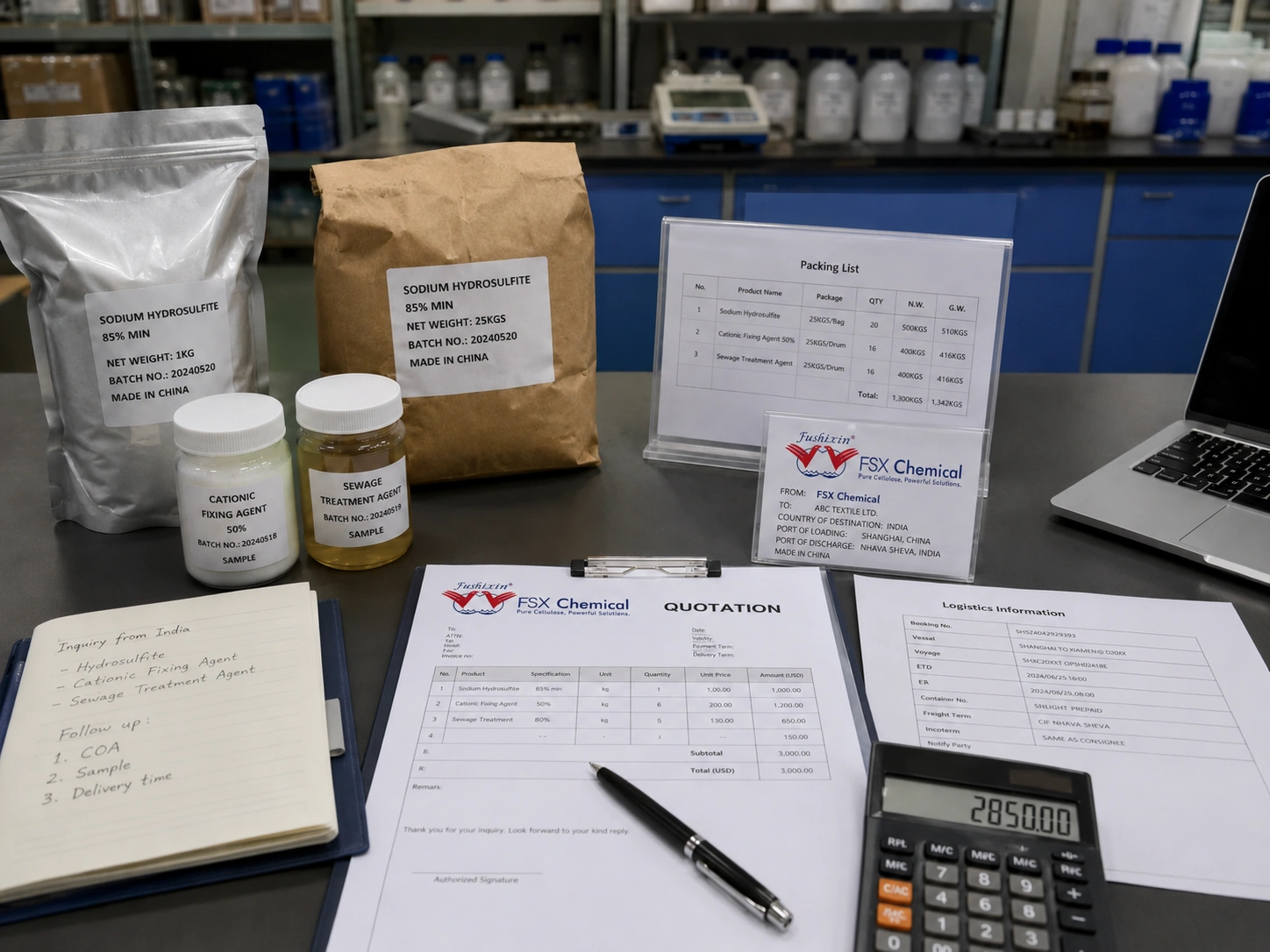
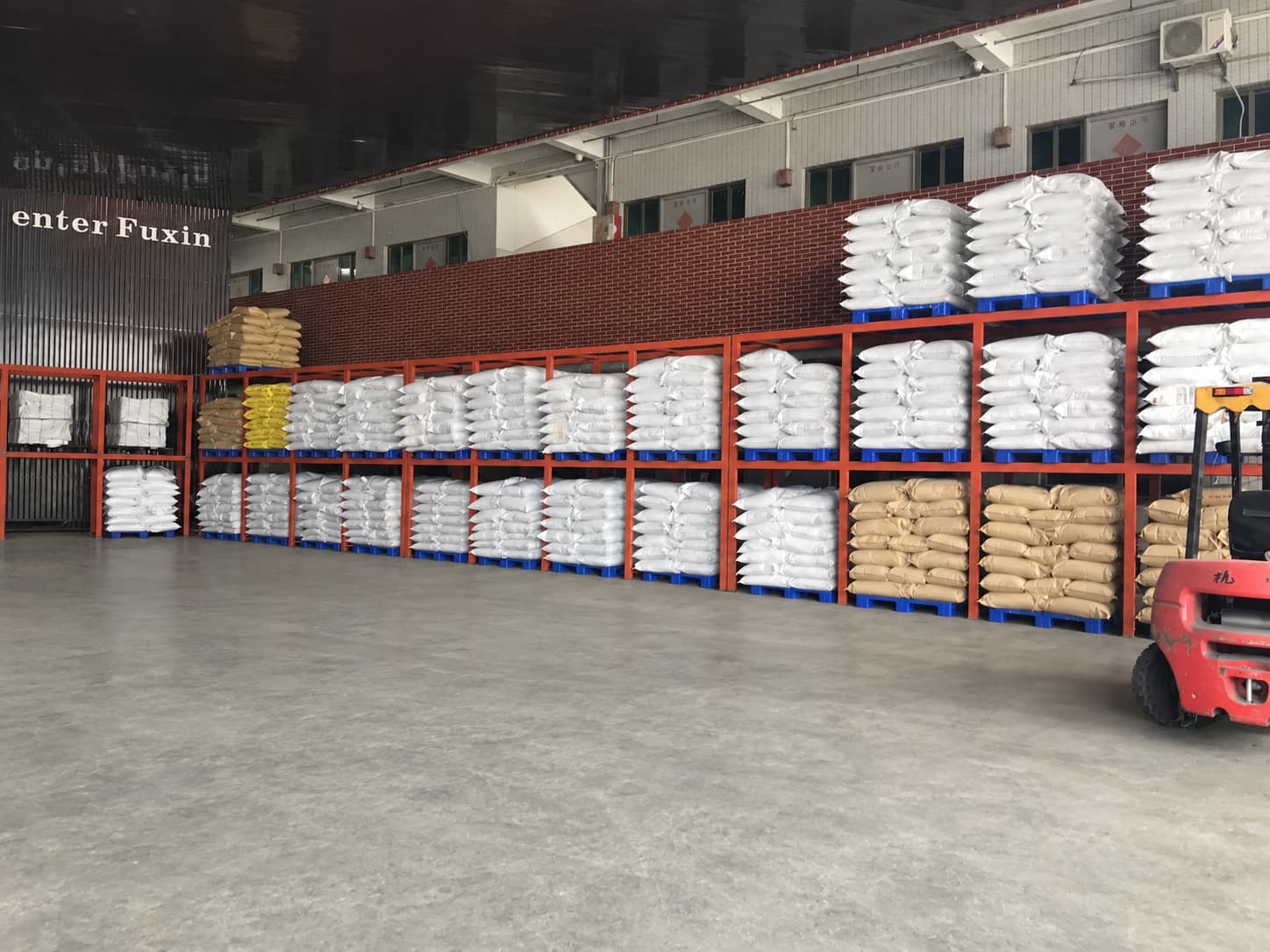
قبل تأكيد أي طلب بالجملة، يجب على المشترين التحقق مما إذا كانت العينة المعتمدة والشحنة بالجملة ستتوافقان مع نفس نطاق اللزوجة، وحجم الشبكة، وشكل التعبئة، وإمكانية تتبع الدفعة، ومتطلبات شهادة التحليل (COA).
وهذا يساعد على تقليل مخاطر عدم تطابق العينة مع الكمية الإجمالية.
Common Mistakes When Following Sodium Alginate Trends
Choosing by Trend Words Instead of Application Needs
Words such as “green,” “high-performance,” or “advanced” do not define whether a sodium alginate grade is suitable for a specific printing process.
Buyers should start with application requirements, not marketing descriptions.
تجاهل طريقة اختبار اللزوجة
Viscosity values measured under different concentrations, temperatures, or instruments may show different results.
Before comparing suppliers, buyers should check whether the test method is clearly stated.
Overlooking Sample-to-Bulk Consistency
وهذا أمر مهم بشكل خاص للموزعين والمصانع التي تحتاج إلى إمدادات مستمرة ومستقرة.
كيف تدعم شركة FSX Chemical مشتري ألجينات الصوديوم
الخطوات التالية
- شارك طلبك — أخبرنا عن عملية الطباعة التي تتبعها، ونوع القماش، ونظام الصباغة، واللزوجة المستهدفة، وتركيبة المعجون الحالية.
- Clarify Document Requirements — يرجى توضيح ما إذا كنت بحاجة إلى صحائف بيانات السلامة (SDS)، أو بيانات المواد المقيدة، أو استبيانات العملاء، أو وثائق الاعتماد الصادرة عن جهات خارجية.
- طلب تقرير TDS — مراجعة نطاق اللزوجة، وحجم الشبكة، ودرجة الحموضة، والرطوبة، والمظهر، وظروف التخزين، وطريقة الاختبار.
- طلب شهادة المنشأ — التأكد من مطابقة بيانات الدفعة لنطاق المواصفات المتفق عليه قبل الشحن.
- اطلب عينة — اختبر نوع ألجينات الصوديوم الموصى به في عملية تحضير المعجون الخاصة بك وفي ظروف الطباعة الخاصة بك قبل تأكيد الطلبات بالجملة.
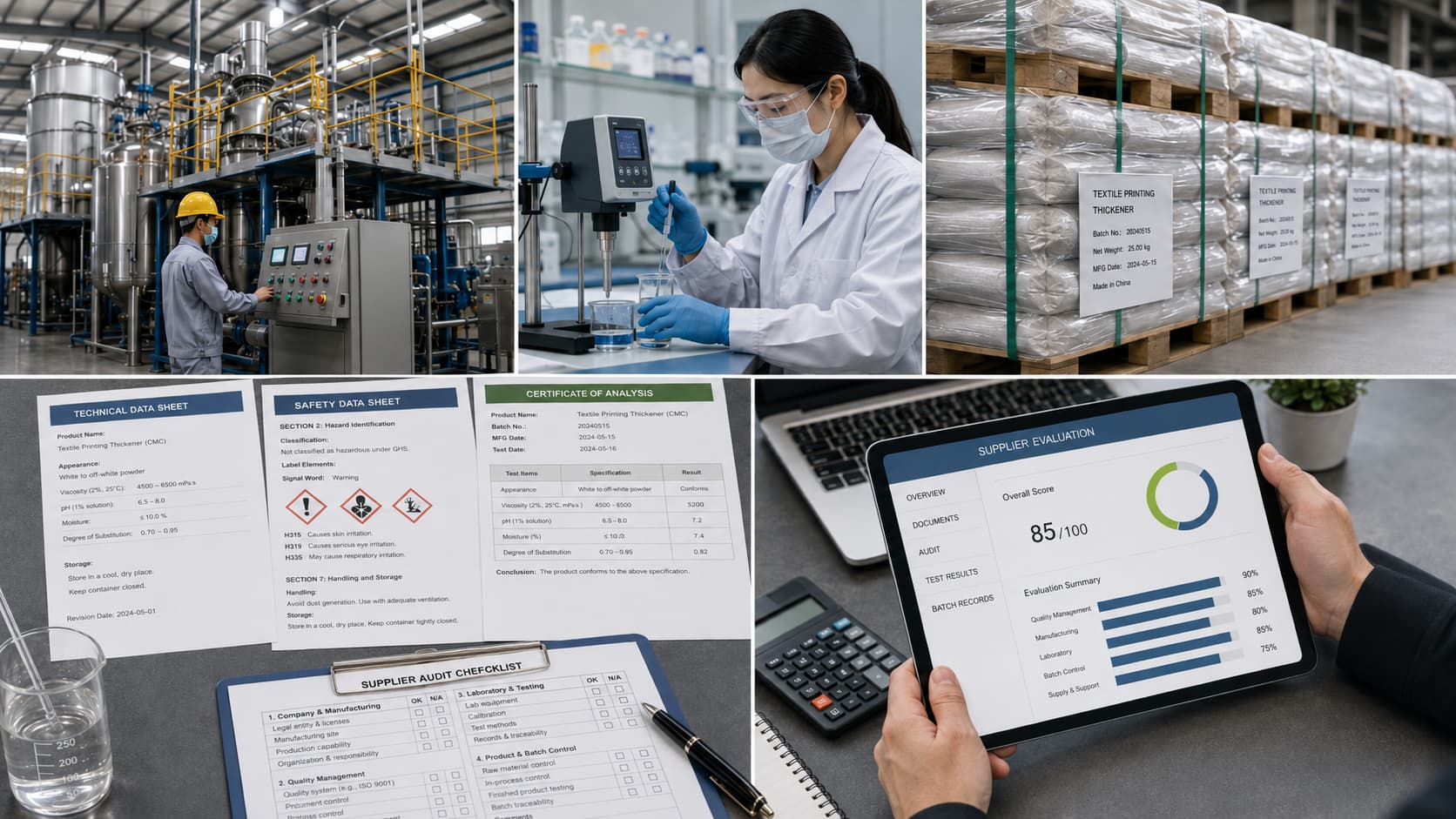
- التحقق من مستندات التعبئة والتغليف والتصدير — التحقق من حجم الحقيبة، والملصقات، وإمكانية تتبع الدفعة، وورقة بيانات السلامة (SDS)، والفاتورة، وقائمة التعبئة، وغيرها من المستندات المطلوبة قبل الشحن.
- اتصل بفريقنا الفني — discuss which sodium alginate grade and document support are suitable for your textile printing application📧 البريد الإلكتروني: Service@fsxchemical.com