BN
BN  EN
EN  UR
UR  TR
TR  ID
ID  RU
RU  AR
AR 
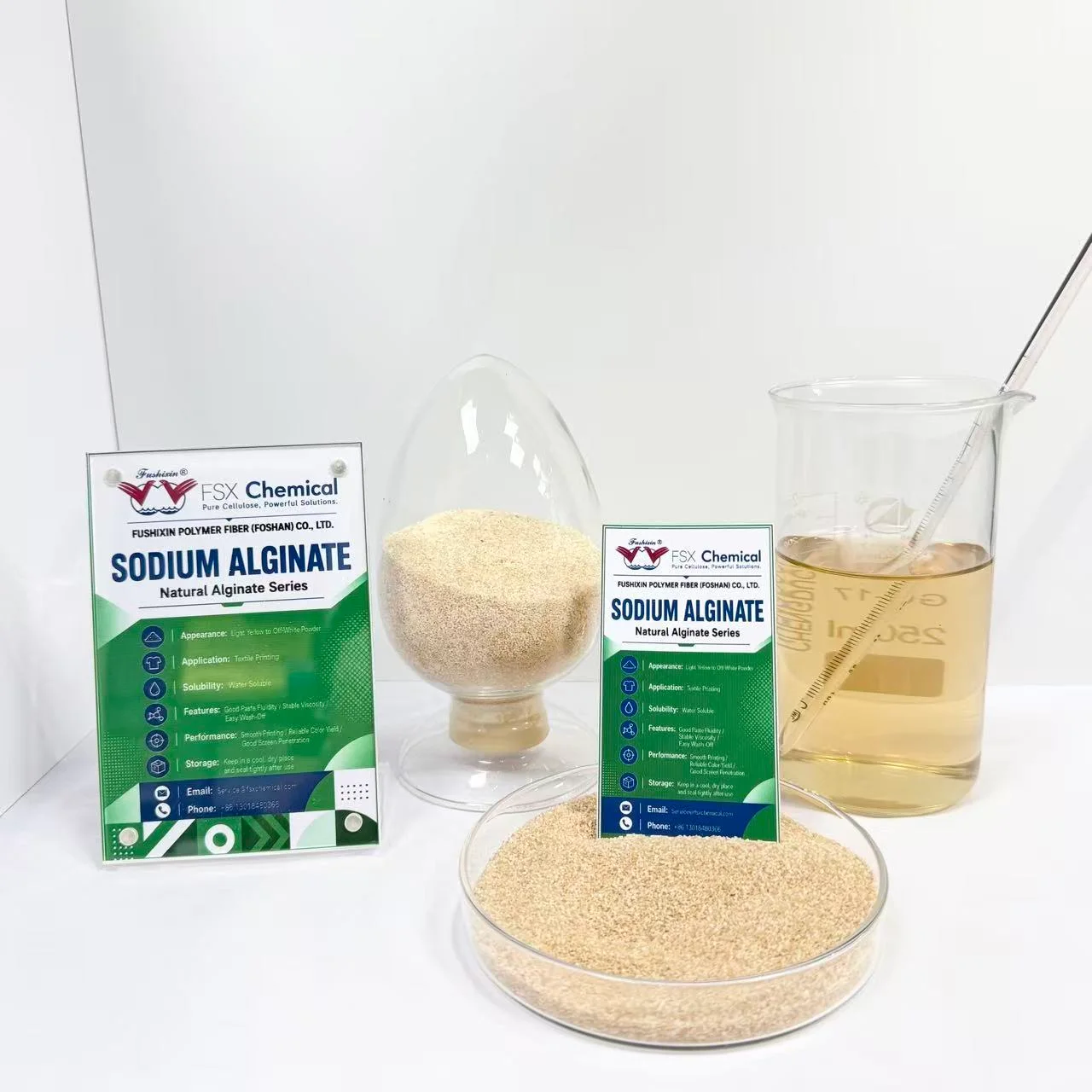
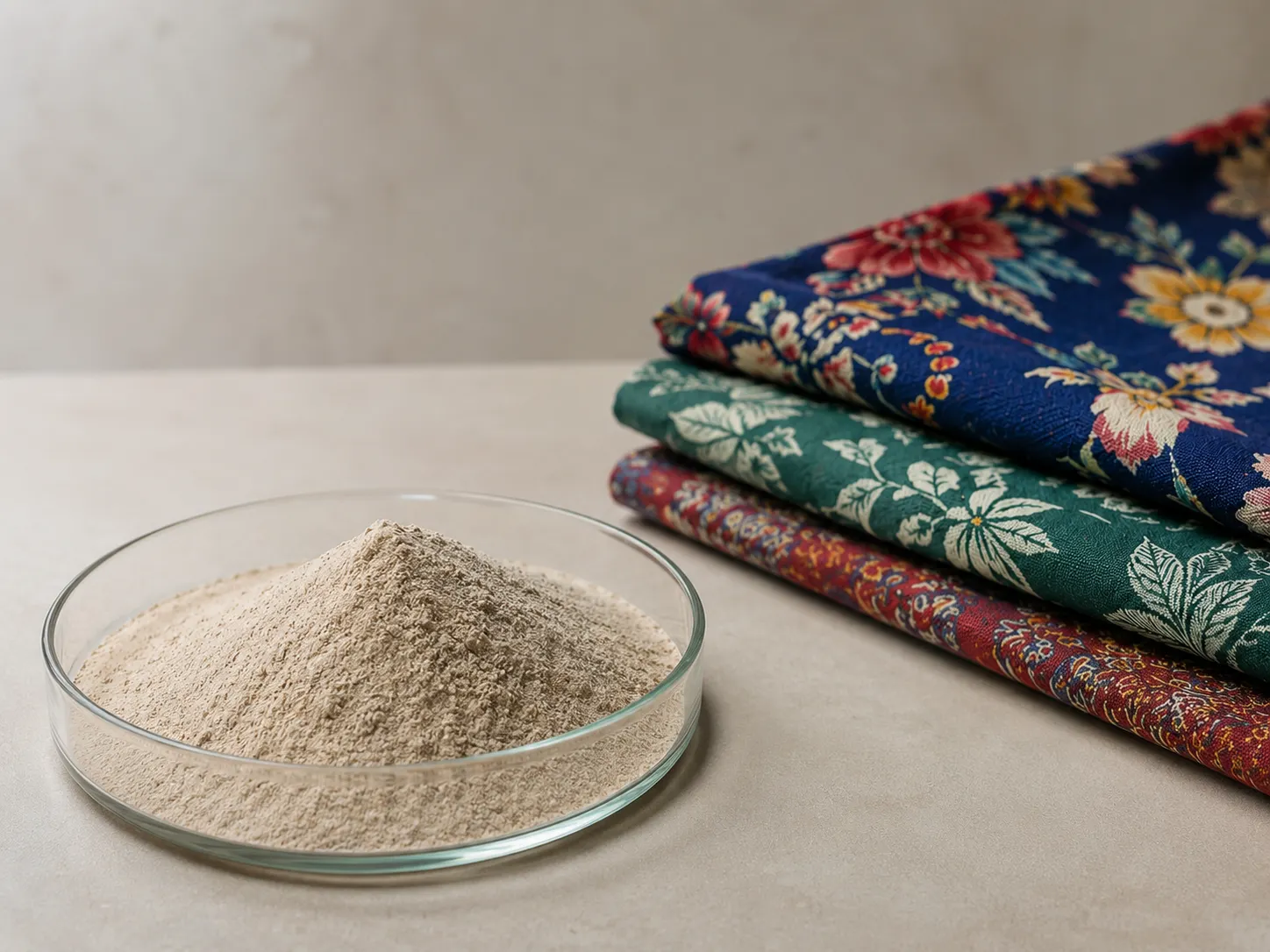
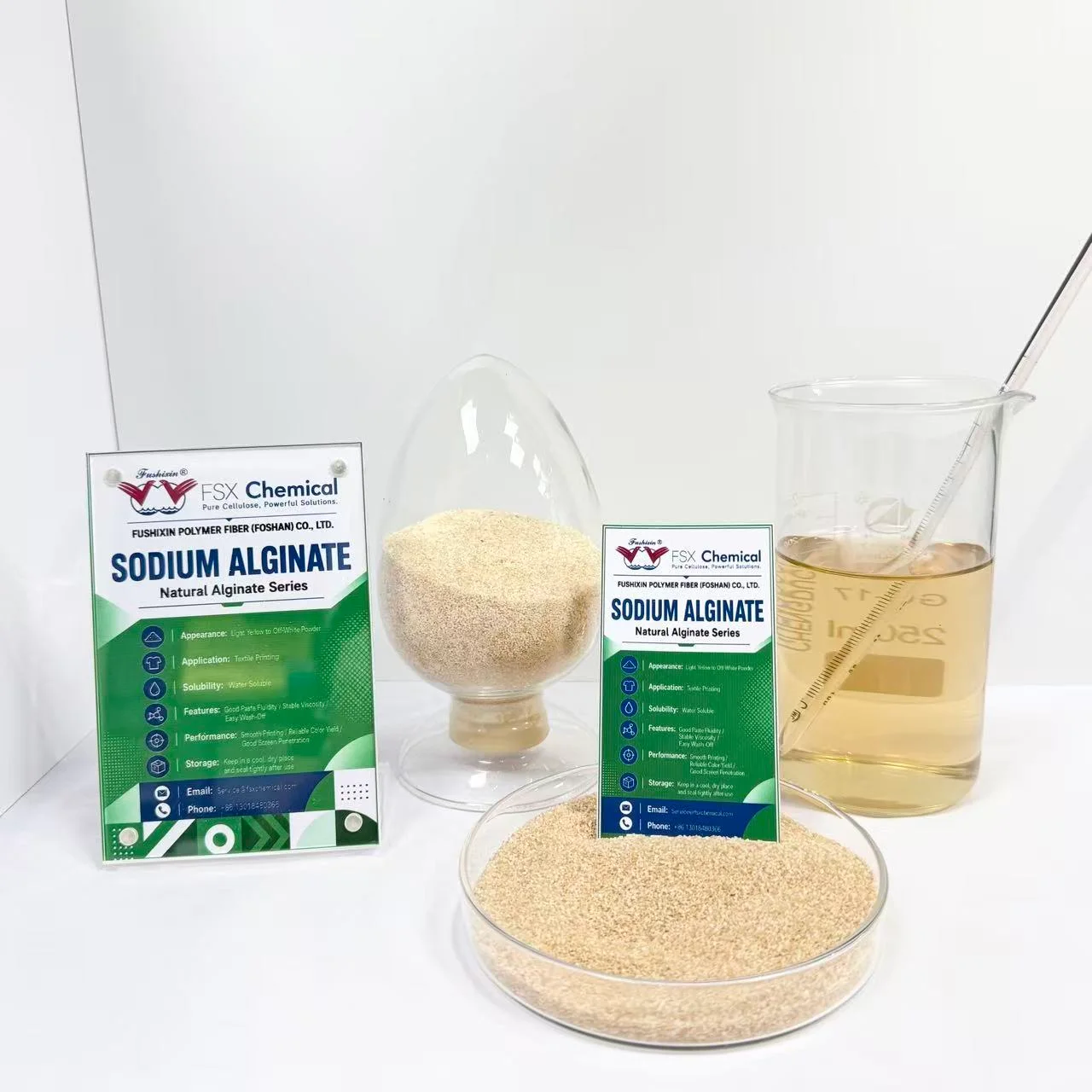
This guide explains how buyers can evaluate sodium alginate printing paste through technical specifications, application testing, document review, batch consistency, packaging, and export requirements.
What Is Sodium Alginate Printing Paste Used For?
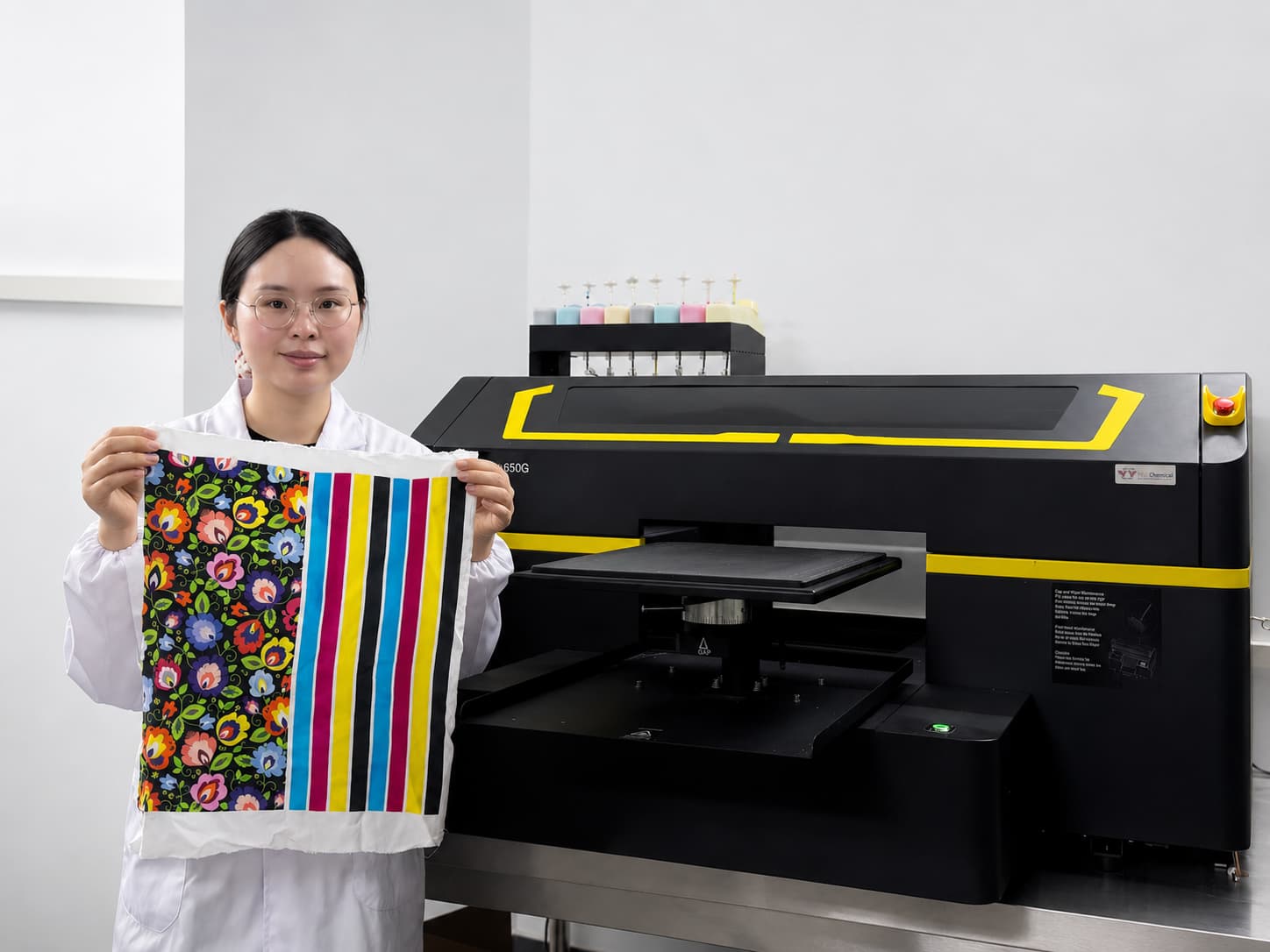
Reactive Textile Printing Paste
The suitable grade depends on the buyer’s dye system, fabric type, printing method, target paste viscosity, preparation conditions, and production requirements.
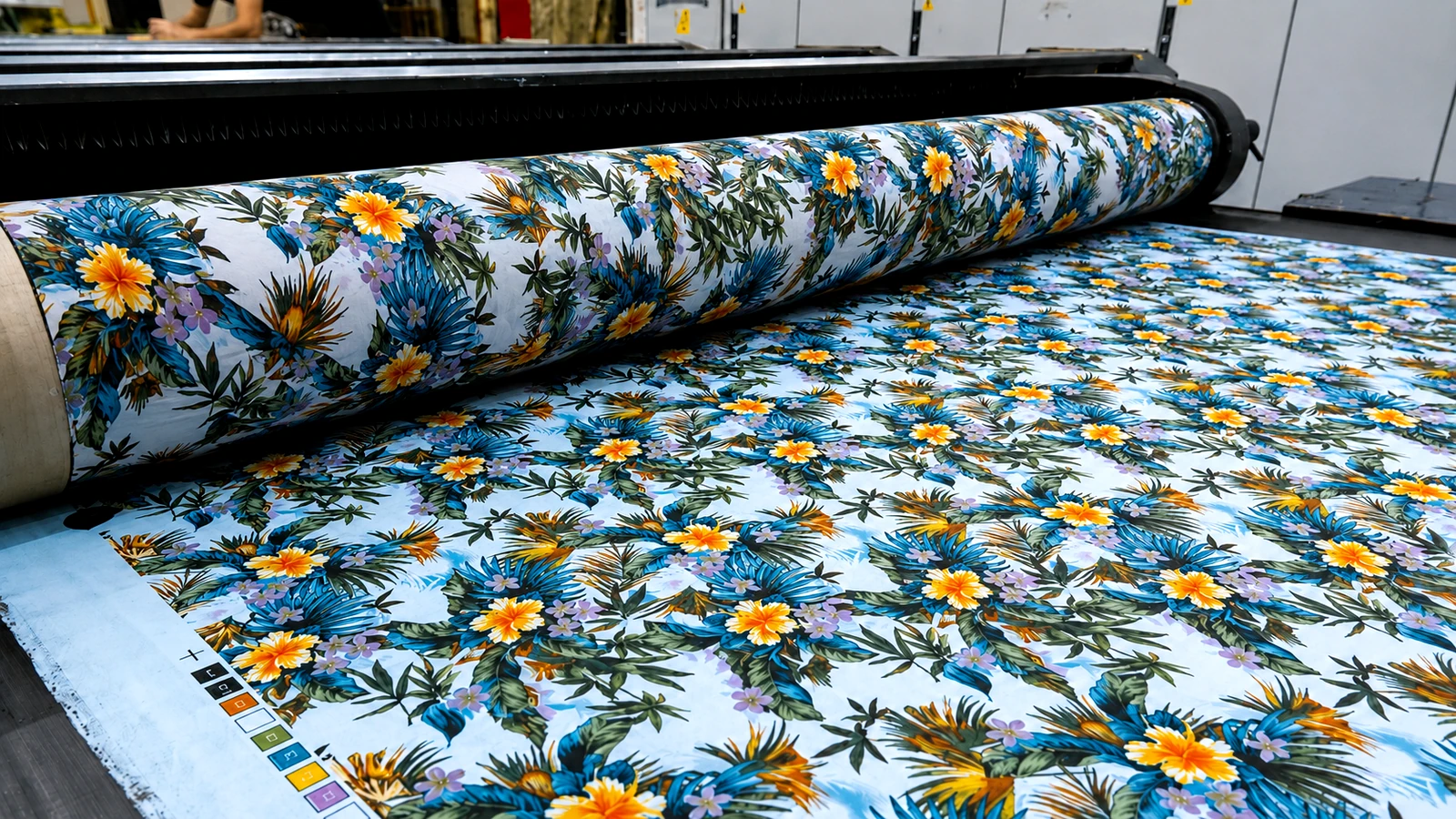
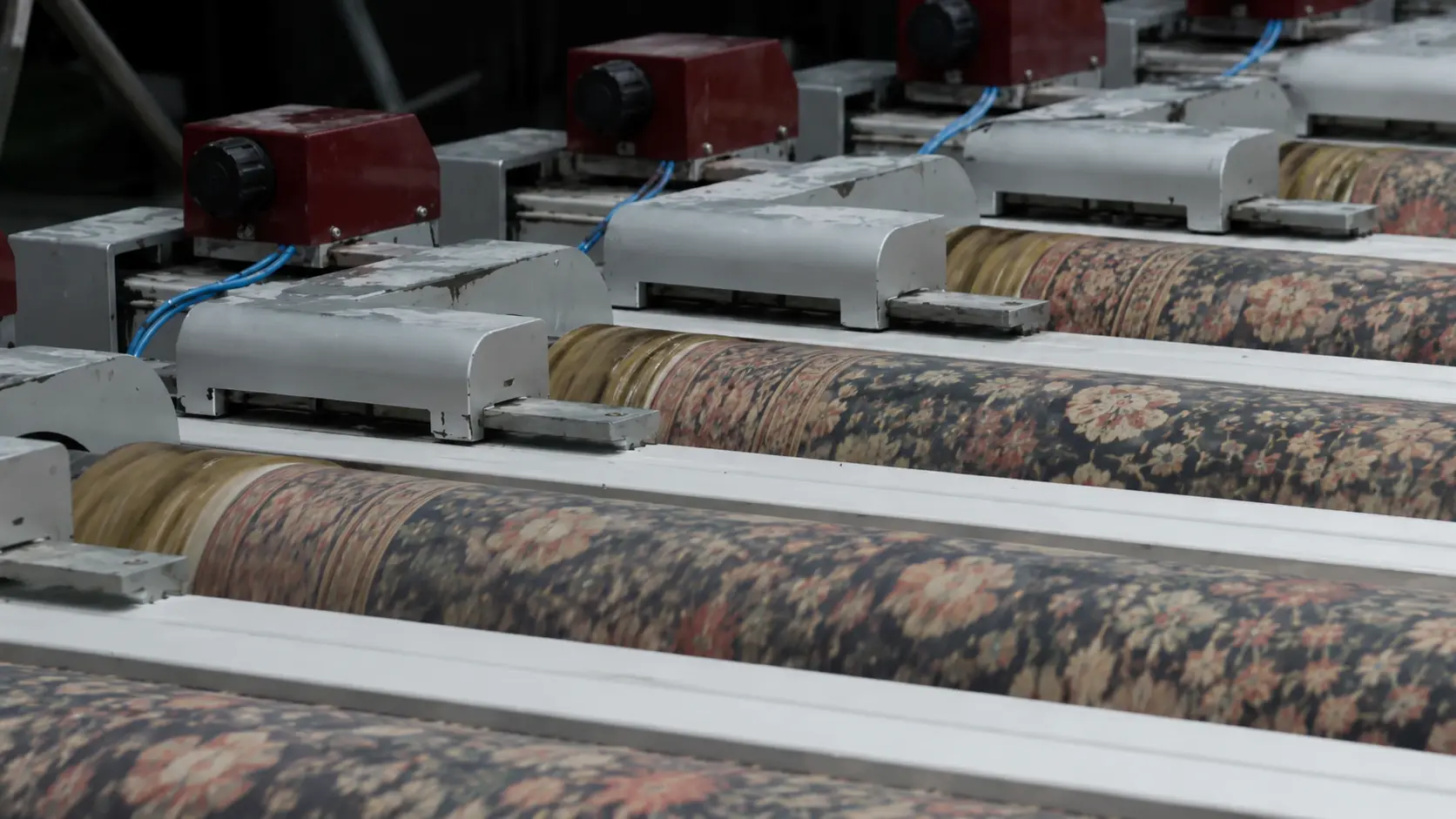
Screen Printing and Rotary Printing
For screen printing and rotary printing, buyers often focus on paste smoothness, screen passing, filtration, viscosity stability, and handling during production.
The sodium alginate grade should be tested under the buyer’s real preparation conditions, including water quality, stirring speed, addition method, preparation time, and paste concentration.
Digital Printing Pretreatment or Related Formulations
Some buyers may evaluate sodium alginate in digital printing pretreatment or related water-based textile formulations. In these cases, compatibility and stability testing are especially important.
A grade suitable for reactive printing paste should not be assumed to fit every digital printing or pigment formulation without sample testing.
Why Product Claims Need Practical Verification
“High Performance” Depends on the Buyer’s Formula
Performance in textile printing depends on the full system, including fabric type, dyes or pigments, auxiliaries, pH, water quality, preparation process, printing equipment, drying conditions, and washing process.
For this reason, buyers should test sodium alginate printing paste in their own formulation before confirming bulk purchase.
“Low Clogging” Should Be Checked by Filtration and Screen Passing
Low clogging performance cannot be confirmed by supplier wording alone. Buyers should check dissolution, paste smoothness, lump formation, filtration behavior, and screen passing under their own process conditions.
These observations are important for both laboratory testing and production-scale evaluation.
Compliance or Environmental Claims Need Documents
If a buyer needs restricted-substance statements, environmental documents, customer audit questionnaires, or third-party certification support, those requirements should be discussed before order confirmation.
A practical supplier should clearly explain which documents can be provided and which claims require formal third-party testing or certification.

Key Specifications Buyers Should Review
সান্দ্রতা গ্রেড এবং পরীক্ষার পদ্ধতি
Viscosity is one of the most important parameters for sodium alginate printing paste. Buyers should review the viscosity range together with the test concentration, temperature, instrument method, and unit.
Without a clear viscosity testing method, values from different suppliers may not be directly comparable.
জাল আকার এবং দ্রবণীয়তার আচরণ
জালের আকার পেস্ট প্রস্তুতি চলাকালীন বিস্তার এবং জলীয়ীকরণকে প্রভাবিত করতে পারে। তবে প্রকৃত দ্রবণীয়তার আচরণ জল গুণমান, নাড়ানোর গতি, সংযোজন পদ্ধতি, প্রস্তুতি সময় এবং ফর্মুলেশন শর্তের উপরও নির্ভর করে।.
Buyers should test dissolution speed, lump formation, paste smoothness, and filtration behavior under their own production conditions.
আর্দ্রতা, pH এবং চেহারা
Moisture, pH, and appearance are basic but important quality indicators. They affect storage, handling, internal quality control, and repeat purchasing.
এই পরামিতিগুলো TDS-এ পর্যালোচনা করা উচিত এবং প্রতিটি উৎপাদন ব্যাচের জন্য COA ডেটার মাধ্যমে নিশ্চিত করা উচিত।.
Compatibility with Dyes, Pigments and Auxiliaries
Sodium alginate printing paste should be tested with the buyer’s actual dye or pigment system, auxiliaries, pH adjusters, water quality, and fabric type.
Compatibility issues may appear as viscosity drift, separation, poor leveling, filtration difficulty, uneven printing, or unstable color performance.
How to Test Sodium Alginate Printing Paste
Test in the Actual Printing Formula
Sample testing should be done in the buyer’s own printing paste formulation whenever possible. Dyes, pigments, auxiliaries, water quality, pH, stirring method, paste concentration, and standing time can all affect final paste behavior.
Testing only in clean water may not be enough to confirm whether the sodium alginate grade is suitable for production.
Observe Preparation and Printing Behavior
During testing, buyers should observe dissolution speed, paste smoothness, lump formation, filtration behavior, viscosity stability, screen passing, leveling, penetration, and pattern edge control.
These practical observations are often as important as the specification data shown in the TDS.
Compare Against the Current Product
If the buyer is replacing an existing sodium alginate, printing paste, CMC, CMS, or blended thickener, the new sample should be tested against the current product under the same conditions.
This helps the buyer judge whether the recommended grade is technically suitable before discussing bulk supply.
Confirm Sample-to-Bulk Consistency
Before confirming a bulk order, buyers should check whether the approved sample and bulk shipment will follow the same viscosity range, mesh size, specification range, packaging format, batch traceability, and COA requirements.
This helps reduce the risk of sample approval but unstable bulk performance later.
Documents Buyers Should Request
স্পেসিফিকেশন পর্যালোচনার জন্য টিডিএস
The Technical Data Sheet helps buyers review the standard product specification. It should include appearance, viscosity, mesh size, moisture, pH, storage conditions, and testing method.
The TDS supports initial grade screening, but it should not replace sample testing in the buyer’s own printing formulation.
ব্যাচ নিশ্চিতকরণের জন্য COA
বিশ্লেষণ প্রতিবেদন একটি নির্দিষ্ট উৎপাদনের ব্যাচের প্রকৃত তথ্য নিশ্চিত করে। এটি বাল্ক অর্ডার, পুনরাবৃত্তিমূলক ক্রয়, বিতরণকারী সরবরাহ এবং অভ্যন্তরীণ গুণগত নিয়ন্ত্রণের জন্য গুরুত্বপূর্ণ।.
ক্রেতারা চালানগুলোর মধ্যে COA রেকর্ড তুলনা করে দেখতে পারেন যে মূল পরামিতিগুলো সম্মত পরিসরের মধ্যে আছে কিনা।.
SDS for Handling and Shipment Review
সেফটি ডেটা শীট (এসডিএস) হ্যান্ডলিং, সংরক্ষণ, পরিবহন এবং অভ্যন্তরীণ নিরাপত্তা পর্যালোচনায় সহায়তা করে। আন্তর্জাতিক ক্রয়ের ক্ষেত্রে চালান এবং শুল্ক-সংক্রান্ত যোগাযোগের জন্যও এসডিএস প্রয়োজন হতে পারে।.
ক্রেতাদের নিশ্চিত করতে হবে যে SDS-এ প্রদর্শিত পণ্যের নাম এবং সরবরাহকারীর তথ্য অর্ডার নথিগুলোর সাথে মিলছে।.
Additional Customer or Compliance Documents
If the buyer needs restricted-substance statements, environmental documents, customer audit questionnaires, certificate copies, or third-party testing support, those requirements should be discussed before order confirmation.
The supplier should explain which documents can be provided, which product or site they apply to, and which claims require formal third-party testing.
How to Compare Sodium Alginate Printing Paste Suppliers
Compare Equivalent Grades and Applications
Before comparing suppliers, buyers should confirm whether each quotation is based on the same application, viscosity range, testing method, packaging, order quantity, and trade terms.
A lower price may not be useful if it is based on a different grade or an unsuitable specification.
Review Batch Traceability
Batch traceability helps buyers manage quality control, repeat orders, and customer feedback. Buyers should confirm batch number, label information, COA availability, and packaging format before shipment.
প্যাকেজিং এবং রপ্তানি নথিগুলি নিশ্চিত করুন
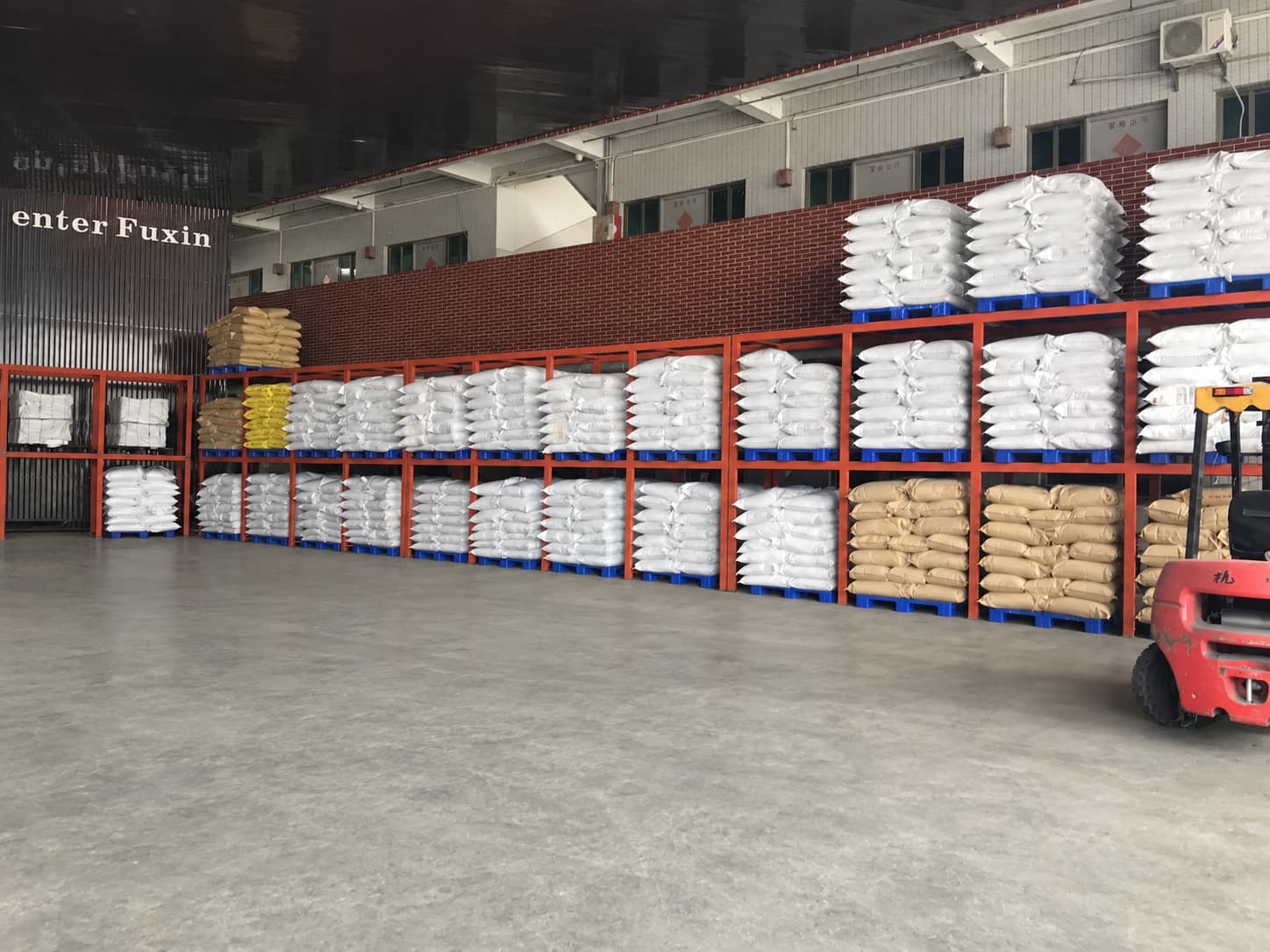
Packaging size, bag type, net weight, pallet requirements, labels, invoice, packing list, COA, SDS, and other export-related documents should be confirmed before shipment.
Document requirements may vary by destination country, product type, and the buyer’s internal purchasing process.
Avoid Broad Claims Without Test Results
Claims such as “high-performance,” “eco-friendly,” “low clogging,” “high color fastness,” or “stable for long-term storage” should be supported by documents, agreed test methods, or the buyer’s own evaluation results when they are important to purchasing decisions.
Common Issues and Troubleshooting Points
Lumps or Poor Dissolution
Lumps may be related to fast addition, insufficient dispersion, unsuitable stirring, water quality, or preparation method. Buyers should record preparation conditions during sample testing.
Screen Blocking or Poor Filtration
Screen blocking or filtration difficulty may come from poor dissolution, formulation incompatibility, particle contamination, unsuitable viscosity, or insufficient filtration before printing.
Unstable Viscosity
Viscosity drift may be caused by water quality, temperature, pH, standing time, formulation compatibility, or grade mismatch.
Buyers should compare production conditions with the supplier’s viscosity testing method.
Uneven Printing or Poor Pattern Control
The full printing system should be reviewed before changing only one raw material.
How FSX Chemical Supports Sodium Alginate Printing Paste Buyers
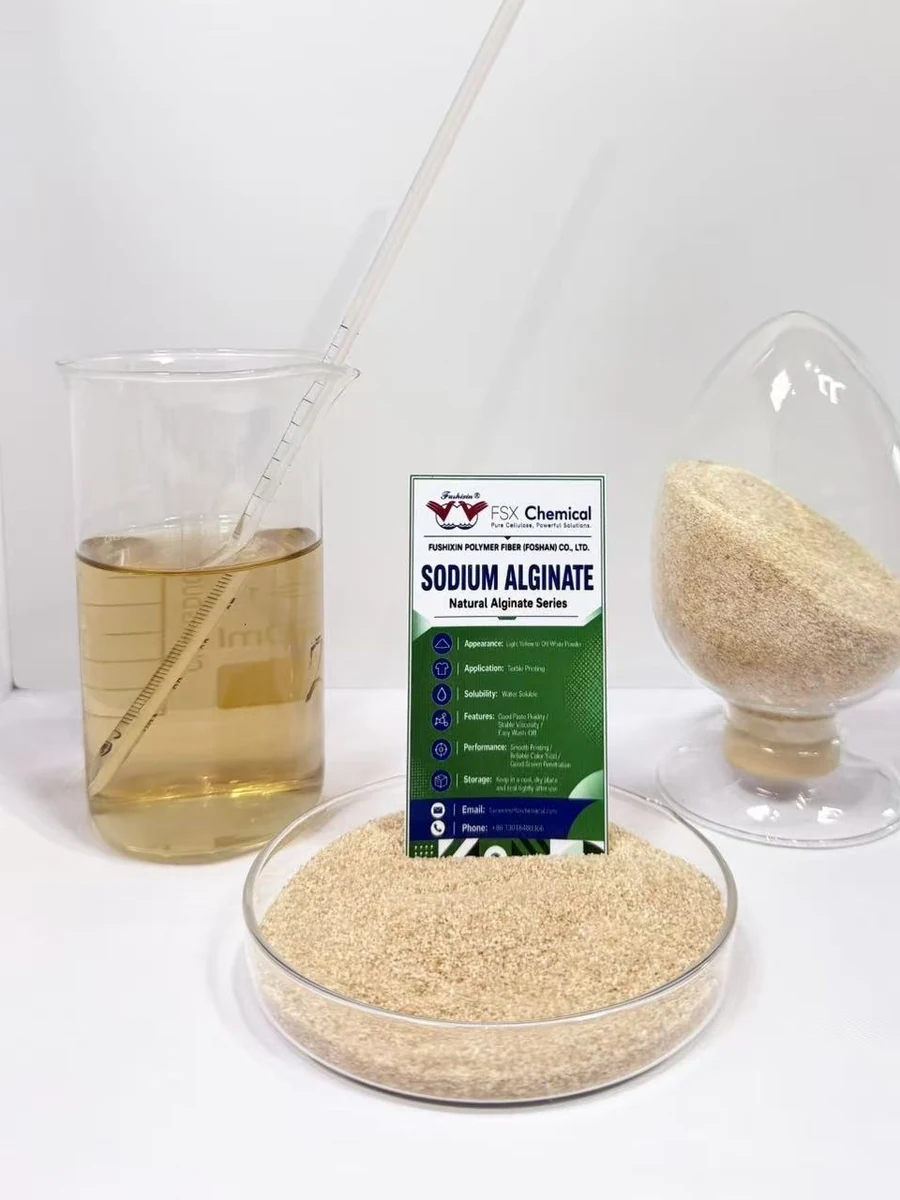
We do not suggest choosing sodium alginate printing paste only by product name, broad performance claims, compliance claims, or price. The recommended sodium alginate grade should be reviewed through technical documents and tested in the buyer’s own printing system before bulk purchase.
পরবর্তী পদক্ষেপ
- Share Your Printing Process — tell us whether you use reactive printing, screen printing, rotary printing, digital pretreatment, pigment printing, or another process.
- Clarify Fabric and Formula Conditions — provide fabric type, dye or pigment system, auxiliaries, water quality, pH, and preparation method.
- Define Your Target Viscosity — provide viscosity range, test concentration, temperature, instrument method, and current product grade if available.
- গ্রেড মিলানোর অনুরোধ — ask for a suitable sodium alginate printing paste grade based on your actual production conditions.
- টিডিএস অনুরোধ করুন — review viscosity, mesh size, pH, moisture, appearance, storage conditions, and testing method.
- একটি COA অনুরোধ করুন — চালানের আগে ব্যাচের ডেটা সম্মত স্পেসিফিকেশন পরিসরের সাথে মেলে কিনা তা নিশ্চিত করুন।.
- Request an SDS — check handling, storage, transport, and product information.
- নমুনা অনুরোধ করুন — test the recommended grade in your own printing formulation before confirming bulk orders.
- প্যাকেজিং এবং রপ্তানি নথিগুলি নিশ্চিত করুন — check bag size, labels, batch traceability, invoice, packing list, COA, SDS, and other required documents before shipment.
- আমাদের প্রযুক্তিগত দলের সাথে যোগাযোগ করুন — discuss which sodium alginate printing paste grade is suitable for your textile printing application📧 ইমেইল: Service@fsxchemical.com