
 ES
ES  EN
EN  BN
BN  TR
TR  FR
FR  ID
ID  RU
RU  AR
AR  UR
UR  VI
VI  TL
TL  HI
HI  UK
UK  KK
KK  KA
KA  UZ
UZ 
Publicaciones relacionadas
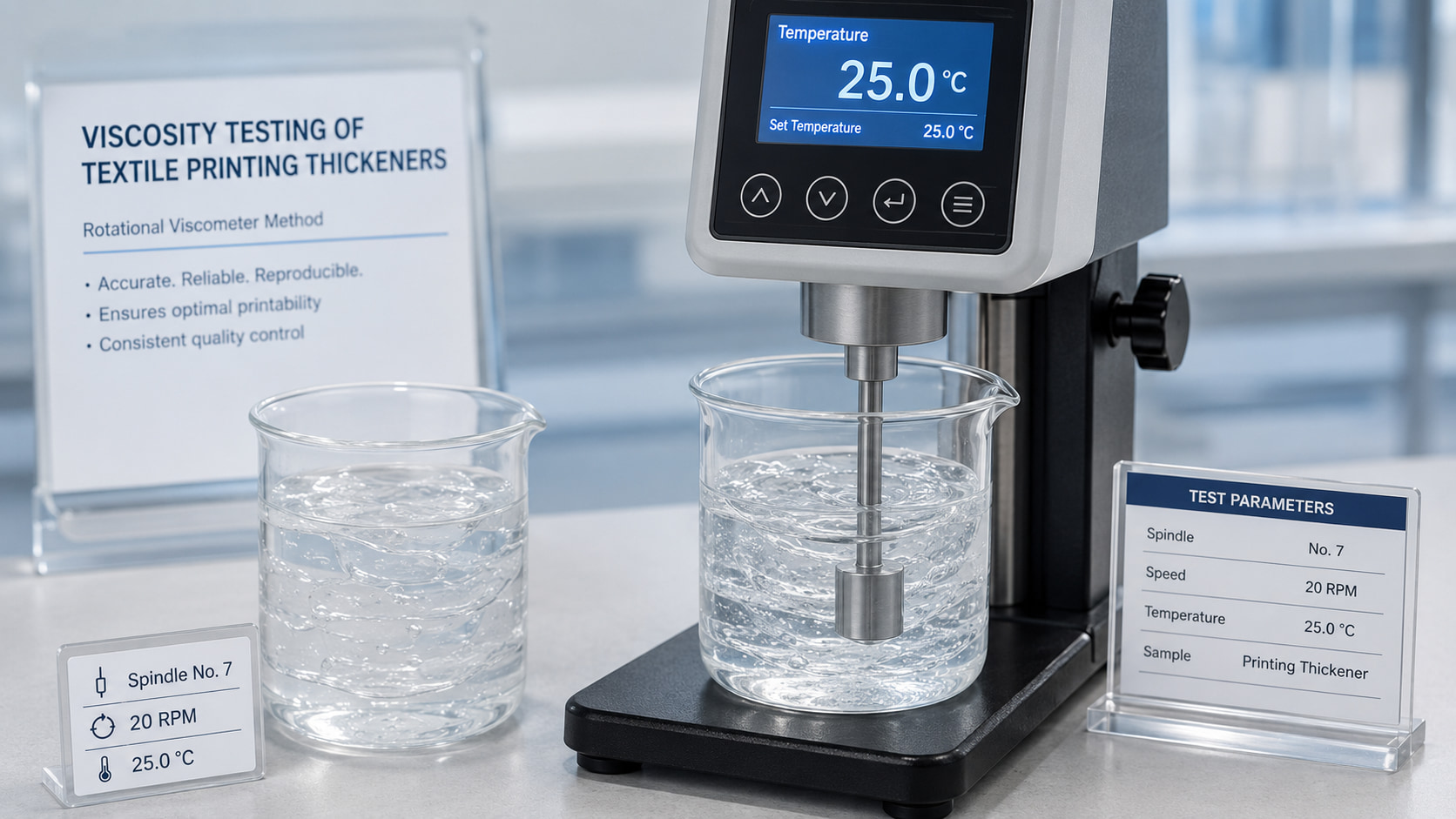
Cómo comparar los métodos de prueba de viscosidad de los espesantes para la impresión textil

Descubre por qué no se pueden comparar los valores de viscosidad de los espesantes para la impresión textil sin tener en cuenta la concentración, la temperatura, el instrumento, el husillo, la velocidad, el método de preparación y el tiempo de prueba.

Textile Printing Thickeners by Dye and Printing Process
Aprende a elegir espesantes y métodos de pretratamiento para la impresión textil reactiva, dispersa, con pigmentos y digital, según los requisitos del tejido, el colorante o la tinta, la fijación, la resistencia al lavado y la calidad de impresión.
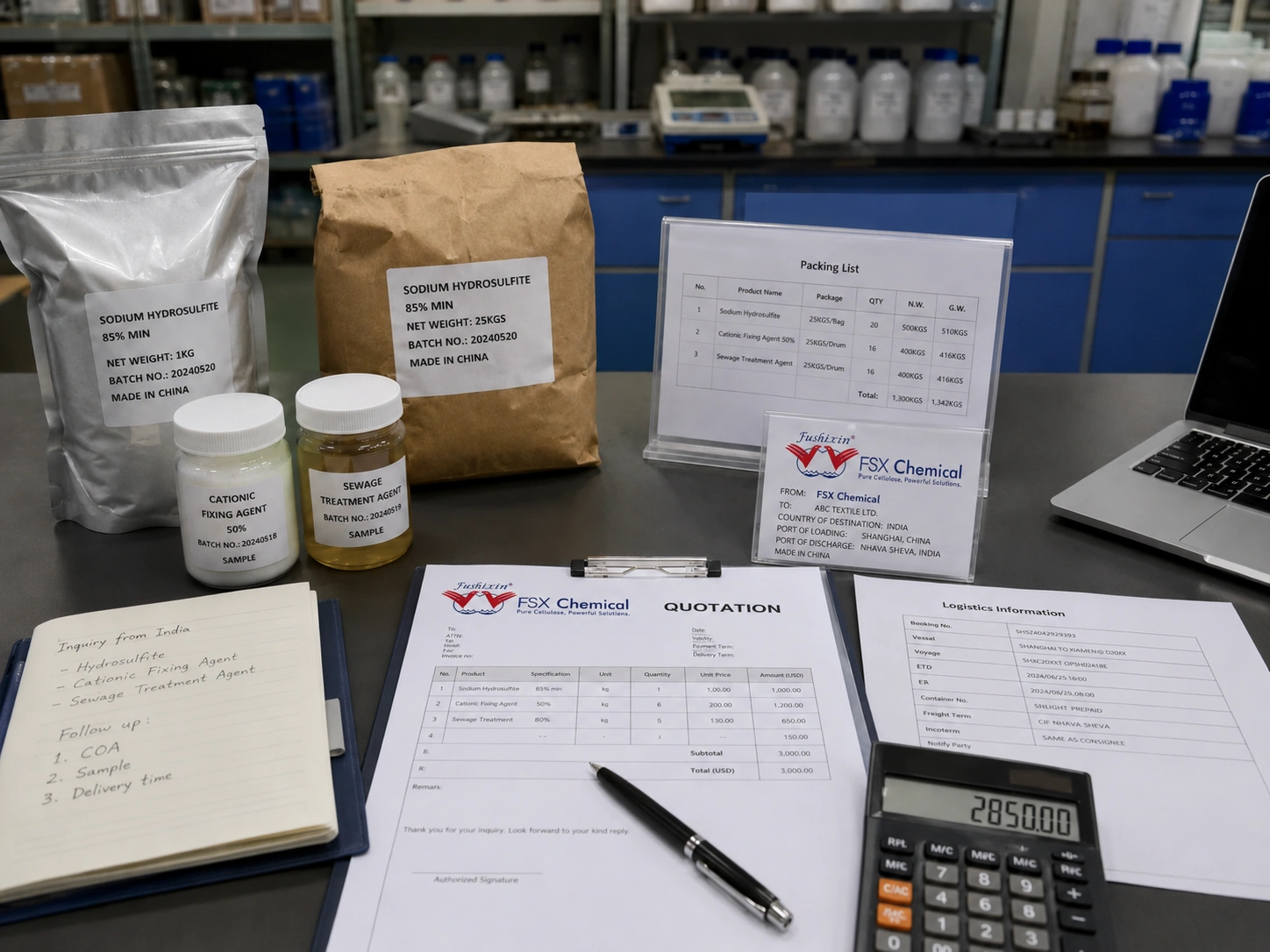
CMC, CMS, alginato de sodio y pasta para impresión digital: una guía práctica para elegir
Compara CMC, CMS, alginato de sodio y pasta para impresión digital en la impresión textil. Descubre cómo cada opción se adapta a los procesos reactivos, dispersos, pigmentados y digitales, y qué deben tener en cuenta los compradores antes de realizar pruebas de muestras, comparar calidades y realizar compras a granel.
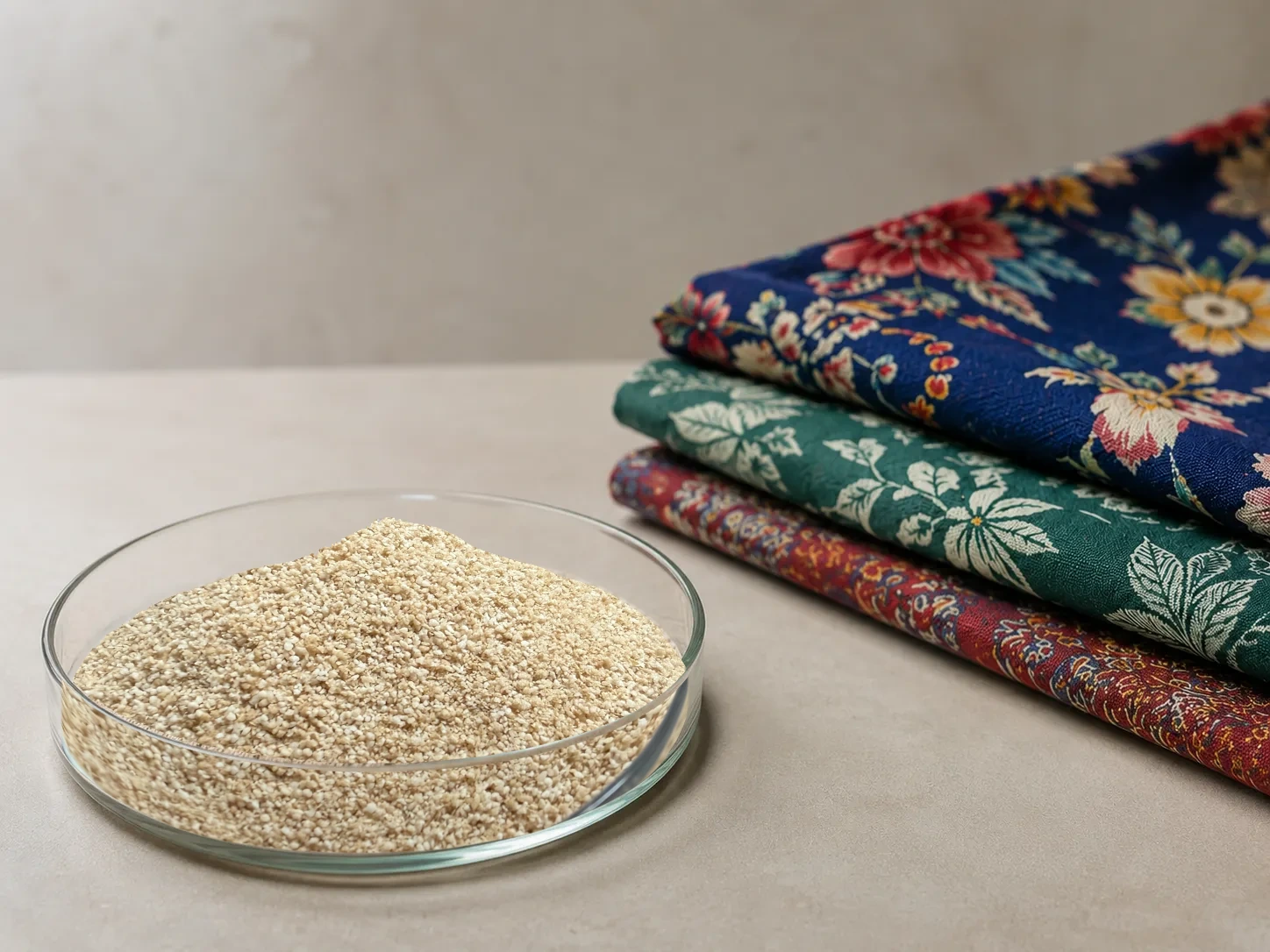
Sodium Alginate for Reactive Textile Printing: Grade, Viscosity and Application Guide
El alginato de sodio se utiliza ampliamente en la impresión textil como espesante estable y lavable para las pastas de impresión reactivas. Descubre cómo evaluar el grado de viscosidad, la pureza y la idoneidad para cada aplicación antes de comprar, y cómo FSX Chemical apoya a los compradores de todo el mundo con datos técnicos y muestras.
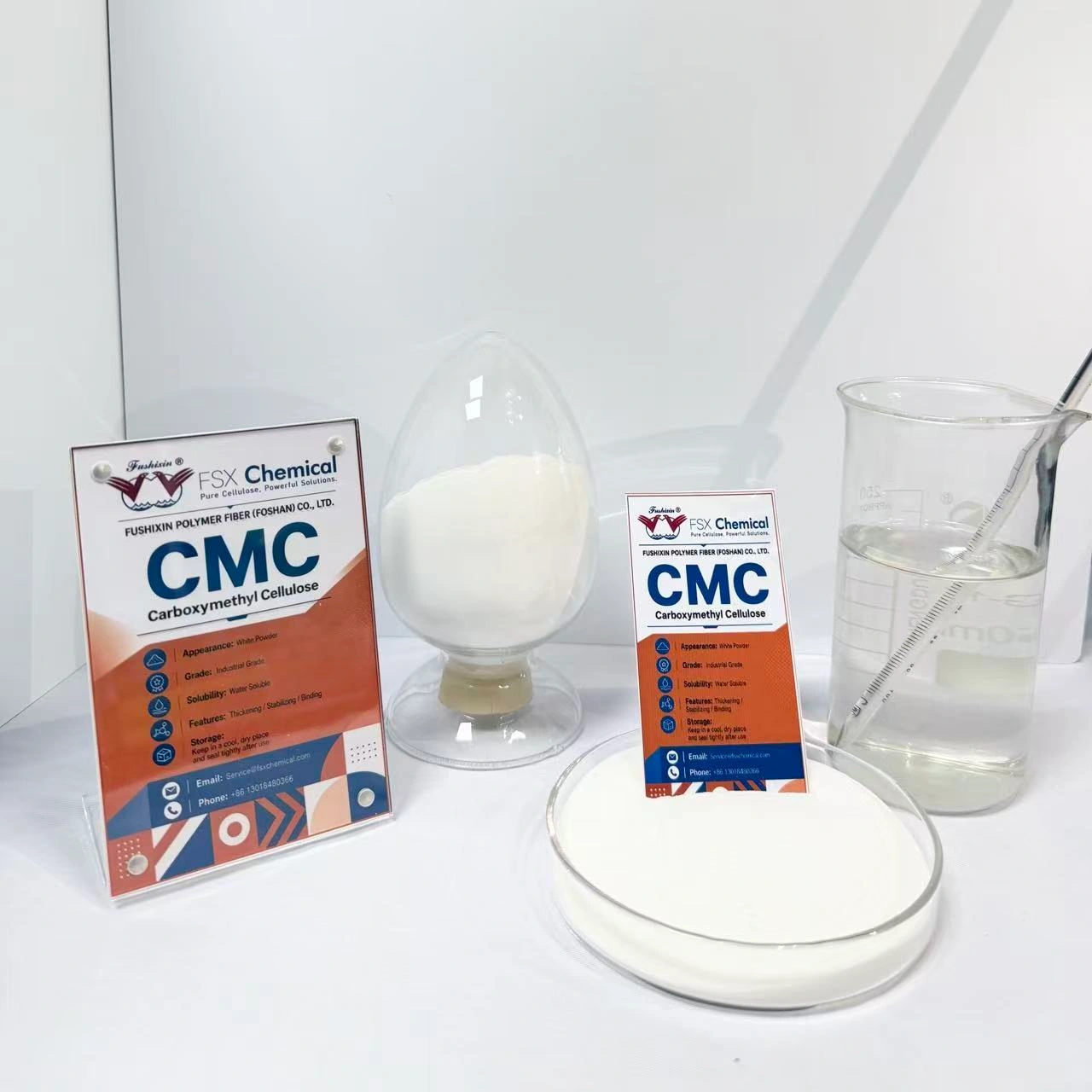
CMC for Textile Printing: Grade Selection and Procurement Guide
La carboximetilcelulosa (CMC) se utiliza ampliamente en los procesos de estampado, encolado y teñido de textiles. En esta guía se explica cómo evaluar los distintos grados de CMC, qué parámetros son los más importantes y cómo FSX Chemical puede ayudarte a tomar decisiones de compra.

Cellulose-Based Textile Printing Paste: CMC Grade and Supplier Evaluation
La pasta de impresión a base de CMC se utiliza en la impresión textil con pigmentos, reactiva y digital. Esta guía explica qué parámetros son importantes, cómo comparar proveedores y qué solicitar antes de realizar un pedido al por mayor.

Sodium Alginate vs CMC for Textile Printing: Performance and Cost Comparison
Tanto el alginato de sodio como la CMC se utilizan como espesantes en la impresión textil, pero se adaptan a diferentes sistemas de tinte y condiciones de proceso. Esta guía explica las diferencias clave y cuándo utilizar cada uno.
Sodium Alginate for Reactive Digital Textile Printing: Pretreatment and Grade Selection
La impresión digital por inyección de tinta sobre textiles tiene requisitos distintos en cuanto a pastas y pretratamiento en comparación con la serigrafía. Esta guía explica cómo se utiliza el alginato de sodio en la impresión textil digital y qué parámetros de calidad deben especificar los equipos de compras.
CMC de grado alimenticio frente a CMC de grado industrial: lo que deben saber los equipos de compras
El CMC de grado alimenticio y el de grado industrial comparten la misma composición química básica, pero difieren significativamente en cuanto a pureza, rango de DS y requisitos normativos. Esta guía explica las diferencias clave y por qué el uso de un grado incorrecto genera problemas de producción.
How to Prepare Sodium Alginate Printing Paste: Dissolution, Concentration and QC
La preparación correcta de la pasta es tan importante como la selección del grado en la impresión textil con tintes reactivos. Esta guía aborda los métodos de disolución del alginato de sodio, los rangos de concentración según la aplicación, las condiciones de almacenamiento y cómo resolver problemas comunes en la preparación.
El alginato de sodio en la impresión textil: perfil ambiental y consideraciones sobre las aguas residuales
El alginato de sodio es un polímero natural y biodegradable, pero su uso en la impresión textil genera aguas residuales que requieren un tratamiento adecuado. Esta guía aborda el perfil ambiental del alginato de sodio, las características de los efluentes de lavado y lo que los equipos de compras deben saber sobre la elección de espesantes y el impacto ambiental.

Reactive Dye Fixation in Textile Printing: Sodium Alginate and Process Control
La tasa de fijación del colorante afecta directamente al rendimiento del color, a la solidez al lavado y a la carga de aguas residuales en la estampación con colorantes reactivos. Esta guía explica cómo el alginato de sodio favorece la fijación del colorante, qué parámetros de la pasta influyen en la tasa de fijación y cómo resolver los problemas de baja fijación en la producción.
