
















Сол сияқты жазбалар

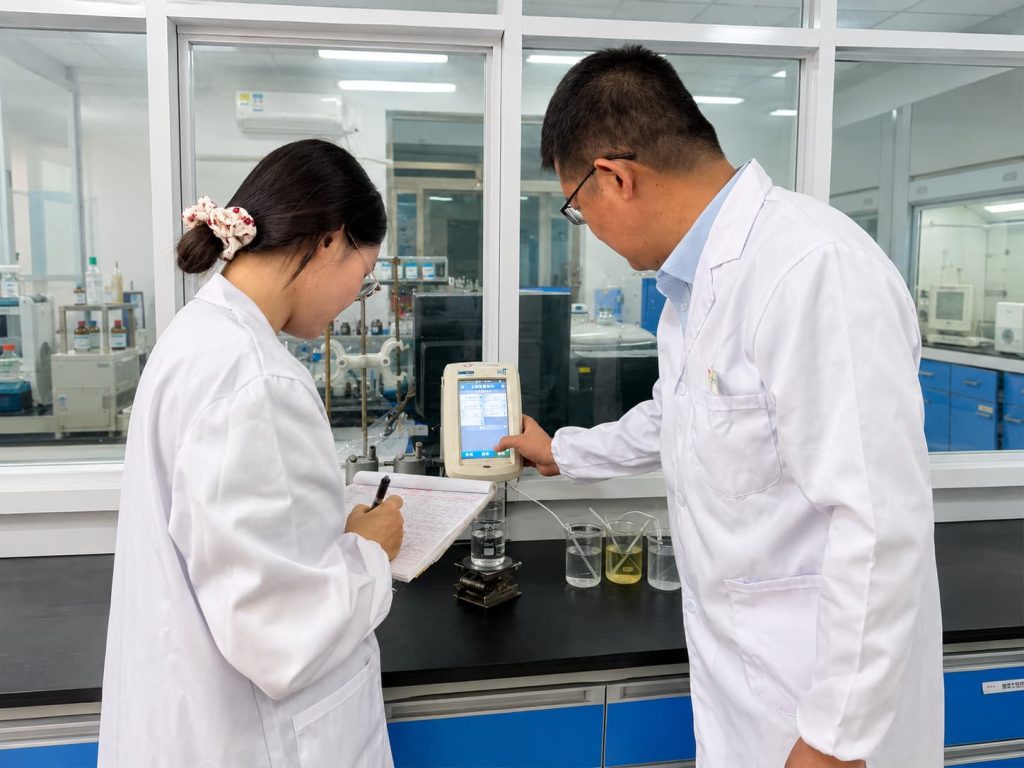
Тінбаспаға арналған қалыңдағыштың тұтқырлығын сынау әдістерін қалай салыстыруға болады

Тін басуға арналған қалыңдағыштың тұтқырлық мәндерін концентрациясы, температурасы, аспабы, шпинделі, жылдамдығы, дайындау әдісі және сынау уақыты сәйкес келмейінше салыстыруға болмайтынын біліңіз.

Textile Printing Thickeners by Dye and Printing Process
Мата, бояғыш немесе сияға негізделген реактивті, дисперсті, пигменттік және цифрлық тоқыма басып шығару үшін қалыңдағышты және алдын ала өңдеу әдістерін бекіту, жууға төзімділік және басып шығару сапасына қойылатын талаптарға сәйкес қалай таңдау керектігін үйреніңіз.

CMC, CMS, натрий алгинаты және цифрлық басып шығару пастасы: практикалық таңдау жөніндегі нұсқаулық
Текстиль басып шығаруда CMC, CMS, натрий алгинат және цифрлық басу пасталарын салыстырыңыз. Әрбір әдістің реактивті, дисперсті, пигментті және цифрлық процестерге қалай сәйкес келетінін және үлгі сынау, сортты сәйкестендіру және ірі көлемде сатып алу алдында сатып алушылар нені тексеруі керектігін біліңіз.

Реактивті мата басуға арналған натрий альгинаты: сорт, тұтқырлық және қолдану жөніндегі нұсқаулық
Натрий альгинаты реактивті басу пастасы үшін тұрақты әрі жуылатын қалыңдатқыш ретінде тоқыма басуда кеңінен қолданылады. Сатып алар алдында тұтқырлық дәрежесін, тазалық дәрежесін және қолдануға жарамдылығын қалай бағалау керектігін және FSX Chemical компаниясының әлемдік сатып алушыларға техникалық мәліметтер мен үлгілер арқылы қалай қолдау көрсететінін біліңіз.
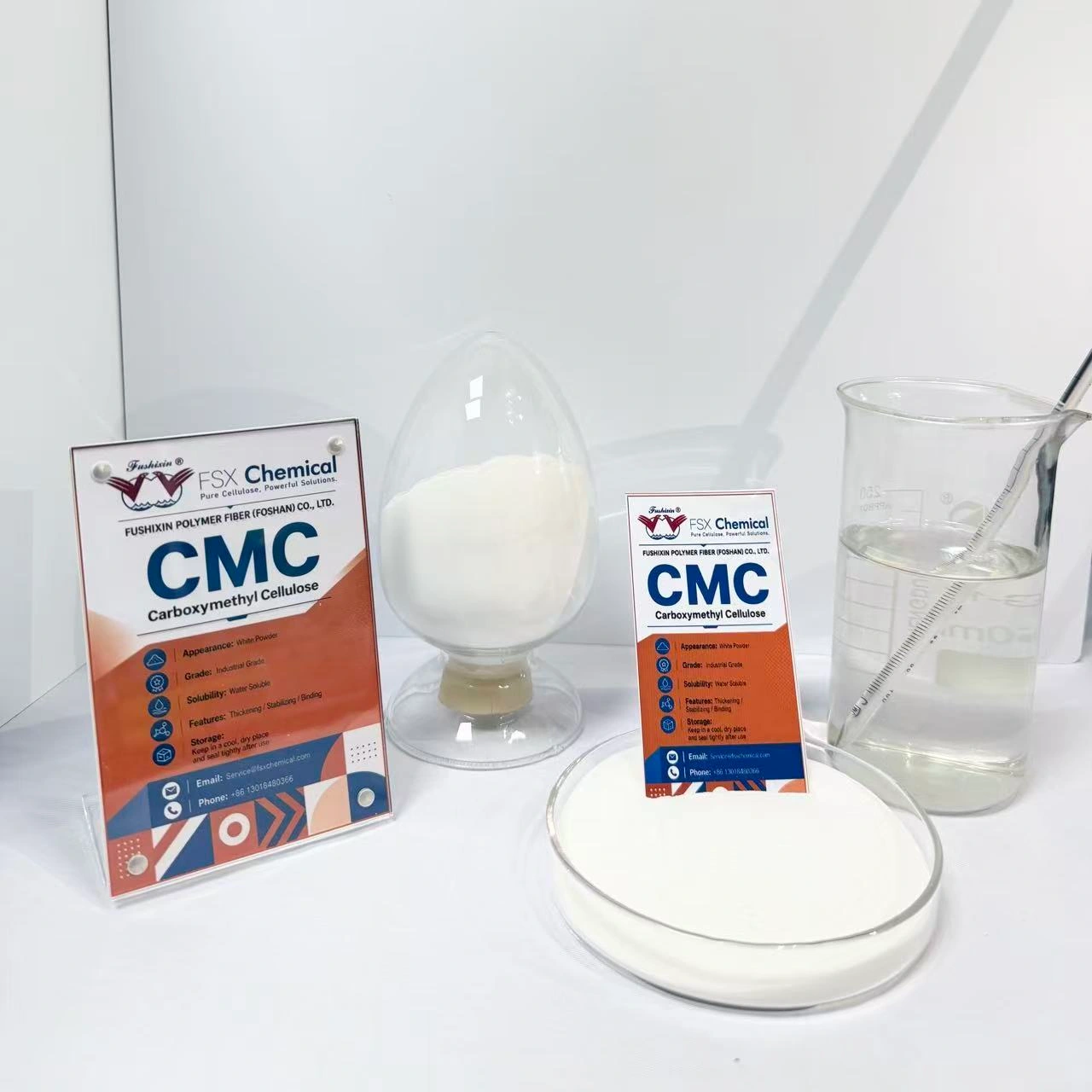
Тін тоқыма баспаға арналған CMC: сортты таңдау және сатып алу жөніндегі нұсқаулық
Choose CMC for textile printing by application, DS, viscosity method and formulation trials. Use a practical checklist to compare grades before bulk purchase.
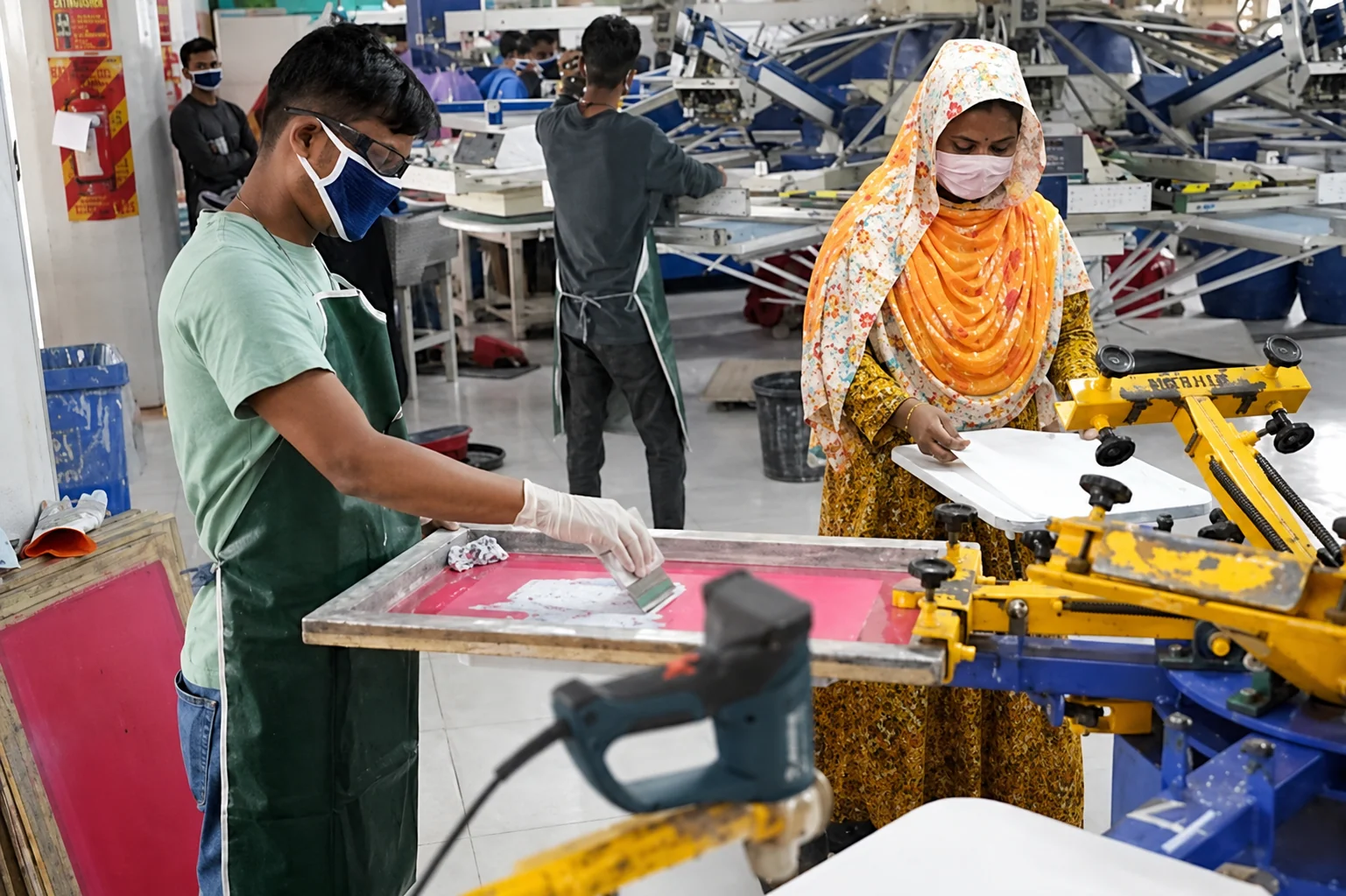
Cellulose-Based Textile Printing Paste: CMC Grade and Supplier Evaluation
CMC негізіндегі басып шығару пастасы пигменттік, реактивті және цифрлық тоқыма басып шығаруда қолданылады. Бұл нұсқаулық қандай параметрлер маңызды екенін, жеткізушілерді қалай салыстыру керектігін және ірі көлемдегі тапсырыс бергенге дейін нені сұрау керектігін түсіндіреді.

Sodium Alginate vs CMC for Textile Printing: Performance and Cost Comparison
Натрий альгинаты мен CMC екеуі де тоқыма басуда қоюлағыш ретінде қолданылады, бірақ олар әртүрлі бояғыш жүйелері мен өңдеу шарттарына сәйкес келеді. Бұл нұсқаулық негізгі айырмашылықтарды және оларды қашан қолдану керектігін түсіндіреді.

Sodium Alginate for Reactive Digital Textile Printing: Pretreatment and Grade Selection
Текстильге арналған сандық сия бүрку баспасының паста мен алдын ала өңдеу талаптары шелкографиядан ерекшеленеді. Бұл нұсқаулық натрий алгинатты сандық текстиль баспасында қалай қолданатынын және сатып алу топтары қандай сапа параметрлерін көрсетуі тиіс екенін түсіндіреді.
Food-Grade vs. Industrial-Grade CMC: What Procurement Teams Need to Know
Food-grade and industrial-grade CMC share the same base chemistry but differ significantly in purity, DS range, and regulatory requirements. This guide explains the key differences and why using the wrong grade creates production problems.
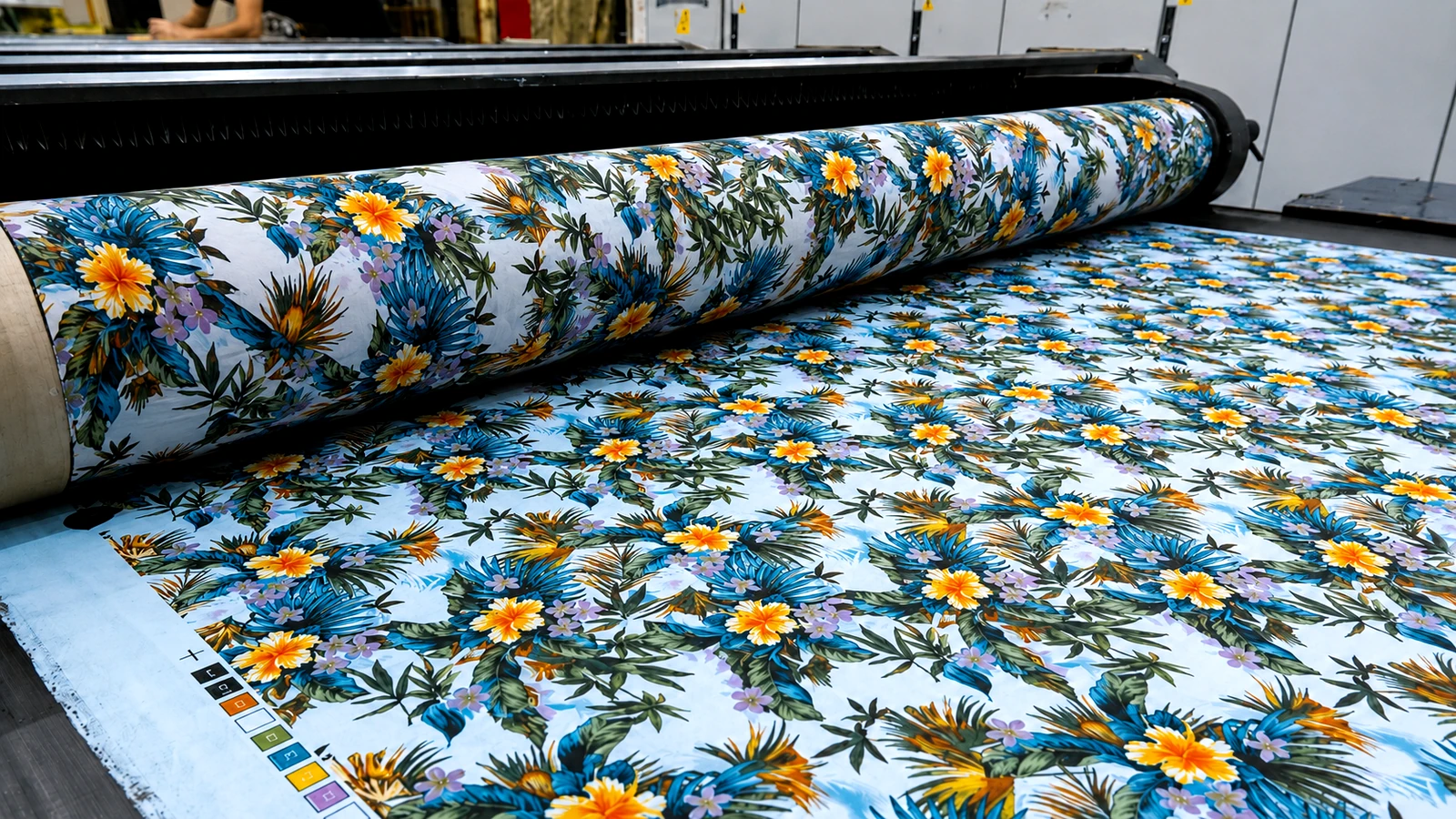
How to Prepare Sodium Alginate Printing Paste: Dissolution, Concentration and QC
Prepare sodium alginate printing paste with a grade-specific concentration and controlled powder dispersion. Validate hydration, viscosity, filtration, air removal and holding time before production.
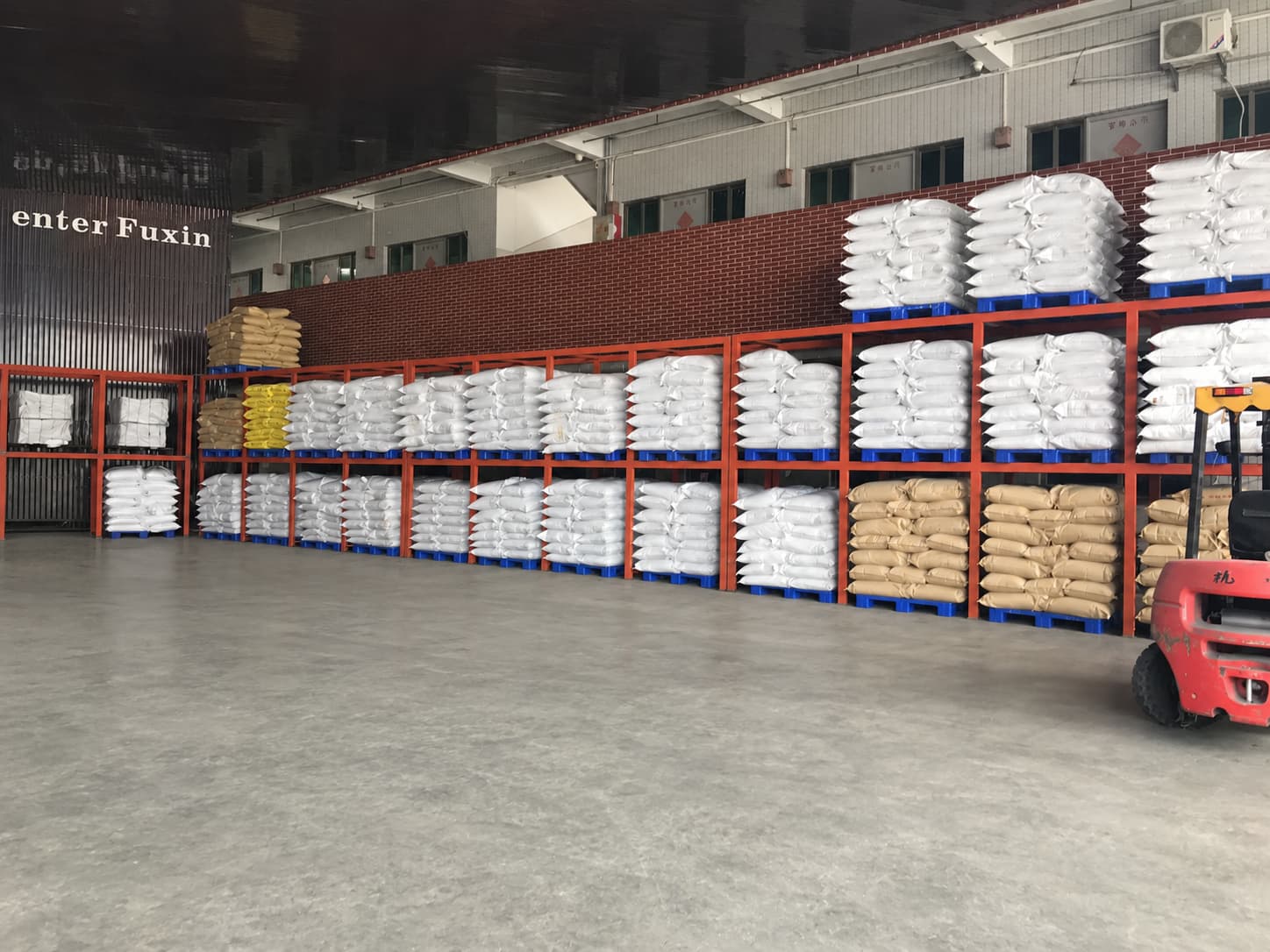
Текстильді басуда натрий алгинаты: экологиялық сипаттамасы және ағынды суларды өңдеу мәселелері
Assess sodium alginate in reactive-printing wastewater using measured COD load, product-specific biodegradation evidence and controlled process comparisons. Includes a buyer checklist and illustrative load calculation.
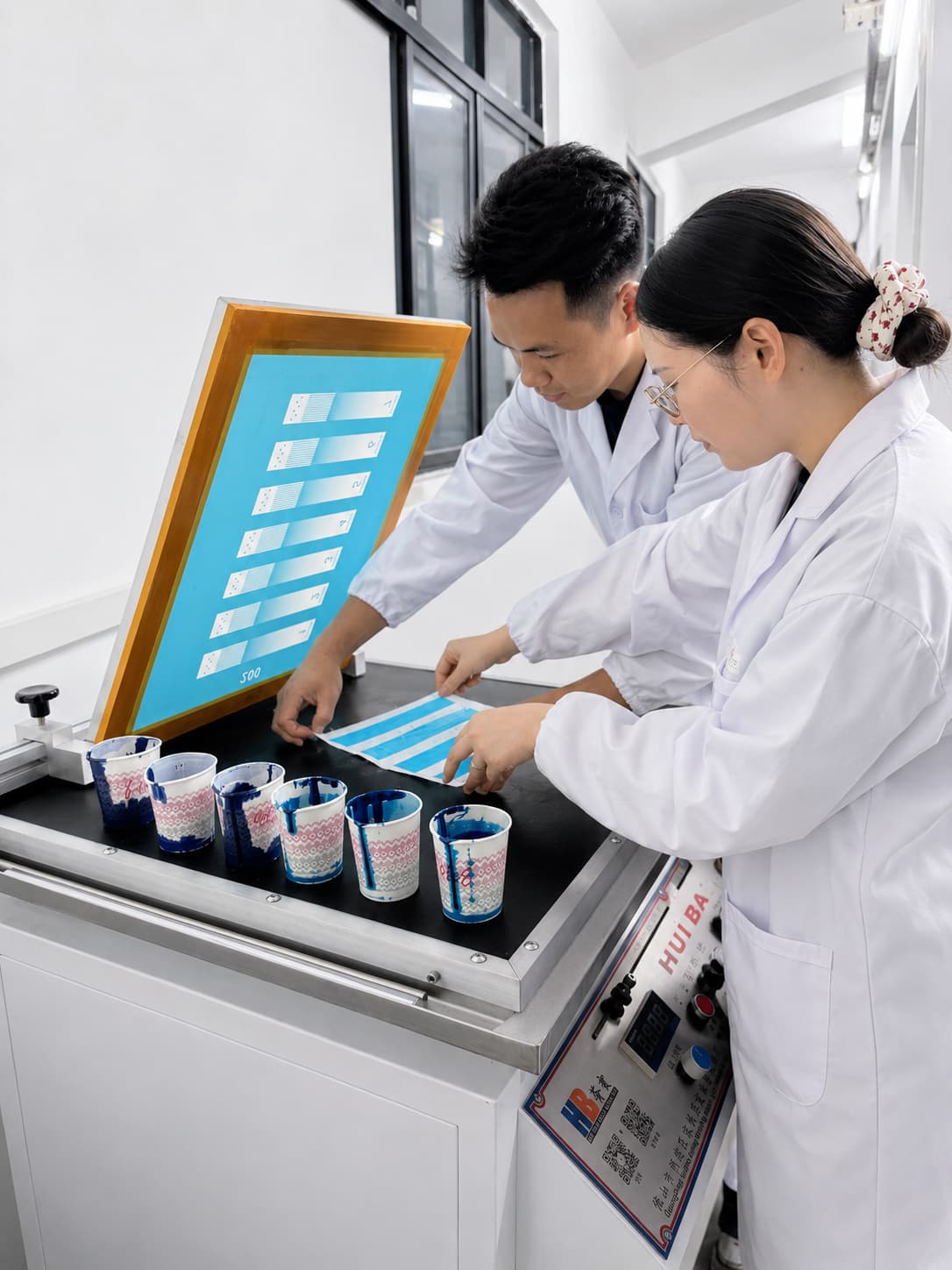
Reactive Dye Fixation in Textile Printing: Sodium Alginate and Process Control
Реактивті бояғыш басу кезінде бояғыштың бекіту жылдамдығы түс өнімділігіне, жууға төзімділігіне және ағынды сулардың көлеміне тікелей әсер етеді. Бұл нұсқаулық натрий альгинатының бояғышты бекітуге қалай көмектесетінін, қандай қамыр параметрлері бекіту жылдамдығына әсер ететінін және өндірісте бекітудің төмен болуының себептерін анықтап, оларды қалай жоюға болатынын түсіндіреді.
