
















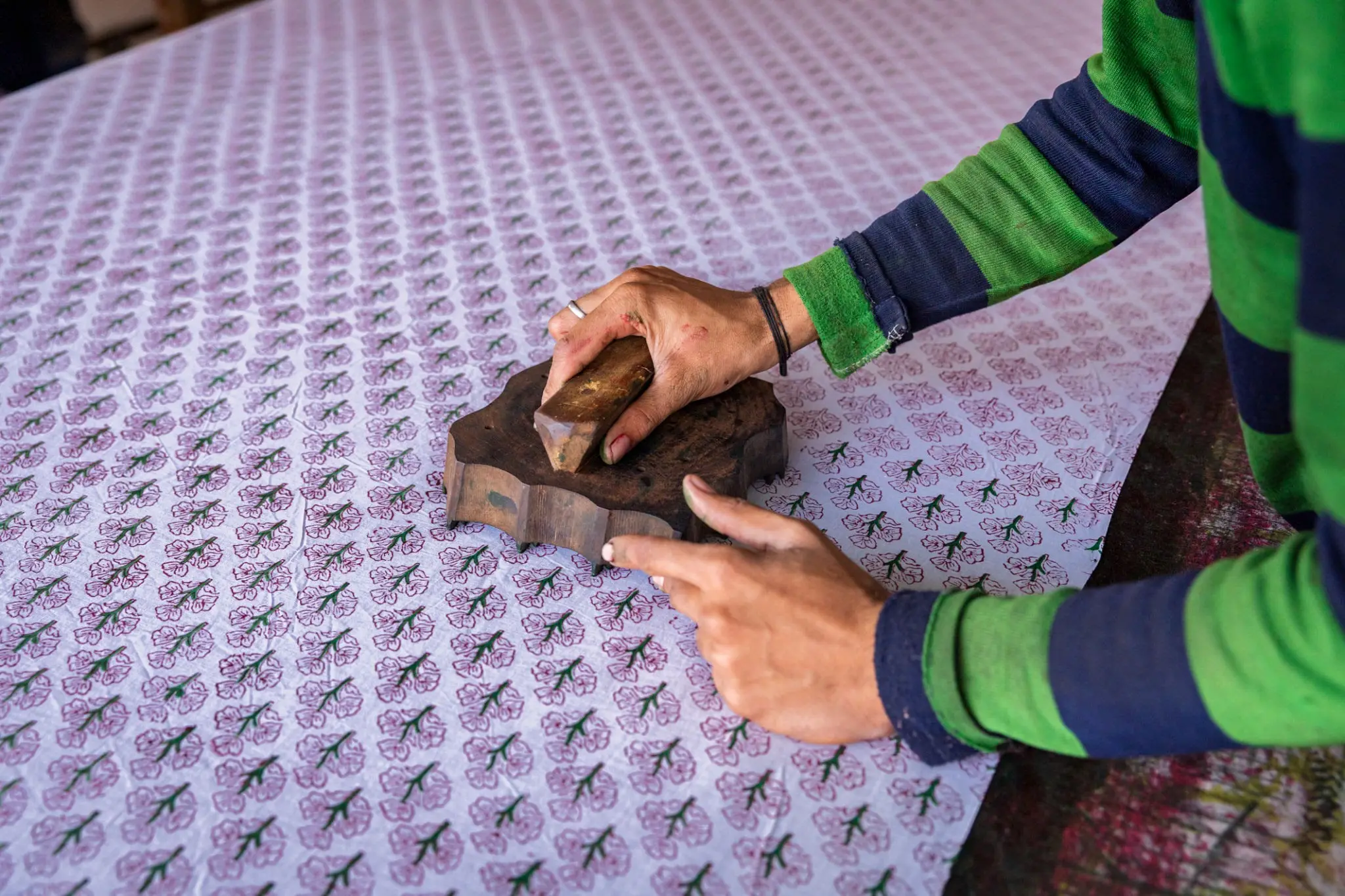
Alginato de sodio para el estampado manual con bloque: pasta de colorante reactivo, pruebas y solución de problemas
La impresión artesanal con bloques requiere una pasta de impresión con propiedades reológicas diferentes a las de la serigrafía mecánica. Esta guía explica la formulación de la pasta de alginato de sodio para la impresión artesanal con bloques, incluyendo aplicaciones como el Ajrak, el Bagru y el batik, junto con métodos prácticos de evaluación de la pasta para operaciones a pequeña escala.

Sodium Alginate for Reactive Screen Printing: Paste Preparation and Troubleshooting
La serigrafía con tintes reactivos y alginato de sodio requiere una formulación correcta de la pasta, un control adecuado de la viscosidad y condiciones óptimas de vaporización. Esta guía aborda los requisitos de la pasta para serigrafía plana y rotativa, el tiempo de exposición al álcali, los defectos comunes de producción y cómo diagnosticar las causas relacionadas con la pasta.

Sodium Alginate for Hot-Climate Textile Printing: Process Control and Grade Selection
Las operaciones de impresión textil en climas cálidos y la producción de telas para uso al aire libre se enfrentan a retos en el manejo de las pastas que difieren de las condiciones estándar. Esta guía explica cómo la temperatura afecta la viscosidad y la estabilidad del alginato de sodio, y aclara qué aspectos de la durabilidad de las telas para uso al aire libre pueden verse influenciados por la selección del espesante y cuáles no.
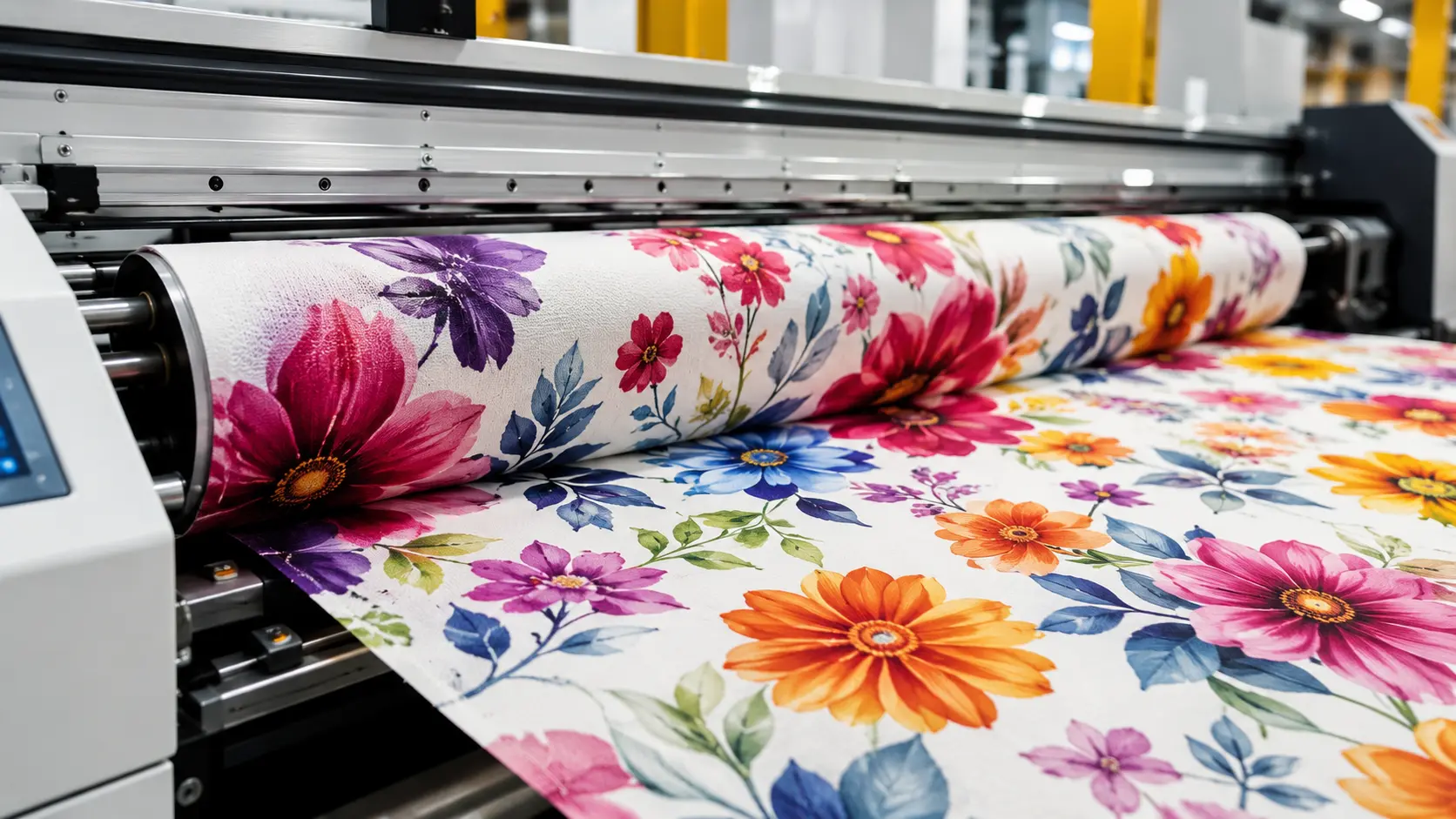
Sodium Alginate for Polyester Printing: Limitations and Thickener Selection
El alginato de sodio es el espesante estándar para la impresión con tintes reactivos sobre algodón, pero no es adecuado para la impresión con tintes dispersos sobre poliéster. Esta guía explica por qué, qué diferencias químicas entre los tintes intervienen y qué tipos de espesantes son adecuados para la impresión sobre poliéster y mezclas de poliéster.

Sodium Alginate for Silk Printing: Dye Route, Grade Selection and Process Control
Las propiedades químicas de la fibra proteica de la seda y su delicadeza mecánica requieren un manejo de la pasta diferente al del algodón. Esta guía explica el papel del alginato de sodio en la impresión sobre seda, las consideraciones relativas a la viscosidad y la pureza, y ofrece orientación práctica sobre la formulación para aplicaciones en telas finas.
Sodium Alginate vs Guar Gum in Textile Printing: Compatibility, Rheology and Cost
Esta guía ofrece una comparación exhaustiva entre el alginato de sodio y la goma de guar como espesantes en las pastas para impresión textil. Si bien la goma de guar es altamente eficiente y rentable para la impresión con pigmentos, el alginato de sodio sigue siendo el estándar de la industria para los sistemas de tintes reactivos. El artículo explica cómo la inercia química, la estabilidad alcalina y las propiedades reológicas influyen en el rendimiento del color, la viscosidad de la pasta y el comportamiento ante el lavado, lo que ayuda a los equipos de compras y técnicos a tomar decisiones informadas basadas en sus sistemas de tintes específicos y parámetros de costo.

Cómo leer una hoja de datos técnicos (TDS) del alginato de sodio
Las hojas de datos técnicos varían en cuanto a formato y nivel de detalle según el proveedor, y no todos los campos tienen la misma importancia para cada aplicación. Esta guía recorre, sección por sección, una hoja de datos técnicos típica del alginato de sodio, explicando qué significa cada parámetro y cómo detectar omisiones o señales de alerta.
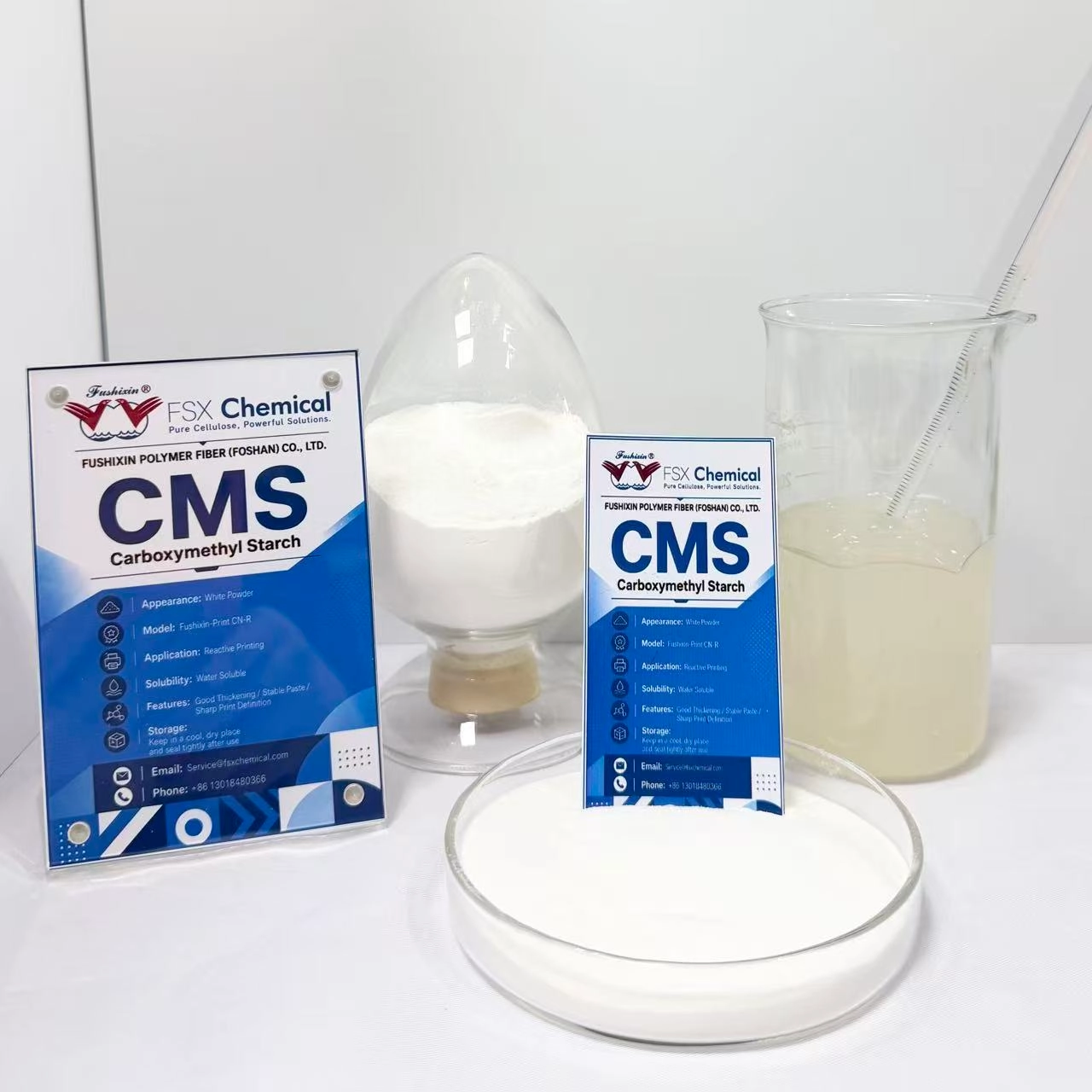
CMS para pastas de impresión textil: Guía para la correspondencia de grados y el análisis de muestras
El CMS para pastas de impresión textil puede ayudar a ajustar la viscosidad, mejorar el manejo de la pasta y garantizar un rendimiento estable de la fórmula. Esta guía explica cómo los compradores pueden evaluar los grados de CMS en función de la viscosidad, el DS, la solubilidad, el pH, la humedad y las pruebas de muestras antes de realizar una compra a granel.

Personalización del alginato de sodio: ¿qué se puede ajustar realmente y qué no?
Muchos proveedores comercializan “alginato de sodio personalizado”, pero en la práctica este término abarca conceptos muy diferentes. Esta guía explica qué parámetros son realmente ajustables, cuáles están determinados por la química básica y cómo evaluar las afirmaciones de personalización de un proveedor.

Sodium Alginate Printing Defects: Symptom-Based Diagnosis and Corrective Checks
Cuando aparece un defecto de impresión en el piso, el reto consiste en identificar rápidamente la causa. Esta guía de referencia clasifica los defectos comunes relacionados con la pasta de alginato de sodio según sus síntomas, con las causas probables ordenadas por probabilidad y las primeras verificaciones prácticas para cada una.

Cellulose Raw Material Supplier for Textile & Printing: What Buyers Should Confirm
Cellulose-based raw materials are used in textile printing, printing paste preparation, thickening, and formulation support. This guide explains how buyers can evaluate CMC, CMS, sodium alginate, textile printing thickeners, and printing paste products by specification, documentation, sample testing, and supplier support.
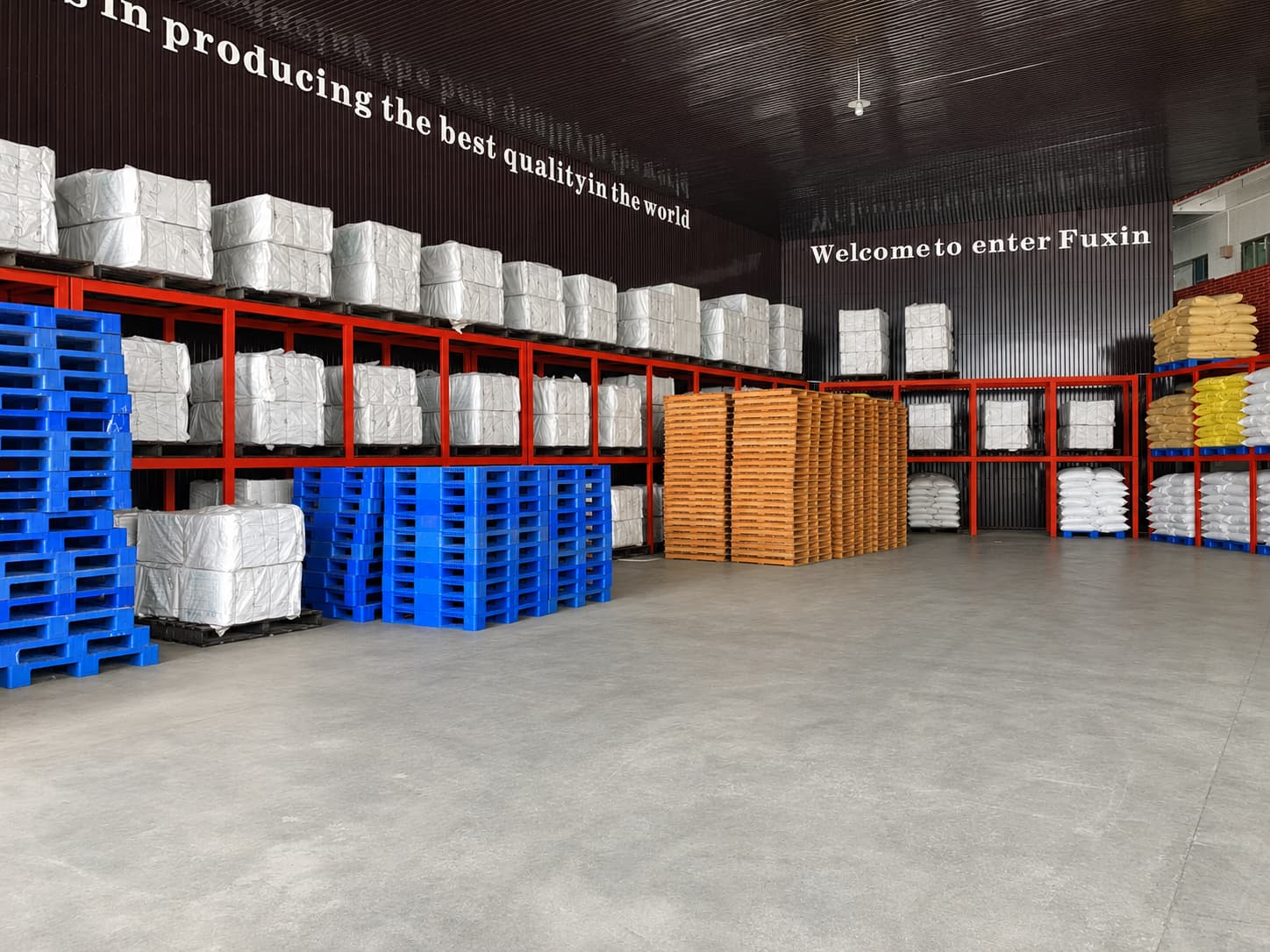
Alginato de sodio al por mayor: Lista de verificación para pedidos a granel dirigida a compradores del sector de la impresión textil
La compra al por mayor de alginato de sodio requiere algo más que comparar el precio unitario. Esta guía explica cómo los compradores del sector de la impresión textil pueden verificar la viscosidad, el tamaño de malla, el grado de pureza, el empaque, el certificado de análisis (COA), las pruebas de muestras y la consistencia de los lotes antes de realizar pedidos a granel.