
















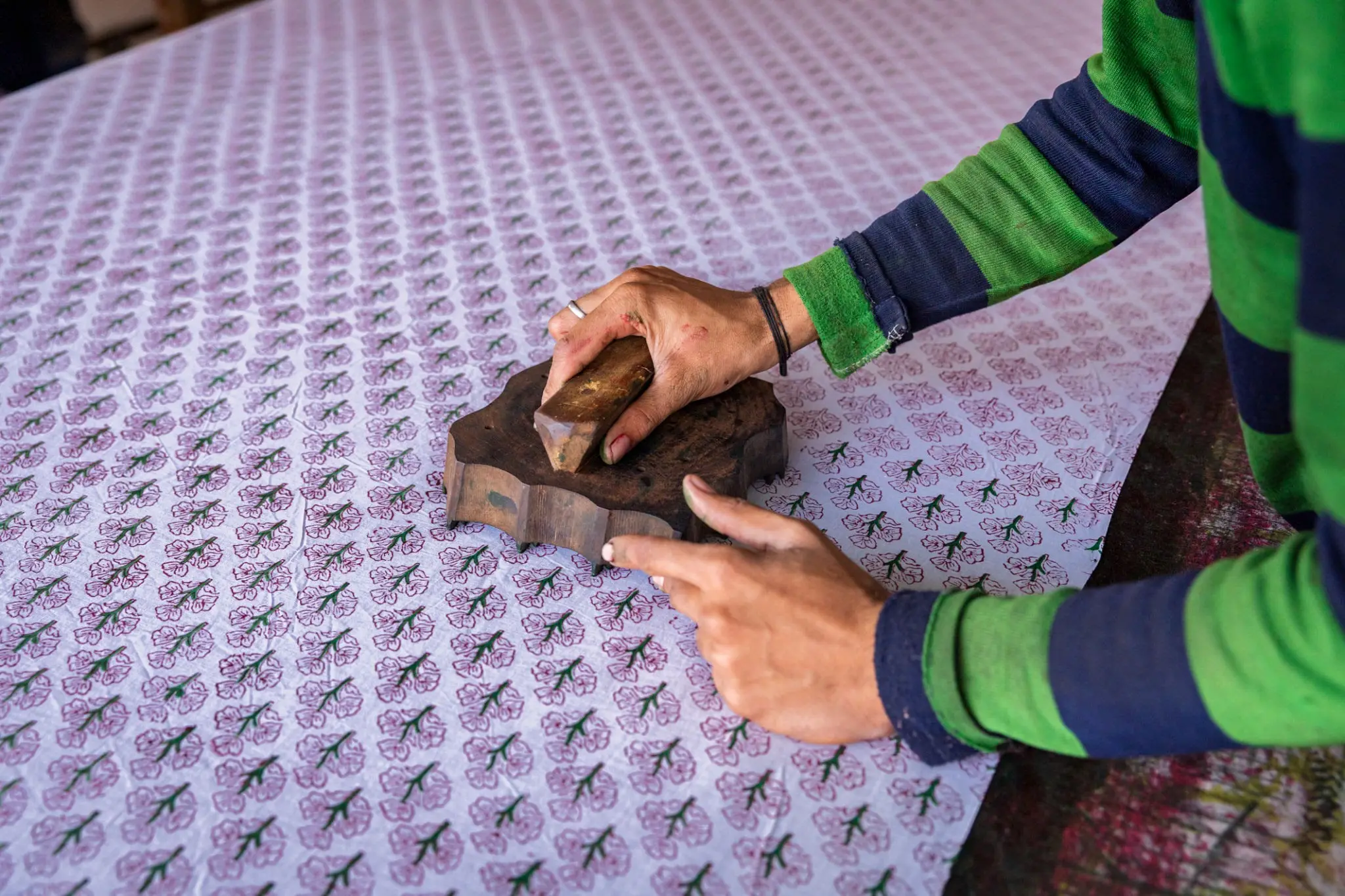
Sodium Alginate for Hand Block Printing: Reactive Dye Paste, Trials and Troubleshooting
Hand block printing requires printing paste with different rheological properties from machine screen printing. This guide explains sodium alginate paste formulation for artisan block printing, including Ajrak, Bagru, and batik applications, with practical paste assessment methods for small-scale operations.

Sodium Alginate for Reactive Screen Printing: Paste Preparation and Troubleshooting
Reactive dye screen printing with sodium alginate requires correct paste formulation, viscosity control, and steaming conditions. This guide covers flat and rotary screen paste requirements, alkali timing, common production defects, and how to diagnose paste-related causes.
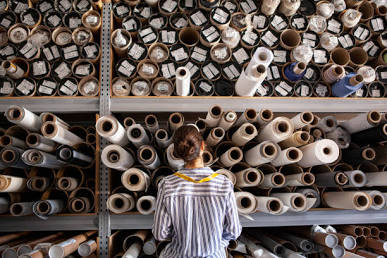
Sodium Alginate for Hot-Climate Textile Printing: Process Control and Grade Selection
Hot-climate textile printing operations and outdoor-use fabric production face paste handling challenges that differ from standard conditions. This guide explains how temperature affects sodium alginate viscosity and stability, and clarifies what thickener selection can and cannot influence regarding outdoor fabric durability.
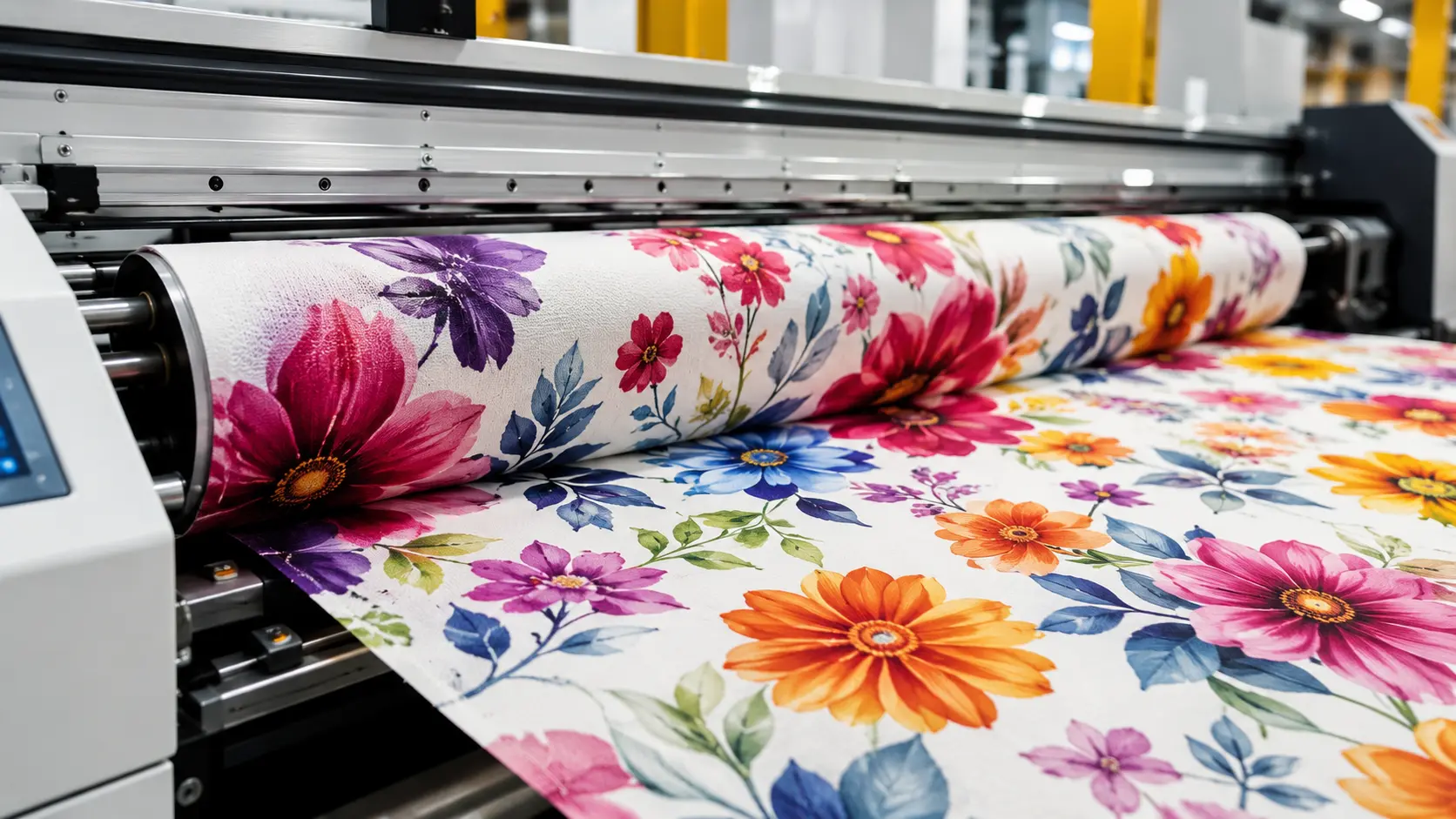
Sodium Alginate for Polyester Printing: Limitations and Thickener Selection
Sodium alginate is the standard thickener for reactive dye printing on cotton, but it is not suitable for disperse dye printing on polyester. This guide explains why, what dye chemistry differences are involved, and what thickener types are appropriate for polyester and polyester-blend printing.

Sodium Alginate for Silk Printing: Dye Route, Grade Selection and Process Control
Silk’s protein fiber chemistry and mechanical delicacy require different paste handling than cotton. This guide explains sodium alginate’s role in silk printing, viscosity and purity considerations, and practical formulation guidance for fine fabric applications.
Sodium Alginate vs Guar Gum in Textile Printing: Compatibility, Rheology and Cost
This guide provides a comprehensive comparison between sodium alginate and guar gum as thickeners in textile printing paste. While guar gum is highly efficient and cost-effective for pigment printing, sodium alginate remains the industry standard for reactive dye systems. The article explains how chemical inertness, alkaline stability, and rheological properties impact color yield, paste viscosity, and washout behavior, helping procurement and technical teams make informed decisions based on their specific dye systems and cost parameters.

How to Read a Sodium Alginate Technical Datasheet (TDS)
Technical datasheets vary in format and completeness between suppliers, and not every field matters equally for every application. This guide walks through a typical sodium alginate TDS section by section, explaining what each parameter means and how to spot gaps or red flags.
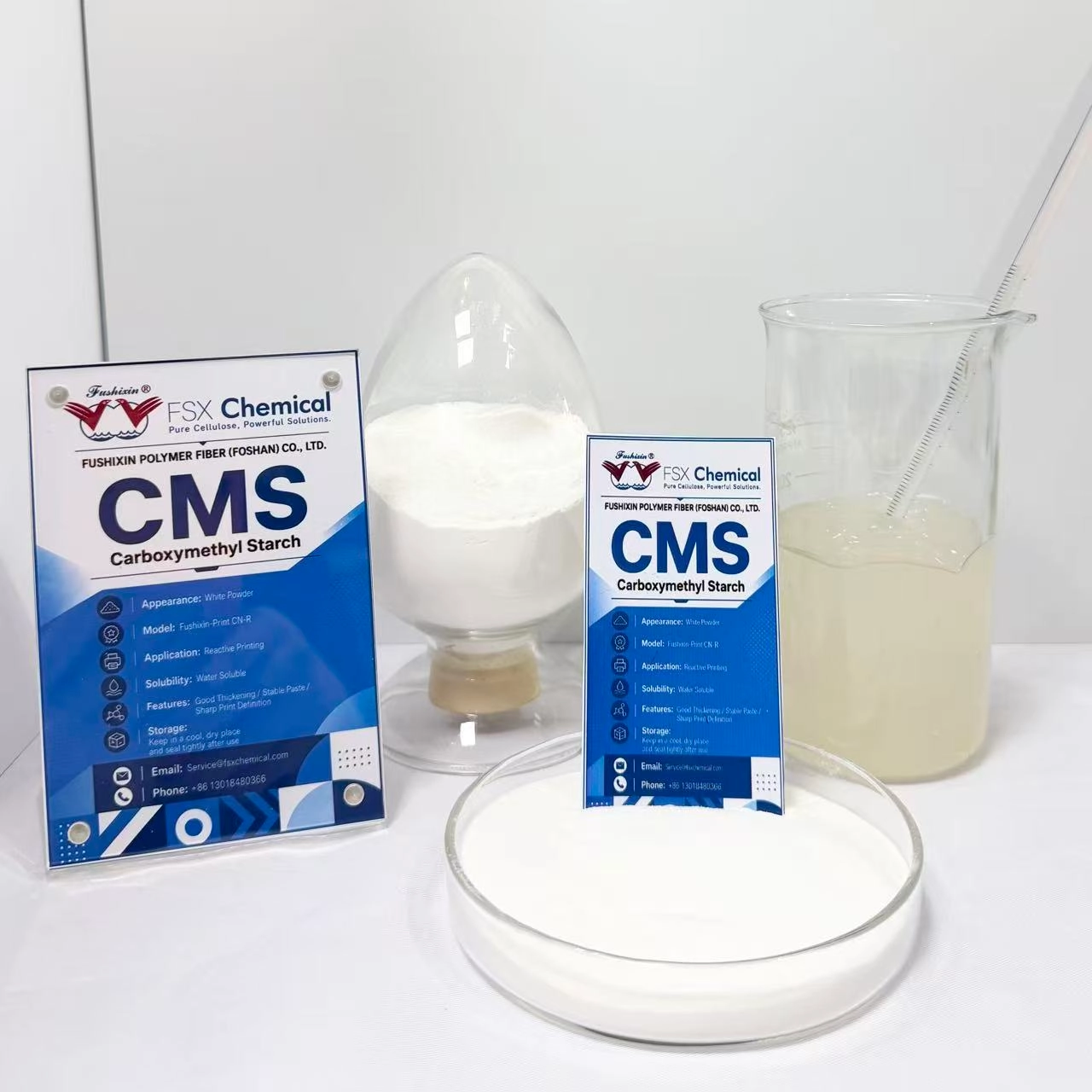
CMS for Textile Printing Paste: Grade Matching and Sample Testing Guide
CMS for textile printing paste can help adjust viscosity, improve paste handling, and support stable formulation performance. This guide explains how buyers can evaluate CMS grades by viscosity, DS, solubility, pH, moisture, and sample testing before bulk purchase.

Sodium Alginate Customization: What Can Actually Be Adjusted, and What Can’t
Many suppliers market “customized sodium alginate,” but the term covers very different things in practice. This guide explains which parameters are genuinely adjustable, which are fixed by fundamental chemistry, and how to evaluate a supplier’s customization claims.

Sodium Alginate Printing Defects: Symptom-Based Diagnosis and Corrective Checks
When a print defect appears on the floor, the challenge is narrowing down the cause quickly. This reference guide organizes common sodium alginate paste-related defects by symptom, with likely causes ranked by probability and practical first checks for each.

Cellulose Raw Material Supplier for Textile & Printing: What Buyers Should Confirm
Cellulose-based raw materials are used in textile printing, printing paste preparation, thickening, and formulation support. This guide explains how buyers can evaluate CMC, CMS, sodium alginate, textile printing thickeners, and printing paste products by specification, documentation, sample testing, and supplier support.
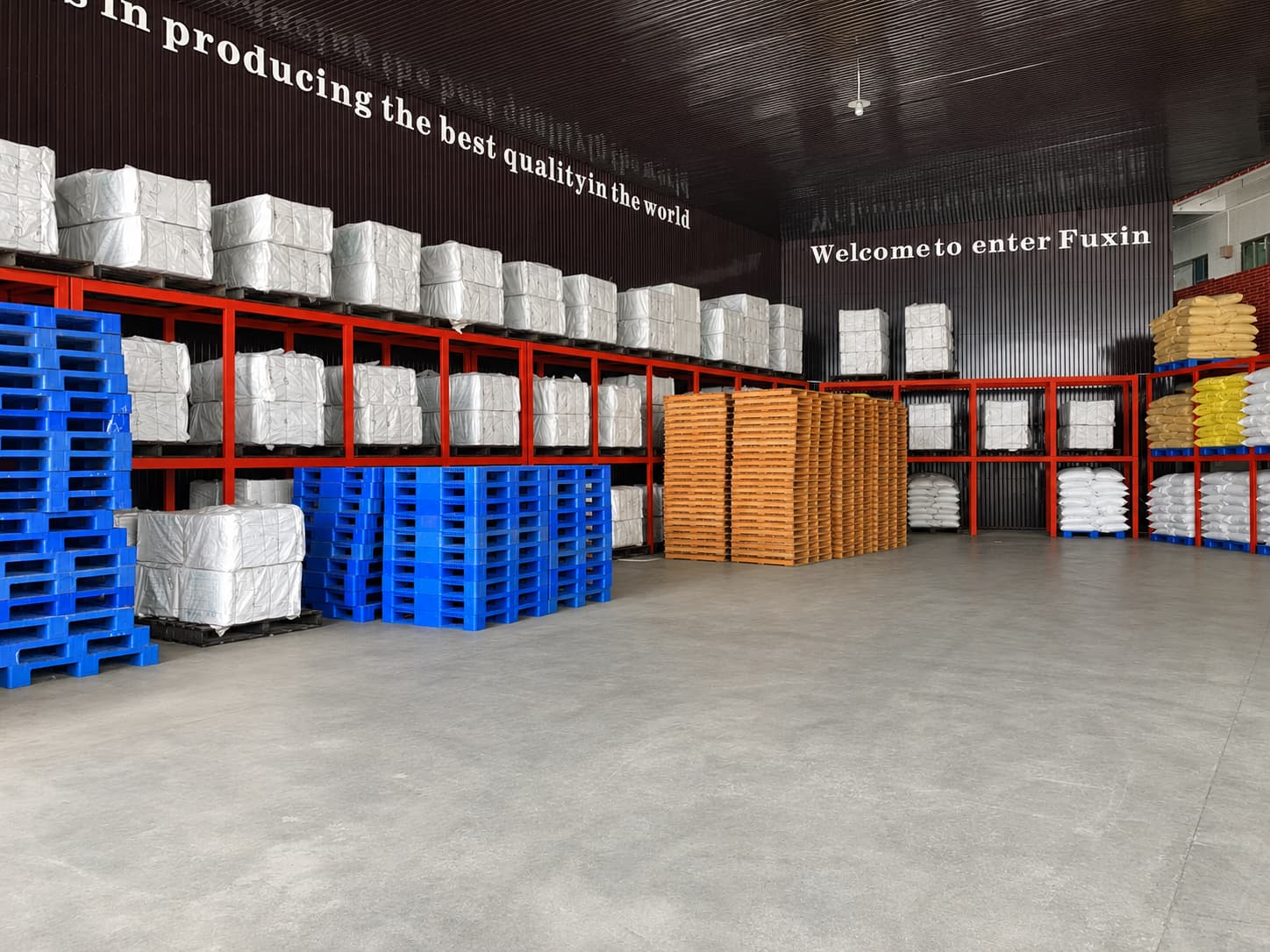
Wholesale Sodium Alginate: Bulk Order Checklist for Textile Printing Buyers
Wholesale sodium alginate purchasing requires more than comparing unit price. This guide explains how textile printing buyers can confirm viscosity, mesh size, purity grade, packaging, COA, sample testing, and batch consistency before placing bulk orders.
