

















Cellulose Derivatives Supplier for Textile & Printing: One-Stop Export Procurement Guide
Cellulose derivatives are widely used in textile printing, printing paste preparation, thickening, and formulation support. This guide explains how overseas buyers can source CMC, CMS, sodium alginate, textile printing thickeners, and printing paste products from FSX Chemical with TDS, COA, sample testing, grade matching, and export document support.

Textile Printing Chemical Supplier: What Buyers Should Check Before Cooperation
Choosing a textile printing chemical supplier requires more than comparing product names and prices. This guide explains how buyers can evaluate product range, technical documents, sample testing, batch consistency, communication, and supplier support before cooperation.
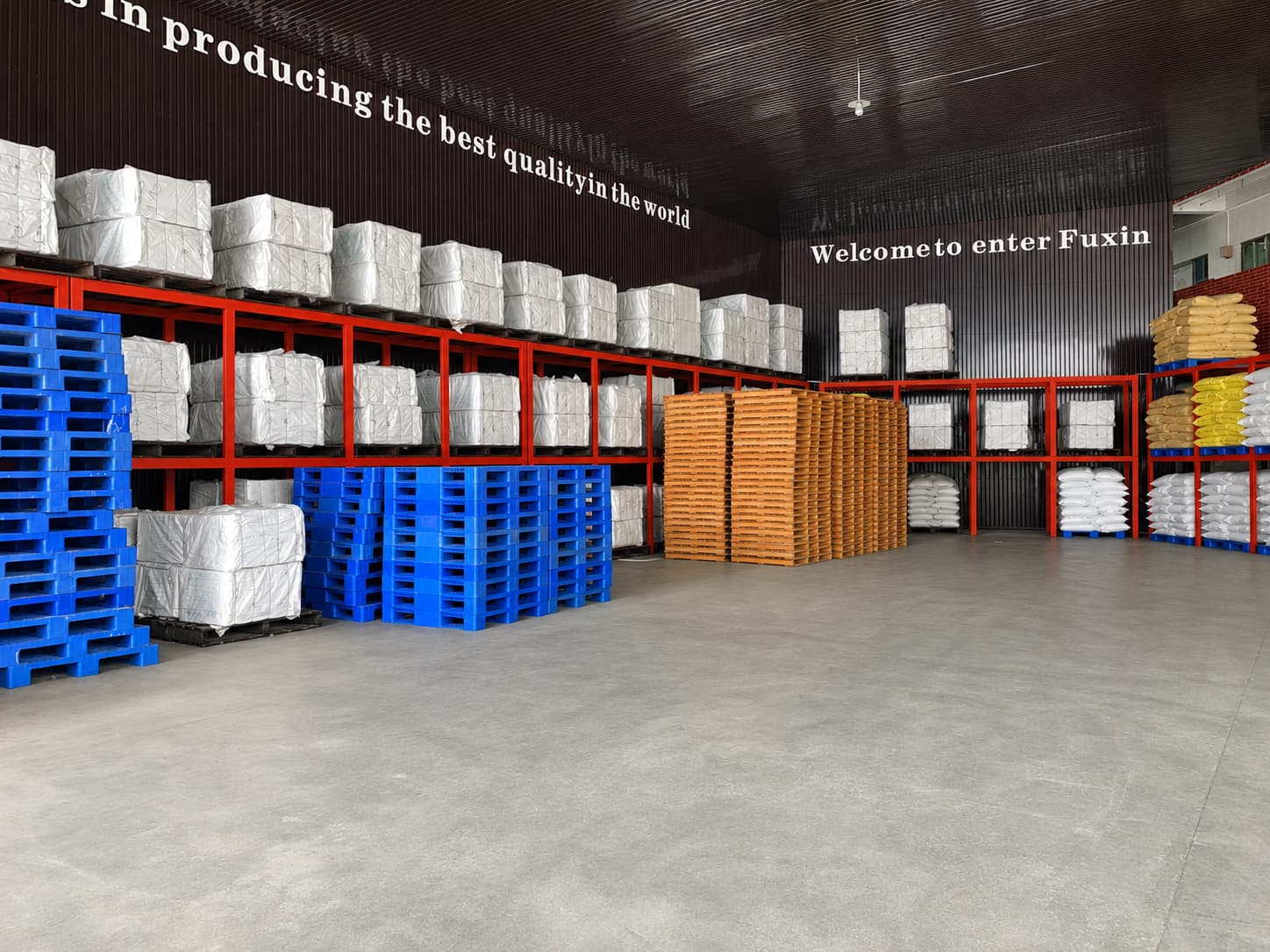
How to Evaluate a Sodium Alginate Manufacturer in China: Textile Printing Buyer Scorecard
Choosing a sodium alginate manufacturer in China requires more than comparing price or product name. This guide explains how textile printing buyers can evaluate viscosity grades, mesh size, TDS, COA, sample testing, batch consistency, packaging, and export support before placing bulk orders.
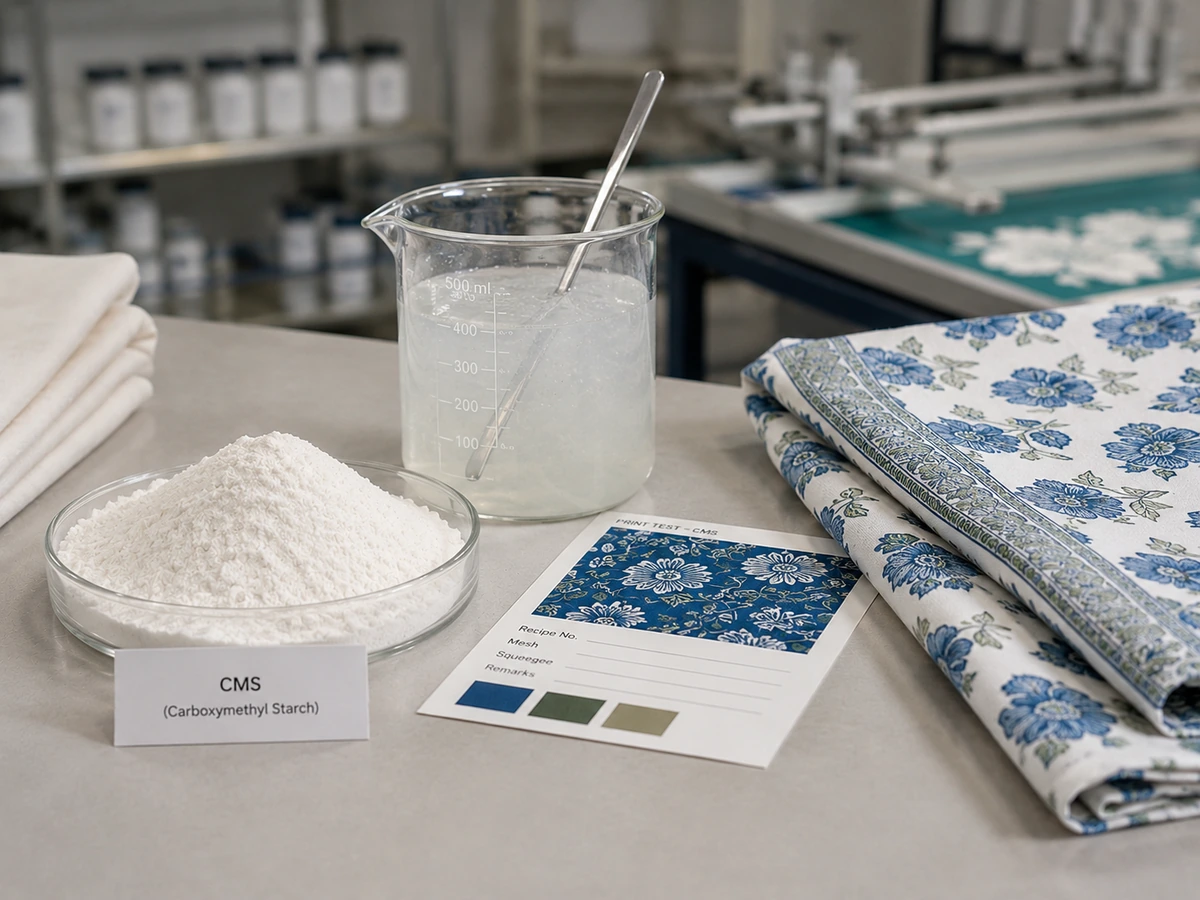
Textile Industry Chemicals Supplier: Product Matching Guide for Printing Buyers
Choosing textile industry chemicals requires more than comparing product names. This guide explains how textile printing buyers can match CMC, CMS, sodium alginate, textile printing thickeners, and printing paste products by application, specification, TDS, COA, sample testing, and batch consistency.
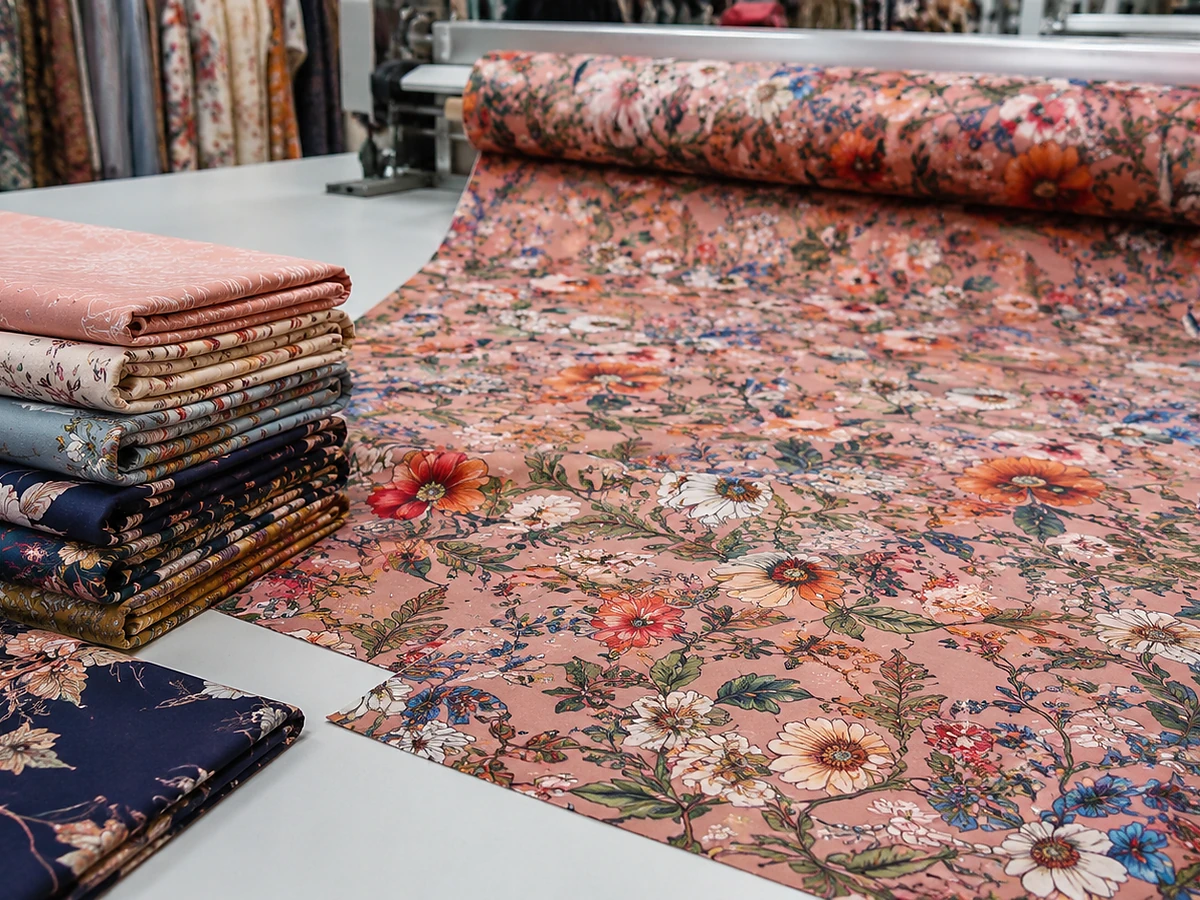
Industrial Chemicals Supplier for Textile Printing: Quality Documents Buyers Should Verify
Choosing an industrial chemicals supplier for textile printing requires more than checking product names and prices. This guide explains how buyers can review ISO certificate scope, TDS, COA, SDS, sample testing, batch consistency, and export documents before placing bulk orders.
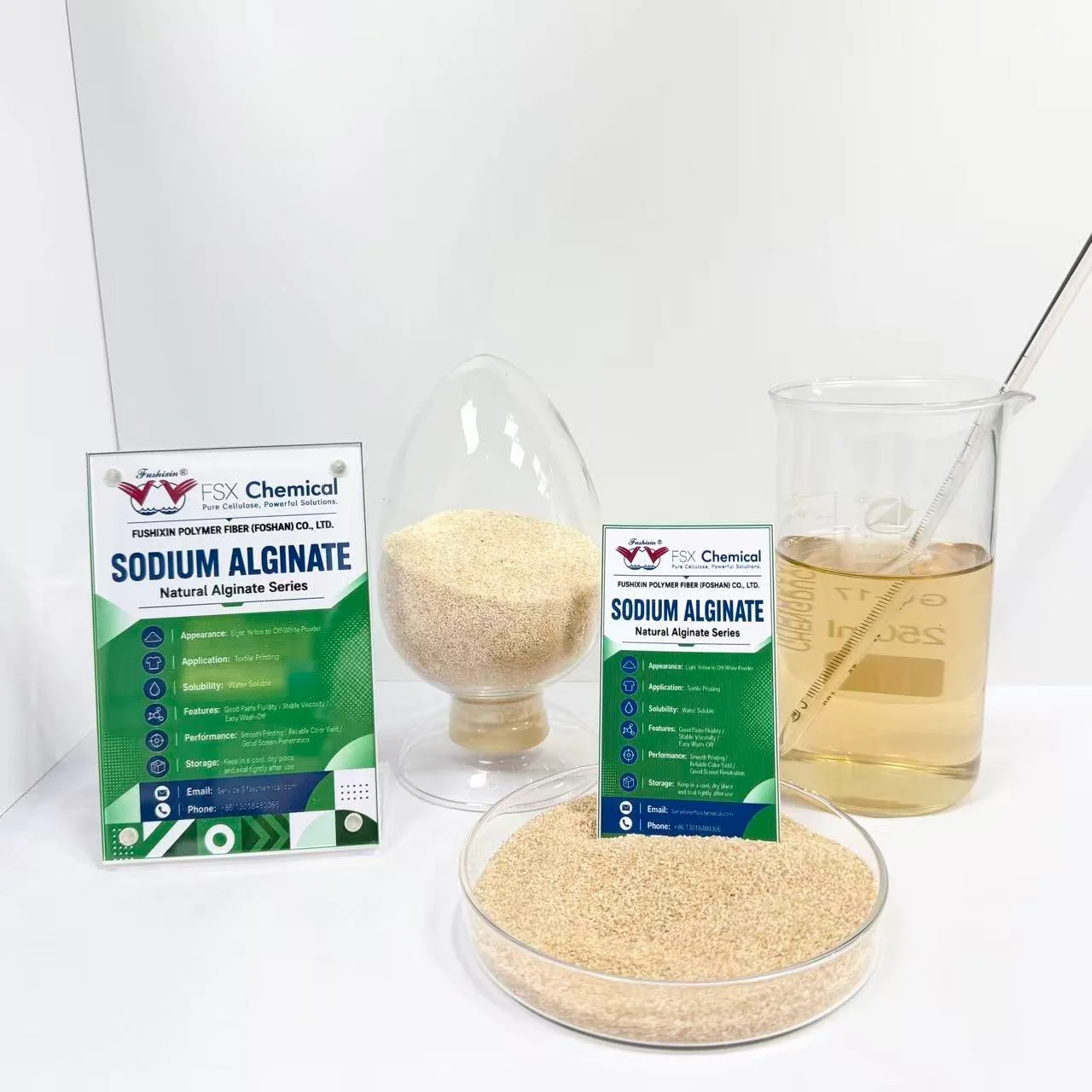
Specialty Sodium Alginate for Textile Printing: Application Trends and Grade Selection Guide
Specialty sodium alginate is used in textile printing paste where viscosity, dissolution behavior, paste smoothness, and batch consistency are important. This guide explains how textile printing buyers can evaluate sodium alginate grades by application, specification, TDS, COA, sample testing, and bulk order consistency.
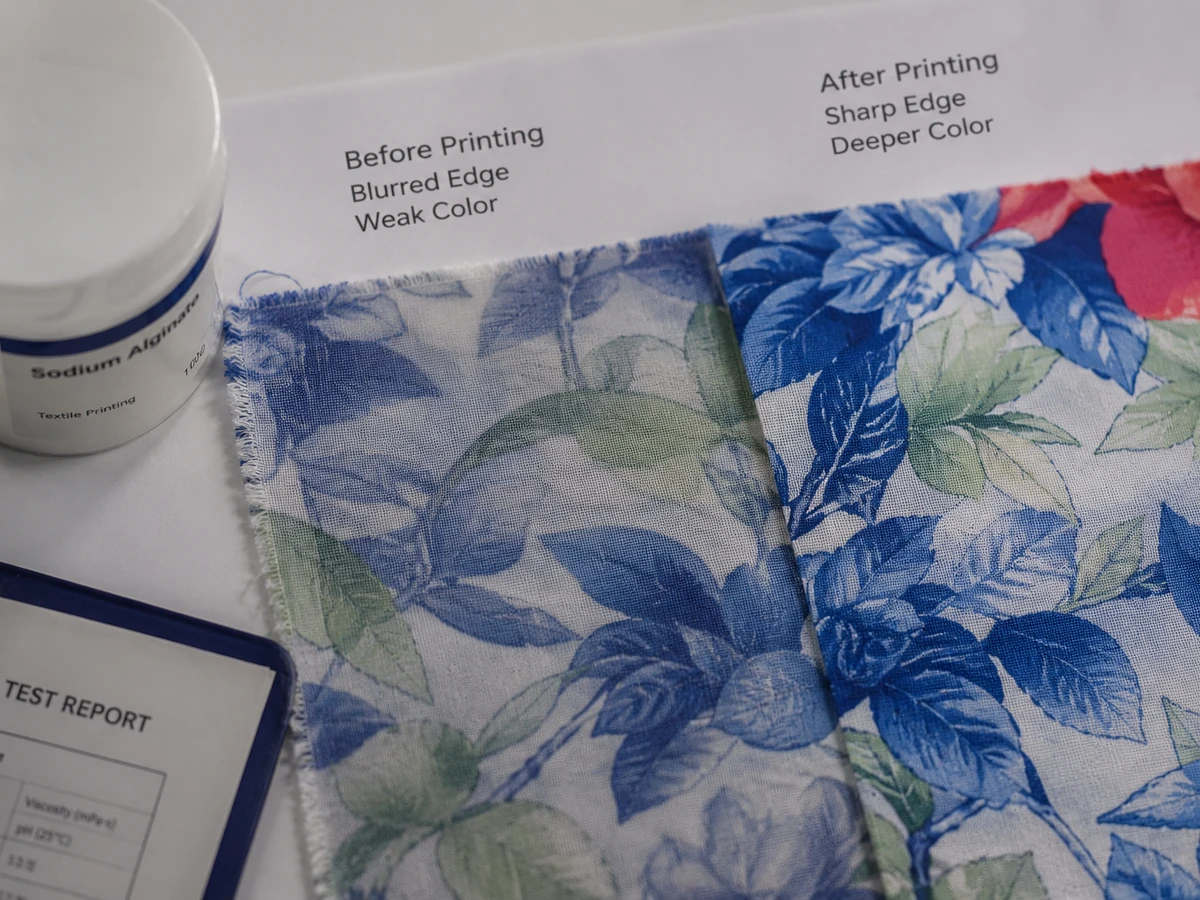
Textile Grade Sodium Alginate Manufacturer: What Printing Buyers Should Check
Choosing a textile grade sodium alginate manufacturer requires more than comparing price or general claims. This guide explains how textile printing buyers can review viscosity grade, mesh size, dissolution behavior, TDS, COA, sample testing, batch consistency, packaging, and export documents before bulk purchase.
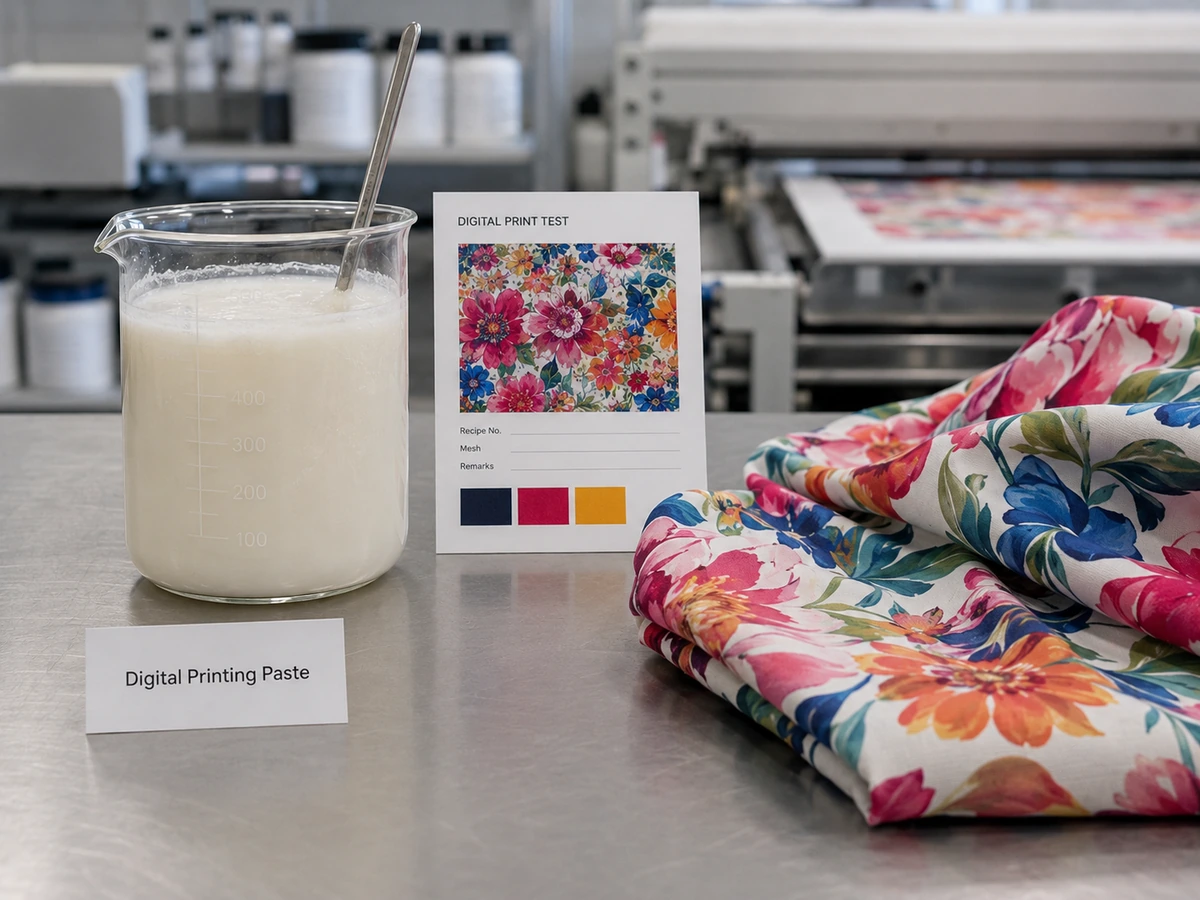
Chemical Formulation Support for Textile & Printing: What Buyers Should Provide
Chemical formulation support for textile printing should begin with clear application information. This guide explains what buyers should provide when requesting product matching, formulation adjustment, sample testing, TDS, COA, SDS, and technical support for CMC, CMS, sodium alginate, textile printing thickeners, and printing paste products.
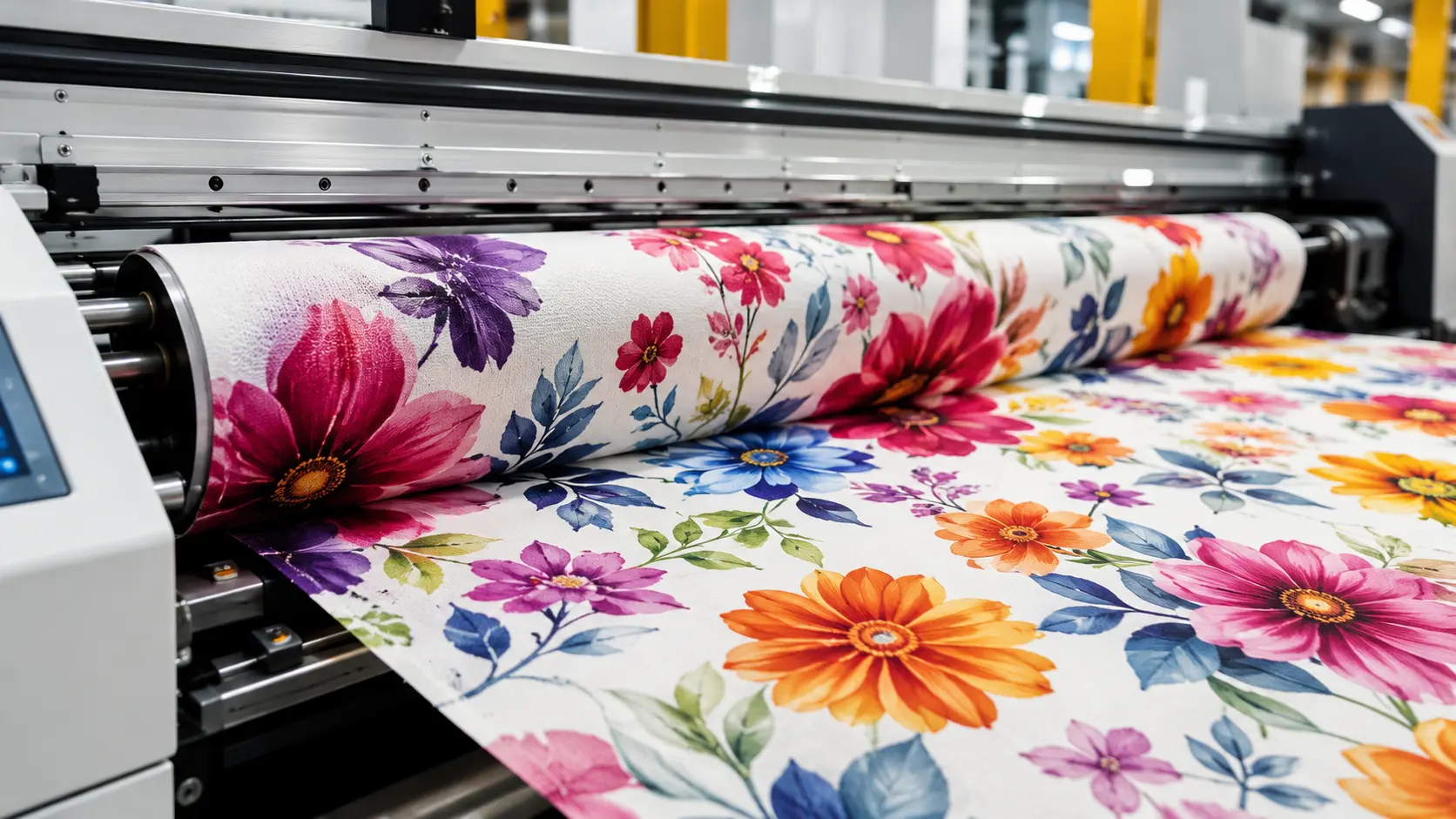
Environmentally Friendly Sodium Alginate: What Information Should Textile Printing Buyers Verify?
Environmentally friendly sodium alginate claims should be reviewed carefully before bulk purchase. This guide explains how textile printing buyers can check product specifications, TDS, COA, SDS, environmental documents, sample testing, batch consistency, and application suitability for textile printing paste.

Reactive Dye Thickener Sodium Alginate: What Textile Printing Buyers Should Check
Sodium alginate is commonly used as a reactive dye thickener in textile printing paste. This guide explains how buyers can evaluate viscosity grade, mesh size, dissolution behavior, paste smoothness, TDS, COA, sample testing, batch consistency, and export documents before bulk purchase.
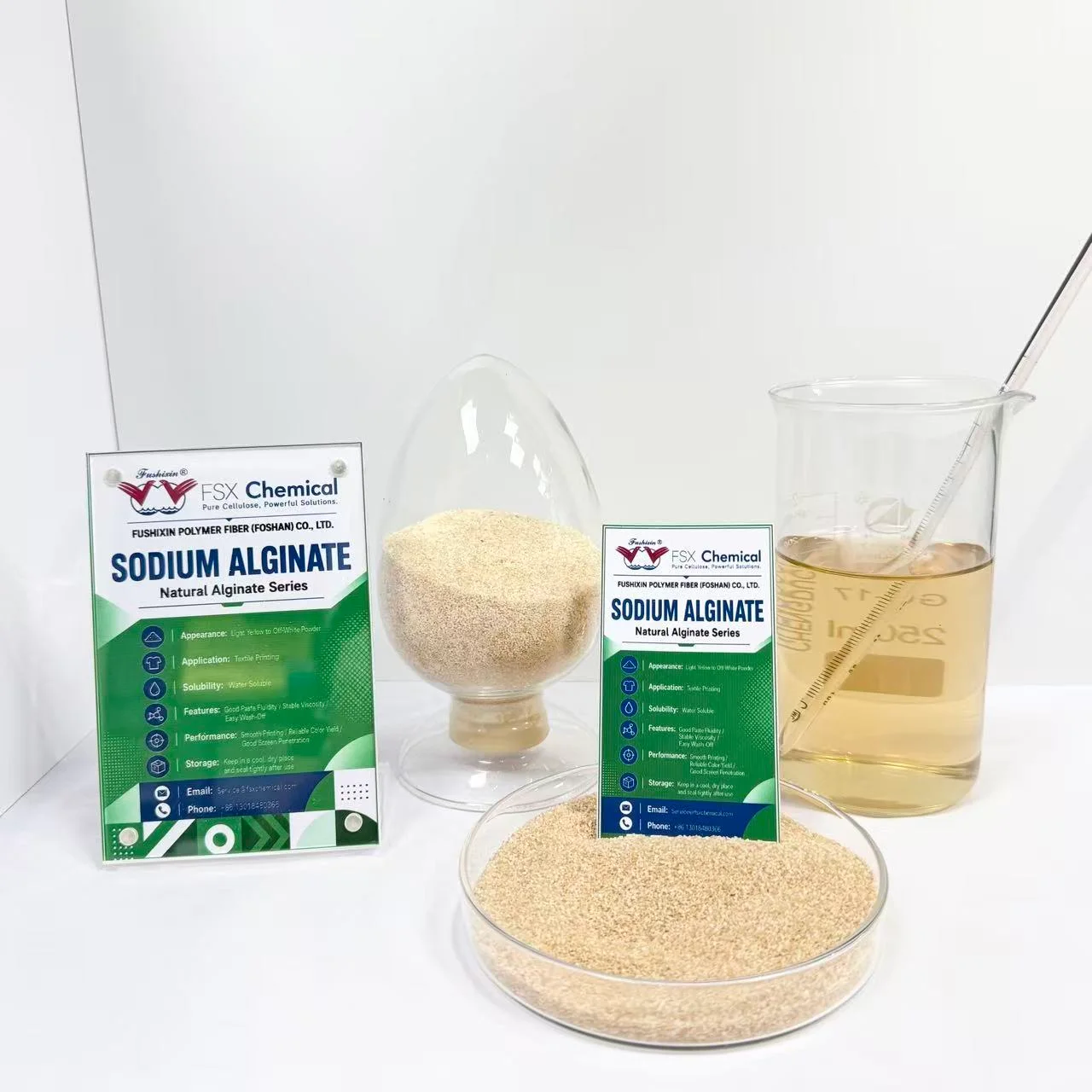
Global Sodium Alginate Manufacturer: What Textile Printing Buyers Should Verify
Choosing a global sodium alginate manufacturer requires more than comparing price or broad performance claims. This guide explains how textile printing buyers can evaluate viscosity grade, mesh size, dissolution behavior, TDS, COA, SDS, sample testing, batch consistency, packaging, and export documents before bulk purchase.
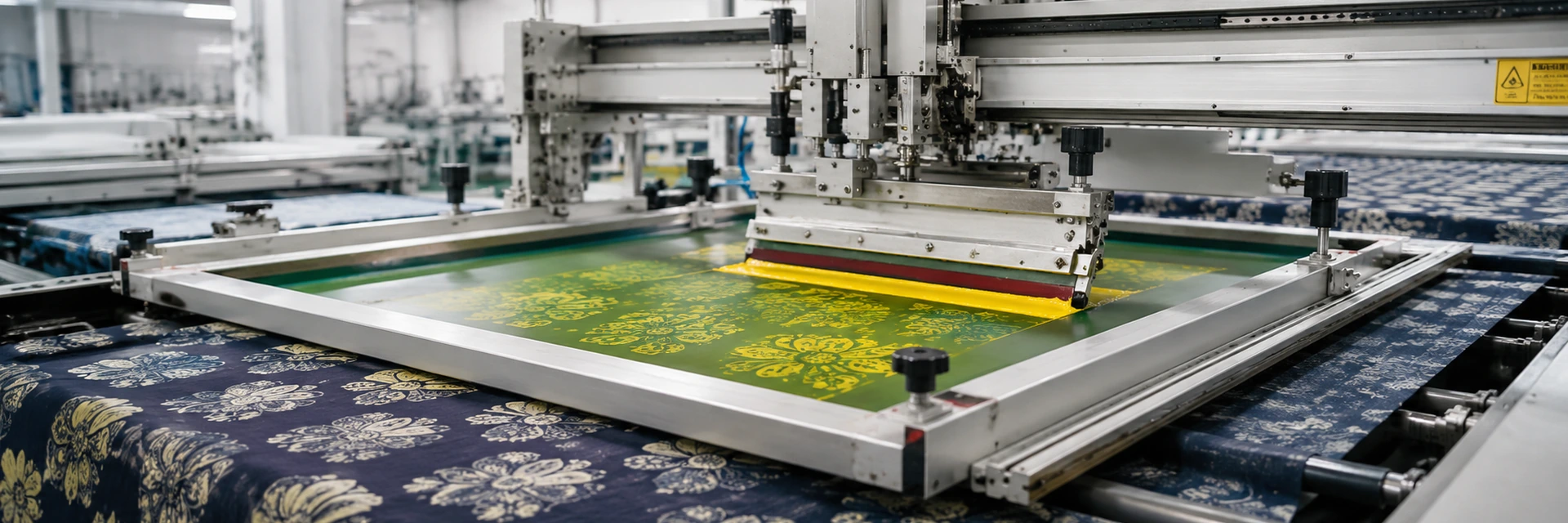
Industrial Grade Sodium Alginate Supply: What Textile Printing Buyers Should Confirm
Industrial grade sodium alginate supply requires more than comparing price or general supplier claims. This guide explains how textile printing buyers can review viscosity grade, mesh size, dissolution behavior, TDS, COA, SDS, sample testing, batch consistency, packaging, and export documents before bulk purchase.