
















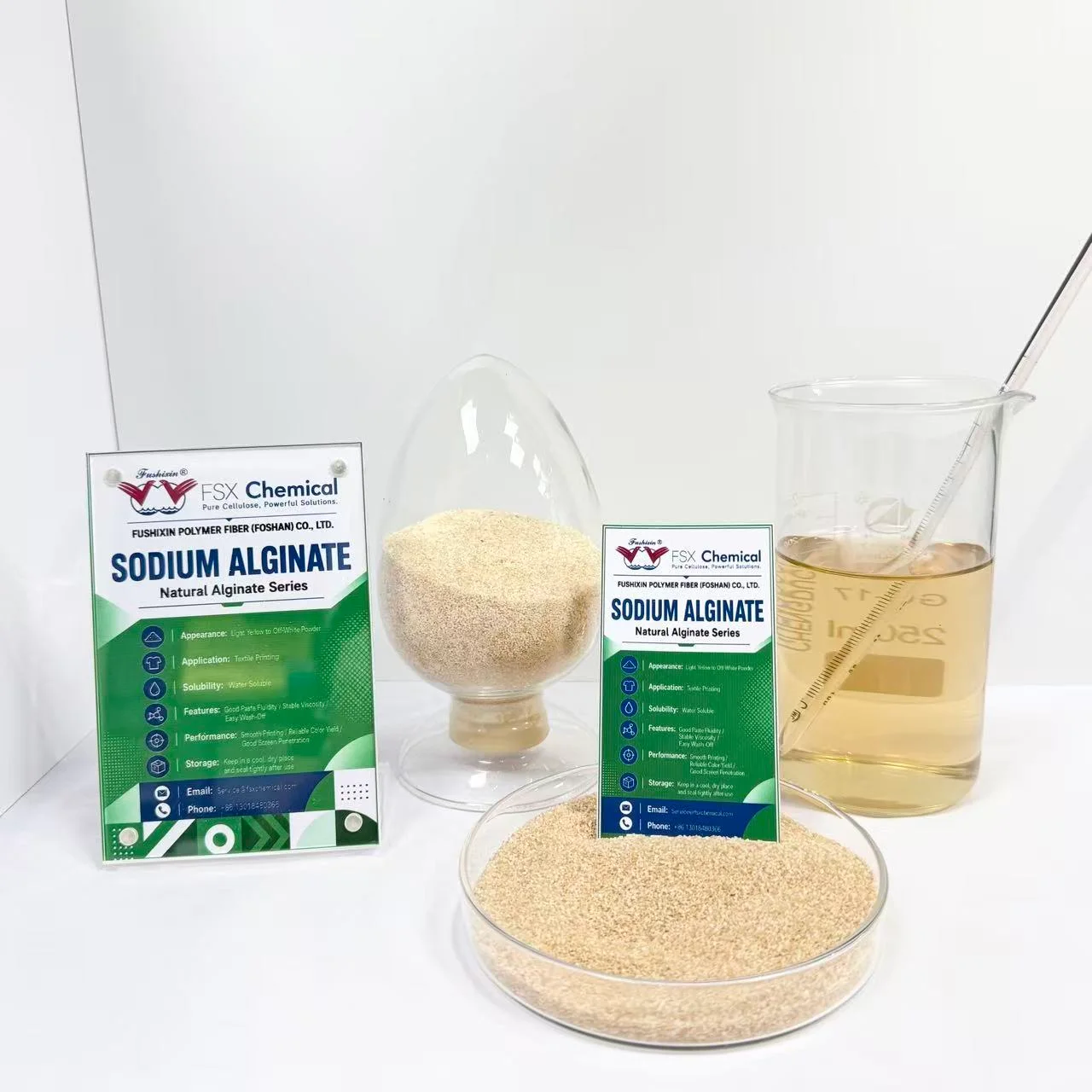
Sodium Alginate for Reactive Digital Textile Printing: Pretreatment and Grade Selection
Digital inkjet printing on textiles has different paste and pre-treatment requirements compared to screen printing. This guide explains how sodium alginate is used in digital textile printing and what grade parameters procurement teams should specify.
Food-Grade vs. Industrial-Grade CMC: What Procurement Teams Need to Know
Food-grade and industrial-grade CMC share the same base chemistry but differ significantly in purity, DS range, and regulatory requirements. This guide explains the key differences and why using the wrong grade creates production problems.
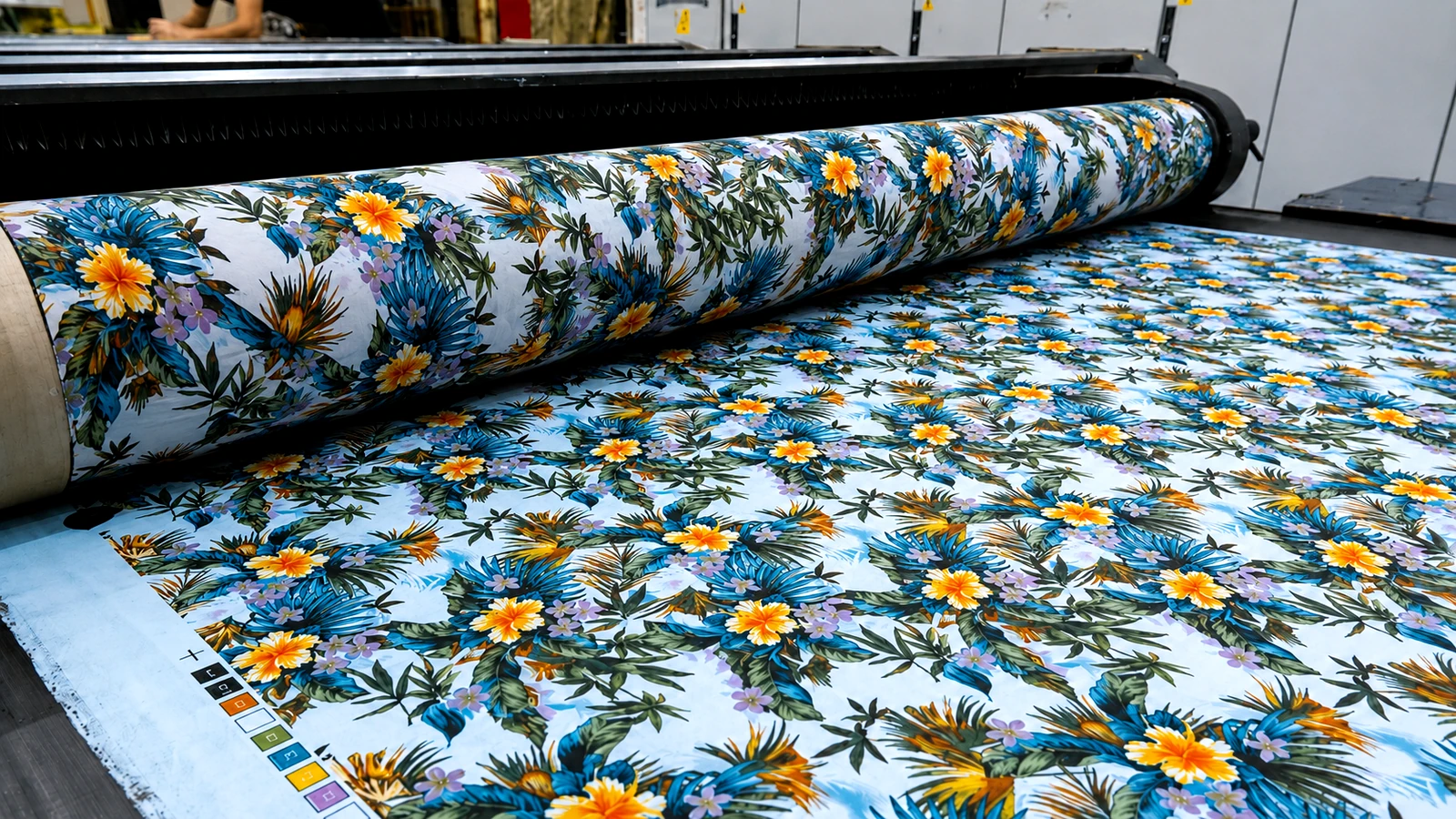
How to Prepare Sodium Alginate Printing Paste: Dissolution, Concentration and QC
Correct paste preparation is as important as grade selection in reactive dye textile printing. This guide covers sodium alginate dissolution methods, concentration ranges by application, storage conditions, and how to troubleshoot common preparation problems.
Sodium Alginate in Textile Printing: Environmental Profile and Wastewater Considerations
Sodium alginate is a natural, biodegradable polymer, but its use in textile printing generates wastewater that requires management. This guide covers the environmental profile of sodium alginate, washout effluent characteristics, and what procurement teams should understand about thickener choice and environmental impact.

Reactive Dye Fixation in Textile Printing: Sodium Alginate and Process Control
Dye fixation rate directly affects color yield, wash fastness, and wastewater load in reactive dye printing. This guide explains how sodium alginate supports dye fixation, what paste parameters influence fixation rate, and how to troubleshoot low fixation in production.

Sodium Alginate Mesh Size: Dissolution, Filtration and Textile Printing Performance
Sodium alginate particle size (mesh) affects how quickly the powder dissolves, how evenly it hydrates, and how the resulting paste performs in screen printing. This guide explains the practical implications of mesh specification for textile printing paste applications.
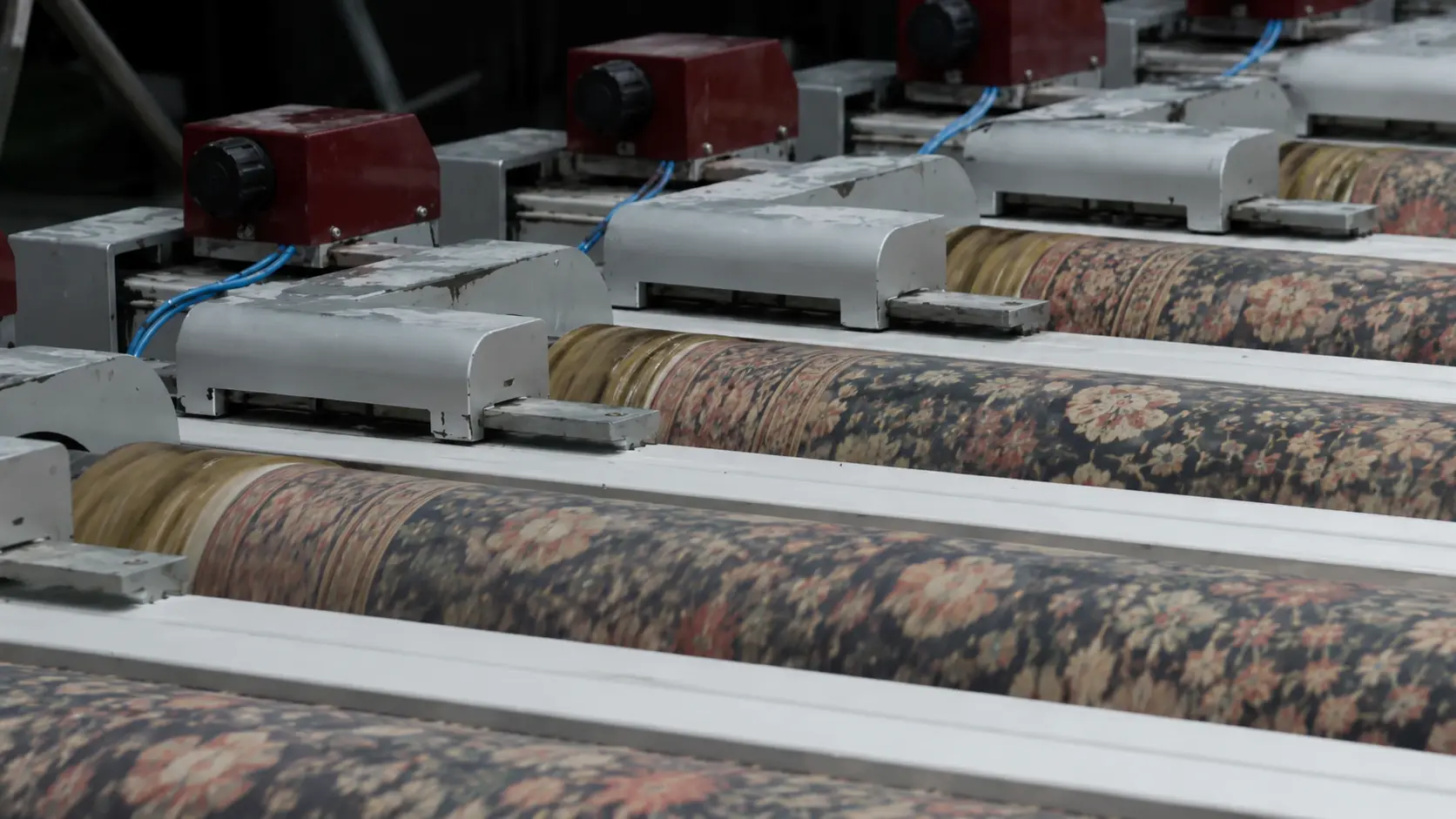
Sodium Alginate for Textile Sizing and Desizing: Selection and Process Control
Correct paste preparation is as important as grade selection in reactive dye textile printing. This guide covers sodium alginate dissolution methods, concentration ranges by application, storage conditions, and how to troubleshoot common preparation problems.

Sodium Alginate Purity for Textile Printing: Specifications, Test Methods and Buyer Checks
Sodium alginate purity specifications cover more than a single number. This guide explains what active content, NaCl, insoluble matter, and heavy metal data mean for textile printing paste performance — and when higher purity is worth specifying over a standard industrial grade.
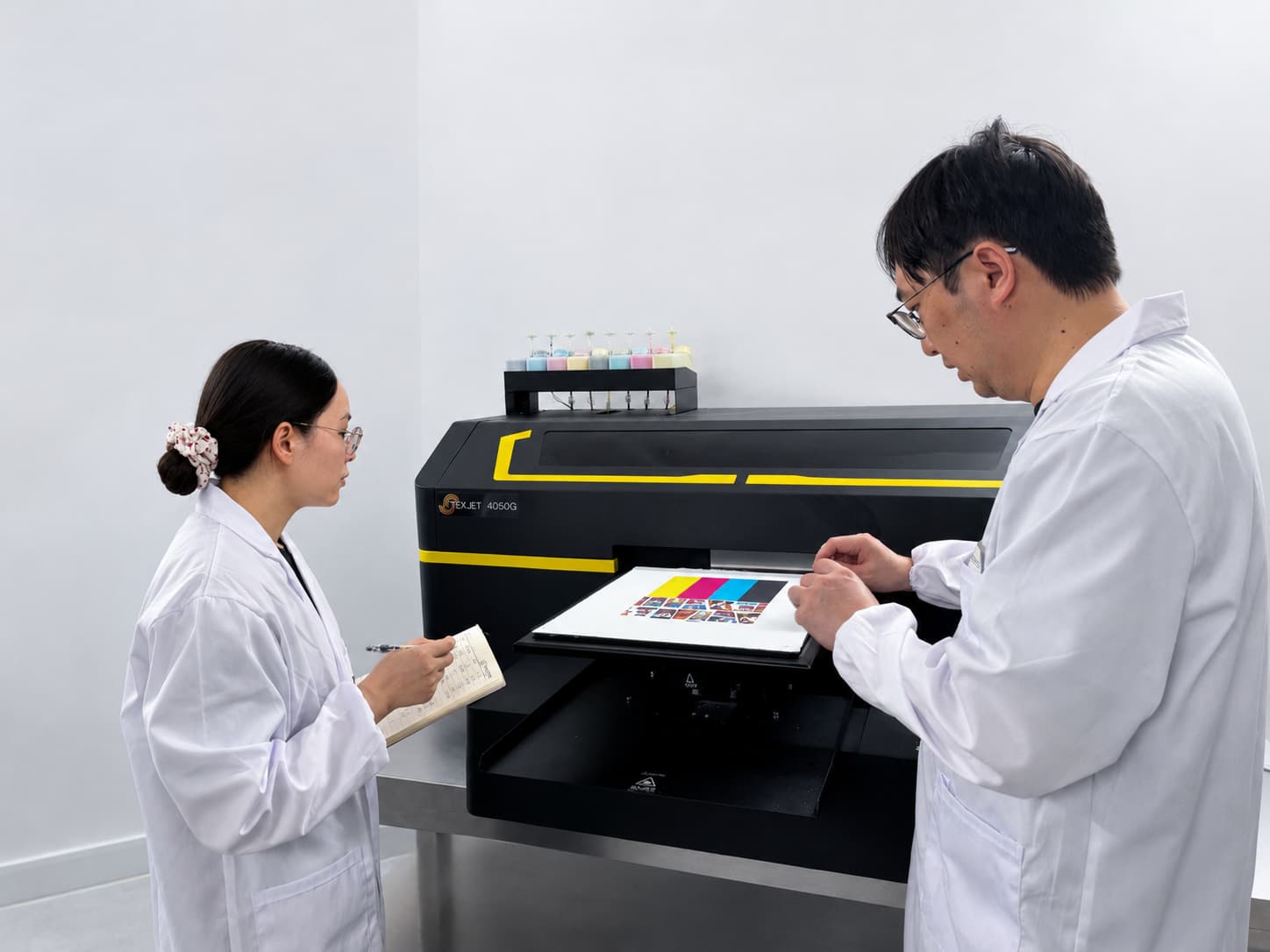
Sodium Alginate Grade Selection by Fabric Type in Textile Printing
The right sodium alginate grade for reactive dye printing depends significantly on the fabric being printed. Cotton, viscose, linen, and blended fabrics have different fiber structures and dye uptake characteristics that affect paste viscosity requirements, concentration, and fixation conditions.
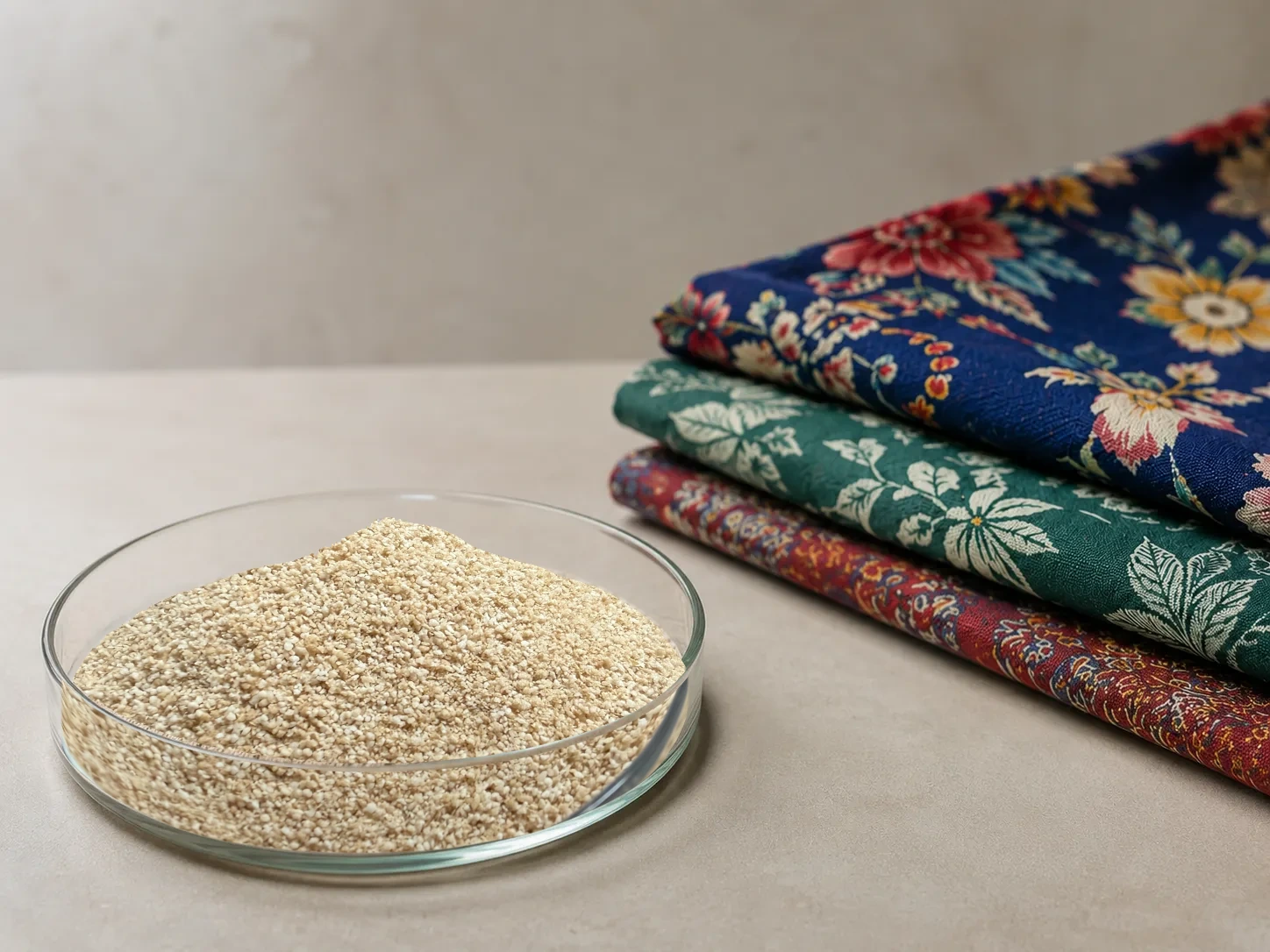
Sodium Alginate Viscosity Stability in Textile Printing: Causes, Management and Grade Selection
Viscosity instability in sodium alginate printing paste is one of the most common causes of color variation and print defects in reactive dye printing. This guide explains why viscosity changes during production, what factors contribute to instability, and how to select a grade with better stability for your process conditions.
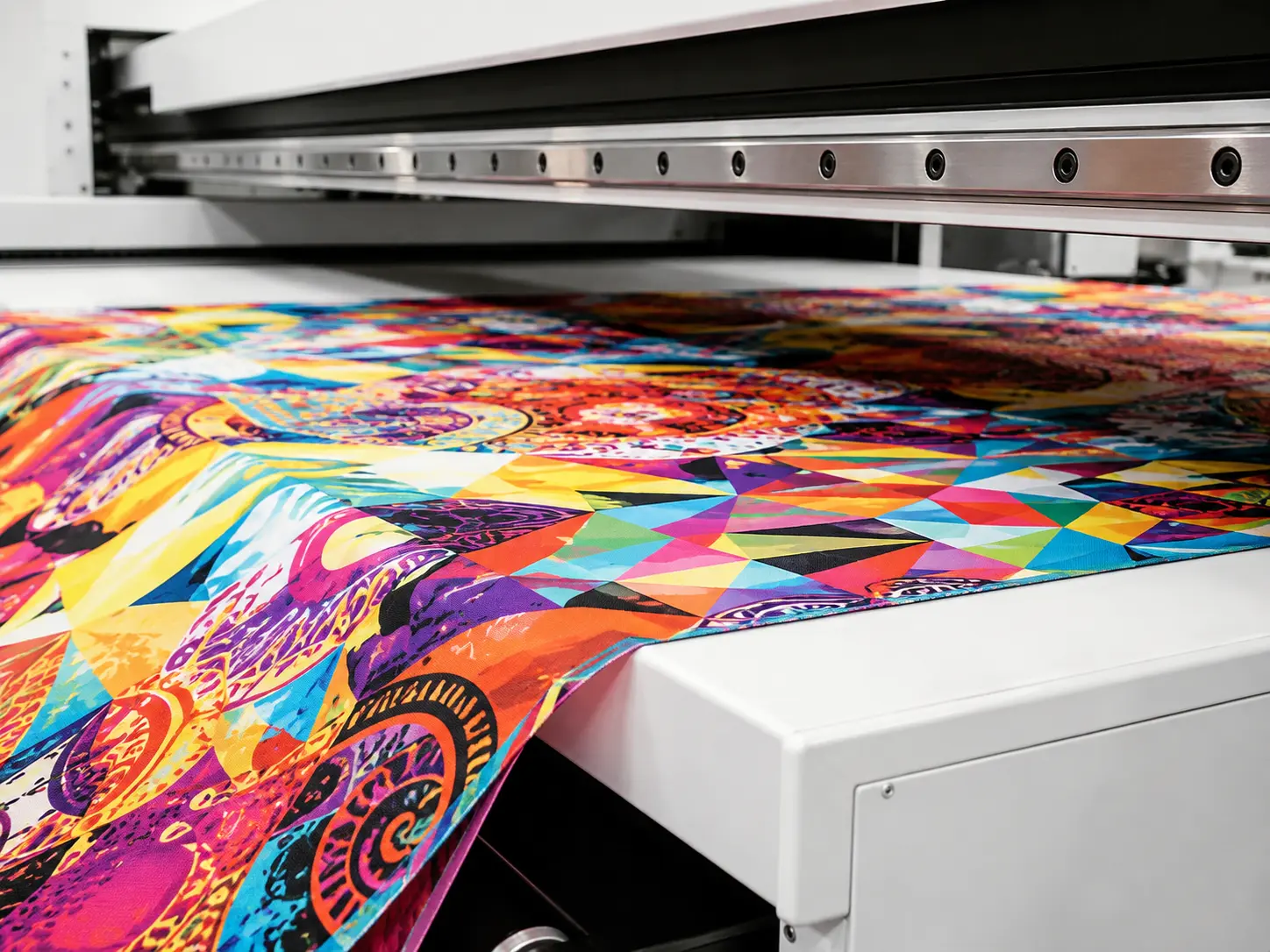
Sodium Alginate Raw Materials and Manufacturing Process for Textile Buyers
Understanding sodium alginate raw material source and manufacturing process helps procurement teams ask better questions and evaluate suppliers more effectively. This guide covers seaweed species, extraction steps, impurity origins, and what consistent manufacturing looks like in supplier documentation.
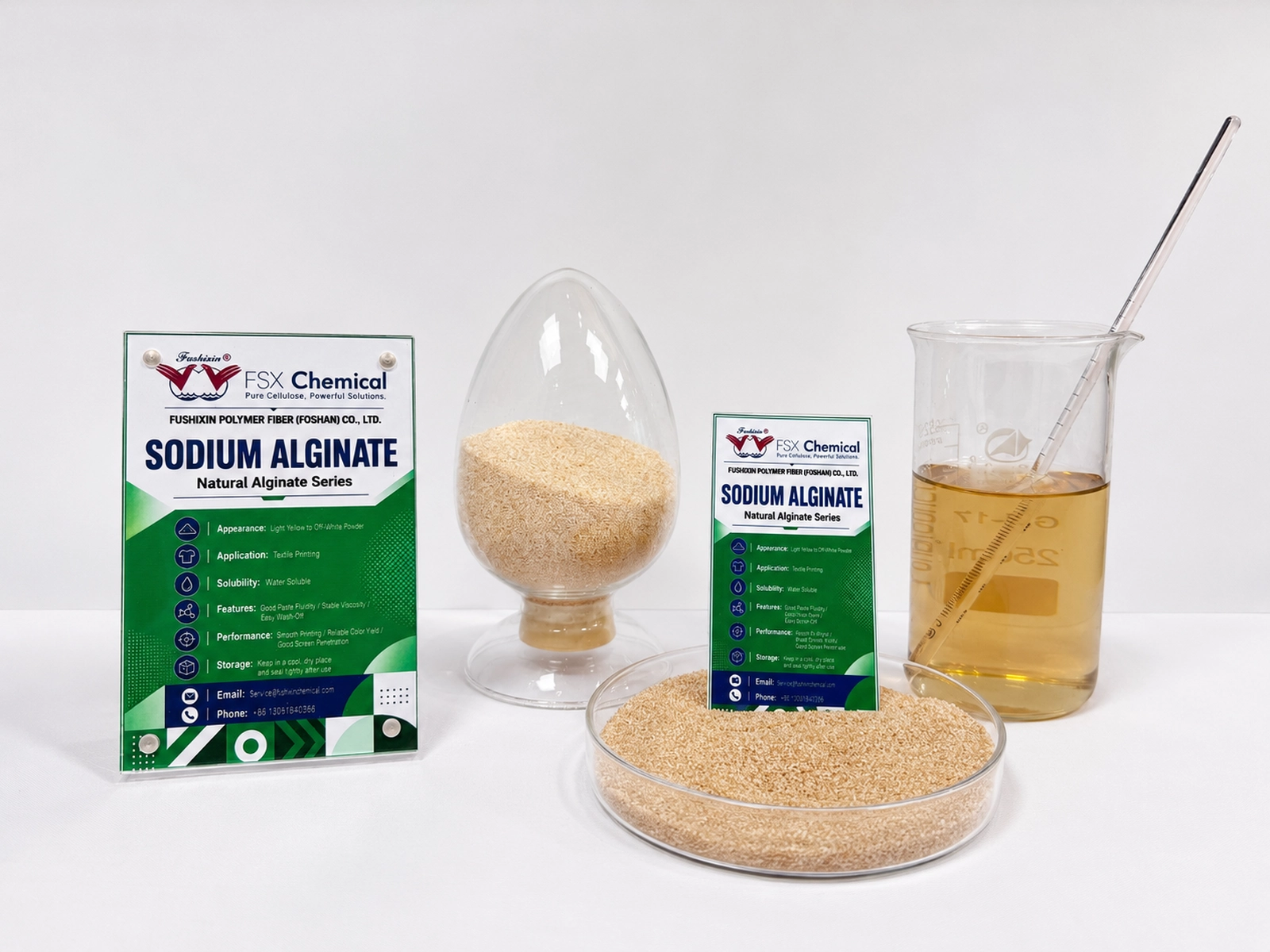
Sodium Alginate Storage Conditions and Shelf Life
Incorrect storage is one of the most common causes of sodium alginate performance problems in textile printing. This guide covers powder and paste storage conditions, shelf life expectations, degradation indicators, and what to check when receiving a new shipment.
