
















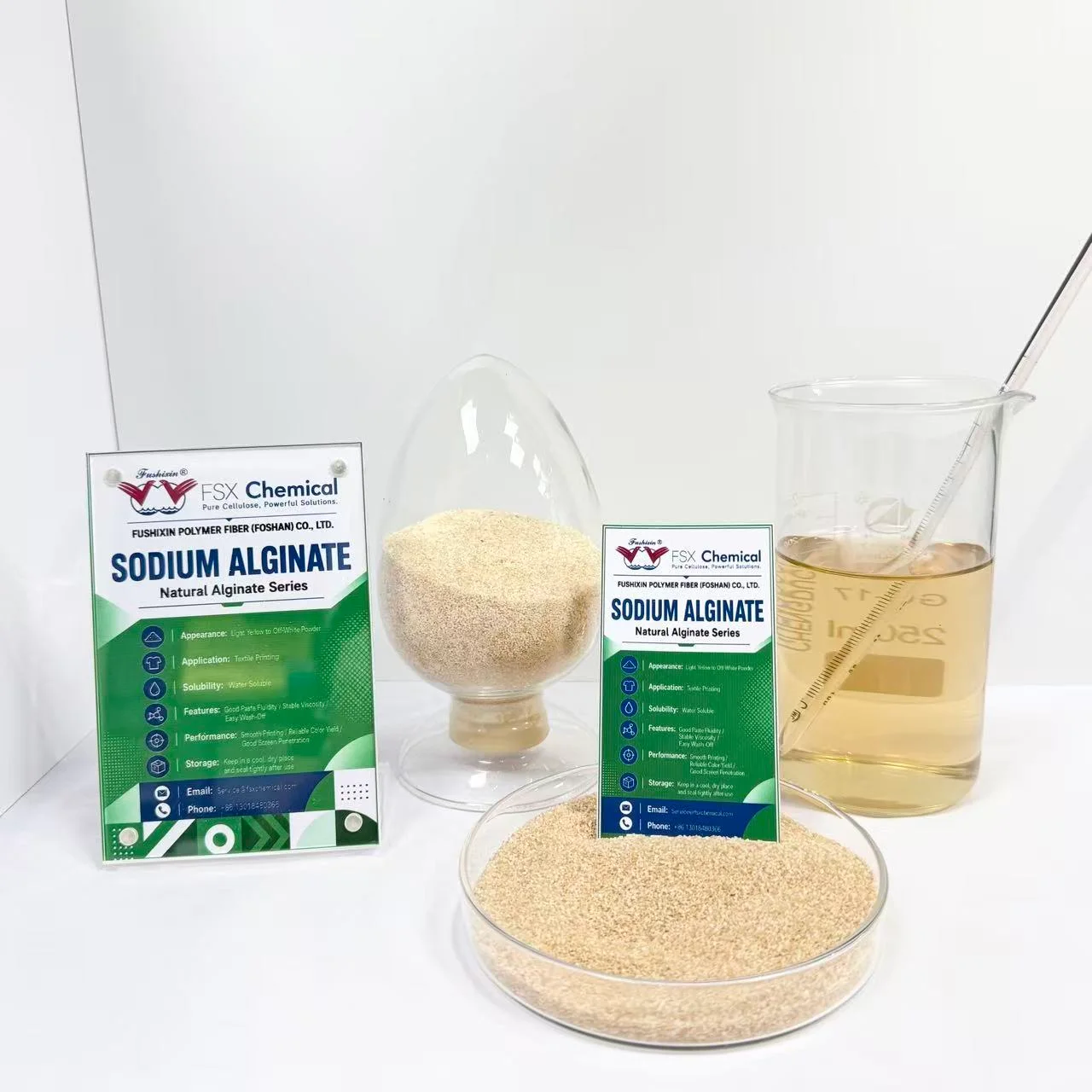
L'alginate de sodium pour l'impression textile numérique réactive : prétraitement et choix de la qualité
L'impression numérique à jet d'encre sur textiles présente des exigences différentes en matière de pâte et de prétraitement par rapport à la sérigraphie. Ce guide explique comment l'alginate de sodium est utilisé dans l'impression textile numérique et quels paramètres de qualité les équipes d'approvisionnement doivent préciser.
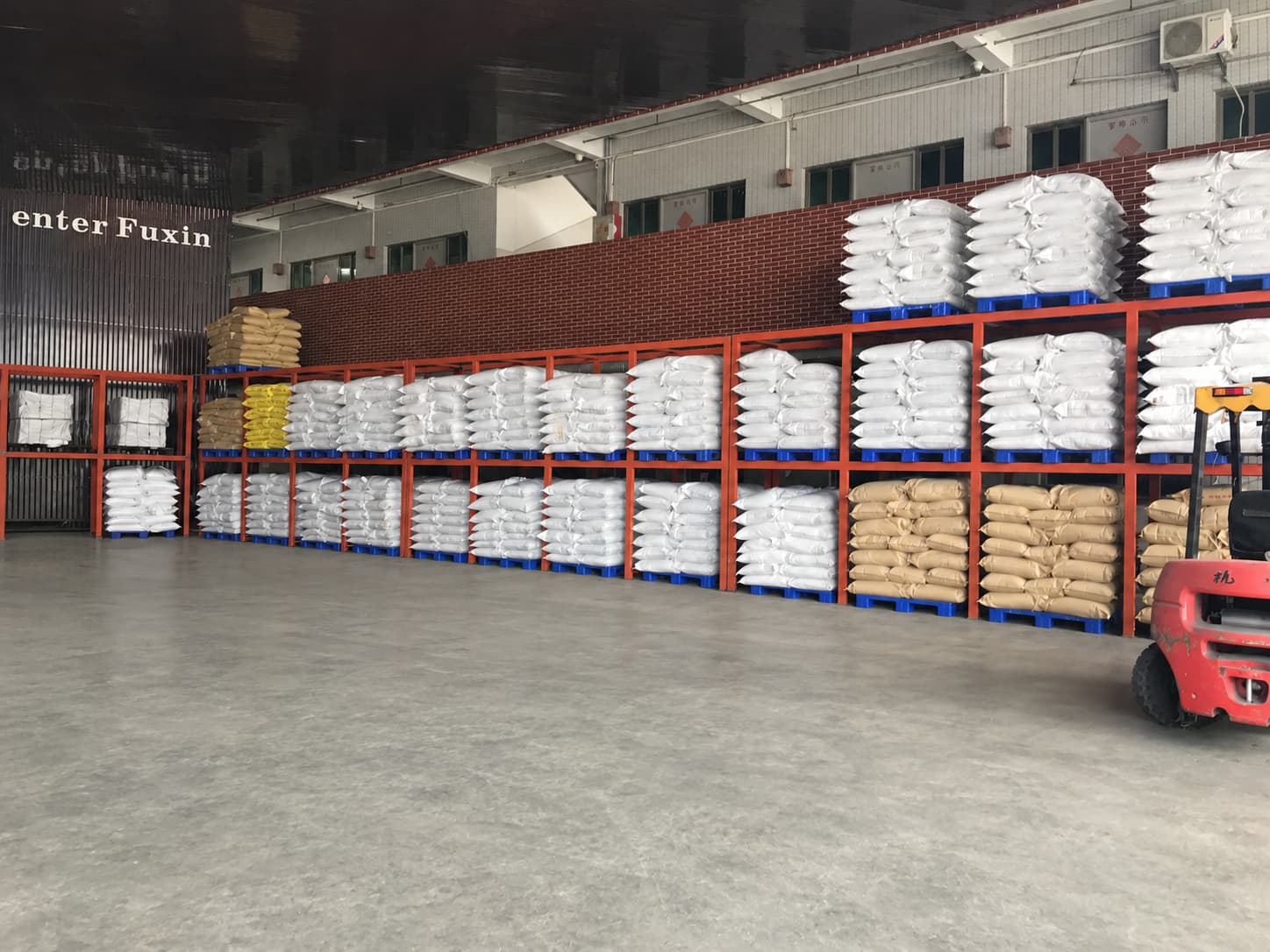
CMC de qualité alimentaire ou de qualité industrielle : ce que les équipes d'approvisionnement doivent savoir
Le CMC de qualité alimentaire et celui de qualité industrielle partagent la même composition chimique de base, mais présentent des différences significatives en termes de pureté, de plage de DS et d'exigences réglementaires. Ce guide explique les principales différences et pourquoi l'utilisation d'une qualité inadaptée peut entraîner des problèmes de production.
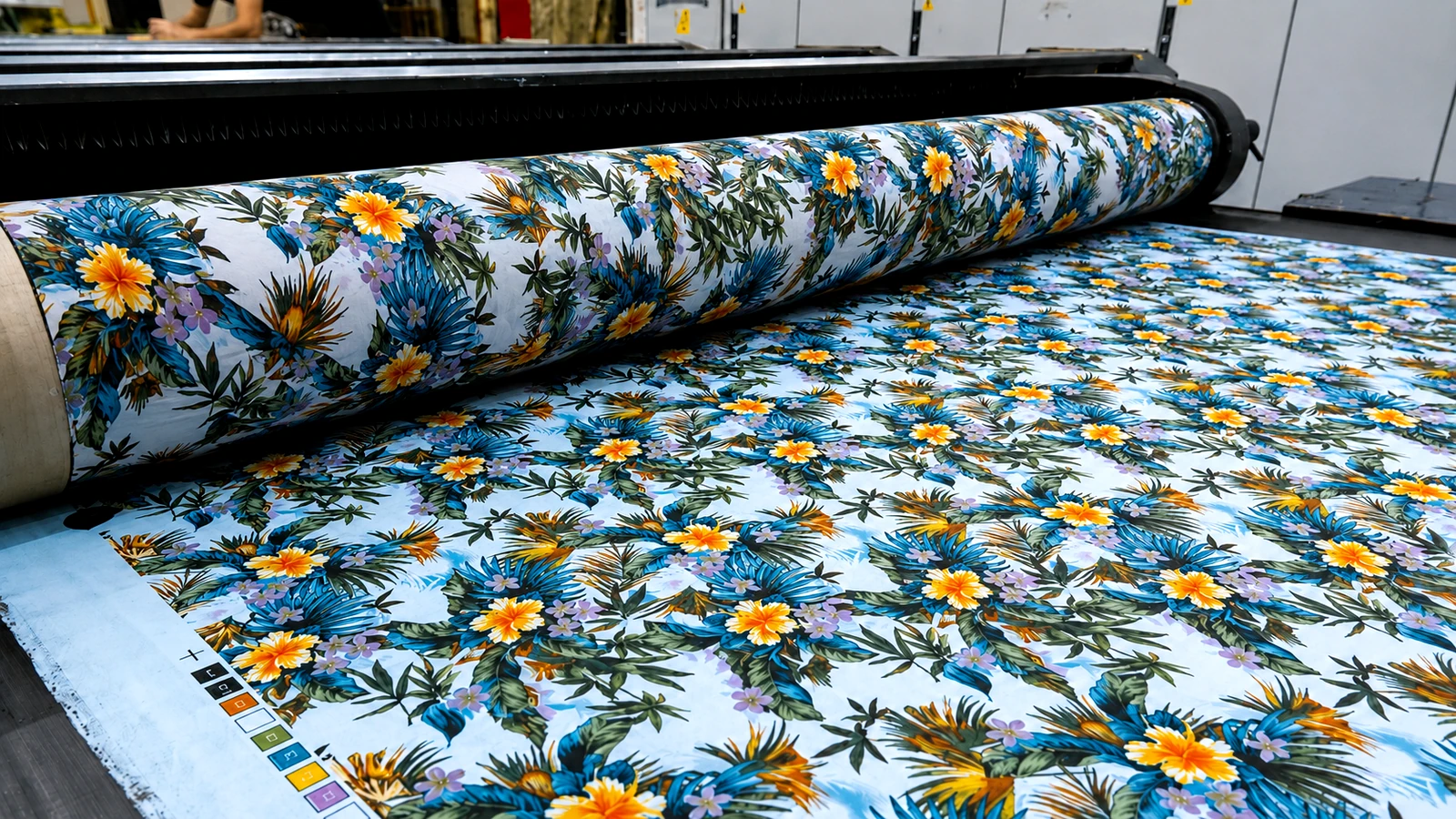
Comment préparer une pâte d'impression à base d'alginate de sodium : dissolution, concentration et contrôle qualité
Dans l'impression textile aux colorants réactifs, une préparation correcte de la pâte est tout aussi importante que le choix de la qualité du tissu. Ce guide aborde les méthodes de dissolution de l'alginate de sodium, les plages de concentration en fonction de l'application, les conditions de stockage, ainsi que la manière de résoudre les problèmes courants liés à la préparation.
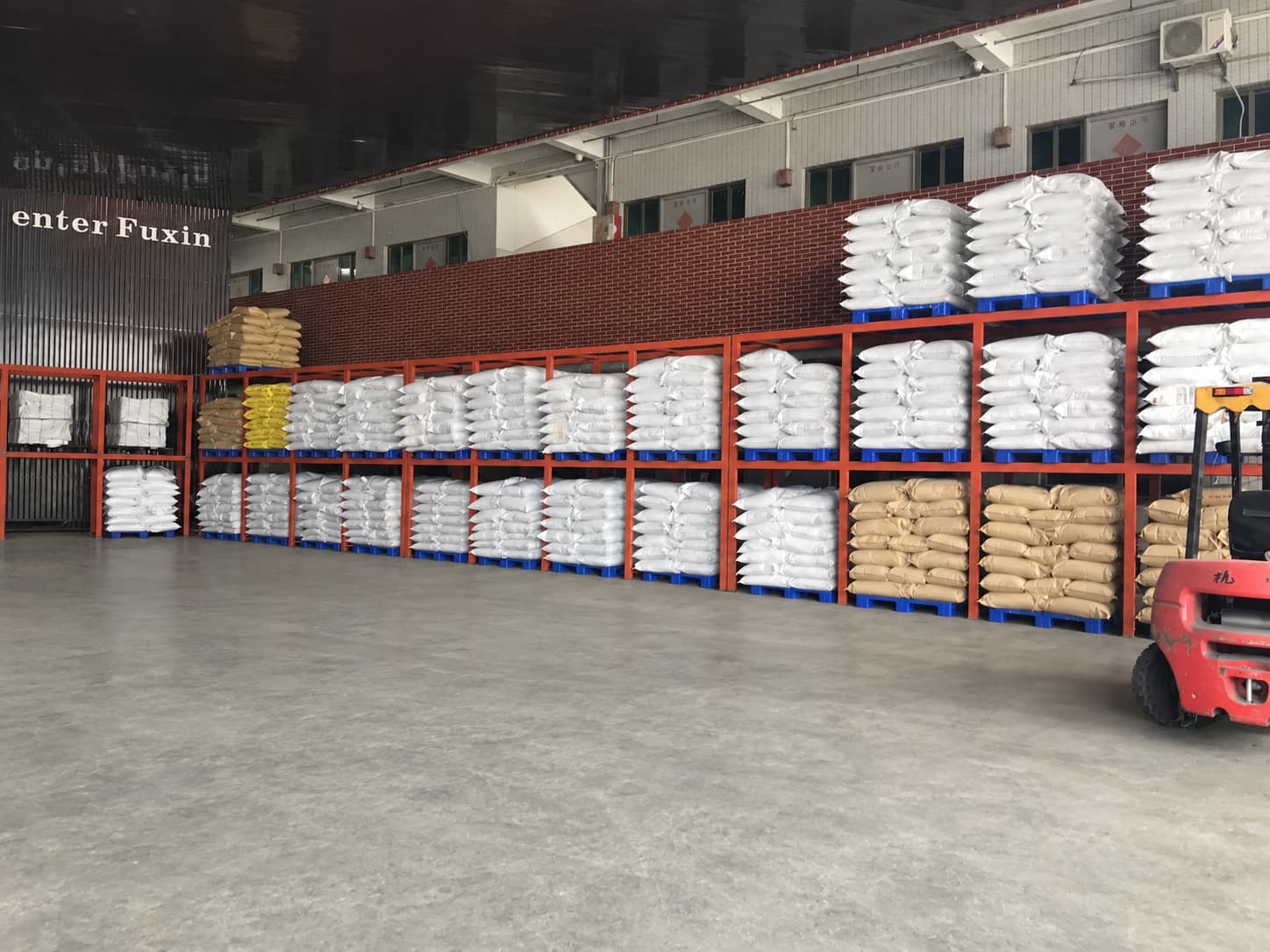
L'alginate de sodium dans l'impression textile : profil environnemental et considérations relatives aux eaux usées
Assess sodium alginate in reactive-printing wastewater using measured COD load, product-specific biodegradation evidence and controlled process comparisons. Includes a buyer checklist and illustrative load calculation.

Fixation des colorants réactifs dans l'impression textile : l'alginate de sodium et le contrôle du procédé
Le taux de fixation des colorants a une incidence directe sur le rendement chromatique, la résistance au lavage et la charge polluante des eaux usées dans l'impression aux colorants réactifs. Ce guide explique comment l'alginate de sodium favorise la fixation des colorants, quels paramètres de la pâte influencent le taux de fixation et comment remédier à une fixation insuffisante en production.
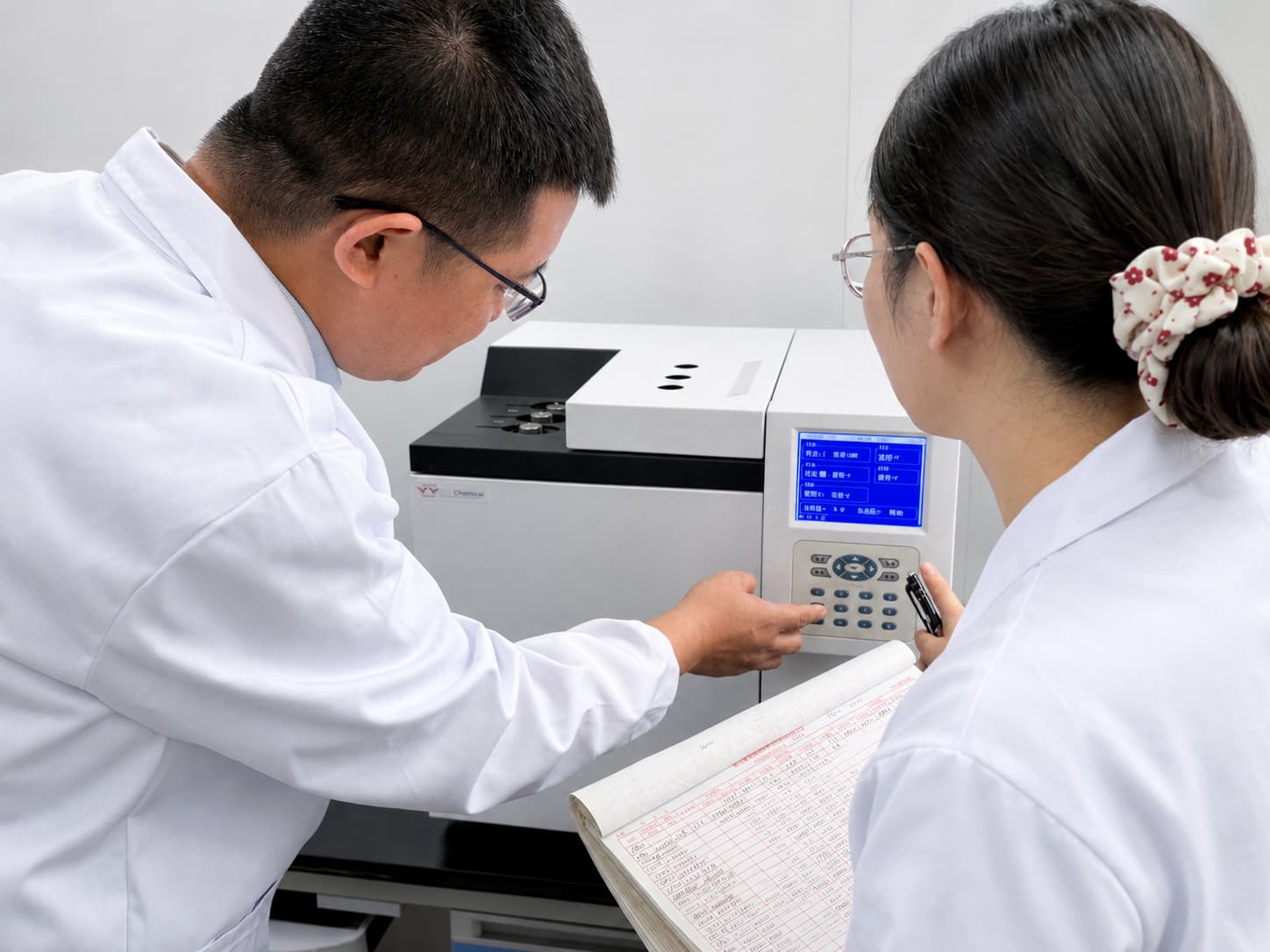
Sodium Alginate Mesh Size: Dissolution, Filtration and Textile Printing Performance
La granulométrie (maillage) de l'alginate de sodium influe sur la vitesse de dissolution de la poudre, l'uniformité de son hydratation et les performances de la pâte obtenue en sérigraphie. Ce guide explique les implications pratiques du choix du maillage pour les applications de pâte d'impression textile.
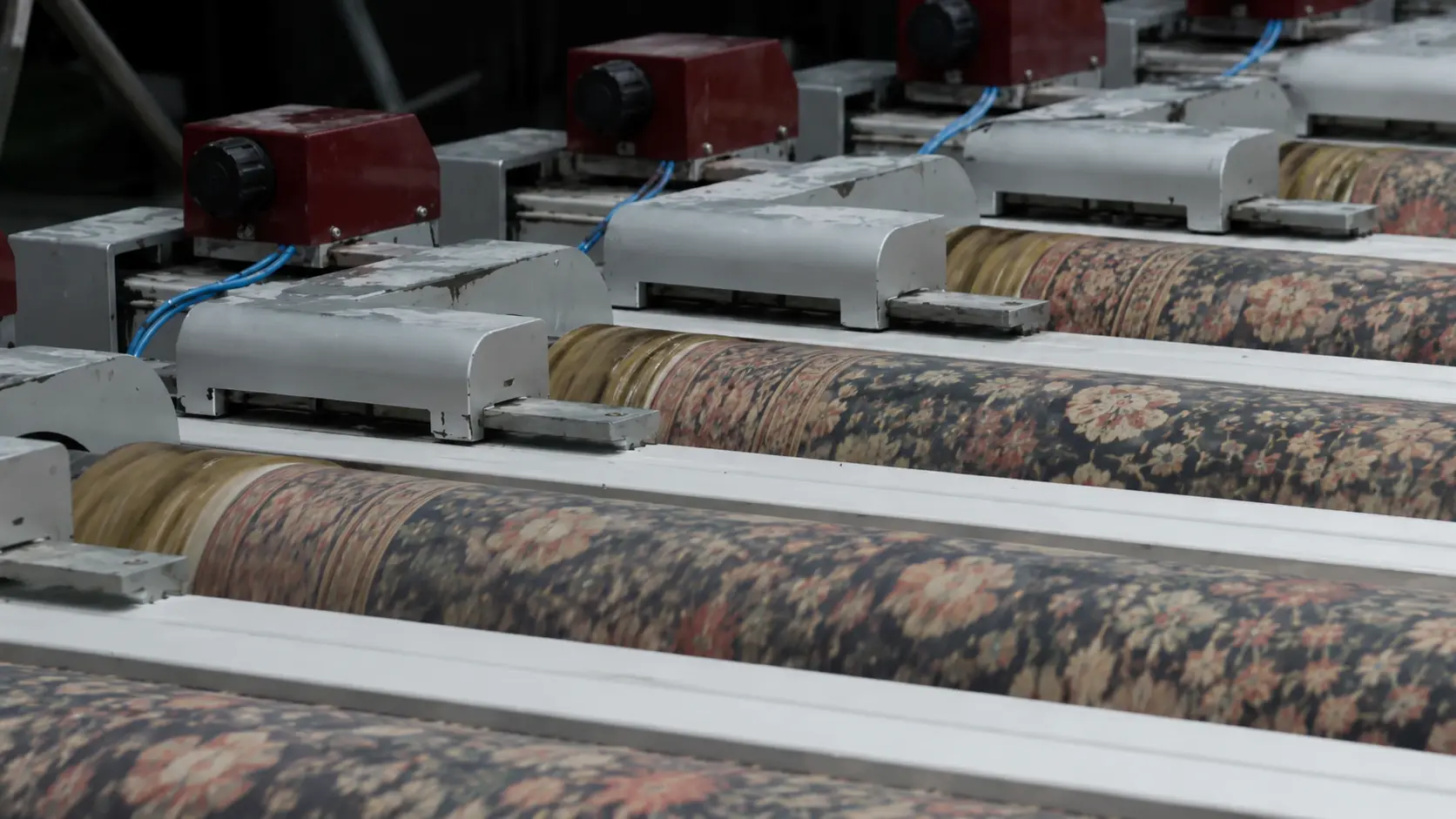
Sodium Alginate for Textile Sizing and Desizing: Selection and Process Control
Evaluate sodium alginate for warp sizing through grade-specific bath, yarn and desizing trials. Compare dry size add-on, yarn protection and removal using appropriate residue methods and downstream fabric checks.

Sodium Alginate Purity for Textile Printing: Specifications, Test Methods and Buyer Checks
Les spécifications de pureté de l'alginate de sodium ne se résument pas à un simple chiffre. Ce guide explique ce que signifient les données relatives à la teneur en substance active, au NaCl, aux matières insolubles et aux métaux lourds pour les performances des pâtes d'impression textile — et dans quels cas il est préférable de privilégier une pureté supérieure à celle d'un produit de qualité industrielle standard.
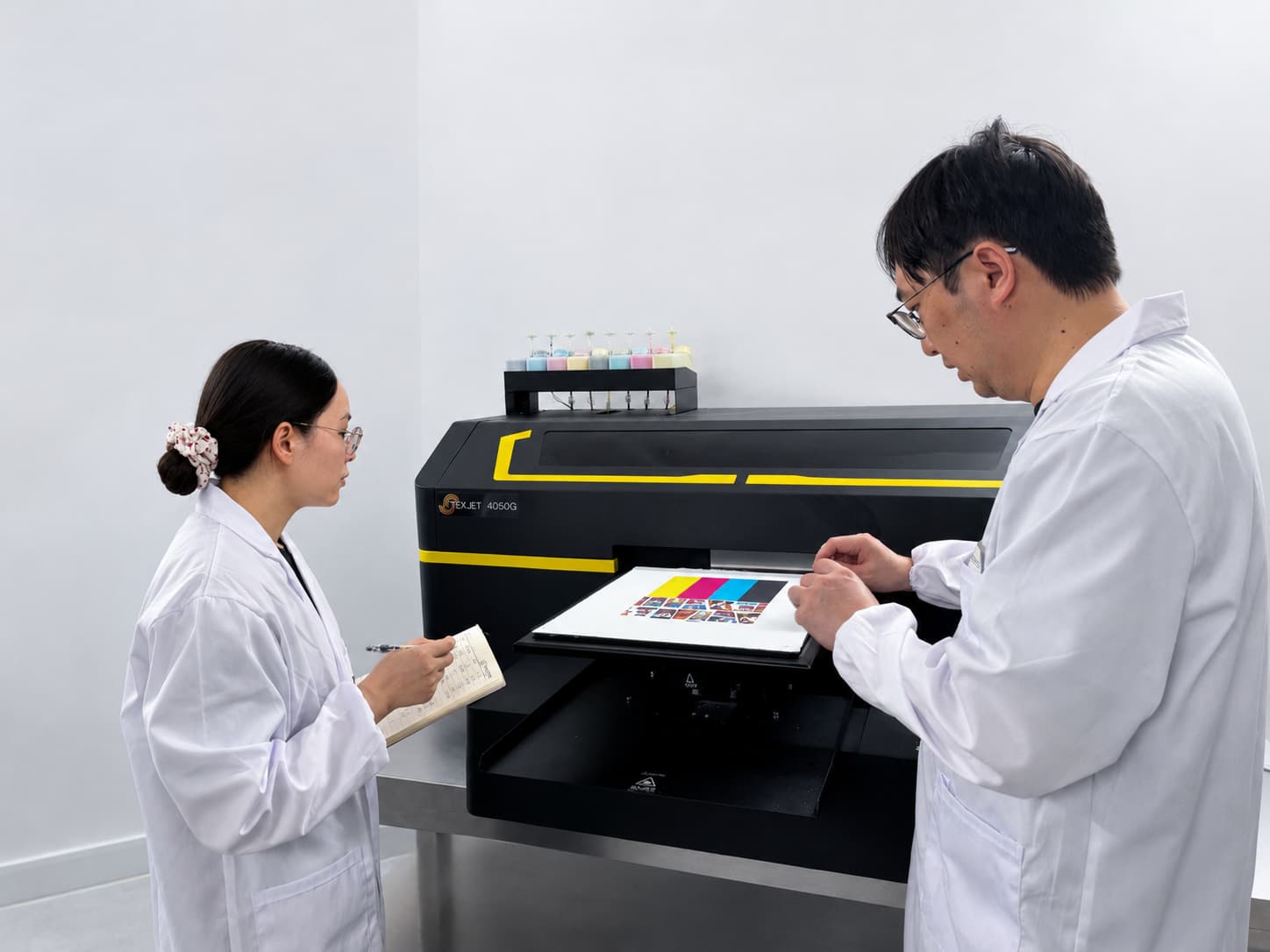
Choix de la qualité d'alginate de sodium en fonction du type de tissu dans l'impression textile
Le choix de la qualité d'alginate de sodium adaptée à l'impression avec des colorants réactifs dépend en grande partie du tissu à imprimer. Le coton, la viscose, le lin et les tissus mélangés présentent des structures fibreuses et des caractéristiques d'absorption des colorants différentes, qui influent sur les exigences en matière de viscosité de la pâte, sur sa concentration et sur les conditions de fixation.
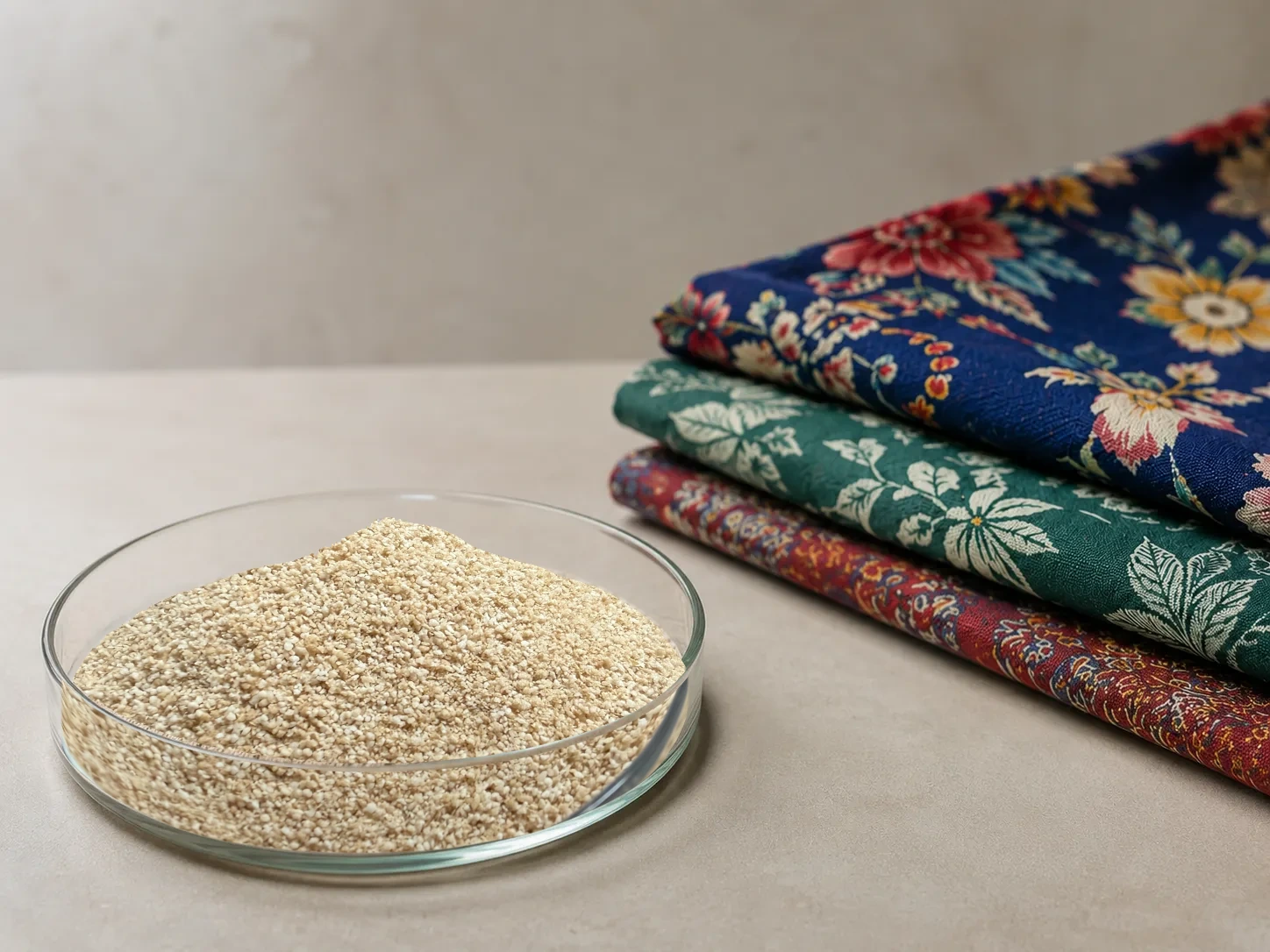
Stabilité de la viscosité de l'alginate de sodium dans l'impression textile : causes, gestion et choix de la qualité
L'instabilité de la viscosité de la pâte d'impression à base d'alginate de sodium est l'une des causes les plus courantes des variations de couleur et des défauts d'impression dans l'impression aux colorants réactifs. Ce guide explique pourquoi la viscosité varie au cours de la production, quels facteurs contribuent à cette instabilité et comment choisir une qualité offrant une meilleure stabilité adaptée aux conditions de votre processus.
Sodium Alginate Raw Materials and Manufacturing Process for Textile Buyers
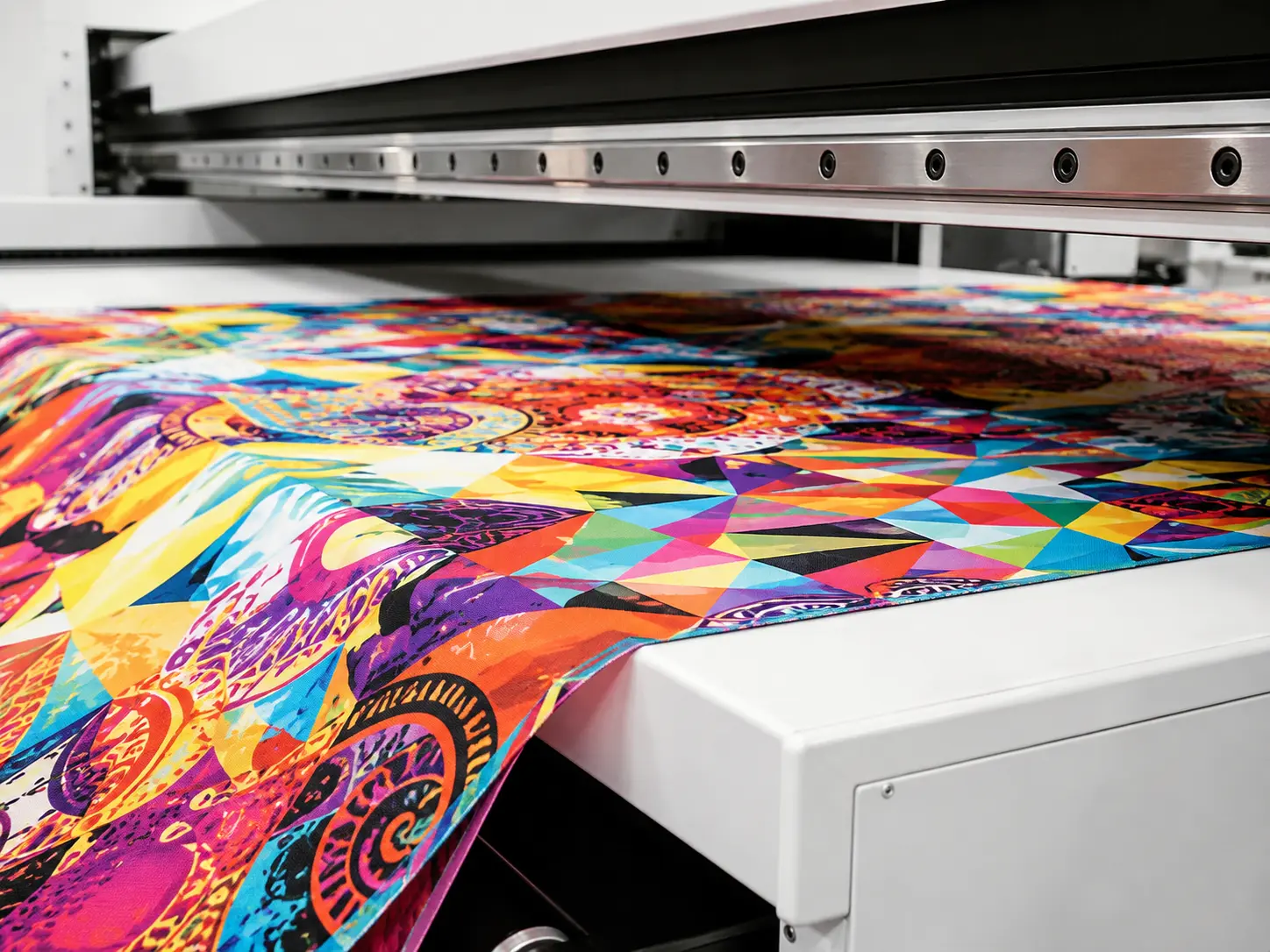
Understanding sodium alginate raw material source and manufacturing process helps procurement teams ask better questions and evaluate suppliers more effectively. This guide covers seaweed species, extraction steps, impurity origins, and what consistent manufacturing looks like in supplier documentation.
Conditions de conservation et durée de conservation de l'alginate de sodium
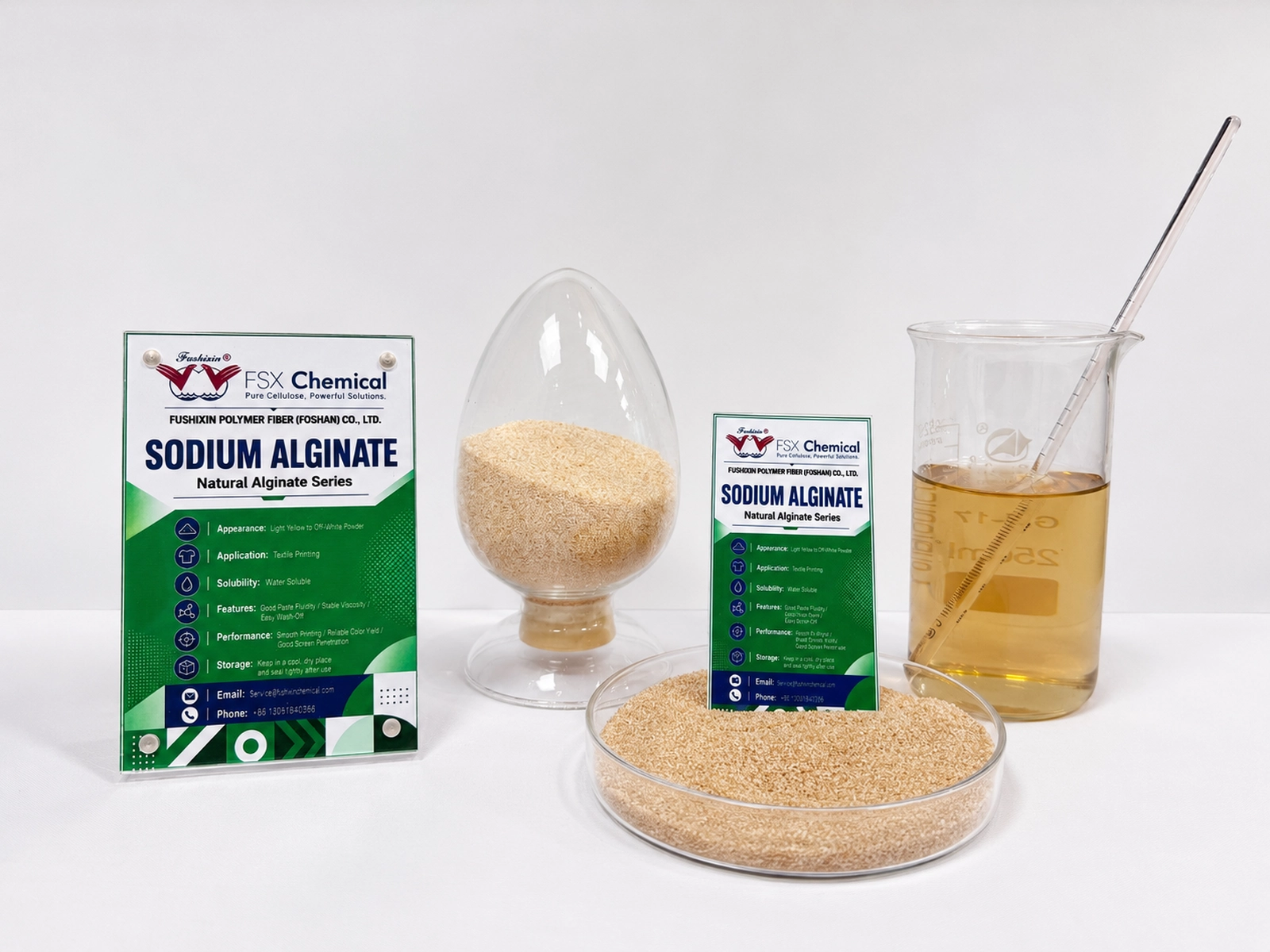
Incorrect storage is one of the most common causes of sodium alginate performance problems in textile printing. This guide covers powder and paste storage conditions, shelf life expectations, degradation indicators, and what to check when receiving a new shipment.
