

















Альгінат натрію та CMC у текстильному друці: порівняння характеристик та вартості
І альгінат натрію, і КМК використовуються як загусники в текстильному друку, але вони підходять для різних систем фарбування та умов виробництва. У цьому посібнику пояснюються основні відмінності та випадки, коли слід застосовувати кожну з цих речовин.

Альгінат натрію для реактивного цифрового друку на текстилі: попередня обробка та вибір марки
Цифровий струменевий друк на текстилі має інші вимоги до пасти та попередньої обробки, ніж трафаретний друк. У цьому посібнику пояснюється, як альгінат натрію використовується в цифровому текстильному друці та які параметри якості повинні вказувати фахівці з закупівель.
CMC харчового та промислового призначення: що потрібно знати відділам закупівель
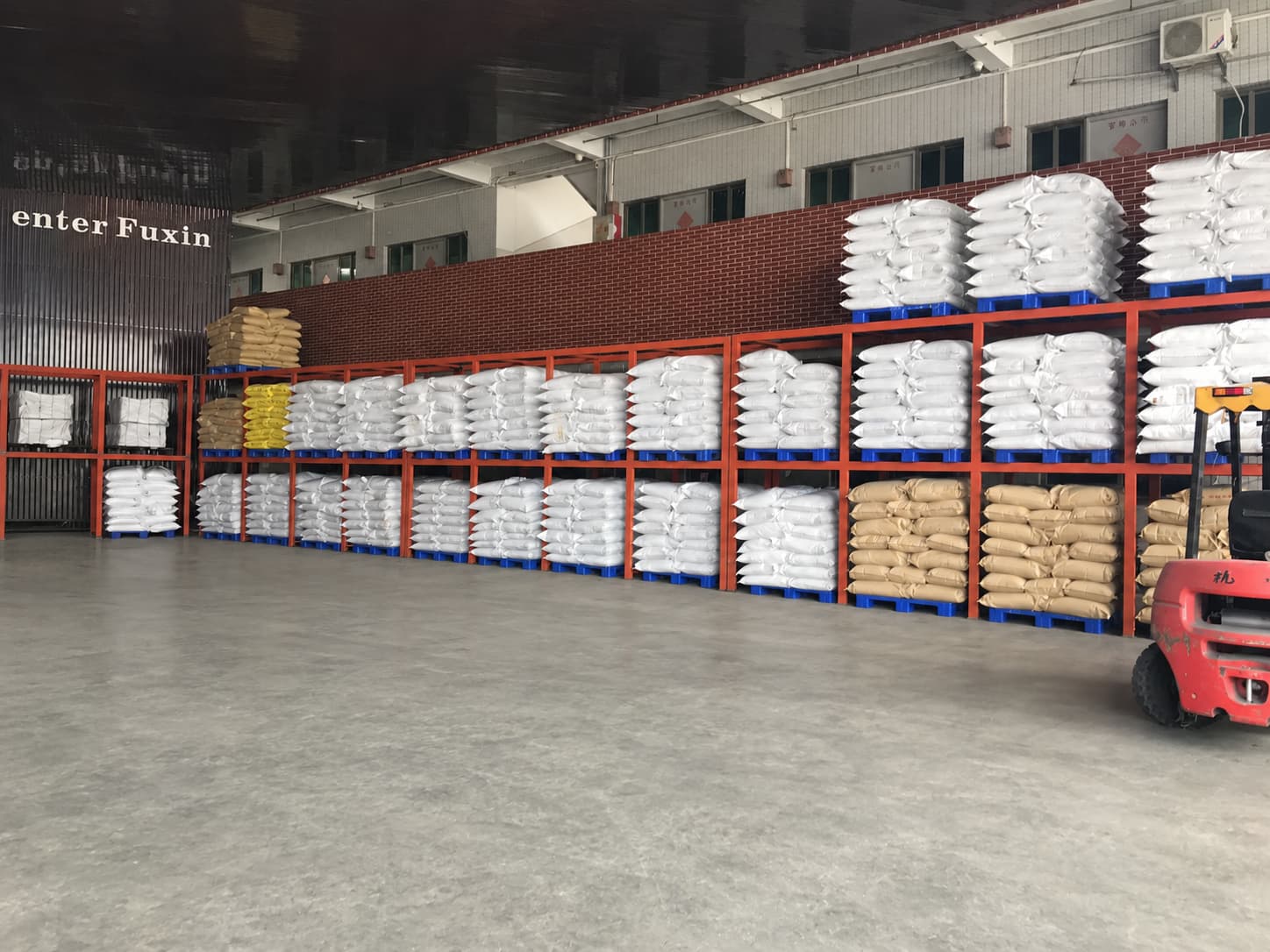
Food-grade and industrial-grade CMC labels do not define one universal DS, viscosity or purity comparison. Textile buyers should verify grade-specific assay and methods, then test the complete formulation; food-contact or pharmaceutical use needs separate, applicable documentation.

Як приготувати друкарську пасту на основі альгінату натрію: розчинення, концентрація та контроль якості
Prepare sodium alginate printing paste with a grade-specific concentration and controlled powder dispersion. Validate hydration, viscosity, filtration, air removal and holding time before production.
Альгінат натрію в текстильному друці: екологічні аспекти та питання, пов’язані зі стічними водами
Assess sodium alginate in reactive-printing wastewater using measured COD load, product-specific biodegradation evidence and controlled process comparisons. Includes a buyer checklist and illustrative load calculation.
Фіксація реактивних барвників у текстильному друку: альгінат натрію та контроль технологічного процесу
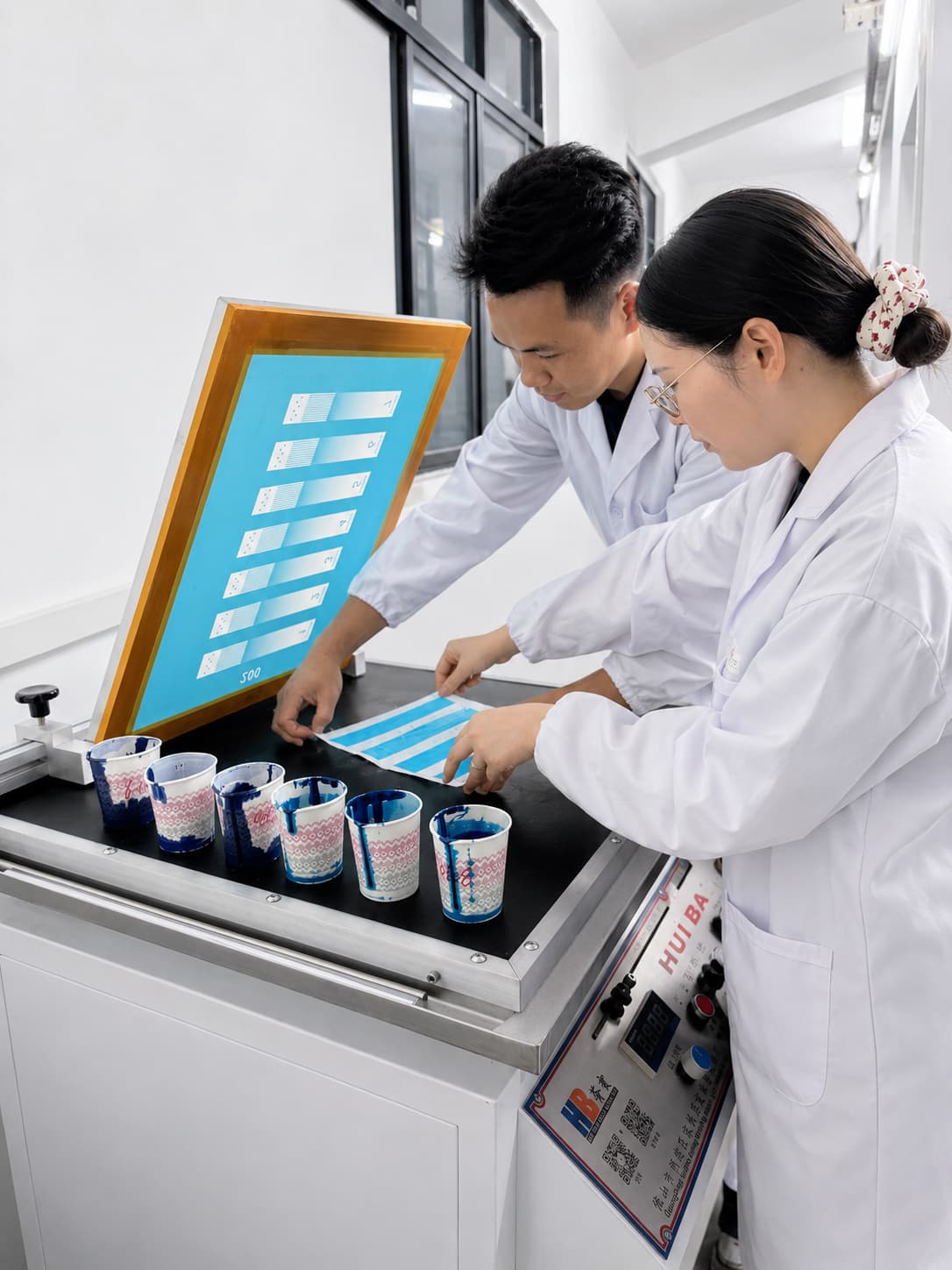
Separate reactive dye fixation from retained color and fastness. Review alginate preparation, application, alkali, paste age, steaming and wash-off through defined control comparisons; shade or rinse color alone does not establish fixation percentage.
Sodium Alginate Mesh Size: Dissolution, Filtration and Textile Printing Performance
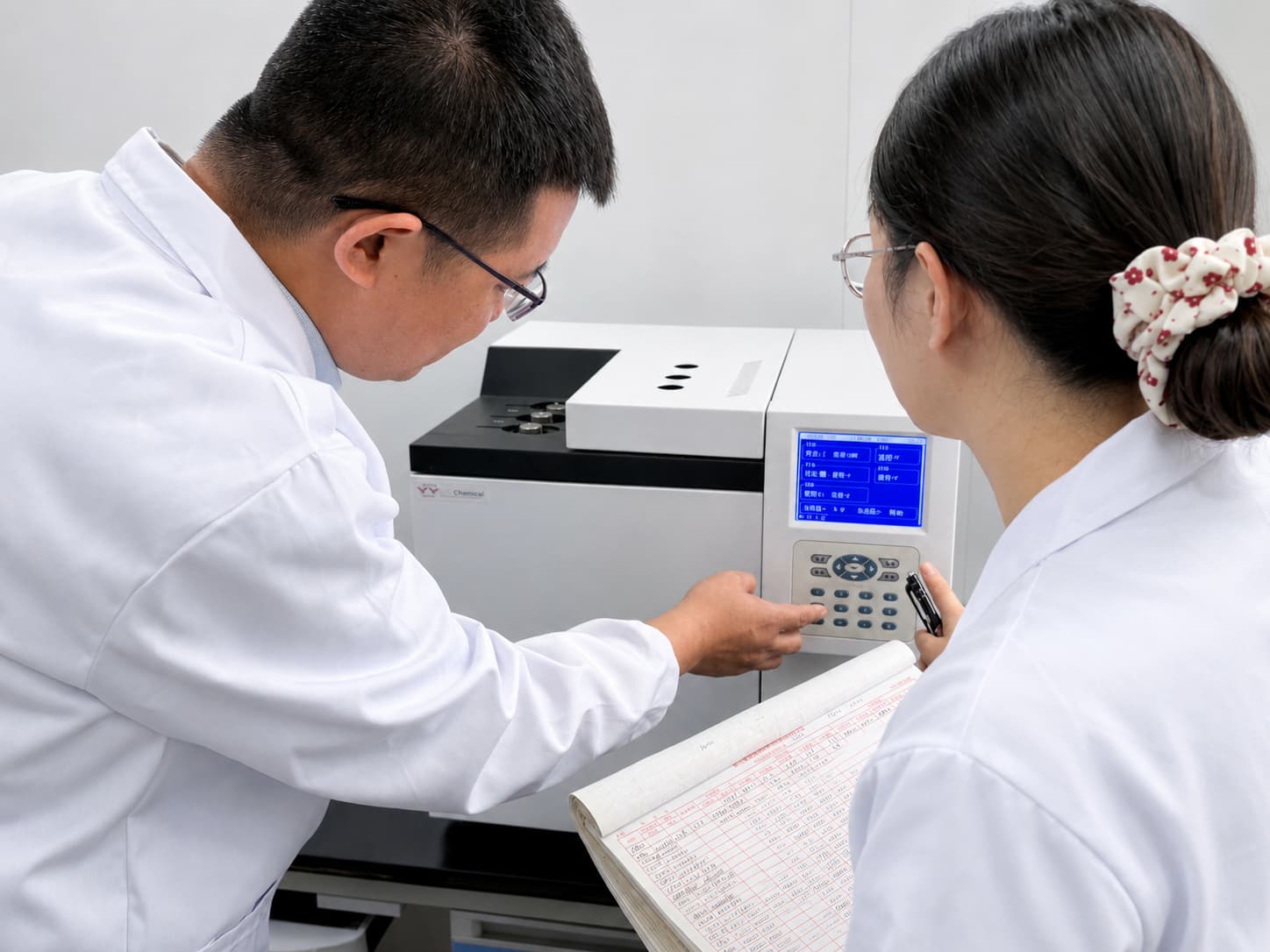
Mesh size describes sodium alginate powder particle size, not final viscosity or print quality. Compare dispersion, hydration, retained matter and complete-paste performance under a defined method.
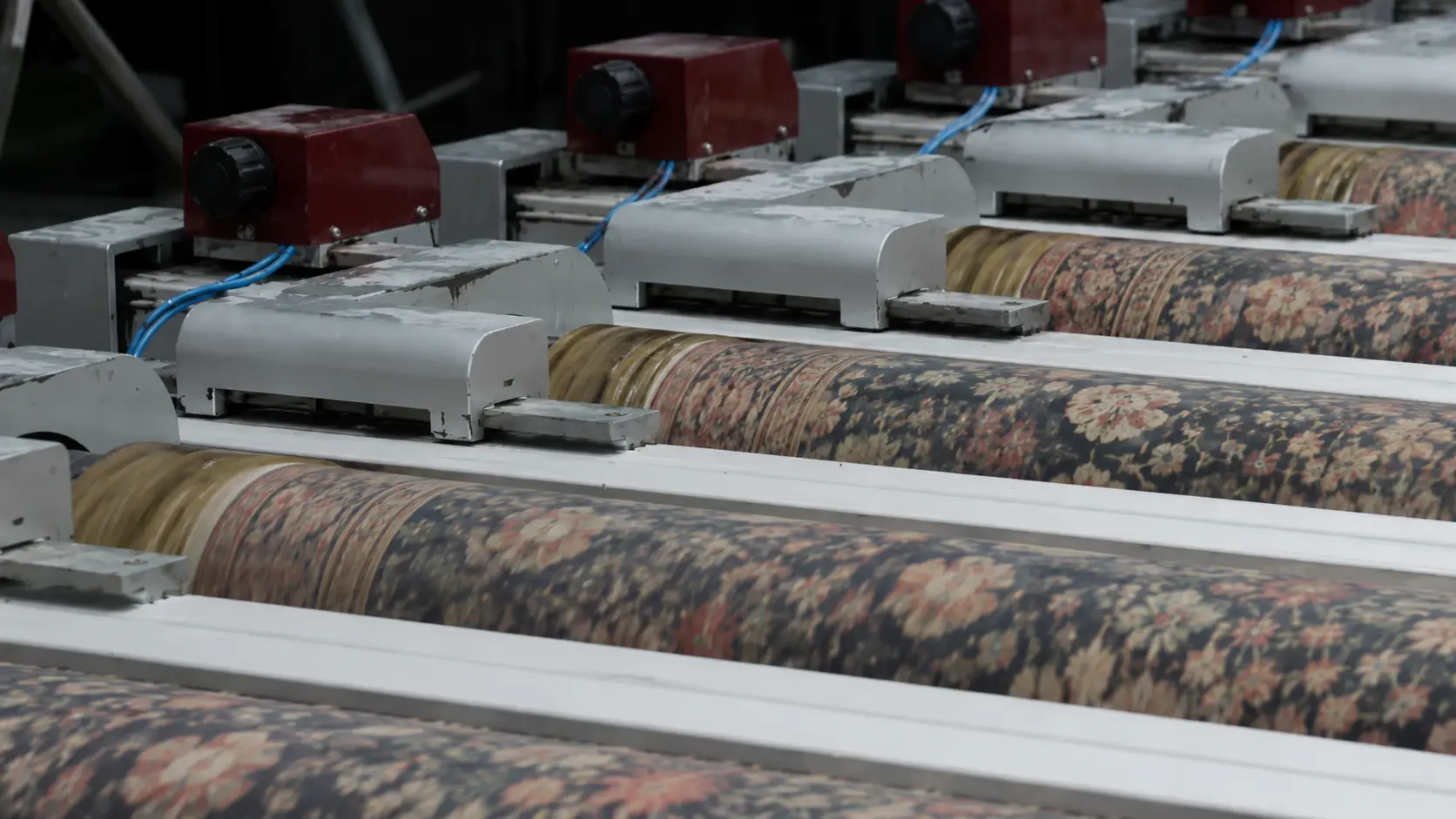
Sodium Alginate for Textile Sizing and Desizing: Selection and Process Control
Evaluate sodium alginate for warp sizing through grade-specific bath, yarn and desizing trials. Compare dry size add-on, yarn protection and removal using appropriate residue methods and downstream fabric checks.
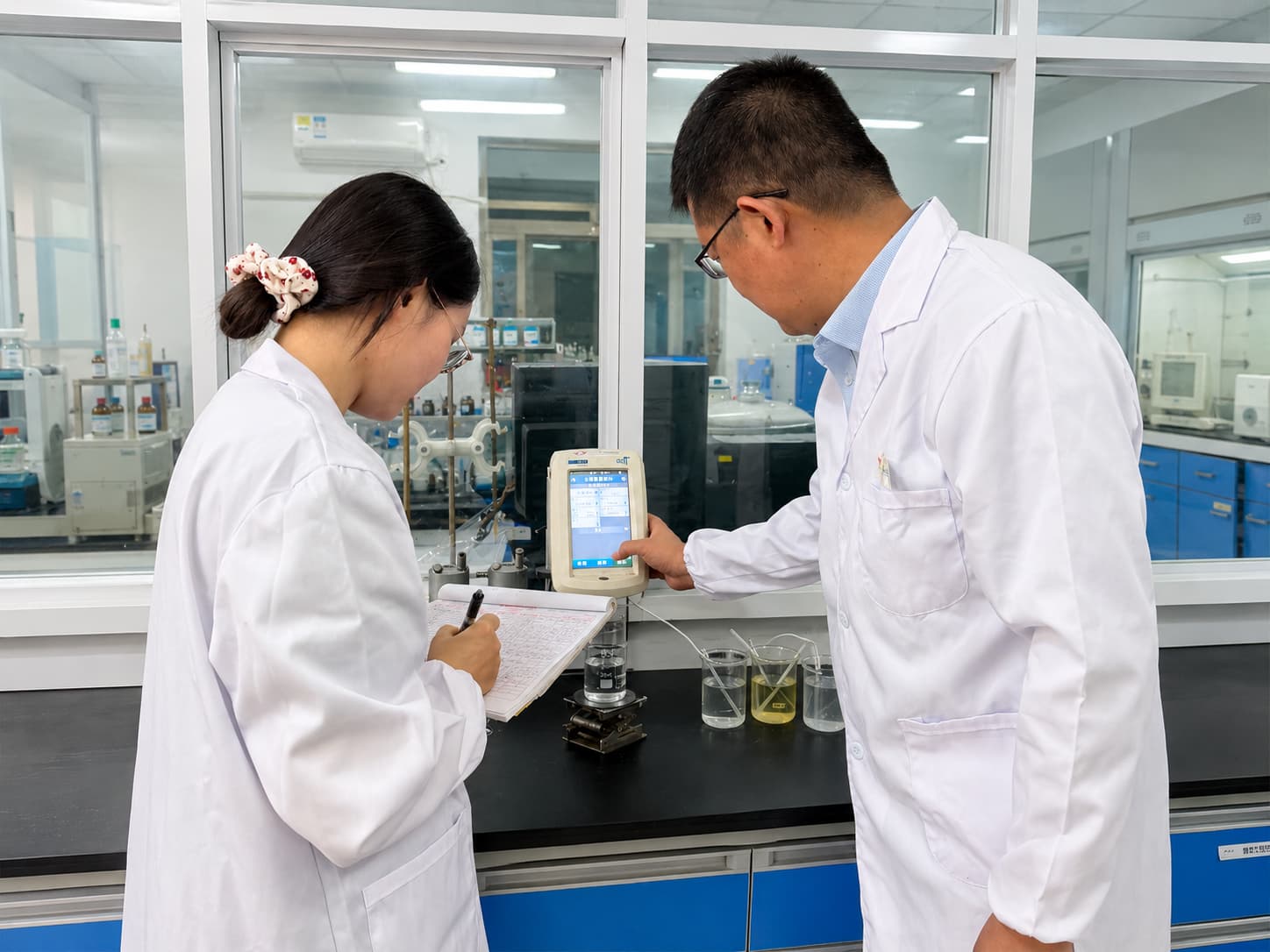
Sodium Alginate Purity for Textile Printing: Specifications, Test Methods and Buyer Checks
Sodium alginate purity specifications cover more than a single number. This guide explains what active content, NaCl, insoluble matter, and heavy metal data mean for textile printing paste performance — and when higher purity is worth specifying over a standard industrial grade.
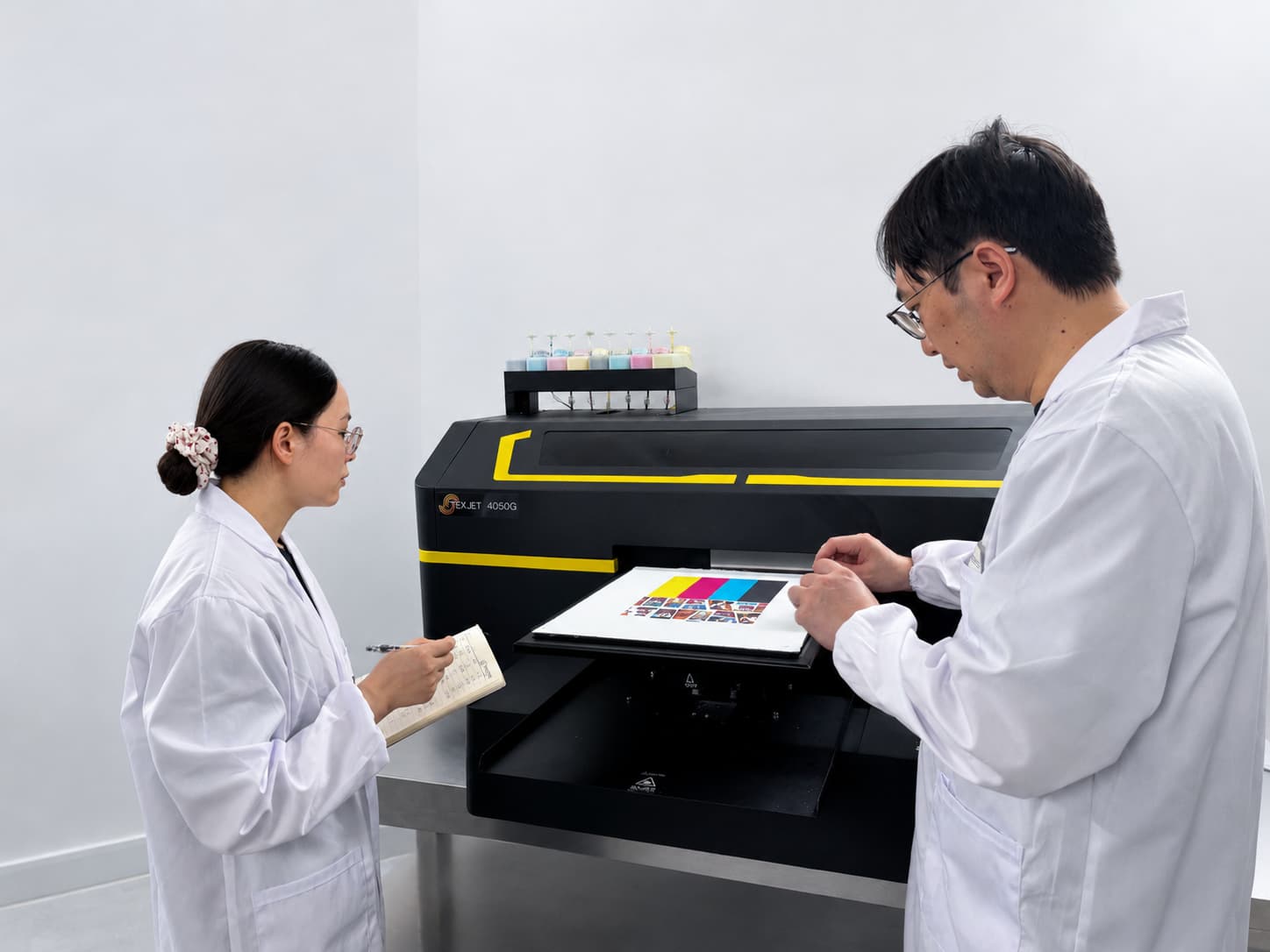
Sodium Alginate Grade Selection by Fabric Type in Textile Printing
The right sodium alginate grade for reactive dye printing depends significantly on the fabric being printed. Cotton, viscose, linen, and blended fabrics have different fiber structures and dye uptake characteristics that affect paste viscosity requirements, concentration, and fixation conditions.

Sodium Alginate Viscosity Stability in Textile Printing: Causes, Management and Grade Selection
Diagnose sodium alginate paste viscosity drift using matched temperature, concentration, hydration and shear history. Separate flow response, timed recovery and holding stability before changing a grade or recipe.
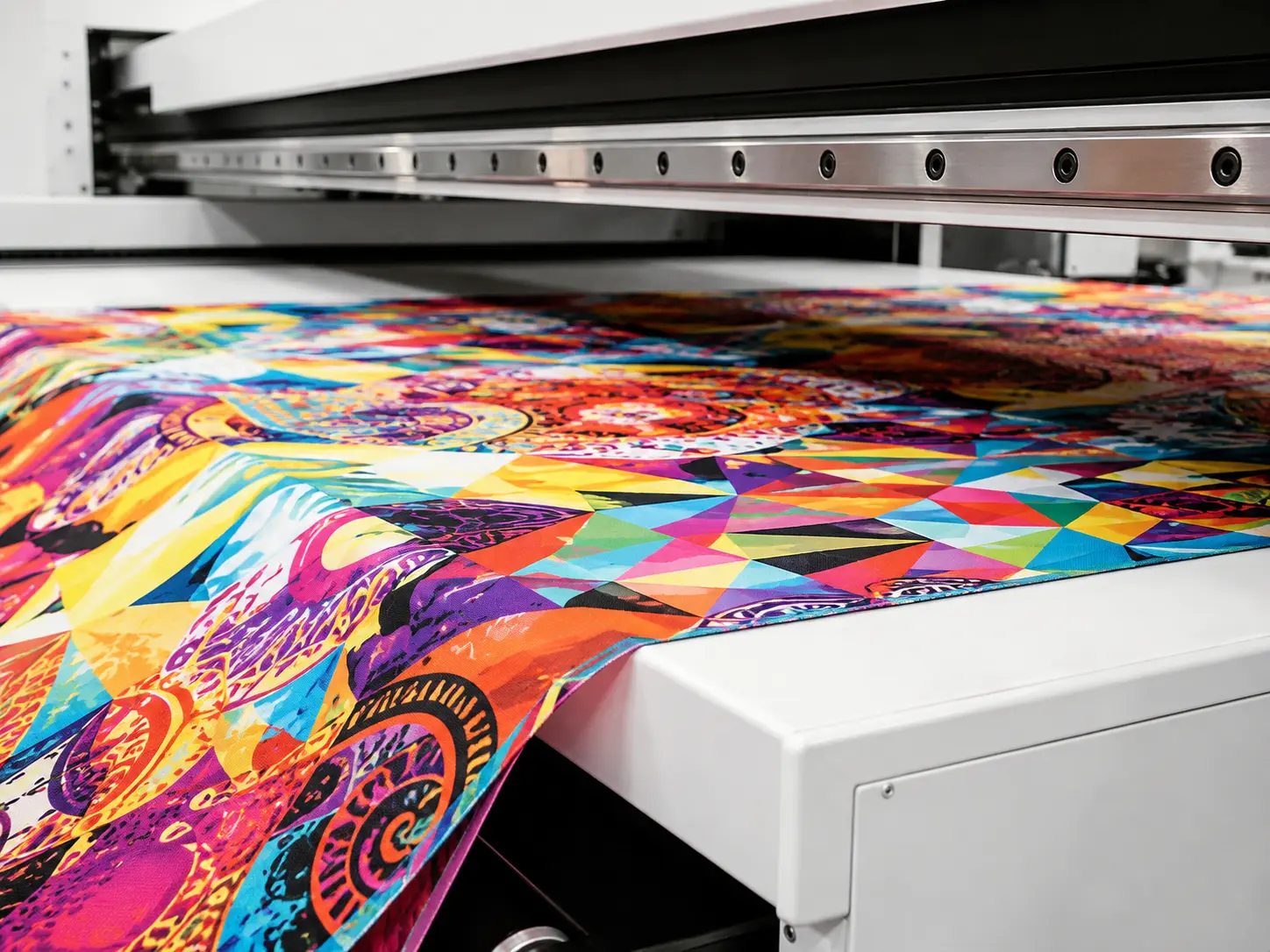
Sodium Alginate Raw Materials and Manufacturing Process for Textile Buyers
Understanding sodium alginate raw material source and manufacturing process helps procurement teams ask better questions and evaluate suppliers more effectively. This guide covers seaweed species, extraction steps, impurity origins, and what consistent manufacturing looks like in supplier documentation.
