Sodium alginate customization usually means agreeing a measurable viscosity range, particle-size distribution, product specification or packing format, or matching an existing grade to the printing process. It does not guarantee a new dye route or finished-fabric property. Before ordering, identify the actual change, its test method and tolerance, and the trial required to approve it.
This guide separates grade selection, a declared change to the supplied material, and application-formulation advice. A proposal should state which of these is being offered; a new label or an intermediate viscosity target alone does not prove a new molecular structure.
Parameters That Can Genuinely Be Customized
Grado de viscosidad
A supplier may offer different viscosity grades or a defined intermediate range, depending on its actual manufacturing and blending capabilities. Ask whether the offer is a standard grade, a blend or a changed production specification. Record concentration, water, preparation, temperature, instrument, spindle and speed before comparing the target with the existing material. Availability and achievable tolerances require confirmation for the proposed order.
What “customization” means in practice here: a supplier confirming they can supply a viscosity within a defined range (with a stated tolerance) for your order. It does not mean infinite precision — even custom-targeted viscosity grades have a tolerance range, and batch-to-batch variation within that tolerance should be expected and confirmed through CoA review.
Concentration Recommendations for Your Application

Mesh Size (Particle Size Classification)
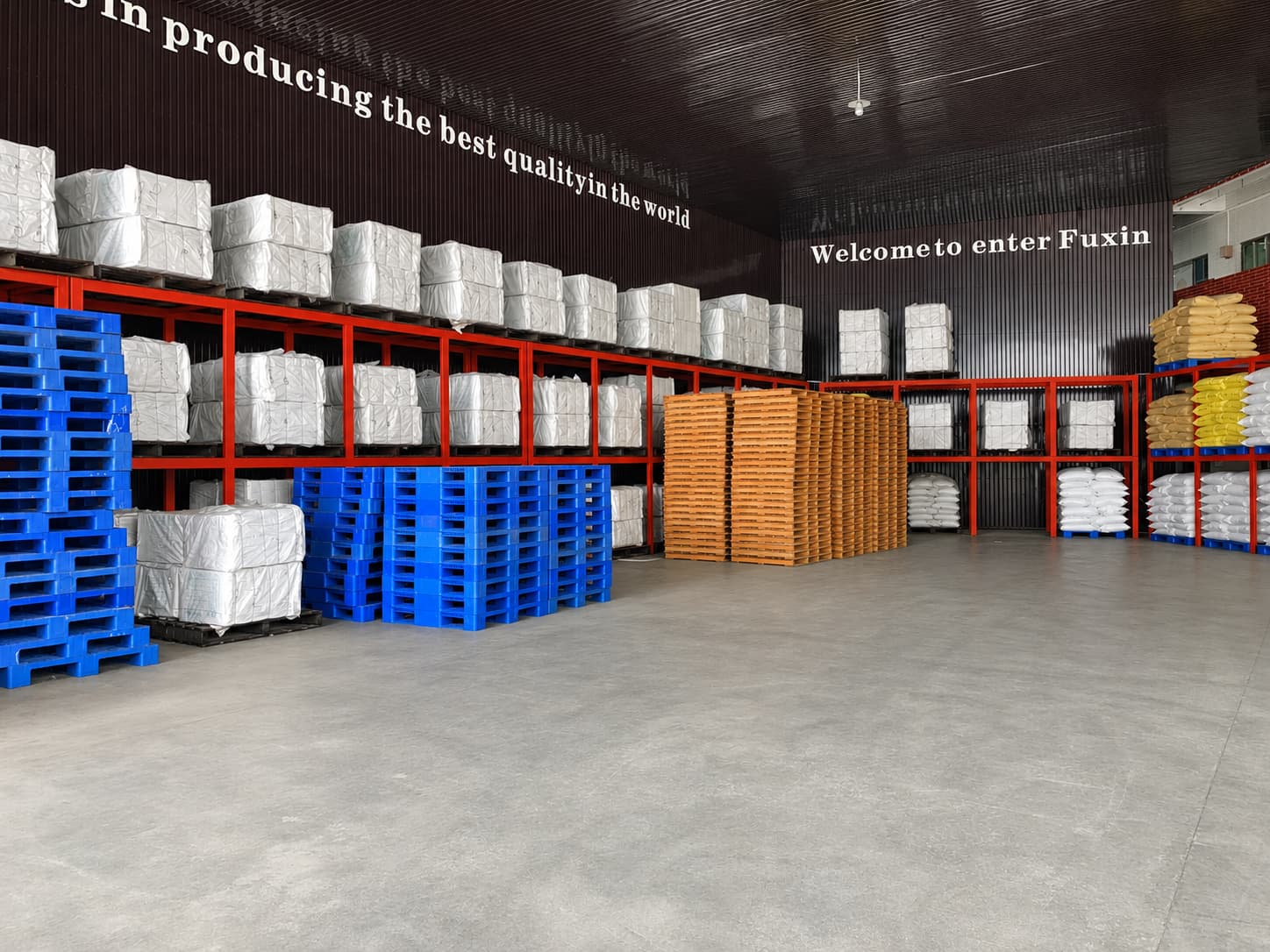
Packaging Format and Quantity
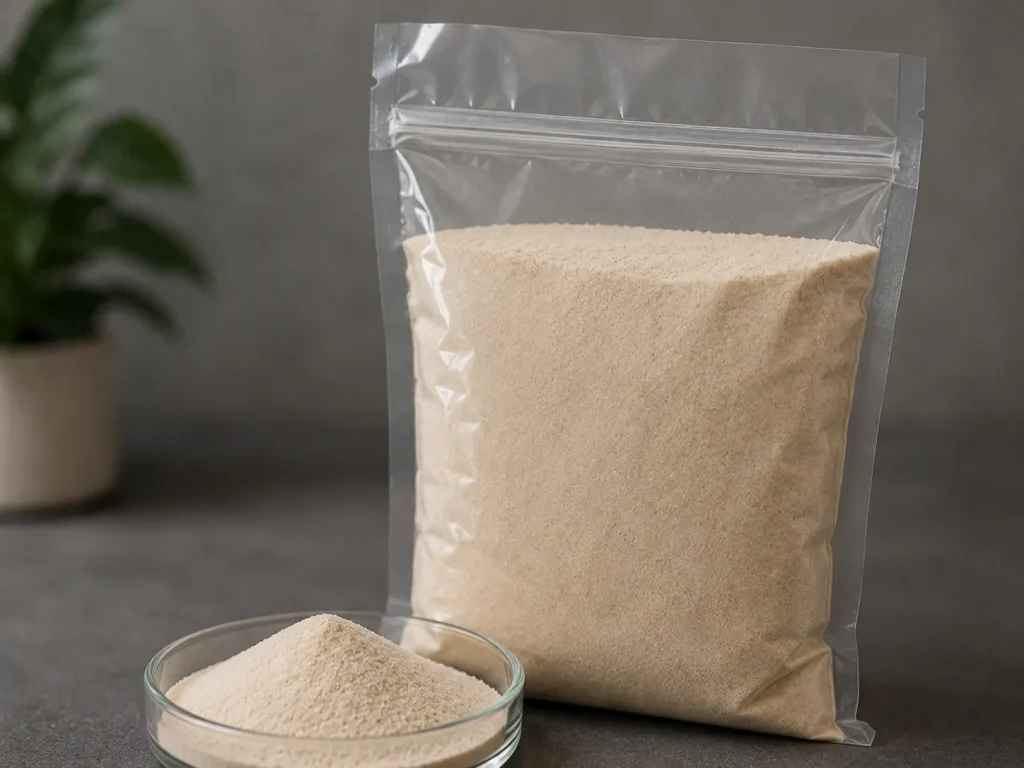
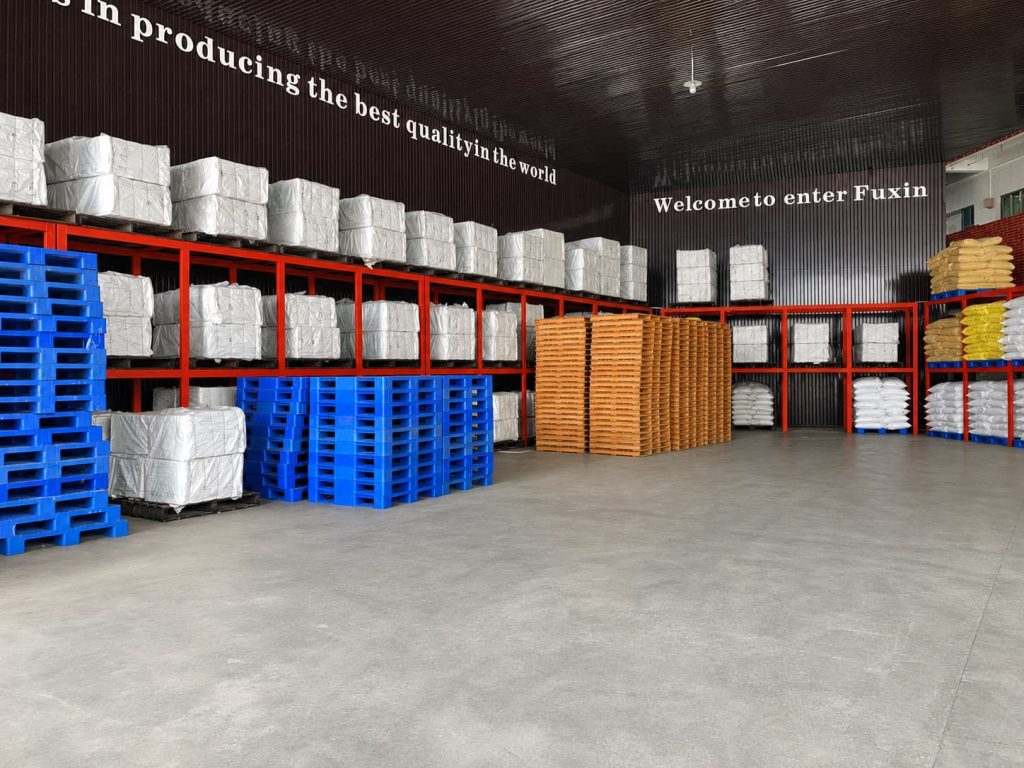
Packaging size, bag versus drum format, and labeling can be adjusted to your operational requirements. This is a straightforward logistics customization that most suppliers can accommodate, particularly for established customers or larger order volumes.
Purity Grade Selection (Not True Customization, But Selection)
Suppliers typically offer multiple purity grades as standard products rather than custom-formulating purity to an arbitrary target. What’s accurately described as “customization” here is usually grade selection — choosing from existing purity tiers (e.g., industrial grade vs. higher-purity grade) based on your application requirements, as covered in our guide to purity specifications.
Claims That Require More Than Grade Matching
Fundamental Chemical Structure
The mannuronate/guluronate balance and block structure are material attributes, not settings that a mill can tune by adding water. Source selection and declared blending should be distinguished from specialized modification. Published alginate C-5 epimerase research demonstrates changes to polymer block structure, but does not establish that a textile supplier offers this technology. Require a stated product identity, characterization method and application evidence for any claimed structural change.
Dye Reactivity
Reactive-dye compatibility should be verified with the actual dye, alkali, additives and fixation route. An agreed viscosity change does not by itself validate dye release, fixation, wash-off or handle. If a supplier adds another polymer or modifies the material, qualify that complete supplied system rather than assuming that the sodium alginate name guarantees identical reactive-printing behavior.
Compatibility with Fundamentally Different Dye Classes
A universal prohibition on alginate in disperse printing is too broad. Original studies have examined disperse-dye transfer from alginate paste to polyester film y alginate pretreatment of warp-knitted polyester for disperse inkjet printing. These are different model and application systems; they do not establish a universal recipe or FSX grade approval. Dye release, deposit distribution, fixation and finished-fabric tests must qualify the specific route. A screen-printing paste result cannot be transferred directly to fabric pretreatment or printer ink.
Outdoor Durability or End-Use Performance Properties
What “Customization” Often Actually Means in Supplier Marketing
Application-Specific Recommendation Versus Product Customization

Regulatory Documentation Is Not “Customization”
How to Evaluate a Supplier’s Customization Claims
Questions That Distinguish Genuine Customization from Marketing Language
When a supplier describes their sodium alginate as customizable, the following questions help clarify what is actually on offer:
- Which specific parameters can be adjusted — viscosity range, mesh size, purity tier — and what are the tolerances for each?
- Does adjusting a parameter require a minimum order quantity above your standard MOQ, and what is the lead time difference?
- For any claimed compliance or certification, can you provide the certificate number, issuing body, and scope of what it actually covers?
- If a “custom formula” is offered, what specifically differs from your standard product range, and how is that difference validated (CoA, third-party testing)?
Setting Realistic Expectations for Your Sourcing Conversation
Write a Customization Change-Control Record
A quotation for a customized grade should describe an observable change and its release evidence. Use the following record to keep sample approval connected to the supplied product. It is a proposed buyer workflow, not a record of an FSX factory trial.
| Requested change | Define before sampling | Release evidence |
|---|---|---|
| Viscosity range | Test method, concentration basis and agreed limits; standard grade, blend or changed specification. | Repeat preparation using the agreed method, followed by complete-paste and printing comparison. |
| Particle-size distribution | Sieve or distribution method and retained fractions, not only a mesh label. | Powder dispersion, hydration development and filtration under the actual mixing process. |
| Composition or source change | Supplier change declaration, commercial identity and relevant characterization. | Compatibility, holding stability and finished-textile requalification for the changed material. |
| Packing or label change | Pack specification, moisture protection, lot identification and document correspondence. | Identity and condition checks at receipt; do not describe packaging as a new chemistry. |
Record the reference and candidate IDs, preparation date, operator, method version and retained sample. Define the acceptance limits with the buyer before testing; do not invent a universal tolerance. A supplier viscosity pass cannot cancel a failure in print definition, wash-off, fastness or fabric handle.
For a repeat order, require the same agreed grade and specification. If source, composition or production specification changes, review the effect before release rather than relying on an unchanged trade name. Share the current TDS and the one attribute that needs improvement through sample matching to begin the review.
How FSX Chemical Approaches Customization
For an FSX inquiry, identify the current material, fabric, colorant system, application method and viscosity method, then specify the attribute that needs changing. The sodium alginate product page y sample matching service provide starting points for grade review. Confirm the available specification, any proposed material change, quantity and lead time before trial approval.
Do not treat a customization discussion as confirmation of application suitability, outdoor durability or regulatory acceptance. Request the documents available for the exact commercial grade and check their holder, scope and validity. A proposed route outside the current approved process needs its own sample and production qualification.
Próximos pasos:
- Solicitar un TDS — review the actual specification range available across our standard product line
- Solicita la equiparación de calificaciones — share your fiber type, dye system, and process conditions for a recommendation grounded in your real requirements
- Solicitar una muestra — evaluate the recommended grade in your actual production conditions before committing to volume
- Póngase en contacto con nuestro equipo técnico — to discuss what customization is realistically achievable for your specific application 📧 Correo electrónico: Service@fsxchemical.com