















Sodium Alginate Customization: What Can Actually Be Adjusted, and What Can’t

Many suppliers market "customized sodium alginate," but the term covers very different things in practice....

“Customized sodium alginate” is a phrase that appears frequently in supplier marketing, but it is worth understanding what is genuinely adjustable in sodium alginate production and what is determined by the underlying chemistry and cannot be meaningfully customized. This distinction matters when evaluating supplier claims and when communicating your actual requirements during sourcing.

This guide explains which sodium alginate parameters can realistically be adjusted to match your application, which parameters are effectively fixed by raw material and process chemistry, and how to have a productive conversation with a supplier about customization.

Parameters That Can Genuinely Be Customized

Viscosity Grade

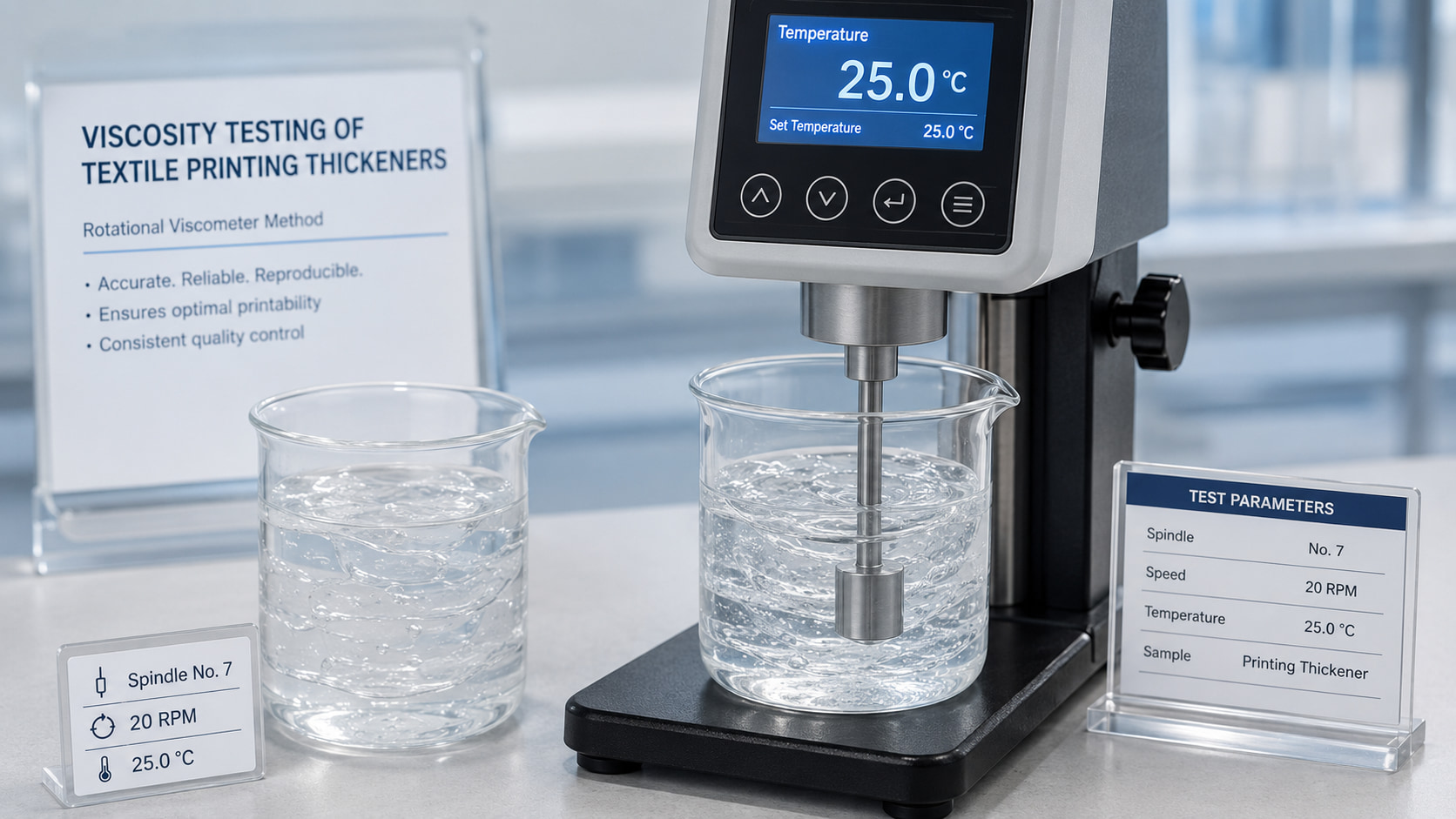
Viscosity is the most commonly and legitimately customizable parameter in sodium alginate production. Producers manufacture across a range of viscosity grades by controlling extraction conditions (which influence molecular weight) or through controlled depolymerization of higher molecular weight material. If your application requires a viscosity value between standard product grades, many suppliers can produce or blend to an intermediate target, particularly for larger order volumes.

What “customization” means in practice here: a supplier confirming they can supply a viscosity within a defined range (with a stated tolerance) for your order. It does not mean infinite precision — even custom-targeted viscosity grades have a tolerance range, and batch-to-batch variation within that tolerance should be expected and confirmed through CoA review.

Concentration Recommendations for Your Application

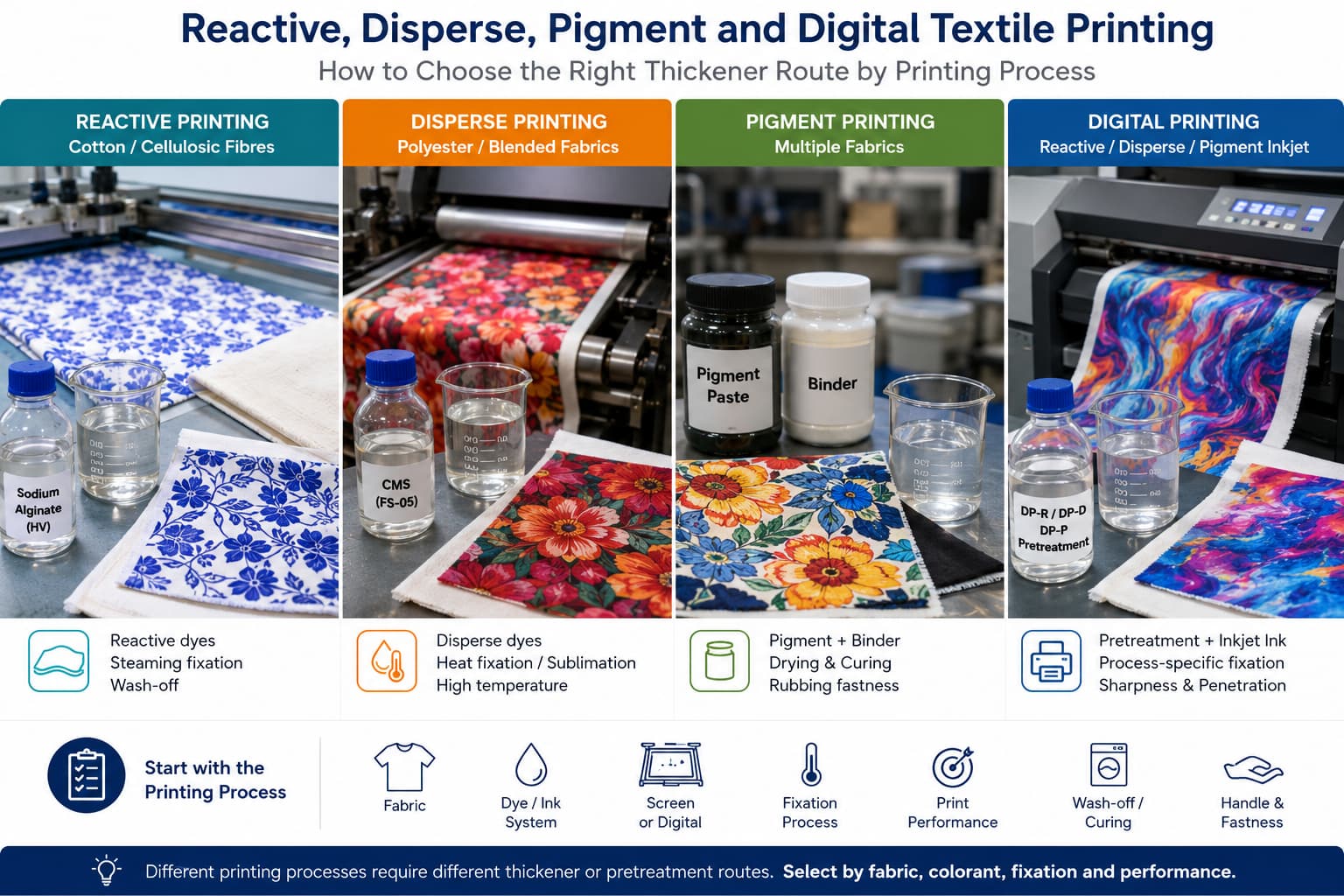
While the sodium alginate product itself isn’t customized in this case, suppliers can legitimately provide application-specific concentration and formulation guidance tailored to your fabric type, printing method, and process conditions. This is a service customization — technical guidance — rather than a product customization, but it is a genuine and valuable form of supplier support.

Mesh Size (Particle Size Classification)

Mesh classification can be adjusted through milling and sieving, and many suppliers offer multiple mesh options for the same underlying viscosity grade. If your preparation process benefits from finer or coarser particle size — as discussed in our guide to mesh size and dissolution — this is a legitimate and commonly available customization.

Packaging Format and Quantity

Packaging size, bag versus drum format, and labeling can be adjusted to your operational requirements. This is a straightforward logistics customization that most suppliers can accommodate, particularly for established customers or larger order volumes.

Purity Grade Selection (Not True Customization, But Selection)

Suppliers typically offer multiple purity grades as standard products rather than custom-formulating purity to an arbitrary target. What’s accurately described as “customization” here is usually grade selection — choosing from existing purity tiers (e.g., industrial grade vs. higher-purity grade) based on your application requirements, as covered in our guide to purity specifications.

Parameters That Are Not Realistically Customizable

Fundamental Chemical Structure
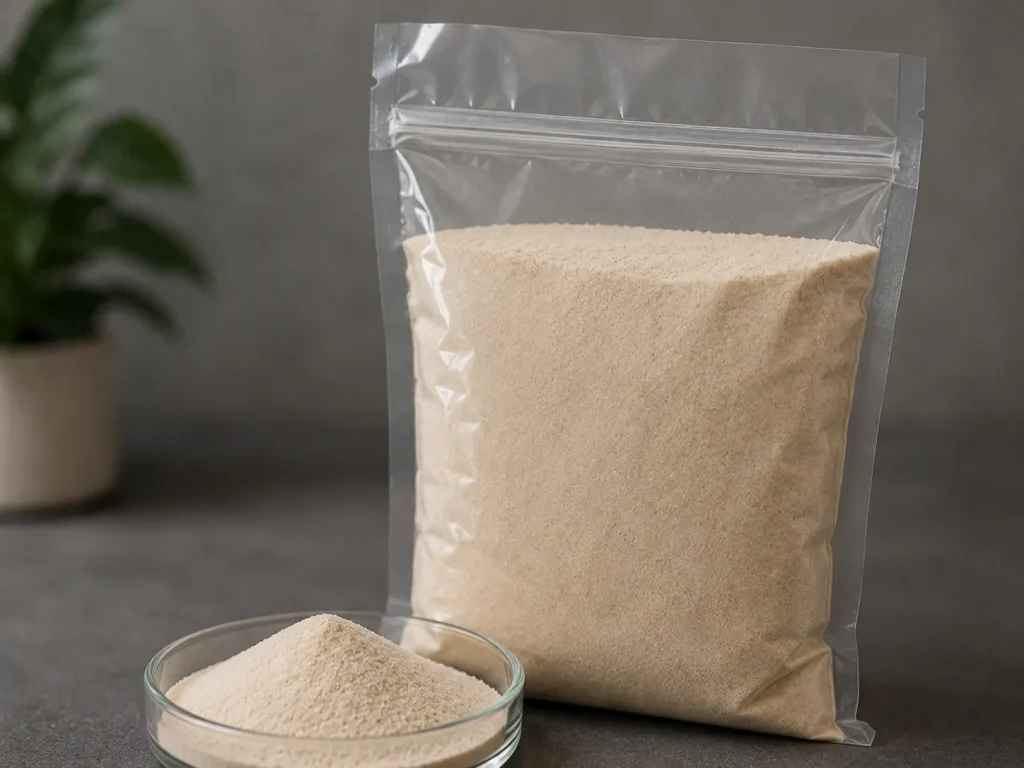
Sodium alginate’s basic chemistry — its polyuronic acid backbone, its mannuronate/guluronate composition (M/G ratio), and its core chemical behavior in solution — is determined by the seaweed species and is not something that can be “customized” by a manufacturer through formulation adjustment. A supplier claiming they can engineer a fundamentally different molecular structure on request, rather than selecting from naturally occurring variation across seaweed sources, should be questioned closely on what they actually mean.

Dye Reactivity

Sodium alginate’s chemical inertness to reactive dyes under alkaline conditions — the property that makes it valuable for reactive dye printing — is an inherent characteristic of the polymer, not a tunable parameter. No legitimate customization changes this underlying chemistry; it is present or it is not, based on the fundamental nature of the alginate molecule.

Compatibility with Fundamentally Different Dye Classes

As discussed in our guide to polyester printing limitations, sodium alginate’s suitability is specific to reactive and pigment printing on cellulosic fibers. No amount of “customization” makes sodium alginate function as an effective thickener for disperse dye printing on polyester — this is a question of fundamental compatibility, not formulation tuning. A supplier who claims they can “customize” sodium alginate to work across incompatible dye chemistries is making a claim that doesn’t align with how the chemistry actually works.

Outdoor Durability or End-Use Performance Properties

As discussed in our guide to outdoor and technical fabric printing, sodium alginate’s role is in the printing process, not in the finished fabric’s end-use performance characteristics. UV resistance, weatherability, and similar properties come from the dye/pigment system and fabric finishing — not from a “customized” thickener. Claims that a specific sodium alginate formulation imparts outdoor durability to the finished product should be evaluated skeptically; this isn’t how the chemistry functions.

What “Customization” Often Actually Means in Supplier Marketing

Application-Specific Recommendation Versus Product Customization

A significant amount of what is marketed as “customization” is more accurately described as grade matching — recommending an existing product grade (from a supplier’s standard range) that fits your application, based on your stated requirements. This is a legitimate and valuable service, but it is different from a supplier custom-manufacturing a unique product specifically for you, and the distinction matters for setting expectations around minimum order quantity, lead time, and pricing.

When a supplier describes their offering as “customized,” it’s reasonable to ask directly: are you recommending an existing standard grade, or are you adjusting actual production parameters (such as targeting a specific intermediate viscosity through controlled production) to create something outside your standard catalog?

Regulatory Documentation Is Not “Customization”

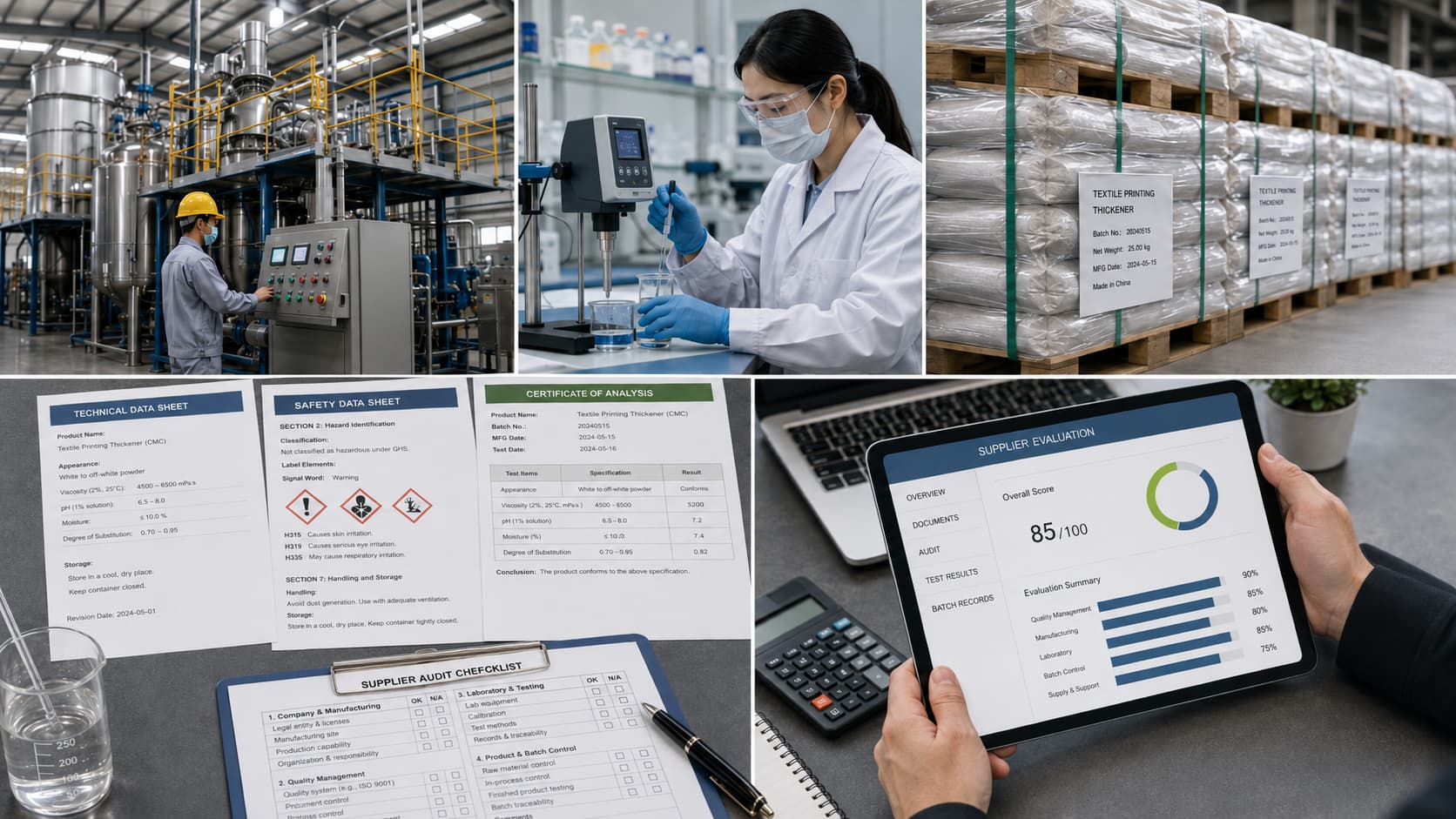
Providing documentation appropriate to a specific market — a TDS in the relevant language, an SDS formatted for local regulatory requirements, or test data relevant to a specific buyer specification — is a legitimate part of supplier service, but it should not be conflated with product customization. The underlying sodium alginate is the same product; what differs is the supporting documentation provided alongside it.

Be particularly cautious of suppliers who imply that documentation for one regulatory framework (such as a food safety certification) automatically extends to or validates compliance with a completely different framework (such as industrial textile chemical regulations in another market). These are typically separate certification systems with different scope, and claims that blur this distinction are a signal to ask for specific, verifiable documentation rather than general assurances.

How to Evaluate a Supplier’s Customization Claims

Questions That Distinguish Genuine Customization from Marketing Language

When a supplier describes their sodium alginate as customizable, the following questions help clarify what is actually on offer:

  • Which specific parameters can be adjusted — viscosity range, mesh size, purity tier — and what are the tolerances for each?
  • Does adjusting a parameter require a minimum order quantity above your standard MOQ, and what is the lead time difference?
  • For any claimed compliance or certification, can you provide the certificate number, issuing body, and scope of what it actually covers?
  • If a “custom formula” is offered, what specifically differs from your standard product range, and how is that difference validated (CoA, third-party testing)?

A supplier who can answer these questions with specific, verifiable detail is offering genuine customization. A supplier who responds primarily with general reassurance and broad claims of adaptability without specific parameter detail may be using “customization” as a marketing term rather than describing an actual differentiated production process.

Setting Realistic Expectations for Your Sourcing Conversation
The most productive approach to sourcing customized sodium alginate is to define your actual technical requirements first — fiber type, dye class, printing method, target viscosity range, purity needs, and any specific buyer documentation requirements — and then ask the supplier how their product range and services map to those requirements. This grounds the customization conversation in your real specifications rather than in the supplier’s general marketing claims.

How FSX Chemical Approaches Customization

FSX Chemical offers grade selection and technical guidance based on your specific application — fiber type, dye system, printing method, and process conditions — drawing from our standard production range across viscosity, mesh size, and purity specifications. Where your requirements fall outside our standard catalog, we can discuss what is realistically achievable and the lead time and quantity implications.

We do not claim that sodium alginate can be customized to properties outside its fundamental chemistry — such as compatibility with disperse dye printing or imparting outdoor durability to finished fabric — and we provide specific, verifiable documentation for any compliance claims relevant to your order, rather than general assurances.

Next steps:

Быстрый контакт

Отправьте запрос

или

Бесплатные образцы · Ответ в течение 24 часов

Запросы о продукции и техническая поддержка

Отправьте свои требования к продукции

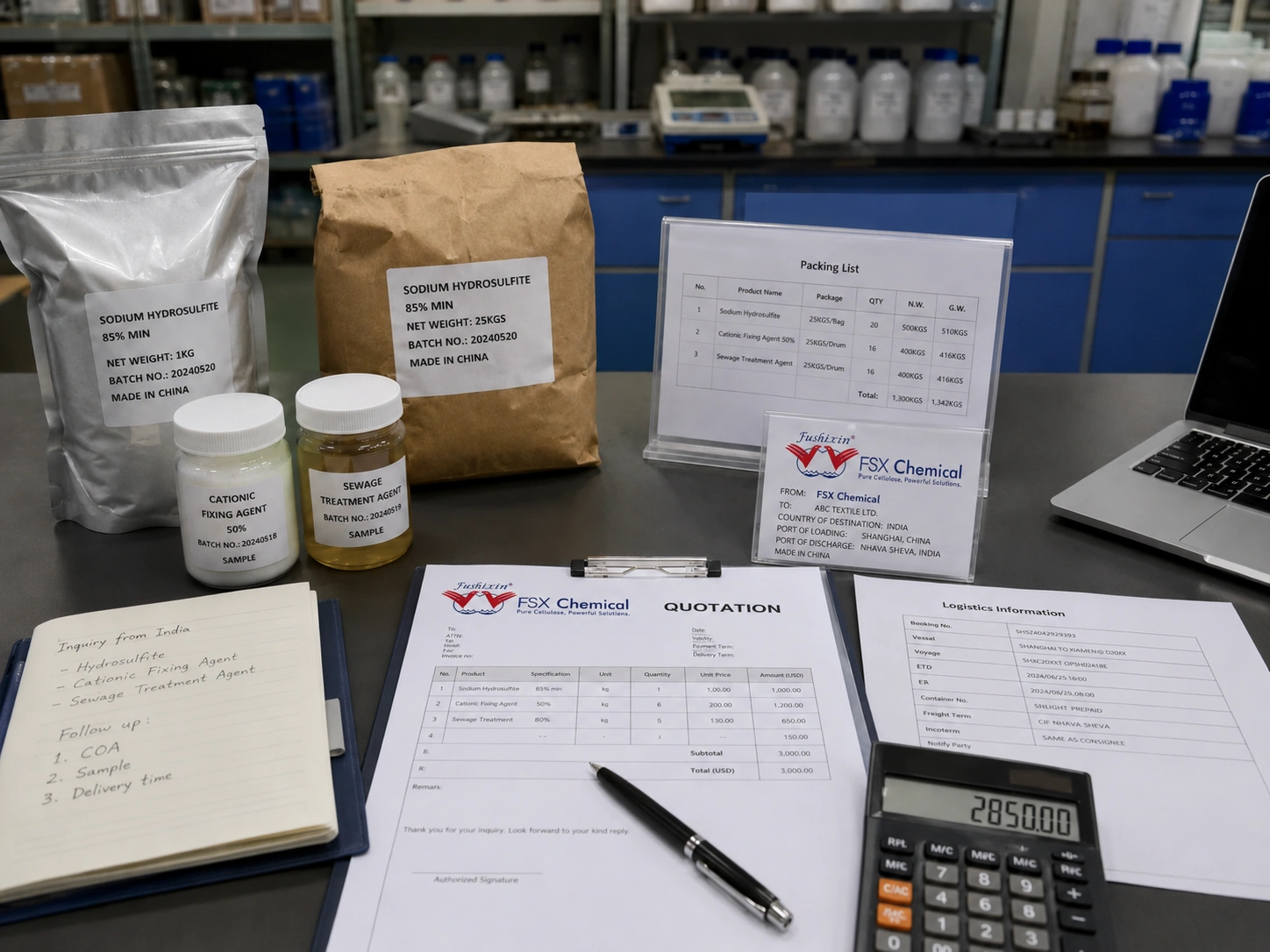
Сообщите название продукта, область применения, количество, пункт назначения, а также предоставьте техническое описание продукта (TDS), фотографию образца или имеющиеся у вас документы. Компания FSX Chemical рассмотрит эту информацию и порекомендует дальнейшие действия для подготовки коммерческого предложения, подбора образца или выбора продукта.

Информация о продукте Название товара, класс, модель, фотография этикетки или артикул поставщика.
Доступные документы TDS, SDS, COA, фотография образца, перечень продукции или данные испытаний.
Детали заказа Предполагаемый объем, упаковка, страна назначения, порт или условия торговли.
Заявка или проблема Процесс печати на текстиле, требования к составу, текущие проблемы или целевые показатели.